Giant lily (Cardiocrinum giganteum)
Discover Cardiocrinum giganteum, the dramatic Giant lily. Reaching 9 ft, featuring fragrant, showy flowers. Best in shade.

Bloom Boldly, No Matter the Season - Sweatshirt
Cozy organic cotton sweatshirt featuring our exclusive Purple Coneflower design. Perfect for gardeners who bloom year-round.
Inspired by the beautiful Giant lily
Limited first batch (50) — join the waitlist for early access
Waitlist closes Feb 15, 2026.
Complete Plant Information
Field Guide Continues
Ready for care notes, companion picks, and planting tips?
The map is just the start. The full guide below covers growth habits, seasonal performance, and landscape uses.
Overview
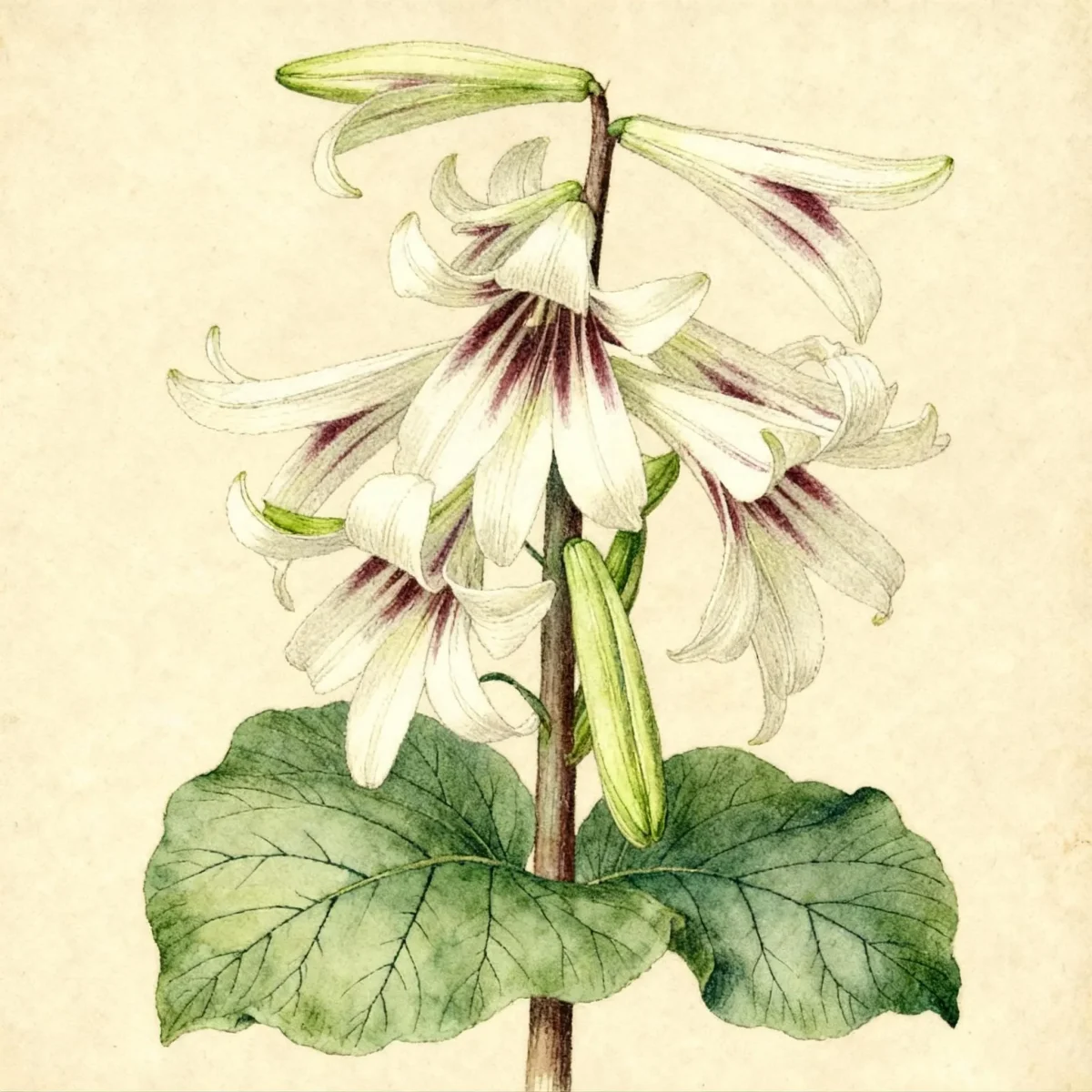
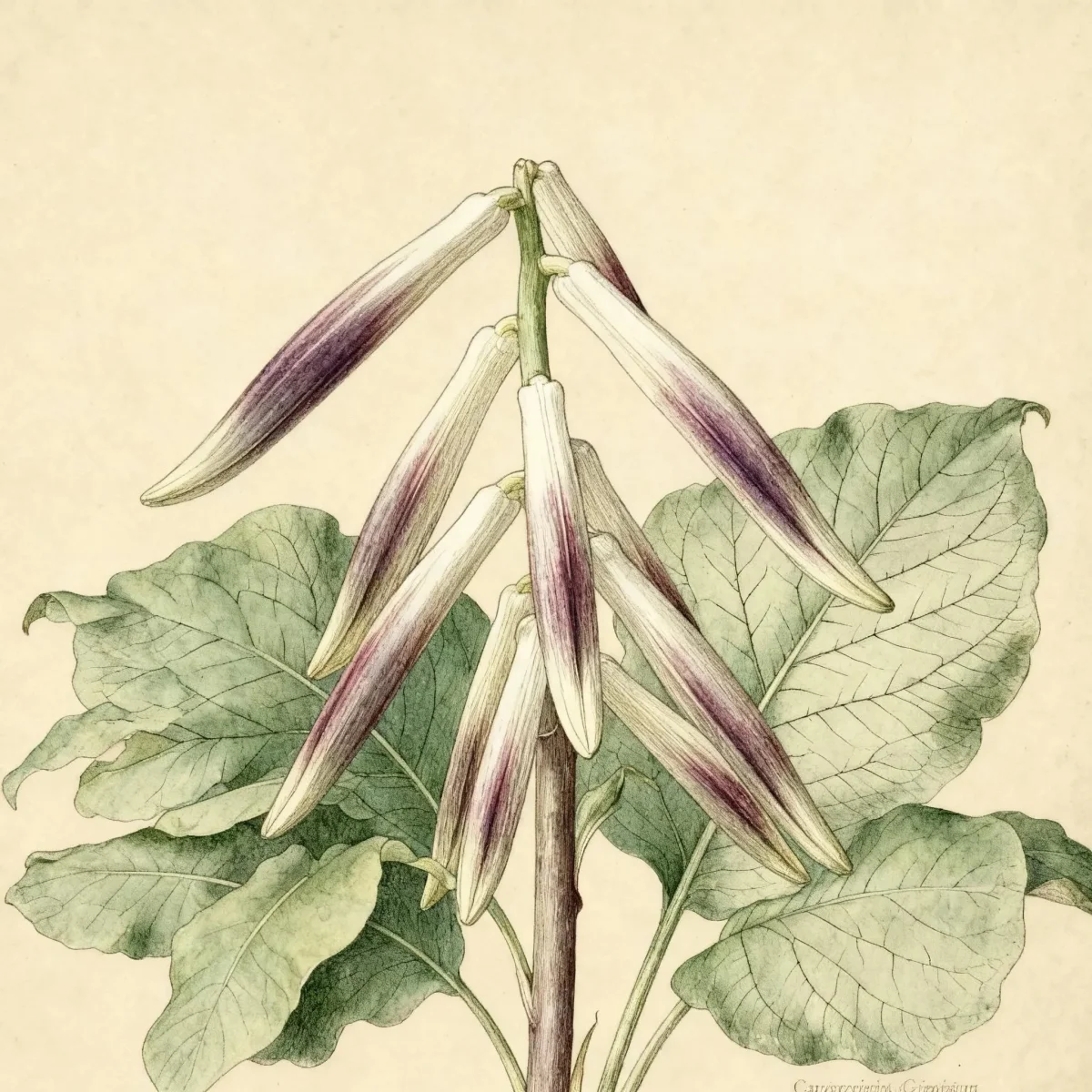
The striking Cardiocrinum giganteum, known commonly as the Giant lily, is an architectural marvel for the woodland garden. This imposing bulbous perennial produces massive, glossy, hosta-like leaves that serve as a lush green foundation. Its dramatic stature, with stems soaring up to 9 feet, makes it a focal point wherever it is successfully established.
The allure of Cardiocrinum giganteum peaks in mid-summer when numerous nodding, trumpet-shaped, fragrant, creamy white flowers appear. These blossoms, accented with purple streaking inside, provide high visual and olfactory impact in deep shade. Though the main bulb dies after flowering, the plant persists through the production of offsets, ensuring its majestic return.
While the effort required is high maintenance, the reward is unparalleled vertical drama. Gardeners seeking immense scale in sheltered, shaded environments find the Giant lily an unforgettable addition. Proper siting and meticulous soil preparation are key to coaxing this Himalayan native to its maximum height.
Fast Facts
- Plant Family: Liliaceae
- Plant Type: Bulb
- Native Range: China, India, Myanmar, Tibet
- Hardiness Zones: USDA Zones 7-9
- Size at Maturity:
- Height: 7-9 ft
- Spread: 2-3 ft
- Bloom Time: June to August
- Bloom Description: Creamy white with reddish-purple center
- Sun Exposure: Part shade
- Water Needs: Medium
- Maintenance Level: High
How to Grow
Successful cultivation of Cardiocrinum giganteum relies heavily on replicating its native Himalayan woodland environment. Plant new bulbs in early spring with the tip just breaking the soil surface. The preference is for deep, fertile, humusy, organically rich soil that remains consistently moist but drains flawlessly to prevent bulb rot.
Positioning is crucial; locate the Giant lily in part shade, ideally sheltered from harsh afternoon sun and strong winds that can damage the tall stems. Watering should be consistent, meeting its medium water needs, especially during the summer growing season. Fertilization is beneficial, specifically to encourage the development of offsets, ensuring future generations of this spectacular plant.
As Cardiocrinum giganteum is winter hardy to Zones 7-9, protection is still advised outside prime zones. Apply a thick layer of mulch over the root zone during winter for added insulation. Propagation is achieved via seed or by carefully dividing and removing the bulb offsets once the parent plant has flowered, though be aware these offsets may take several years to reach maturity and bloom.
Landscape Uses
The sheer scale of the Giant lily makes it perfectly suited for woodland gardens or deep part shade areas where few other flowering stems achieve such height. It excels in the dappled sunlight cast by mature, large trees, providing vertical accenting against a dark green backdrop. Consider planting in groups to maximize the visual impact of their large, highly ornamental foliage throughout the season.
These magnificent bulbs work wonderfully as a backdrop element in borders, contrasting beautifully with lower-growing shade lovers like Hosta varieties or Astilbe. Their majestic summer bloom provides a brief, fragrant spectacle before they retreat, leaving behind interesting seed capsules. Site them where their magnificent structure can be appreciated close to paths or seating areas.
Standout Features
Flower Qualities
- Showy
- Fragrant
Fruit Qualities
- Showy
Noteworthy Characteristics
Cardiocrinum giganteum, commonly called giant lily, is a bulbous perennial that is native to part shade woodland areas of the Himalayas, China and Myanmar. Nodding, fragrant, trumpet-shaped, lily-like, white flowers bloom in summer atop thick, rigid stems growing up to 9’ tall, rising from a basal rosette of glossy, hosta-like leaves. The genus name references the heart-shaped leaves, making this impressive plant a truly unique specimen in the shade garden.
Tolerances
Potential Problems
Growing Cardiocrinum giganteum demands vigilance, as it requires considerable effort to thrive well. The primary cultural threat is bulb rot, which occurs rapidly in poorly drained or perpetually soggy soils; excellent drainage is non-negotiable. Snails and slugs are regular predators of the emerging, tender growth and must be controlled proactively. Furthermore, monitor for signs of lily mosaic virus; prompt aphid control is essential since no cure exists once infection takes hold, and fungicide applications may be necessary to manage Botrytis outbreaks.
Frequently Asked Questions
What hardiness zones is Giant lily suitable for?
Cardiocrinum giganteum is winter hardy in USDA Zones 7 through 9.
How large does Cardiocrinum giganteum grow?
This plant typically achieves a height between 7 and 9 feet, with a spread of 2 to 3 feet at maturity.
When does Giant lily bloom?
The spectacular bloom time for the Giant lily is generally from June through August, featuring creamy white flowers with a distinctive reddish-purple center.
What sun exposure does Cardiocrinum giganteum need?
This species thrives best when situated in part shade locations, mimicking its native woodland environment.
Conclusion
The sheer vertical presence and intoxicating summer fragrance ensure that Cardiocrinum giganteum remains a highly sought-after feature plant for dedicated gardeners. Utilizing the dramatic height of the Giant lily requires a commitment to high maintenance, focusing on rich, well-drained soil and sheltered positions. Before planting, confirm your site falls within the USDA Zones 7-9 compatibility range to ensure the best chances of success.
Companion Planting
Selecting appropriate companions for the Giant lily is essential, primarily because it occupies a niche requiring deep shade and consistently moist, rich soil. Plants with contrasting textures and complementary seasonal interest work best around the base of this colossal bulb. Consider pairing it with large-leaved woodland natives like certain Hosta cultivars, which share similar light and water needs throughout the summer.
Acacia and Rodgersia create wonderful textural contrasts, with their varied leaf shapes mitigating the dominance of the Cardiocrinum giganteum’s large, cordate leaves. Since the bloom period is relatively short, incorporating shade-tolerant perennials that flower earlier or later, such as Japanese Anemones or woodland Phlox, ensures continuous interest in the designated part shade area. Avoid overly competitive shallow-rooted plants that might steal moisture and nutrients needed by the slow-establishing offsets.
Seasonal Care Calendar
Spring preparation is vital for the success of the Cardiocrinum giganteum. Once the soil is workable and before new growth emerges, ensure the soil is amended with plenty of rich organic matter and that planting tips are positioned correctly at the surface. Begin consistent watering regimes as temperatures rise in late spring, keeping the soil moist but never waterlogged.
Summer is the payoff period, focusing on pest management, primarily protecting the foliage and flowers from slugs and snails. Stop fertilizing once blooming is complete, allowing the plant to naturally cycle down while the bulb stores energy. In autumn, as leaf dieback begins, apply a generous layer of mulch, particularly in cooler parts of Zones 7 and 8, to protect the bulb crown during winter dormancy.