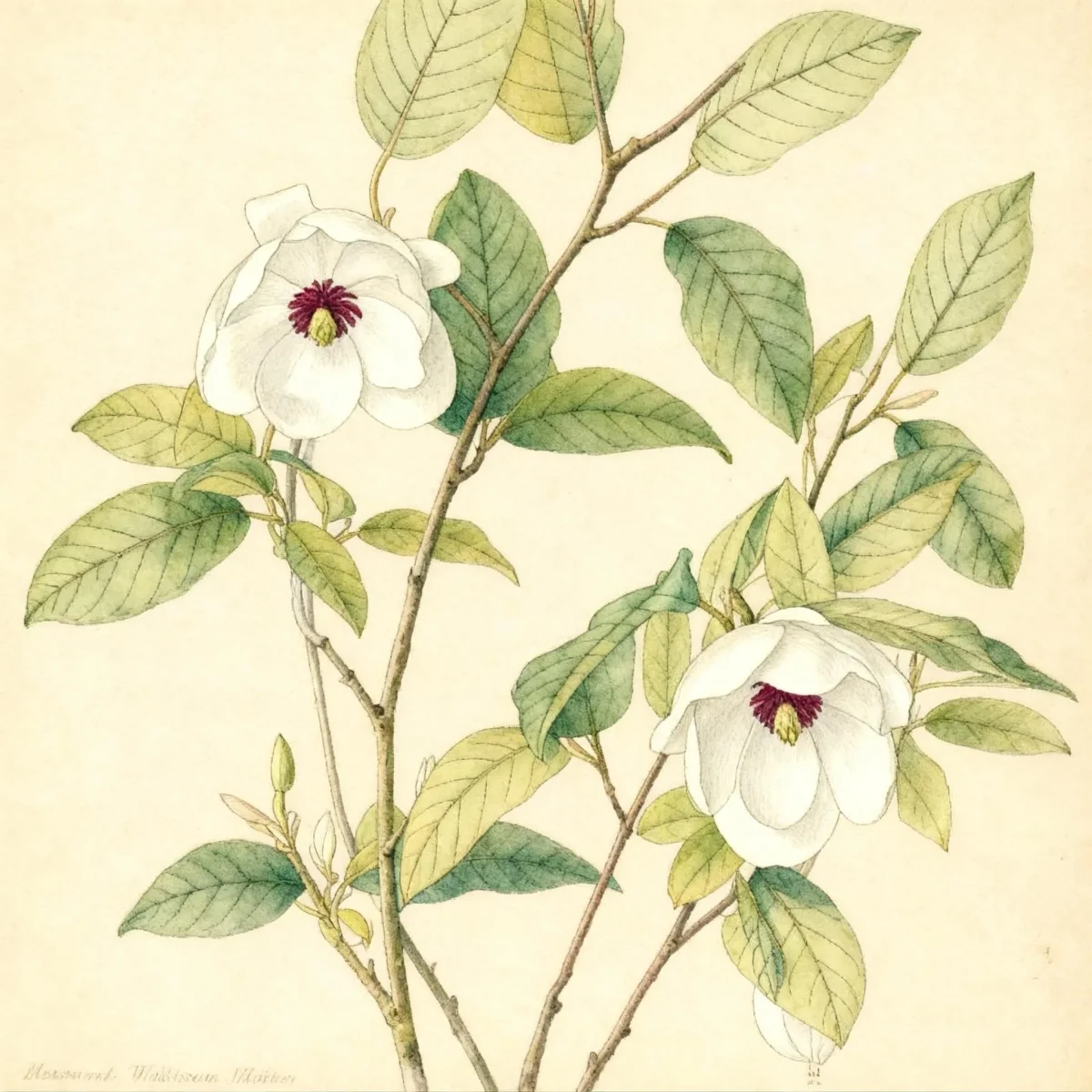
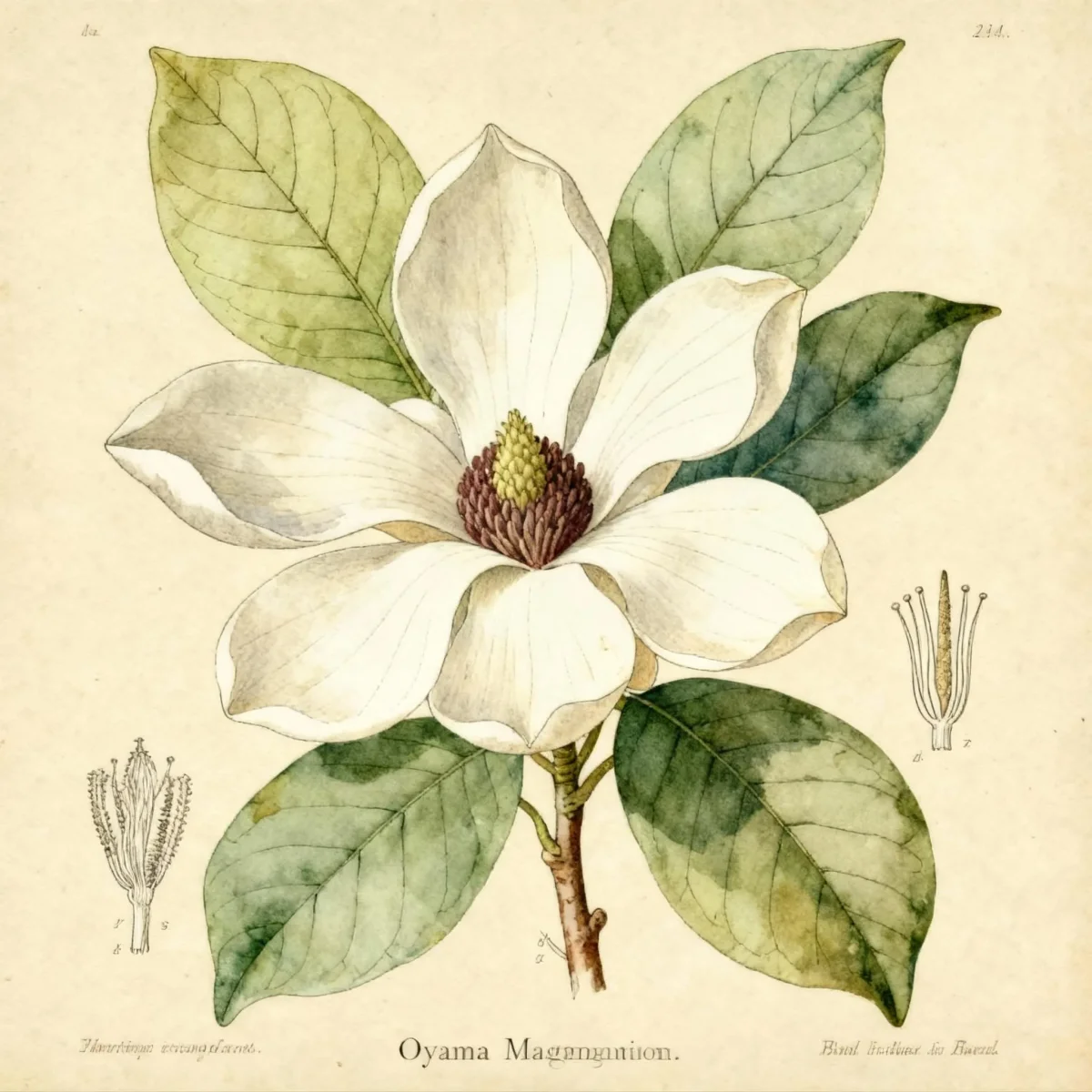
Southern magnolia (Magnolia grandiflora)
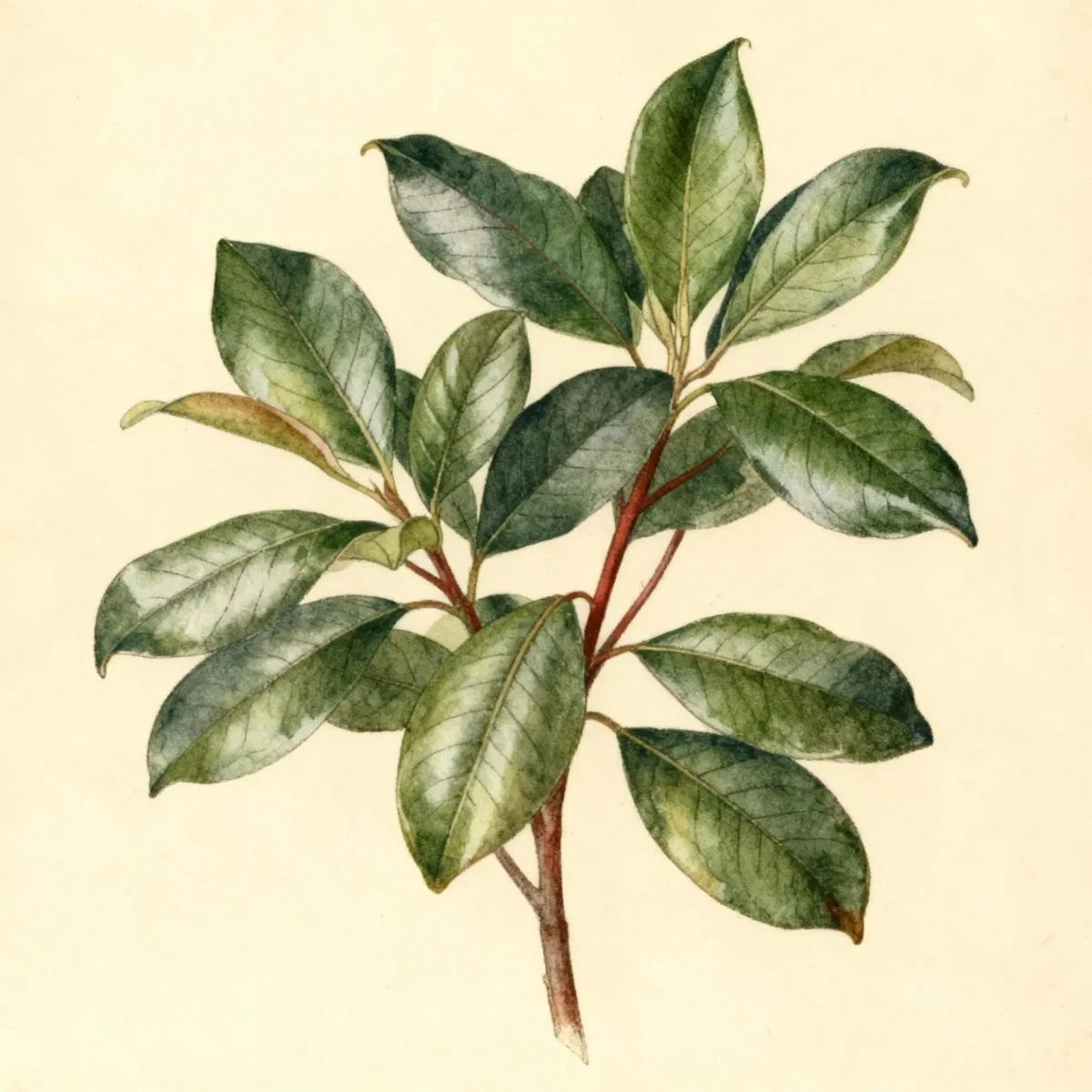
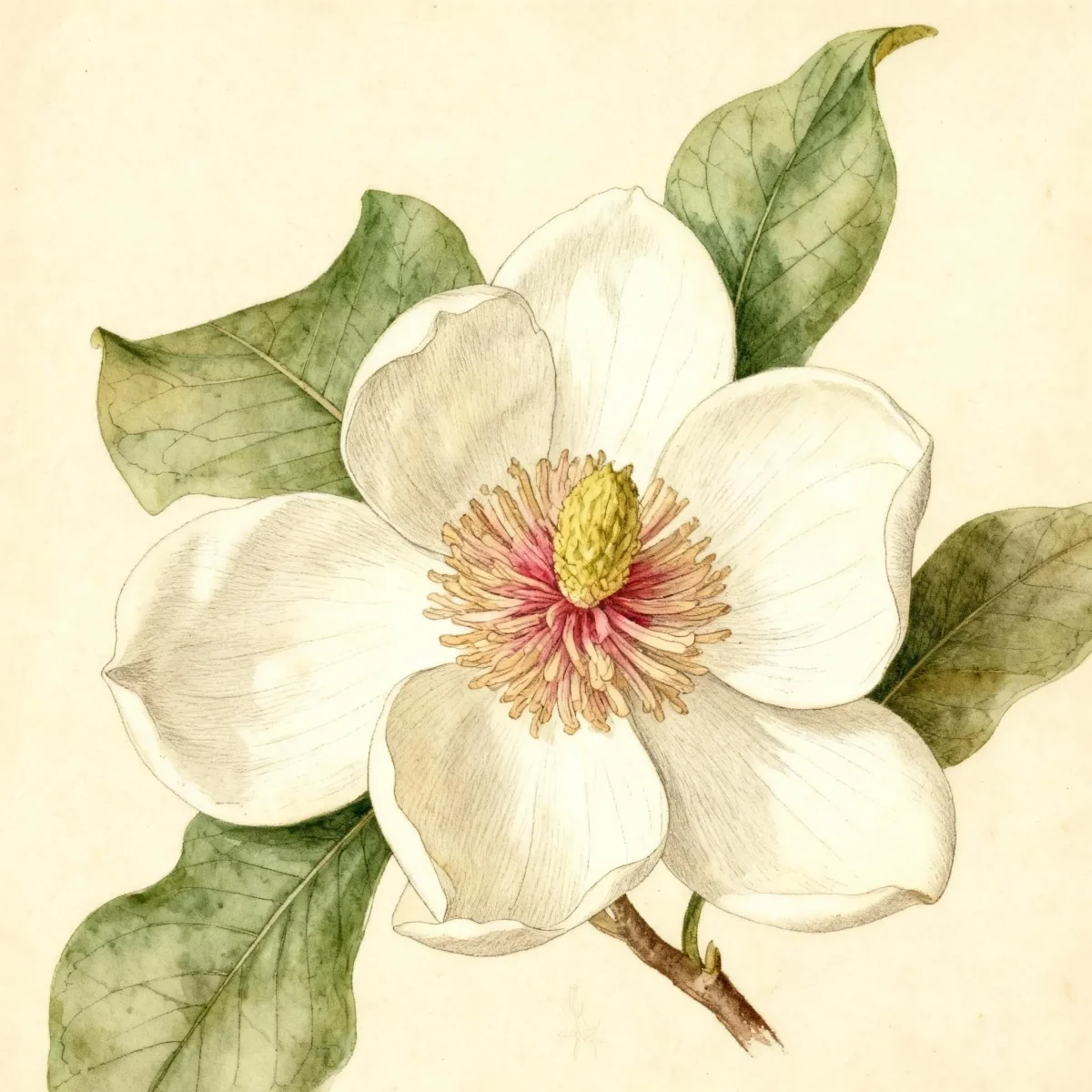
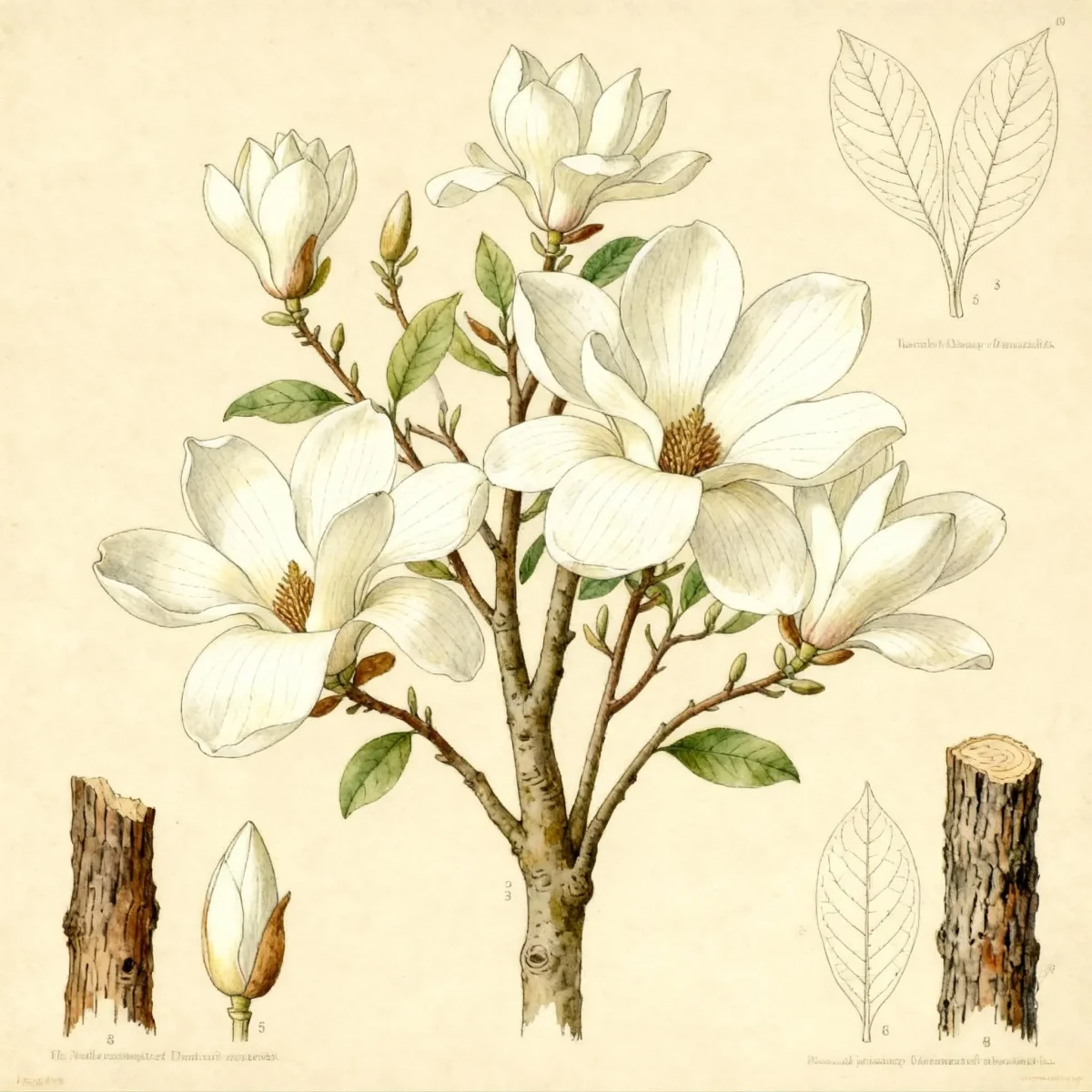
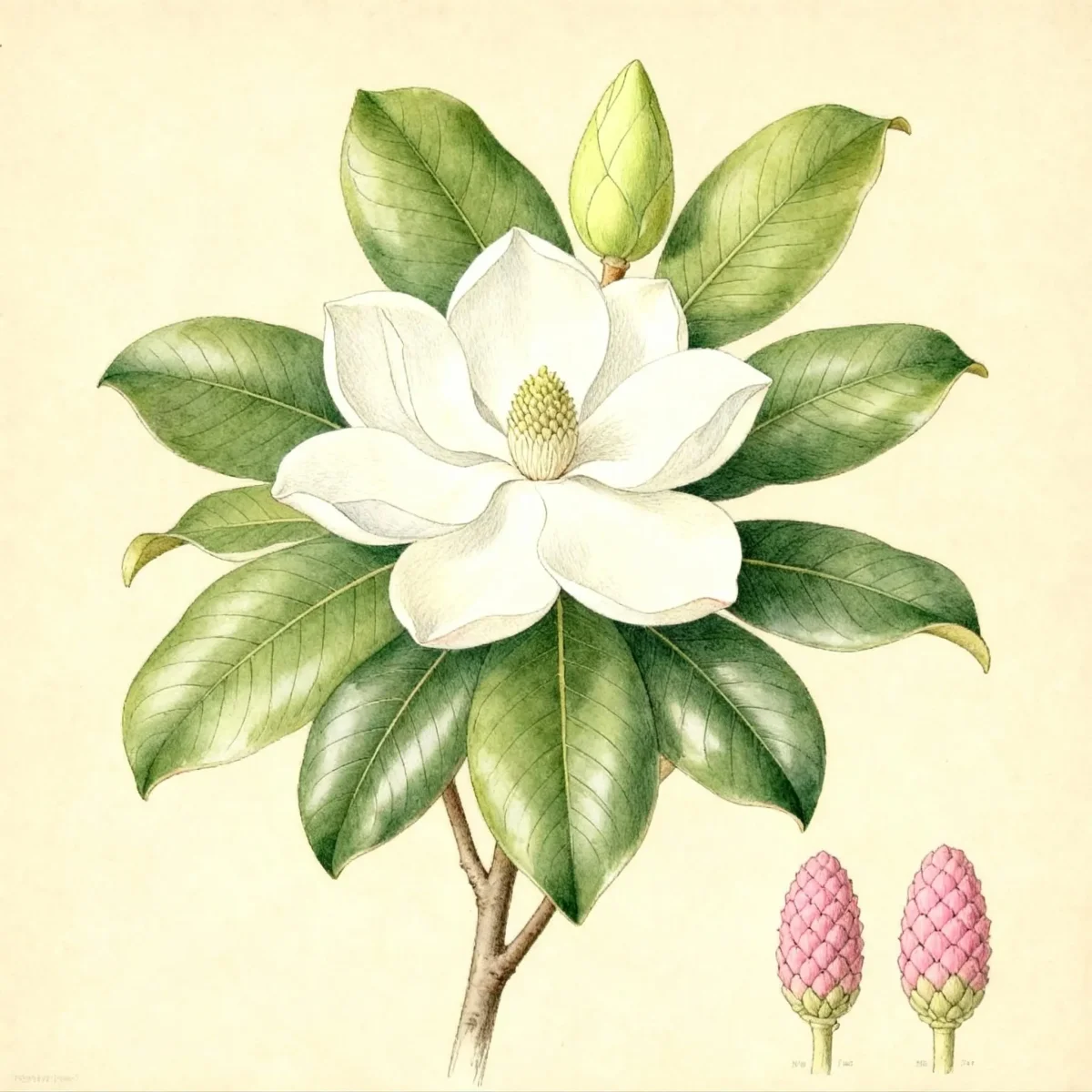
The magnificent Southern magnolia (Magnolia grandiflora) is an evergreen tree offering large, fragrant white flowers and leathery deep green leaves.

Bloom Boldly, No Matter the Season - Sweatshirt
Cozy organic cotton sweatshirt featuring our exclusive Purple Coneflower design. Perfect for gardeners who bloom year-round.
Inspired by the beautiful Southern magnolia
Limited first batch (50) — join the waitlist for early access
Waitlist closes Feb 15, 2026.
Complete Plant Information
Field Guide Continues
Ready for care notes, companion picks, and planting tips?
The map is just the start. The full guide below covers growth habits, seasonal performance, and landscape uses.
Overview
The Southern magnolia, Magnolia grandiflora, is treasured across the Southeast for its commanding presence and incredible fragrance. It stands as a broadleaf evergreen, providing year-round structure, attractive dark green foliage, and substantial visual impact in any landscape. Gardeners prize this magnificent tree for its immense, cup-shaped white flowers that can measure up to 12 inches across.
This species is native to the moist woods of the southeastern United States, where it develops into a massive specimen. While the straight species reliably thrives in USDA Zones 7 through 9, its ultimate height often reaches 60 to 80 feet, demanding significant long-term planning when selecting a planting site. Integrating Magnolia grandiflora into a landscape promises seasonal beauty and undeniable Southern charm.
Fast Facts
- Plant Family: Magnoliaceae
- Plant Type: Tree
- Native Range: Southeastern United States
- Hardiness Zones: USDA Zones 7-9
- Size at Maturity:
- Height: 60-80 ft
- Spread: 30-50 ft
- Bloom Time: May to June
- Bloom Description: White
- Sun Exposure: Full sun to part shade
- Water Needs: Medium
- Maintenance Level: Medium
How to Grow
The best time to establish a new Southern magnolia is during the cooler, wetter periods of fall or early spring, allowing the roots to establish before summer heat sets in. Magnolia grandiflora thrives in organically rich, well-drained loams, but it requires consistent moisture, making it intolerant of both excessively dry or waterlogged soils. While it tolerates full sun, dappled or part shade may be preferable, especially in the hottest climates.
Watering is crucial during the establishment phase; maintain a medium moisture level, ensuring the ground does not dry out completely. This tree generally requires moderate care; avoid planting where it will face heavy pollution, as it shows intolerance to many urban pollutants. Due to the immense mature size of Magnolia grandiflora, site selection is paramount—give it ample space to expand its canopy without interfering with structures or overhead lines.
For gardeners in cooler extremes, note that this species is reliably hardy in Zones 7-9. Gardeners in Zone 6 can attempt cultivation only if a highly protected microclimate is available, as plants may suffer foliage loss in severe winter cold. Always consider improved cultivars, such as ‘Bracken’s Brown Beauty’, if winter hardiness below Zone 7 is required.
Landscape Uses
As a magnificent flowering tree, the primary recommendation for Magnolia grandiflora is as a specimen or accent planted where its size and stately presence can be fully appreciated. Its dense, evergreen foliage makes it an exceptional choice for creating a substantial evergreen screen or windbreak, providing visual interest throughout the year. Grouping these trees can soften large property lines or provide a majestic backdrop to formal gardens.
When siting this massive native, ensure companion plants complement its deep green, leathery leaves without competing for root space or light in its immediate vicinity. Lower-growing, shade-tolerant shrubs that prefer acidic soil make excellent understory plantings as the canopy develops around your Southern magnolia.
Standout Features
Flower Qualities
- Showy
- Fragrant
Fruit Qualities
- Showy
Noteworthy Characteristics
Magnolia grandiflora is a broadleaf evergreen tree that is noted for its attractive dark green leaves and its large, extremely fragrant flowers. This magnificent tree of the South typically grows to 60-80’ tall with a pyramidal to rounded crown and is native to moist wooded areas throughout the southeastern United States. The leathery evergreen leaves are glossy dark green above, contrasting beautifully with the occasional sparse flowering that continues throughout the summer after the main flush in late spring.
Tolerances
- Air Pollution
Potential Problems
Generally, the Southern magnolia experiences no serious insect or disease problems, contributing to its reputation as a resilient landscape staple. Monitor for scale insects if the tree is stressed or poorly sited, applying horticultural oil as needed. The main challenge for homeowners often involves managing the fallen leaves and the substantial size of mature specimens rather than pest outbreaks.
Frequently Asked Questions
What hardiness zones is Southern magnolia suitable for?
The Magnolia grandiflora is reliably hardy in USDA Zones 7 through 9, though specialized cultivars exist for colder regions.
How large does Southern magnolia grow?
This tree matures to a substantial size, typically reaching a height of 60 to 80 feet and spreading between 30 to 50 feet wide.
When does Southern magnolia bloom?
The peak bloom time for the large white flowers of the Southern magnolia is usually from May into June.
What sun exposure does Southern magnolia need?
It performs best in full sun conditions but will also tolerate part shade, which may be preferable in very hot summer locations.
Conclusion
The Southern magnolia remains an iconic symbol of the American South, prized for its robust evergreen structure and intensely fragrant, showy white blooms. Incorporating Magnolia grandiflora offers enduring beauty and year-round screening value. Before planting, carefully assess your site constraints to accommodate this tree’s great ultimate size and ensure you meet its requirements for rich, well-drained soil.
Companion Planting
Selecting appropriate companions enhances the beauty of the Magnolia grandiflora without causing root competition. Consider low-growing, acid-loving shrubs such as Rhododendrons or Azaleas planted outside the immediate drip line of the mature tree. These foundation plantings benefit from the dappled shade cast by the canopy, creating layers of texture beneath the imposing evergreen structure of the Southern magnolia. Always maintain a clear zone close to the trunk to allow for proper air circulation and moisture penetration to the magnolia’s root system.
Design Ideas: Creating an Evergreen Statement
The sheer scale and evergreen nature of Magnolia grandiflora make it perfect for defining space in large landscapes. Use a single tree as a powerful specimen planted in a broad expanse of lawn where its silhouette can be admired year-round. Alternatively, grouping three or more trees creates an imposing, formal allée leading toward an entranceway or property feature. The contrast of its glossy dark leaves against light-colored architecture or blue sky is always dramatic.