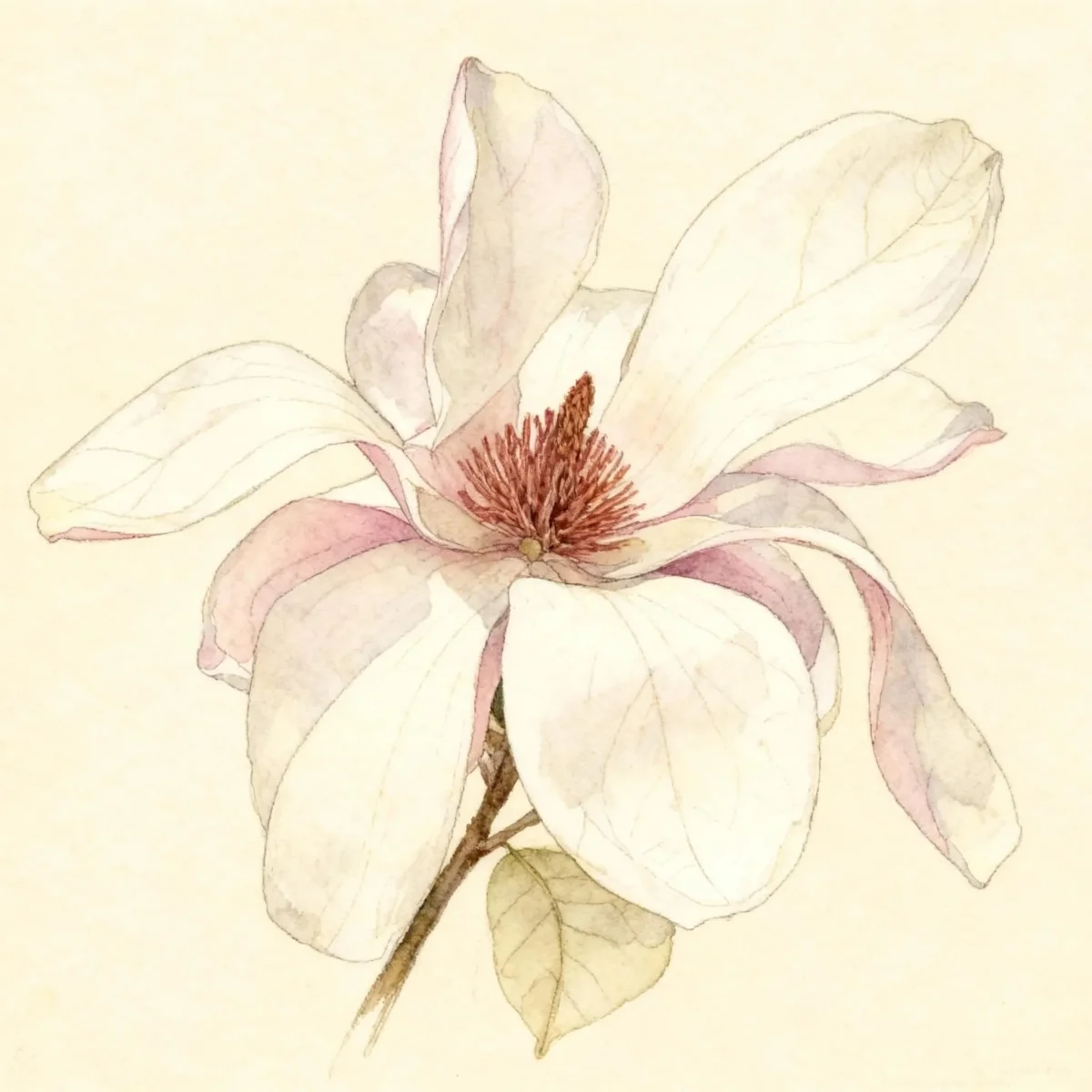
Sweet bay magnolia (Magnolia virginiana)
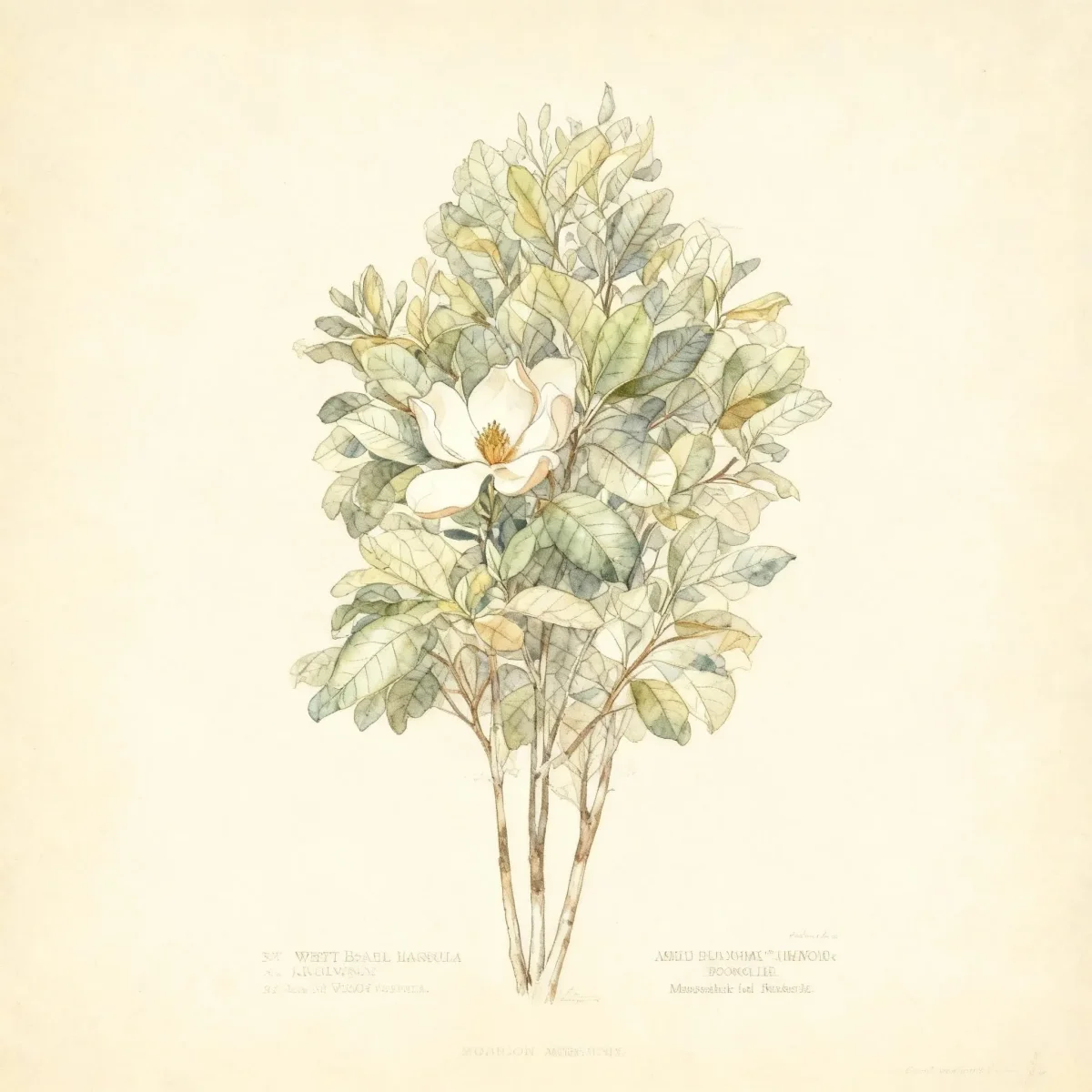
The Sweet bay magnolia (Magnolia virginiana) offers fragrant white flowers and tolerates wet clay soil, making it a versatile, low-maintenance choice for eastern US gardens.
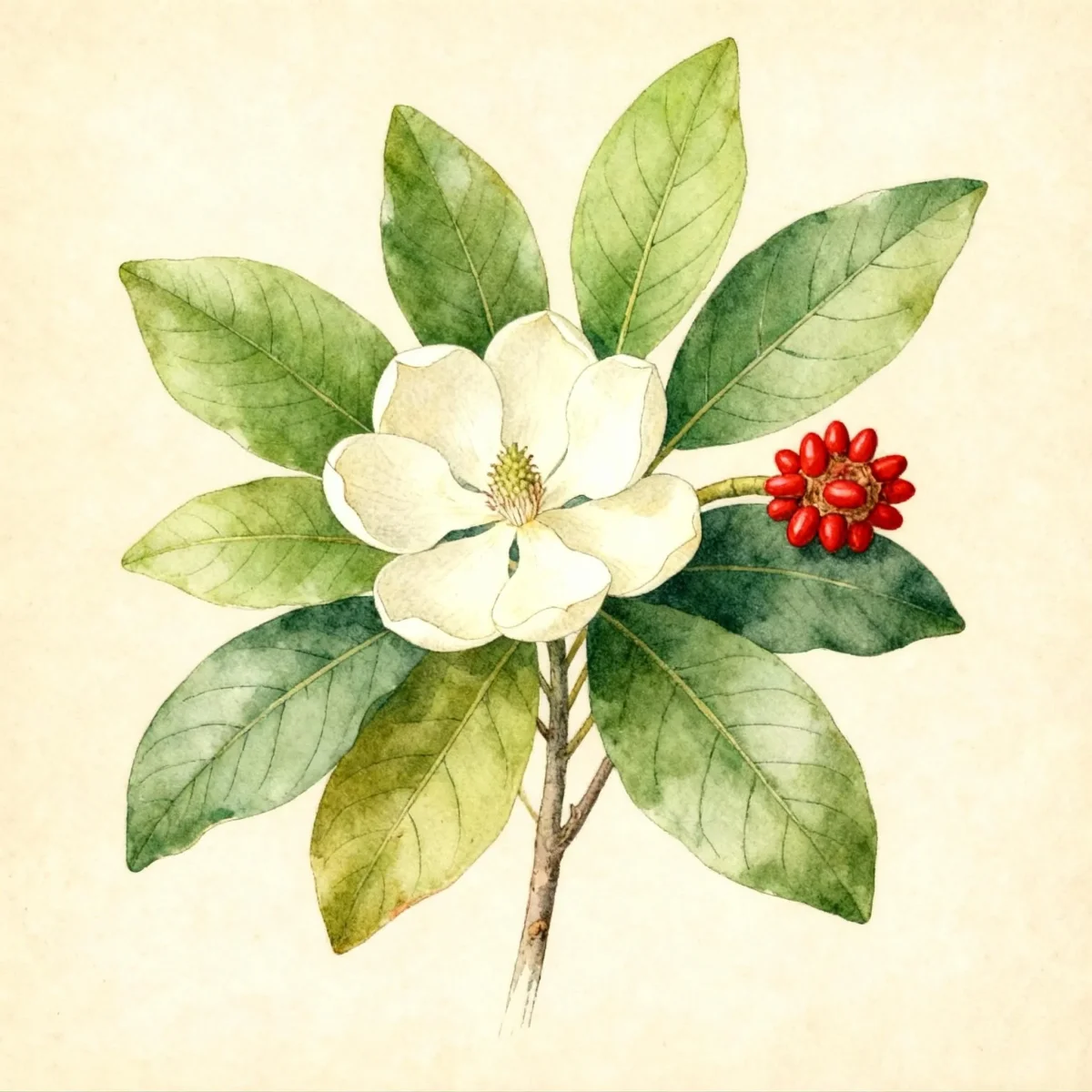

Bloom Boldly, No Matter the Season - Sweatshirt
Cozy organic cotton sweatshirt featuring our exclusive Purple Coneflower design. Perfect for gardeners who bloom year-round.
Inspired by the beautiful Sweet bay magnolia
Limited first batch (50) — join the waitlist for early access
Waitlist closes Feb 15, 2026.
Complete Plant Information
Field Guide Continues
Ready for care notes, companion picks, and planting tips?
The map is just the start. The full guide below covers growth habits, seasonal performance, and landscape uses.
Overview
The Sweet bay magnolia, or Magnolia virginiana, is a cherished native tree prized for its adaptability and delicate beauty. Unlike many of its showier magnolia cousins, this species thrives in challenging, moist environments, making it an invaluable asset for rain gardens and consistently wet areas of the landscape. Its growth habit can vary significantly depending on latitude, offering gardeners flexibility; it may present as an upright small tree or a dense, multi-stemmed shrub.
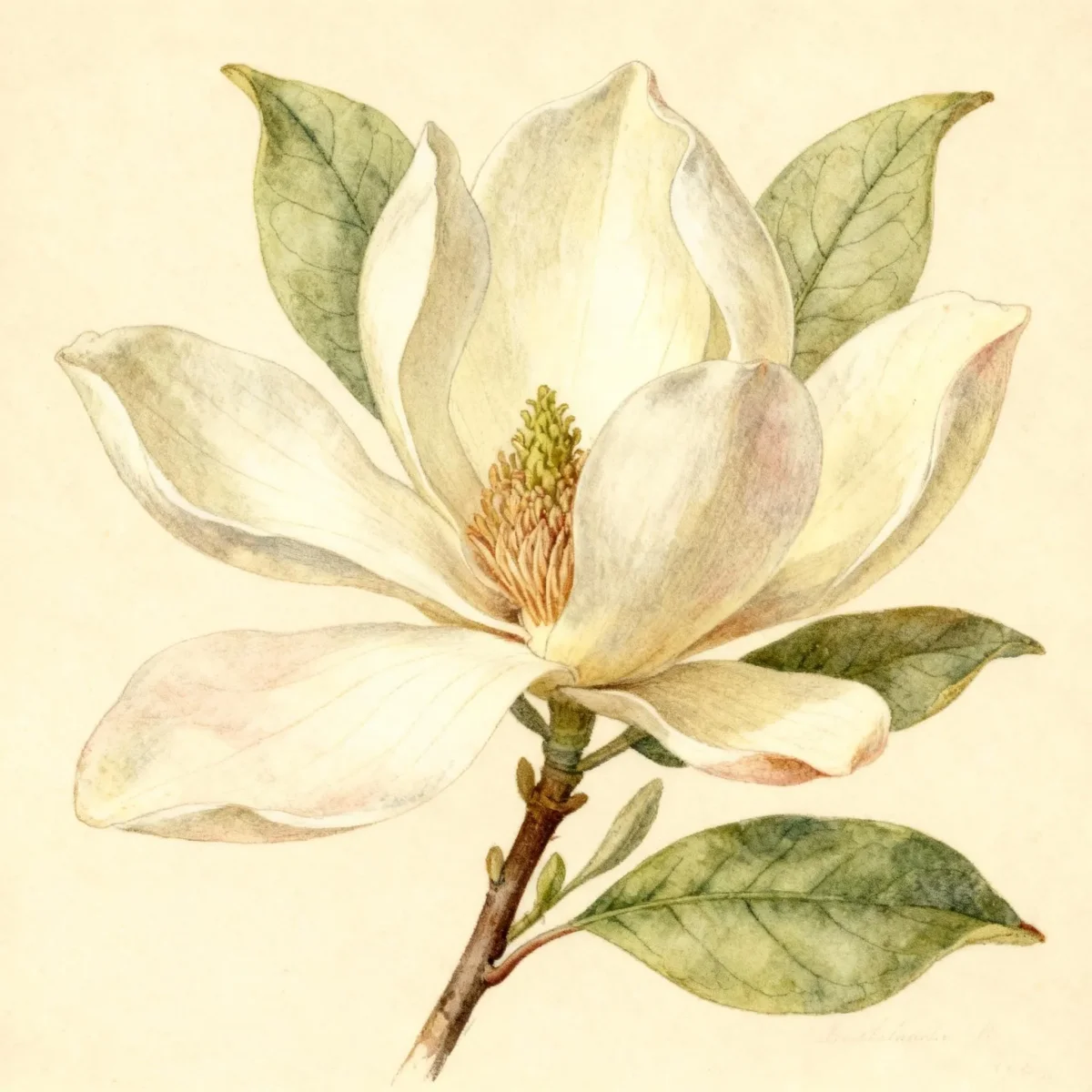
A hallmark feature of Magnolia virginiana is its enchanting fragrance. The cup-shaped, two- to three-inch creamy white blossoms possess a sweet, lemony scent that perfumes the garden from May through June, sometimes offering sporadic blooms into the summer. The foliage is equally attractive, featuring shiny green leaves that are silvery underneath, offering semi-evergreen to evergreen cover, depending on winter severity.
Because the Sweet bay magnolia handles heavy clay and wet conditions well, it offers excellent structural interest where other broadleaf trees might fail. Its low maintenance requirements and tolerance for urban conditions like air pollution ensure that this beautiful native thrives with minimal intervention once established.
Fast Facts
- Plant Family: Magnoliaceae
- Plant Type: Tree
- Native Range: Eastern United States
- Hardiness Zones: USDA Zones 5-10
- Size at Maturity:
- Height: 10-35 ft
- Spread: 10-35 ft
- Bloom Time: May to June
- Bloom Description: White
- Sun Exposure: Full sun to part shade
- Water Needs: Medium to wet
- Maintenance Level: Low
How to Grow
Planting Magnolia virginiana is best accomplished in the spring or fall when temperatures are mild, allowing the root system to establish before experiencing extreme heat or cold. Choose a site that receives full sun to part shade. This species excels in acidic, moist, rich, organic soils, but its unique tolerance means it performs well even in heavy clay or boggy areas near water features.
Watering is critical during the first couple of seasons; aim to keep the soil consistently moist. While established Sweet bay magnolia trees are quite drought-tolerant once rooted, they perform best when water is medium to wet. Fertilization is rarely necessary, particularly if the native soil is rich. Pruning should be minimal, generally reserved for removing crossing or damaged branches, as the natural form is highly desirable. Gardeners in Zone 5 should ensure the location is somewhat protected from harsh winter winds.
The willingness of Magnolia virginiana to tolerate saturated soil positions it perfectly for specialized landscape roles. Unlike most magnolias, you do not need to fret over minor drainage issues, making site selection easier in damp gardens.
Landscape Uses
The remarkable adaptability of the Sweet bay magnolia means it functions beautifully across numerous landscape roles. Use it as a striking specimen tree centered in a lawn or near patios where its summer fragrance can be fully appreciated. When planted closely, it forms an excellent, dense shrub border or screen.
Its tolerance for wet soils makes it an outstanding component for rain gardens, bioswales, or along the edges of ponds and streams where traditional ornamentals might struggle. Consider planting the Sweet bay magnolia near the periphery of woodland areas to transition between sunnier borders and deeper shade. For foundation plantings, select a cultivar known to remain on the smaller side, ensuring foundation clearance.
Standout Features
Flower Qualities
- Showy
- Fragrant
Fruit Qualities
- Showy
Noteworthy Characteristics
Magnolia virginiana, commonly called sweet bay magnolia, is native to the southeastern United States north along the Atlantic coast to New York. In the northern part of its cultivated growing range, it typically grows as either a 15-20’ tall tree with a spreading, rounded crown or as a shorter, suckering, open, multi-stemmed shrub. Features cup-shaped, sweetly fragrant (lemony), 9-12 petaled, creamy white, waxy flowers (2-3” diameter) which appear in mid-spring and sometimes continue sporadically throughout the summer.
Tolerances
- Clay Soil
- Wet Soil
- Air Pollution
Potential Problems
This species generally remains free from serious insect pests or major diseases, contributing to its low maintenance rating. The primary cultural issue is related to soil pH: Magnolia virginiana is susceptible to chlorosis (yellowing leaves) when planted in strongly alkaline soils, indicating a nutrient uptake issue common in magnolias. To manage this, ensure the soil remains acidic; incorporating acidic organic matter like peat moss at planting time can help buffer pH levels, especially in high-pH regions.
Frequently Asked Questions
What hardiness zones is Sweet bay magnolia suitable for?
The Sweet bay magnolia is suitable for USDA Hardiness Zones 5 through 10.
How large does Magnolia virginiana grow?
This tree typically reaches mature heights between 10 and 35 feet, with an equal spread of 10 to 35 feet, although southern specimens can grow larger.
What sun exposure does Magnolia virginiana need?
Magnolia virginiana requires full sun to part shade for optimal growth and flowering.
When does Sweet bay magnolia bloom?
It blooms primarily from May to June, producing showy, fragrant white flowers.
Conclusion
The Sweet bay magnolia offers landscape designers and home gardeners a tough, fragrant, and beautiful native option that excels where other magnolias fail, particularly in wet or clay soils. By respecting its preference for moisture and acidic conditions, you can enjoy the low-maintenance beauty of Magnolia virginiana for decades. Check your local soil pH before planting to mitigate potential issues and ensure successful establishment.
Companion Planting
When planning arrangements near your Magnolia virginiana, focus on plants that share similar moisture requirements and prefer acidic soil conditions. Excellent companions for wet areas include perennial moisture lovers such as Ferns (e.g., Ostrich Fern or Cinnamon Fern), Iris species, and various Sedge grasses (Carex). If used as an accent near the edge of a woodland, taller native shrubs like Blue Holly (Ilex glabra) can offer year-round green contrast to the semi-evergreen foliage of the Sweet bay magnolia.
Wildlife Benefits
The flowers of Magnolia virginiana are attractive to various early-season pollinators due to their large, accessible structure and strong, sweet fragrance, fulfilling the “fragrant” quality listed as a flower characteristic. Furthermore, the maturing cone-like fruits holding bright red seeds function as a valuable, high-fat food source for numerous bird species throughout the late fall and winter. Planting this specimen directly supports local biodiversity by providing both nectar resources and winter sustenance.