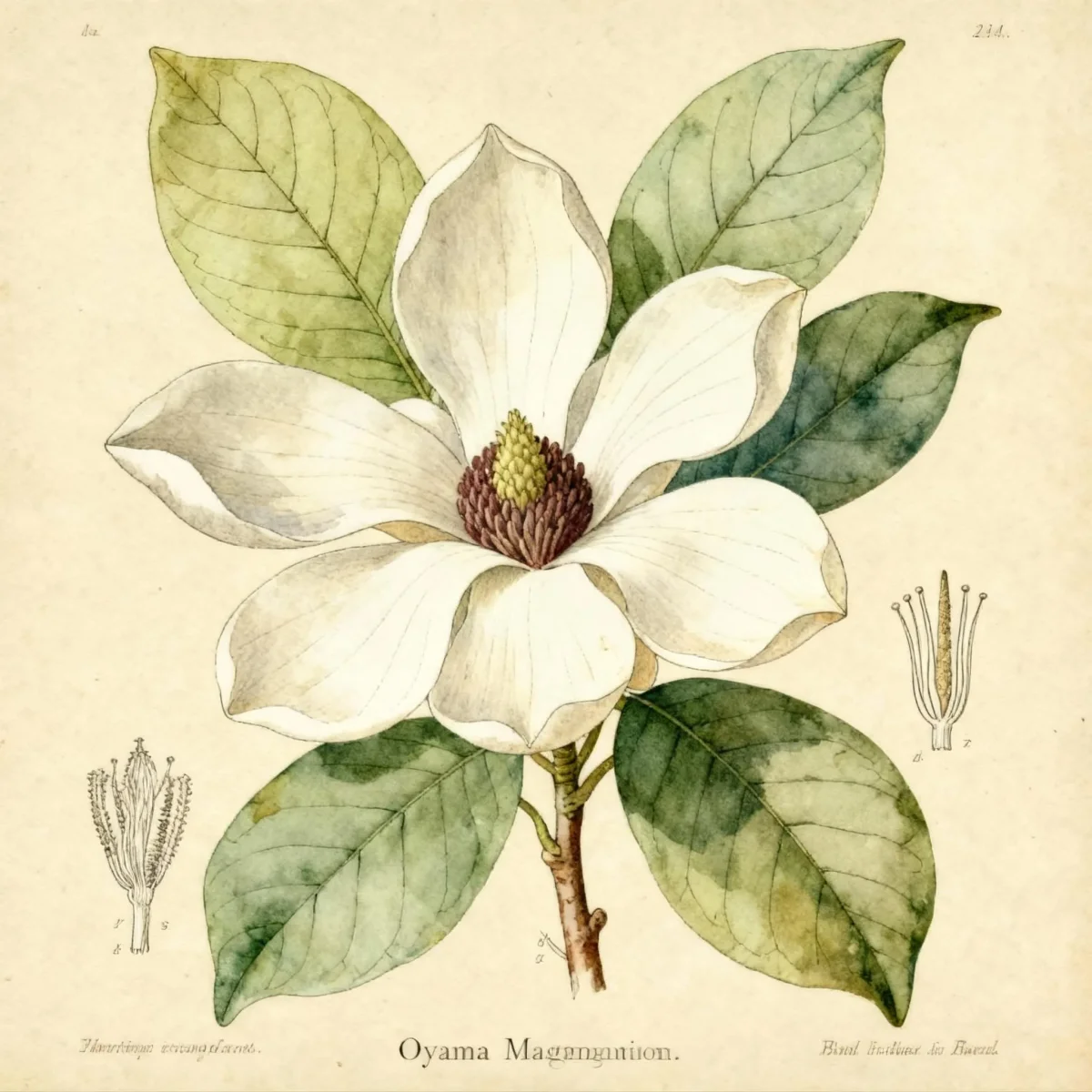
Oyama magnolia (Magnolia sieboldii)
Discover the Oyama magnolia, Magnolia sieboldii—a vase-shaped slow-growing tree featuring nodding white flowers and crimson stamens.
Bloom Boldly, No Matter the Season - Sweatshirt
Cozy organic cotton sweatshirt featuring our exclusive Purple Coneflower design. Perfect for gardeners who bloom year-round.
Inspired by the beautiful Oyama magnolia
Limited first batch (50) — join the waitlist for early access
Waitlist closes Feb 15, 2026.
Complete Plant Information
Field Guide Continues
Ready for care notes, companion picks, and planting tips?
The map is just the start. The full guide below covers growth habits, seasonal performance, and landscape uses.
Overview
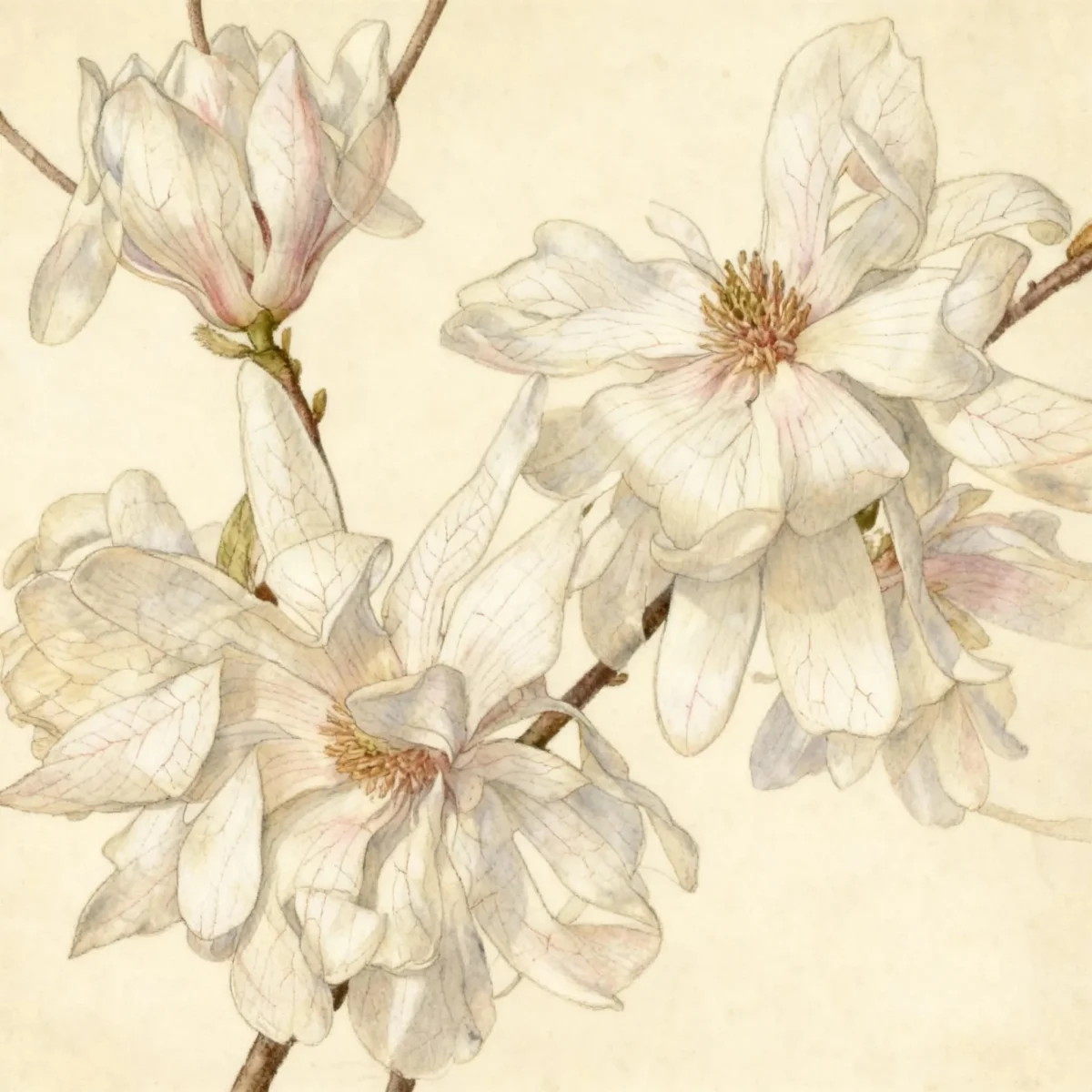
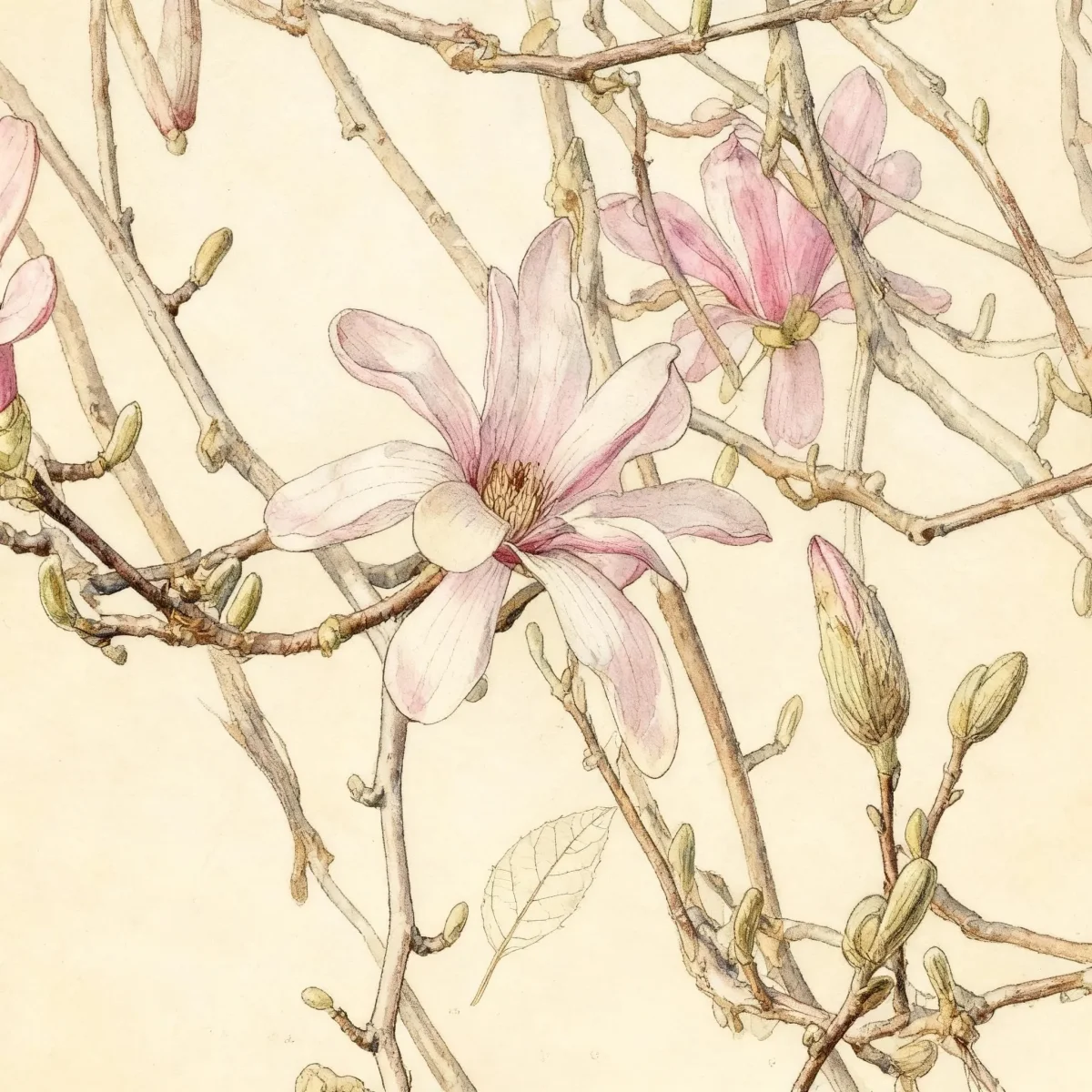
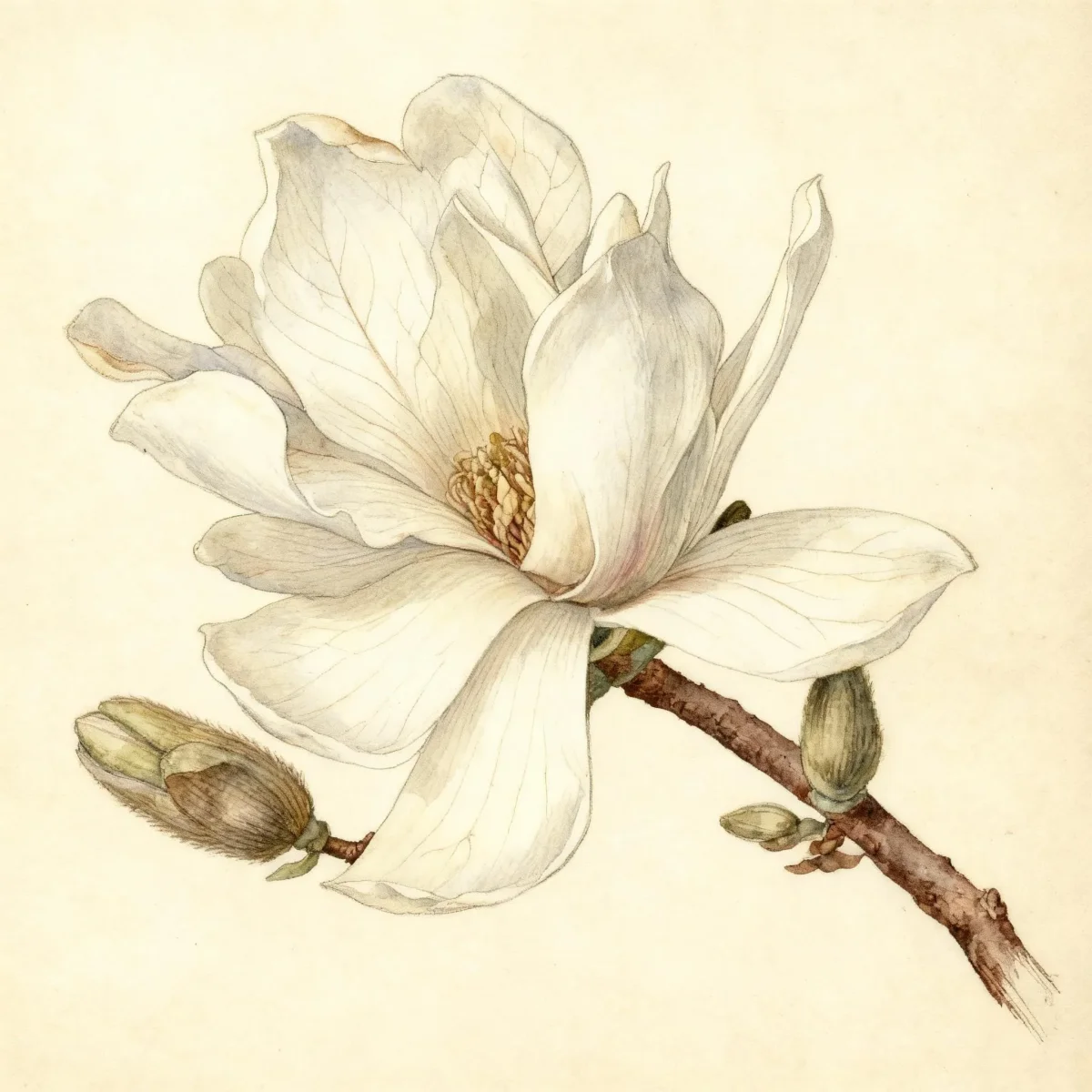
The Oyama magnolia (Magnolia sieboldii) is a highly desirable, somewhat coarse-textured deciduous shrub or small tree prized for its unique, late-season floral display. Native to forested understories in Japan, Korea, and China, this species offers gardeners small, fragrant, nodding white flowers, each highlighted by a distinctive cluster of crimson stamens. It is an elegant choice for the discerning grower looking for structure and subtlety over sheer size.
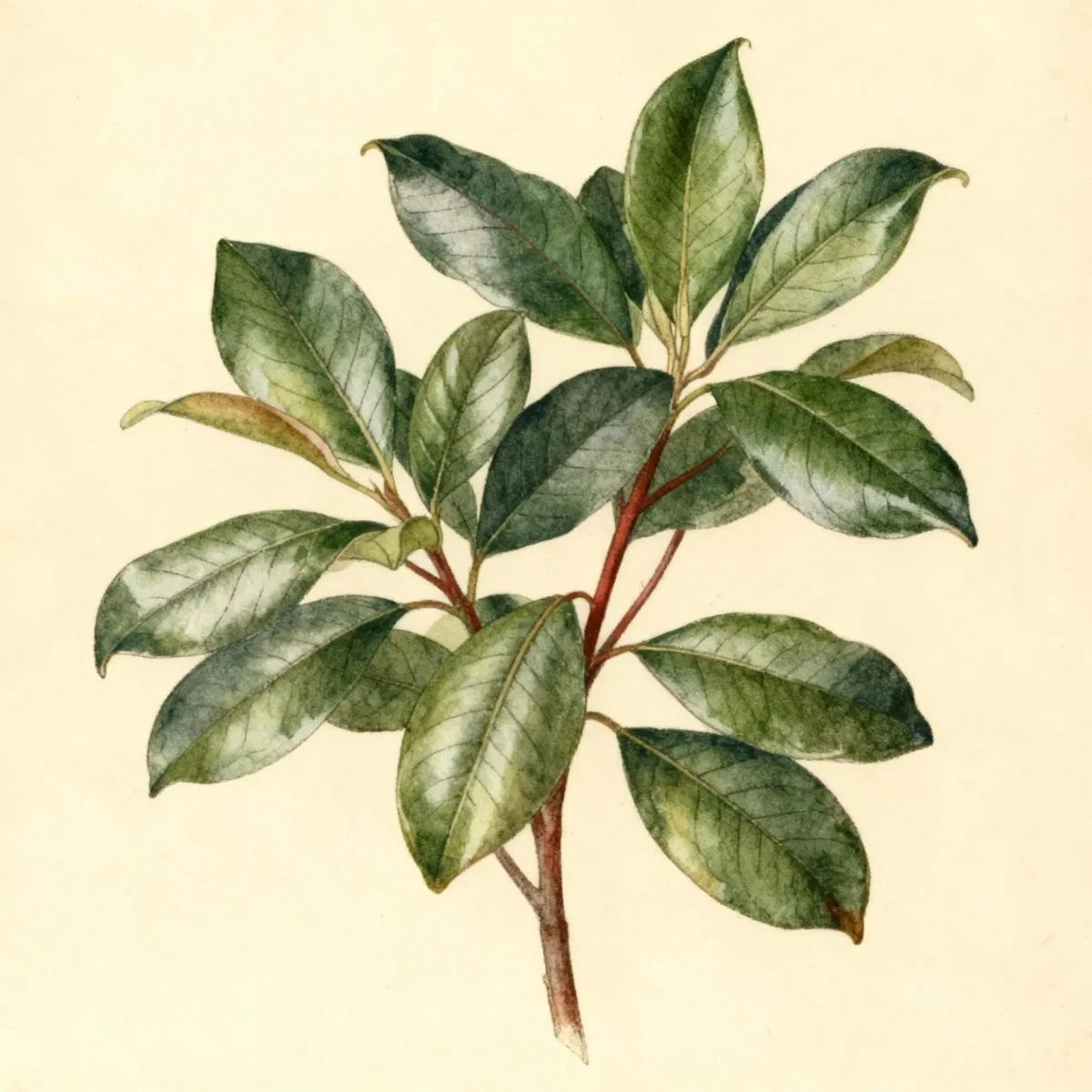
Mature specimens of Magnolia sieboldii create a pleasing, vase-shaped habit, typically reaching 10 to 15 feet tall and wide over time. Beyond the blooms, hold onto the foliage, which turns a lovely golden yellow in the fall. The plant’s unique flower structure is best appreciated when sited correctly, allowing visitors to easily view their downward-facing structure.
For gardeners in appropriate climates (USDA Zones 6–8), the Oyama magnolia provides reliable, medium-maintenance beauty. Its requirements demand attention to soil fertility and consistent moisture, rewarding careful placement with showy summer blooms that are less frequently seen in the magnolia world.
Fast Facts
- Plant Family: Magnoliaceae
- Plant Type: Deciduous shrub
- Native Range: China, Japan, Korea
- Hardiness Zones: USDA Zones 6-8
- Size at Maturity:
- Height: 10-15 ft
- Spread: 10-15 ft
- Bloom Time: May to July
- Bloom Description: White flowers with crimson stamens
- Sun Exposure: Full sun to part shade
- Water Needs: Medium
- Maintenance Level: Medium
How to Grow
Planting the Oyama magnolia should be done in the spring or fall, ensuring excellent soil preparation is the first step. This species demands moist, fertile, organically rich soil that is slightly acidic and, critically, well-drained. Magnolia sieboldii is intolerant of poor soils and cannot tolerate extremes of either dryness or wetness throughout the year.
Once established, provide medium, consistent moisture, especially during dry periods. In very cool summer climates, the plant may tolerate full sun, provided consistent moisture application is maintained; however, in hot summer regions, afternoon sun can scorch the attractive foliage, making part shade essential. Protect your Magnolia sieboldii from strong winds, which can damage the branches and leaves, and site it away from southern exposures near structures that might trick early buds into opening prematurely.
Mulching the root zone is highly recommended to help maintain consistent soil temperature and moisture levels, which this magnolia deeply appreciates. Pruning requirements are minimal; focus only on removing dead or crossing branches sparingly, as the natural vase shape is part of its appeal.
Landscape Uses
The size and graceful character of the Oyama magnolia make it an excellent choice for use as a specimen plant in smaller garden areas where its unique features can be admired up close. It excels as an understory plant, providing texture beneath taller canopy trees, thriving in dappled shade or woodland margins where it mimics its native environment.
Consider planting Magnolia sieboldii near walkways, courtyards, or on slopes or retaining walls, as situating the nodding flowers higher or at eye level enhances appreciation for their pendulous shape. For companion planting, pair it with acid-loving shrubs like rhododendrons, azaleas, and hydrangeas that share similar soil and light preferences, creating an enchanting, shaded woodland garden display.
Standout Features
Flower Qualities
- Showy
Fruit Qualities
- Showy
Noteworthy Characteristics
Magnolia sieboldii, commonly called Oyama magnolia, is a vase-shaped, somewhat coarse-textured, deciduous shrub or small tree native to understory forested areas in Japan, southeastern China, and Korea. It typically matures over time to 10-15’ tall and as wide, bearing nodding fragrant white flowers (to 4” wide) with crimson stamens from late May through July. Flowers are followed by showy pink oval fruits which split open in fall to reveal orange to red seeds, while the broad green leaves turn golden yellow before dropping.
Tolerances
There are no specific tolerances listed in the provided data.
Potential Problems
Magnolia sieboldii generally exhibits no serious insect or disease problems, contributing to its medium maintenance rating. The primary cultural threat comes from environmental factors, specifically late spring frosts. If emerging flower buds are tricked into opening too early by unseasonably warm spells, a subsequent late frost can significantly damage or destroy the blooms for the season. Careful site selection, avoiding early warm spots near buildings, helps mitigate this risk.
Frequently Asked Questions
What hardiness zones is Oyama magnolia suitable for?
The Oyama magnolia (Magnolia sieboldii) performs best in USDA Hardiness Zones 6 through 8.
How large does Magnolia sieboldii grow?
This species typically matures to a height and spread between 10 and 15 feet, developing a manageable, vase-shaped outline.
When does Magnolia sieboldii bloom?
The distinct flowering period for this tree is relatively late, spanning from May into July, featuring beautiful white flowers with prominent crimson stamens.
What sun exposure does Magnolia sieboldii need?
The ideal light condition for the Oyama magnolia is full sun to part shade, though shade is preferred in hotter summer climates to prevent foliage scorch.
Conclusion
The Oyama magnolia offers a truly unique aesthetic with its late bloom period and distinct, nodding flowers, making Magnolia sieboldii a valuable addition to the shaded borders of the garden. Ensure you meet its requirements for rich, moist, well-drained soil to guarantee success. Before planting, confirm your location falls within USDA Zones 6–8 and plan its placement to maximize enjoyment of its delicate, crimson-centered blooms.
Companion Planting
Selecting companions for the Oyama magnolia should focus on acidity and moisture retention, mimicking a woodland edge environment. Shade-tolerant ferns look wonderful beneath the canopy, providing fine texture contrast to the magnolia’s broader leaves. Woodland shrubs like various types of Japanese andromeda (Pieris japonica) or dwarf rhododendrons thrive in similar slightly acidic soil conditions and appreciate the filtered sunlight that Magnolia sieboldii prefers or tolerates. Ensure companion plants do not aggressively compete for surface water, as this magnolia requires consistent moisture.
Design Ideas for Oyama Magnolia
The vase shape of Magnolia sieboldii lends itself well to formal and informal settings alike, though its size keeps it reserved for smaller courtyards or specimen plantings. Use it as a transition plant between a woodland area and a formal lawn where its structure can stand alone without overcrowding. In multi-season interest gardens, utilize its late-blooming nature to bridge the gap between spring-flowering magnolias and summer-blooming perennials. The structure of the plant is also excellent for backdrops, allowing lower-growing, brightly colored annuals or hostas to flourish beneath its dappled shade canopy.