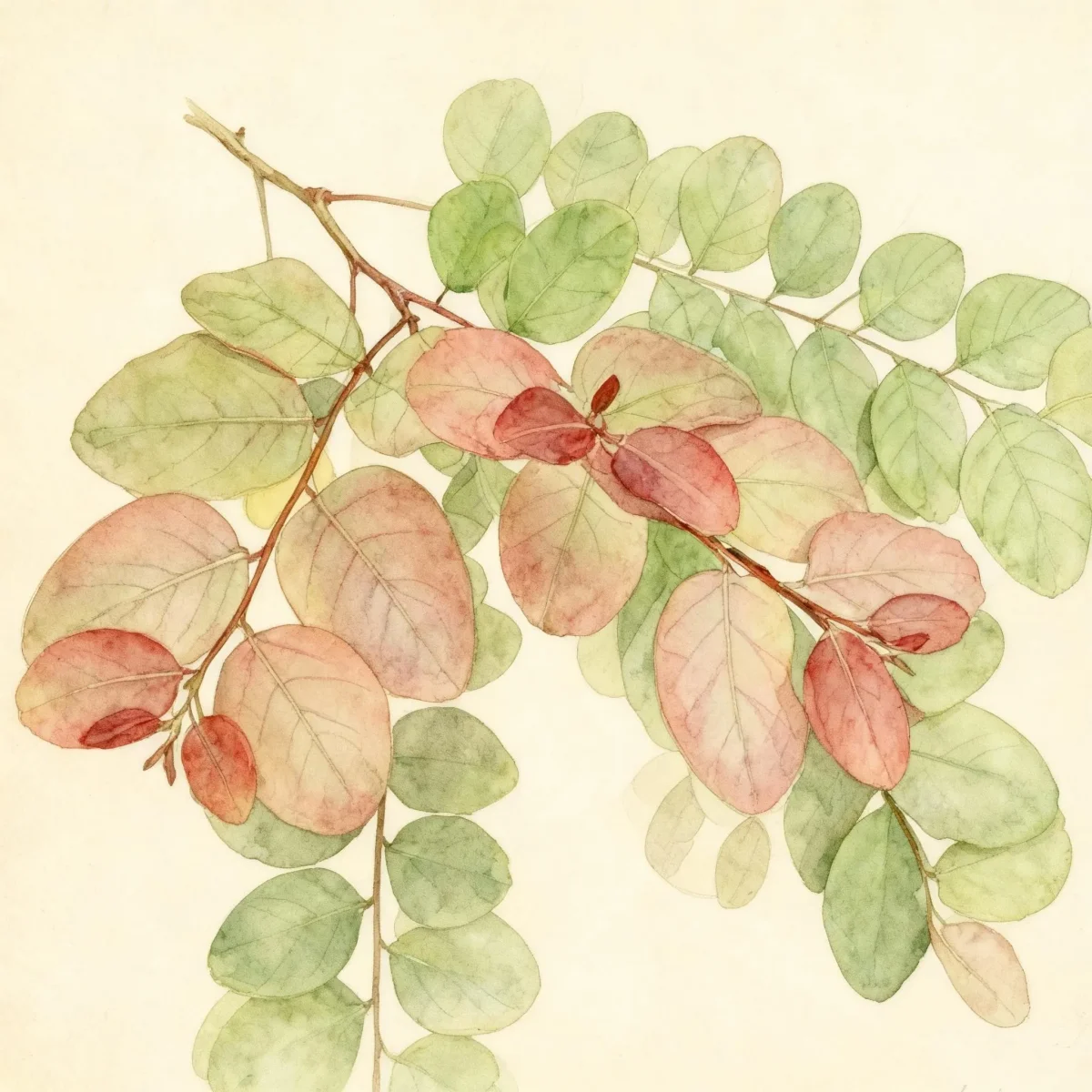
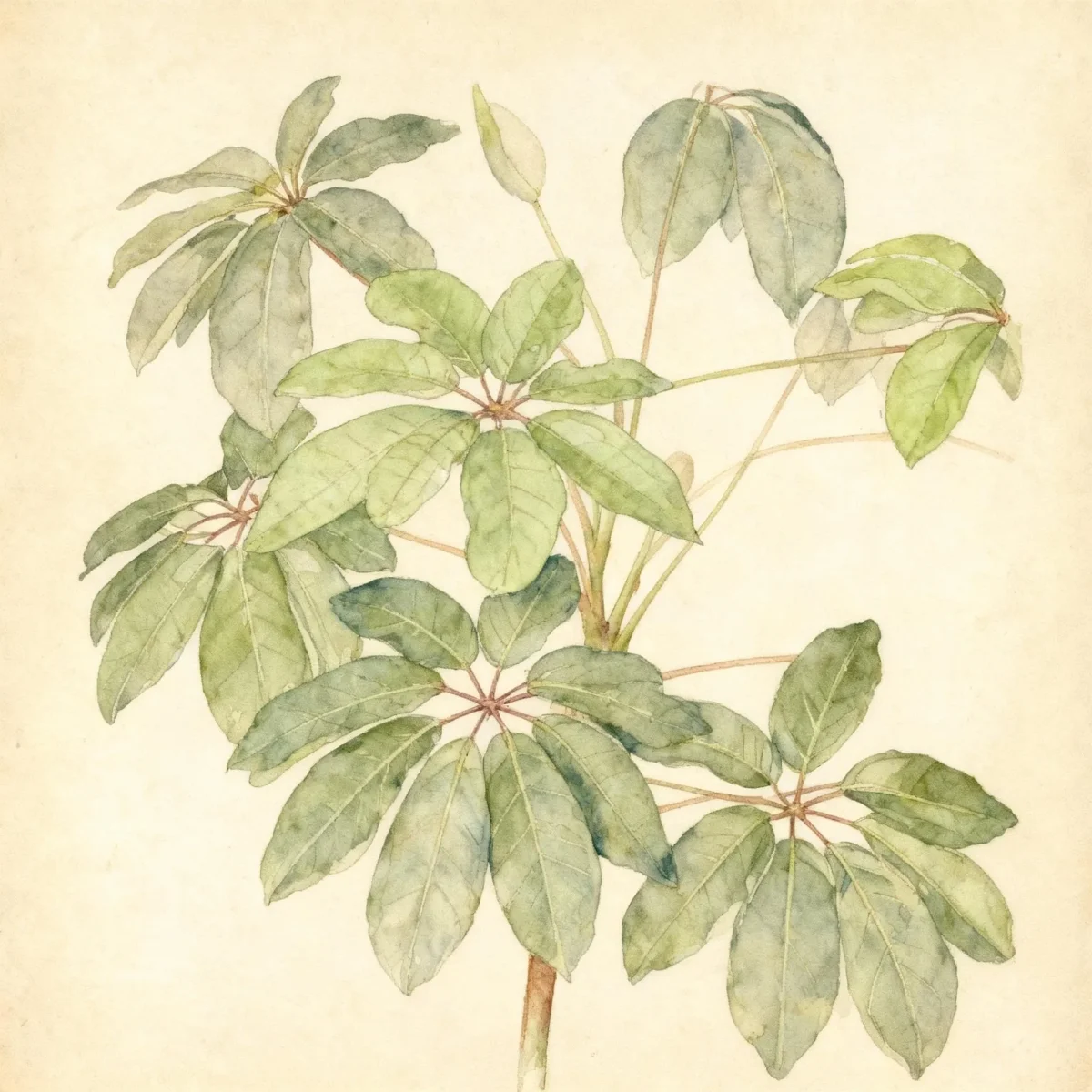
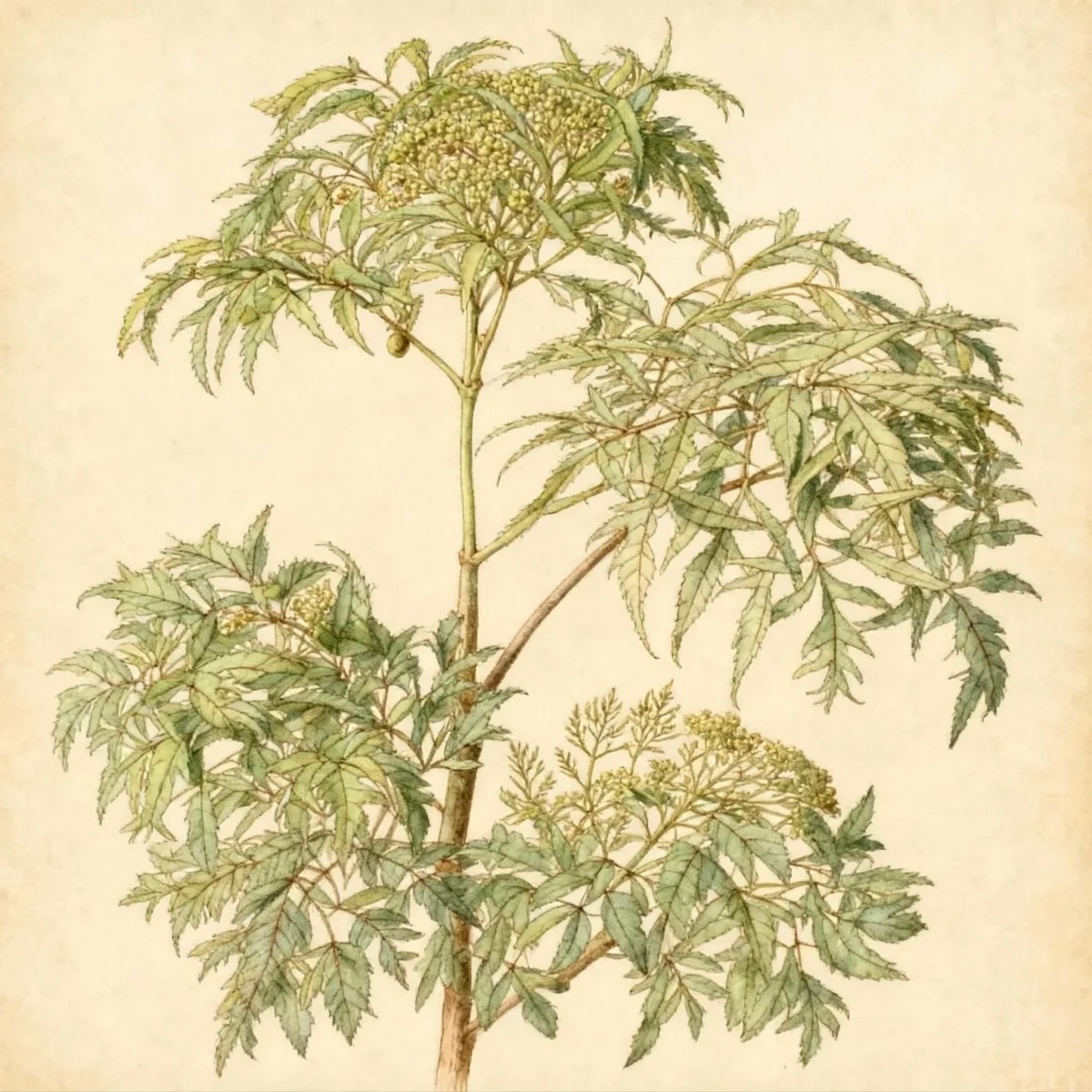
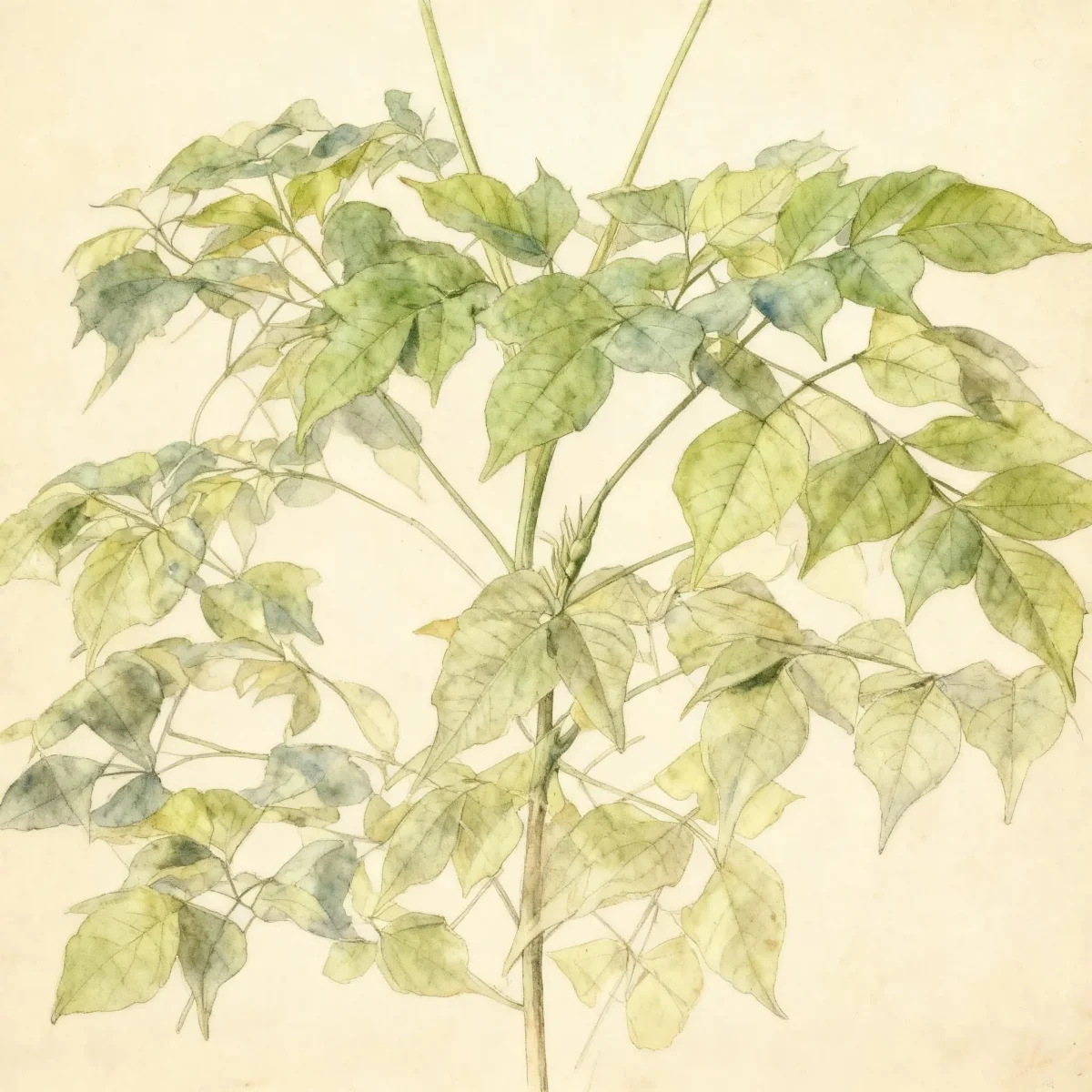
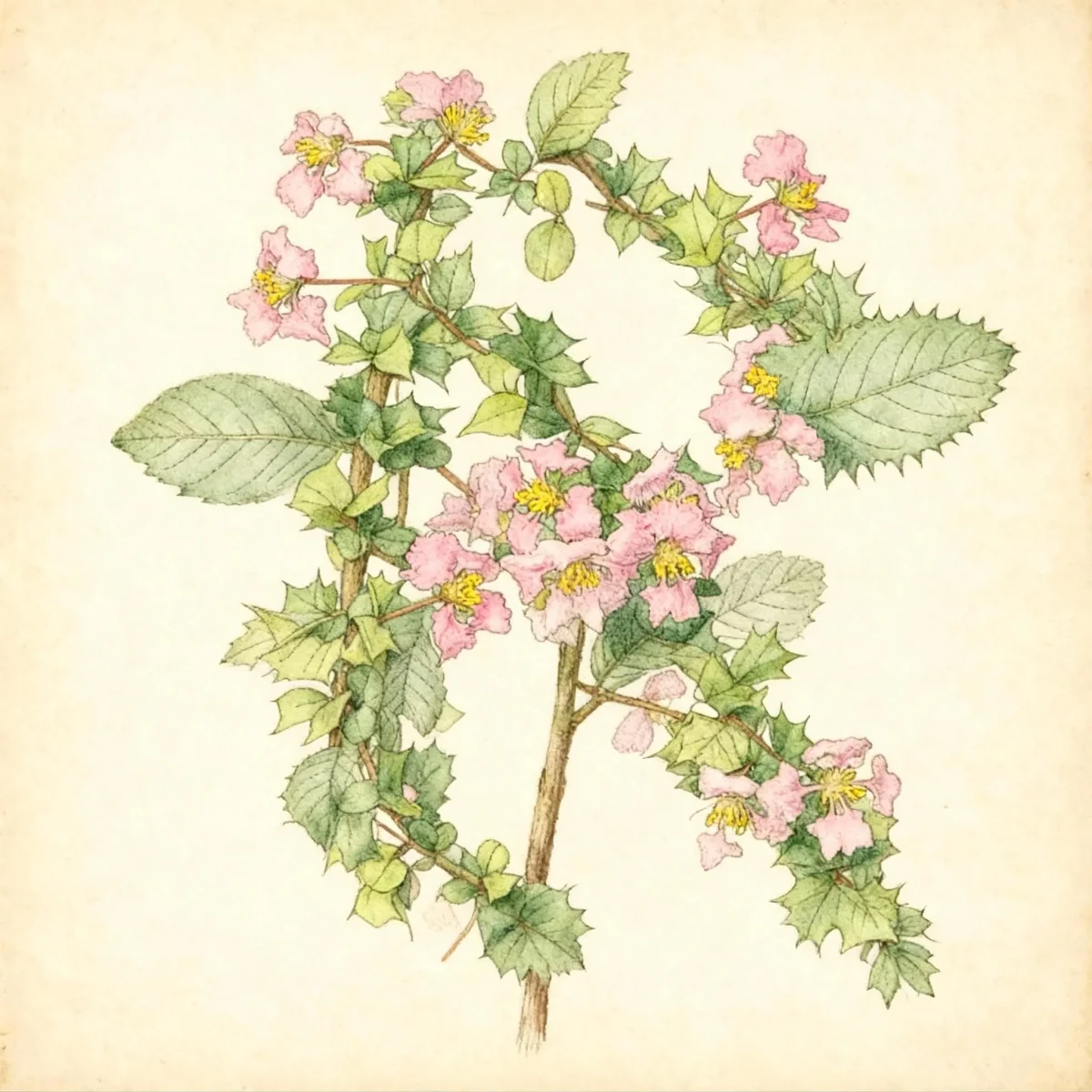
Singapore holly (Malpighia coccigera)
Malpighia coccigera, or Singapore holly, is a low-growing evergreen shrub valued for its holly-like leaves and pink summer flowers.

Bloom Boldly, No Matter the Season - Sweatshirt
Cozy organic cotton sweatshirt featuring our exclusive Purple Coneflower design. Perfect for gardeners who bloom year-round.
Inspired by the beautiful Singapore holly
Limited first batch (50) — join the waitlist for early access
Waitlist closes Feb 15, 2026.
Complete Plant Information
Field Guide Continues
Ready for care notes, companion picks, and planting tips?
The map is just the start. The full guide below covers growth habits, seasonal performance, and landscape uses.
Overview
The Malpighia coccigera, widely known as Singapore holly or miniature holly, offers exceptional texture for warm climate landscapes. This broadleaf evergreen shrub remains compact, rarely exceeding three feet in height, making it highly versatile where it thrives. Its primary appeal lies in its dense, leathery, dark green foliage, which bears a striking resemblance to true holly leaves, despite having no botanical relationship.
This shrub thrives when provided with consistent moisture and ample light, performing well in full sun or slightly sheltered partial shade. Maintenance is generally considered low, especially for gardeners in its native zone range. The occasional pink, trumpet-shaped flowers add delicate seasonal color, often followed by attractive red berries.
Gardeners cherish Singapore holly for its evergreen structure and neat growth habit. Whether used formally as a low border or informally near rock gardens, the unique, spiky-edged foliage of Malpighia coccigera ensures year-round visual interest. It is an excellent, low-input choice for tropical and subtropical settings requiring definition without excessive height.
Fast Facts
- Plant Family: Malpighiaceae
- Plant Type: Broadleaf evergreen
- Native Range: West Indies
- Hardiness Zones: USDA Zones 11-12
- Size at Maturity:
- Height: 1-3 ft
- Spread: 2-5 ft
- Bloom Time: Flowers freely
- Bloom Description: Pink
- Sun Exposure: Full sun to part shade
- Water Needs: Medium
- Maintenance Level: Low
How to Grow
Planting the resilient Malpighia coccigera is best done when the threat of cold has passed, typically the warm spring months in appropriate climates. Select a location providing moist, moderately fertile, well-drained soil. While full sun is tolerated, plants in the hottest parts of the day benefit from some light afternoon shade to prevent potential scorching, especially when establishing.
Care for this evergreen requires consistent moisture; water regularly to maintain moist soil conditions per its medium water needs. Fertilizing is typically minimal, but a balanced, slow-release fertilizer applied in spring can support robust growth. Pruning is usually limited to shaping, as Singapore holly naturally maintains a dense, low profile suitable for hedges.
Crucially, the plants dislike temperatures dipping below 55 degrees Fahrenheit. Therefore, it is only truly hardy in USDA Zones 10b-11. For gardeners in these marginal areas, ensure protection from any unexpected cold snaps. Propagation is successfully achieved using either seeds or cuttings taken from established plants.
Landscape Uses
As a low-growing broadleaf evergreen, Singapore holly excels in applications requiring permanent, defined structure. It is highly effective when utilized as a low hedge along walkways or property lines, providing a dense, formal green backdrop. Its diminutive size also makes it an excellent foundation planting where taller shrubs might obstruct views or windows.
Beyond hedging, Malpighia coccigera adds texture to rock gardens, softening hardscaping elements with its spiny margins. It also performs admirably as an accent plant in containers, particularly for patios where its dense form remains attractive year-round. Even those practicing bonsai find the shrub amenable to detailed shaping. In suitable zones, group it with other tropical accents that also prefer well-drained, consistently moist conditions.
Standout Features
Flower Qualities
- Showy
Fruit Qualities
- Showy
Noteworthy Characteristics
Malpighia coccigera, commonly called miniature holly or Singapore holly, is a small low-growing, evergreen shrub that will sometimes spread somewhat prostrate on the ground. It typically grows to 1-3’ tall with a spread to 2-5’ wide and is native to the thickets and scrub forests of the West Indies. The elliptic, dark green leaves are deceptively similar to true hollies, featuring undulate margins with spines at lobe tips, though this shrub is not in the Ilex genus. Trumpet-shaped pink flowers appear primarily in summer, occasionally blooming sporadically throughout the year, followed by ovoid red berries.
Tolerances
(No specific abiotic tolerances listed beyond basic hardiness requirements.)
Potential Problems
Malpighia coccigera generally maintains a reputation for being relatively pest and disease-free. This low-maintenance characteristic is a major benefit for subtropical gardeners. However, vigilance is still required to prevent common local issues that can affect many evergreen shrubs.
Occasional problems might include fungal issues like leaf spot or root rot. Root rot is primarily a concern if the required well-drained soil conditions are not met, leading to waterlogged conditions. A heavy infestation of common sucking pests like scale insects or mealybugs can also occur; inspect the undersides of leaves and stems regularly.
Management should focus on preventative care, ensuring proper drainage when planting. Treating scale and mealybugs often involves horticultural oils or insecticidal soap applied directly to the pests when populations are first noticed.
Frequently Asked Questions
What hardiness zones is Singapore holly suitable for?
Singapore holly (Malpighia coccigera) is winter hardy primarily in USDA Zones 11 through 12.
How large does Singapore holly grow?
This miniature holly typically reaches a mature height between 1 and 3 feet, spreading horizontally from 2 to 5 feet wide.
When does Malpighia coccigera bloom?
This plant blooms freely, displaying attractive pink, trumpet-shaped flowers, generally during the summer months, with sporadic blooming possible at other times of the year.
What sun exposure does Malpighia coccigera need?
It performs best when situated in full sun, although in extremely hot locations, providing some part shade during the intense heat of the day is beneficial.
Conclusion
The evergreen structure and striking, holly-like foliage confirm that Malpighia coccigera remains a top choice for low hedges and structural border plantings in tropical gardens. Its low maintenance needs and tolerance for varied light conditions make Singapore holly incredibly practical. Before planting, always confirm your location falls within USDA Zone 11 or 12 to ensure its long-term survival.
Propagation Tips
Successfully propagating Malpighia coccigera can be achieved through two primary methods: seed or cuttings. While seeds sourced from the red berries will germinate, propagation via cuttings often yields faster, more reliable results that maintain the parent plant’s established characteristics.
Hardwood or semi-hardwood cuttings are generally recommended for this shrub. Take cuttings during active growth periods when the stems are slightly firm. Ensure cuttings are treated with rooting hormone to encourage vigorous root development before placing them into a sterile, well-draining propagation medium.
Maintaining high humidity and warmth around the cuttings is essential for successful rooting. Once roots have formed, the newly established miniature holly plants can be gradually acclimatized back to normal growing conditions before transplanting to their final landscape location or container.
Companion Planting
When selecting companions for Malpighia coccigera, aim for plants that share the need for moist, well-drained soil and thrive in high heat, suitable for Zones 11-12. Because Singapore holly is valued for its coarse, dense texture, pairing it with plants offering softer, contrasting foliage works well in borders.
Consider low-growing tropical groundcovers that handle similar light requirements, perhaps vibrant low-mounding bromeliads or certain varieties of Aglaonema if placed in partial shade. For structural contrast near hedges, ensure companions are not overly aggressive feeders, as intense competition for nutrients can stress the perpetually thirsty Malpighia coccigera.