Flower of an hour(Hibiscus trionum)
The Flower of an hour (Hibiscus trionum) is a fast-growing annual offering showy, pale yellow blooms that last only a day.

Complete Plant Information
- Hardiness zones
- USDA 2–11
- Plant type
- Annual
- Plant family
- Malvaceae
- Sun exposure
- Full sun
- Water needs
- Medium
- Maintenance
- Low
- Height
- 1.5–2 ft (46–61 cm)
- Spread
- 1.5–2 ft (46–61 cm)
- Bloom time
- June to frost
- Flower color
- White to pale yellow with dark centers
- Flower qualities
- Showy
- Fruit qualities
- Not recorded
- Tolerances
- Deer
- Garden uses
- Annual
- Native range
- Arid Old World Tropics
Field Guide Continues
Ready for care notes, companion picks, and planting tips?
The map is just the start. The full guide below covers growth habits, seasonal performance, and landscape uses.
Overview
The Flower of an hour, scientifically known as Hibiscus trionum, brings a whimsical, rapid display of delicate flowers to the summer garden. This plant is valued for its exceptionally long blooming season, often lasting from June right up until the first frost, providing continuous color when many other annuals begin to fade. Despite its common name referencing the short lifespan of individual flowers, the sheer number of buds ensures a constant visual performance.
As an extremely easy-to-grow annual, Hibiscus trionum establishes quickly and tolerates a wide variety of soil conditions, making it highly practical for many gardeners seeking low-effort summer interest. It forms bushy plants reaching about two feet tall and wide, suitable for filling gaps or adding texture in mixed plantings.
While highly ornamental, gardeners must be aware that Hibiscus trionum is noted for its aggressive self-seeding habits. This trait offers excellent natural plant renewal but requires diligent management in formal beds where its spontaneous appearance might be considered weedy.
Fast Facts
- Plant Family: Malvaceae
- Plant Type: Annual
- Native Range: Arid Old World Tropics
- Hardiness Zones: USDA Zones 2-11
- Size at Maturity:
- Height: 1.5-2 ft
- Spread: 1.5-2 ft
- Bloom Time: June to frost
- Bloom Description: White to pale yellow with dark centers
- Sun Exposure: Full sun
- Water Needs: Medium
- Maintenance Level: Low
How to Grow
Start sowing seeds directly into the garden after the last expected frost, as Hibiscus trionum prefers warmth to germinate reliably. This plant thrives in organically rich, well-drained soil but is surprisingly tolerant of many soil types, making it adaptable to various garden sites. Ensure the location receives full sun exposure, as insufficient light will result in leggy growth and reduced flowering.
Once established, care requirements are minimal. Provide medium moisture, allowing the soil to dry slightly between waterings, especially during intense summer heat. Fertilization is usually unnecessary; rich soil fed for perennials or vegetables may actually encourage excessive vegetative growth over flowers.
Due to its tendency to self-seed aggressively, management is key to controlling the spread of Flower of an hour. Deadheading spent flowers before they set seed is the most effective physical control method if you want to limit its resurgence next season. Remove remaining foliage in the fall.
Landscape Uses
The versatility of Hibiscus trionum allows it to be successfully incorporated into several garden designs. This annual performs beautifully when used in mass plantings within borders, creating airy texture and continuous summer bloom. It also manages well in containers and pots, provided drainage is excellent, allowing you to appreciate the individual blooms up close.
Consider planting Hibiscus trionum where its slightly informal habit complements cottage garden styles. Its rapid growth fills space quickly, making it a good temporary screen or filler plant. However, due to its weedy potential, plant it away from areas where bare, disturbed soil is present, or commit to removing seedlings rigorously each spring.
Standout Features
Flower Qualities
- Showy
Noteworthy Characteristics
Hibiscus trionum is a weedy annual thought to be native to tropical and temperate Eurasia, although its exact origins are uncertain. It has escaped cultivation and naturalized by self-seeding throughout much of the world where it is often found along roadsides, railroad tracks, in waste areas and open fields. Multiple branching stems reaching 1.5-2’ tall emerge from a single taproot and are clad with long-stalked, palmately divided, coarsely-toothed, dark green leaves (to 3” long) in three (infrequently five) parts. The common name flower-of-an-hour refers to the relatively short amount of time individual blooms are open.
Tolerances
- Deer
Potential Problems
This plant generally experiences no serious insect or disease problems, which contributes to its low maintenance profile. The primary management concern for this species is its vigorous reproductive habit. Hibiscus trionum is known to self-seed and spread aggressively in gardens, croplands, roadsides, orchards, and other areas with bare, disturbed soils. To prevent unwanted colonization, ensure you deadhead flowers promptly before they mature into the characteristic bladder-like seed pods that characterize the Venice mallow.
Frequently Asked Questions
What hardiness zones is Flower of an hour suitable for?
The Flower of an hour (Hibiscus trionum) is surprisingly adaptable, suitable for growing as an annual across a very wide range, from USDA Zones 2 through 11.
How large does Hibiscus trionum grow?
This annual typically reaches a mature height between 1.5 to 2 feet tall, with a similar spread of approximately 1.5 to 2 feet wide, forming a bushy silhouette.
When does Flower of an hour bloom?
The blooming period for Hibiscus trionum is extensive, generally beginning in June and continuing right through until the first frost arrives, featuring white to pale yellow blooms with striking dark centers.
What sun exposure does Hibiscus trionum need?
For optimal growth and the most prolific flowering display, Hibiscus trionum requires a location that receives full sun throughout the day.
Conclusion
The ease of culture and the long-lasting bloom display make the Flower of an hour a valuable, though slightly untamable, addition to summer landscapes. While you must manage the prolific nature of this Hibiscus trionum to prevent unwanted spread, its low maintenance requirements reward the gardener with consistent color. Always check your local climate compatibility and plan for aggressive seed control if you prefer tidy beds.
Companion Planting
Because Hibiscus trionum prefers full sun and medium moisture, it pairs well with other mid-to-late season annuals and tender perennials that share similar cultural needs. Consider planting it alongside Zinnias, shorter varieties of Cosmos, or Portulaca (Moss Rose) which can handle similar soil textures. The airy habit of the Flower of an hour contrasts nicely with the denser foliage of bedding begonias or vinca, adding movement to the border edge.
Design Ideas
Use Hibiscus trionum as a transitional plant between taller structural elements and the front edge of a border. Its relatively short stature (1.5-2 ft) prevents it from obscuring shorter groundcovers but offers enough height to soften the hard edges of paths or walls. In cottage gardens, its informal appearance blends seamlessly with traditional favorites like snapdragons or calendula, maximizing continuous summer color palettes.
Recommended Companion Plants

Okra
Abelmoschus esculentus 'Baby Bubba'
- USDA zones
- 2–10
- Light
- Full sun
- Water
- Medium

Okra
Abelmoschus esculentus
- USDA zones
- 2–11
- Light
- Full sun
- Water
- Medium
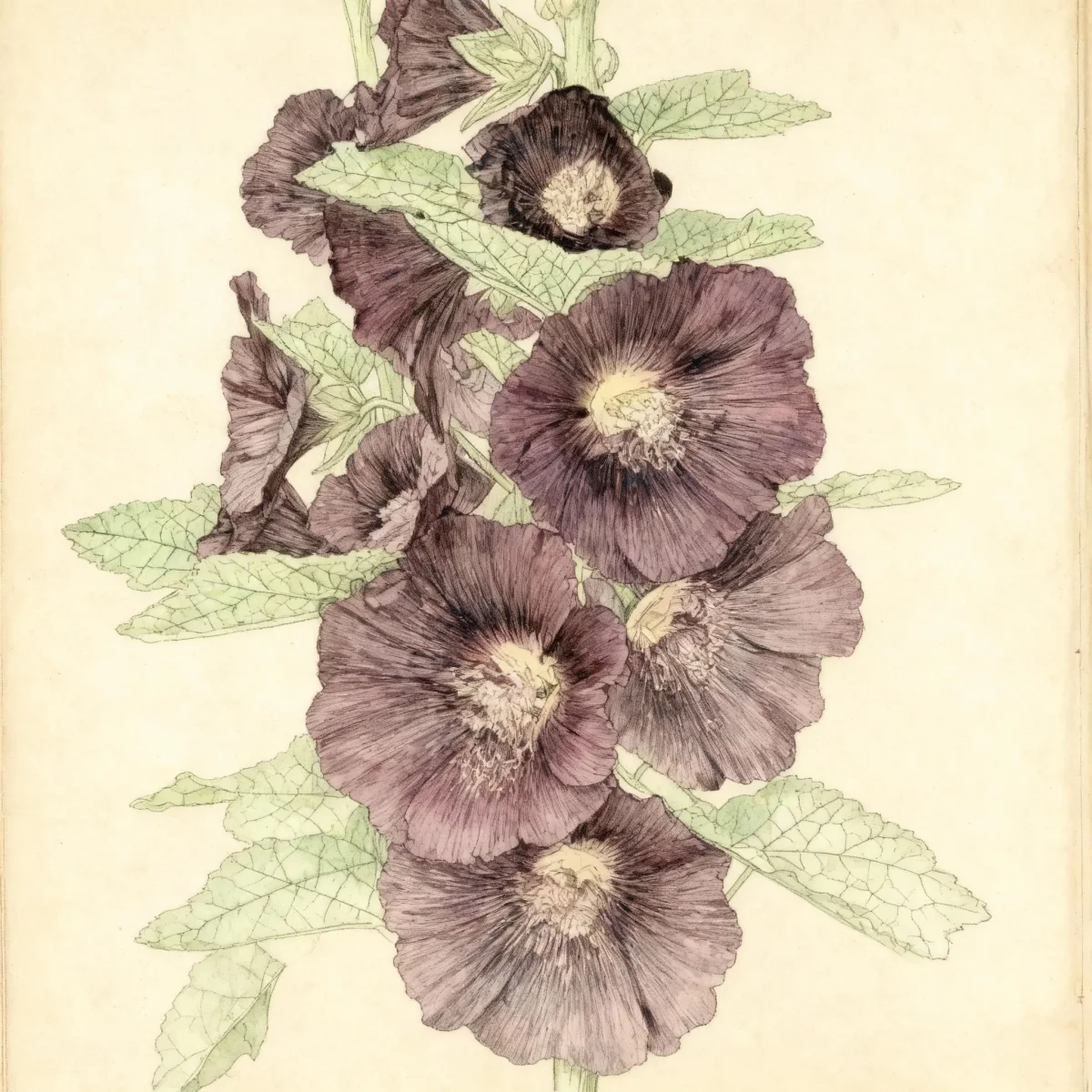
Hollyhock
Alcea rosea 'Nigra'
- USDA zones
- 2–9
- Light
- Full sun
- Water
- Medium

Hollyhock
Alcea rosea (single)
- USDA zones
- 2–10
- Light
- Full sun
- Water
- Medium
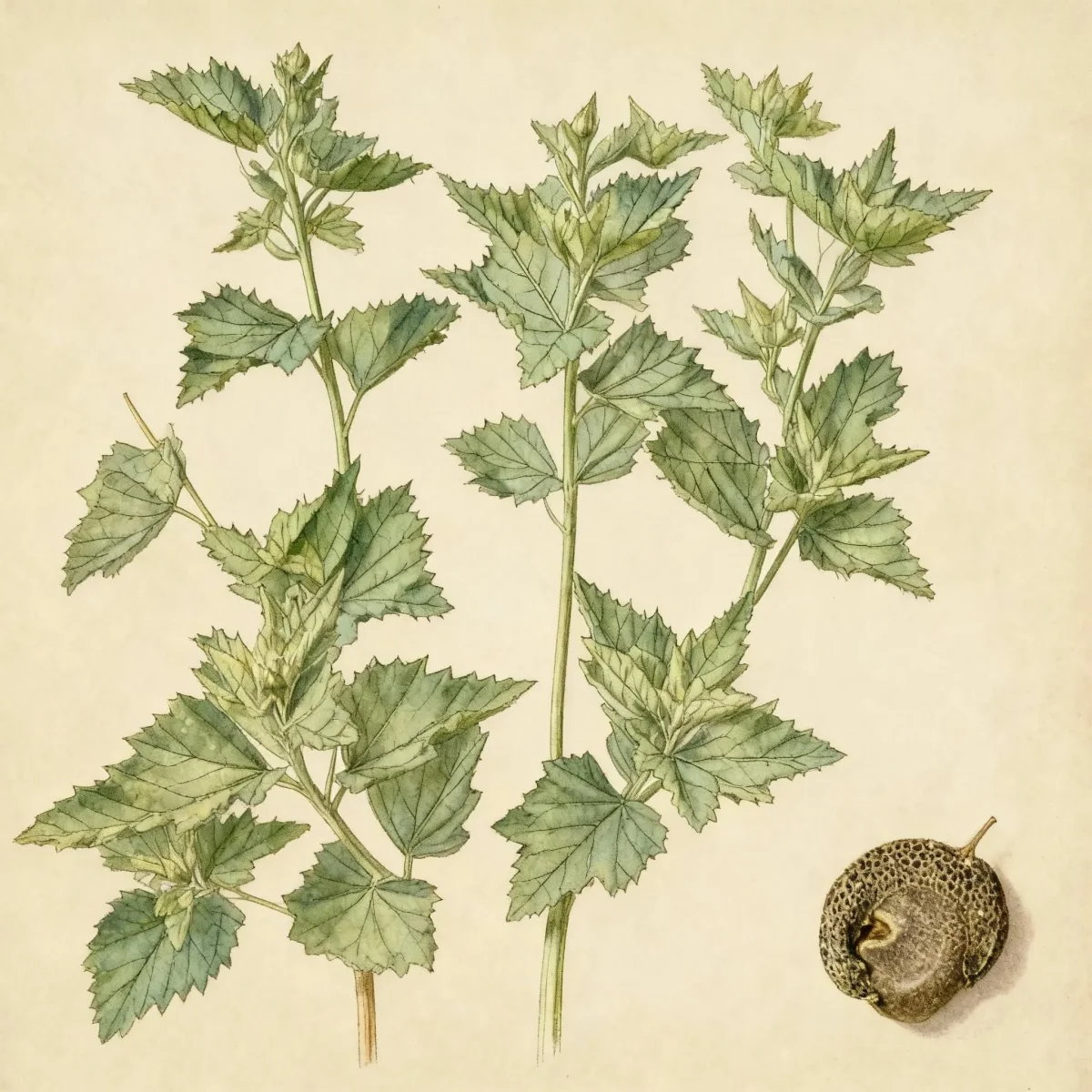
Marsh mallow
Althaea officinalis
- USDA zones
- 3–9
- Light
- Full sun
- Water
- Medium to wet
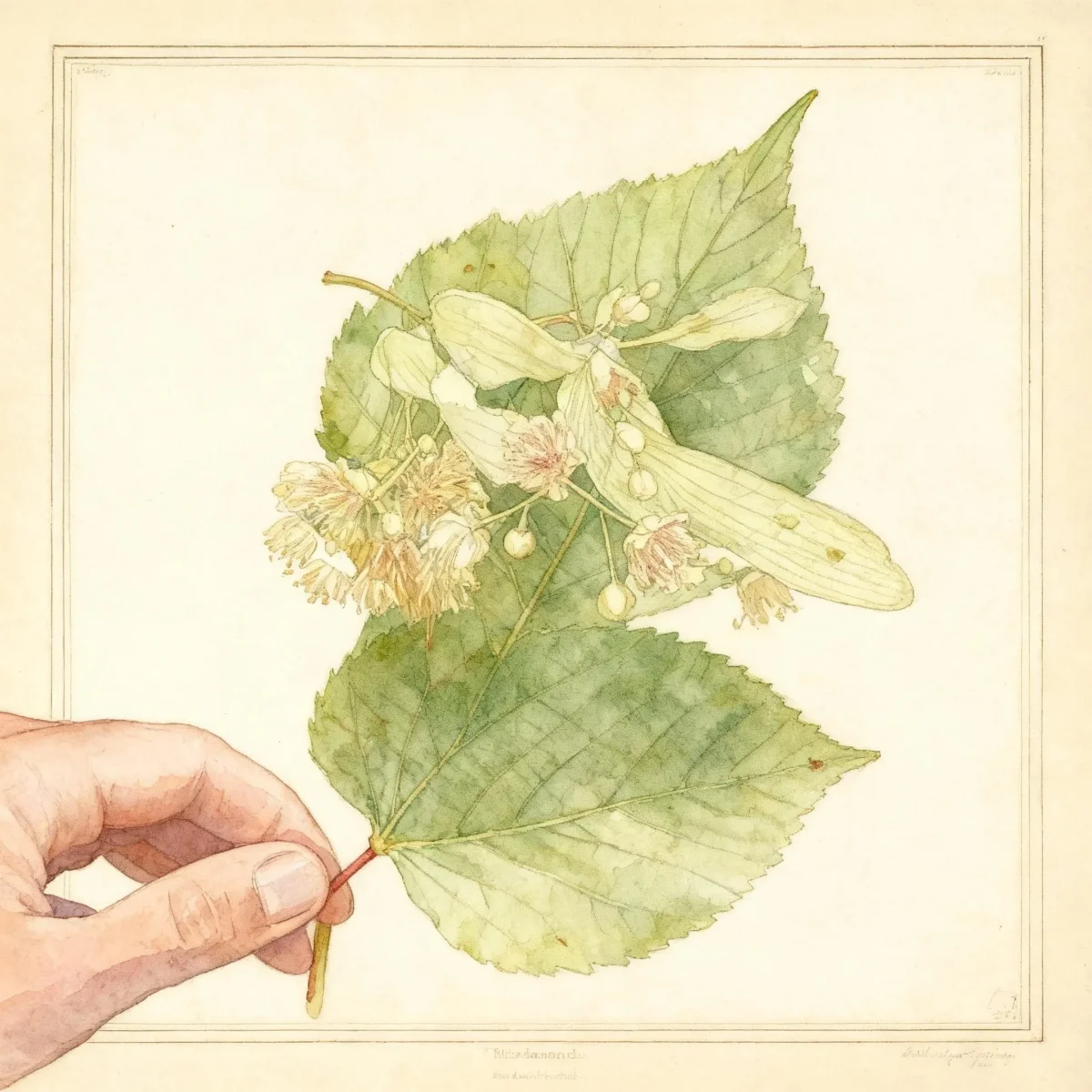
American linden
Tilia americana 'Redmond'
- USDA zones
- 2–8
- Light
- Full sun to part shade
- Water
- Medium
Keep Learning
Test what you know with a garden quiz
You have the plant facts and care notes. Continue with a related challenge, or browse the complete quiz library.
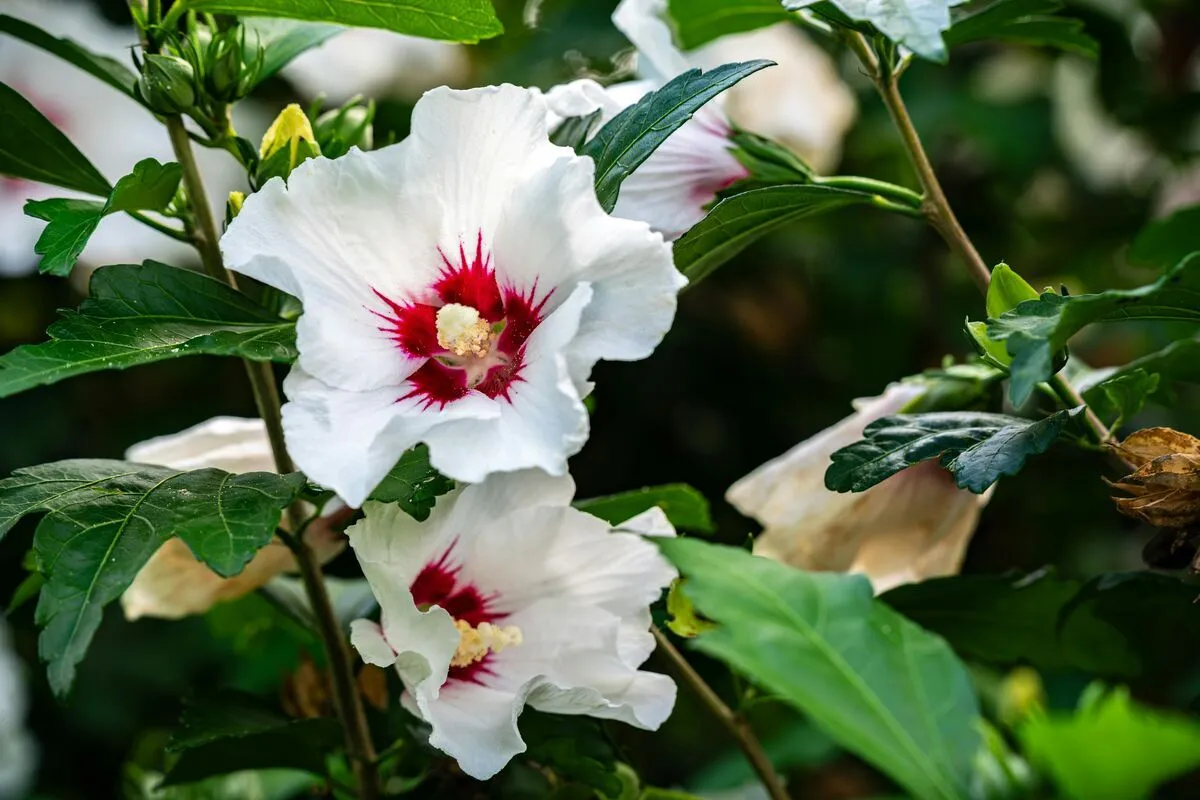
The Brilliant Hibiscus Quiz
Think you know hibiscus? Take this quiz to find out if you're a true hibiscus expert or just getting started.
Start quiz
Can You Identify These Common Garden Plants? Test Your Plant Knowledge
Think you know your roses from your peonies? Test your plant identification skills with our comprehensive garden plant quiz featuring 10 challenging questions.
Start quizBrowse the full quizzes section
Explore plant identification, zone strategy, and seasonal gardening challenges.
View all quizzes