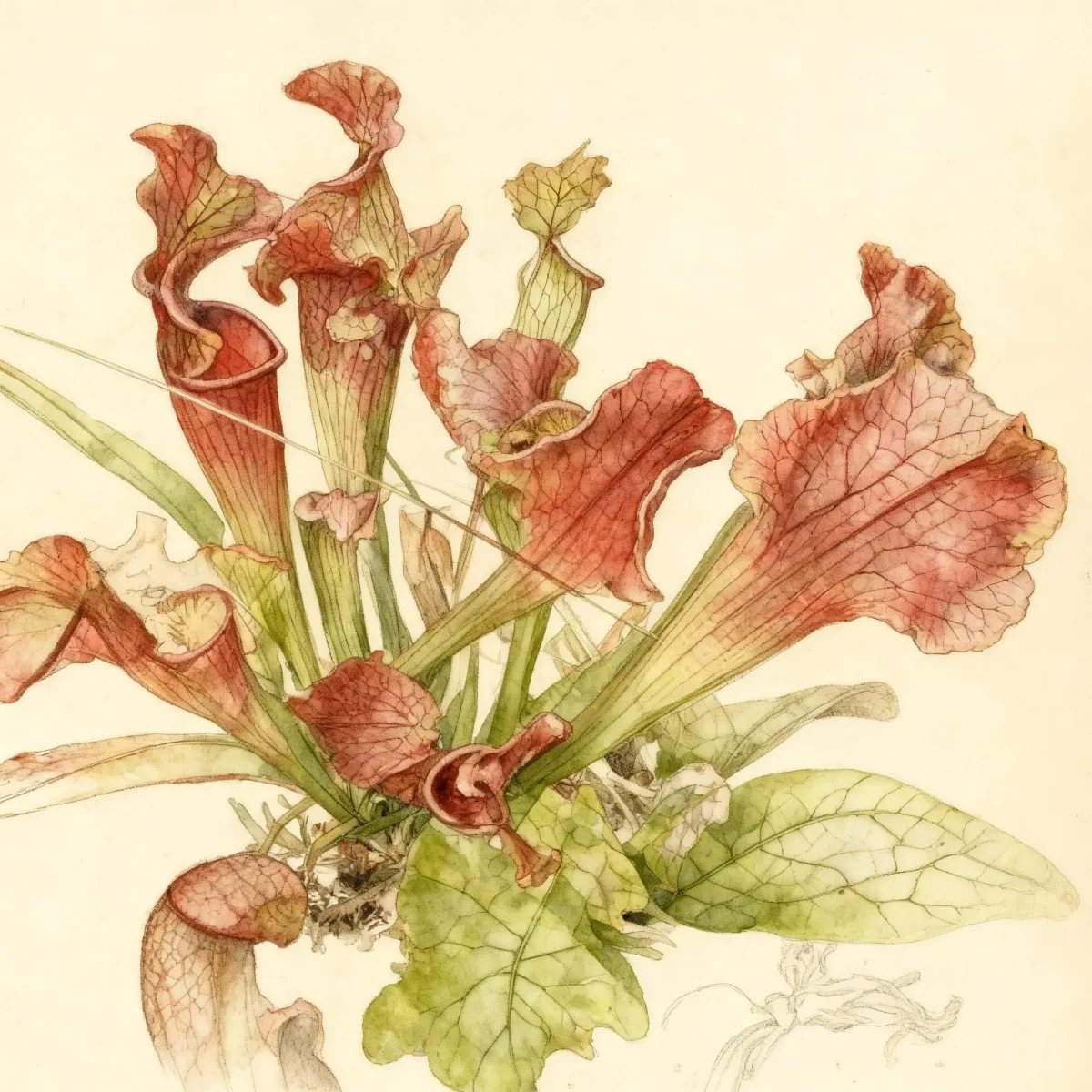
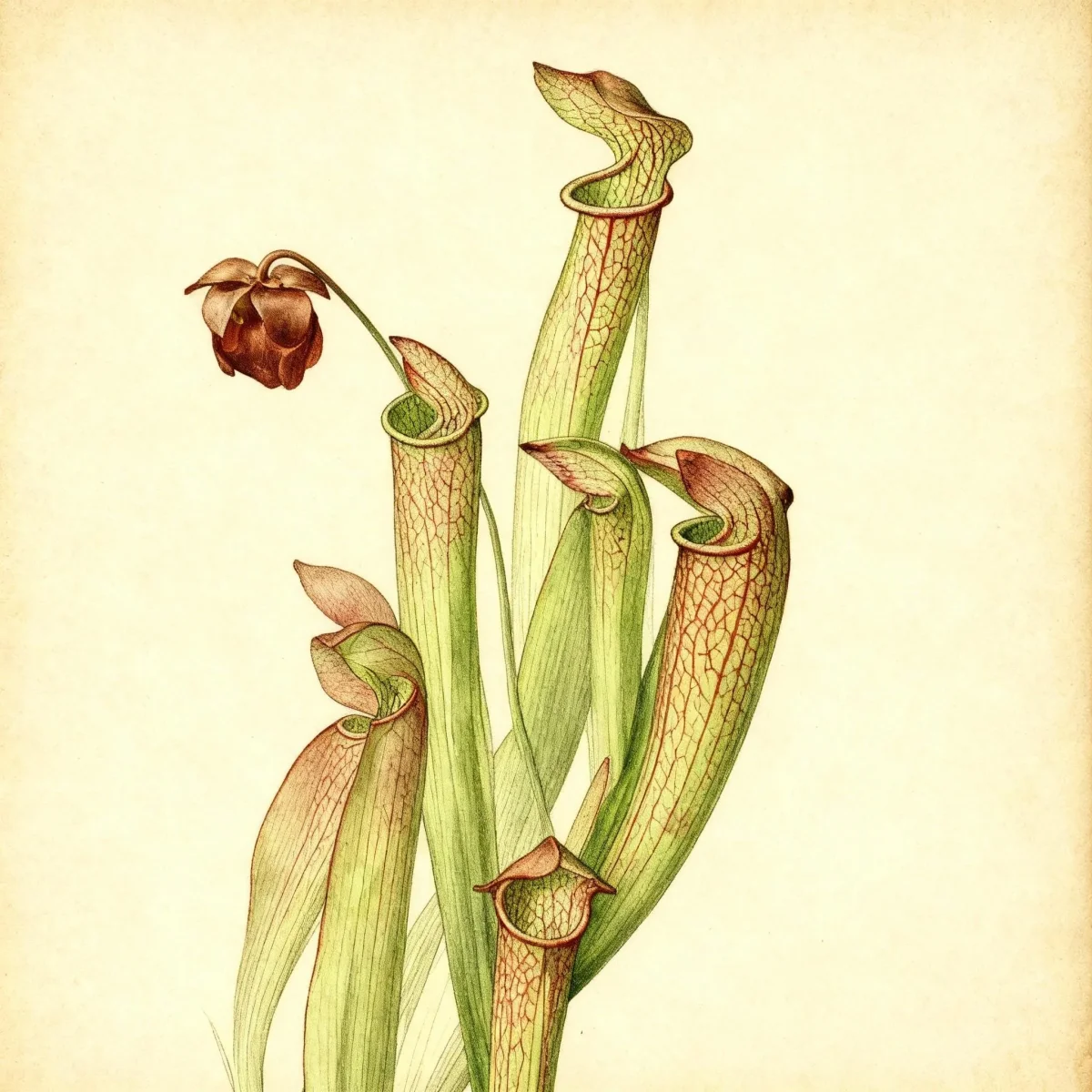
Thalia (Thalia dealbata)
Thalia dealbata, the hardy water canna, brings tropical drama with blue-green foliage and violet flowers to wet gardens.

Bloom Boldly, No Matter the Season - Sweatshirt
Cozy organic cotton sweatshirt featuring our exclusive Purple Coneflower design. Perfect for gardeners who bloom year-round.
Inspired by the beautiful Thalia
Limited first batch (50) — join the waitlist for early access
Waitlist closes Feb 15, 2026.
Complete Plant Information
Field Guide Continues
Ready for care notes, companion picks, and planting tips?
The map is just the start. The full guide below covers growth habits, seasonal performance, and landscape uses.
Overview
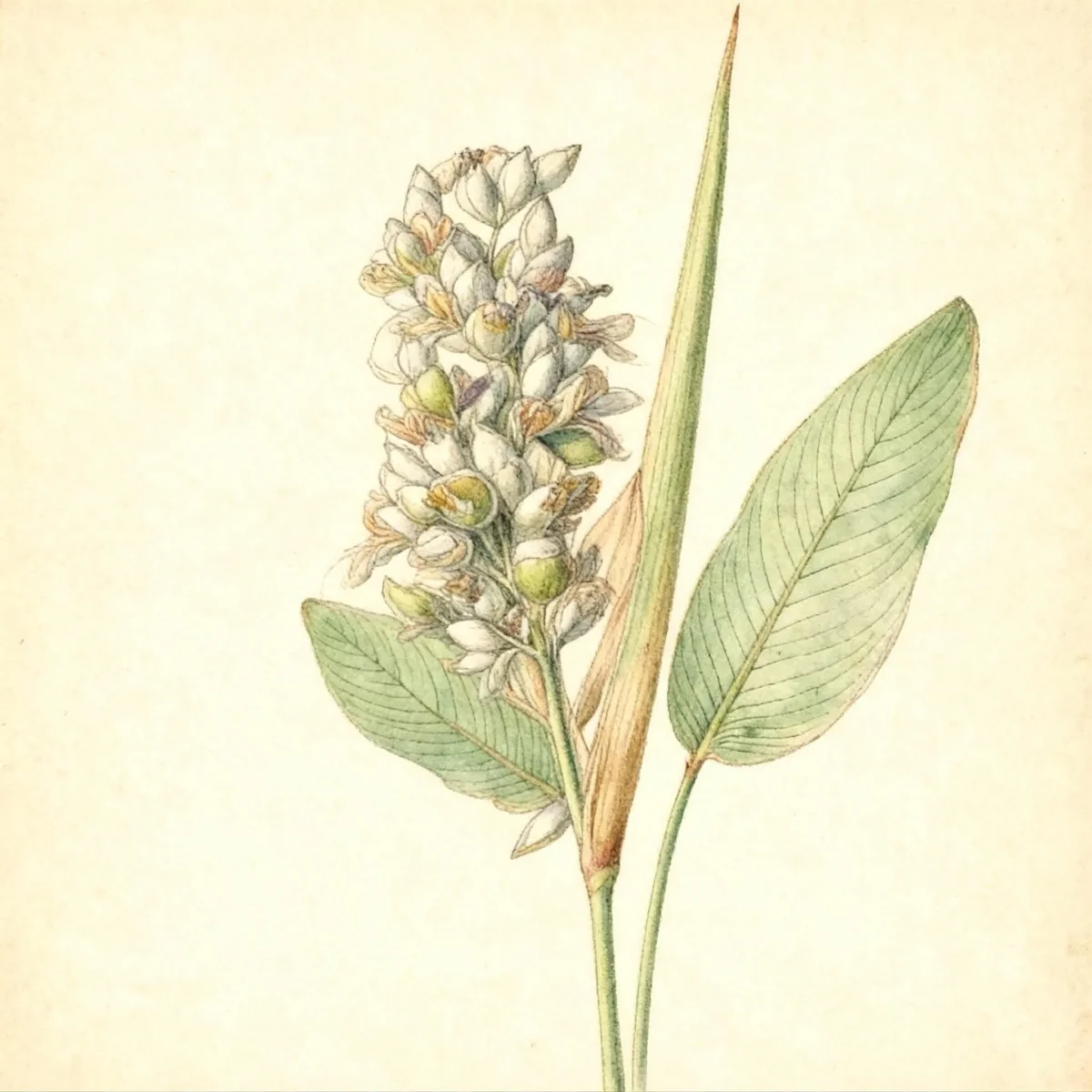
Thalia dealbata, frequently known as hardy water canna or powdery thalia, is a visually striking rhizomatous perennial perfect for adding dramatic, tropical architecture to water features. Its most notable features are the soaring, canna-like foliage, which is interestingly dusted with a pale white powder, setting it apart from standard pond plants. Standing tall, this Thalia species provides excellent vertical interest in the landscape.
This wetland native thrives submerged in water or planted directly into saturated soils, requiring consistent wet conditions to perform optimally. Despite its height, reaching up to 10 feet, Thalia dealbata boasts low maintenance requirements once established in a suitable sunny, wet environment, making it an excellent choice for pond margins and rain gardens.
The summer display is completed by delicate yet abundant violet-blue flowers carried high above the foliage, delivering a vibrant contrast against the blue-green leaves. Gardeners seeking high-impact drama and minimal upkeep in water features should strongly consider incorporating Thalia dealbata into their plans.
Fast Facts
- Plant Family: Marantaceae
- Plant Type: Herbaceous perennial
- Native Range: Southern United States, Mexico
- Hardiness Zones: USDA Zones 6-10
- Size at Maturity:
- Height: 6-10 ft
- Spread: 3-6 ft
- Bloom Time: July to August
- Bloom Description: Violet
- Sun Exposure: Full sun
- Water Needs: Wet
- Maintenance Level: Low
How to Grow
Plant Thalia dealbata when danger of frost has passed, ideally in spring after the soil has begun to warm. This plant demands full sun for the best flowering and structure. It must be established in wet soils or directly in shallow water, preferably submerged no more than 2 feet deep. Use organically rich loams to support its vigorous growth habit.
Watering is straightforward: keep the soil saturated or place containers in standing water. Fertilization is usually unnecessary if planted in rich muck or maintained pond environments. Pruning involves cutting back the entire top growth at the end of the season, particularly for plants grown in boggy soils.
For winter care, plants are hardy in Zones 6-10. In areas prone to hard freezes, containers should be positioned where the bottom remains submerged in 18-24 inches of water, which often allows them to successfully overwinter in place. If growing Thalia in containers that might freeze solid, move them indoors to a bright, frost-free location like a greenhouse. In bog gardens, cut back the foliage and apply a heavy layer of mulch for added winter protection.
Landscape Uses
The primary role of Thalia dealbata is to define the edges of aquatic environments, making it superb for the margins of ponds, pools, and large water gardens. Its vertical structure also makes it an excellent backbone plant in constructed rain gardens where soil saturation is a frequent occurrence. Consider grouping several plants to create a lush, tropical screen or backdrop against built structures.
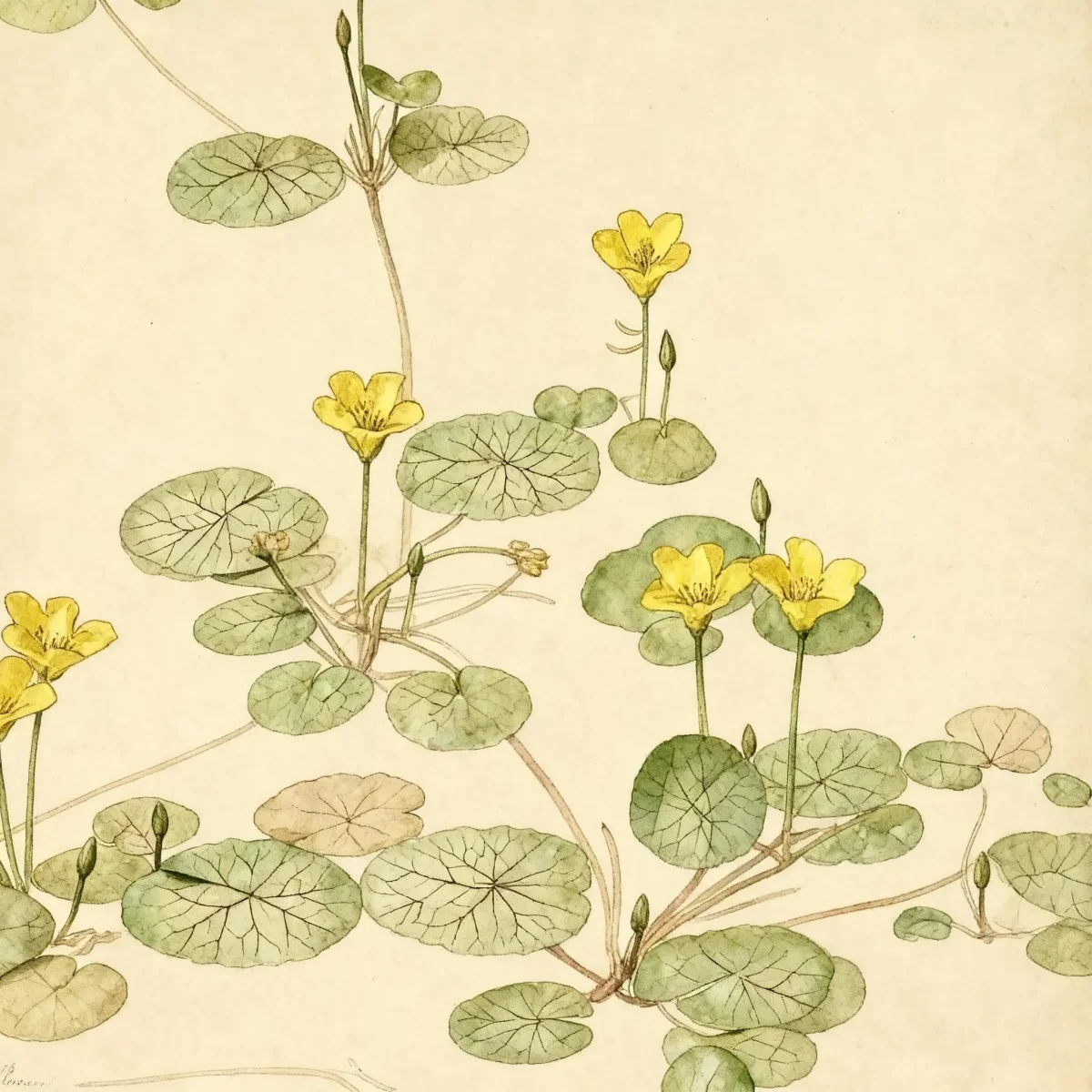
As a tall, marginal aquatic, this Thalia pairs well with shorter water iris, pickerel rush, or bog ferns that tolerate similar wet, sunny conditions. In larger installations, the towering presence of Thalia dealbata can anchor a design, contrasting beautifully with the flat planes of water lilies or the rounded habits of marsh marigolds.
If your climate falls outside the reliable Zones 6-10 range, this plant can be successfully grown as an annual or a spectacular summer container plant, sunk into the water feature and removed before the first hard frost.
Standout Features
Flower Qualities
- Showy
Noteworthy Characteristics
Thalia dealbata, commonly called hardy water canna or powdery thalia, is a rhizomatous marsh or marginal aquatic perennial that features long-stalked canna like foliage and violet blue flowers. It is a tall plant (to 6-10’) that lends a tropical flavor to ponds and water gardens. Features paddle-shaped to lanceolate-elliptic blue-green canna-like leaves (to 18” long) on petioles to 24” long; the foliage is dusted with white powder. Violet flowers appear in branched open panicles atop scapes typically rising well above the foliage.
Tolerances
Potential Problems
This plant generally exhibits no serious insect or disease problems, making the cultivation of Thalia relatively worry-free compared to many ornamental perennials. Good water circulation and avoiding overly dense planting can help prevent minor fungal issues common to any wetland plant in still water. Monitor for slugs or snails if the plant is used in very damp, non-aquatic soil areas, though this is rare.
Frequently Asked Questions
What hardiness zones is Thalia suitable for?
Thalia dealbata is winter hardy across USDA Zones 6 through 10 when provided with necessary moisture levels.
How large does Thalia grow?
This magnificent perennial typically reaches heights between 6 and 10 feet tall, with a spread ranging from 3 to 6 feet wide.
What sun exposure does Thalia dealbata need?
For optimal growth and flowering, Thalia dealbata requires full sun exposure throughout the day.
When does Thalia bloom?
Blooms generally occur between July and August, showcasing attractive violet flowers displayed above the distinctive foliage.
Conclusion
The unique combination of towering size, white-dusted blue-green foliage, and clear violet flowers cements Thalia dealbata as a superstar for adding tropical vertical interest to any water garden. Its low maintenance in the right wet environment makes it exceptionally rewarding. Before planting out, confirm your location falls within USDA Zones 6-10, or plan to treat your Thalia as a seasonal container specimen.
Companion Planting
When selecting neighbors for your Thalia dealbata, focus on other marginal aquatic plants that share its love for full sun and perpetually wet or submerged conditions. Excellent choices include various upright cattails, Pickerel Rush (Pontederia cordata), or other Canna relatives adapted to swamp margins. Ensure that companion plants do not aggressively smother the base of the tall Thalia in its first growing season.
Seasonal Care Calendar
In early spring, before new growth emerges, cut back the dead stalks remaining from the previous season, especially if the plant was mulched heavily for winter protection. Throughout the primary growing season (late spring through summer), the primary task is ensuring the system remains flooded or saturated; supplement feeding only if growth appears stunted despite adequate sunlight. As fall approaches and temperatures cool, prepare containers for overwintering or simply cut down foliage on existing bog plantings before the ground freezes hard.