Cocculus (Cocculus orbiculatus)
Discover Cocculus orbiculatus, a vigorous, low-maintenance vine native to eastern Asia, prized for its ornamental foliage and blue-black fall fruits.

Bloom Boldly, No Matter the Season - Sweatshirt
Cozy organic cotton sweatshirt featuring our exclusive Purple Coneflower design. Perfect for gardeners who bloom year-round.
Inspired by the beautiful Cocculus
Limited first batch (50) — join the waitlist for early access
Waitlist closes Feb 15, 2026.
Complete Plant Information
Field Guide Continues
Ready for care notes, companion picks, and planting tips?
The map is just the start. The full guide below covers growth habits, seasonal performance, and landscape uses.
Overview
Cocculus orbiculatus, commonly known as simply Cocculus, is a rapidly growing, slender woody-based vine offering excellent texture and autumnal interest in the landscape. This species, native to open forests and woodland margins across eastern Asia, establishes quickly, making it a valuable choice for covering challenging vertical or horizontal spaces. Gardeners prize Cocculus for its adaptability and minimal upkeep requirements once established.
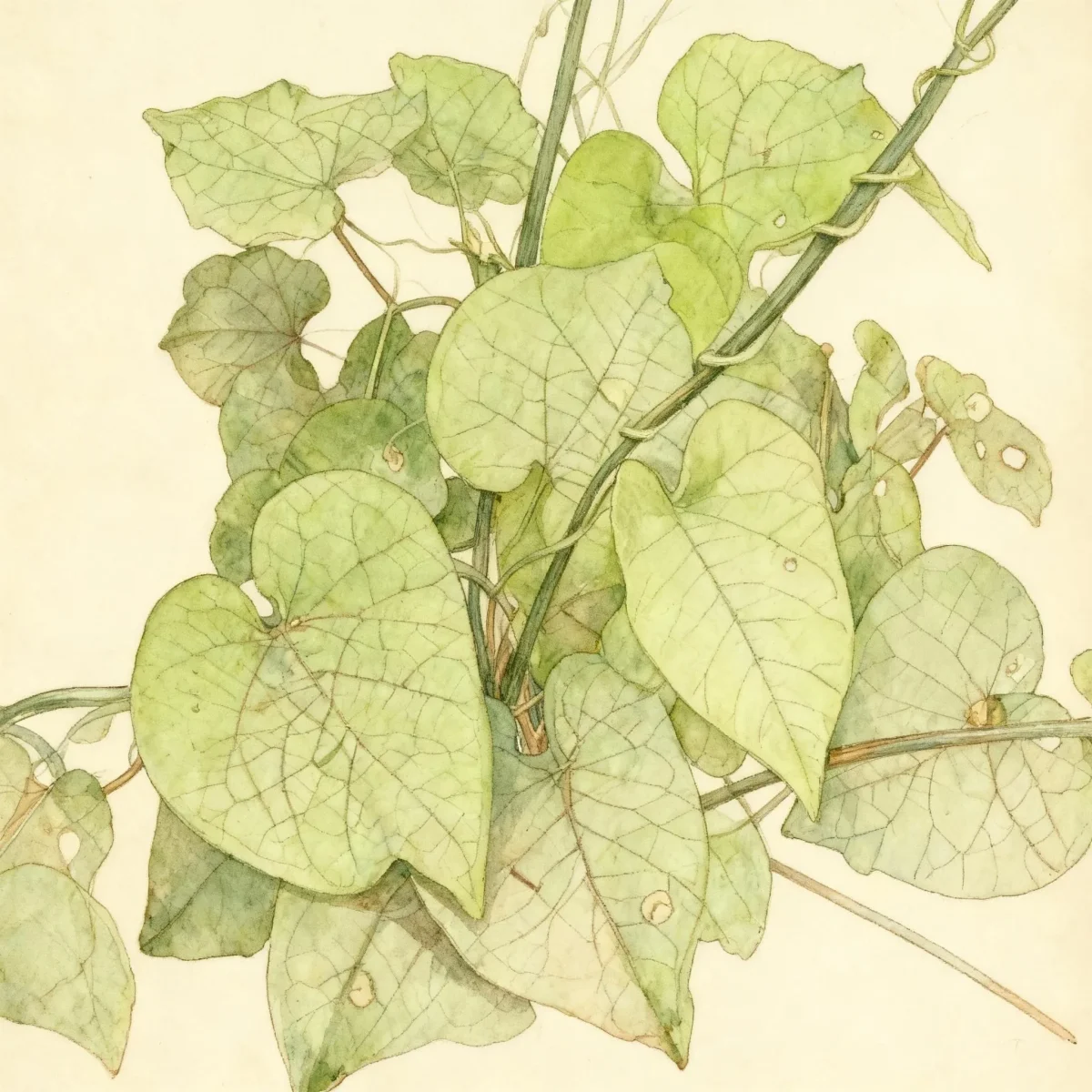
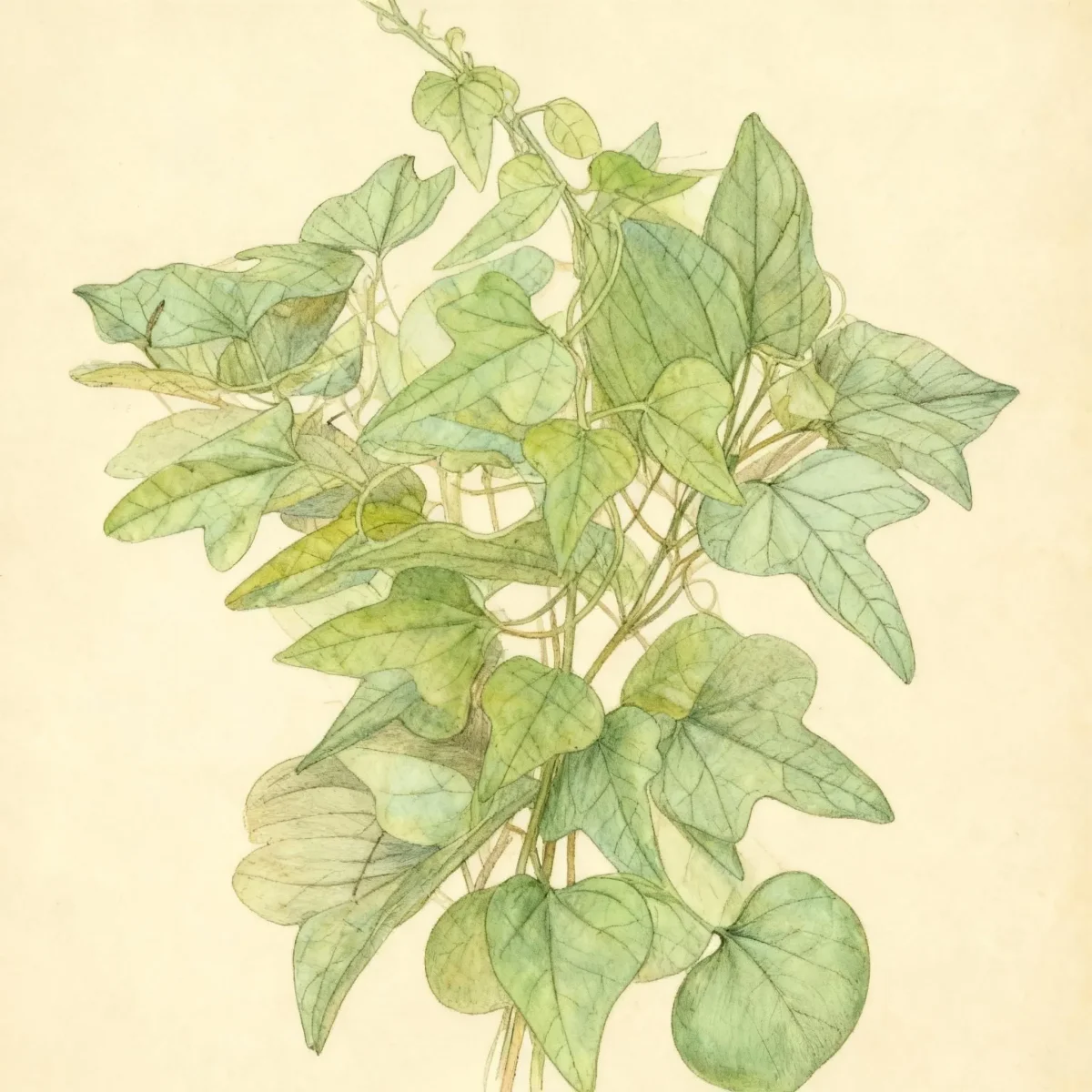
This climbing vine typically reaches heights between 7 and 12 feet, though it spreads modestly, rarely exceeding 4 feet wide, making it useful where dense coverage is required. The foliage itself is variable, displaying shapes from narrow-lanceolate to broad-ovate, often resulting in an appealing, textured look throughout the growing season. Cocculus orbiculatus provides dual ornamental appeal via its delicate summer flowers and highly visible blue/black fruit clusters in autumn.
Functionally, this plant is remarkably tough. It exhibits low maintenance needs and possesses drought tolerance, ensuring long-term survival with minimal intervention in suitable climates. Whether utilized on an arbor or as a rugged ground cover, this Cocculus species provides structure and seasonal drama without demanding constant attention from the gardener.
Fast Facts
- Plant Family: Menispermaceae
- Plant Type: Vine
- Native Range: Temperate and tropical eastern Asia
- Hardiness Zones: USDA Zones 6-10
- Size at Maturity:
- Height: 7-12 ft
- Spread: 3-4 ft
- Bloom Time: July to August
- Bloom Description: Creamy yellowish-white
- Sun Exposure: Full sun to part shade
- Water Needs: Medium
- Maintenance Level: Low
How to Grow
Planting Cocculus orbiculatus is best achieved in the spring after all danger of hard frost has passed. Select a location that allows the vine ample space to climb or sprawl, keeping in mind it thrives in average, medium moisture, well-drained soils. While it tolerates full sun, this variety performs exceptionally well when sited in part shade, where it benefits from sun-dappled light conditions, protecting the foliage from the harshest afternoon rays.
Care for established Cocculus is straightforward, aligning with its low maintenance profile. Water should be consistent, maintaining medium moisture levels, particularly during the first growing season as the root system develops. Fertilization is generally not required unless the soil is extremely poor; excessive nutrients can lead to overly loose, weak growth. Pruning, if needed, should focus on training the tendrils onto the support structure or cutting back sprawl, ideally performed in late winter or early spring before new growth begins.
Winter hardiness is reliable across USDA Zones 6 through 10, simplifying care requirements in these regions. In zones toward the lower end of this range (Zone 6), providing a layer of mulch around the base can help insulate the roots during the coldest months. The plant readily bounces back, showcasing golden yellow fall color before leaf drop.
Landscape Uses
The versatility of Cocculus orbiculatus makes it an excellent addition to structured landscaping elements. Its climbing nature is perfect for softening the lines of arbors, pergolas, and fences, instantly adding established vertical interest. For gardeners seeking sustainable solutions, the sprawling habit of Cocculus functions admirably as a ground cover, especially effective at suppressing weeds in rocky areas or on slopes where typical lawn grasses struggle.
Due to its tolerance for less-than-ideal conditions and its distinctive foliage, Cocculus orbiculatus serves well when paired with plants that offer contrasting textures or colors. Consider pairing it near broad-leaved evergreens or utilizing its trailing nature over retaining walls for a dramatic effect. The ultimate ornamental payoff comes in the fall when the blue/black fruits cluster attractively against the maturing foliage.
As a functional ground cover option, the low maintenance level of this vine reduces the need for regular edging or intensive care. Utilizing Cocculus where structure is needed most—such as screening an unsightly utility box or climbing brickwork—highlights its best ornamental features without demanding daily gardening attention.
Standout Features
Fruit Qualities
- Showy
Noteworthy Characteristics
Cocculus orbiculatus, commonly called queen coralbead, is a slender woody-based, pubescent, climbing vine of the moonseed family that typically grows to 7-12’ tall. It is native to open forests, forest margins, hillsides, streambanks and wooded coastal areas in the Himalayas, China, Japan, the Philippines and Hawaii. Noteworthy features include its variable leaves, golden yellow fall color, tiny creamy yellowish-white flowers, and pea-sized blue/black fruits maturing in the fall. The genus name references the berry-like fruits, fitting for this ornamental vine.
Tolerances
- Drought
Potential Problems
Cocculus orbiculatus generally exhibits a strong constitution, suffering from no serious insect or disease problems under normal conditions. However, occasional infestations from common garden pests can occur. Be on the lookout for aphids, ants, mealybugs, and scale insects, particularly on new, tender growth or if the plant is stressed.
Management of these minor pests usually involves cultural controls first. If aphids or mealybugs are found, a strong jet of water can often dislodge them, or an application of insecticidal soap or horticultural oil can effectively manage light to moderate outbreaks. Ensuring good air circulation, especially when training the vine on structures, helps minimize fungal issues that can sometimes accompany heavy humidity.
Frequently Asked Questions
What hardiness zones is Cocculus suitable for?
Cocculus orbiculatus is adaptable, thriving in USDA Hardiness Zones 6 through 10, offering reliable perennial performance across a wide thermal range.
How large does Cocculus grow?
This vigorous vine typically matures to a height between 7 and 12 feet, maintaining a relatively narrow spread of 3 to 4 feet wide.
What sun exposure does Cocculus orbiculatus need?
This plant performs excellently in full sun but appreciates the protection offered by part shade, especially in the hottest afternoon hours; sun-dappled conditions are ideal.
When does Cocculus bloom?
Flowering occurs during the summer months, specifically from July to August, producing clusters of tiny, creamy yellowish-white flowers.
Conclusion
Cocculus orbiculatus is a highly rewarding, low-maintenance vine prized for its attractive, variable foliage and spectacular late-season fruit display. For gardeners seeking reliable vertical coverage or sprawling ground cover in zones 6-10, this Cocculus species provides excellent aesthetic value with minimal input. Always check your local climate zone compatibility before planning your planting site for this adaptable climber.
Companion Planting
When siting Cocculus orbiculatus, consider pairing it with plants that offer contrasting leaf textures to enhance the visual appeal of the vine’s foliage. Near arbors, consider pairing it with Japanese Anemones which bloom later in the season, or sturdy perennials like Hostas near the base if light conditions permit partial shade. The low-growing nature of this plant makes it an effective visual contrast when allowed to sprawl near taller, upright structural plants like ornamental grasses or upright evergreens.
Wildlife Benefits
The autumn display of deep blue/black fruits on Cocculus orbiculatus provides a valuable late-season food source for various bird species. While the flowers are small and monoecious, they contribute to the general floral resources available in mid-summer, supporting local insect populations contributing to the ecosystem. Planting this vine near naturalized areas can enhance local biodiversity by supplying both cover and foraging material.