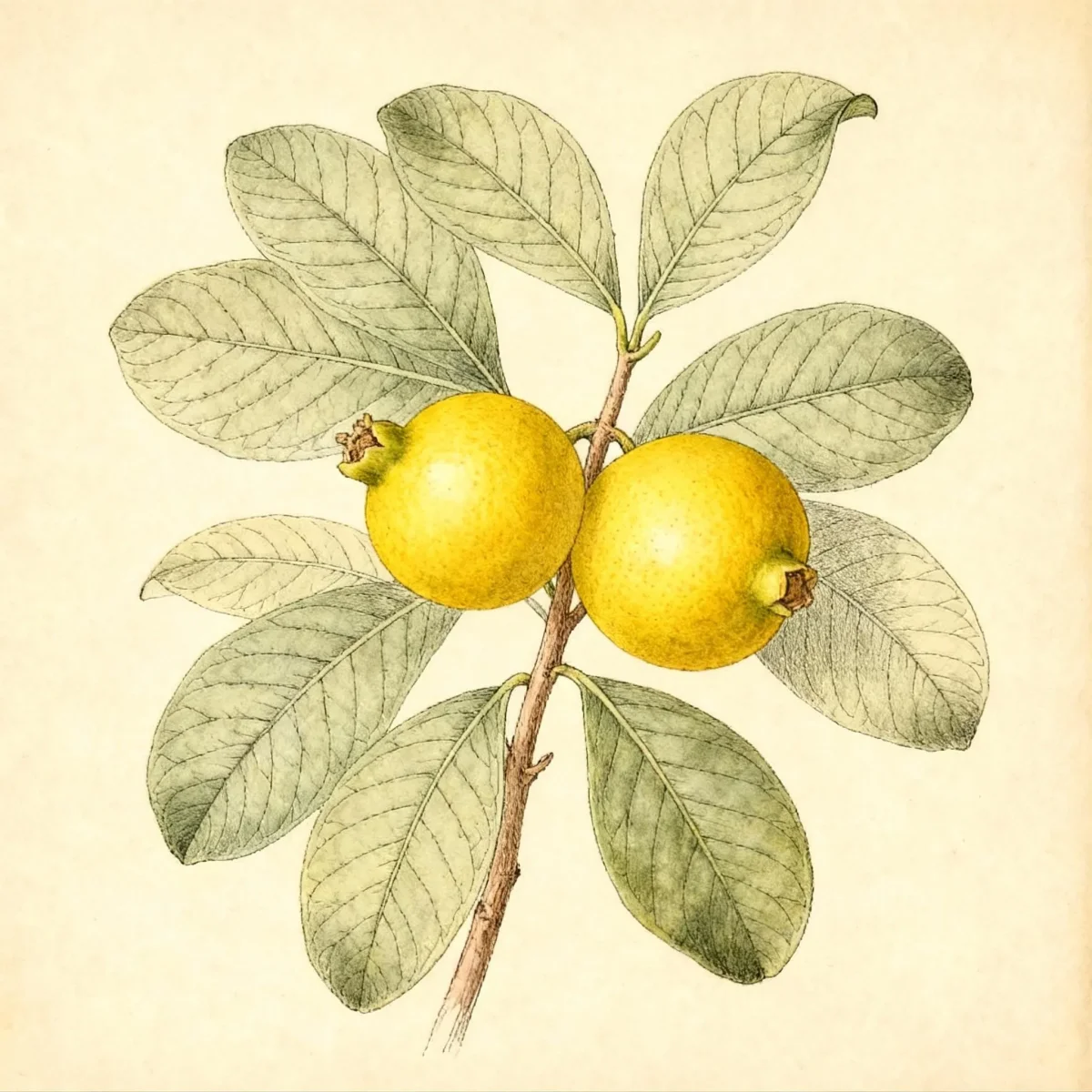
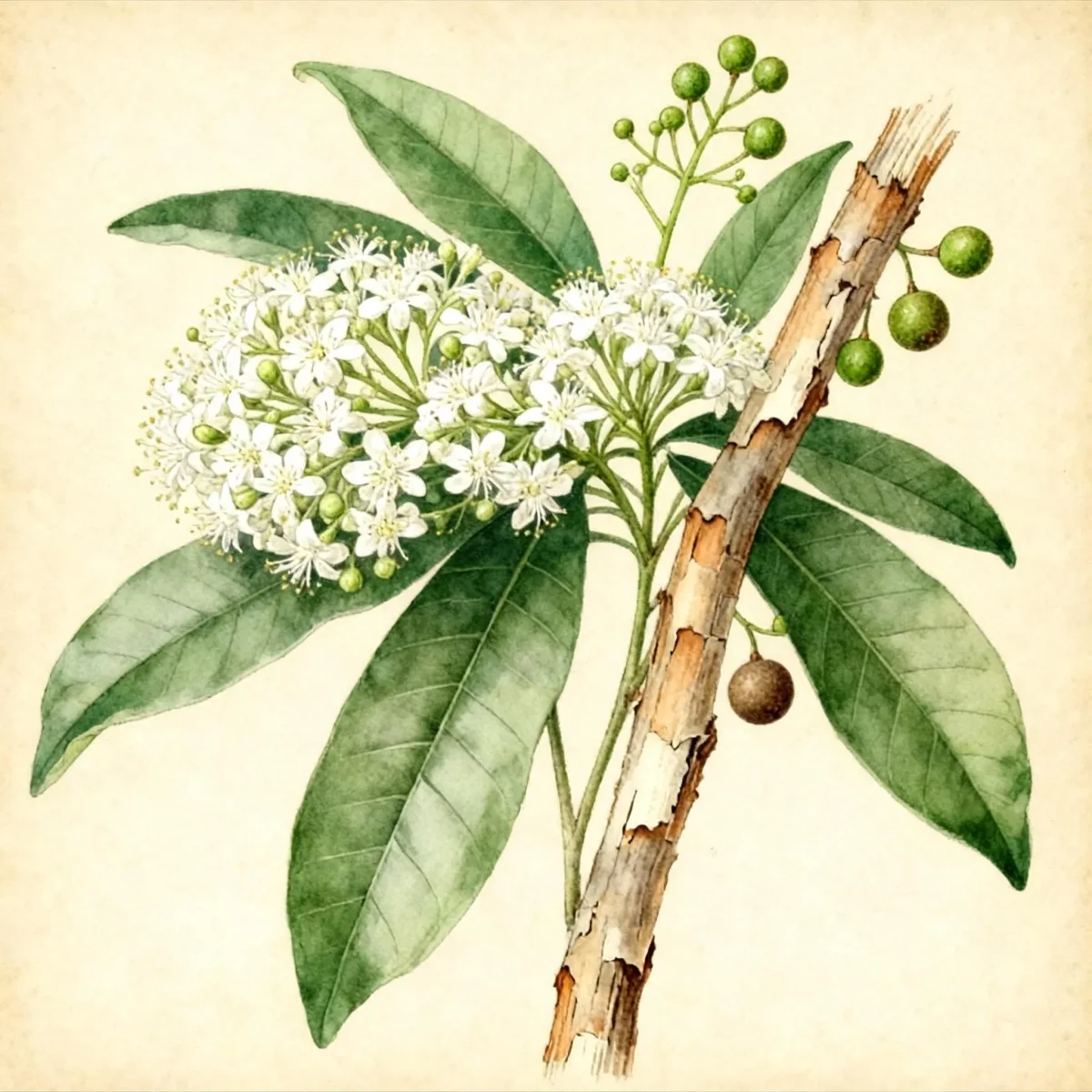
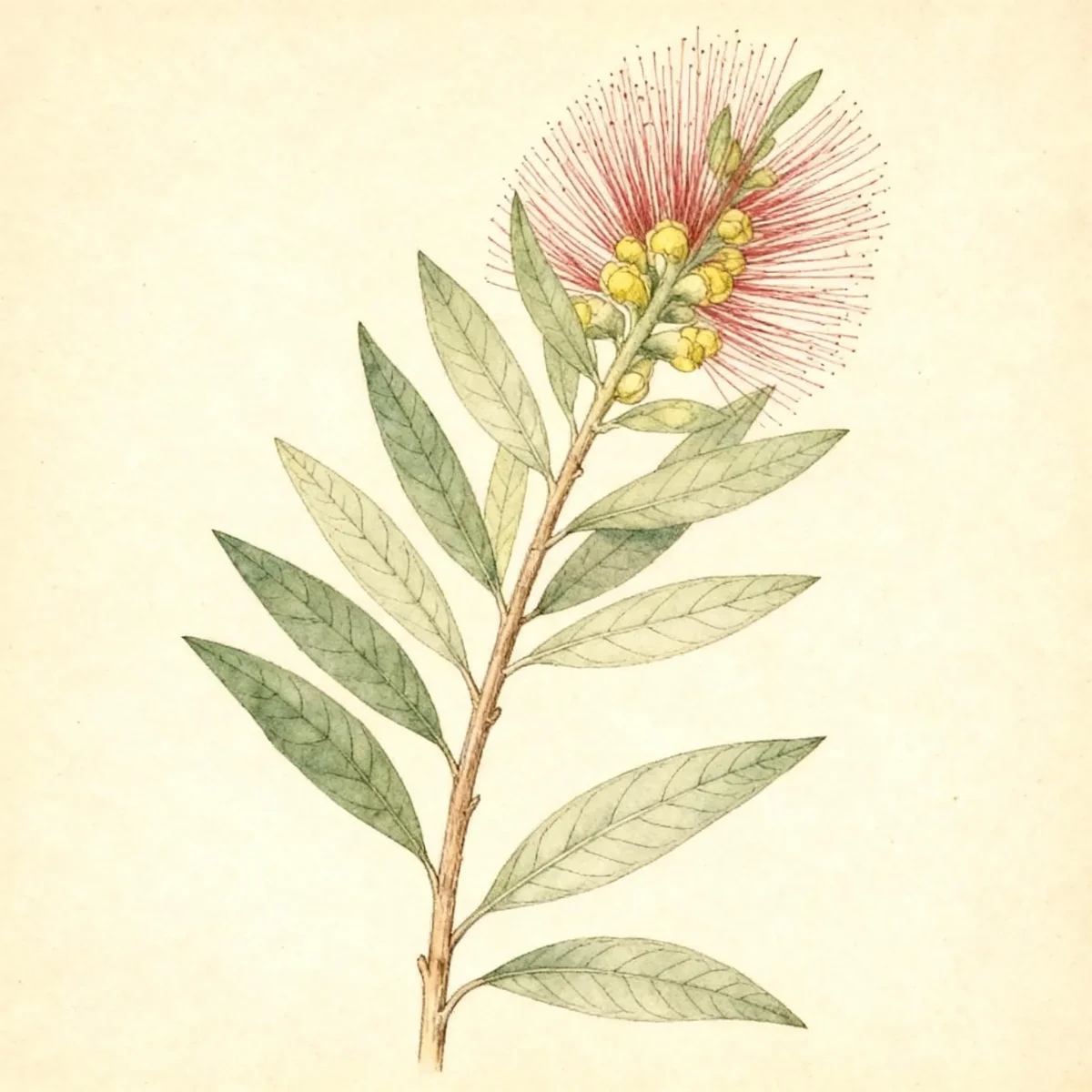
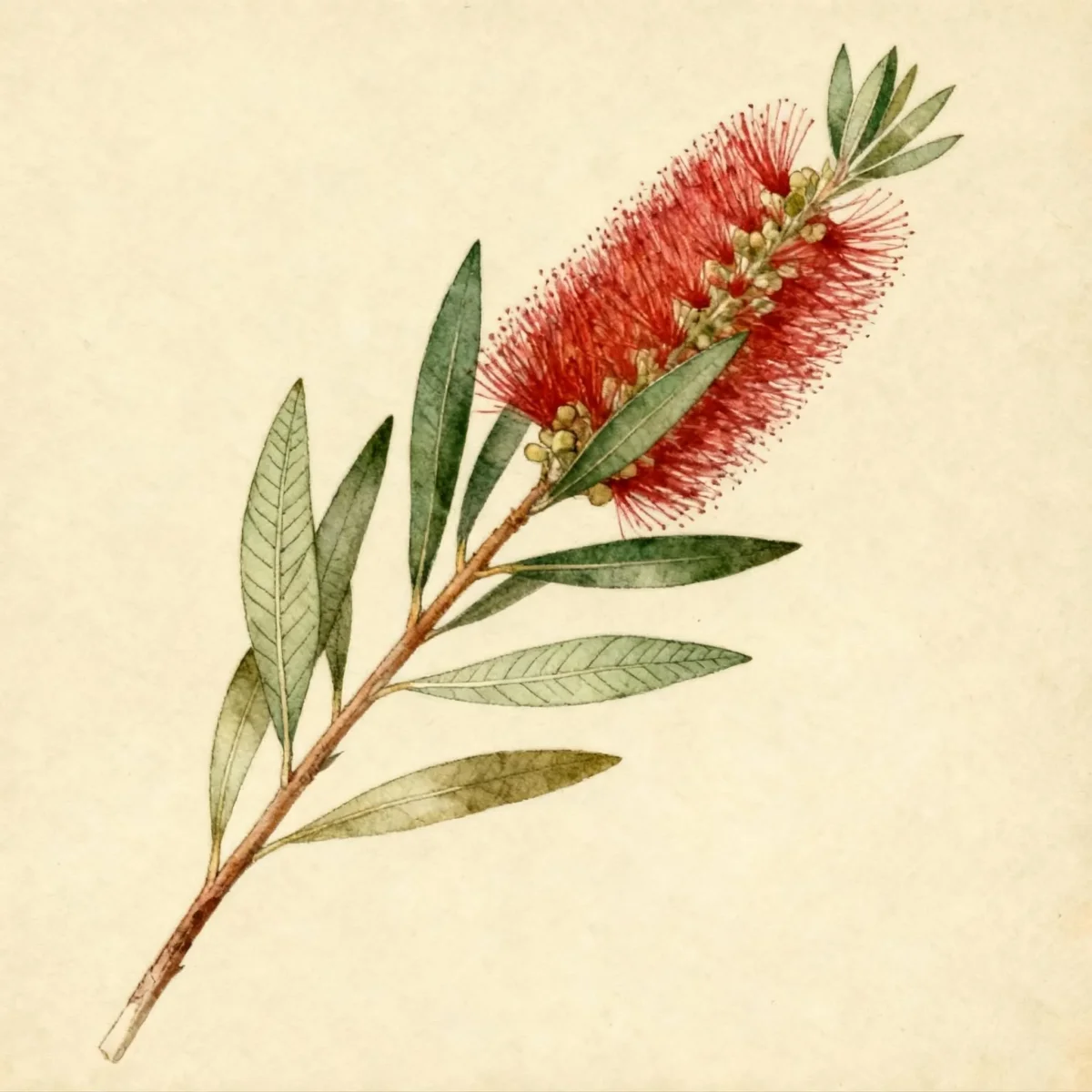
Malaysian apple (Syzygium malaccense)
Explore cultivating the Syzygium malaccense, the Malaysian apple tree, known for its glossy foliage and edible red fruit in tropical gardens.

Bloom Boldly, No Matter the Season - Sweatshirt
Cozy organic cotton sweatshirt featuring our exclusive Purple Coneflower design. Perfect for gardeners who bloom year-round.
Inspired by the beautiful Malaysian apple
Limited first batch (50) — join the waitlist for early access
Waitlist closes Feb 15, 2026.
Complete Plant Information
Field Guide Continues
Ready for care notes, companion picks, and planting tips?
The map is just the start. The full guide below covers growth habits, seasonal performance, and landscape uses.
Overview
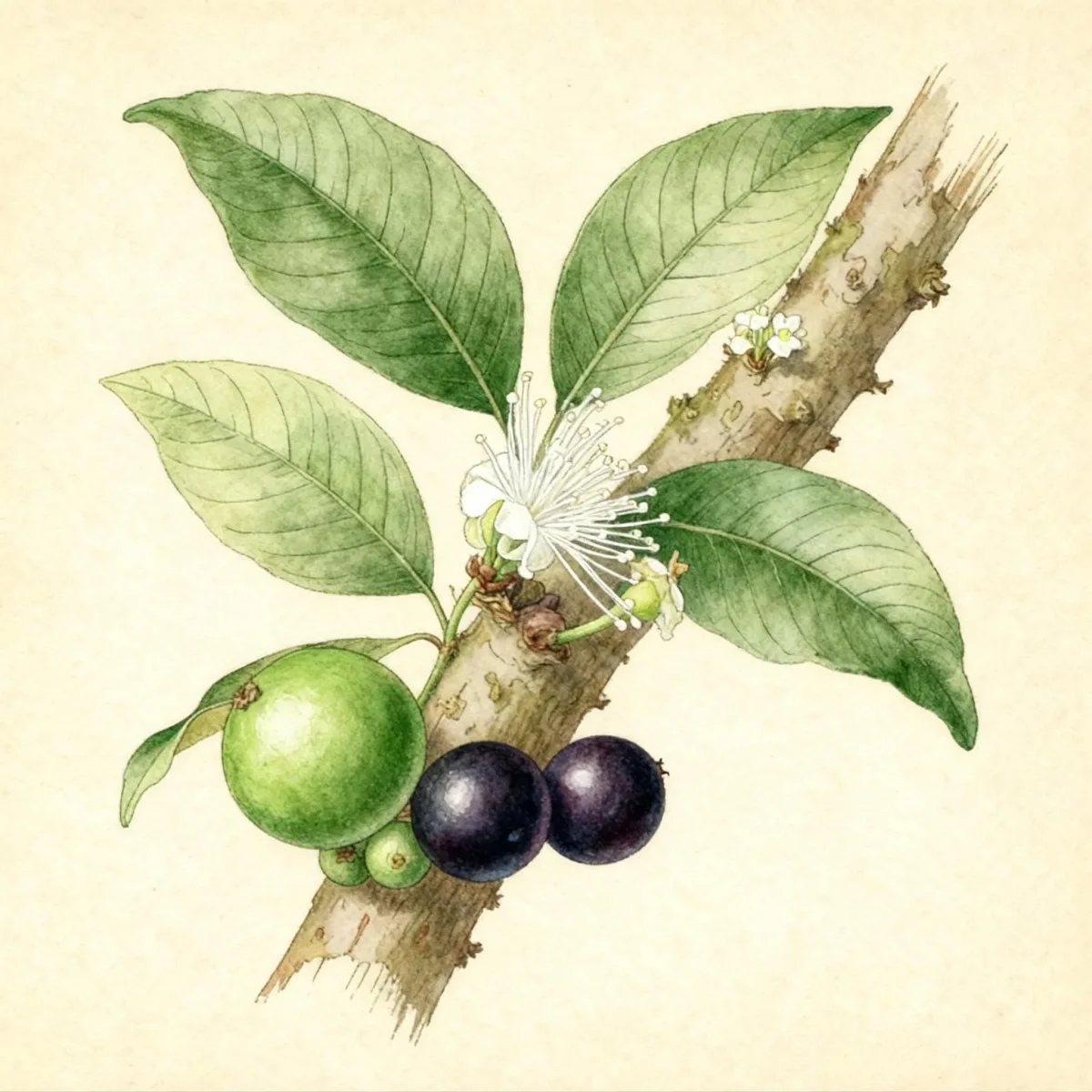
The Syzygium malaccense, widely recognized as the Malaysian apple or Malay apple, is an exceptional medium to large evergreen tree cherished in tropical landscapes. Its value lies not only in its aesthetic appeal—featuring dark green, glossy foliage—but also in its seasonal display of bright red flowers followed by edible, waxy red fruits. This vigorous grower quickly establishes itself in warm climates, making it a worthwhile addition for gardeners seeking both ornament and bounty.
Native to the forested lowlands of Malaysia, Syzygium malaccense thrives when given consistent resources in tropical settings. It requires full sun exposure to ensure robust growth and good fruit production. While it can become a substantial specimen, reaching up to 50 feet tall, it adapts well to various soil conditions, provided drainage is adequate.
The blossoms of the Malaysian apple are particularly attractive to local wildlife, such as hummingbirds, adding dynamic visual interest to the garden. For growers in the right climate (Zone 12+), the reward is the crisp, white-fleshed fruit that can be enjoyed fresh or incorporated into culinary preparations, solidifying the Syzygium malaccense as a functional and beautiful cornerstone tropical tree.
Fast Facts
- Plant Family: Myrtaceae
- Plant Type: Fruit
- Native Range: Australia, Malay Pennisula
- Hardiness Zones: USDA Zones 12-12
- Size at Maturity:
- Height: 40-50 ft
- Spread: 20-30 ft
- Bloom Time: Seasonal bloomer
- Bloom Description: Red
- Sun Exposure: Full sun
- Water Needs: Medium
- Maintenance Level: Medium
How to Grow
Ideal planting for the Malaysian apple occurs when conditions are consistently warm, ideally in areas guaranteed to remain frost-free, as the tree is only hardy in tropical Zones warmer than 12. Ensure planting location receives full, uninterrupted sun exposure throughout the day for optimal flowering and fruiting performance.
Soil preference leans toward evenly moist, loamy, and well-draining substrates. A significant advantage of Syzygium malaccense is its tolerance for a wide range of soil types, including heavy clay and sandy soils, though excellent drainage remains key to root health. Water needs are medium; maintain consistent soil moisture, especially during establishment and dry spells, to support its vigorous growth habit.
Maintenance for this tree is generally considered medium. While it naturally assumes an upright, conical shape, occasional pruning can be employed to manage size or remove crossing branches, though pruning should be approached carefully to preserve its structure. Fertilization should align with standard practices for tropical fruit trees, ensuring adequate nutrition during the growing season.
No significant winter preparation is required outside its hardiness range, as the Malaysian apple cannot withstand frost. In tropical environments, focus maintenance efforts on ensuring deep watering during drier periods and monitoring for any potential pest activity early in the season.
Landscape Uses
Although considered annual in the context of short-lived garden cycles, Syzygium malaccense functions best as a permanent, large specimen tree in tropical residential or agricultural settings. Its significant height and dense canopy provide excellent shade, making it ideal for cooling patios or defining property lines where space permits its 30-foot spread.
If space allows for its mature size, the Malaysian apple provides a stunning focal point due to its seasonal red flower display, which precedes the attractive, waxy red fruits. If space is highly constrained, large container culture is possible for younger specimens, though eventual transplantation or significant pruning will be necessary.
The fruit itself is highly valued, being somewhat sweet and suitable for raw consumption or cooking. While not a major commercial crop, finding fresh Syzygium malaccense fruit locally indicates it is a respected component of the regional edible landscape.
Flower Qualities
- Showy
Fruit Qualities
- Showy
- Edible
Noteworthy Characteristics
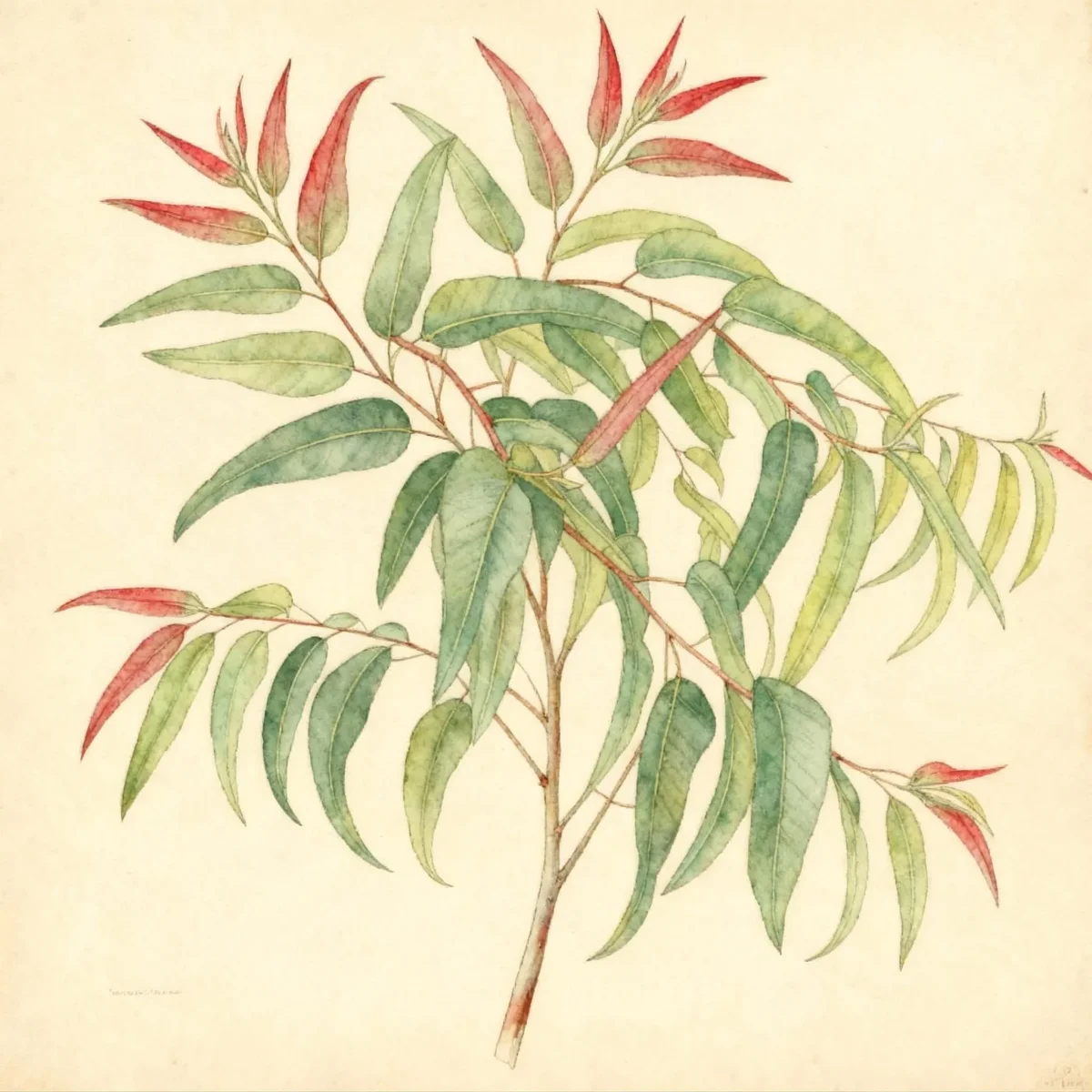
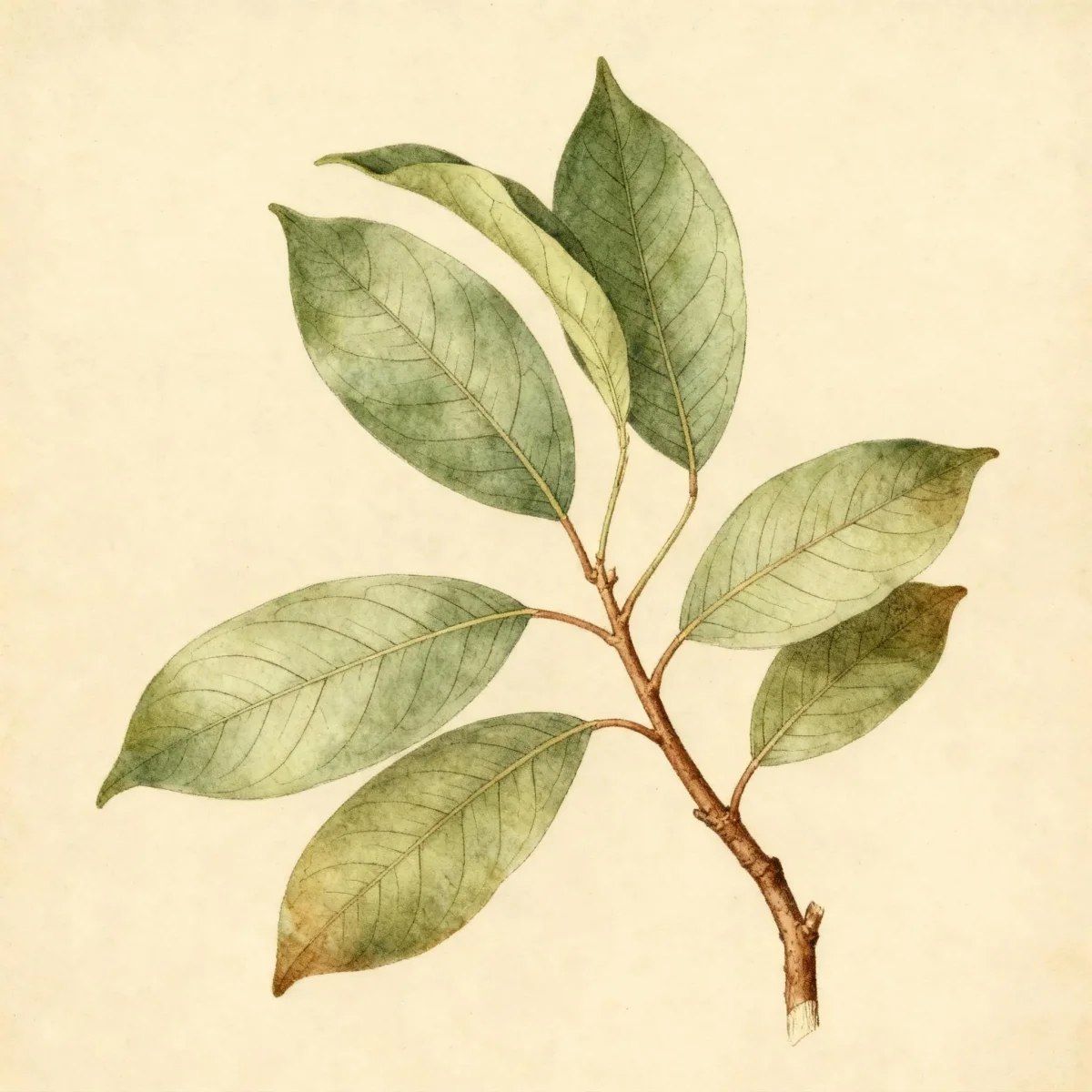
Syzygium malaccense, commonly called Malaysian apple or Malay apple, is a medium to large sized evergreen tree native to the forested lowlands of Malaysia. This vigorous grower will reach up to 50’ tall with a 30’ spread and takes on an upright, conical to cylindrical shape. The foliage is dark green and glossy, elliptic in shape, and can reach up to 9” long and 3” wide, beautifully complementing the seasonal display of bright red flowers.
Tolerances
- Clay Soil
Potential Problems
The Syzygium malaccense is generally regarded as relatively free of severe pests and diseases in its optimal environment. However, growers should remain vigilant for signs of leaf miners, which can tunnel through the foliage, and borers, which target the woody structure.
Early detection is the best management strategy for these sporadic issues reported in cultivation. Inspecting new growth regularly allows for prompt intervention, potentially using targeted horticultural oils or insecticidal soaps to control minor infestations before they impact the overall health of the Malaysian apple.
It is far more crucial to manage environmental stressors, such as inconsistent watering or poorly draining soil, as these conditions weaken the tree, making it more susceptible to secondary pest invasions or fungal issues typical of stressed tropical plants.
Frequently Asked Questions
What hardiness zones is Malaysian apple suitable for?
The Malaysian apple (Syzygium malaccense) is strictly hardy in USDA Zones 12 through 12, requiring consistent tropical warmth year-round.
How large does Malaysian apple grow?
This tree is a substantial specimen, typically reaching mature heights between 40 to 50 feet tall, with a spread ranging from 20 to 30 feet wide.
What sun exposure does Malaysian apple need?
Syzygium malaccense requires full sun exposure to develop its best bloom and fruit set.
When does Malaysian apple bloom?
This plant is a seasonal bloomer, known for producing striking clusters of red flowers on its woody branches during the appropriate season.
Conclusion
The Syzygium malaccense offers tropical gardeners a substantial return on investment through its shade, ornamental flowers, and edible yield, making the Malaysian apple a premier choice for functional landscaping. Confirming your USDA Zone compatibility is the critical first step before establishing this magnificent, vigorous evergreen. Plan your planting during the consistently warm period to ensure the best start for your new Syzygium malaccense.
Wildlife Benefits
The seasonal flowering of the Malaysian apple is a major ecological asset in tropical settings. The clusters of bright red blossoms are highly attractive, serving as a significant nectar source for native hummingbirds in regions where they are present. Supporting this natural pollination increases the likelihood of successful fruit set.
Beyond direct feeding opportunities, the dense, evergreen canopy of the mature Syzygium malaccense offers excellent refuge and nesting structure for various bird species. Its sturdy, upright form creates a reliable backdrop in the landscape, encouraging biodiversity in your immediate area.
For maximum wildlife integration, plant the Malaysian apple where its seasonal floral display is visible from windows or gathering spaces, allowing the gardener to enjoy the visiting fauna attracted to this unique tropical resource.
Container Growing
While the ultimate goal for many is planting Syzygium malaccense in the ground, container culture is a viable option for those with limited space or marginal climate conditions needing winter protection. Choose the largest container possible immediately, as this tree establishes quickly and dislikes being root-bound over long periods.
Use a consistently well-draining potting mix, leaning slightly toward sandy loams to mimic its adaptable native soil structure. Water management is paramount in containers; they dry out faster, requiring dedication to medium watering to keep the soil evenly moist, preventing the stress that can lead to leaf drop.
As the tree grows, it will eventually need to be up-potted, or root-pruning may be necessary every few years to maintain its size suitability for the container. Treat it as an annual feature in non-tropical zones, overwintering it indoors only if temperatures drop below its survival threshold.