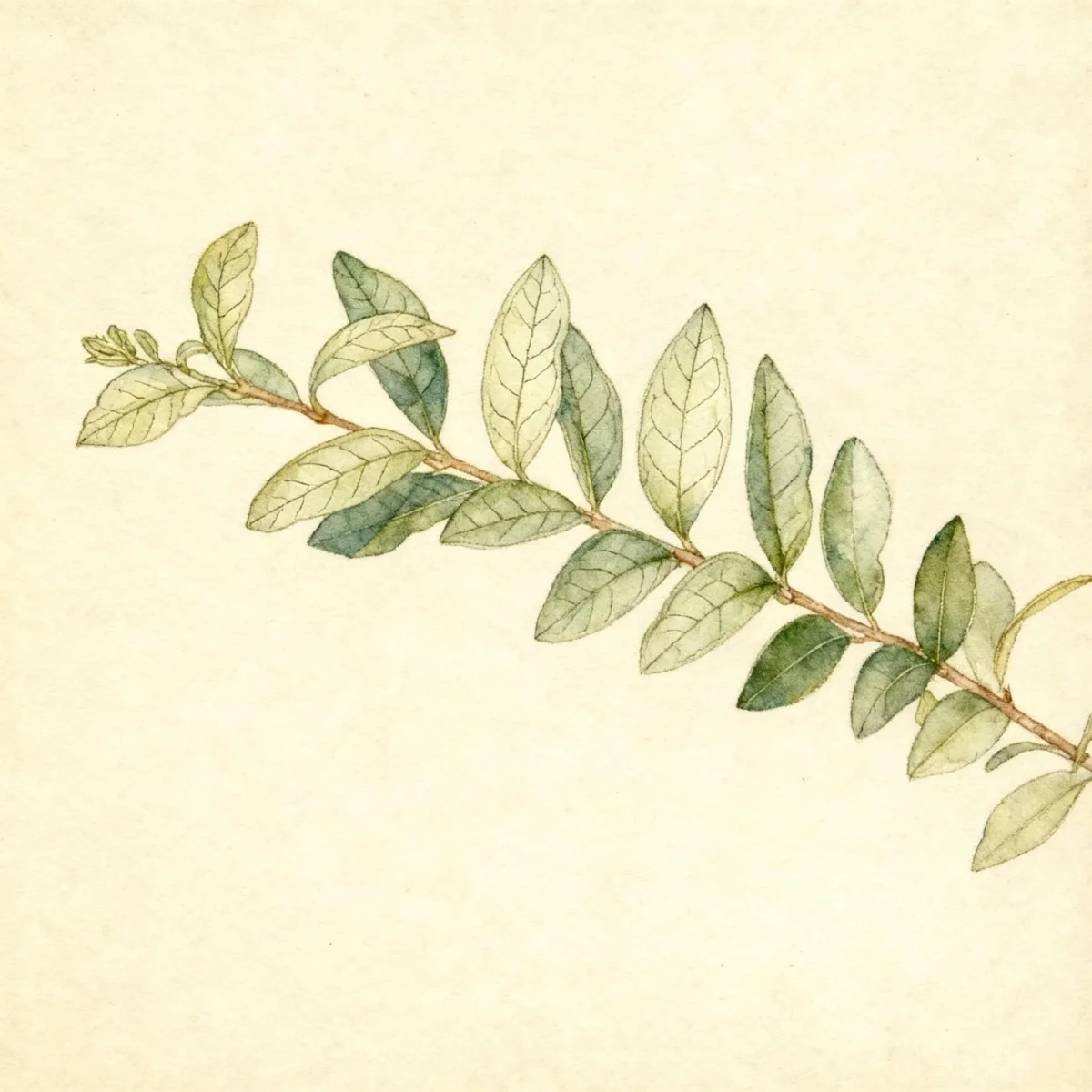
Border privet (Ligustrum obtusifolium)
Border privet (Ligustrum obtusifolium) is a fast-growing, deciduous shrub ideal for hedges in USDA Zones 3-7, offering white, fragrant spring flowers.
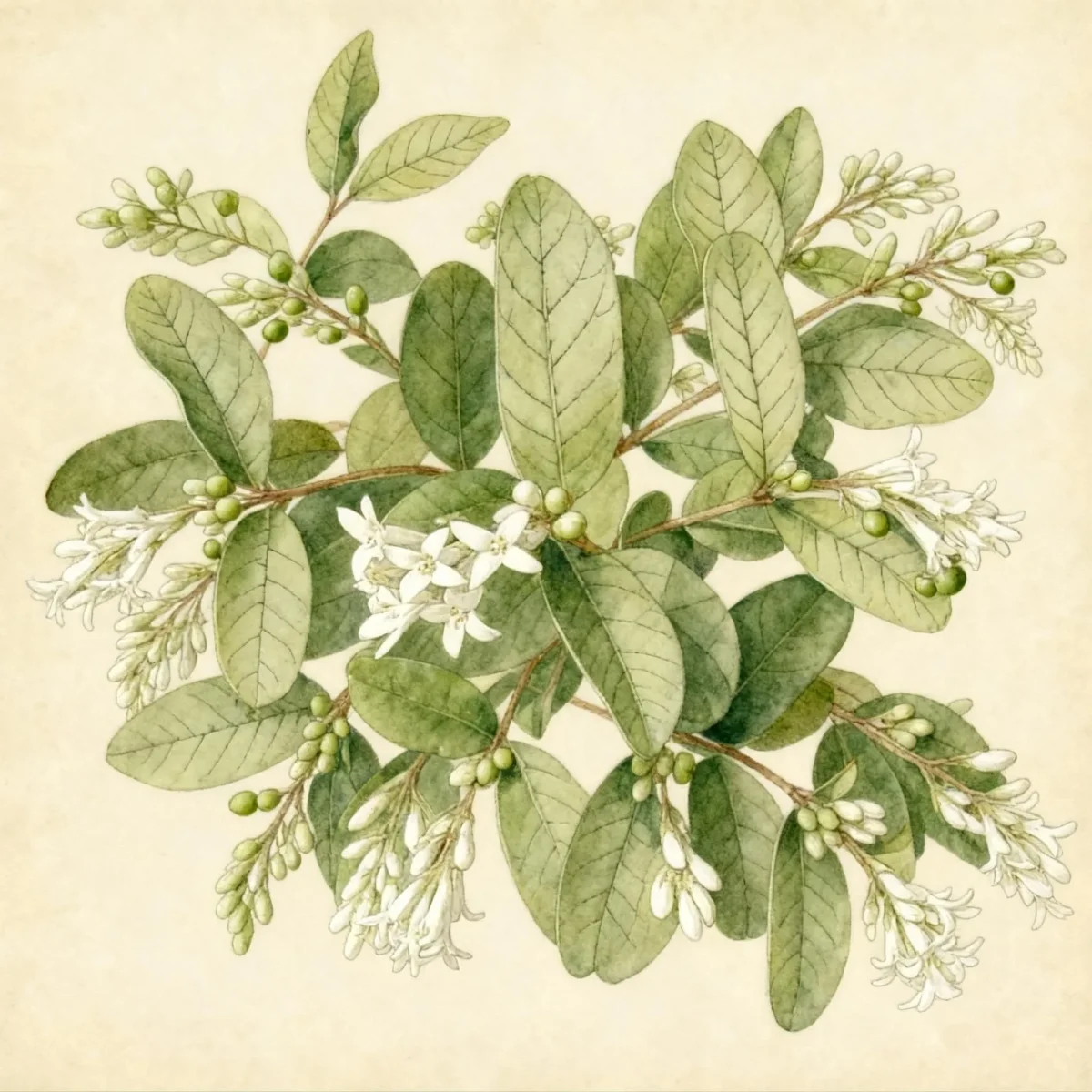

Bloom Boldly, No Matter the Season - Sweatshirt
Cozy organic cotton sweatshirt featuring our exclusive Purple Coneflower design. Perfect for gardeners who bloom year-round.
Inspired by the beautiful Border privet
Limited first batch (50) — join the waitlist for early access
Waitlist closes Feb 15, 2026.
Complete Plant Information
Field Guide Continues
Ready for care notes, companion picks, and planting tips?
The map is just the start. The full guide below covers growth habits, seasonal performance, and landscape uses.
Overview
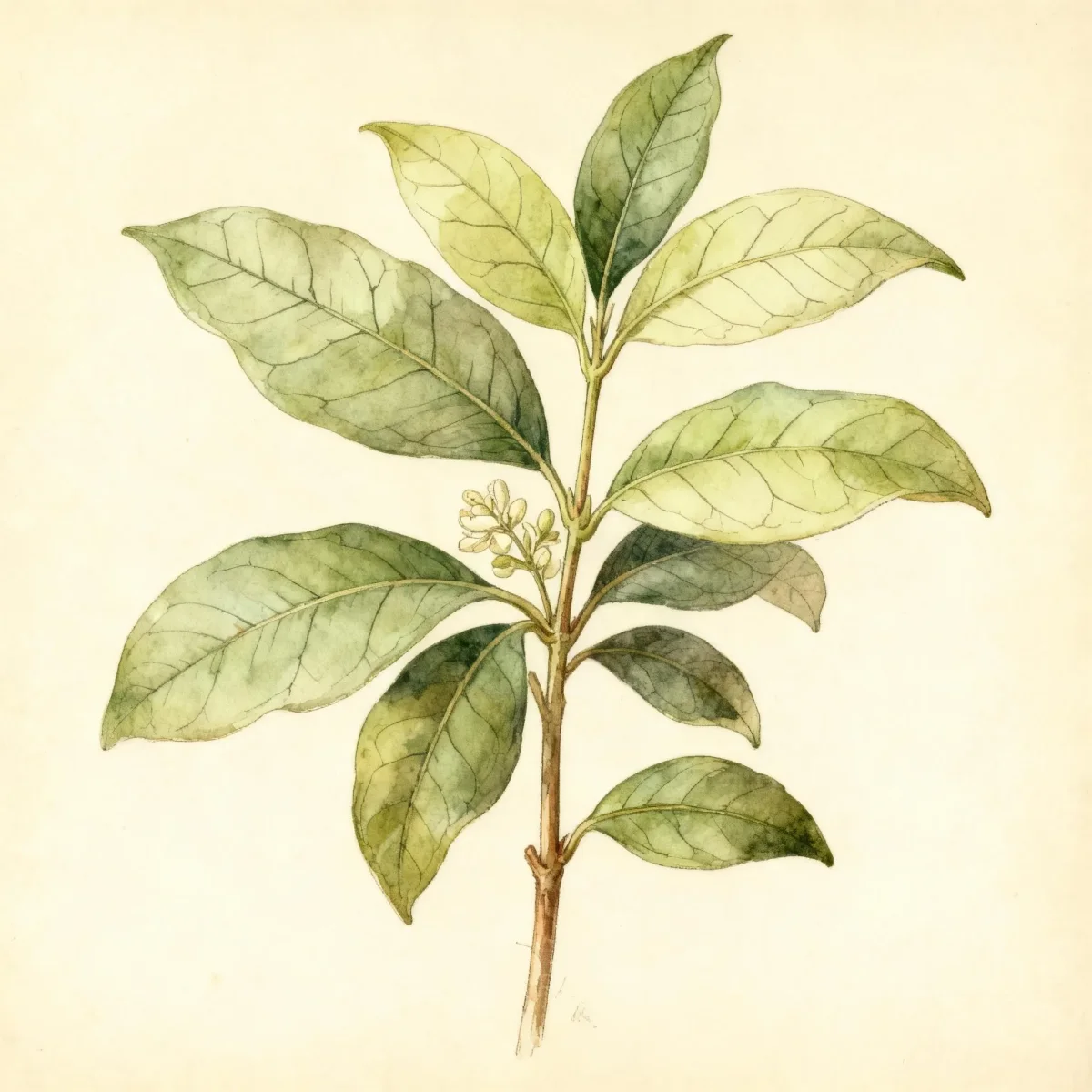
Ligustrum obtusifolium, widely known as Border privet, is a robust and rapid-growing deciduous shrub prized for its utility in landscape screening and hedging. It develops dense, arching branching, quickly reaching heights between 10 to 12 feet, making it an excellent structural element. While its flowers are noted for being fragrant, they offer functional beauty alongside the glossy, dark green foliage that holds attractive purple tones in the autumn.
This species is highly adaptable, thriving in full sun or partial shade, which increases its suitability across many garden settings. Border privet establishes easily in average, well-drained soils, tolerating dry conditions once mature. Gardeners should consider its vigorous nature, as Ligustrum obtusifolium has the capacity to naturalize readily through self-seeding.
Functionally, the characteristics of Ligustrum obtusifolium make it a staple for creating formal boundaries or informal screens. However, due to its tendency to escape cultivation and potentially impact native habitats in certain regions, growers must exercise caution regarding its placement. Proper management ensures this adaptable shrub provides excellent screening without becoming an ecological concern.
Fast Facts
- Plant Family: Oleaceae
- Plant Type: Deciduous shrub
- Native Range: Japan, Korea, China
- Hardiness Zones: USDA Zones 3-7
- Size at Maturity:
- Height: 10-12 ft
- Spread: 12-15 ft
- Bloom Time: June
- Bloom Description: White
- Sun Exposure: Full sun to part shade
- Water Needs: Dry to medium
- Maintenance Level: Medium
How to Grow
Begin planting Ligustrum obtusifolium during the dormant season—early spring or fall—ensuring you provide well-drained soil. This shrub exhibits tolerance for a wide variety of soil types, but consistently wet conditions should be avoided. Optimal positioning balances bright light with protection from the harshest afternoon summer sun if you are situated in the warmer end of its hardiness range.
Maintenance for Border privet is straightforward but requires timely intervention to manage its fast growth rate. Water consistently until the plant is fully established, recognizing that mature Ligustrum obtusifolium handles drought quite well. If you allow the flowers to develop, prune immediately after blooming ceases in June. If maximizing the green screen is the goal over flowering, pruning can be done earlier in the spring, and hedge shearing often occurs one to two times during the summer.
Be aware that Ligustrum obtusifolium readily spreads via self-seeding, potentially forming dense thickets where growth is unchecked. While durable and tolerant of urban pollution, gardeners in susceptible eastern U.S. areas must be vigilant, as the plant is considered invasive there and should not be introduced where spread is a risk.
Landscape Uses
The primary application for Border privet centers on its effectiveness as a large, formal screen or an imposing shrub border. Its dense habit, coupled with its 10-12 foot mature height, makes Ligustrum obtusifolium an outstanding choice for rapidly establishing property lines or obscuring unsightly views. The naturalizing tendency also means it can be used in large, less formal drifts where space permits and aggressive management is possible.
As a background planting, its dark green foliage provides excellent contrast for lower-growing, brightly colored perennials or smaller specimen shrubs. When used in a hedge, regular shearing encourages the dense structure necessary for privacy screening, maximizing sight-line blockage throughout the growing season.
When designing with this species, pair the vigorous nature of Ligustrum obtusifolium with other robust, similar-sized screening plants for an integrated look, or utilize it as a powerful vertical anchor in an expansive border design.
Standout Features
Flower Qualities
- Showy
- Fragrant
Fruit Qualities
- Showy
Noteworthy Characteristics
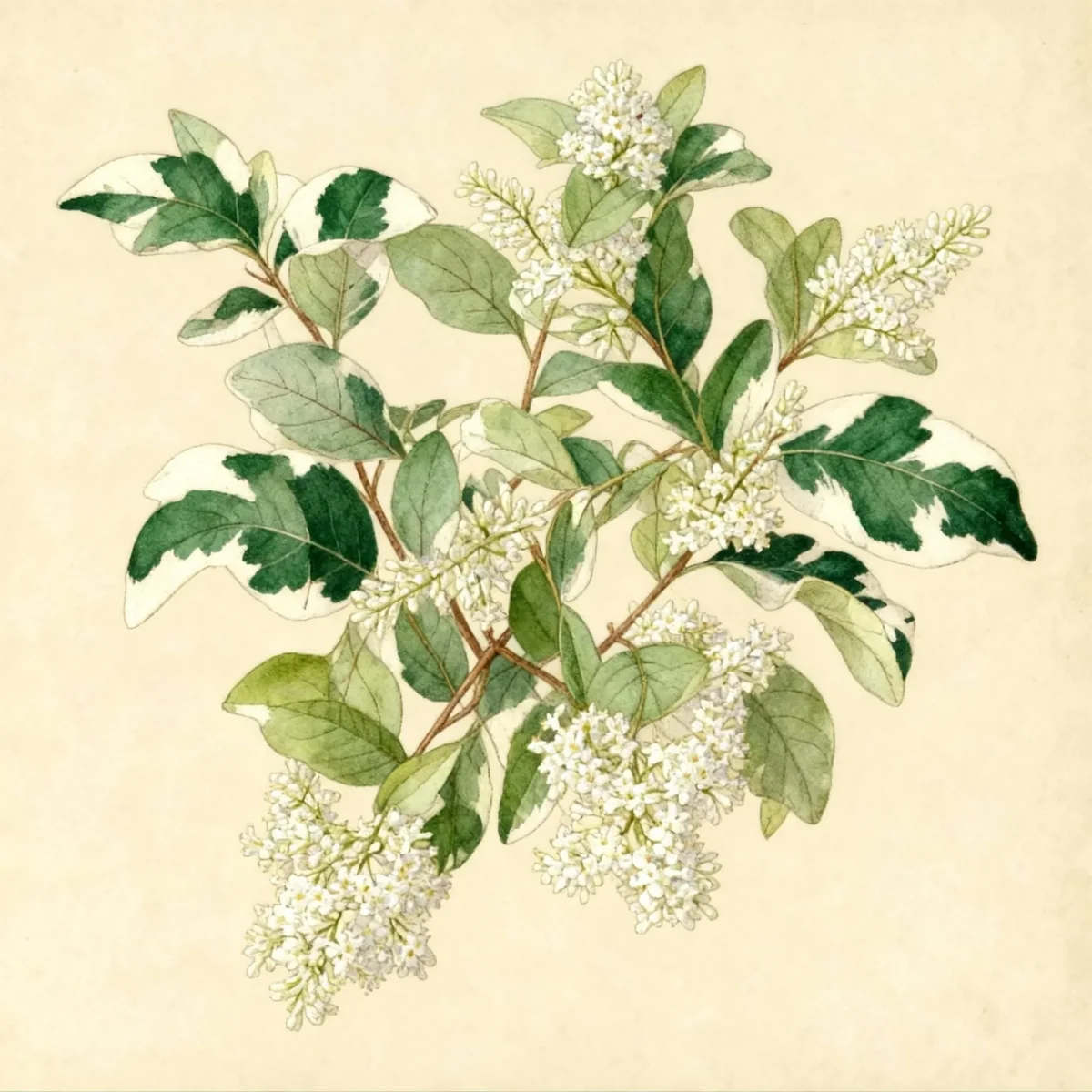
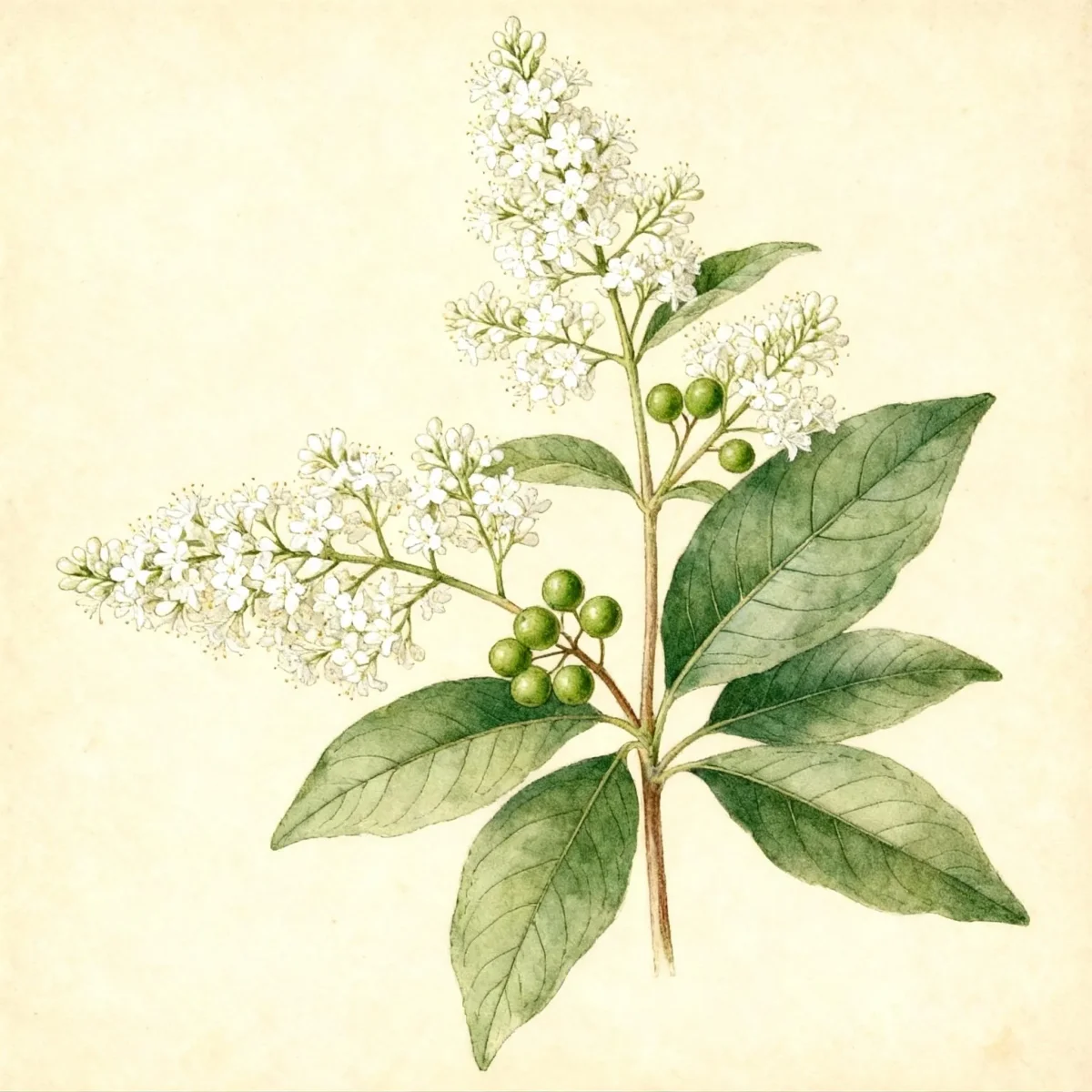
Ligustrum obtusifolium, commonly called border privet, is a fast-growing, deciduous shrub that typically grows 10-12’ tall but spreads to 15’ wide with dense, often arching, horizontal branching. Its glossy, dark green leaves offer deep color contrast, sometimes developing attractive purple hues in the fall. Small, tubular white flowers appear in June, leading to globe-shaped, dull black drupes that persist into winter.
Tolerances
- Drought
Potential Problems
This plant carries a significant risk because Ligustrum obtusifolium has the potential to escape cultivation and negatively impact native habitats, requiring responsible placement. Culturally, it shows susceptibility to several fungal and bacterial issues, including powdery mildew, anthracnose, crown gall, and various root rots, especially in poorly drained sites. Monitor regularly for common pests like scale, aphids, Japanese beetles, and mites, using horticultural oil or insecticidal soap treatments at the first sign of infestation to protect the dense foliage.
Frequently Asked Questions
What hardiness zones is Border privet suitable for?
Border privet (Ligustrum obtusifolium) is reliably hardy in USDA Zones 3 through 7.
How large does Ligustrum obtusifolium grow?
This deciduous shrub typically reaches a mature height of 10 to 12 feet with a spread spanning 12 to 15 feet wide.
When does Border privet bloom?
Ligustrum obtusifolium produces its white flowers in June.
What sun exposure does Border privet need?
It performs best when situated in full sun to part shade conditions.
Conclusion
The adaptability and rapid growth rate of Border privet ensure its ongoing popularity for creating swift, effective hedges and screens in adaptable climates. While managing its invasive potential is critical, the striking foliage and pleasant fragrance of blooming Ligustrum obtusifolium offer substantial visual rewards. Before planting, confirm that your local regulations permit its use and ensure you select a site that meets the dry to medium soil requirements.
Companion Planting
When incorporating Ligustrum obtusifolium into a formal hedge, consider companion planting species that thrive under similar sun exposure and moisture regimes but offer different textures or bloom times. Planting lower-growing, drought-tolerant shrubs like dwarf spirea varieties beneath the canopy can help suppress weeds and soften the base of the mature privet. In larger borders, contrast the dark, dense texture of the privet with vibrant, late-season bloomers such as Sedum or ornamental grasses, ensuring the overall design remains anchored by the structural presence of the Ligustrum.
Design Ideas
The primary design strength of Border privet lies in its hedging capability, where consistent shearing transforms it into a formal, architectural boundary. For residential properties requiring quick screening, planting in staggered rows can achieve a denser visual barrier faster than a single line. If you prefer a more naturalistic appearance that respects the plant’s arching character, allow Ligustrum obtusifolium to grow more openly, treating it as a robust, large-scale background element against which specimen trees or ornamental grasses can stand out vividly.