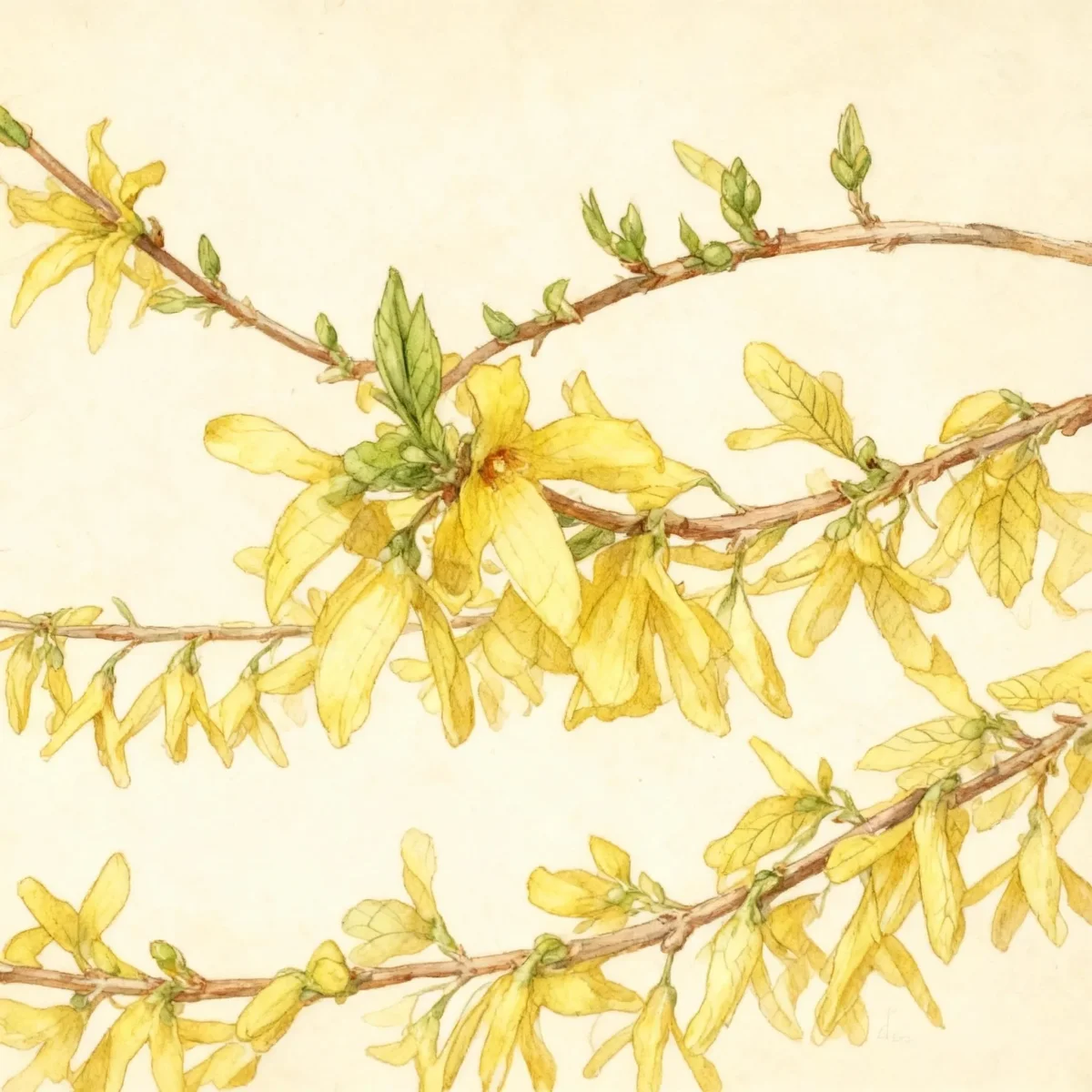
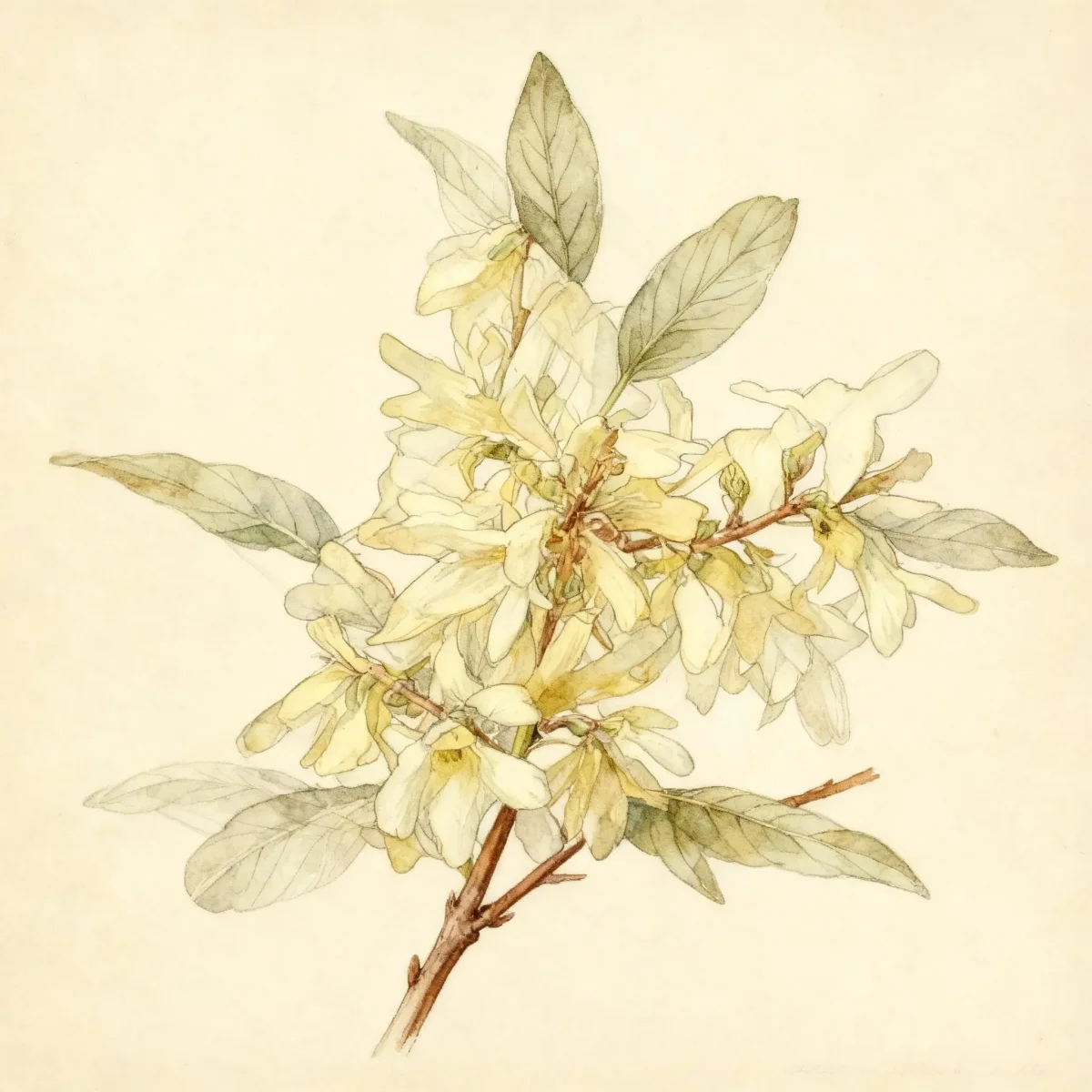
Privet (Ligustrum ovalifolium)
Ligustrum ovalifolium, or Privet, is a fast-growing deciduous shrub ideal for dense hedges, blooming white in early summer.

Bloom Boldly, No Matter the Season - Sweatshirt
Cozy organic cotton sweatshirt featuring our exclusive Purple Coneflower design. Perfect for gardeners who bloom year-round.
Inspired by the beautiful Privet
Limited first batch (50) — join the waitlist for early access
Waitlist closes Feb 15, 2026.
Complete Plant Information
Field Guide Continues
Ready for care notes, companion picks, and planting tips?
The map is just the start. The full guide below covers growth habits, seasonal performance, and landscape uses.
Overview
Ligustrum ovalifolium, commonly known as Privet, is valued by landscapers for its dense, vigorous growth habit, making it one of the most reliable choices for establishing formal or informal screening hedges. While native to Japan, this shrub is widely planted across the United States, sometimes naturalizing where conditions are favorable. Gardeners appreciate the fast growth rate of this deciduous shrub, which quickly establishes visual privacy and structure in the landscape.
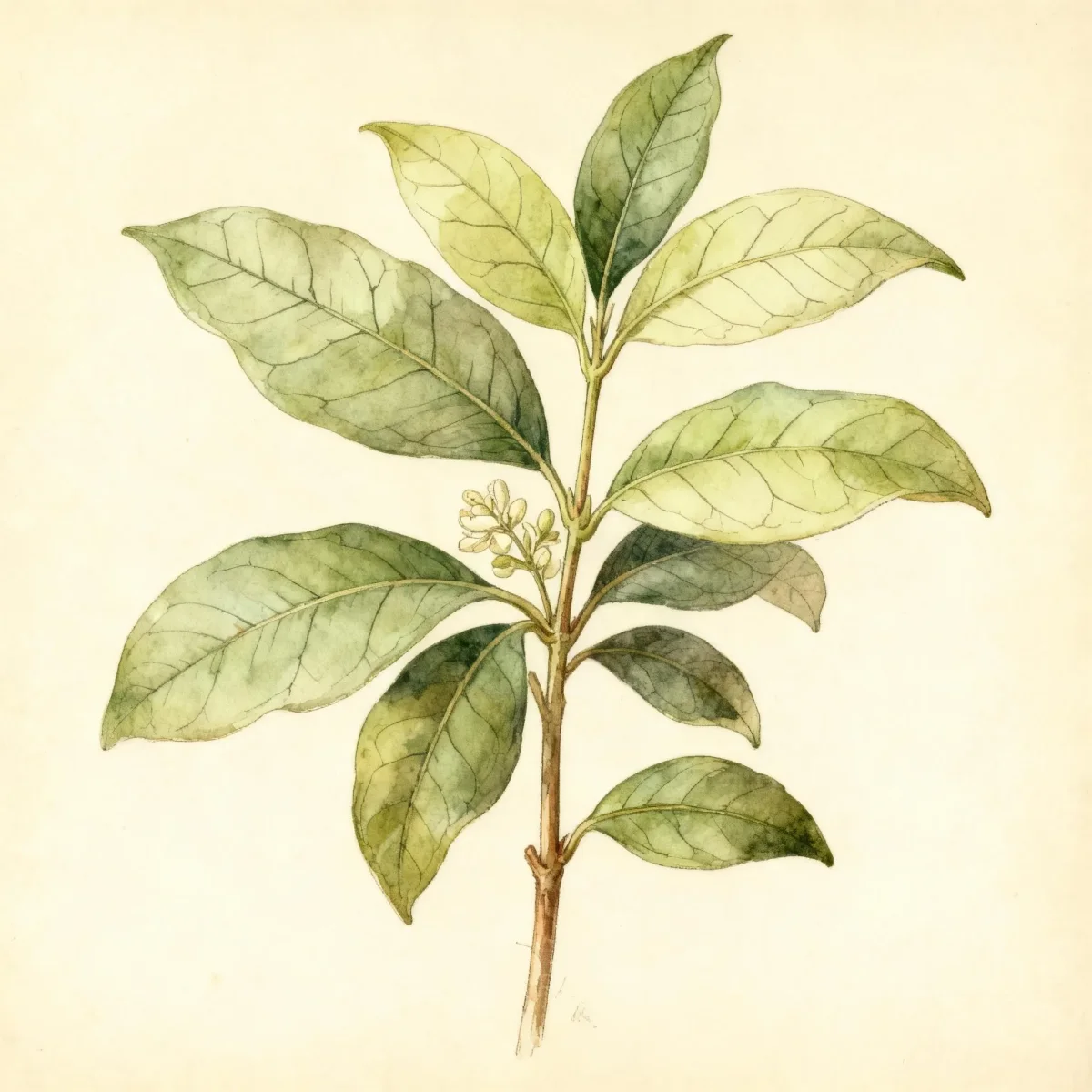
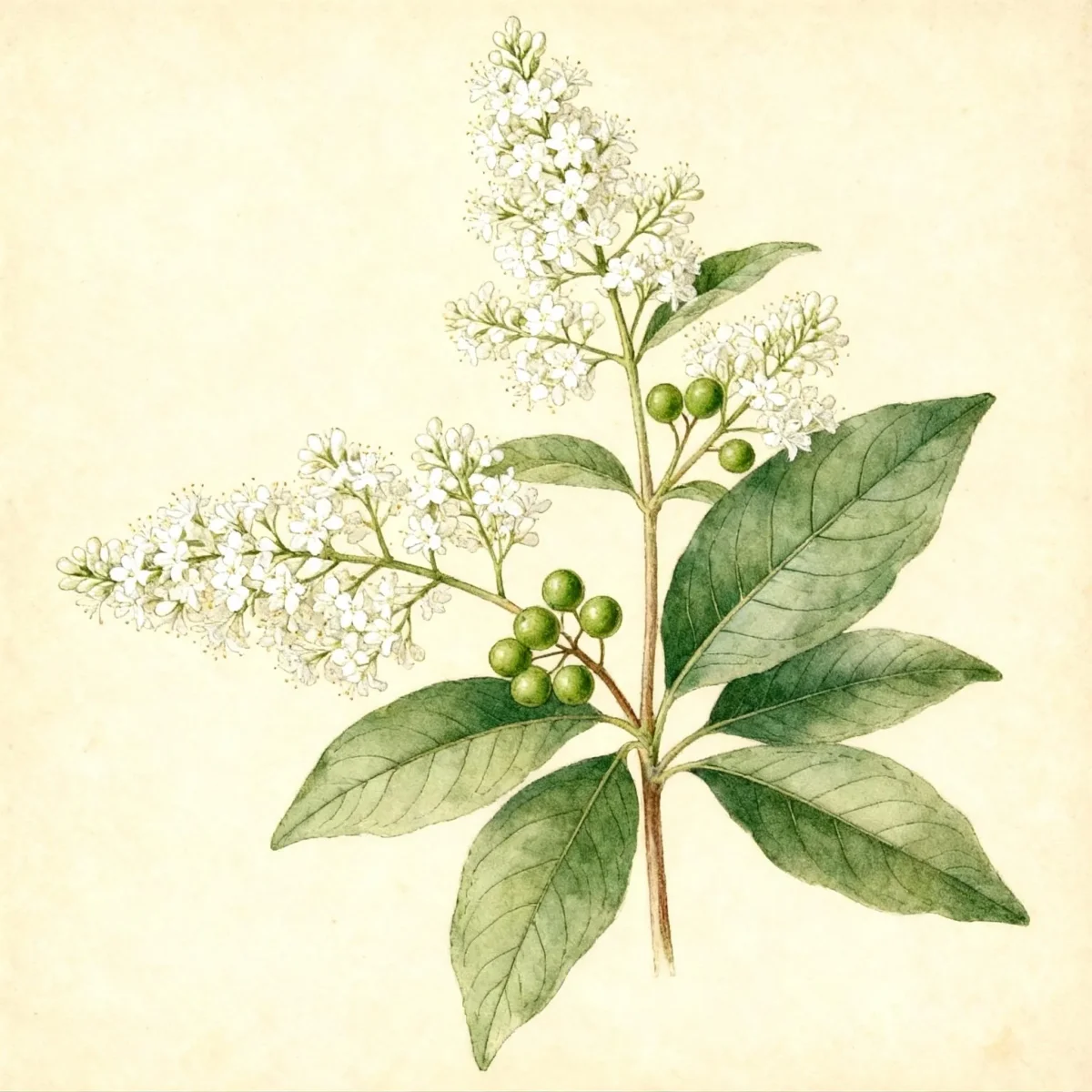
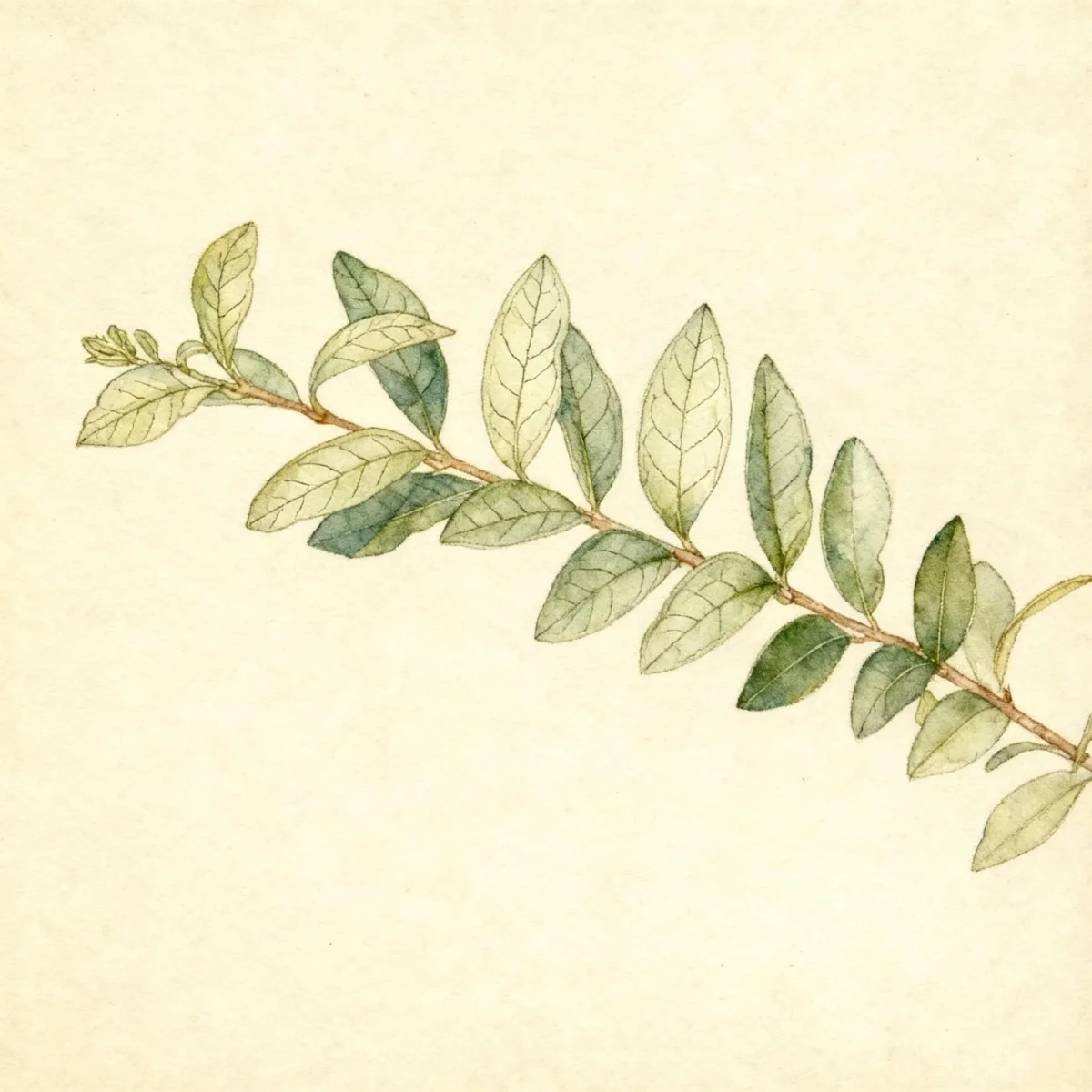
This species of Privet offers more than just dense foliage; it provides seasonal interest through its late spring to mid-summer flowers, followed by persistent black fruit clusters. The overall form of Ligustrum ovalifolium is sturdy, reaching heights between 10 and 15 feet with an equal spread. Its glossy, dark green leaves provide excellent year-round screen potential, especially in warmer climates where it may retain its leaves.
Despite its common moniker of California privet, Ligustrum ovalifolium thrives across USDA Zones 5 through 8. Its tolerance for urban pollution and a variety of soil conditions, provided they are well-drained, adds to its practical value. Proper maintenance involves timely pruning, especially if you wish to encourage or control the fragrant white blooms.
Fast Facts
- Plant Family: Oleaceae
- Plant Type: Deciduous shrub
- Native Range: Japan
- Hardiness Zones: USDA Zones 5-8
- Size at Maturity:
- Height: 10-15 ft
- Spread: 10-15 ft
- Bloom Time: June to July
- Bloom Description: White
- Sun Exposure: Full sun to part shade
- Water Needs: Dry to medium
- Maintenance Level: Medium
How to Grow
Establish your Ligustrum ovalifolium hedge or specimen planting during the cooler, wetter times of the year, typically spring or early fall, encouraging strong root establishment before dry periods. This Privet performs best when given a location receiving full sun, but it tolerates partial shade. Optimal performance requires planting in average, well-drained soils; however, this species shows notable flexibility and can manage a wide range of soil types, excluding overly wet conditions.
Ongoing care for Privet is generally straightforward. Water requirements are low to medium; once established, it tolerates dry spells, demonstrating good drought resistance. Fertilization is rarely necessary unless soil quality is extremely poor. The key cultural requirement centers on pruning. To maximize summer flowering, prune Ligustrum ovalifolium immediately after the bloom period finishes in July. If blooms are unimportant, spring pruning is suitable. Repeated shearing—1 to 2 times during summer—is common practice when maintaining tight hedge boundaries.
Be aware that if left unmanaged in excellent growing environments, this shrub has the potential to self-seed, naturalizing readily and perhaps forming dense, uncontrolled thickets. Consistent shearing or proper placement away from sensitive ecological areas is advisable to prevent unwanted spread of this fast-growing Privet.
Landscape Uses
The primary role of Ligustrum ovalifolium in the landscape is creating significant vertical barriers, making it the quintessential choice for formal hedges and screens. Its dense structure effectively muffles sound and provides excellent privacy screening along property lines or busy roadsides. For highly formal applications, regular shearing will maintain stiff, geometric shapes.
Alternatively, when allowed to grow more naturally away from structure, this Privet contributes to a more informal screen or mixed shrub border. While it can be used in mass plantings to naturalize large areas, gardeners must monitor for self-seeding. Consider pairing this robust shrub with slower-growing evergreens to provide year-round structure when the Ligustrum ovalifolium drops its leaves in colder zones.
The striking white flowers of the Privet can attract attention, but gardeners should place them where their sometimes strong fragrance will be appreciated, or away from patios. Variegated cultivars, such as ‘Aureum,’ offer excellent opportunities to add color contrast within a green hedge setting.
Standout Features
Flower Qualities
- Showy
- Fragrant
Fruit Qualities
- Showy
Noteworthy Characteristics
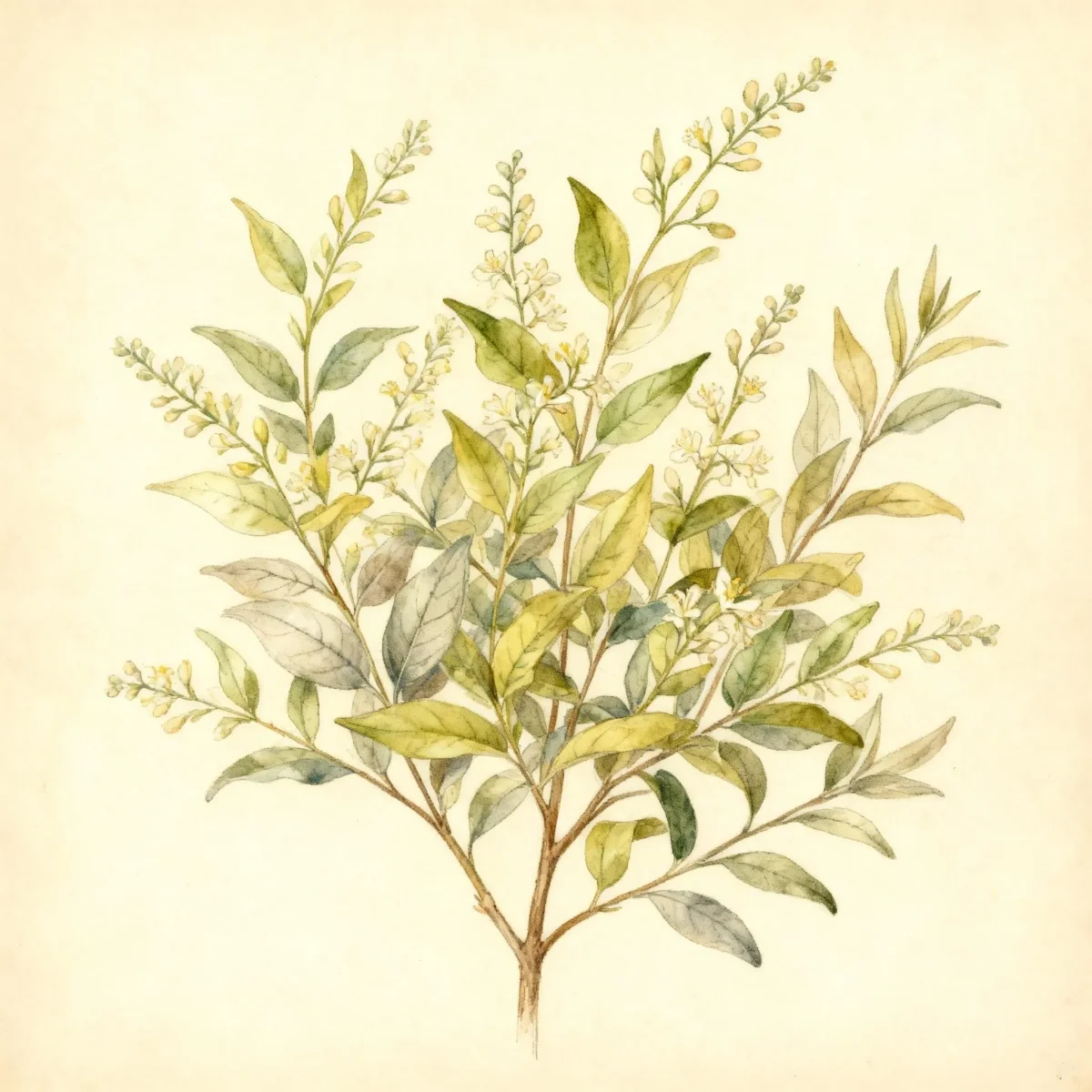
Ligustrum ovalifolium, for reasons that are not all that clear, is commonly called California privet even though it is native to Japan. It is a dense, fast-growing, deciduous (evergreen/semi-evergreen in warm winter areas) shrub that typically grows 10-15’ tall. Small, tubular, dull white flowers in upright panicles bloom at stem tips in June-July, giving way to persistent black drupes in the fall and winter. The genus name derives from the Latin word applied to privet plants, and the specific epithet signifies its oval-shaped foliage.
Tolerances
- Drought
Potential Problems
While generally robust, Ligustrum ovalifolium can show susceptibility to several fungal and bacterial issues under stress or poor air circulation. Potential problems include anthracnose, powdery mildew, leaf spots, and less commonly, root rots or crown gall. Vigilant cultural practices, such as ensuring excellent drainage and pruning immediately after flowering to promote airflow, serve as the best preventative measures.
Pest pressure is generally minimal, but occasional infestations of scale, aphids, whitefly, or mites may occur, alongside interest from Japanese beetles. If pests appear, horticultural oils or insecticidal soaps are often effective for managing these minor visitors to your Privet.
Frequently Asked Questions
What hardiness zones is Privet suitable for?
Ligustrum ovalifolium is reliably hardy in USDA Zones 5 through 8.
How large does Privet grow?
This fast-growing shrub typically reaches a mature height and spread between 10 to 15 feet.
When does Ligustrum ovalifolium bloom?
The small, white flowers of this Privet appear in the garden from June into July.
What sun exposure does Ligustrum ovalifolium need?
For the best performance and strongest flowering, plant Ligustrum ovalifolium where it receives full sun, although it will tolerate partial shade.
Conclusion
The Ligustrum ovalifolium remains a garden staple due to its rapid growth, hardiness across multiple zones, and exceptional capability to form dense, living screens. Whether you need robust privacy or structural definition, this Privet offers reliable solutions. Check local regulations regarding its spread potential and plan your initial pruning schedule in the spring or after blooming to ensure the best results from your new Ligustrum ovalifolium planting.
Companion Planting
When designing hedges or screen plantings featuring Ligustrum ovalifolium, pair it with plants that share similar needs for well-drained soil and full to partial sun. For winter interest in colder regions where the Privet might drop its leaves, consider evergreen partners like Boxwood (Buxus) or specific varieties of Yew (Taxus). These companions create a solid backdrop during the dormant season, contrasting nicely with the eventual white flowers of the Privet in early summer.
Design Ideas
For formal landscape designs, utilize the hedge-forming quality of Ligustrum ovalifolium to create rectilinear garden rooms or parterres. For a more relaxed effect, allow the shrub to grow looser and plant flowering perennials like Coneflowers or Black-Eyed Susans along its base, softening the transition to the lawn. If you select a variegated cultivar, use it as an accent line bordering a walkway to maximize the impact of its lighter leaf margins against standard green hedging plants.