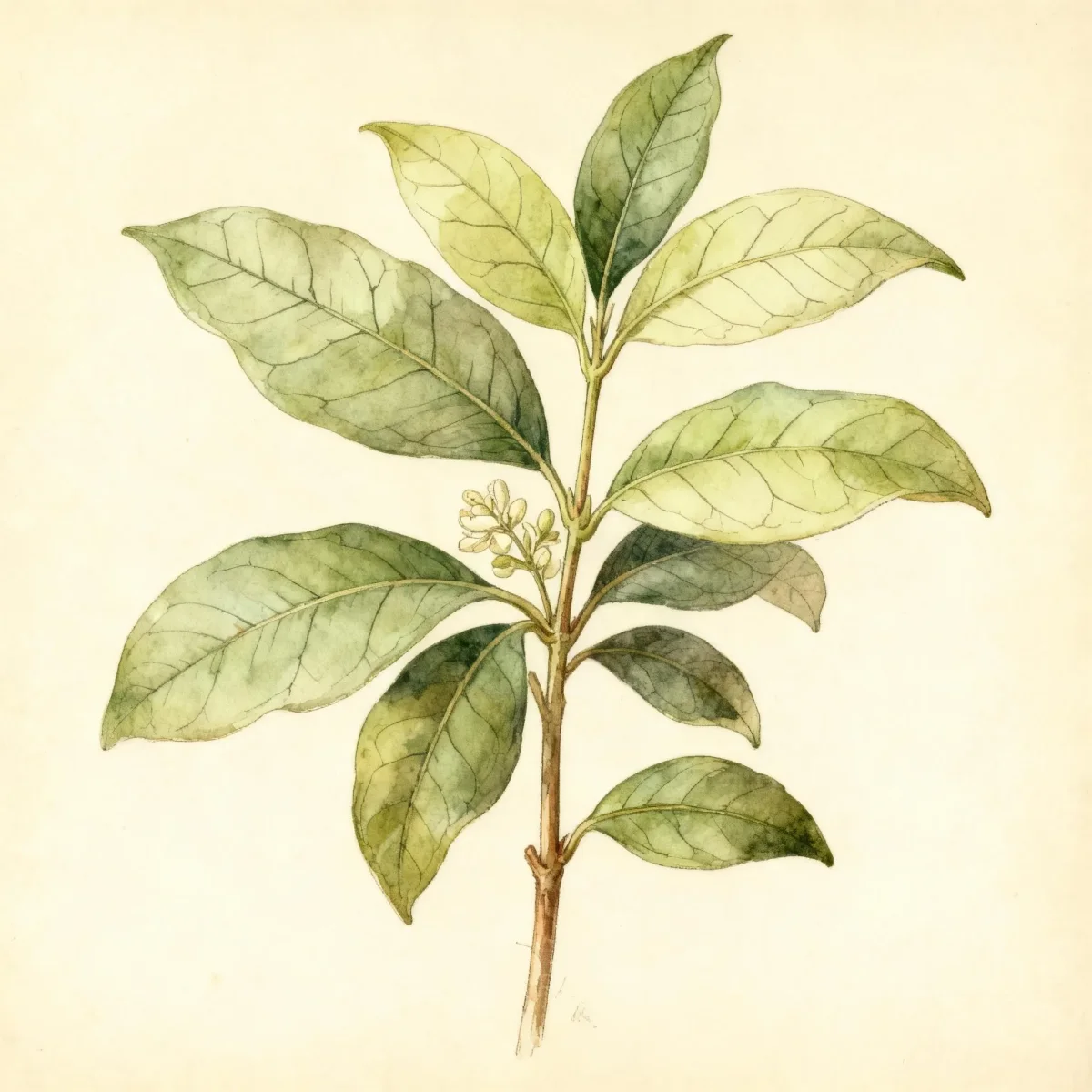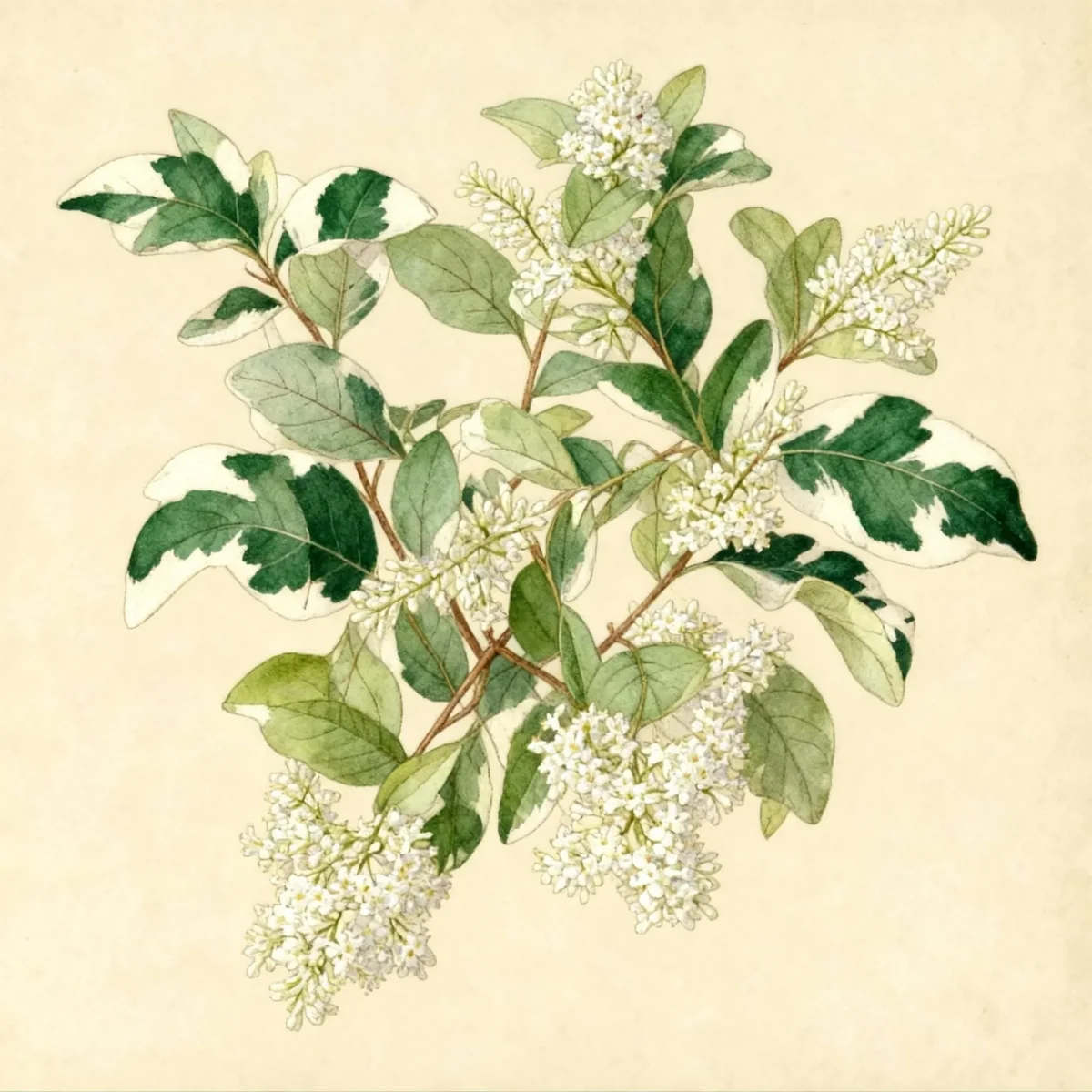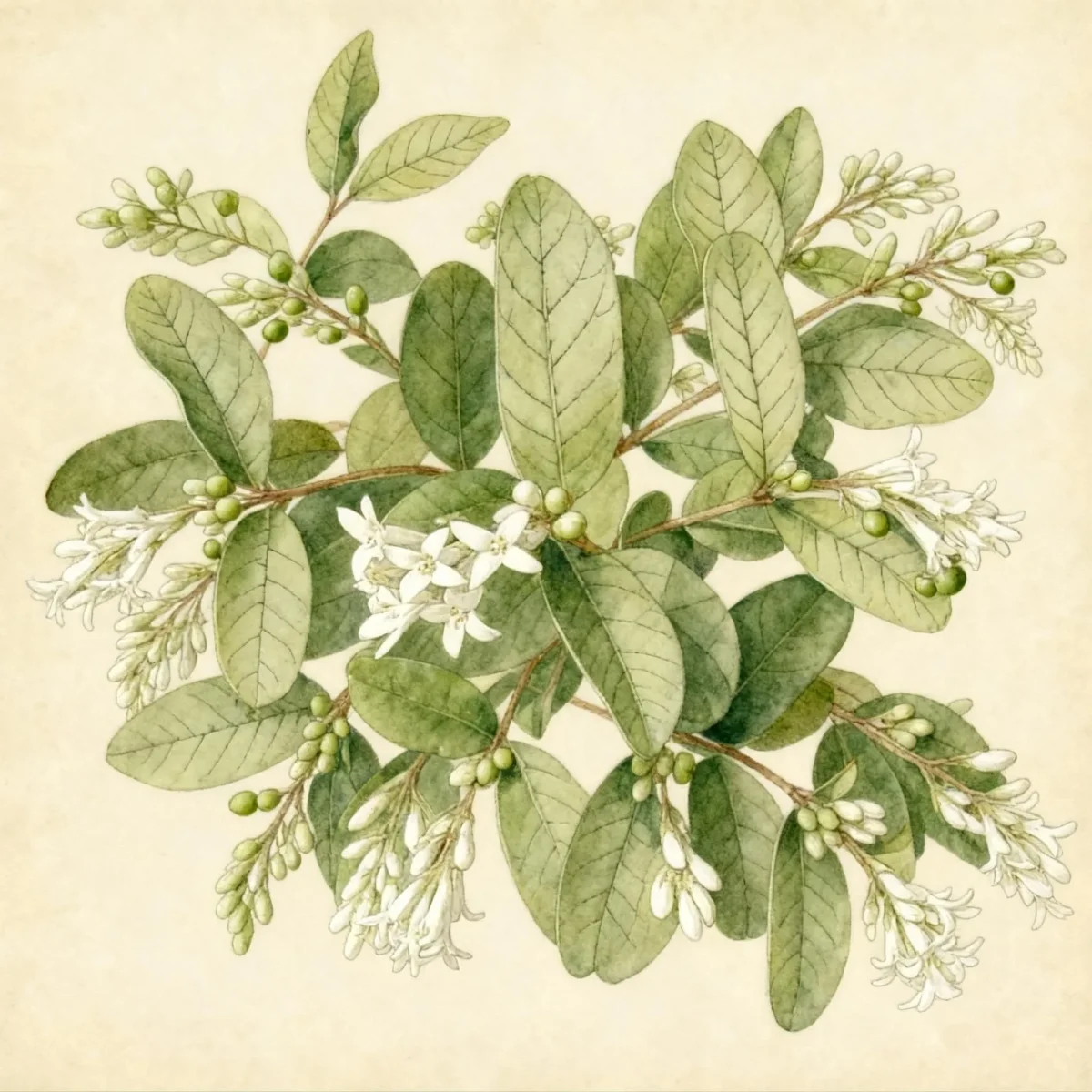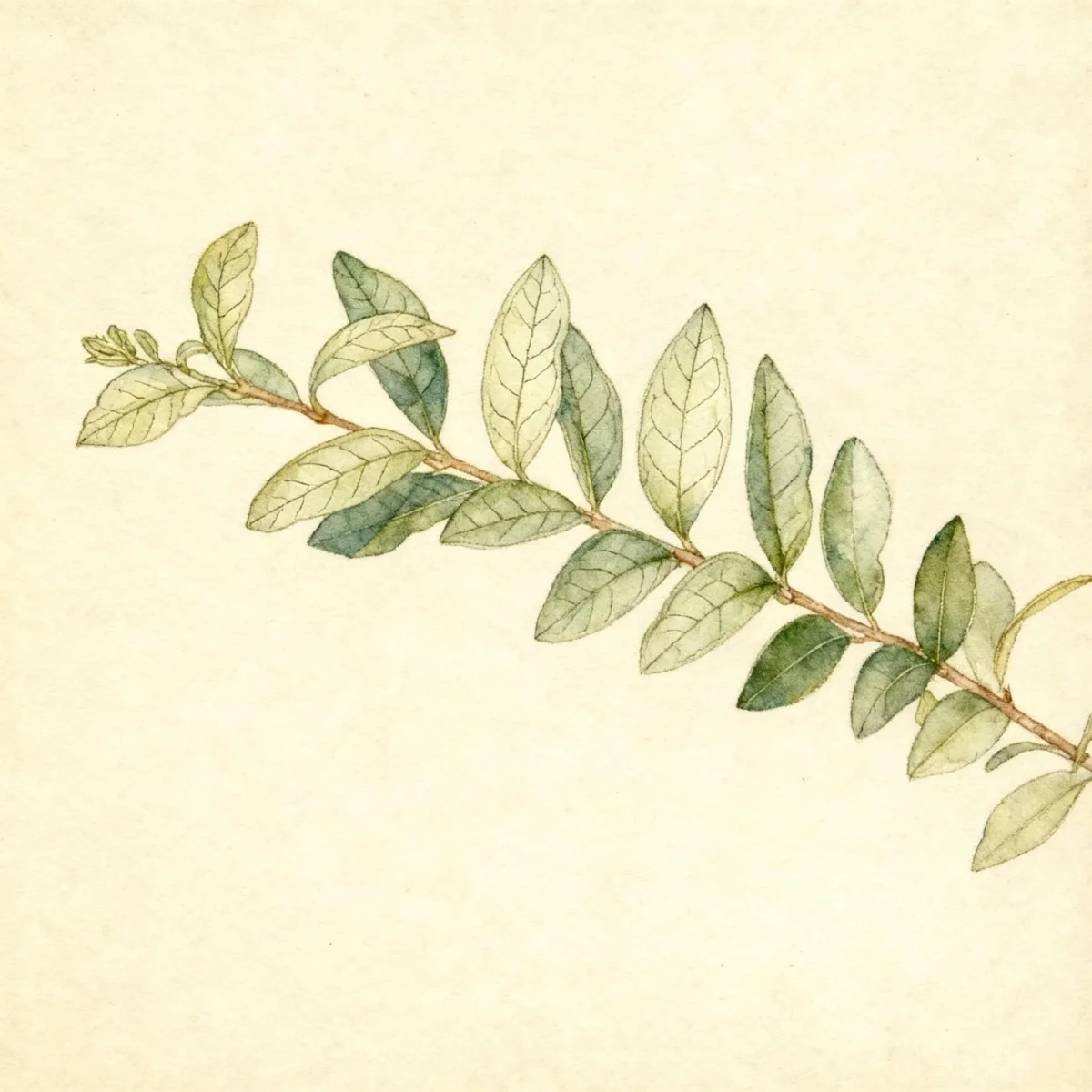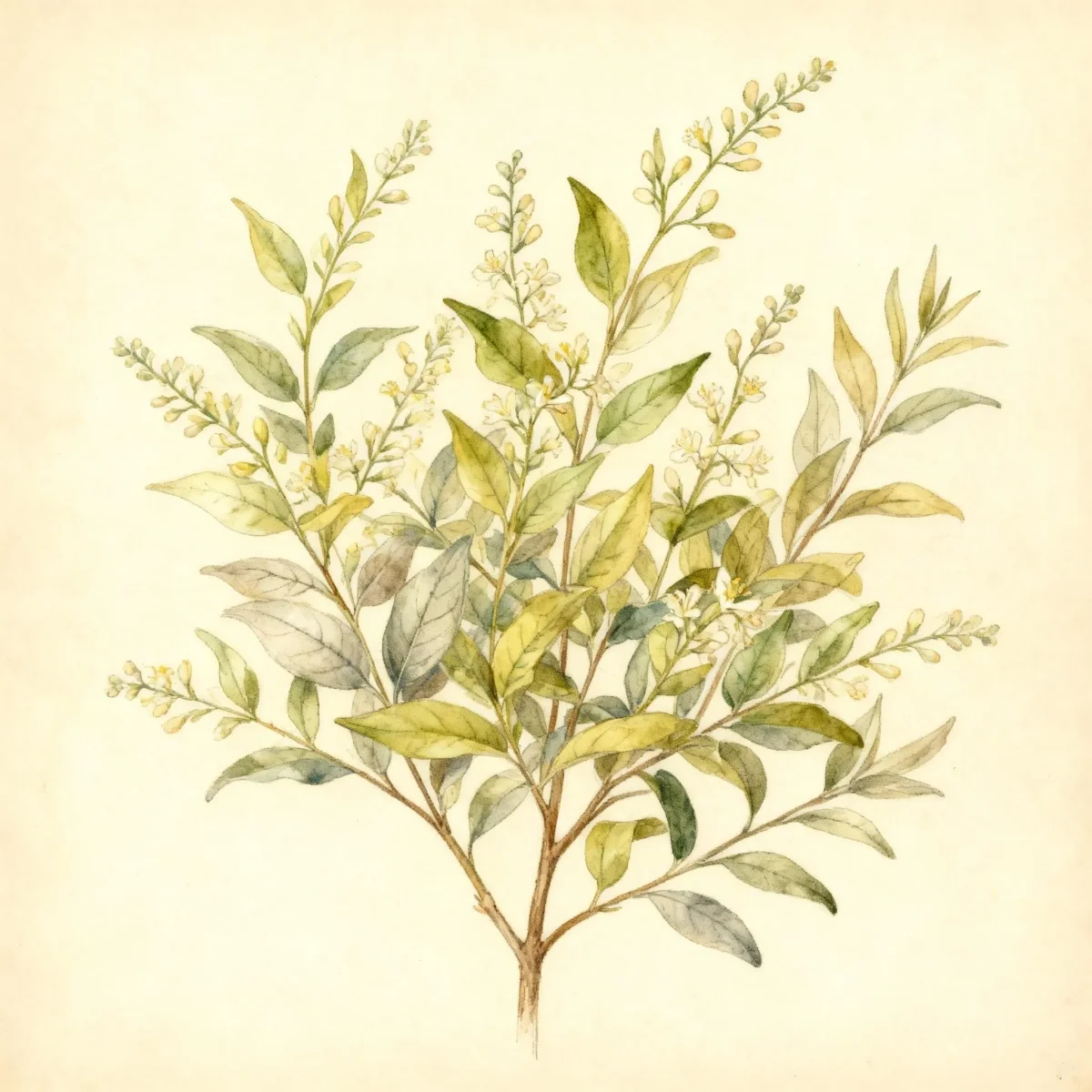

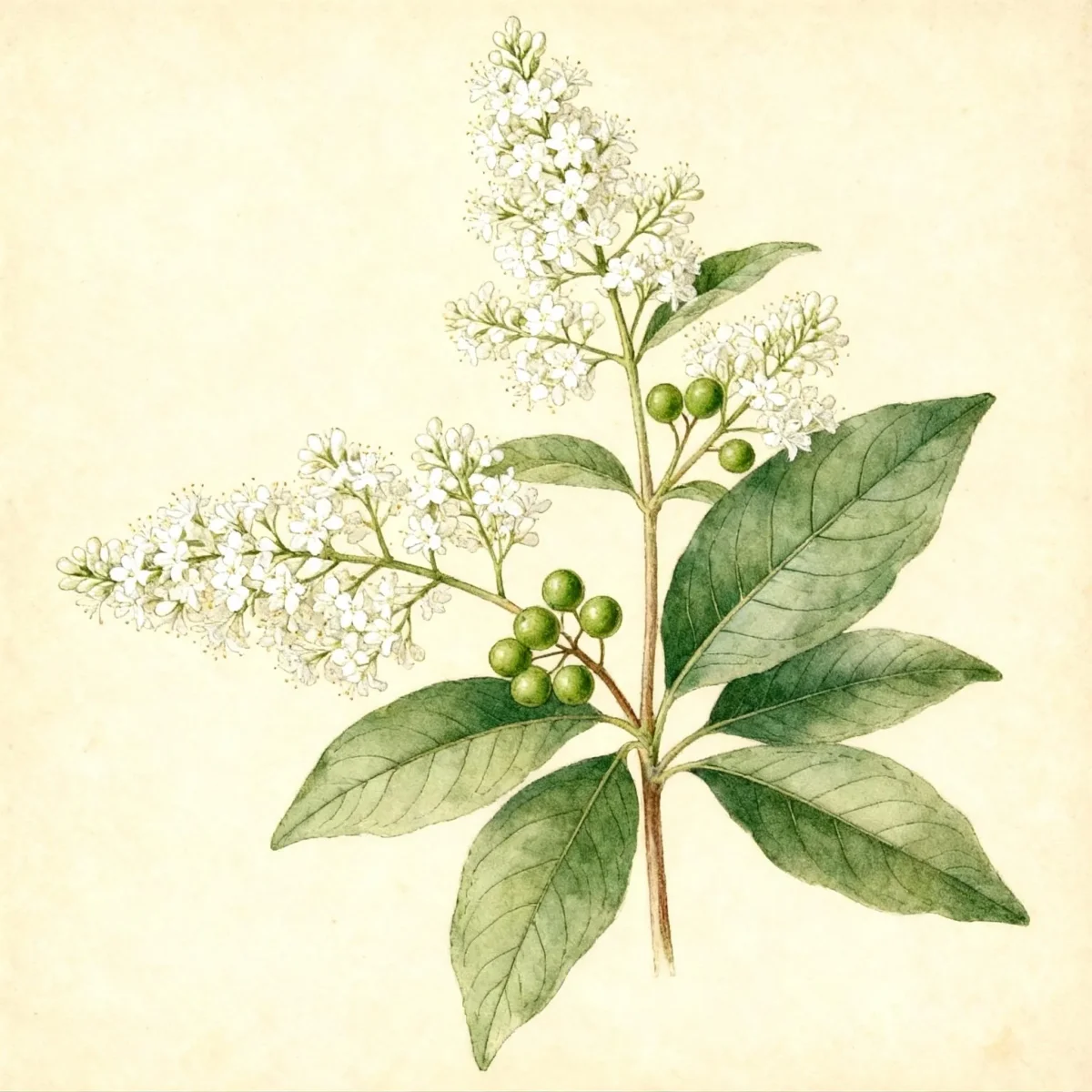
Common privet (Ligustrum vulgare)
Discover Common privet (Ligustrum vulgare), a fast-growing, hardy deciduous shrub ideal for hedges in zones 4-7.

Bloom Boldly, No Matter the Season - Sweatshirt
Cozy organic cotton sweatshirt featuring our exclusive Purple Coneflower design. Perfect for gardeners who bloom year-round.
Inspired by the beautiful Common privet
Limited first batch (50) — join the waitlist for early access
Waitlist closes Feb 15, 2026.
Complete Plant Information
Field Guide Continues
Ready for care notes, companion picks, and planting tips?
The map is just the start. The full guide below covers growth habits, seasonal performance, and landscape uses.
Overview
Ligustrum vulgare, commonly known as Common privet, is a robust, fast-growing deciduous shrub valued historically for its adaptability and use in hedging, especially in colder northern regions where other privets might struggle. Although sometimes considered less ornamental than its relatives, its hardiness and tolerance for urban settings make it a dependable landscape workhorse. This species features dark green oval leaves, fragrant spring flowers, and persistent black berries that offer winter interest.
Growing typically between 10 to 15 feet tall and wide, Common privet provides excellent screening qualities when allowed to reach its mature size or densely shaped when maintained as a formal hedge. It spreads readily and may naturalize where growth is not strictly controlled, offering an easy-to-establish screen across suitable landscapes.
Gardeners looking for tough, established screening solutions often turn to Ligustrum vulgare for its resilience. It thrives in average conditions, asking only for well-drained soil, and provides structure year-round, even semi-evergreen in the milder ends of its hardiness range (Zones 4-7).
Fast Facts
- Plant Family: Oleaceae
- Plant Type: Deciduous shrub
- Native Range: Northern Europe, Mediterranean, northern Africa, Asia Minor
- Hardiness Zones: USDA Zones 4-7
- Size at Maturity:
- Height: 10-15 ft
- Spread: 8-15 ft
- Bloom Time: June
- Bloom Description: White
- Sun Exposure: Full sun to part shade
- Water Needs: Dry to medium
- Maintenance Level: Medium
How to Grow
The best time to plant Ligustrum vulgare is typically during the dormant seasons—spring before bud break or fall after leaves have dropped—ensuring it establishes a good root system before facing summer heat or deep winter freezes. This shrub is exceptionally easy to establish; plant it in average, well-drained soils, preferring full sun but tolerating part shade well. It manages a wide range of soil types except those that remain excessively wet.
Care for established common privet is straightforward due to its drought tolerance once mature; water during prolonged dry spells, moving toward the “dry” end of its needs. Fertilization is rarely required unless soil quality is extremely poor. The most critical routine is pruning. For maximum flowering, prune immediately following the blooming period in June. If the white flowers are not desired or if you are maintaining a strict hedge form, pruning can be done in early spring instead; hedges may require trimming 1-2 times during the summer for shape maintenance.
Be aware that Ligustrum vulgare has a tendency to self-seed, leading to naturalization where conditions are favorable, potentially forming thickets if left unattended in naturalized areas. For formal hedging, consistent shearing throughout the summer controls the growth habit effectively. Provide adequate air circulation to help mitigate potential fungal issues that this species can sometimes encounter.
Landscape Uses
The primary suggested use for Common privet is utilitarian, excelling in its role as a Hedge or a robust screen where quick, dense coverage is needed. Its ability to withstand heavy pruning makes it suitable for formally shaped borders lining property lines or pathways, providing year-round structure. For gardeners seeking a less manicured look, Ligustrum vulgare can be naturalized in wilder areas.
When used as a background planting or in a shrub border, the dark green foliage provides an excellent contrast for brighter flowering perennials situated in front of it. While it is a somewhat unassuming plant, its density is a major asset. Consider planting species with highly colorful spring or fall foliage nearby to enhance the visual appeal when the privet’s own growth cycle is less active.
As an escaped landscape plant in many areas, utilizing Common privet responsibly means planting it where its spreading nature can be managed or where naturalizing into dense clumps is beneficial, such as screening unsightly views or reinforcing woodland edges within a controlled environment.
Standout Features
Flower Qualities
- Showy
- Fragrant
Fruit Qualities
- Showy
Noteworthy Characteristics
Ligustrum vulgare, called common privet, European privet or wild privet, is a fast-growing, deciduous shrub that typically grows 10-15’ tall and as wide, offering superior winter hardiness compared to some other privets. Although its small, tubular white flowers produced in June are very fragrant, many find the aroma unpleasant. The true ornamental highlight for some is the globe-shaped, glossy black drupes that ripen in the fall and persist throughout winter, providing seasonal color against the dark foliage.
Tolerances
- Drought
Potential Problems
While generally free of serious insect or disease problems, Ligustrum vulgare can occasionally suffer from Anthracnose twig blight, which can be significant in damp conditions. Gardeners should also monitor the plant for susceptibility to other fungal issues such as powdery mildew, cankers, and root rots. Pests like aphids, scale, and mites may sometimes appear but typically do not cause lasting harm under good cultural care. Immediate pruning after flowering removes potential entry points for certain blights.
Frequently Asked Questions
What hardiness zones is Common privet suitable for?
Ligustrum vulgare is reliably hardy in USDA Zones 4 through 7.
How large does Common privet grow?
This species typically matures at a height of 10 to 15 feet, with a corresponding spread between 8 and 15 feet.
What sun exposure does Common privet need?
Common privet thrives best when exposed to full sun, though it adapts well to partial shade conditions.
When does Ligustrum vulgare bloom?
The plant bursts into bloom during the month of June, producing white flowers.
Conclusion
The Ligustrum vulgare, or Common privet, remains a valuable, tough evergreen or deciduous solution for foundational screening and hedging due to its exceptional hardiness and tolerance for poor urban soils. While its berries and foliage offer seasonal interest, its primary benefit lies in its reliability as a robust, fast-growing barrier plant. Before planting, confirm that USDA Zones 4 through 7 fit your region and plan your pruning schedule around its June bloom time for the best results.
Companion Planting
When designing screens using Ligustrum vulgare, consider companion plants that mitigate its visual plainness outside of the fruiting season. Pairing it with deciduous trees or large shrubs that offer brilliant fall color, such as Sugar Maples or certain cultivars of Burning Bush (if non-invasive alternatives aren’t strictly required), can create dynamic seasonal transitions behind the dark green hedge.
For areas where the Common privet is naturalizing, groundcovers that suppress weeds and enjoy similar dry to medium soil conditions are excellent companions. Look toward drought-tolerant native grasses or hardy perennials like Sedum or low-growing Pachysandra to carpet the base, helping to maintain clean lines near the edges of your planting area.
Pruning Strategies for Optimum Shape
Effective pruning is key to managing the size and look of Ligustrum vulgare. To encourage the fragrant flowers, prune only lightly immediately after they finish in June, removing minimal new growth. This allows buds for the following year to set while shaping the plant.
If dense screening is the goal and flowers are irrelevant, spring pruning is preferable. Cutting back woody stems hard in early spring encourages dense, bushy new growth from the base, thickening the hedge considerably throughout the growing season. Remember that hedges often require 1-2 trims during summer months to maintain perfectly sharp lines.