Fontanesia(Fontanesia fortunei)
Learn where Fontanesia fortunei grows best, how to prune it, and when this tall deciduous shrub is a practical choice for a hedge or privacy screen.
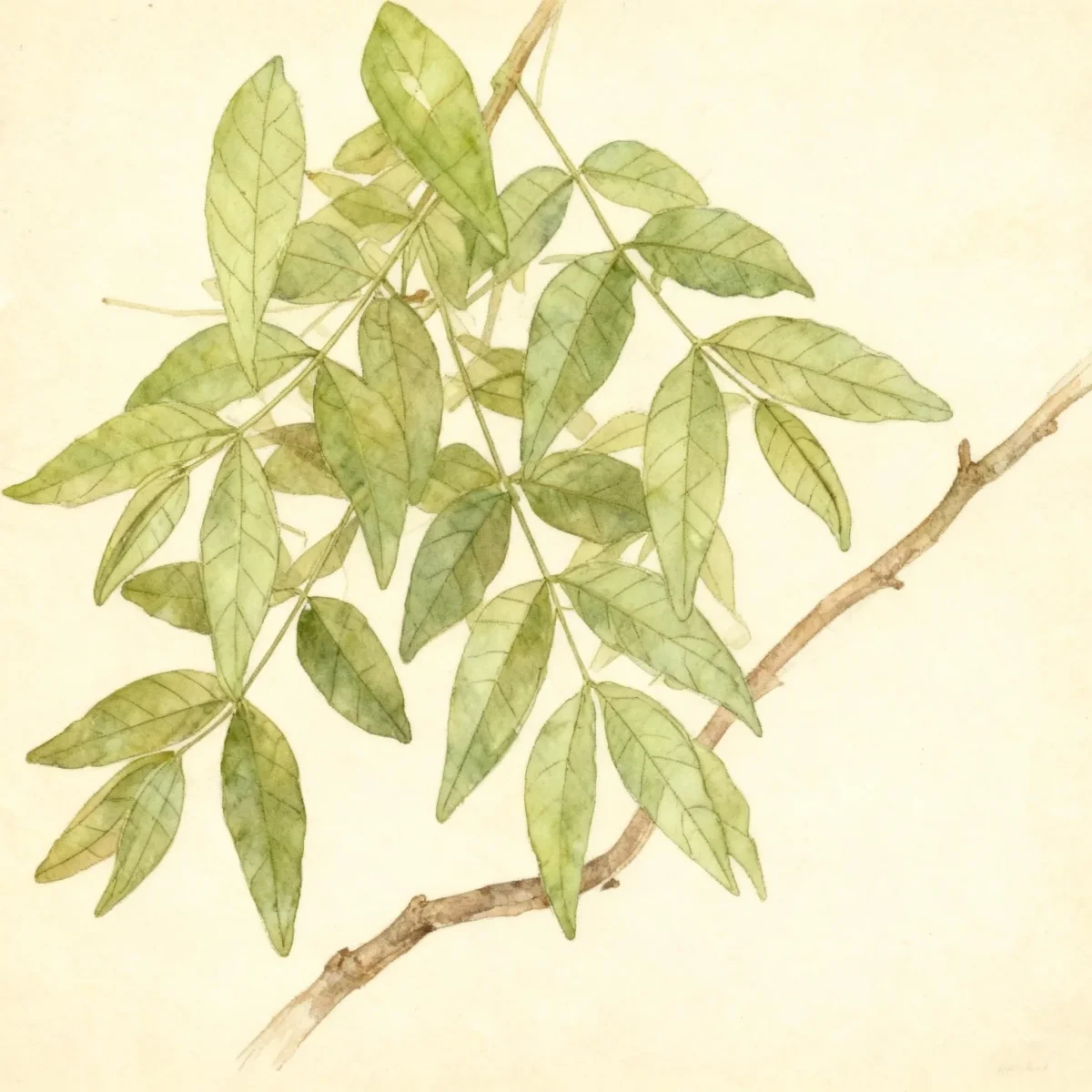
Complete Plant Information
- Hardiness zones
- USDA 6–9
- Plant type
- Deciduous shrub
- Plant family
- Oleaceae
- Sun exposure
- Full sun to part shade
- Water needs
- Medium
- Maintenance
- Low
- Height
- 10–15 ft (305–457 cm)
- Spread
- 4–9 ft (122–274 cm)
- Bloom time
- May to June
- Flower color
- Greenish-white
- Flower qualities
- Showy
- Fruit qualities
- Not recorded
- Tolerances
- Not recorded
- Garden uses
- Hedge
- Native range
- China
Field Guide Continues
Ready for care notes, companion picks, and planting tips?
The map is just the start. The full guide below covers growth habits, seasonal performance, and landscape uses.
Is Fontanesia Right for Your Garden?
Fontanesia (Fontanesia fortunei) is a tall, upright shrub for gardeners who need a leafy screen more than a floral showpiece. Its narrow, dark green leaves form a dense background from spring through fall, while small greenish-white flowers appear in May and June. At 10 to 15 feet tall and 4 to 9 feet wide, it can hide a fence, soften a property line, or close a gap at the back of a large border.
This is a practical choice for USDA Zones 6–9. If you are unsure where your garden falls, check your location with the USDA hardiness zone map before planting.
Where and How to Plant
Choose full sun for the densest growth, although part shade is acceptable. Fontanesia prefers moist, well-drained ground and benefits from a site where its roots will not sit in water after heavy rain. Allow enough room for the shrub’s mature width; squeezing it into a narrow bed creates needless pruning later.
Plant in spring or fall. Dig a hole no deeper than the root ball and roughly twice as wide, then backfill with the soil you removed. Water deeply after planting and keep the root zone evenly moist through the first growing season. A 2- to 3-inch layer of mulch helps, but leave a small bare ring around the stems.
Gardeners in colder parts of its range can compare its needs with the Zone 6 plant guide. In warmer climates, the Zone 9 plant guide offers more plants suited to the same winters.
Pruning and Ongoing Care
Fontanesia naturally forms several stems. For an informal screen, remove only dead, damaged, or crossing wood. For a clipped hedge, prune after flowering and make the base slightly wider than the top so sunlight reaches the lower leaves. Avoid repeated hard shearing if you want the shrub to retain a relaxed, natural outline.
Established plants have moderate water needs. Water during long dry spells rather than on a fixed schedule, and check the soil below the mulch before adding more. Fertilizer is usually unnecessary in ordinary garden soil.
Design Ideas
Use Fontanesia as the quiet green framework behind flowering shrubs and perennials. Its restrained flowers will not compete with colorful companions, and its upright habit makes it useful where a broad, spreading shrub would consume too much room. For a looser boundary, stagger plants instead of setting them in a rigid row.
Want to compare it with other options before committing to a hedge? Browse the full plant collection and filter by your zone, light, and maintenance preferences.
Common Questions
Does Fontanesia make a good privacy screen?
Yes, provided you have room for its mature height and width. Its multi-stemmed, leafy growth is better suited to a tall screen than a small foundation bed.
Does it need full sun?
Full sun produces the fullest growth, but the shrub also tolerates part shade. Avoid deep shade, where its habit may become thin.
Is Fontanesia grown for its flowers?
Usually not. The small greenish-white flowers are subtle; the main attraction is dependable foliage and structure.
How much maintenance does it need?
An informally grown plant needs little beyond establishment watering, mulch, and removal of damaged branches. A formal hedge requires regular pruning to hold its shape.
Recommended Companion Plants
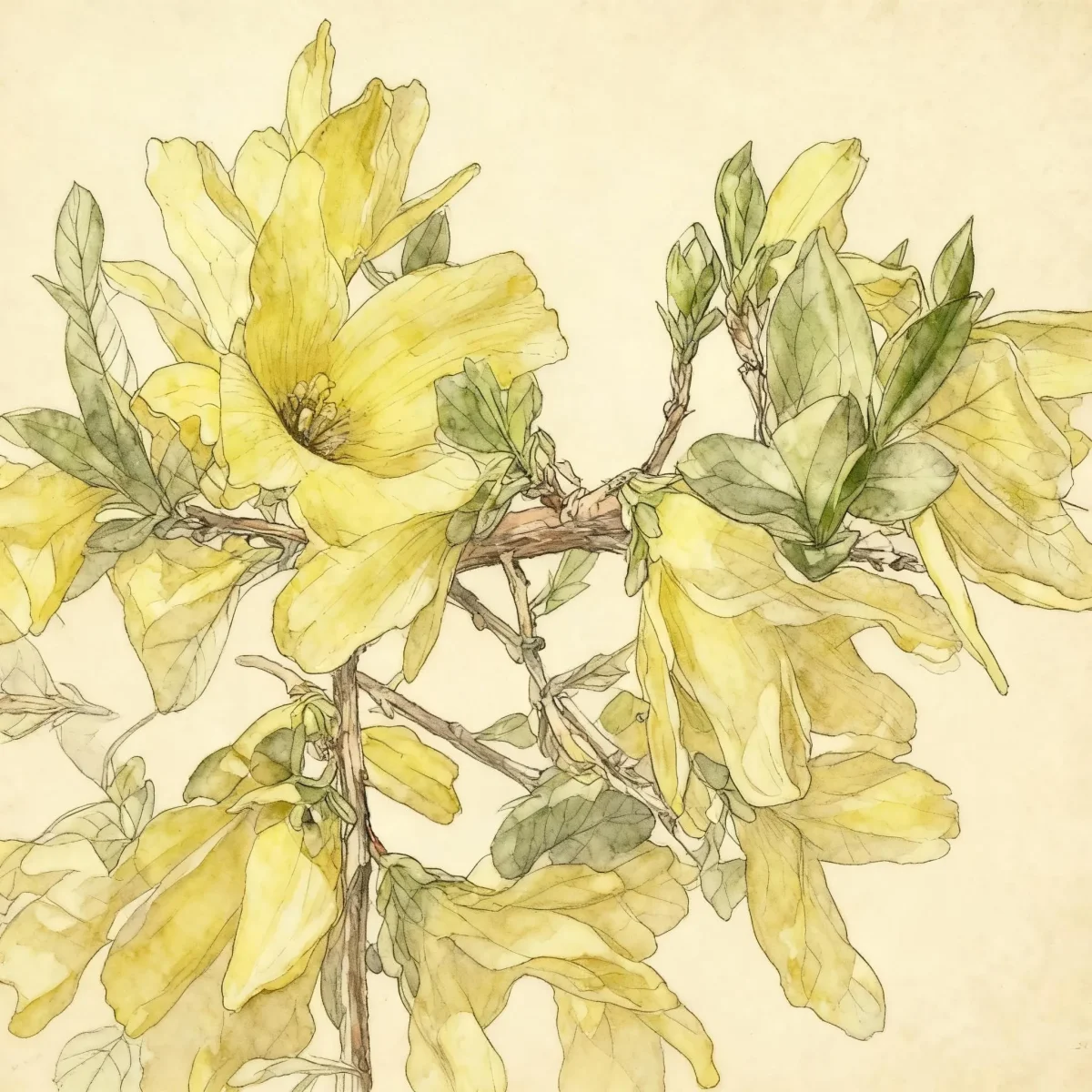
Forsythia
Forsythia 'Arnold Dwarf'
- USDA zones
- 5–8
- Light
- Full sun to part shade
- Water
- Medium
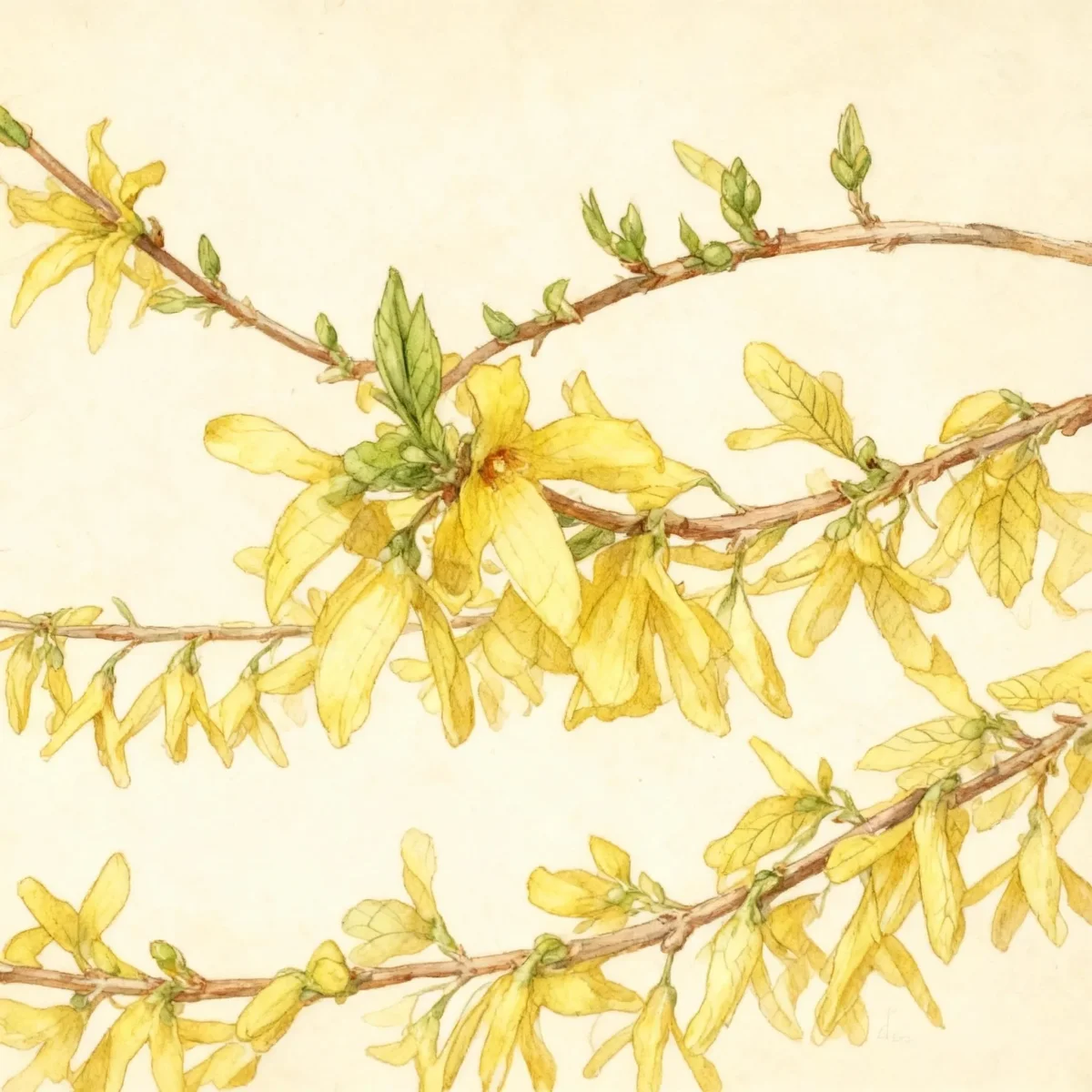
Forsythia
Forsythia 'Courtasol' GOLD TIDE
- USDA zones
- 5–8
- Light
- Full sun to part shade
- Water
- Medium
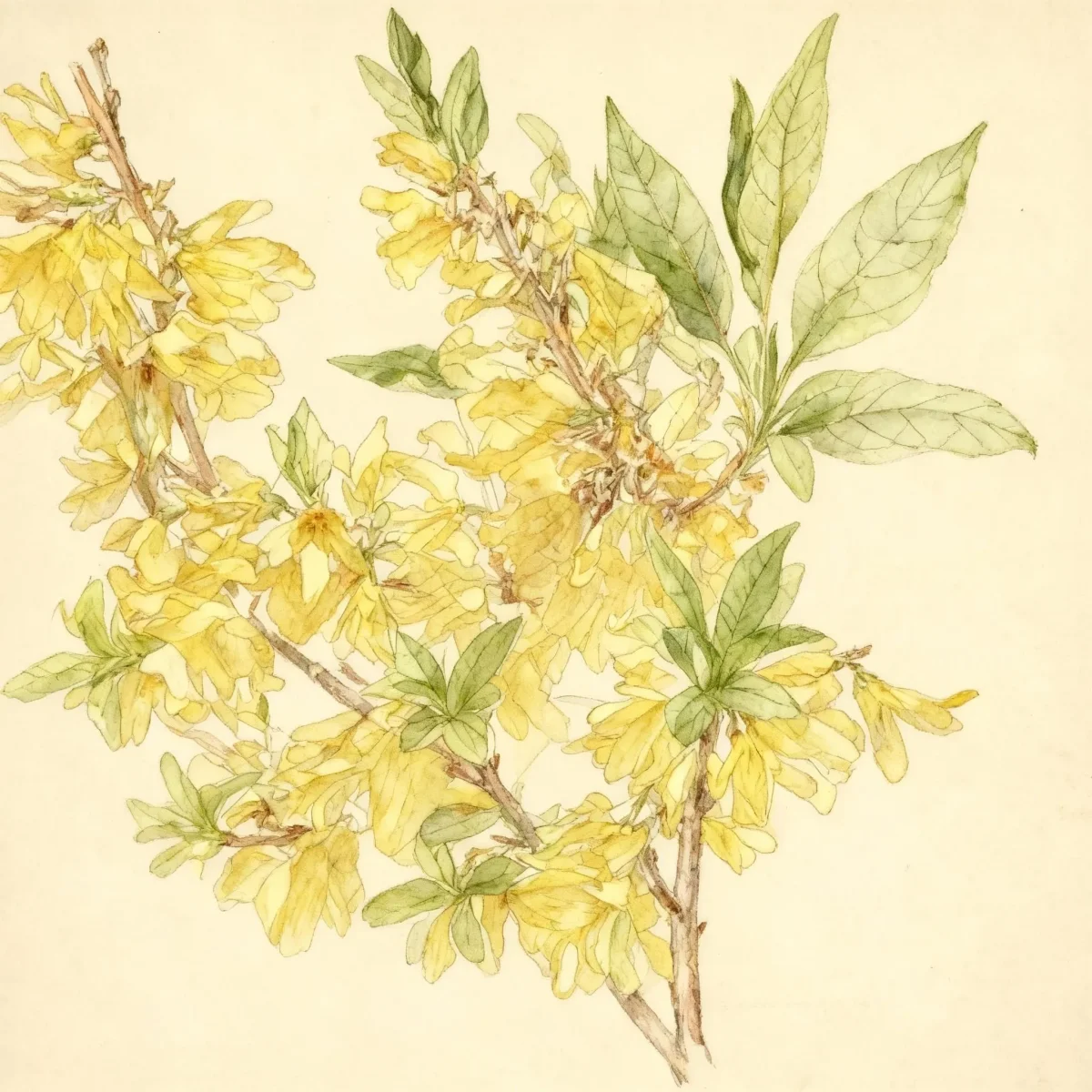
Forsythia
Forsythia 'Happy Centennial'
- USDA zones
- 5–9
- Light
- Full sun to part shade
- Water
- Medium
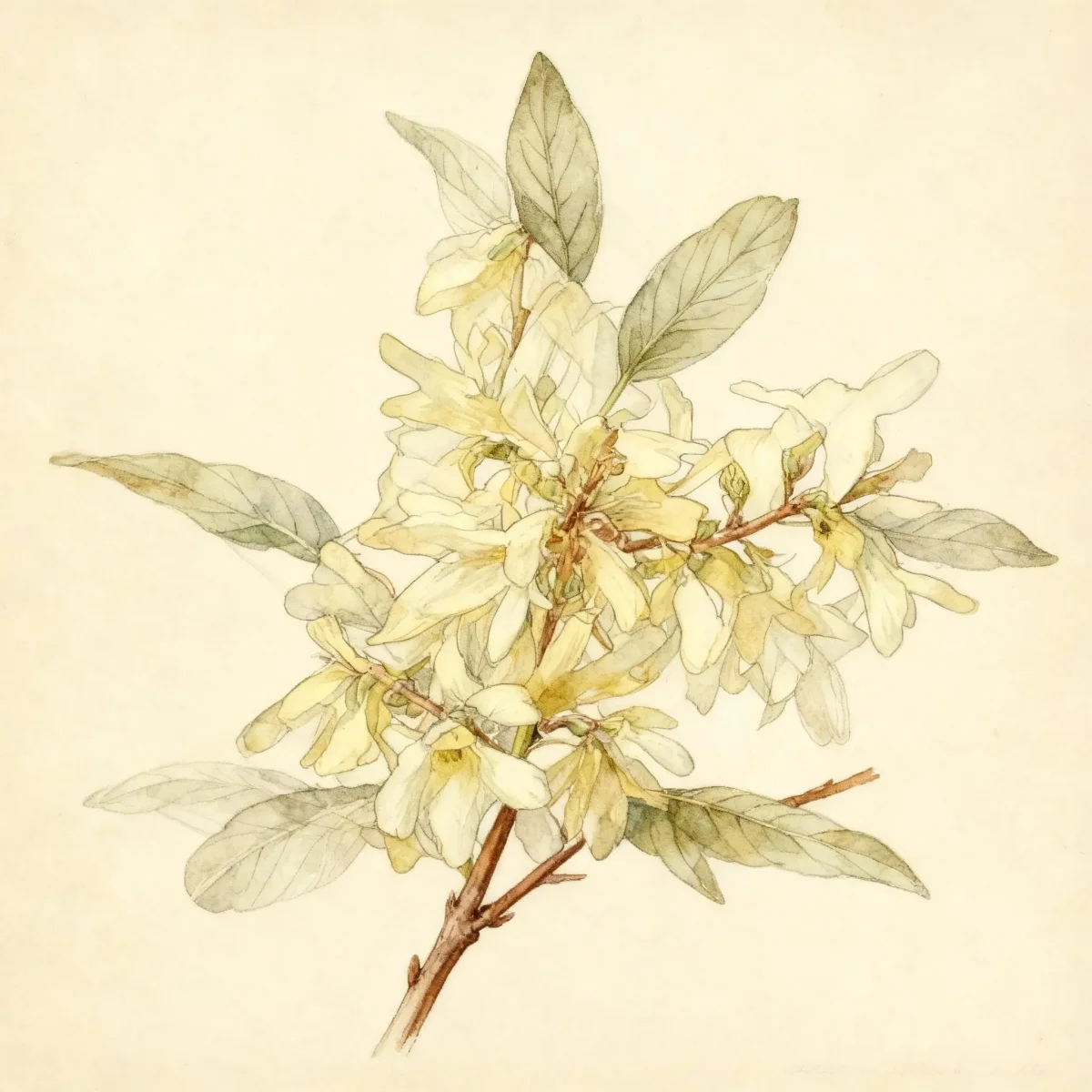
Greenstem forsythia
Forsythia viridissima 'Bronxensis'
- USDA zones
- 6–8
- Light
- Full sun to part shade
- Water
- Medium
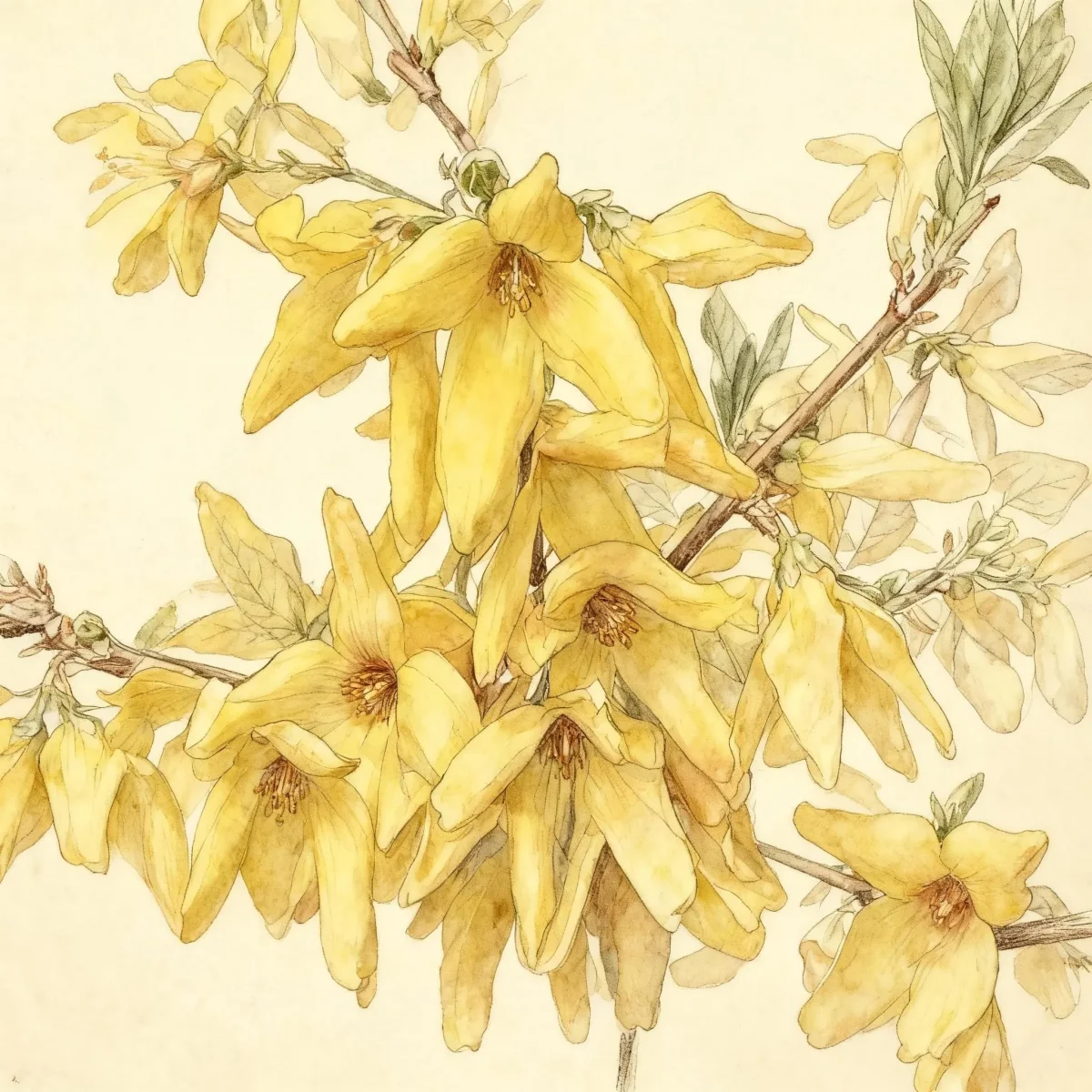
Border forsythia
Forsythia × intermedia 'Arnold Giant'
- USDA zones
- 5–8
- Light
- Full sun to part shade
- Water
- Medium
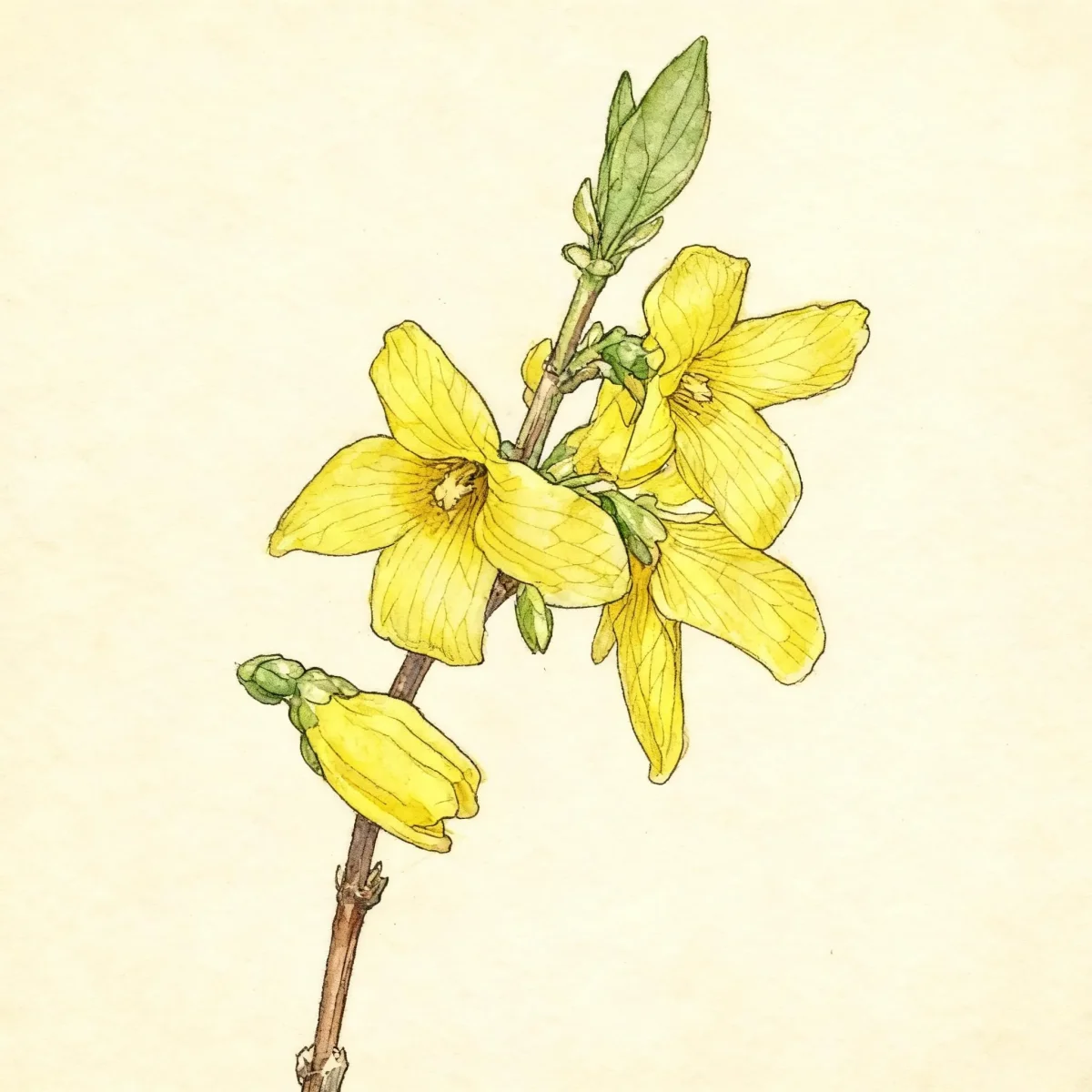
Border forsythia
Forsythia × intermedia 'Beatrix Farrand'
- USDA zones
- 5–8
- Light
- Full sun to part shade
- Water
- Medium
Keep Learning
Test what you know with a garden quiz
You have the plant facts and care notes. Continue with a related challenge, or browse the complete quiz library.
Can You Identify These Common Garden Plants? Test Your Plant Knowledge
Think you know your roses from your peonies? Test your plant identification skills with our comprehensive garden plant quiz featuring 10 challenging questions.
Start quiz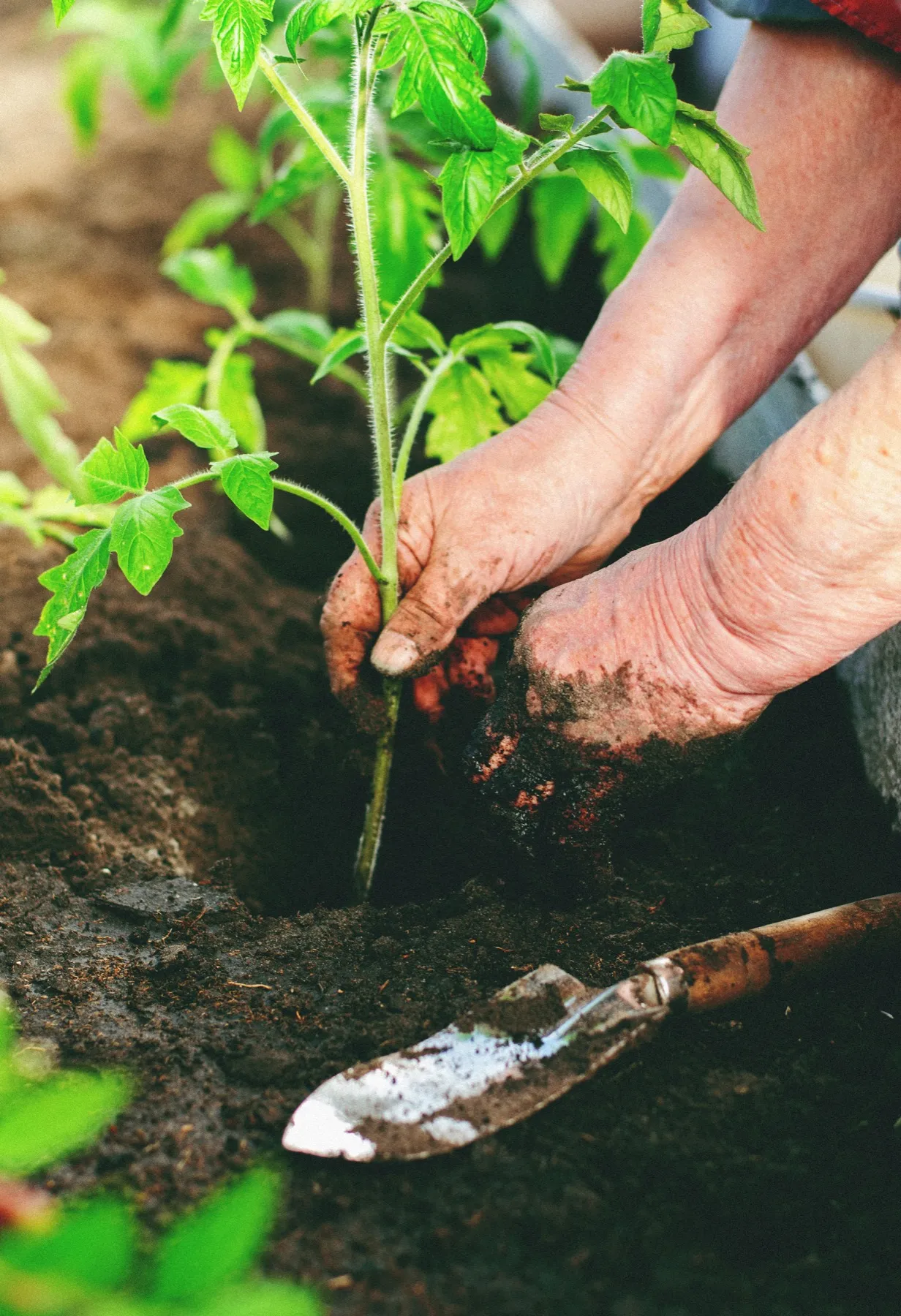
USDA Garden Zone Map Quiz
Use this USDA garden zone map quiz to check whether you can read hardiness zones and choose plants with more confidence.
Start quizBrowse the full quizzes section
Explore plant identification, zone strategy, and seasonal gardening challenges.
View all quizzes