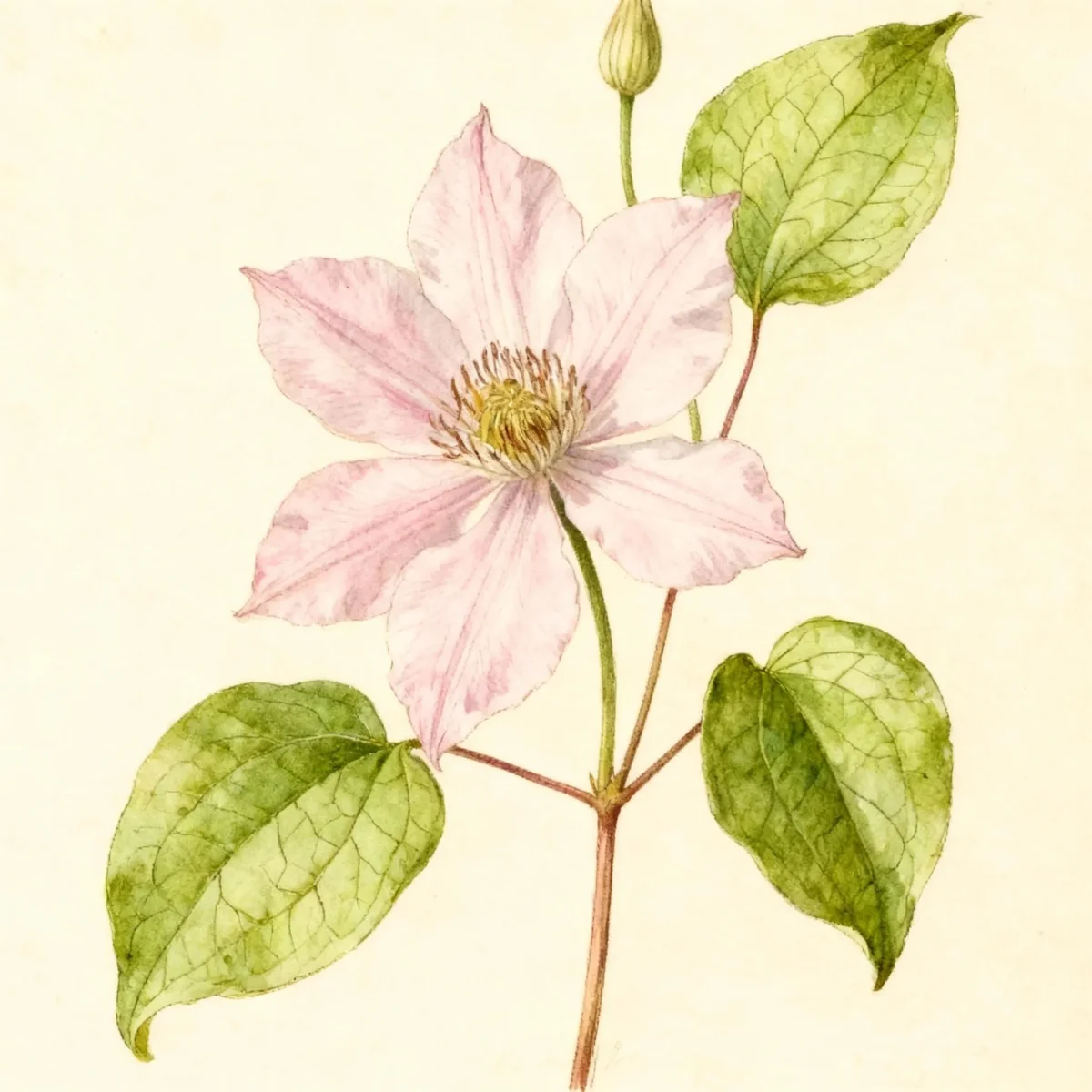
Purple passionflower (Passiflora incarnata)
Discover Purple passionflower (Passiflora incarnata), a rapid-growing vine with showy, fragrant flowers and edible fruit for zones 5-9.

Bloom Boldly, No Matter the Season - Sweatshirt
Cozy organic cotton sweatshirt featuring our exclusive Purple Coneflower design. Perfect for gardeners who bloom year-round.
Inspired by the beautiful Purple passionflower
Limited first batch (50) — join the waitlist for early access
Waitlist closes Feb 15, 2026.
Complete Plant Information
Field Guide Continues
Ready for care notes, companion picks, and planting tips?
The map is just the start. The full guide below covers growth habits, seasonal performance, and landscape uses.
Overview
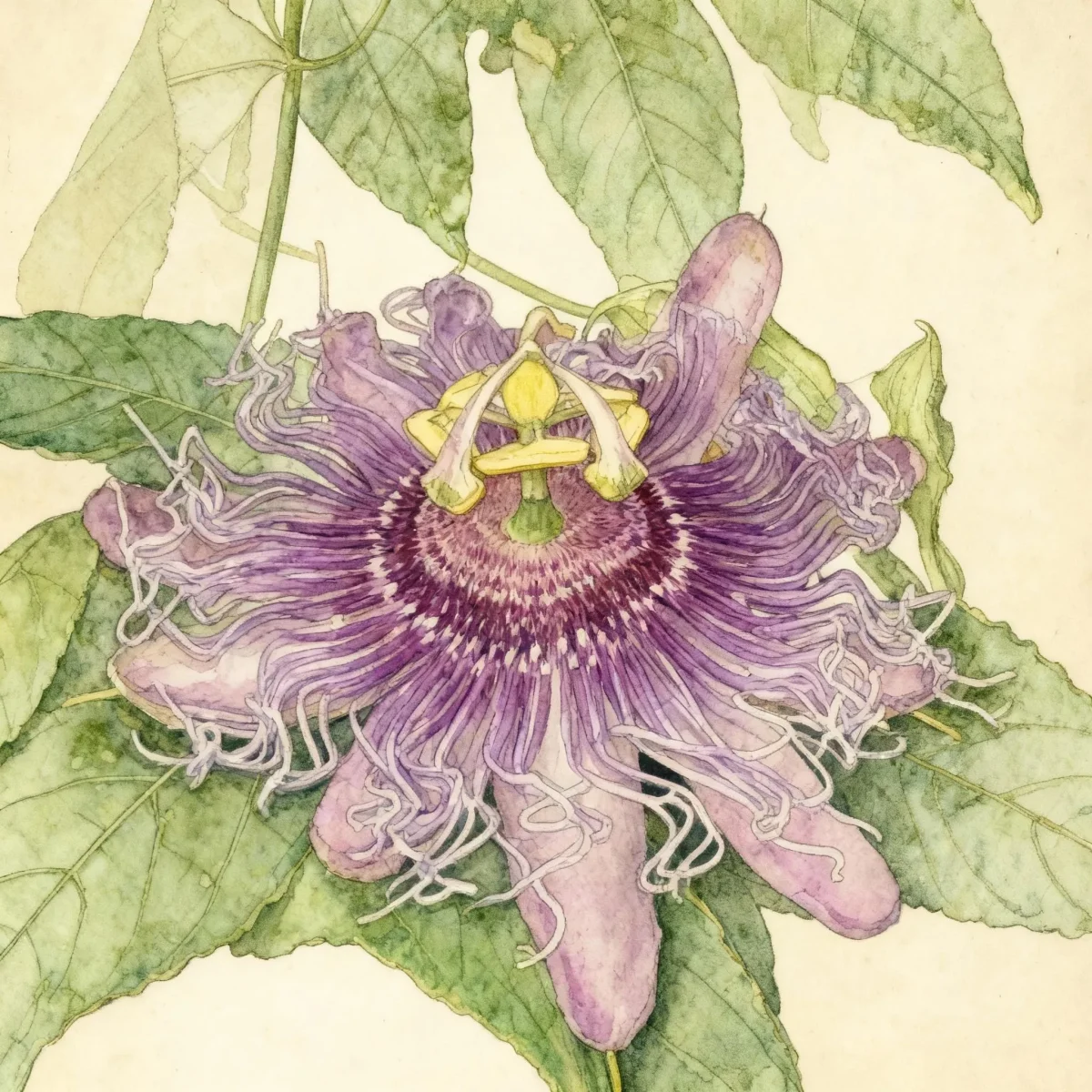
The captivating Purple passionflower, scientifically known as Passiflora incarnata, is a rapid-growing, tendril-climbing vine perfect for adding vertical interest and unique blooms to the garden. Native to the Eastern United States, this plant offers an unparalleled aesthetic with its showy, fringed, 2.5-inch flowers that bloom reliably throughout the summer months. Beyond its beauty, Passiflora incarnata provides the added bonus of fleshy, edible fruits often called maypops.
This vine is recognized for its hardy nature, though its subterranean roots can spread determinedly to cover substantial areas in ideal conditions. Gardeners appreciate Passiflora incarnata for its ornamental appeal while enjoying the fact that it is generally free from serious pest or disease issues. It’s an excellent choice for gardeners looking for a native, slightly exotic-looking climber.
If you are situated in the warmer end of its range, the woody stems of Passiflora incarnata will persist, but in colder regions, expect the vine to die back to the ground each winter, emerging vigorously from its roots in spring. Its distinctive bloom and practical fruit make the Purple passionflower a highly interesting addition to any landscape design demanding texture and novelty.
Fast Facts
- Plant Family: Passifloraceae
- Plant Type: Vine
- Native Range: Eastern United States
- Hardiness Zones: USDA Zones 5-9
- Size at Maturity:
- Height: 6-8 ft
- Spread: 3-6 ft
- Bloom Time: July to September
- Bloom Description: White with purple crown
- Sun Exposure: Full sun to part shade
- Water Needs: Medium
- Maintenance Level: Medium
How to Grow
The best time to establish Passiflora incarnata is typically in the spring after the danger of the last frost has passed, allowing the roots sufficient time to anchor before winter. These vines thrive when planted in average, medium soils that are well-drained; excellent drainage is crucial, especially in winter, to prevent root rot. While Passiflora incarnata is tolerant of drought once established, consistent medium watering will support robust growth and flowering.
During the growing season, these vines appreciate a loose layer of mulch around the base to help keep the roots cool and moist. Since this species naturally spreads via root suckers, gardeners should select a location where its spreading habit is welcome or install root barriers if containment is necessary. While hardy, those gardening near the lower end of Zone 5 should offer winter protection, perhaps by planting near a south-facing wall or structure to shelter the roots during severe cold snaps.
Because it is a rapid spreader, annual pruning might be necessary to manage its reach, particularly if it is not given a structural element to climb. In late winter or early spring, cut back the dead, herbaceous growth before new shoots begin to emerge from the ground.
Landscape Uses
The unique structure and vigorous climbing habit of the Purple passionflower make it an exceptional choice for softening architectural elements in the garden. Utilize this beautiful vine on trellises, arbors, walls, or sturdy fences where its tendrils can easily grasp for support, creating a living screen or vertical tapestry. The combination of its showy flowers and the production of edible maypop fruit means Passiflora incarnata serves both aesthetic and practical functions.
Consider planting the Purple passionflower near patios or seating areas where its fragrant summer blooms can be easily enjoyed. Although it can cover large areas, when planted strategically, it works well to delineate spaces or frame doorways. Though it is a strong grower, pairing it with slower-growing perennials that appreciate summer structure can create a balanced, dynamic planting scheme.
Standout Features
Flower Qualities
- Showy
- Fragrant
Fruit Qualities
- Showy
- Edible
Noteworthy Characteristics
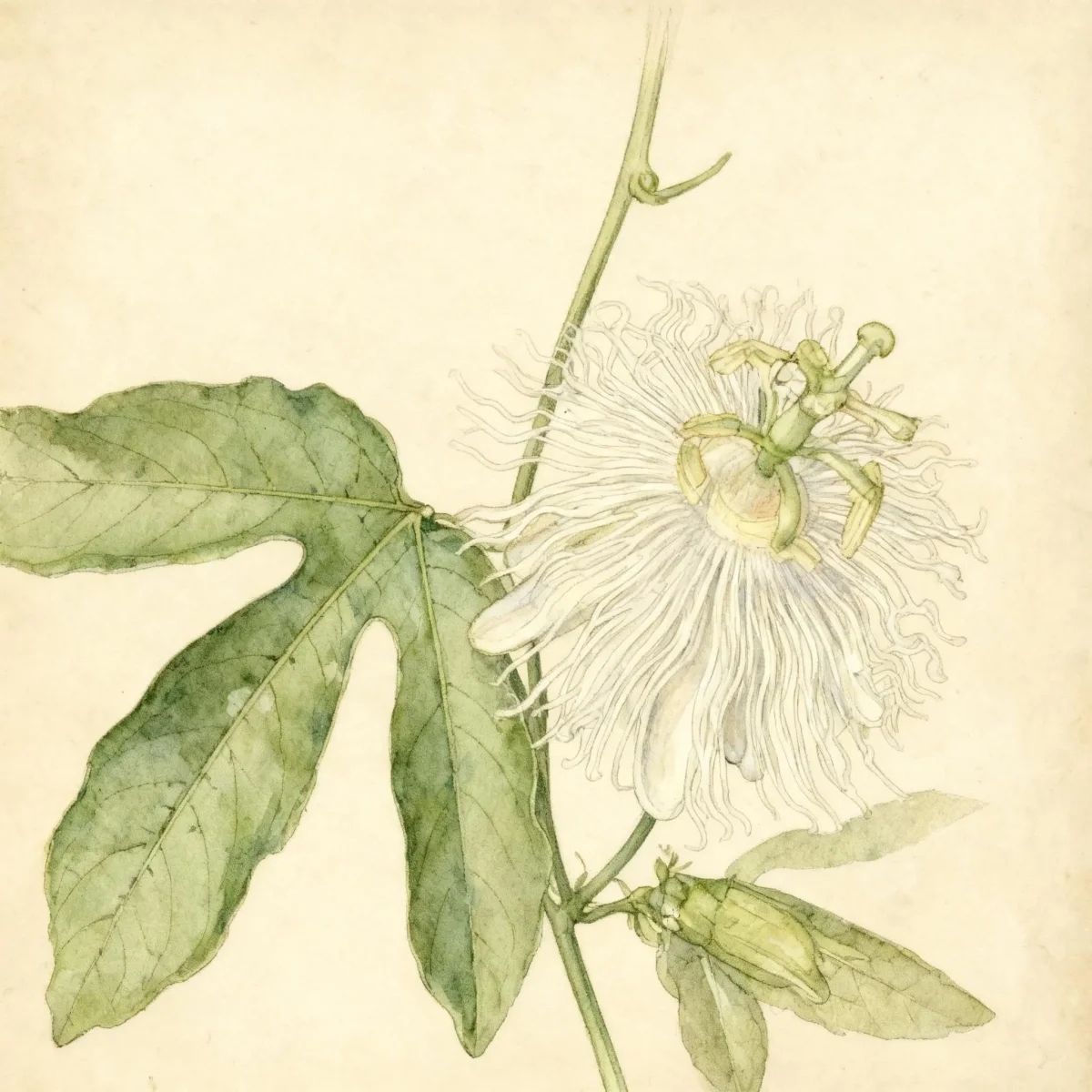
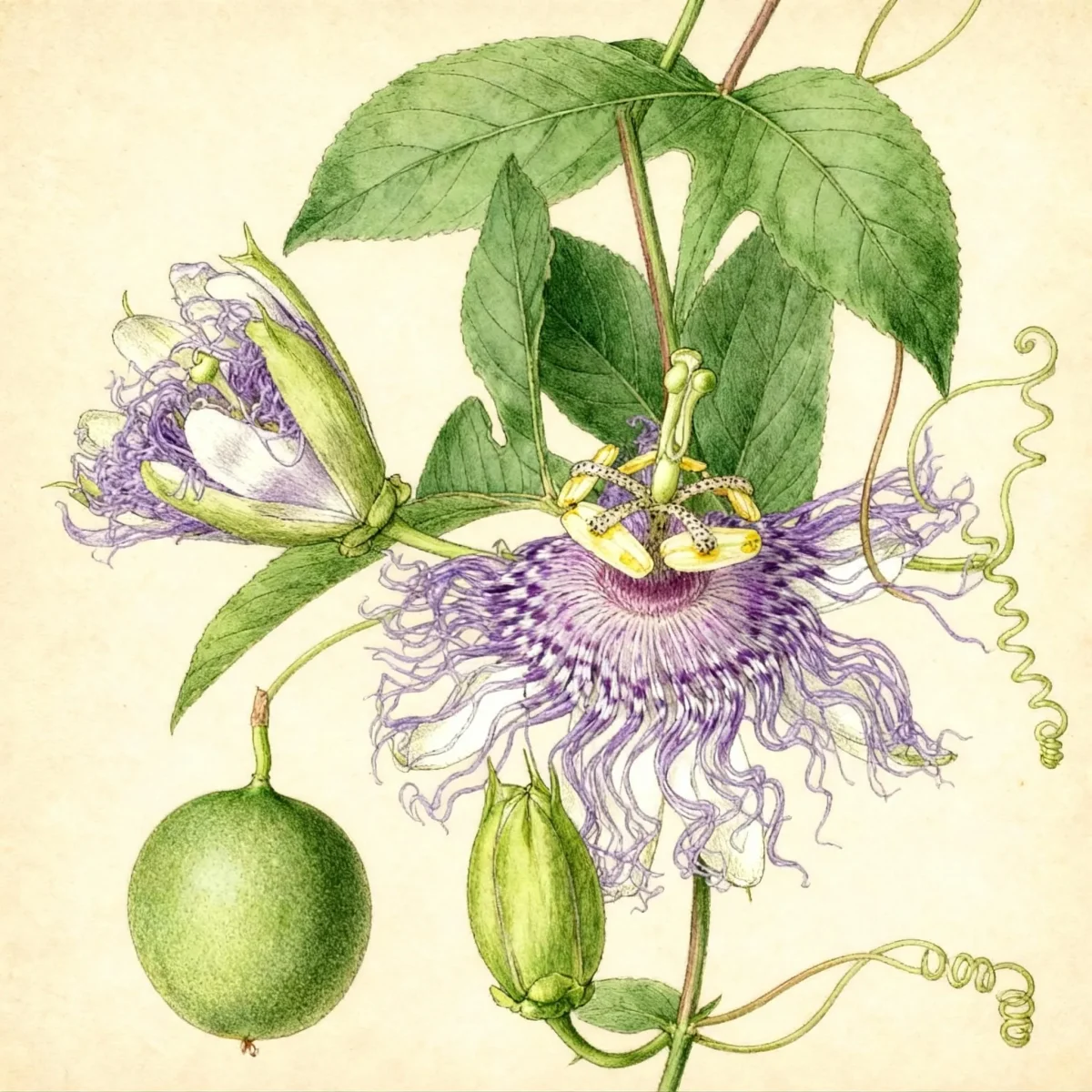
Passiflora incarnata is a rapid-growing, tendril-climbing vine which is woody in warm winter climates and herbaceous (dies to the ground) in cold winter climates. A native of the Southeastern U.S., including southern Missouri where it typically occurs in sandy soils, low moist woods and open areas. Features three-lobed, dark green leaves and showy, 2.5” diameter, fringed flowers having white petals and sepals and a central crown of pinkish-purple filaments. Fleshy, egg-shaped, edible fruits called maypops appear in July and mature to a yellowish color in fall.
Tolerances
- Drought
Potential Problems
This plant typically experiences no serious insect or disease problems, making it relatively low-fuss regarding pests. The primary management concern with Passiflora incarnata roots is their tendency to spread aggressively via root suckers, which can lead to unwanted colonialism across the landscape. To mitigate this, ensure you plant it where spreading is acceptable or apply physical root barriers during installation. Root rot is a risk if the vine is situated in wet, poorly-drained soils, especially during the dormant winter period, so site selection emphasizing drainage is critical for long-term health.
Frequently Asked Questions
What hardiness zones is Purple passionflower suitable for?
Passiflora incarnata is generally hardy in USDA Zones 5 through 9.
How large does Purple passionflower grow?
At maturity, this vine typically reaches a height between 6 to 8 feet and spreads 3 to 6 feet wide.
When does Purple passionflower bloom?
The spectacular bloom time for Passiflora incarnata is from July to September, featuring flowers that are white with a distinctive purple crown.
What sun exposure does Passiflora incarnata need?
This plant prefers conditions ranging from full sun to light part shade for optimal vigor and flowering.
Conclusion
The unique, intricate blooms and the reliable production of edible maypops make the Purple passionflower a standout choice for gardeners seeking botanical interest and native appeal. By understanding the need for well-drained soils and management of its spreading roots, you can successfully integrate this vigorous Passiflora incarnata into your vertical garden features. Check your local hardiness zone compatibility and plan your site preparation this spring to enjoy this passionflower next summer.
Wildlife Benefits
As a native plant of the Southeastern US, Passiflora incarnata is vital to several local insect populations. It is a host plant for the larvae (caterpillars) of several species of passion vine butterflies, making it invaluable for supporting local butterfly gardens. Planting this vine is a wonderful ecological step toward supporting insect biodiversity.
Propagation Tips
While Passiflora incarnata spreads readily via underground rhizomes (suckers), propagation by division is the simplest method for creating genetically identical clones. In early spring, before vigorous growth begins, carefully dig up sections of the root system that have run out from the main crown. Ensure each division has several healthy buds attached before replanting it immediately in a suitable location with rich, well-drained soil.