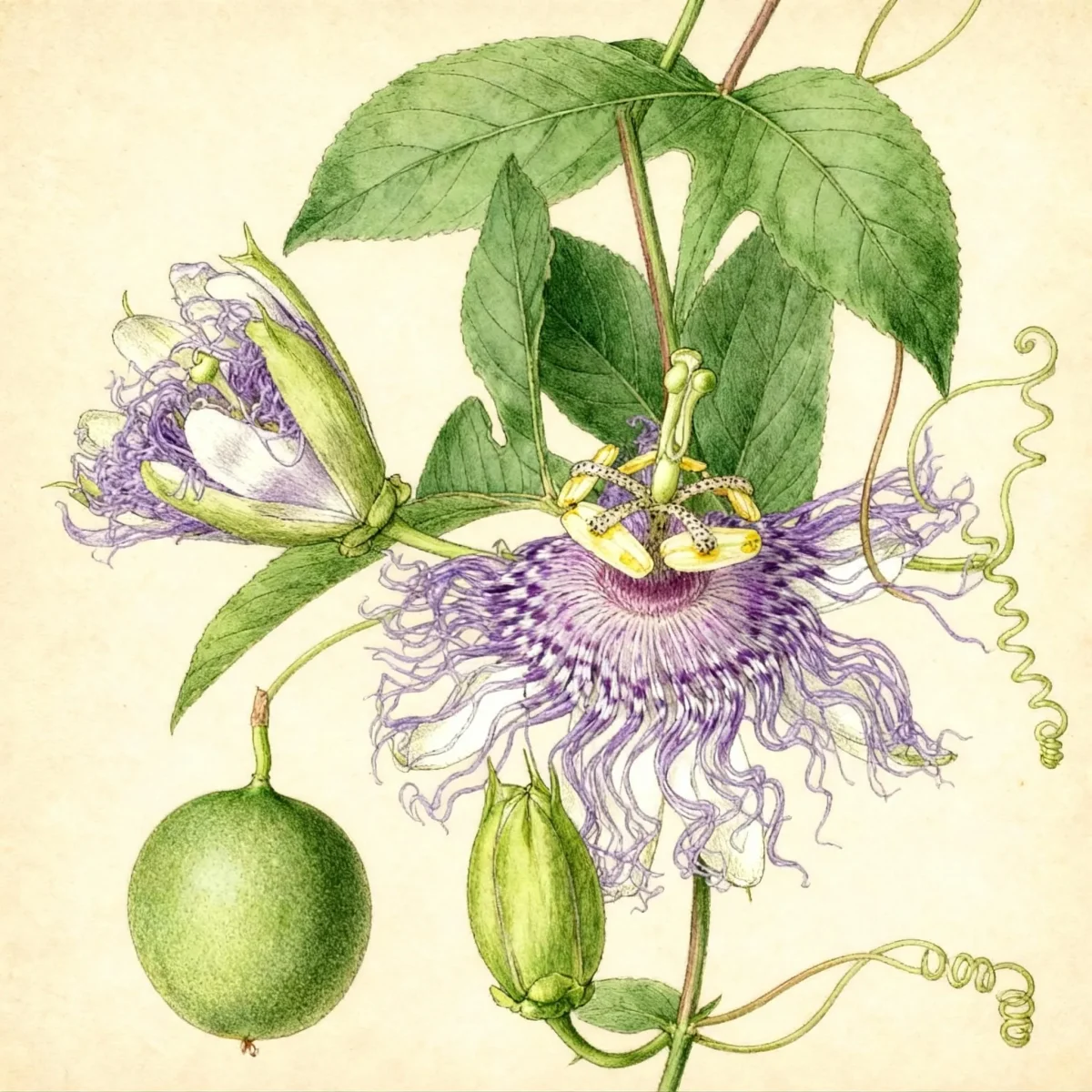
Blue passionflower (Passiflora caerulea)
Stunning twining vine, Blue passionflower (Passiflora caerulea) offers showy, fragrant flowers. Hardy in zones 7-9, requires medium water.

Bloom Boldly, No Matter the Season - Sweatshirt
Cozy organic cotton sweatshirt featuring our exclusive Purple Coneflower design. Perfect for gardeners who bloom year-round.
Inspired by the beautiful Blue passionflower
Limited first batch (50) — join the waitlist for early access
Waitlist closes Feb 15, 2026.
Complete Plant Information
Field Guide Continues
Ready for care notes, companion picks, and planting tips?
The map is just the start. The full guide below covers growth habits, seasonal performance, and landscape uses.
Overview
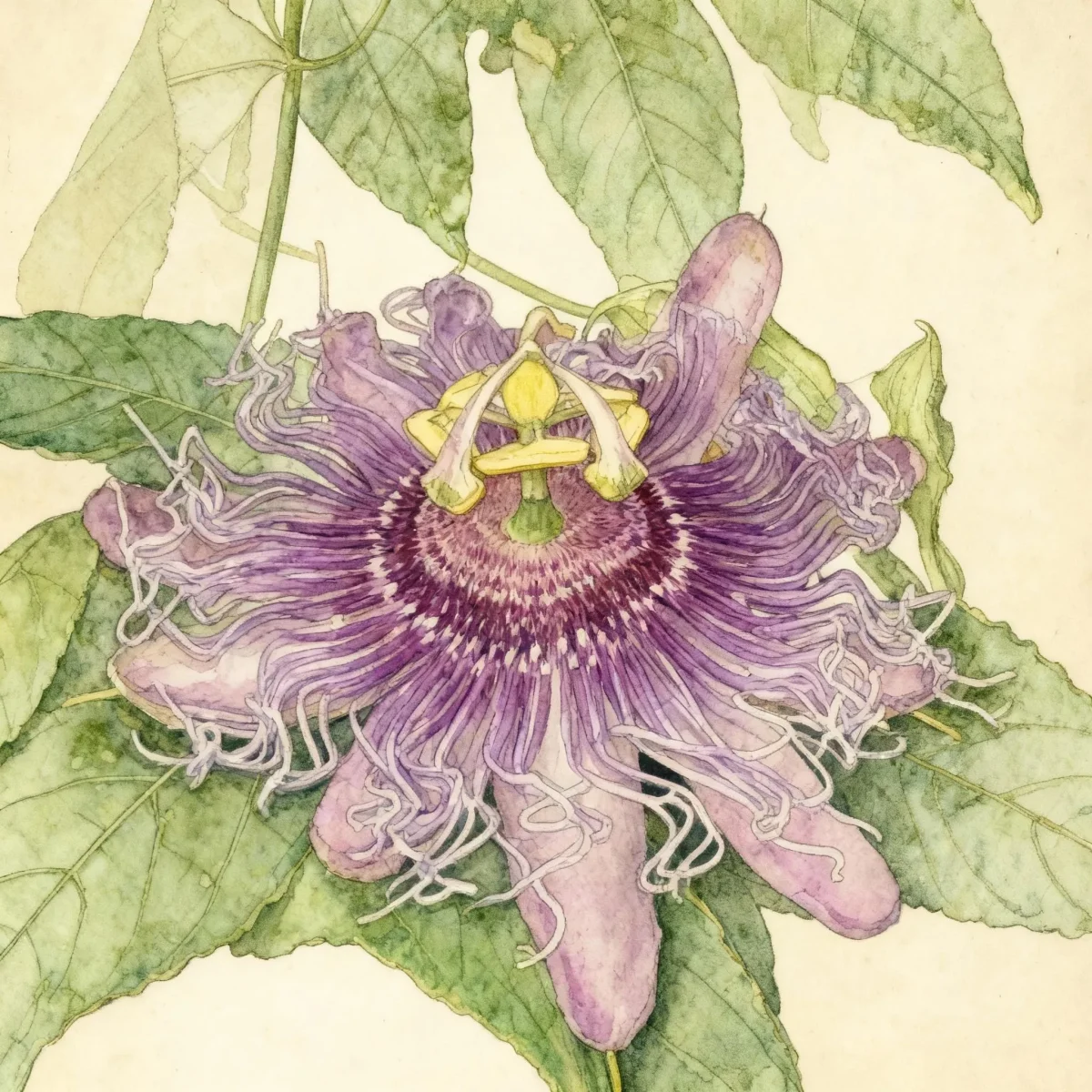
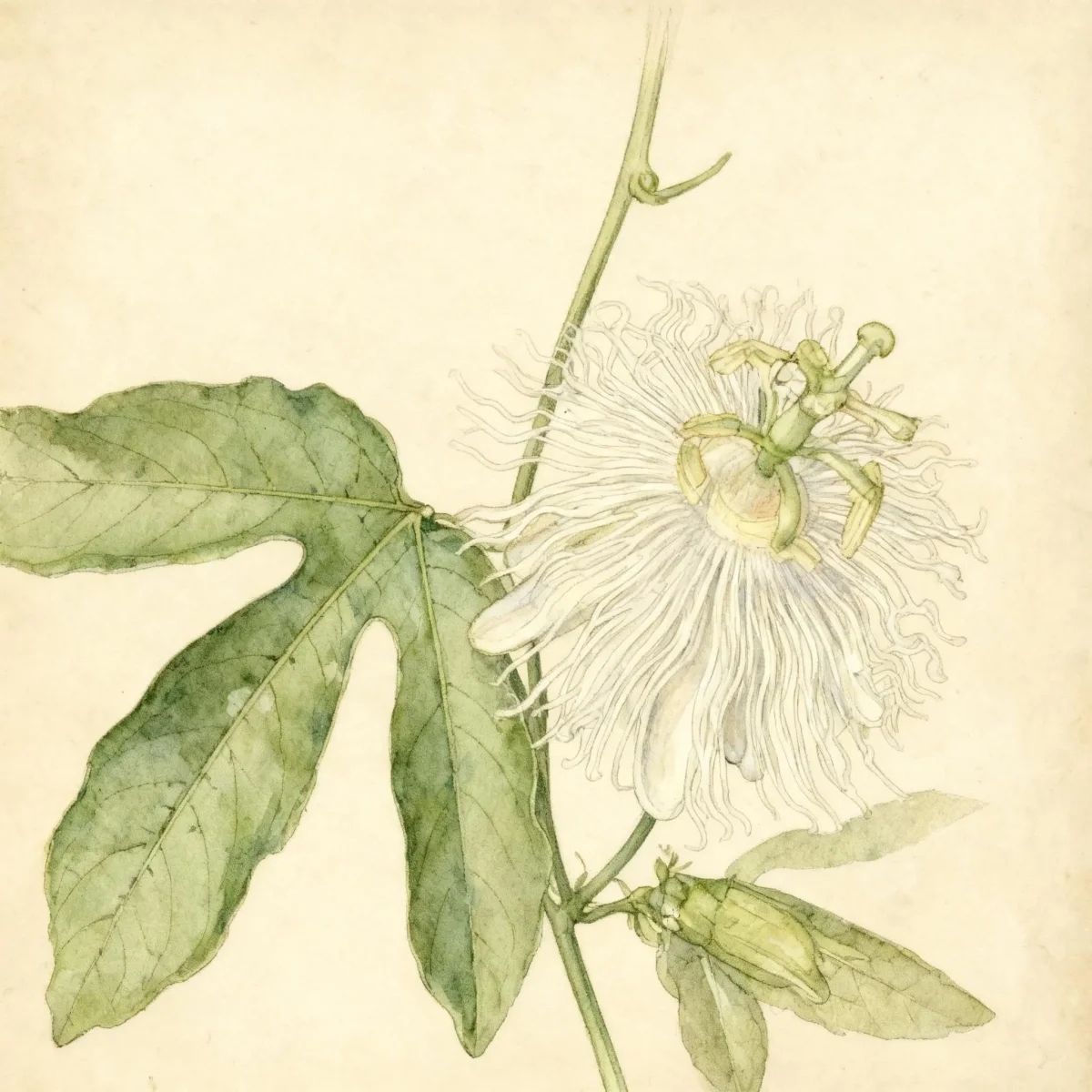
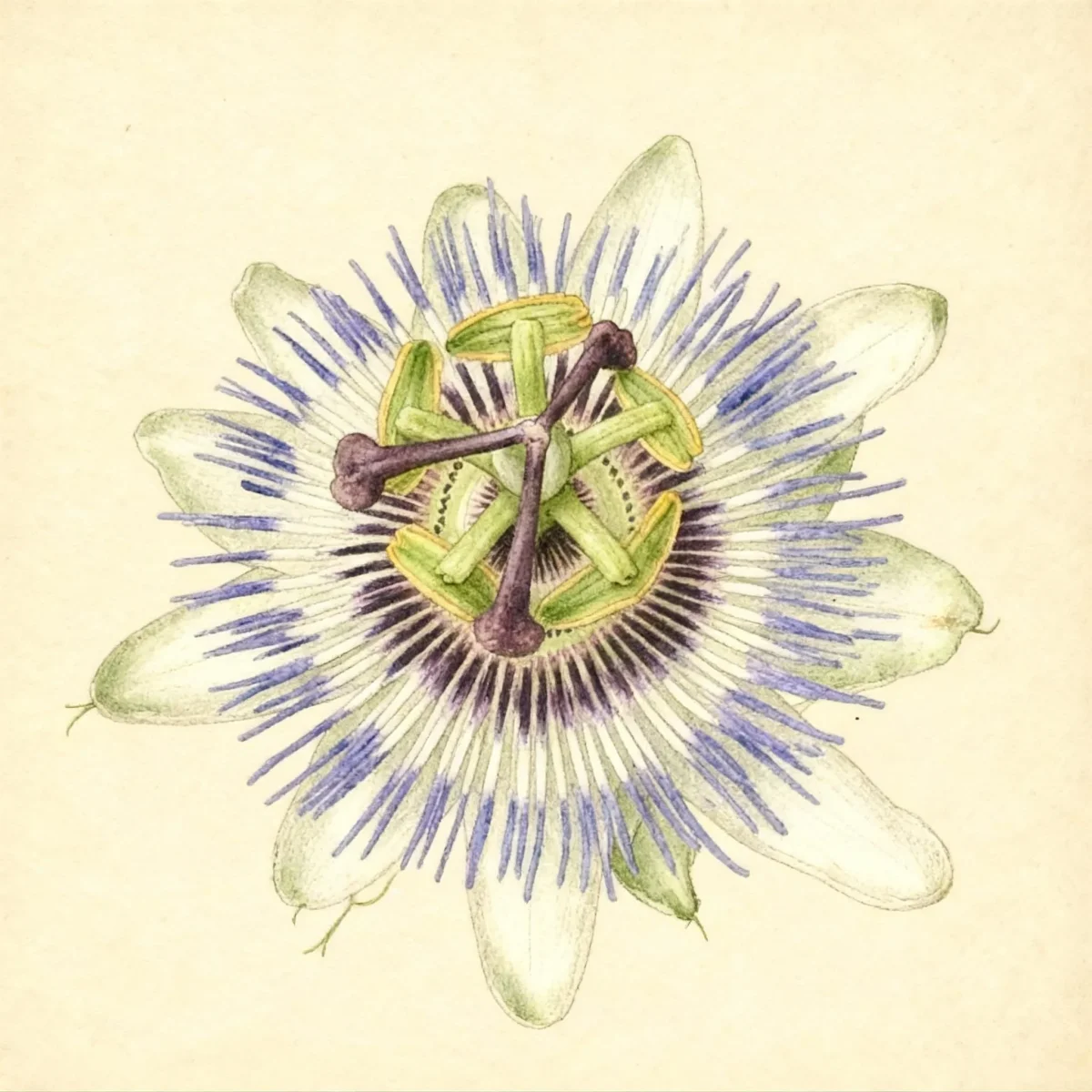
The Blue passionflower (Passiflora caerulea) is a highly valued, vigorous twining vine renowned for its strikingly complex and visually spectacular blooms. These exotic, white and purple-blue flowers can grow up to four inches across, emerging seasonally to add dramatic flair to any support structure. Originating in Brazil and Argentina, this species is cherished both for its ornamental beauty and its use as a parent plant in hybridizing programs.
As a fast-growing vine, Passiflora caerulea can reach heights of 25 feet, making it excellent for covering arbors or trellises in warmer climates. While the vine is deciduous in areas with cool winters, it remains evergreen where temperatures permit. Gardeners in appropriate zones will enjoy the payoff of unique flowers followed by edible, deep orange fruits later in the season.
Successful cultivation of the Passiflora caerulea focuses on providing sufficient root space and managing moisture carefully. Although a robust grower, it thrives best when treated somewhat leanly regarding fertility, encouraging flowering over excessive leaf production. Providing its specific cultural needs—warmth retention and deep but infrequent watering—ensures a healthier, more floriferous specimen.
Fast Facts
- Plant Family: Passifloraceae
- Plant Type: Vine
- Native Range: Brazil, Argentina
- Hardiness Zones: USDA Zones 7-9
- Size at Maturity:
- Height: 10-25 ft
- Spread: 3-6 ft
- Bloom Time: Seasonal bloomer
- Bloom Description: Blue
- Sun Exposure: Full sun to part shade
- Water Needs: Medium
- Maintenance Level: Medium
How to Grow
Planting the Blue passionflower should align with the spring season after all danger of frost has passed, especially for perennial placement in Zones 7 and above. This vine thrives when given loose, sandy, or gravelly soil that drains exceptionally well. For optimal winter survival in borderline zones, site Passiflora caerulea against a south-facing brick wall; these structures absorb and radiate heat, providing critical protection against cold snaps.
Watering should be deep but infrequent, encouraging the vine to develop substantial root systems capable of seeking moisture deep into the earth. Fertilize sparingly; gardeners should go light on nitrogen-rich inputs like manure or compost, as excess fertility only drives lush vegetative growth at the expense of flowers. When grown in containers, opt for a roomy pot, though the vine can manage a smaller space temporarily.
Overwintering tropical vines like this one requires specific attention outside of subtropical zones. If grown in an area requiring winter protection, the Blue passionflower benefits from a cool greenhouse where it can enter semi-dormancy. In all locations during winter, it is crucial to keep the soil on the dry side. Pruning may be necessary to keep this fast-growing vine—capable of reaching 30 feet—within bounds or to manage it as a large houseplant in a bright, sunny window.
Landscape Uses
The striking, exotic flowers make Passiflora caerulea a primary specimen in tropical or exotic-themed gardens where vertical interest is desired. Its vigorous vining habit makes it perfect for completely covering pergolas, dense screening fences, or sturdy arbors, creating dramatic, shaded retreats. While prized for its bloom, it also offers the secondary benefit of producing showy, egg-sized orange fruits that ripen from late summer into fall.
Beyond landscaping aesthetics, the Blue passionflower holds significant value in horticultural circles. This species is widely cultivated specifically for its genetic usefulness as a reliable parent plant in breeding programs aimed at developing new Passiflora cultivars. Furthermore, while the raw fruit flavor is mild, the fruits of Passiflora caerulea can be utilized as a substitute in recipes traditionally calling for blackberries.
Standout Features
Flower Qualities
- Showy
- Fragrant
Fruit Qualities
- Showy
- Edible
Noteworthy Characteristics
Passiflora caerulea, commonly called blue passionflower, is a twining vine that can grow to 30 feet. The shiny leaves are usually lobed with five parts, but they can have as few as three lobes or as many as nine. These vines produce white and purple-blue flowers up to 4 inches across in summer, followed by deep orange fruits.
Tolerances
Potential Problems
Passiflora caerulea generally resists severe damage from most pests, but gardeners must expect caterpillars to feed heavily on the foliage, as they use passionflowers as host plants. If you wish to enjoy both the butterflies and the vine, you must adopt a philosophical approach and manage caterpillar populations carefully rather than attempting total eradication. Fungal diseases can occur, particularly if the plant lacks good air circulation, which is a concern when growing it heavily protected or inside greenhouses, although high humidity is generally appreciated.
Frequently Asked Questions
What hardiness zones is Blue passionflower suitable for?
The Blue passionflower (Passiflora caerulea) is typically hardy in USDA Zones 7 through 9.
How large does Passiflora caerulea grow?
This vigorous vine commonly reaches heights between 10 and 25 feet, with a spread of 3 to 6 feet.
What sun exposure does Blue passionflower need?
Passiflora caerulea performs best when situated in a spot receiving full sun to partial shade.
When does Blue passionflower bloom?
This species is a seasonal bloomer, producing its signature blue flowers throughout the growing season.
Conclusion
The Blue passionflower offers unparalleled exotic beauty and structure, making it a centerpiece for any warm-climate garden or a rewarding challenge for greenhouse growers. Its showy, fragrant flowers and unique fruit provide year-round interest when cultural needs are met. Before planting, confirm that your location falls within USDA Zones 7-9 or prepare to provide significant winter protection for your Passiflora caerulea.
Wildlife Benefits
The presence of passionflowers is highly attractive to specific butterfly species, making them essential host plants. Gardeners dedicated to supporting local insect populations must recognize that the foliage will be consumed by developing larvae. This dynamic interaction between the vine and the insects is a defining feature of growing Passiflora caerulea and requires tolerance or active management if both are to thrive.
Container Growing
Although larger specimens perform best with plenty of root space, Blue passionflower can be successfully grown in a roomy container, making it ideal for moving indoors or into sheltered areas during winter months. When growing in a pot, ensure the container provides excellent drainage to prevent waterlogging, which is detrimental to root health. To keep the aggressive vine contained, gently wind the stems around a strong hoop structure rather than allowing unchecked sprawling in the pot.