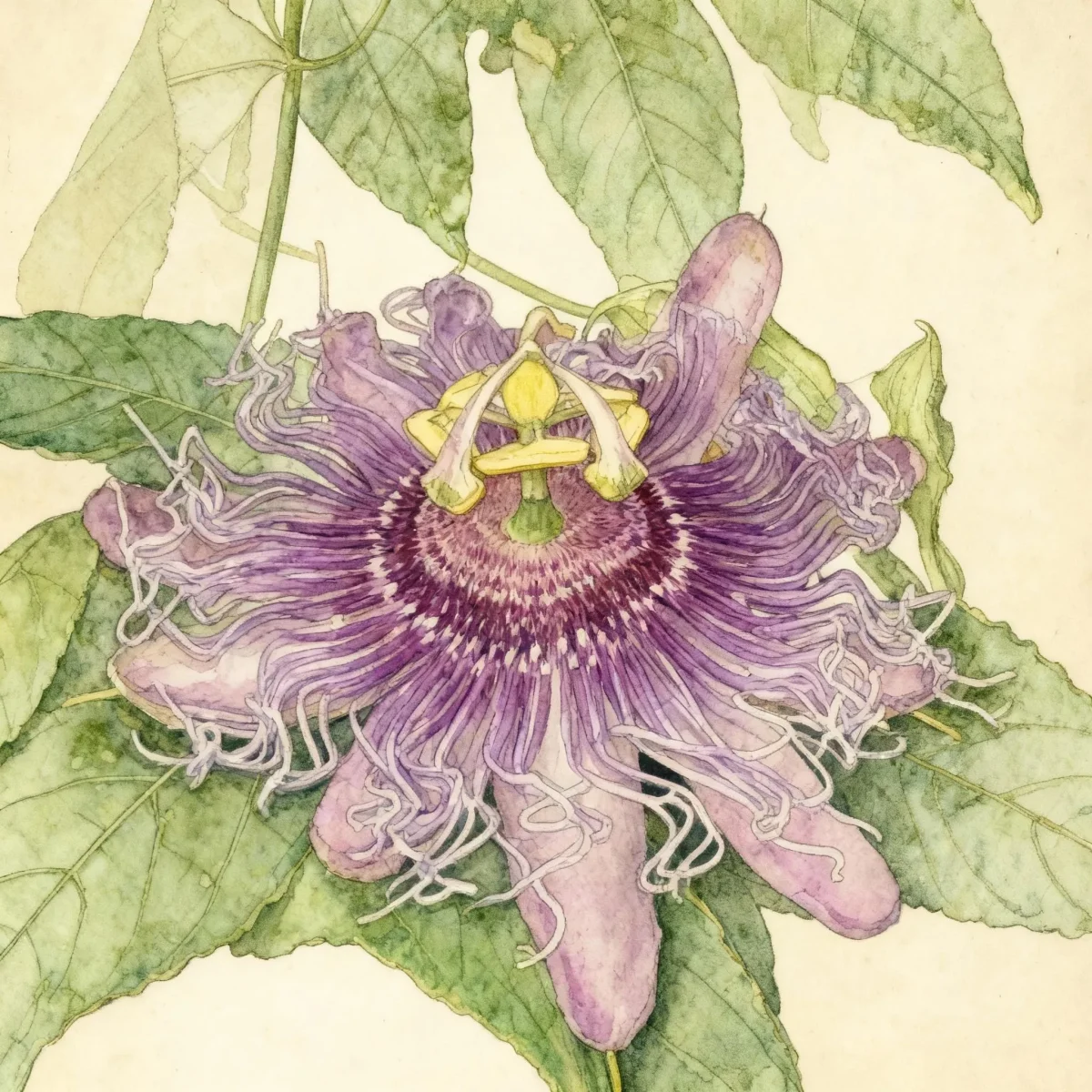
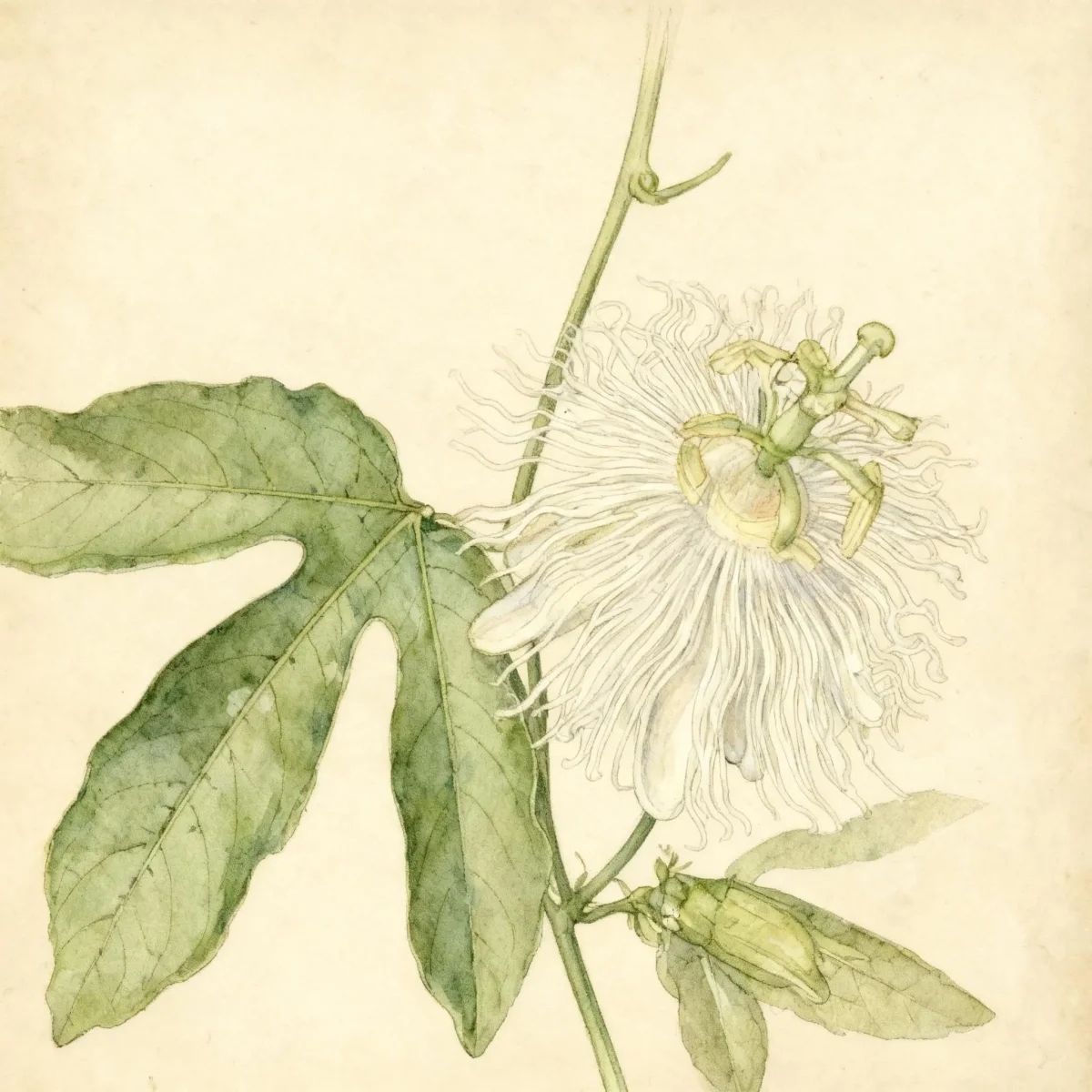
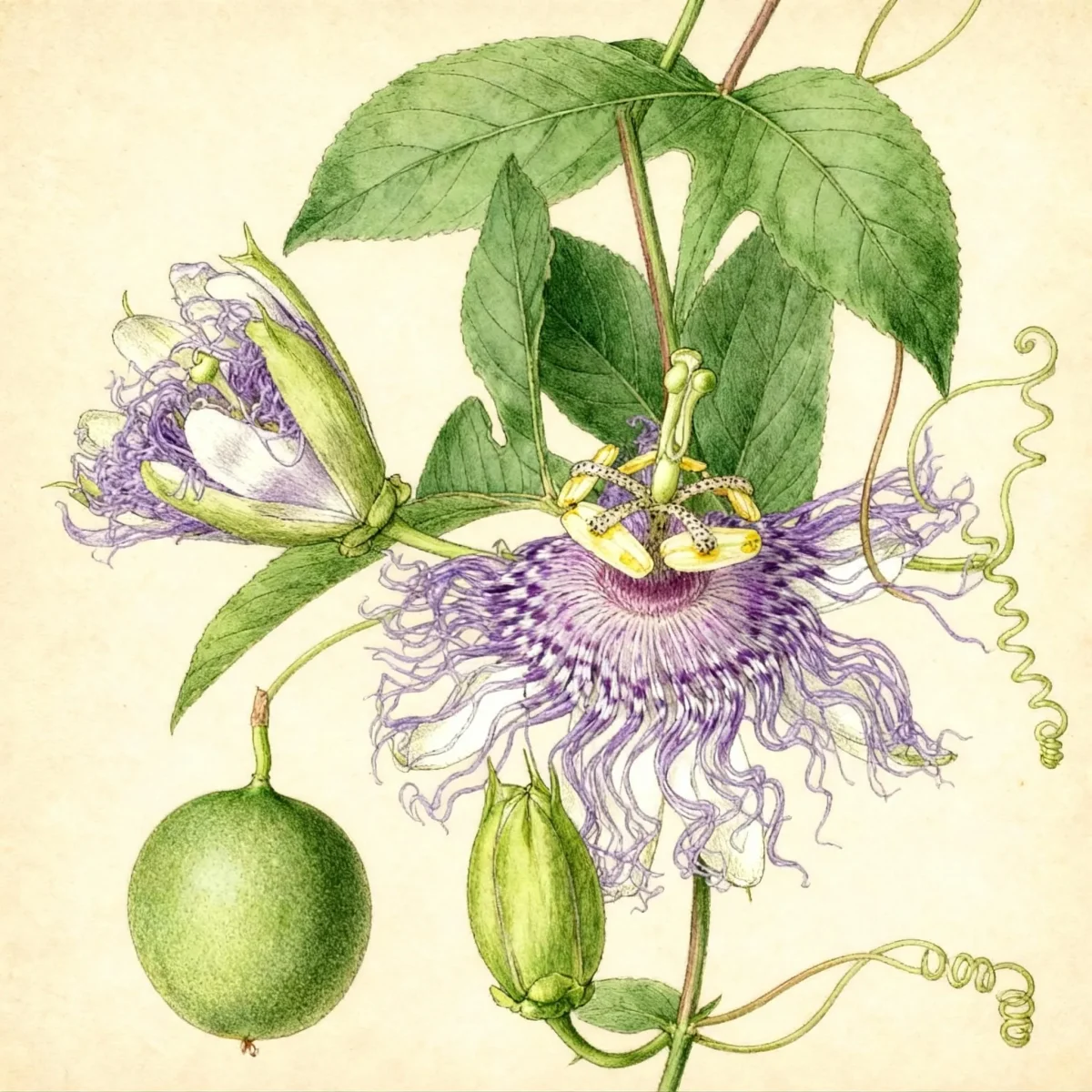
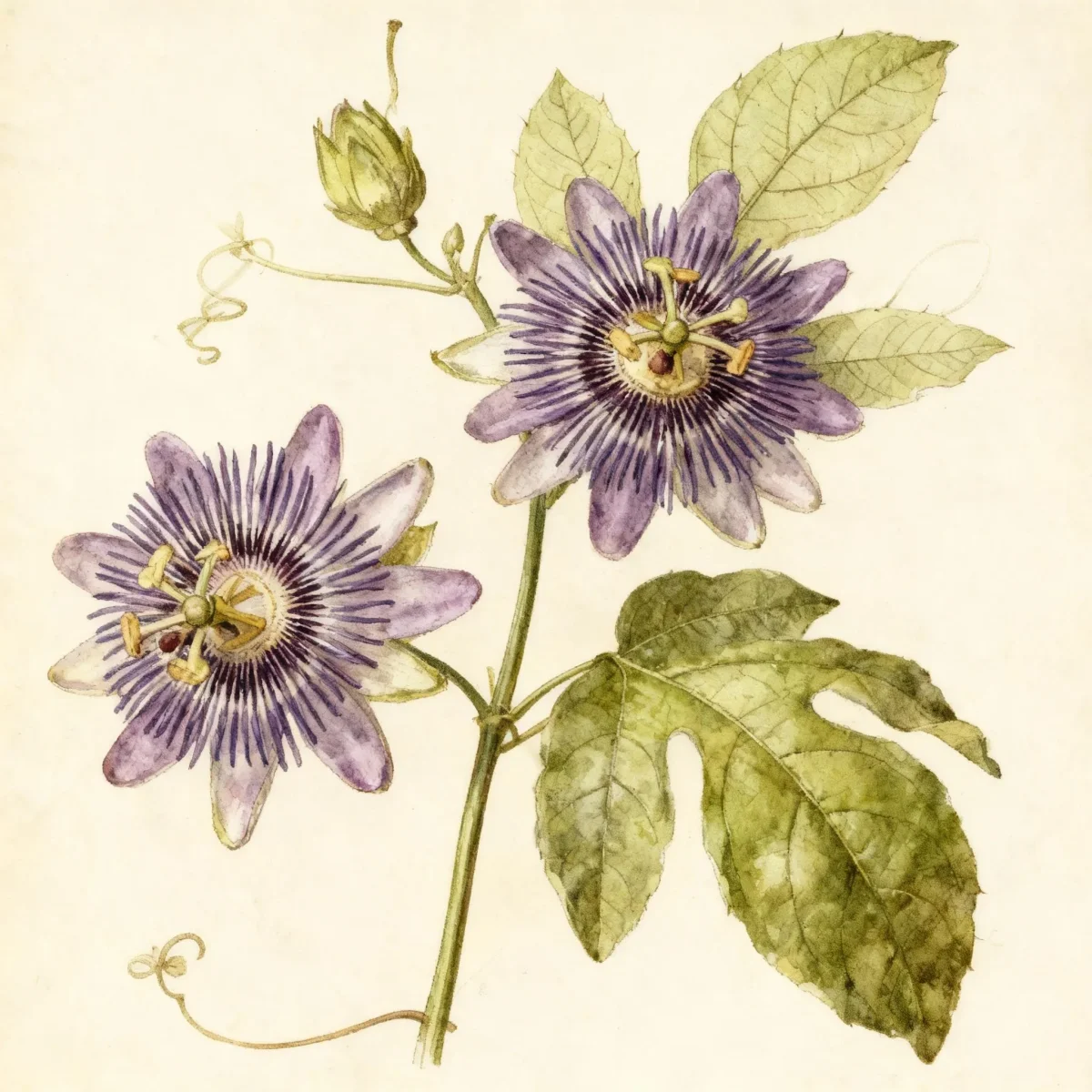
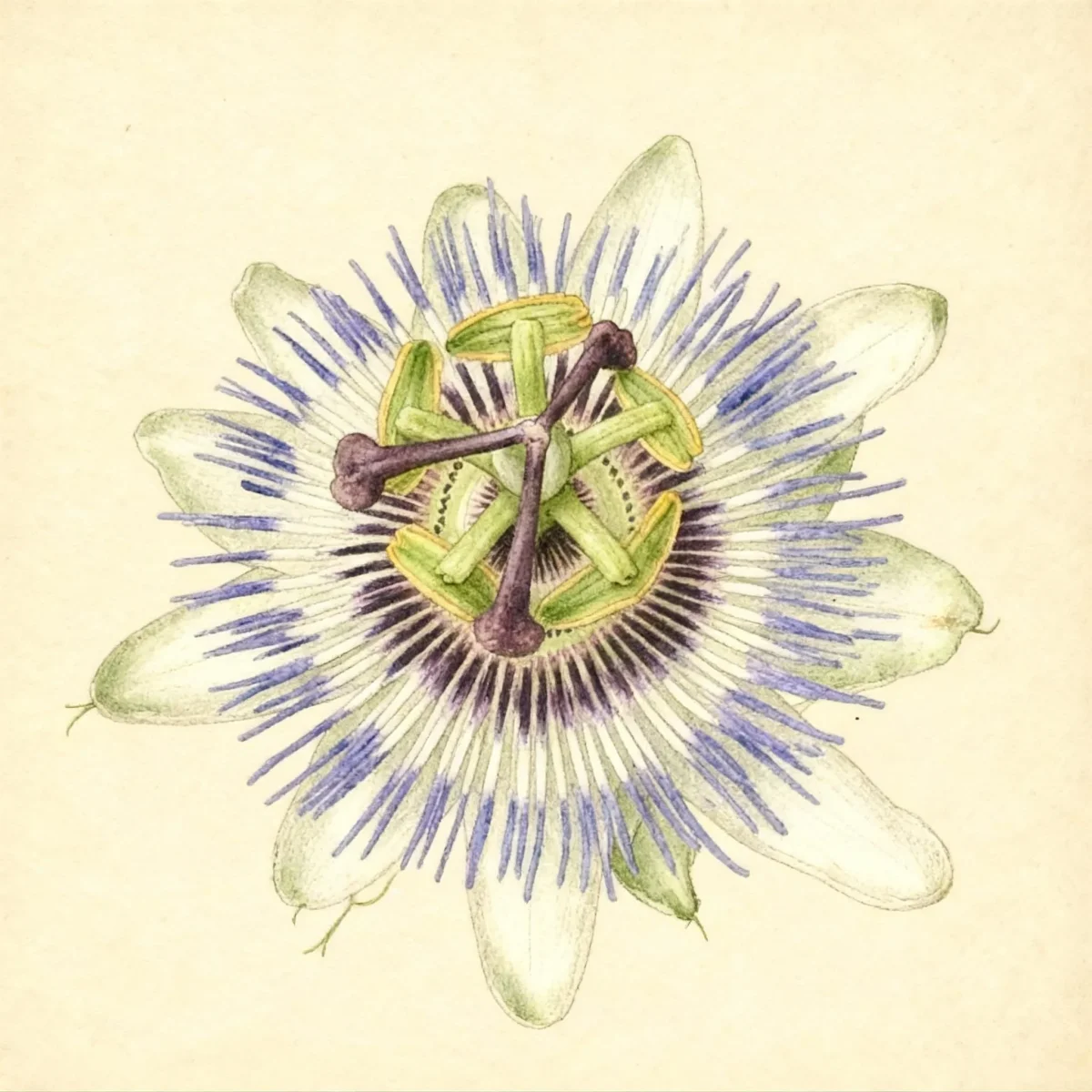
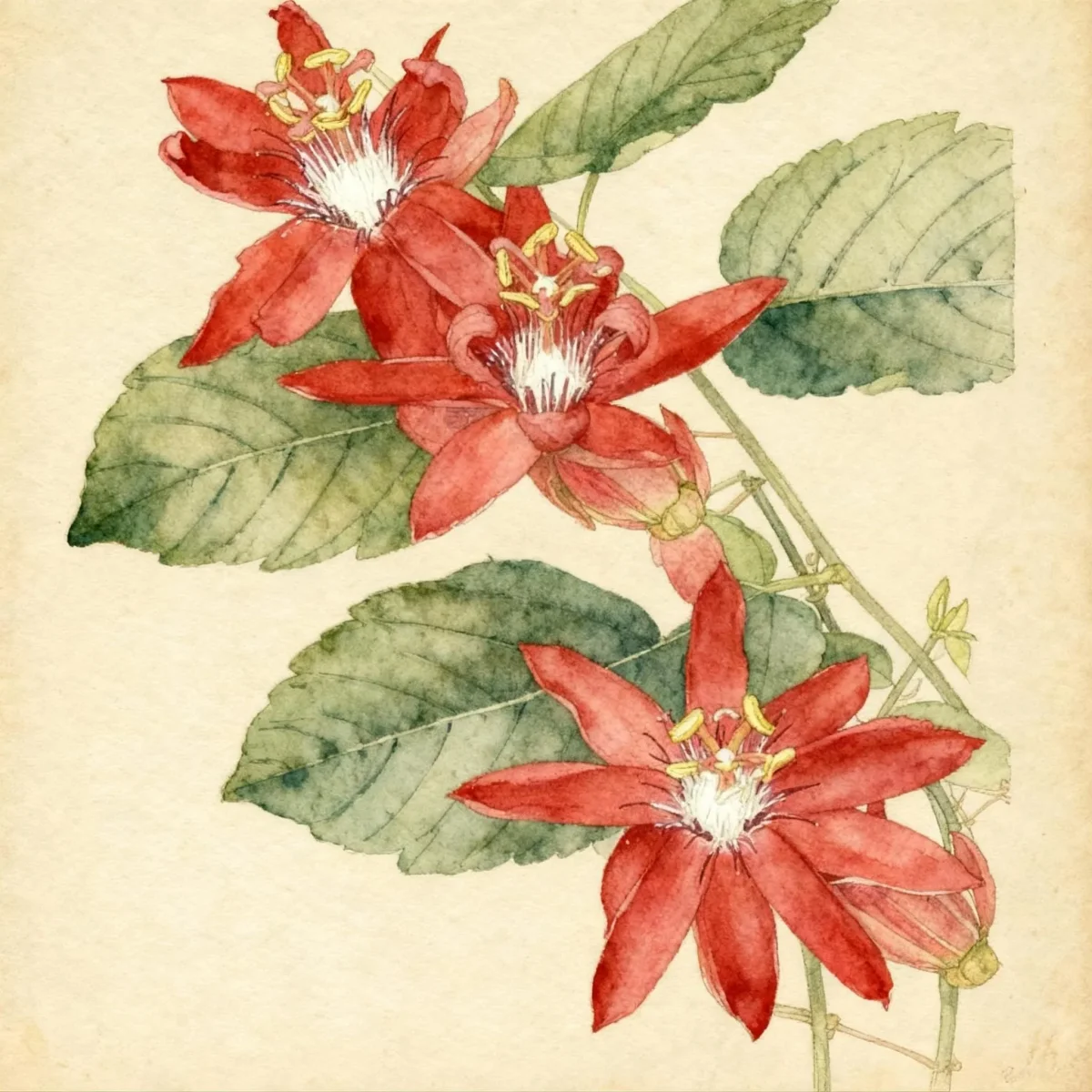
Red passion flower (Passiflora coccinea)
Spectacular tropical vine, Passiflora coccinea, produces scarlet red flowers and edible fruit. Ideal for Zones 10-12.

Bloom Boldly, No Matter the Season - Sweatshirt
Cozy organic cotton sweatshirt featuring our exclusive Purple Coneflower design. Perfect for gardeners who bloom year-round.
Inspired by the beautiful Red passion flower
Limited first batch (50) — join the waitlist for early access
Waitlist closes Feb 15, 2026.
Complete Plant Information
Field Guide Continues
Ready for care notes, companion picks, and planting tips?
The map is just the start. The full guide below covers growth habits, seasonal performance, and landscape uses.
Overview
The Passiflora coccinea, commonly recognized as the Red passion flower, is a magnificent, tendril-climbing vine originating from the tropical regions of South America. Gardeners prize this evergreen species for its extremely showy, brilliant scarlet red flowers that create a dramatic focal point in warm climates. As an annual or container specimen outside its native range, it offers vibrant vertical interest.
This vigorous vine typically reaches heights between 10 and 12 feet, making it perfect for covering large structures where its unique blossoms can be admired. Beyond the striking blooms, the Passiflora coccinea also produces orange to yellow edible fruits, locally known as red granadilla, adding ornamental and practical value.
Cultivating the Red passion flower requires providing consistent moisture and plenty of sunlight to achieve the best flowering performance. It enthusiastically attracts hummingbirds and butterflies, significantly enhancing garden biodiversity while delivering its unparalleled tropical aesthetic.
Fast Facts
- Plant Family: Passifloraceae
- Plant Type: Vine
- Native Range: Guianas, southern Venezula, Peru, Boliva, Brazil
- Hardiness Zones: USDA Zones 10-12
- Size at Maturity:
- Height: 10-12 ft
- Spread: 3-5 ft
- Bloom Time: July to September
- Bloom Description: Scarlet red
- Sun Exposure: Full sun to part shade
- Water Needs: Medium
- Maintenance Level: Medium
How to Grow
For gardeners in USDA Zones 10 through 12, Passiflora coccinea thrives when planted outdoors in spring or early summer in a location that receives full sun to light shade. Ideally, use a well-drained, peat/humusy potting mix if grown in containers, as this helps retain necessary moisture without becoming waterlogged. Support structures like trellises, arches, or pergolas are essential for guiding this vigorous climber.
During the active growing season, maintain a consistent watering schedule as this flowering vine requires medium water needs and appreciates high humidity. Ensure good air circulation around the foliage to help deter potential fungal issues. Vines generate flowers on new growth, so light pruning early in the season can help manage size and encourage bushier flowering.
If you live outside Zones 10–12, treat the Red passion flower as a container plant. Place containers outdoors once all danger of frost has passed. Before the first fall frost date, transport the vines indoors. Keep them in a bright location, such as a south-facing window, with temperatures around 60°F, reducing watering significantly from fall until late winter dormancy.
Landscape Uses
When grown in areas where it is reliably winter hardy (Zones 10+), Passiflora coccinea excels when allowed to climb structures such as fences, pergolas, or arbors, creating spectacular, colorful screens. Its fast growth habit makes it an excellent choice for quickly softening harsh architectural lines.
In cooler climates, growing the Red passion flower in large containers allows the gardener to maximize its ornamental appeal on sunny decks, patios, or porches during summer months. This container culture offers the flexibility required to safely overwinter the tropical vine indoors near bright light sources until the following spring. The combination of scarlet blooms and unique foliage provides dramatic tropical flair wherever it is situated.
Standout Features
Flower Qualities
- Showy
Fruit Qualities
- Showy
- Edible
Noteworthy Characteristics
Passiflora coccinea, commonly called red passion flower or red granadilla, is a tropical, tendril-climbing, evergreen vine from South America that typically grows to 10-12’ and to 3-5’ wide and produces extremely showy scarlet red to deep red passion flowers (each to 3-4” wide). Flowers are followed by orange to yellow, edible passion fruit (to 2-3” long) known as red granadilla. Smooth, red to purple stems are clad with single, doubly serrate, oblong, medium green leaves (to 5” long). Hummingbirds and butterflies are attracted to the flowers.
Tolerances
(No data available)
Potential Problems
This vine generally exhibits excellent resilience, featuring no serious insect or disease problems under optimal conditions. The primary concern relates to leaf damage caused by caterpillars, which are the larval stage of butterflies. These larvae will chew unsightly holes in the lush green foliage while feeding. Management usually involves physically removing these pests if infestations become severe, as the plant is capable of tolerating minor leaf damage.
Frequently Asked Questions
What hardiness zones is Red passion flower suitable for?
The Passiflora coccinea is winter hardy in USDA Zones 10 through 12. In colder areas, it must be protected or brought indoors for the winter.
How large does Passiflora coccinea grow?
This tropical vine typically reaches a mature height between 10 and 12 feet, with a spread ranging from 3 to 5 feet wide.
When does Red passion flower bloom?
The striking scarlet red blooms of Passiflora coccinea appear consistently throughout the summer season, typically from July to September.
What sun exposure does Passiflora coccinea need?
For the best, most abundant flowering, this vine performs best in full sun, although it tolerates light shade conditions.
Conclusion
The Red passion flower offers unparalleled vibrancy with its scarlet blooms and distinctive tropical architecture, making Passiflora coccinea a worthwhile investment for warm-climate gardeners or container enthusiasts. To ensure success, plan to provide consistent moisture and substantial vertical support during the active growing season. Always verify your local soil temperature and hardiness zone before establishing this beautiful vine outdoors.
Wildlife Benefits
As a member of the Passion Flower genus, Passiflora coccinea plays an important role in supporting local insect populations. The flowers are known to attract hummingbirds, drawn to the vibrant colors and nectar offerings. Furthermore, the foliage serves as host food for various butterfly larvae (caterpillars), contributing to the local insect life cycle. Cultivating this vine is a simple way to create a dynamic, living ecosystem in your garden space.
Specialized Container Care
Growing the Passiflora coccinea in pots allows precise control over soil conditions and climate protection, which is necessary outside of its tropical native range. Use a high-quality, well-drained potting mix amended with peat or humus to ensure adequate moisture retention alongside drainage. Containers must be large enough to accommodate the root expansion required by a 10-foot vine. Rotate the container periodically to ensure even light exposure, especially when overwintering indoors, preventing lopsided growth patterns often seen in houseplants.