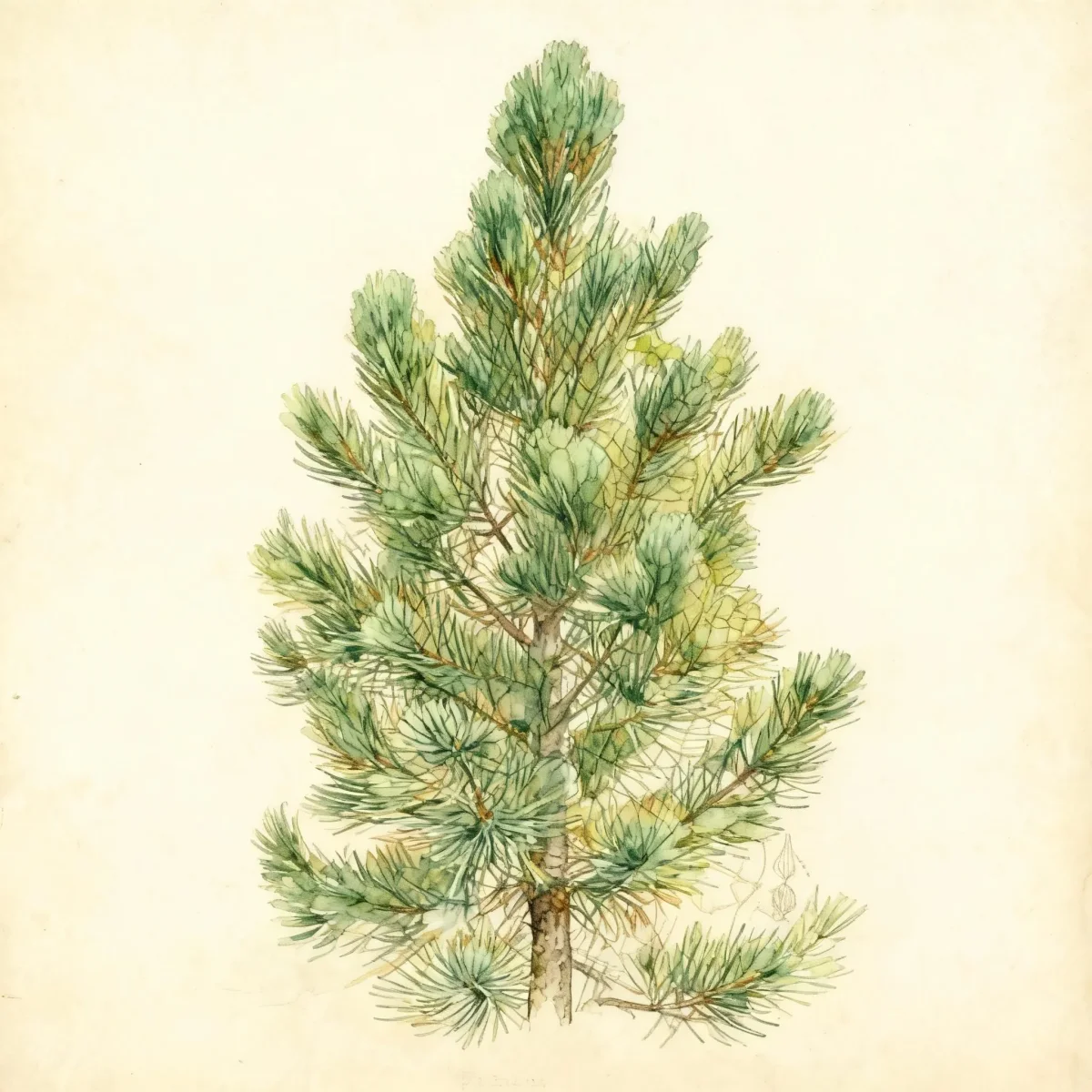
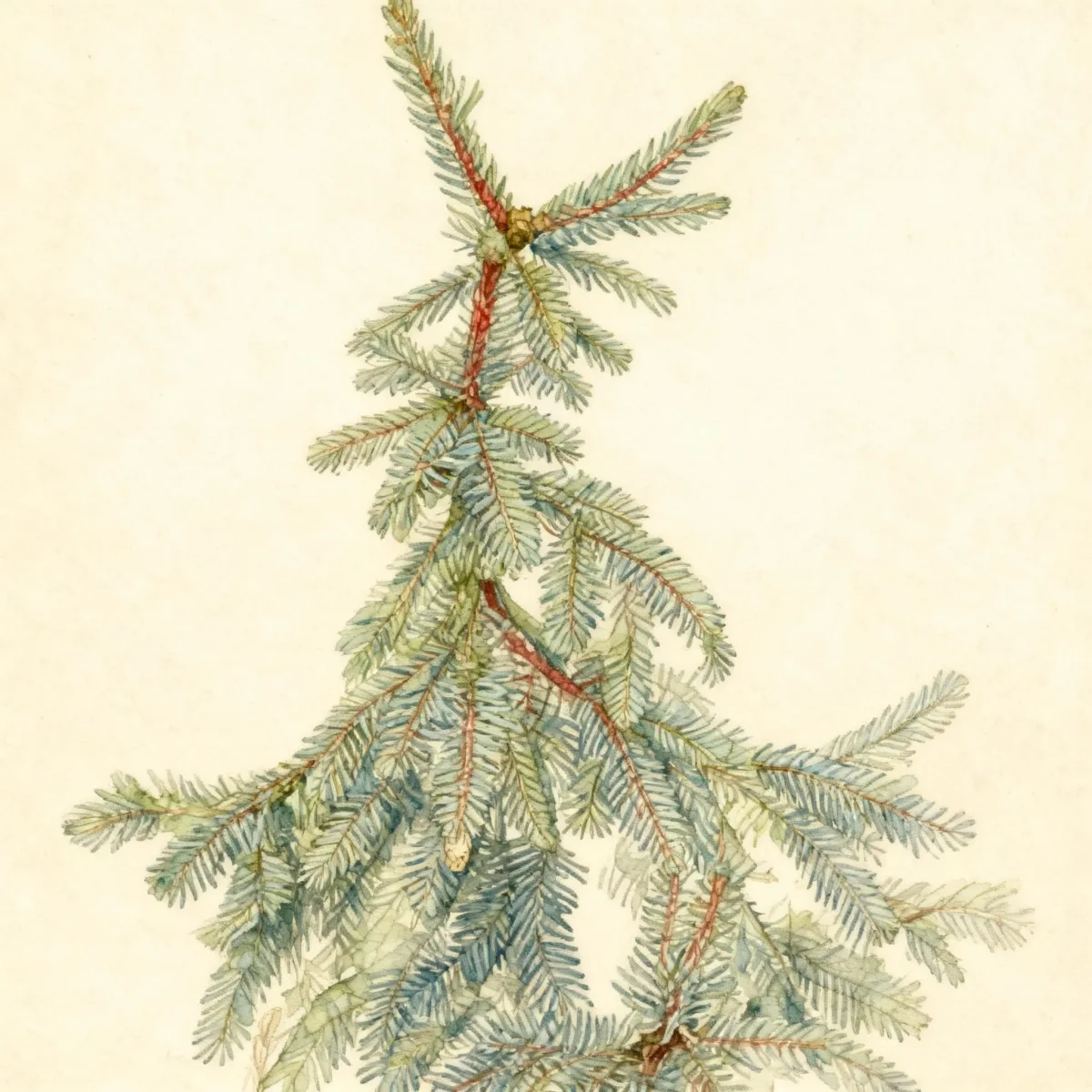
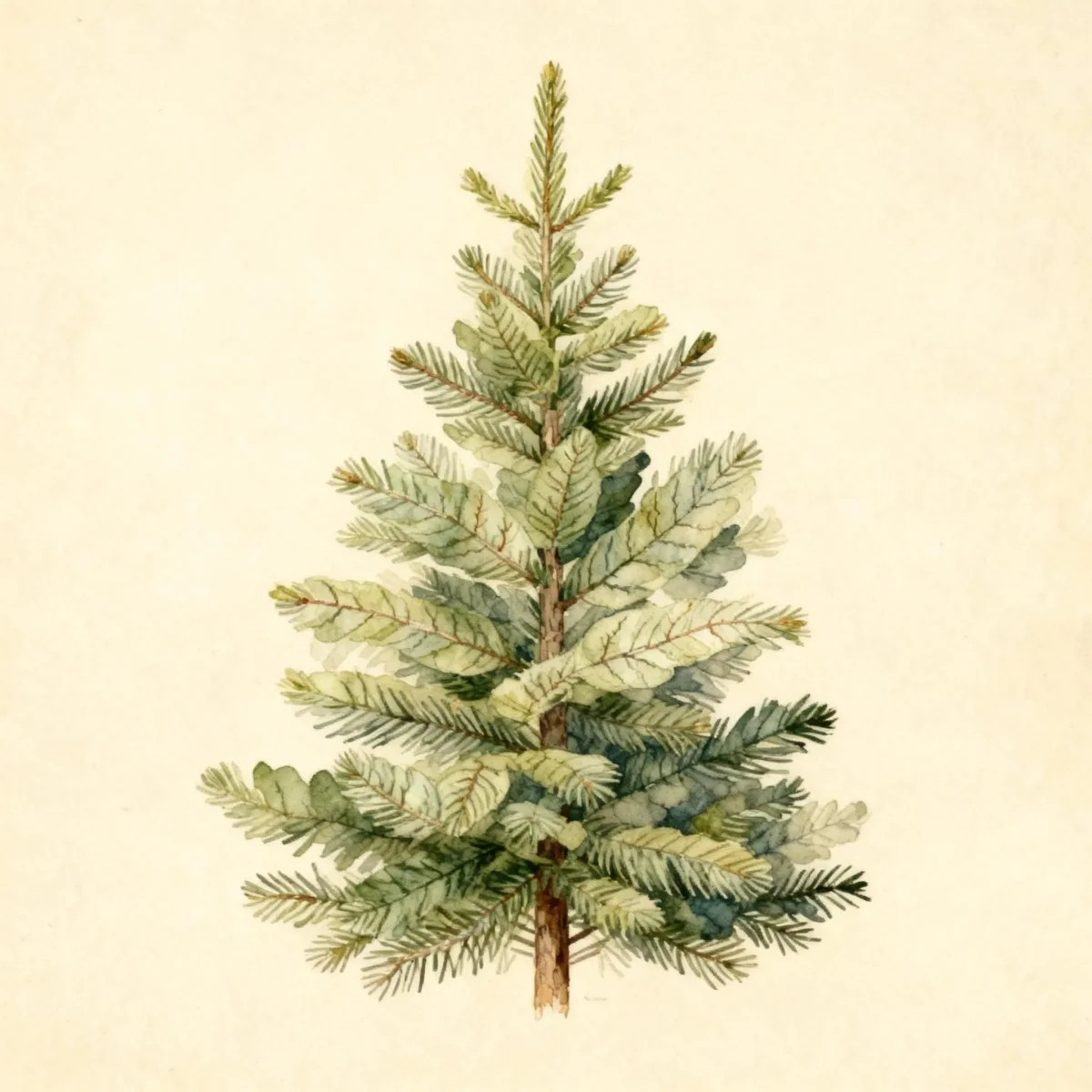
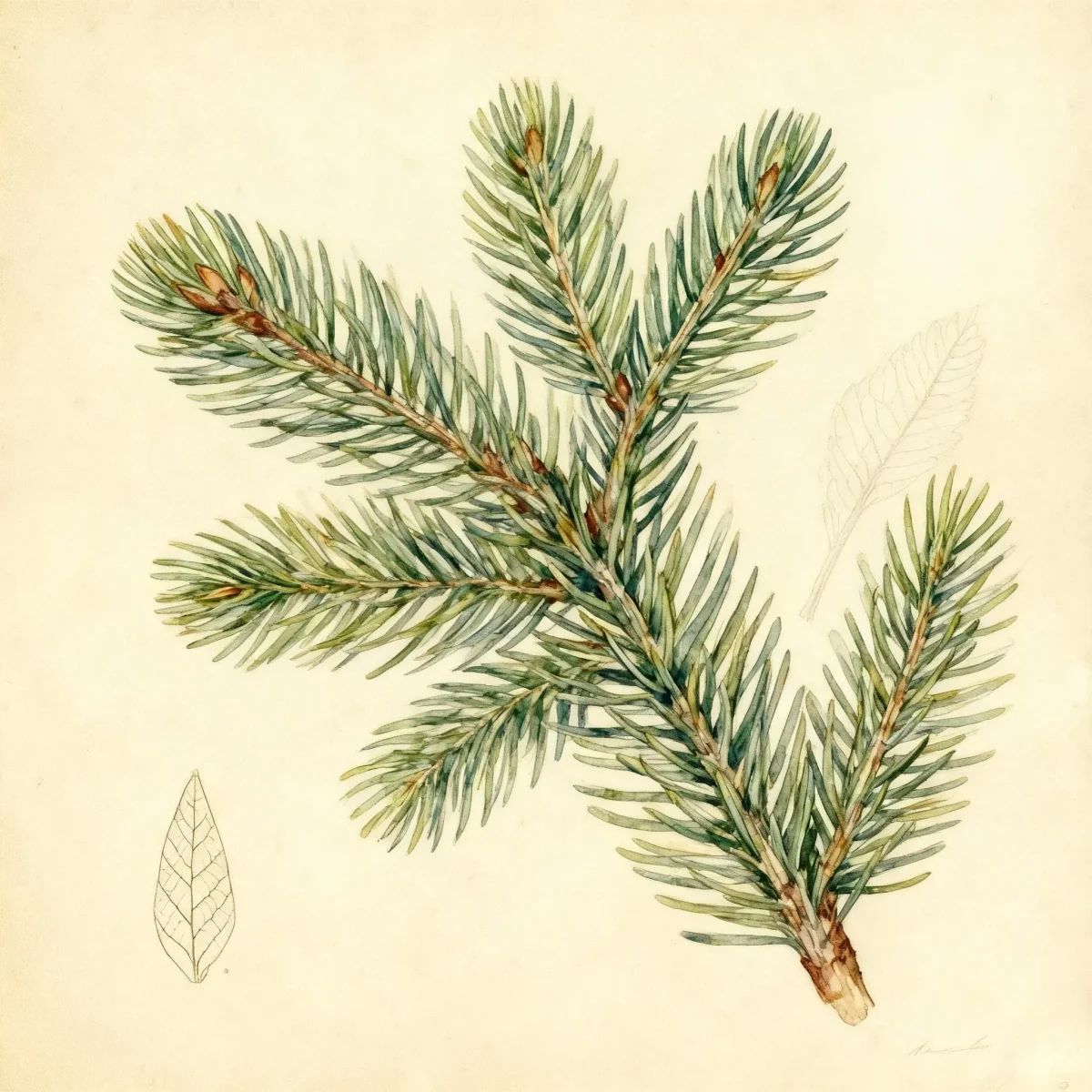
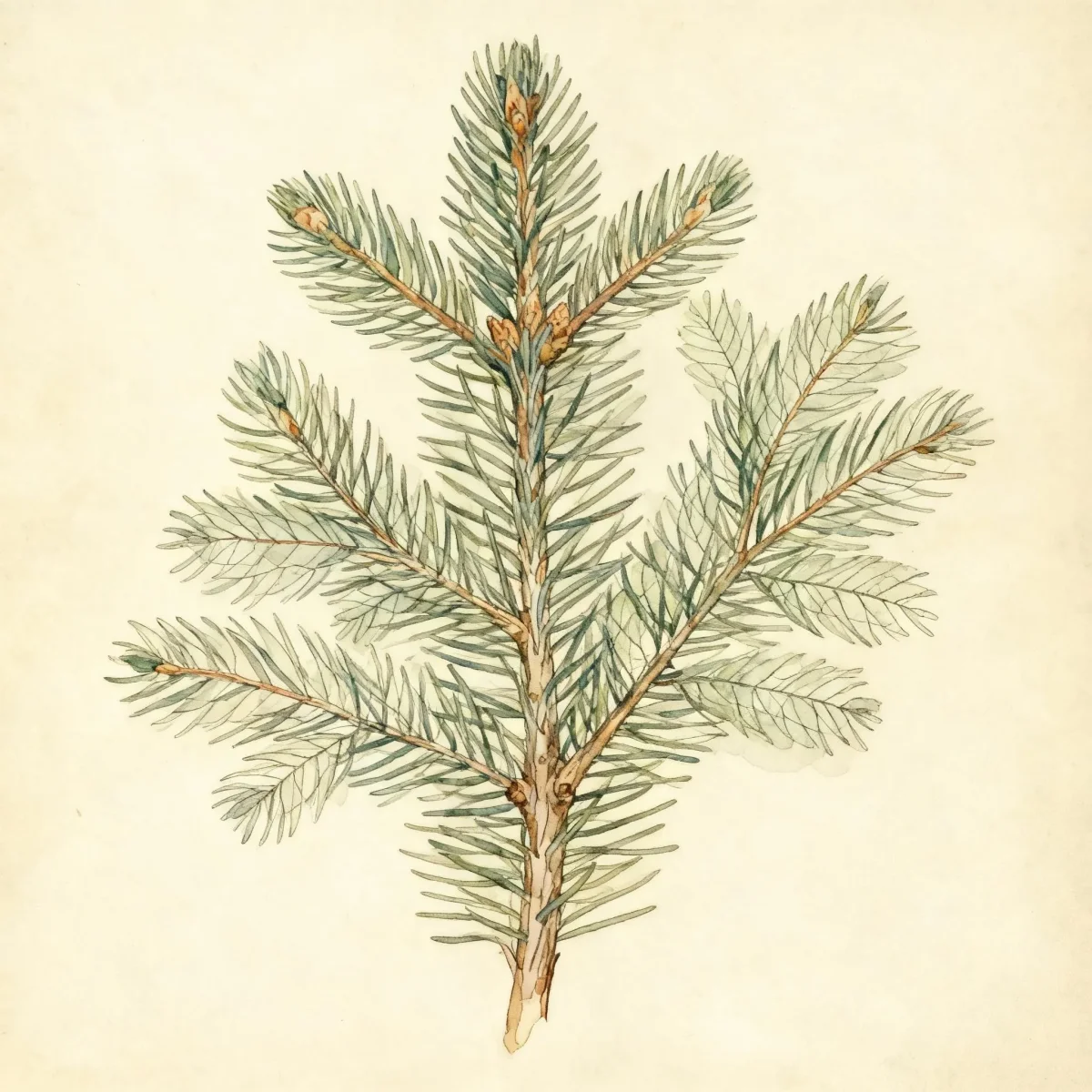
Swiss stone pine (Pinus cembra)
The Swiss stone pine (Pinus cembra) is a slow-growing, low-maintenance evergreen valued for its soft needles and edible seed cones.
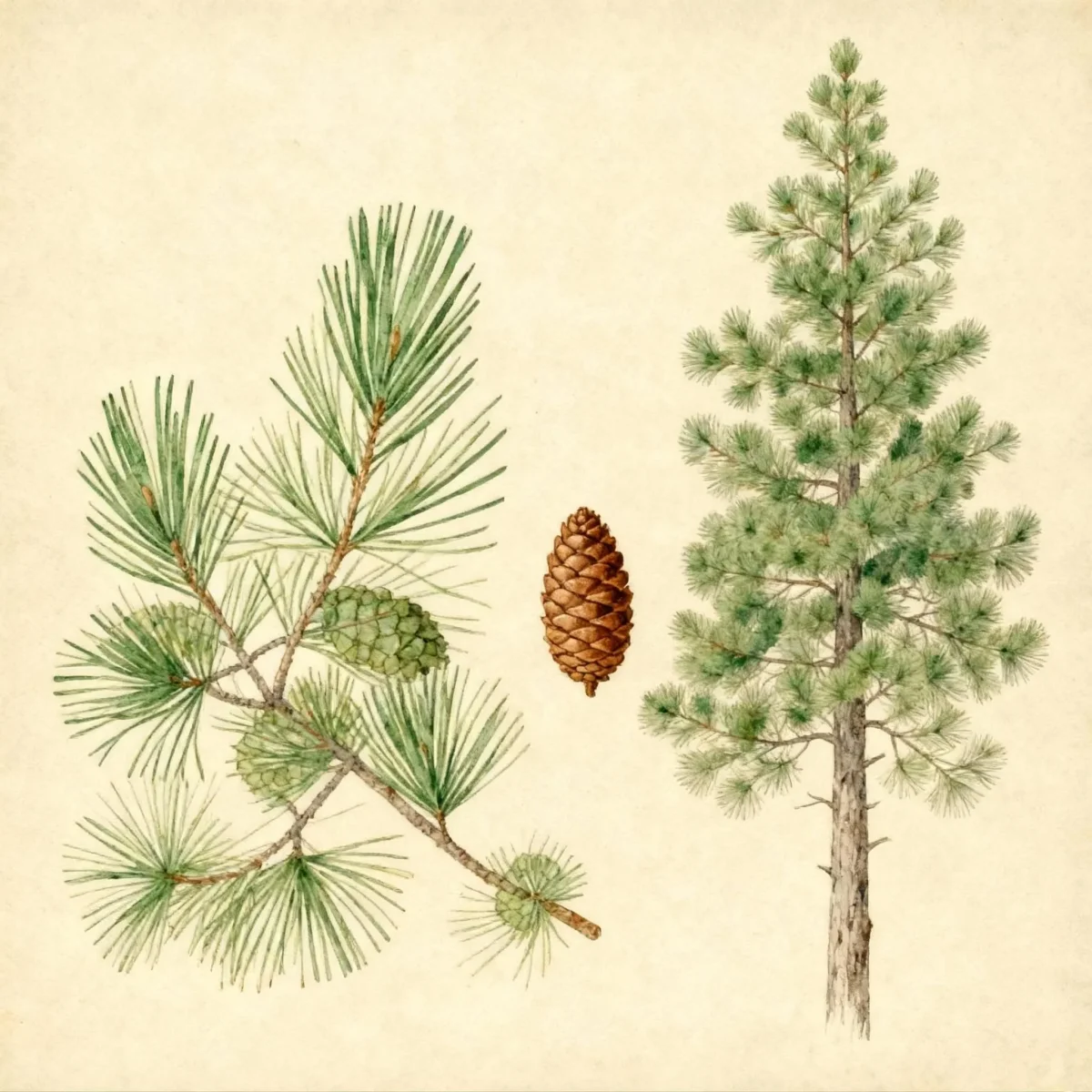

Bloom Boldly, No Matter the Season - Sweatshirt
Cozy organic cotton sweatshirt featuring our exclusive Purple Coneflower design. Perfect for gardeners who bloom year-round.
Inspired by the beautiful Swiss stone pine
Limited first batch (50) — join the waitlist for early access
Waitlist closes Feb 15, 2026.
Complete Plant Information
Field Guide Continues
Ready for care notes, companion picks, and planting tips?
The map is just the start. The full guide below covers growth habits, seasonal performance, and landscape uses.
Overview
The Swiss stone pine (Pinus cembra) is a highly valued, slow-growing conifer, perfect for gardeners seeking long-term structure and hardiness, especially in cooler climates. Native to the high mountains of central Europe, this tree offers soft, blue-green needles that create a welcoming texture in the landscape. Its dense growth habit provides year-round visual interest.
As a medium-sized pine reaching 30 to 40 feet in cultivation, the Pinus cembra maintains a manageable shape compared to many larger pines. A significant benefit is the production of large, oblong cones whose seeds are highly prized as edible pine nuts, a traditional food source in its native range. This species is generally resilient and exhibits low maintenance requirements once established.
With its preference for cool summers and good air circulation, the Swiss stone pine performs best when situated in full sun in well-drained soil. Gardeners in USDA Zones 4 through 7 will find this species an excellent, dependable addition requiring minimal intervention throughout the growing season.
Fast Facts
- Plant Family: Pinaceae
- Plant Type: Needled evergreen
- Native Range: Europe
- Hardiness Zones: USDA Zones 4-7
- Size at Maturity:
- Height: 30-40 ft
- Spread: 15-20 ft
- Bloom Time: Non-flowering
- Bloom Description: Non-flowering
- Sun Exposure: Full sun
- Water Needs: Medium
- Maintenance Level: Low
How to Grow
Planting the Swiss stone pine is best done in the spring or fall, allowing the root system time to establish before extreme summer heat or winter freezes. Choose a location that provides full sun exposure, although this species can tolerate some light shade. While adaptable to various soils, Pinus cembra thrives best in average, medium-moisture, well-drained soils, particularly sandy loams. Ensure the planting site has good air circulation, which is crucial for overall tree health.
Ongoing care for the Swiss stone pine is generally minimal, reflecting its low maintenance rating. Water deeply and regularly during the first few years, especially during dry spells, to encourage deep rooting. Once established, its medium water needs mean supplemental watering may only be necessary during prolonged drought periods. Fertilization is rarely required if the soil fertility is adequate. Pruning should be held to an absolute minimum, focusing only on removing damaged or crossing branches to preserve the natural, attractive form of the pine.
This magnificent conifer should not be planted south of USDA Zone 7, as it requires the cooler summer climates characteristic of its mountainous native environment. Be mindful of its ultimate size when selecting a site, as it is a medium to large specimen tree. Avoid planting in areas where water tends to pool, as poor drainage is rapidly detrimental to stone pines.
Landscape Uses
The Swiss stone pine excels as a specimen pine, particularly in smaller landscapes where its eventual size (30-40 ft tall) can be accommodated without overwhelming the space. Its stately, narrow pyramidal shape in youth transitions to a more rounded, open crown, offering year-round structure and vertical accent in foundation plantings or near entryways. While it is excellent as a focal point, it can also serve as an effective backdrop tree in naturalized gardens.
Due to its preference for cool, well-drained conditions, this species pairs well with other hardy, slow-growing conifers that share similar cultural habits. Consider placing it near groundcovers that appreciate excellent drainage, or use it to anchor mixed borders featuring hardy shrubs that tolerate partial shade during the hottest part of the day. Avoid placing it too closely to structures or pavement that might reflect excessive heat.
The distinctive soft texture of the needles makes the Pinus cembra a grounding element in the landscape design. It provides excellent year-round screening and visual massing, contrasting nicely with finer-textured deciduous plants planted nearby.
Standout Features
Noteworthy Characteristics
Pinus cembra, commonly called Swiss stone pine or arolla pine, is native to mountain areas in central Europe from the Alps to the Carpathians. It is a slow-growing, medium-sized pine with a narrow pyramidal shape in its youth, gradually becoming rounded and more open as it matures. Soft, dark green to blue green needles appear in bundles of five, and the cones are unique because they never open, yielding edible seeds coveted as pine nuts.
Tolerances
- Deer
Potential Problems
Healthy, well-maintained trees usually have few significant problems, as the Swiss stone pine demonstrates good resistance to blister rust. Potential disease issues, however, may include various fungal blights, root rots, or cankers, especially if soil drainage is poor or air circulation is restricted. Insect pests to watch for include common problems like caterpillars, borers, and scale insects; regular visual inspections are the best preventative measure. Managing potential problems involves ensuring the tree is planted in its preferred full sun, well-drained location and maintaining proper cultural care to boost natural defenses.
Frequently Asked Questions
What hardiness zones is Swiss stone pine suitable for?
The Pinus cembra is suitable for USDA Hardiness Zones 4 through 7.
How large does Swiss stone pine grow?
The Swiss stone pine typically reaches a height between 30 and 40 feet, with a spread of 15 to 20 feet at maturity.
What sun exposure does Pinus cembra need?
This pine requires full sun for optimal growth and health, although it can tolerate some light shade.
When does Pinus cembra bloom?
Pinus cembra is classified as non-flowering, as it is a conifer producing cones rather than traditional flowers.
Conclusion
The Swiss stone pine (Pinus cembra) offers exceptional value to the dedicated gardener through its beautiful, soft foliage, low maintenance needs, and edible cone production. If your site offers full sun and well-drained soil within Zones 4-7, this resilient conifer is an excellent choice for long-term landscape impact. Consult your local climate map to ensure this beautiful European native is compatible with your growing season before planting.
Companion Planting
When selecting companions for Pinus cembra, prioritize plants that also prefer cool summer climates and well-drained soil. Because the Swiss stone pine requires low maintenance and good air movement, avoid dense understory shrubs that might restrict airflow near its base. Consider pairing it with hardy, acidic-loving shrubs like Rhododendrons or Azaleas for textural contrast, provided they are given adequate space to thrive without competing heavily for root resources. In rock gardens or alpine-style plantings, low-growing junipers or dwarf conifers can complement its upright form without overwhelming it.
Seasonal Care Calendar
Spring is the ideal time to inspect your Swiss stone pine for any winter damage or signs of emerging pests before heavy growth begins. Avoid heavy fertilization; if you must amend the soil, use a slow-release granular fertilizer formulated for acid-loving or evergreen plants in early spring. During the summer, monitor moisture levels closely, especially for newly planted specimens, ensuring medium water requirements are met without overwatering. In autumn, rake away fallen debris from the base of the tree to improve winter air circulation and reduce potential hiding spots for overwintering pests. Minimal winter preparation is usually needed for hardy Pinus cembra, though newly planted trees may benefit from wrapping the trunk to prevent sunscald.