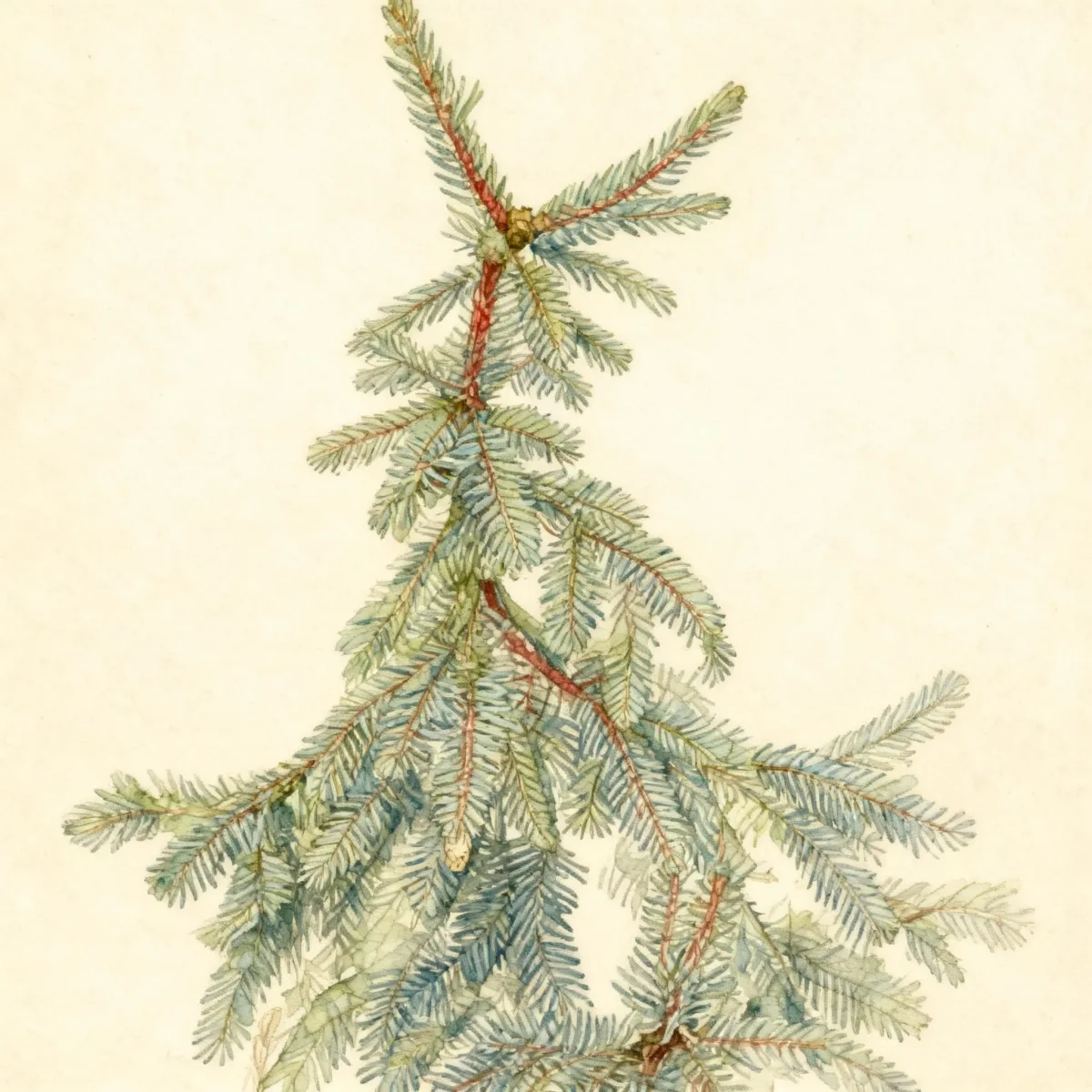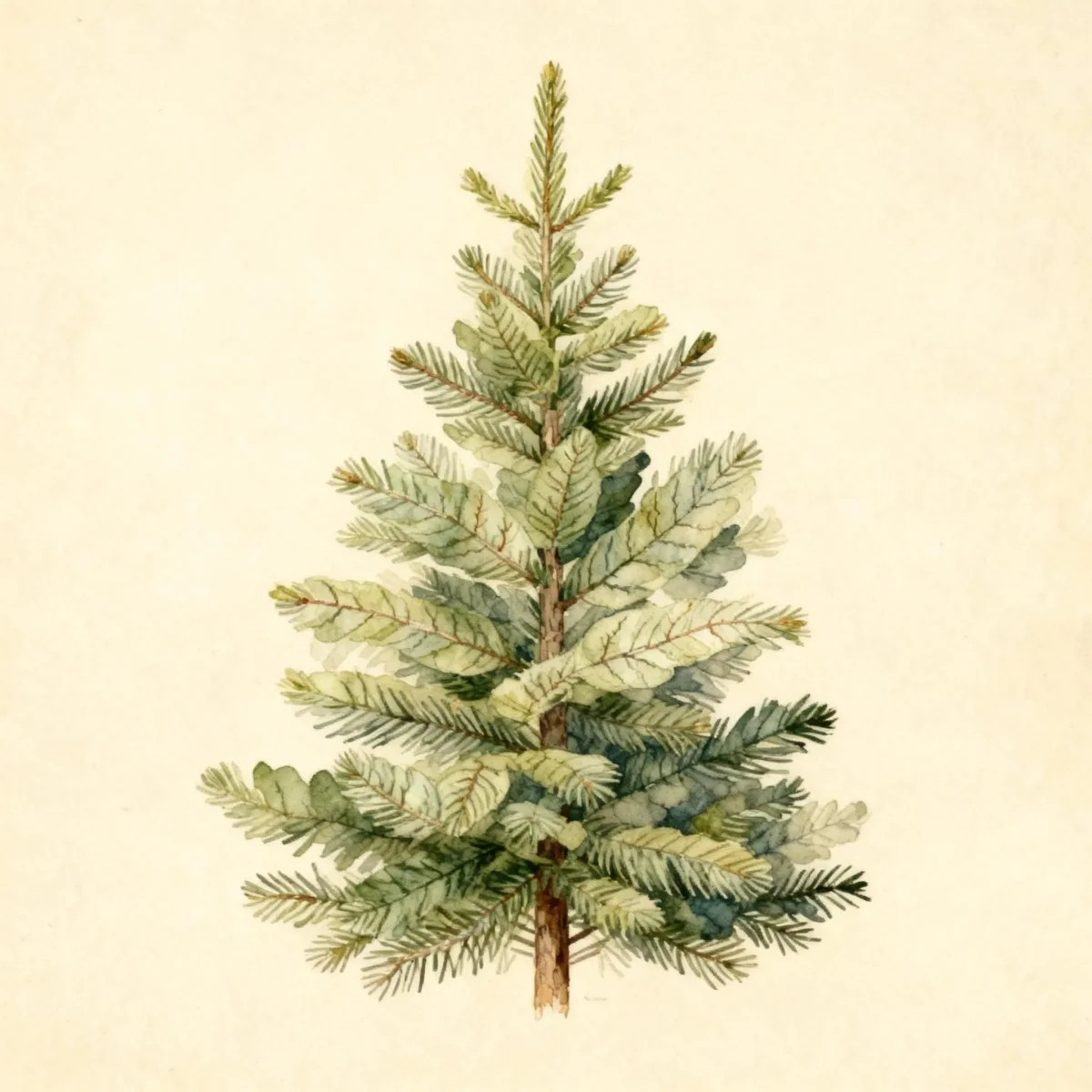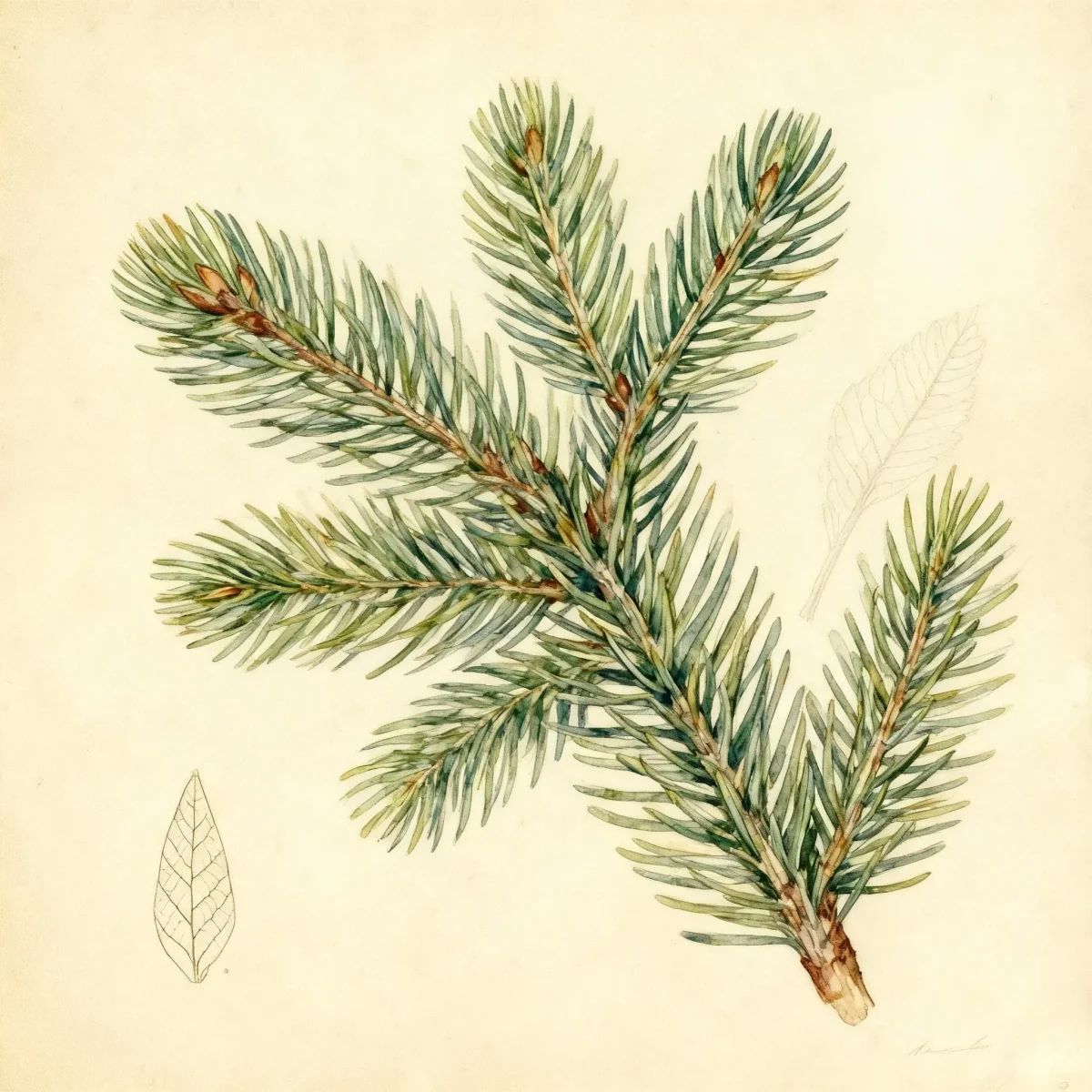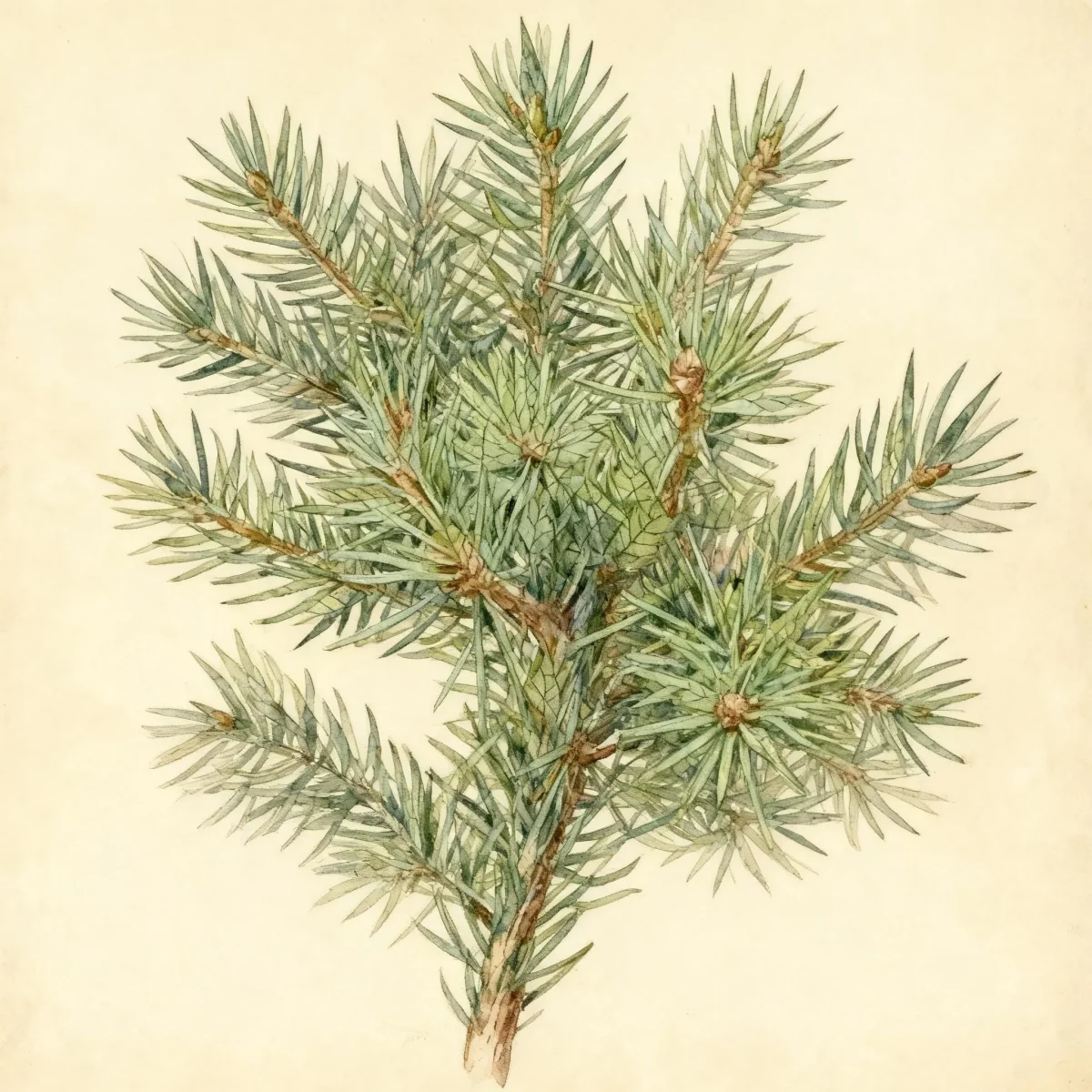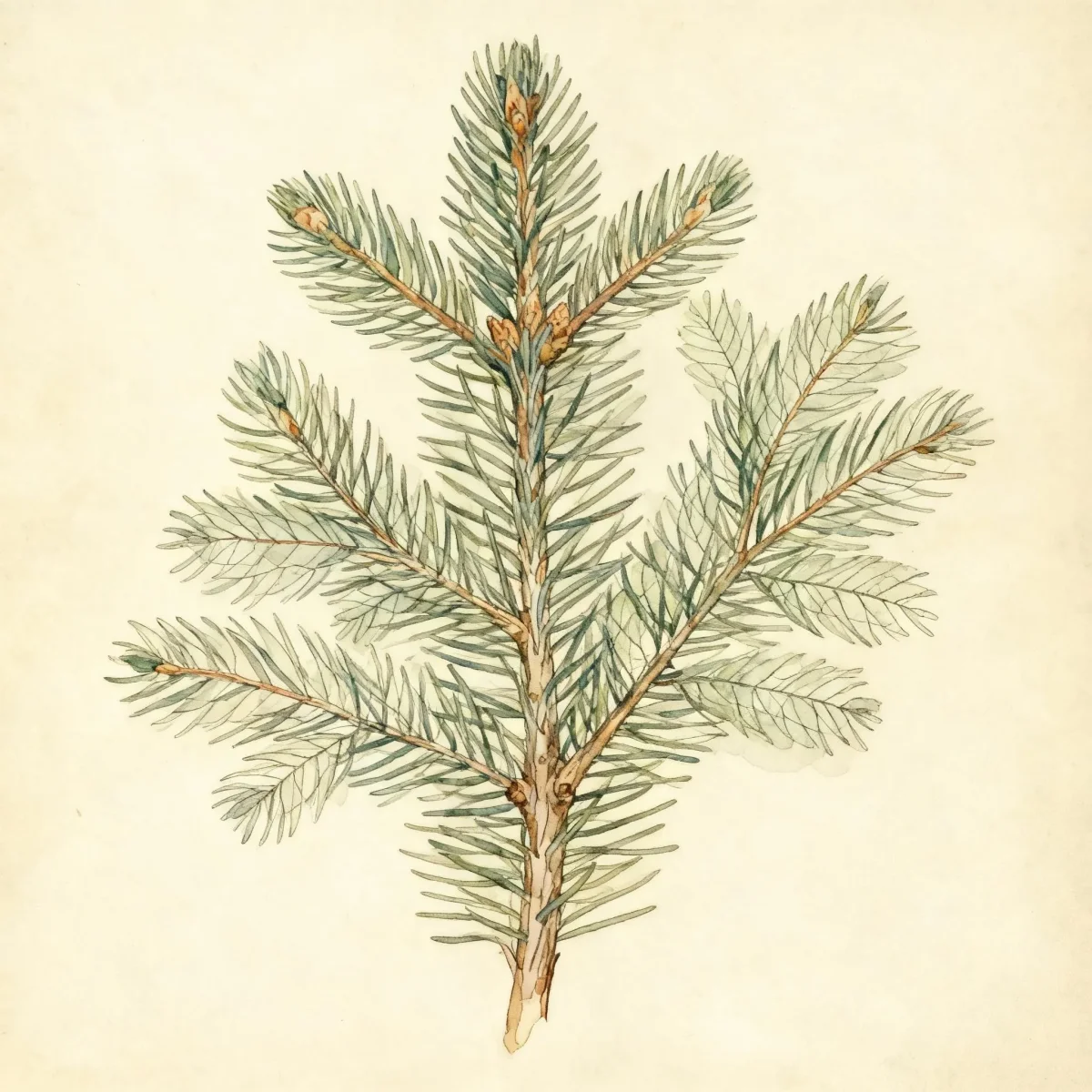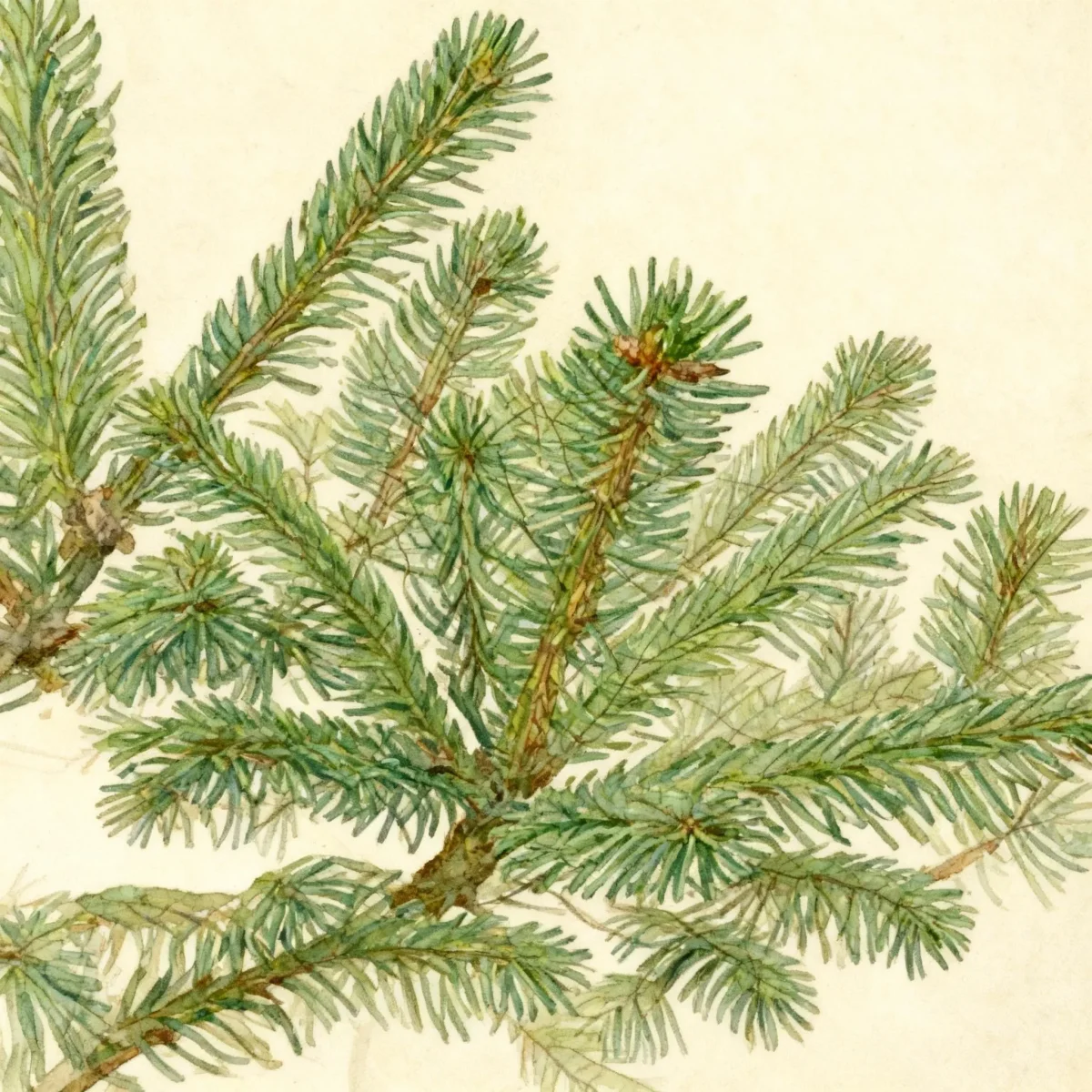

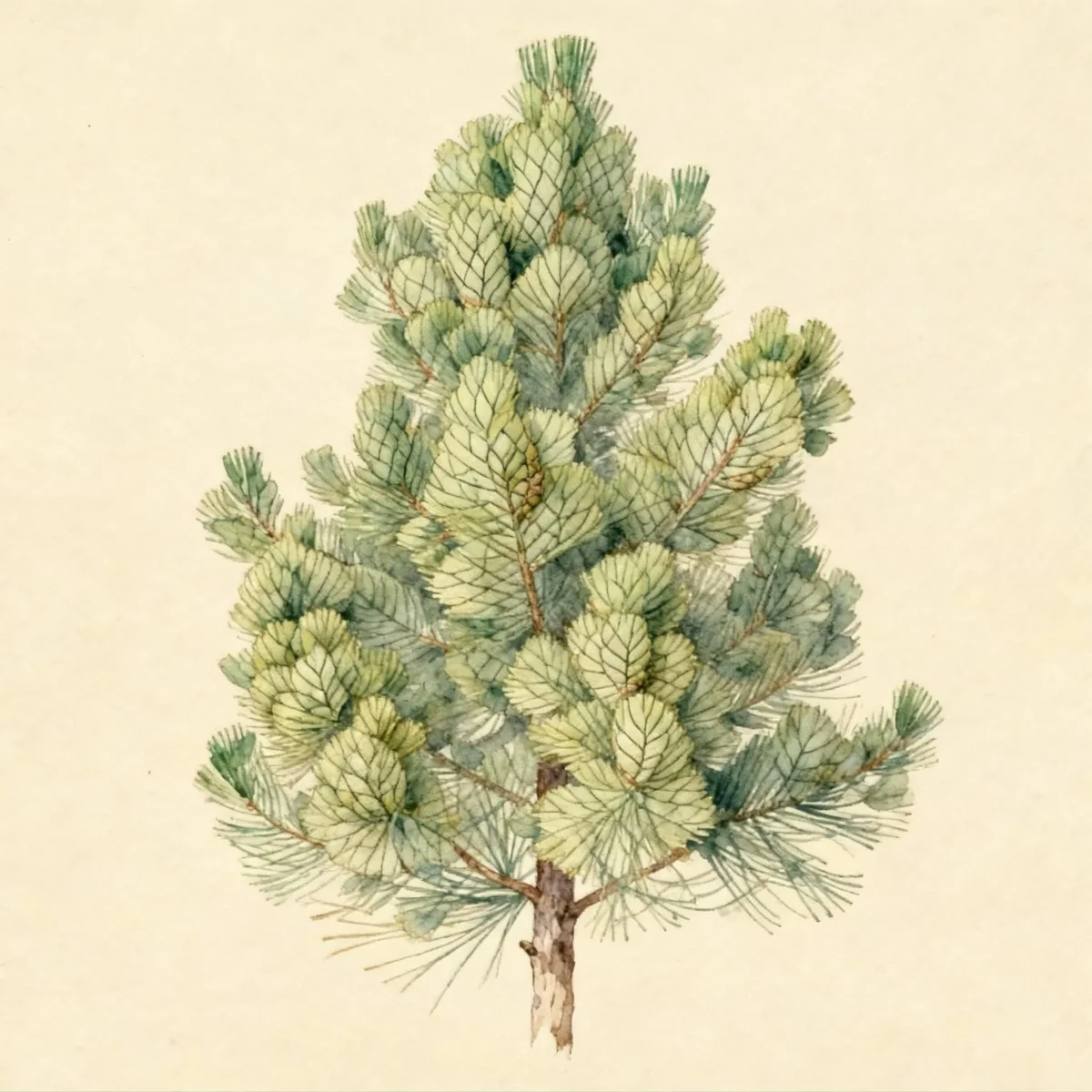
Bosnian pine (Pinus heldreichii)
The Bosnian pine (Pinus heldreichii) is a low-maintenance, striking needled evergreen ideal for specimen planting in full sun.
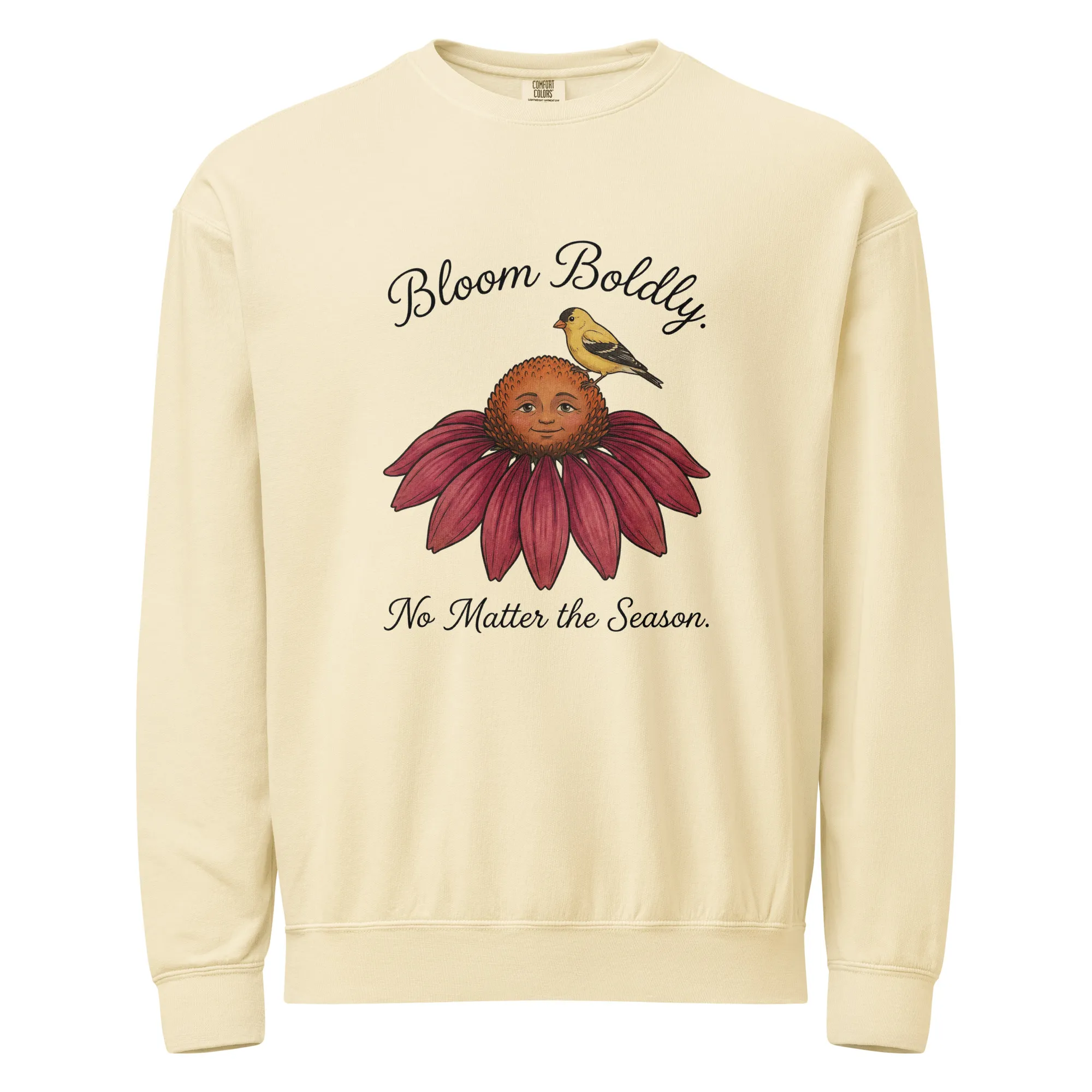
Bloom Boldly, No Matter the Season - Sweatshirt
Cozy organic cotton sweatshirt featuring our exclusive Purple Coneflower design. Perfect for gardeners who bloom year-round.
Inspired by the beautiful Bosnian pine
Limited first batch (50) — join the waitlist for early access
Waitlist closes Feb 15, 2026.
Complete Plant Information
Field Guide Continues
Ready for care notes, companion picks, and planting tips?
The map is just the start. The full guide below covers growth habits, seasonal performance, and landscape uses.
Overview
The Bosnian pine, scientifically known as Pinus heldreichii, is a highly valued conifer celebrated for its dense, dark green foliage and inherently structured, often conical form when young. This slow-to-medium-growing evergreen provides year-round color and architectural interest, making it an exceptional choice for formal or specimen plantings where structural stability is required. It offers remarkable resilience once established, thriving in conditions that challenge many other pines.
Native to high-elevation, dry limestone soils in the Balkans, this species is adaptable across a surprisingly wide range of climates, performing well in USDA Zones 3 through 8. While its growth rate is moderate, the eventual height and spread of Pinus heldreichii make it a commanding feature in the landscape, maturing into a formal, handsome upright tree. Gardeners appreciate the low maintenance associated with this tough species.
Its aesthetic appeal is tied to its glossy needles, which have an ascending branch structure that maintains a clean, formal outline. Whether used as a bold specimen or integrated into groupings, the Bosnian pine contributes significant vertical structure and evergreen texture throughout the year, providing excellent visual impact against softer surrounding plantings.
Fast Facts
- Plant Family: Pinaceae
- Plant Type: Needled evergreen
- Native Range: Mediterranean
- Hardiness Zones: USDA Zones 3-8
- Size at Maturity:
- Height: 50-70 ft
- Spread: 20-40 ft
- Bloom Time: Non-flowering
- Bloom Description: Non-flowering
- Sun Exposure: Full sun
- Water Needs: Medium
- Maintenance Level: Low
How to Grow
The best time to plant your Pinus heldreichii is in the early spring or fall, allowing the root system time to establish before extreme summer heat or winter cold sets in. Site selection is crucial: ensure the location receives full sun exposure throughout the day. For optimal health, incorporate organic matter into the soil, as this tree prefers moist, well-drained loams. While adaptable to clay or sandy soils, the absolute must is excellent drainage; avoid any site prone to standing water.
Watering should be consistent while an initial planting is establishing its root ball. After establishment, the Bosnian pine requires medium water, meaning supplemental irrigation during prolonged dry spells is necessary, especially as it dislikes the high heat and humidity common in the deep South, preferring cooler summers. Generally, very little pruning is required unless correcting storm damage or shaping very young specimens to maintain their conical form.
Maintenance for this tree is typically low once established. Avoid over-fertilizing, which can encourage weak, rapid growth susceptible to problems. Pay attention to climate compatibility; successful cultivation of Pinus heldreichii hinges on providing the cool summer climates it naturally favors when possible.
Landscape Uses
The stately form of the Bosnian pine makes it an incredible feature for landscapes requiring height and year-round structure. Given its mature dimensions, it functions perfectly as a stately shade tree or a commanding specimen planted in a prominent lawn area where its texture can be fully appreciated. Its dense, upright habit also makes Pinus heldreichii suitable for creating effective, long-lasting screens or windbreaks where layered privacy is desired.
Planting in small groups can create dramatic focal points, contrasting nicely with the softer textures of deciduous shrubs or broadleaf evergreens. Consider pairing the dark green needles of the Bosnian pine with plants that offer contrasting bark or fall color to enhance its year-round appeal. Its preference for well-drained soil also means it often pairs well with other Mediterranean or mountain-native species that share similar root zone requirements.
Standout Features
Noteworthy Characteristics
Pinus heldreichii, commonly called Bosnian pine, is native to dry limestone soils in mountain areas of the Balkans, Italy and Greece. In its native habitat, it grows to 60-90’ tall, but in cultivation, it typically grows to 30-40’ tall. When young, this tree typically grows in a conical form, featuring glossy dark green needles arranged in pairs with ascending branches, maturing to a handsome ash-gray bark.
Tolerances
- Deer
Potential Problems
In its native environment, Pinus heldreichii is robust, but cultivation outside its ideal range can introduce issues. The main challenge is managing climate stress, as these trees often struggle in excessive heat and humidity, making them susceptible to various secondary infections. Keep an eye out for tip blight, rusts, and rots, which often take hold when the tree is stressed by unfavorable conditions like poor drainage or excessive heat.
Pest management requires vigilance. Pine needle scale can become a serious problem in certain regions, requiring targeted horticultural oils or insecticides during specific life stages. Additionally, common pests like sawflies, moths, beetles, bagworms, and borers may appear, especially on younger or weaker trees. Maintaining optimal growing conditions—full sun and well-drained soil—is the best defense against these potential problems.
Frequently Asked Questions
What hardiness zones is Bosnian pine suitable for?
The Bosnian pine (Pinus heldreichii) is reliably hardy from USDA Zones 3 through 8.
How large does Bosnian pine grow?
This tree typically reaches a mature height between 50 and 70 feet, with a spread ranging from 20 to 40 feet wide.
What sun exposure does Pinus heldreichii need?
Pinus heldreichii requires full sun exposure to develop its best form and resist disease.
When does Bosnian pine bloom?
The Bosnian pine is a conifer and is classified as non-flowering.
Conclusion
The low-maintenance, visually complex nature of the Bosnian pine makes it an indispensable accent for gardeners needing permanent vertical structure. The reliability of Pinus heldreichii in cooler climates coupled with its tolerance of mediocre soils ensures it remains a premier choice for specimen planting. Before planting, confirm that your site offers full sun and excellent drainage, allowing this rugged pine to thrive for decades.
Companion Planting
Selecting appropriate companions for the Bosnian pine can enhance visual contrast and manage the landscape environment. Focus on low-growing perennials or shrubs that thrive in full sun and enjoy well-drained conditions. Consider using plants with silvery or variegated foliage that contrast with the deep green needles of Pinus heldreichii. Groundcovers that dislike competition at the root line, or plants that prefer drier conditions, work well beneath the canopy of this mature pine since its root system can be somewhat demanding of available soil moisture.
Design Ideas
Due to its strong, pyramidal to conical mature shape, the Bosnian pine excels as an anchor in formal landscape designs. It serves magnificently as a terminus point for long sightlines or placed deliberately off-center to create dynamic asymmetry. In contemporary designs, one specimen of Pinus heldreichii can act as living sculpture against minimalist hardscaping dominated by stone or gravel, reflecting its native limestone habitat. For screens, plant seedlings closer than their mature spread suggests, allowing them to merge into an impenetrable, handsome barrier.