American sycamore (Platanus occidentalis)
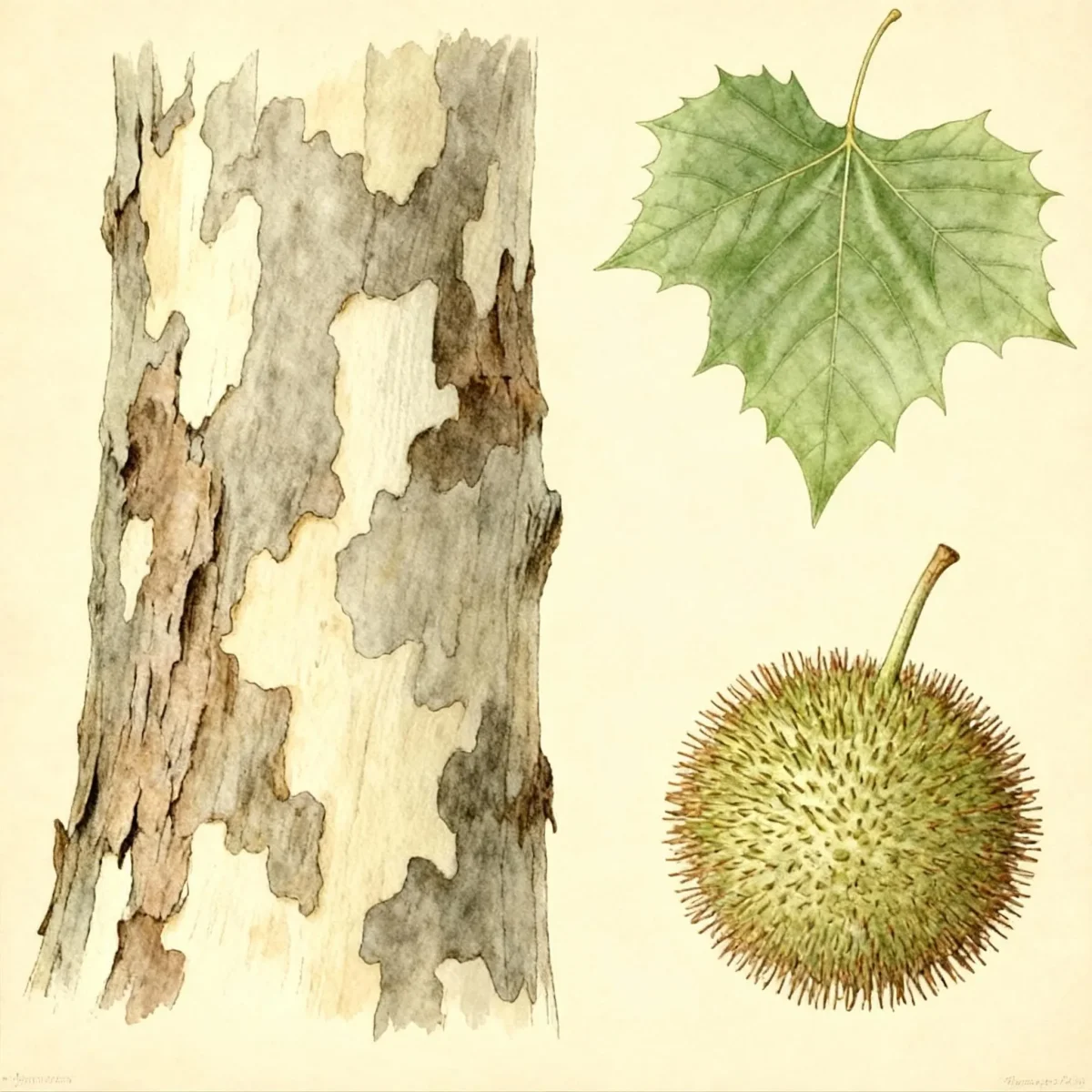
The American sycamore (Platanus occidentalis) is a massive native tree, famed for its exfoliating white bark. It thrives in wet conditions in zones 4-9.

Bloom Boldly, No Matter the Season - Sweatshirt
Cozy organic cotton sweatshirt featuring our exclusive Purple Coneflower design. Perfect for gardeners who bloom year-round.
Inspired by the beautiful American sycamore
Limited first batch (50) — join the waitlist for early access
Waitlist closes Feb 15, 2026.
Complete Plant Information
Field Guide Continues
Ready for care notes, companion picks, and planting tips?
The map is just the start. The full guide below covers growth habits, seasonal performance, and landscape uses.
Overview
The American sycamore (Platanus occidentalis) stands as one of the most impressive native trees of eastern North America, prized primarily for its immense scale and spectacular mottled bark. This beautiful deciduous tree develops large, peeling sheets of brown outer bark, revealing underlying creamy white wood, making the Platanus occidentalis easily identifiable even from a great distance. When selecting a location, gardeners must account for its massive mature size, as it requires significant space to develop its characteristic horizontal branching pattern.
Platanus occidentalis naturally favors riparian areas, growing largest along streams, rivers, and flood plains, which reflects its preference for consistently moist soils. While it demands a large footprint, its tolerance for various urban pollutants and wet conditions makes it a robust choice where few other large trees can thrive. The dramatic seasonal transition from large, lobed leaves to persistent, unique spherical fruit balls adds continuous visual interest throughout the year for the devoted steward of this giant.
Fast Facts
- Plant Family: Platanaceae
- Plant Type: Tree
- Native Range: Southeastern United States
- Hardiness Zones: USDA Zones 4-9
- Size at Maturity:
- Height: 75-100 ft
- Spread: 75-100 ft
- Bloom Time: April
- Bloom Description: Yellow (male) and red (female)
- Sun Exposure: Full sun
- Water Needs: Medium to wet
- Maintenance Level: High
How to Grow
Planting the American sycamore should ideally occur in spring or fall when the tree is dormant. Select a location that provides ample room for its mature spread of up to 100 feet. This tree easily grows in average, medium to wet, well-drained soils, though it especially prefers rich, humusy, consistently moist conditions. While it tolerates light shade, full sun exposure yields the best growth and bark development.
Once established, watering requirements should focus on maintaining medium to wet soil conditions, especially during dry spells, reflecting its natural habitat along waterways. Fertilization is rarely necessary unless the soil is severely depleted; focus on amending the soil with organic matter initially. Pruning should be minimal, focusing mainly on removing crossing or damaged limbs, as its natural form is generally excellent.
Be mindful that the Platanus occidentalis is prone to sycamore anthracnose, which can cause premature leaf drop early in the season. Although the tree usually recovers, sanitation—removing infected twigs promptly—is crucial. Mulching well will help moderate soil temperatures and retain the consistent moisture this large species appreciates.
Landscape Uses
The primary utility of the American sycamore lies in providing monumental shade in very large landscapes, such as parks, large estates, or near natural water features. Consider planting it where its impressive trunk and bark can act as a year-round specimen feature, perhaps against a dark backdrop of evergreen trees. Because Platanus occidentalis is renowned for its size and litter production from large leaves, persistent fruiting balls, and exfoliating bark, it is generally considered too large and messy for standard residential yards or street tree planting.
Its high tolerance for wet soil makes the American sycamore an excellent candidate for rain garden installations or areas with fluctuating water tables, fulfilling its suggested use as a rain garden specimen. While companion planting choices are limited by its vast size, native grasses or moisture-loving understory shrubs that can tolerate shade during establishment are good pairings. If you have a vast space where grandeur is the goal, utilizing the natural majesty of the Platanus occidentalis is unmatched.
Standout Features
Flower Qualities
- Insignificant
Fruit Qualities
- Showy
Noteworthy Characteristics
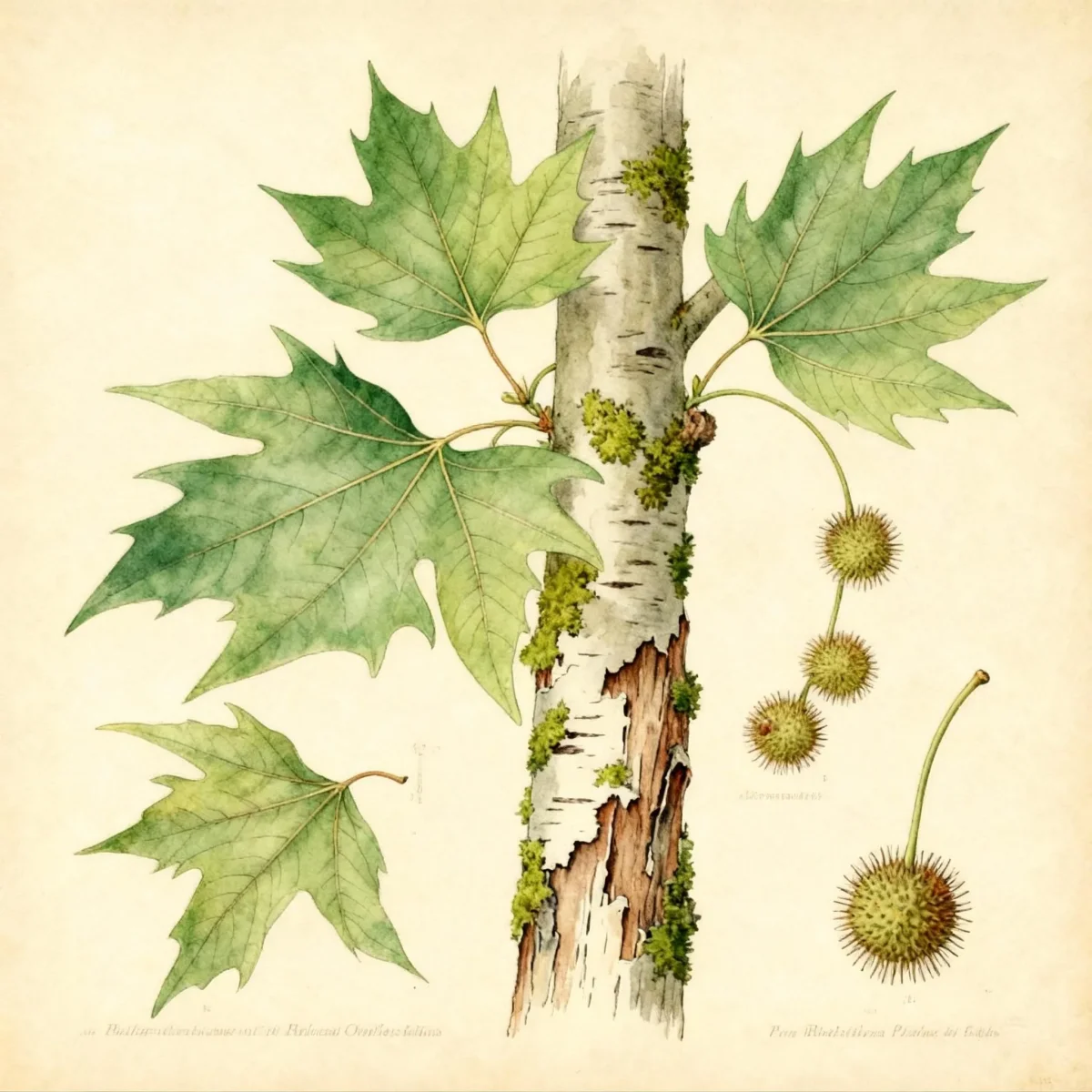
Platanus occidentalis, commonly called sycamore, American sycamore, eastern sycamore, buttonwood or buttonball tree, is generally regarded to be the most massive tree indigenous to eastern North America. This deciduous, usually single-trunk tree typically grows to 75-100’ tall with horizontal branching and a rounded habit, often reaching trunk diameters up to 8 feet or more. The signature ornamental feature of this huge tree is its brown bark which exfoliates in irregular pieces to reveal creamy white inner bark, creating a mottled pattern on mature specimens. Its large, three-to-five lobed leaves turn an undistinguished yellow-brown in the fall, followed by fuzzy, spherical fruiting balls that persist into winter.
Tolerances
- Deer
- Wet Soil
- Black Walnut
- Air Pollution
Potential Problems
Managing the American sycamore requires vigilance against sycamore anthracnose, a significant fungal disease that attacks foliage and twigs, often causing defoliation early in the season. To manage this, prune out infected twigs immediately and ensure good air circulation around the canopy. Other issues include leaf spot and powdery mildew, which are generally cosmetic.
In terms of pests, borers, scale insects, Japanese beetles, caterpillars, and mites can all be visitors to the Platanus occidentalis. Regular inspection during the growing season helps catch infestations early. However, the biggest maintenance challenge often comes from cleanup; the large leaves, shed bark pieces, and persistent spherical fruiting balls create significant litter, demanding high maintenance, especially when planted near patios or walkways.
Frequently Asked Questions
What hardiness zones is American sycamore suitable for?
The American sycamore (Platanus occidentalis) is suitable for USDA Hardiness Zones 4 through 9.
How large does American sycamore grow?
This tree reaches heights between 75 and 100 feet, with a similar spread ranging from 75 to 100 feet at maturity.
What sun exposure does American sycamore need?
Platanus occidentalis requires full sun for optimal vigor and expression of its unique bark characteristics.
When does American sycamore bloom?
Blooming occurs in April, producing small, inconspicuous monoecious flowers: yellow on the male flowers and red on the female flowers.
Conclusion
The sheer scale, striking exfoliating bark, and exceptional tolerance for wet ground make the American sycamore a magnificent choice for vast open spaces dominated by native flora. Successfully integrating Platanus occidentalis into your property depends entirely on acknowledging its high maintenance needs and providing the expansive room it requires to mature. Before planting, carefully verify that your site offers the space and moisture levels compatible with this eastern monarch.
Companion Planting
Selecting companions for the American sycamore must account for its massive canopy and the deeply shaded, often permanently moist understory it creates. Species that thrive in rich, moist-to-wet soils and tolerate significant shade work best. Consider underplanting with native ferns like Ostrich Fern (Matteuccia struthiopteris) or moisture-loving shrubs such as Buttonbush (Cephalanthus occidentalis). Keeping the area clear of smaller shrubs that might compete intensely for water and nutrients close to the trunk is wise.
Wildlife Benefits
The fruiting structures of the American sycamore provide winter sustenance for certain bird species, which will feed on the tiny seeds contained within the brown, spherical balls. While the pollen itself is wind-borne, the sheer size of the tree offers significant nesting and roosting habitat for many types of birds throughout the year. Its status as a native species in the Southeastern United States ensures it plays a crucial ecological role in supporting local fauna, especially in riparian restoration settings.