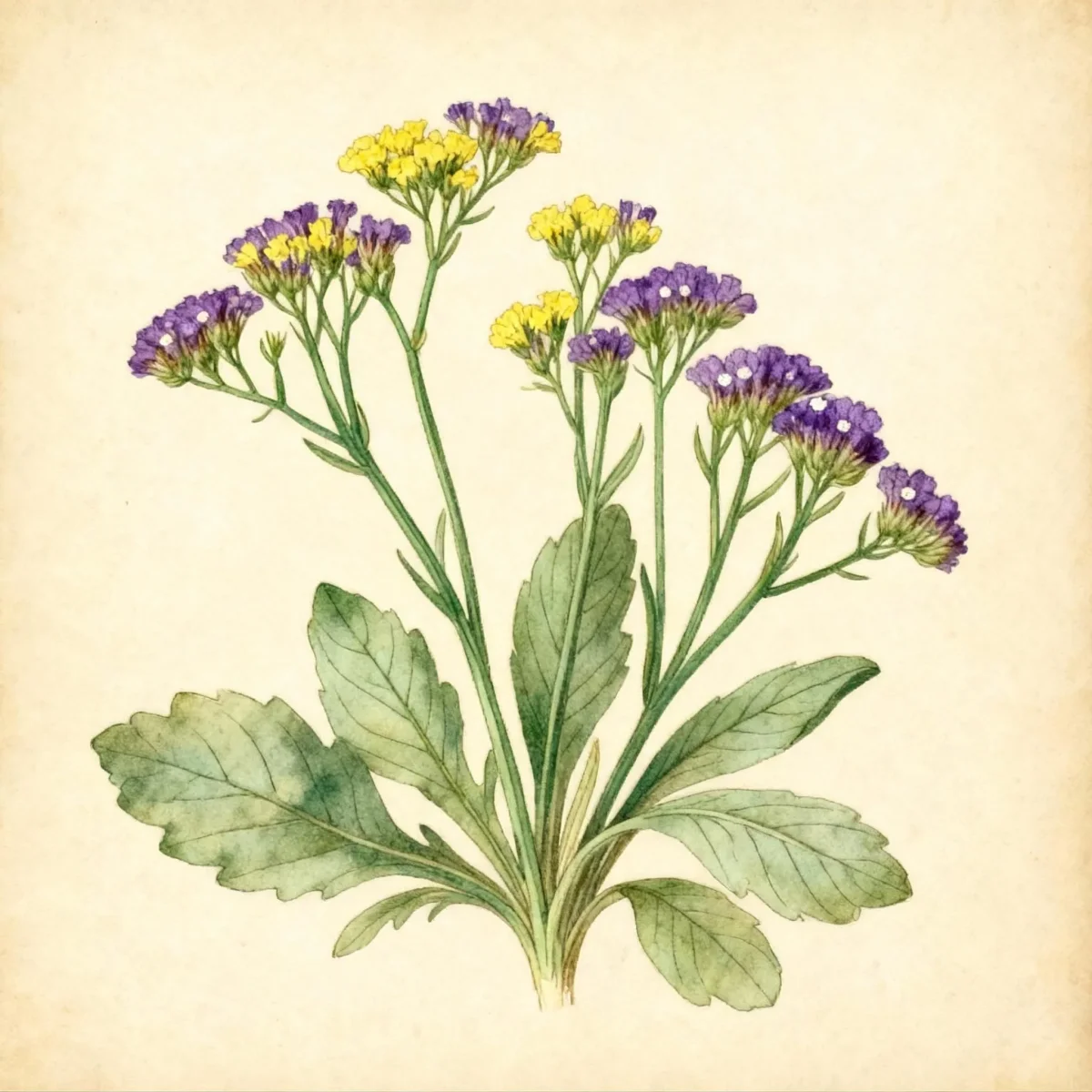
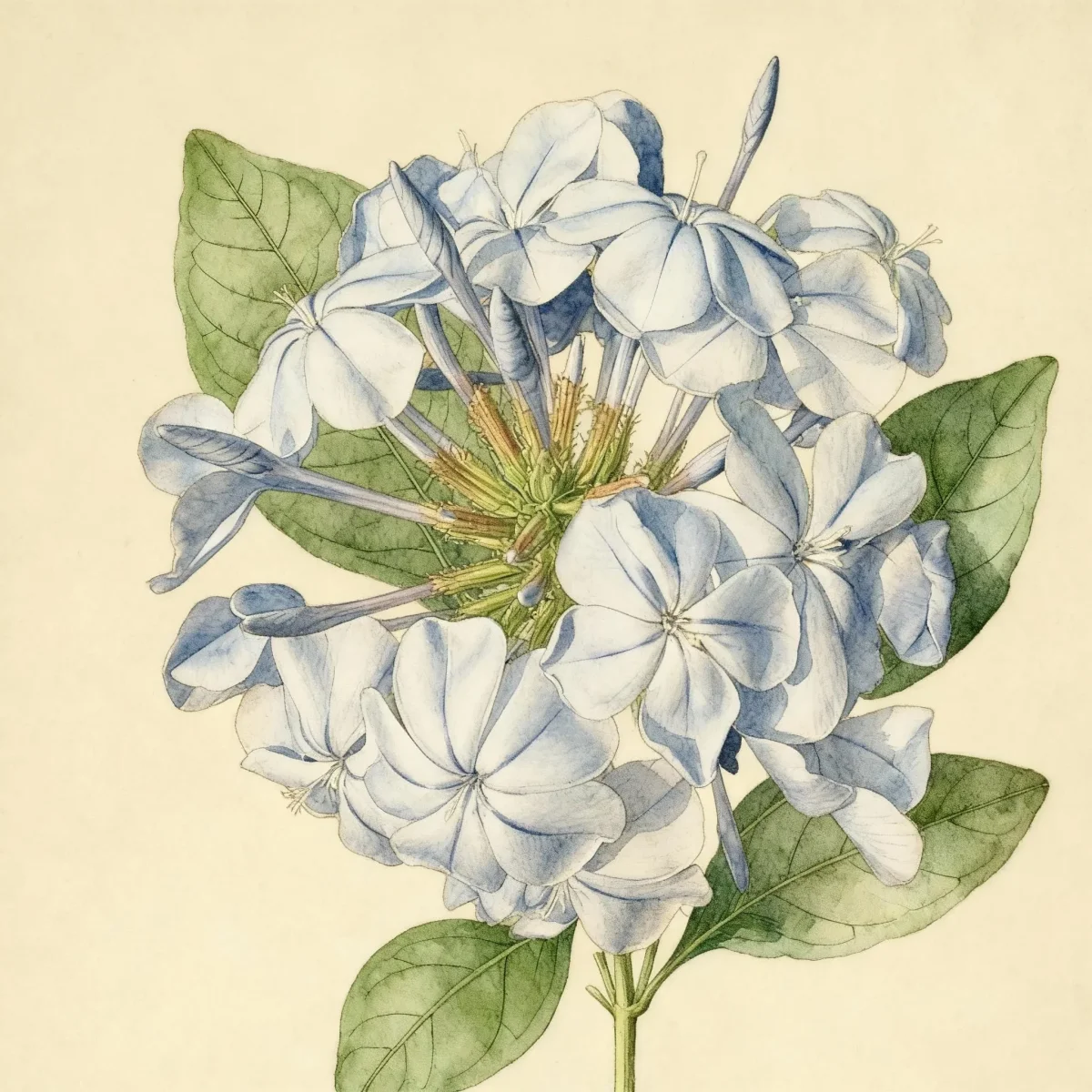
Ceratostigma (Ceratostigma abyssinicum)
Discover Ceratostigma abyssinicum, a low-maintenance, broadleaf evergreen offering intense sky blue summer blooms in warm climates.

Bloom Boldly, No Matter the Season - Sweatshirt
Cozy organic cotton sweatshirt featuring our exclusive Purple Coneflower design. Perfect for gardeners who bloom year-round.
Inspired by the beautiful Ceratostigma
Limited first batch (50) — join the waitlist for early access
Waitlist closes Feb 15, 2026.
Complete Plant Information
Field Guide Continues
Ready for care notes, companion picks, and planting tips?
The map is just the start. The full guide below covers growth habits, seasonal performance, and landscape uses.
Overview
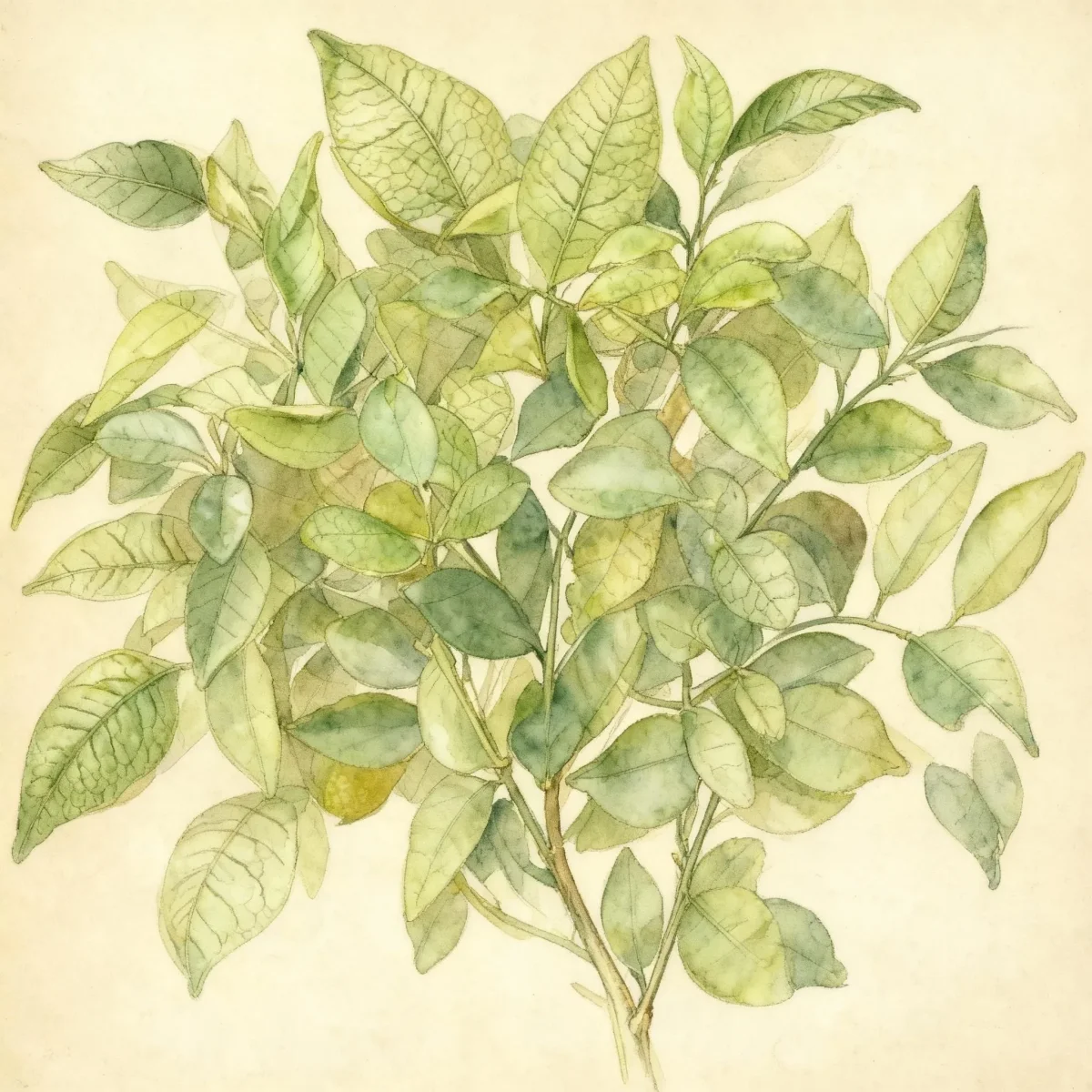
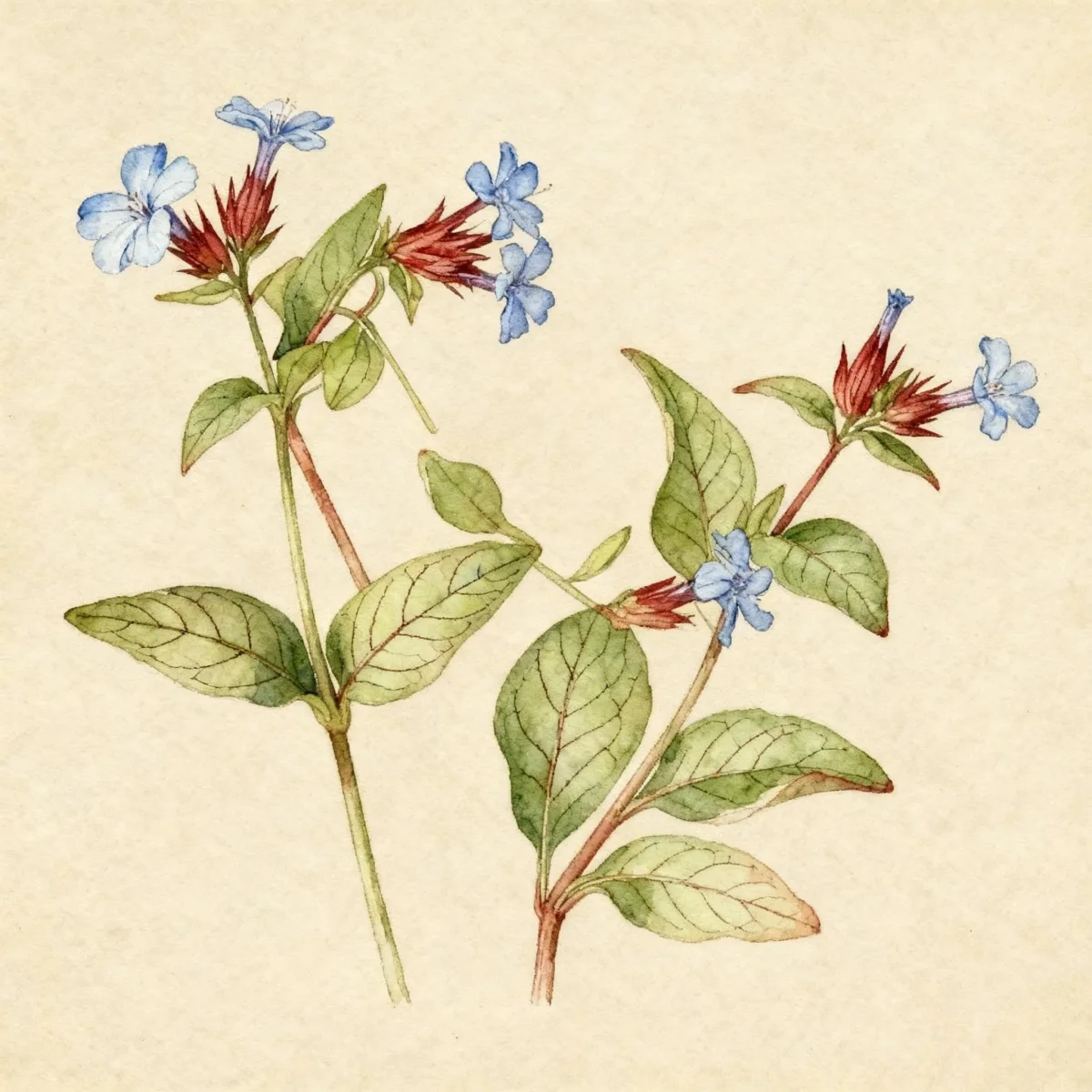
Ceratostigma abyssinicum stands out in the landscape due to its prolific summer display of intense, sky-blue, phlox-like flowers. This small, tender shrub, commonly known as leadwort, provides welcome color when many other flowering plants are fading, typically blooming richly from July through August. Its foliage is equally appealing, featuring medium green leaves that often acquire attractive bronze-red tones as the season cools.
Native to the Horn of Africa, this desirable variety of Ceratostigma thrives as a broadleaf evergreen in warmer climates (Zones 9-10). Gardeners appreciate Ceratostigma for its generally low maintenance needs and dense habit, making it a versatile, attractive accent plant or low hedge.
For those gardening outside its preferred zones, the striking blooms of Ceratostigma abyssinicum can still be enjoyed by cultivating the plant in containers that are brought indoors for overwintering. This adaptability ensures that few gardeners need to miss out on the summer brilliance offered by this African gem.
Fast Facts
- Plant Family: Plumbaginaceae
- Plant Type: Broadleaf evergreen
- Native Range: Horn of Africa, Kenya, Sudan
- Hardiness Zones: USDA Zones 9-10
- Size at Maturity:
- Height: 2-3 ft
- Spread: 1-2 ft
- Bloom Time: July to August
- Bloom Description: Blue
- Sun Exposure: Full sun
- Water Needs: Medium
- Maintenance Level: Low
How to Grow
Planting Ceratostigma abyssinicum should occur when frost danger has fully passed, ideally in spring. This plant requires full sun exposure to achieve both dense growth and abundant flowering. When placing it in the ground, ensure the location provides average to moderately fertile, humus-rich, gritty, or sandy soil. The most critical soil factor is consistent moisture retention combined with excellent drainage.
During the growing season, maintain a medium watering schedule, ensuring the soil remains consistently moist, especially during dry spells. If grown in conservation or greenhouse settings, monitor moisture levels closely. Fertilization is often unnecessary if the soil is adequately fertile, keeping the Ceratostigma maintenance level low. Pruning is generally minimal, focusing only on shaping or removing any damaged wood.
Since Ceratostigma abyssinicum is frost intolerant and has limited winter hardiness, gardeners in Zones 8 and below must treat it as an annual or overwinter it indoors. If overwintering containers, place them in a very sunny window once outdoor temperatures dip consistently below 40°F. Bring plants out again only after all threat of spring frost has passed.
Landscape Uses
Ceratostigma abyssinicum functions excellently when used formally as a low hedge, thanks to its manageable 2 to 3-foot height and consistent evergreen structure. Its use as a hedge provides year-round screening value, punctuated by vibrant blue flowers throughout the summer months.
In warmer regions where it is hardy (USDA Zones 9-10), consider planting it near walls or in mixed borders where its low profile will not obscure taller specimens. For versatility, gardeners in cooler zones should utilize it in containers. When grown in pots, it performs splendidly on sunny patios or within conservatories, providing exotic flair until brought inside for winter protection.
When selecting companions, pair Ceratostigma with plants that also appreciate full sun and require similar medium, consistently moist soil, such as certain ornamental grasses or summer-blooming perennials that share its African origin aesthetic.
Standout Features
Flower Qualities
- Showy
Noteworthy Characteristics
Ceratostigma abyssinicum, commonly called leadwort, is a small tender shrub that typically grows to 3’ tall and to 2’ wide. It is native to eastern and northeastern Africa in Eritrea, Ethiopia, Sudan and Kenya. It is particularly noted for producing a prolific summer bloom of tubular, 5-lobed, phlox-like, intense sky blue flowers (each to 1 1/4”) in clusters on stems clad with leathery, spiny-tipped, bristly to hairy margined, narrow-obovate to elliptic, medium green leaves (to 2 1/2” long) which are pubescent on both sides.
Tolerances
Potential Problems
This species generally exhibits a high degree of resilience against common garden pests and diseases. Gardeners can anticipate few serious insect or disease problems when growing Ceratostigma abyssinicum correctly. Since it is generally low maintenance, monitoring soil moisture is usually the most critical preventative health measure rather than consistent scouting for pests. Ensure sharp drainage to avoid root issues common in frost-intolerant soft-wooded shrubs.
Frequently Asked Questions
What hardiness zones is Ceratostigma suitable for?
Ceratostigma abyssinicum thrives best in USDA Hardiness Zones 9 through 10.
How large does Ceratostigma grow?
This shrub typically matures to a height between 2 and 3 feet, with a spread ranging from 1 to 2 feet wide.
When does Ceratostigma bloom?
This variety produces its notable blue flowers during the peak summer season, specifically from July through August.
What sun exposure does Ceratostigma abyssinicum need?
For optimal performance, ensure this plant receives full sun exposure throughout the growing season.
Conclusion
The vibrant, sky-blue summer flowers and attractive evergreen foliage make Ceratostigma abyssinicum a standout choice for warm-climate gardening, offering beauty with notably low maintenance effort. By respecting its frost intolerance and providing the necessary sun and consistent moisture, you can successfully integrate the appeal of Ceratostigma into your landscape or conservatory setup. Always check your local zone compatibility before planting outdoors, or plan for suitable winter container care.
Companion Planting
Successful companion planting hinges on meeting the specific environmental needs of Ceratostigma abyssinicum: full sun and medium, consistently moist, well-drained soil. Look for other drought-tolerant Mediterranean or African natives that can handle intense summer heat without demanding overly rich soil. Good companions might include certain species of lavender or rosemary, provided their water needs are met during the summer months.
Consider pairing the blue summer blooms of this Ceratostigma with silvery-foliaged plants to enhance the vibrancy of its color. Plants with contrasting foliage texture, like fine-bladed ornamental grasses that also enjoy sun, can provide an excellent backdrop, emphasizing the shrub’s low, defined shape during the blooming season of July and August.
Seasonal Care Calendar
Spring preparation involves cutting back any damage sustained over winter, particularly if the plant has experienced temperatures near the lower limit of its hardiness range. Ensure soil is refreshed with some humus before the active growing season begins for Ceratostigma.
Summer is the main maintenance period, focused entirely on consistent moisture management. While the plant is classified as medium water requirement, continuous moisture without waterlogging is key to developing those prolific blue flowers. Avoid heavy fertilization, allowing the plant to maintain its natural, compact size.
Autumn care centers on protection if you reside in Zone 9 or marginal areas. If growing in containers, begin preparing them for indoor transport as evening temperatures start to dip consistently below 50°F. For in-ground specimens, ensure they are well-watered leading into the first light frosts.