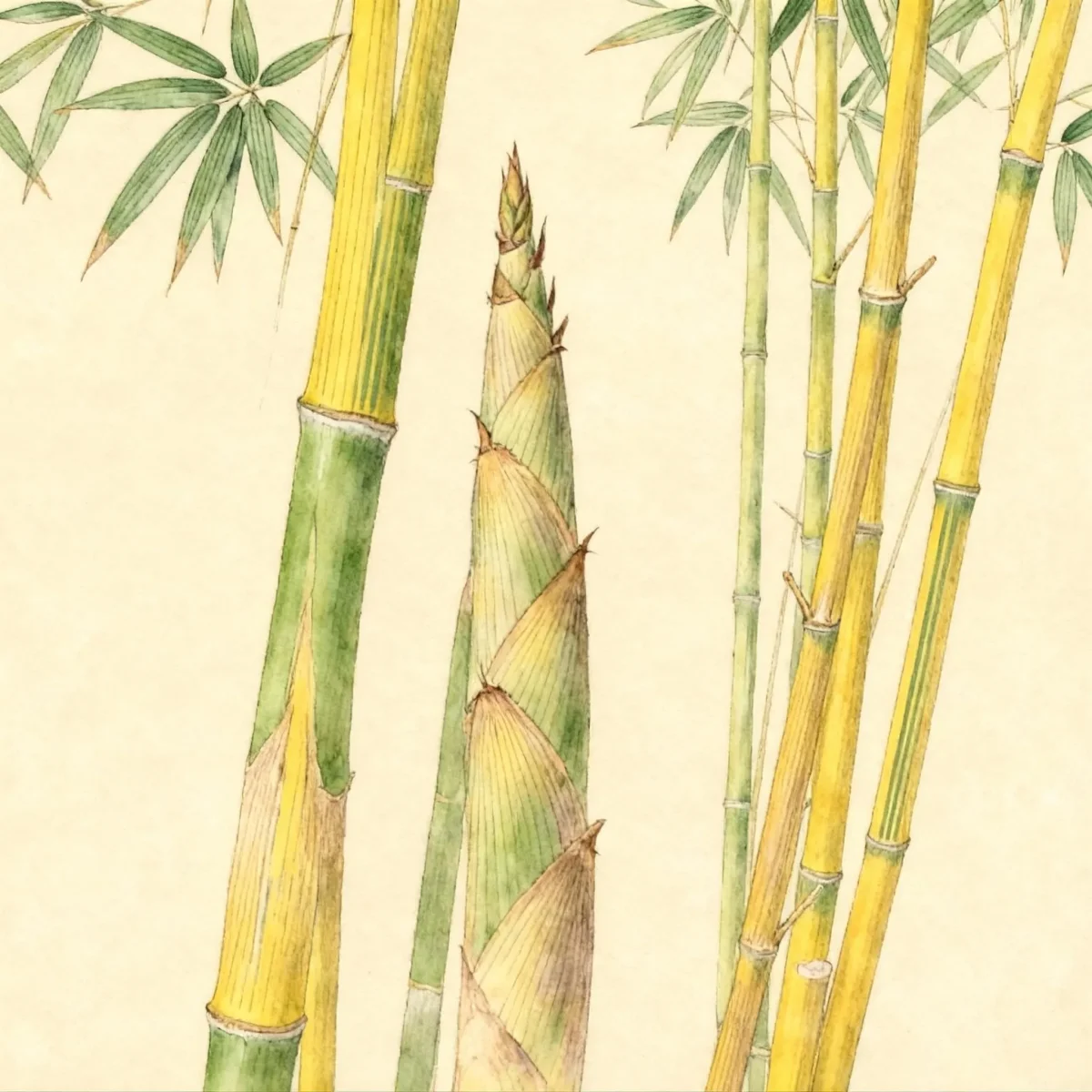
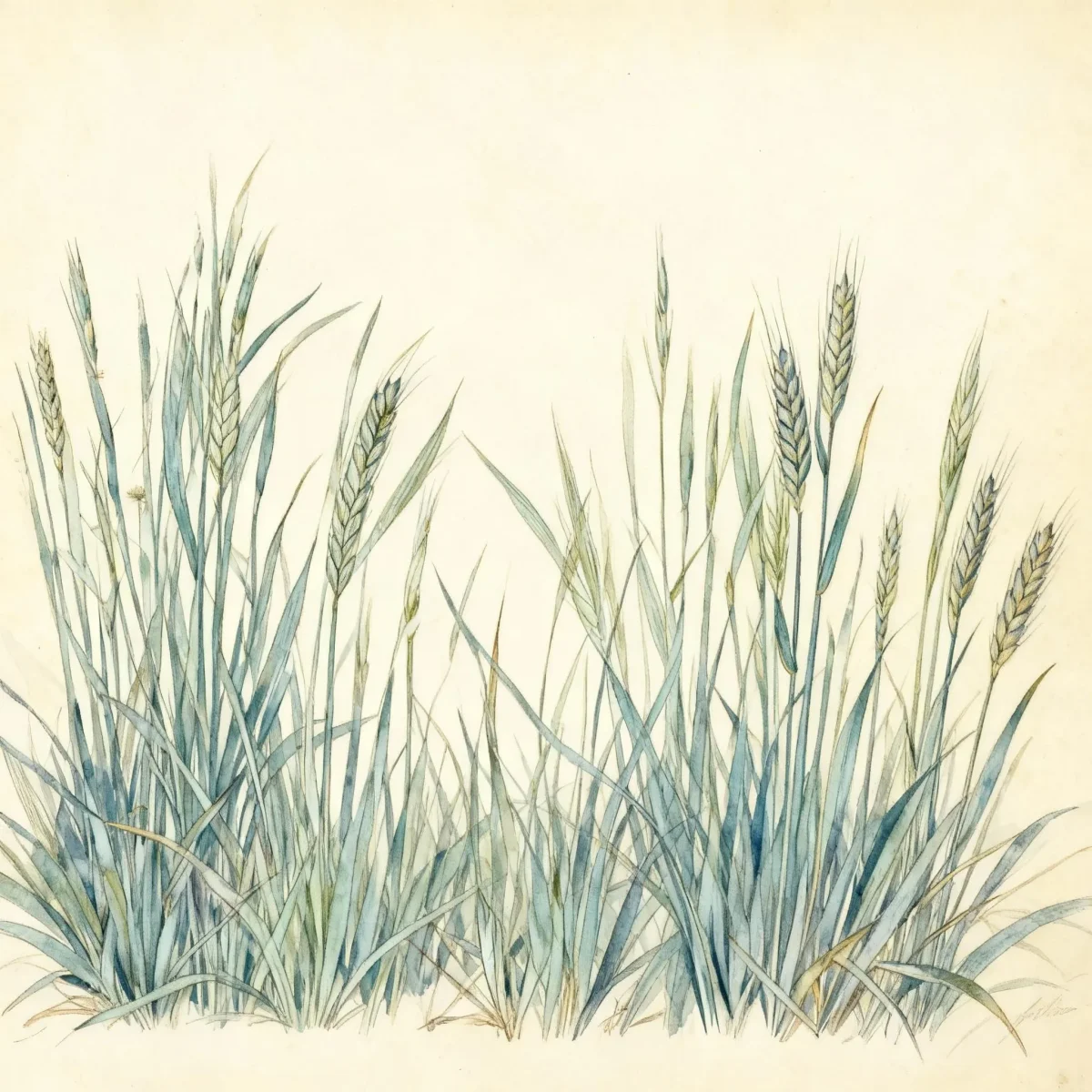
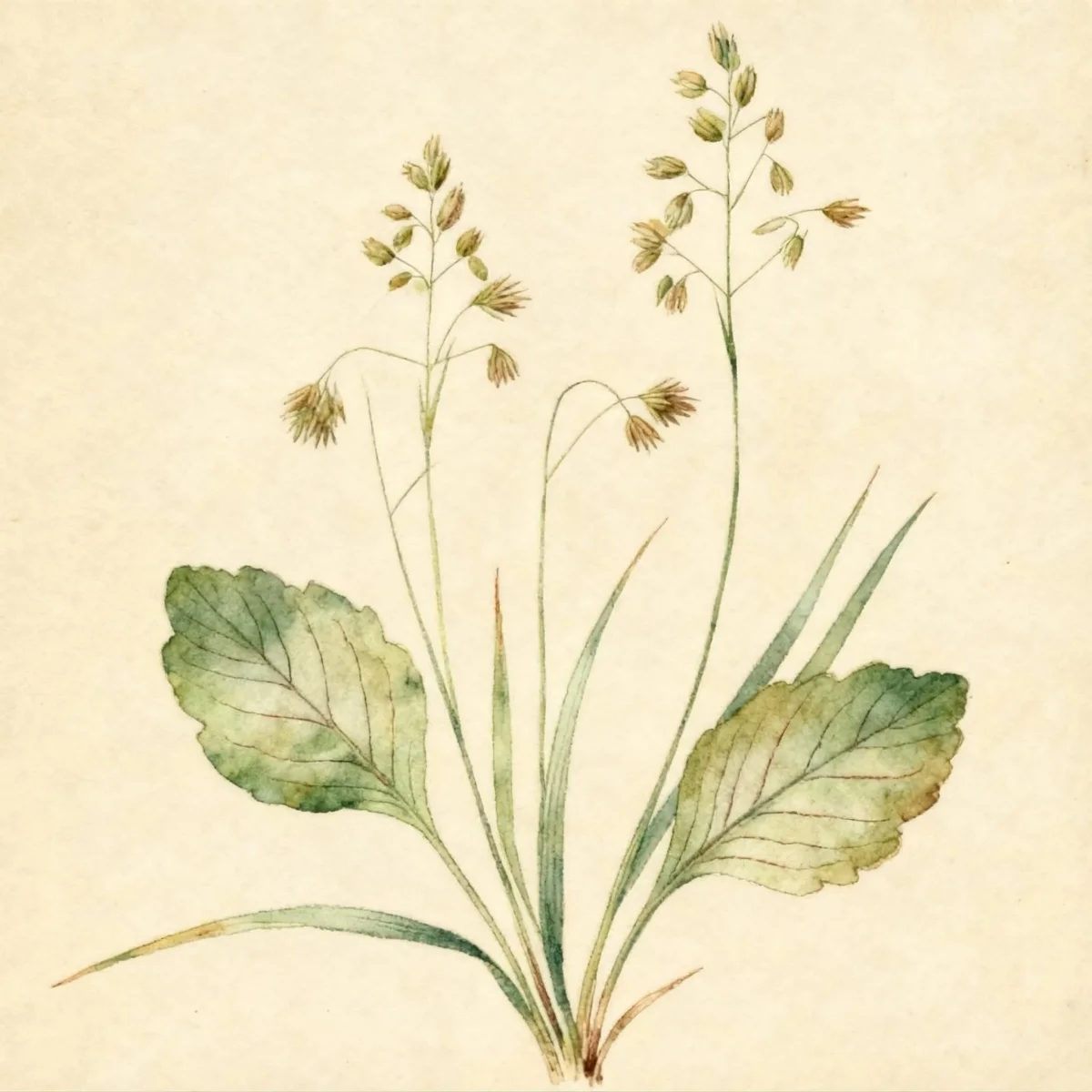
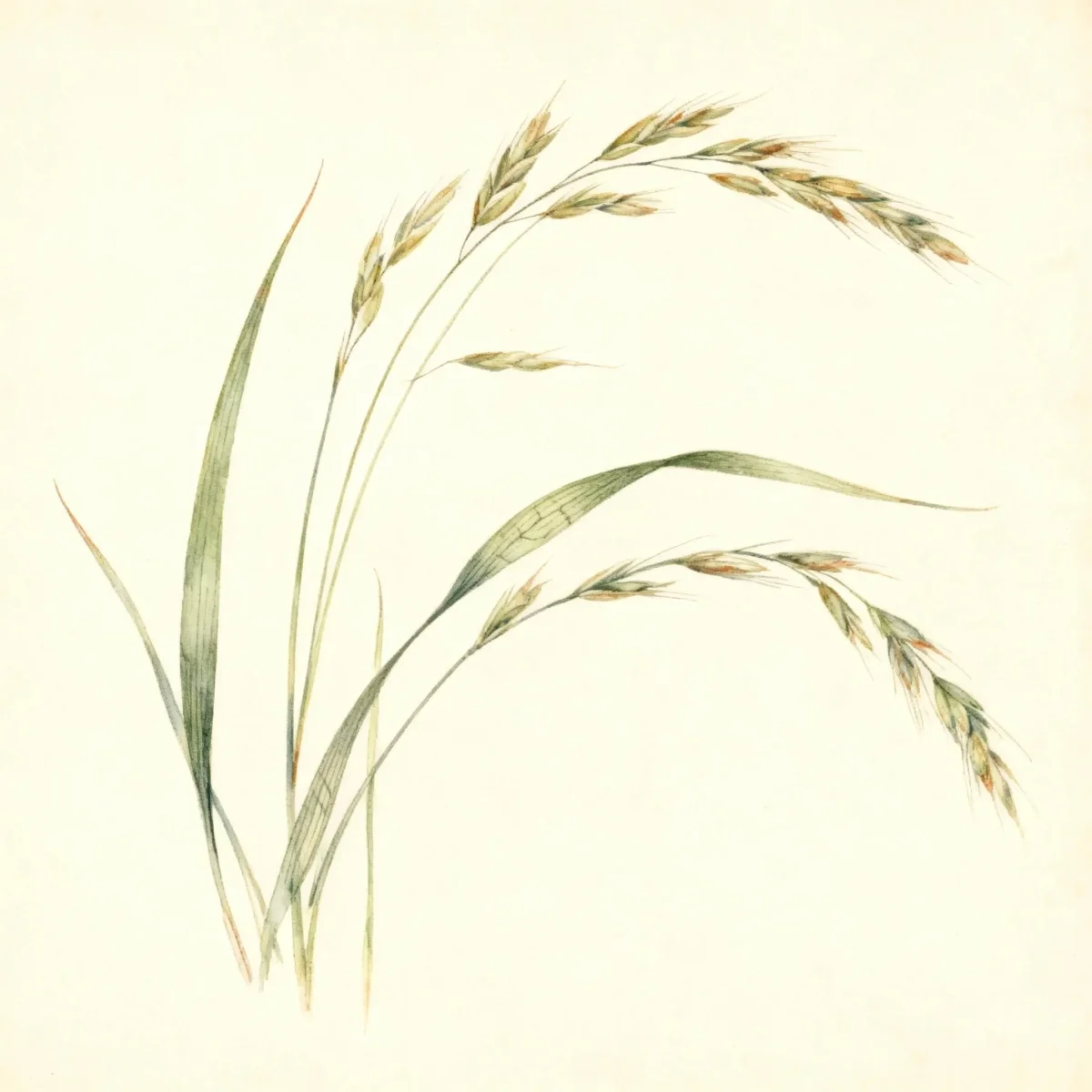
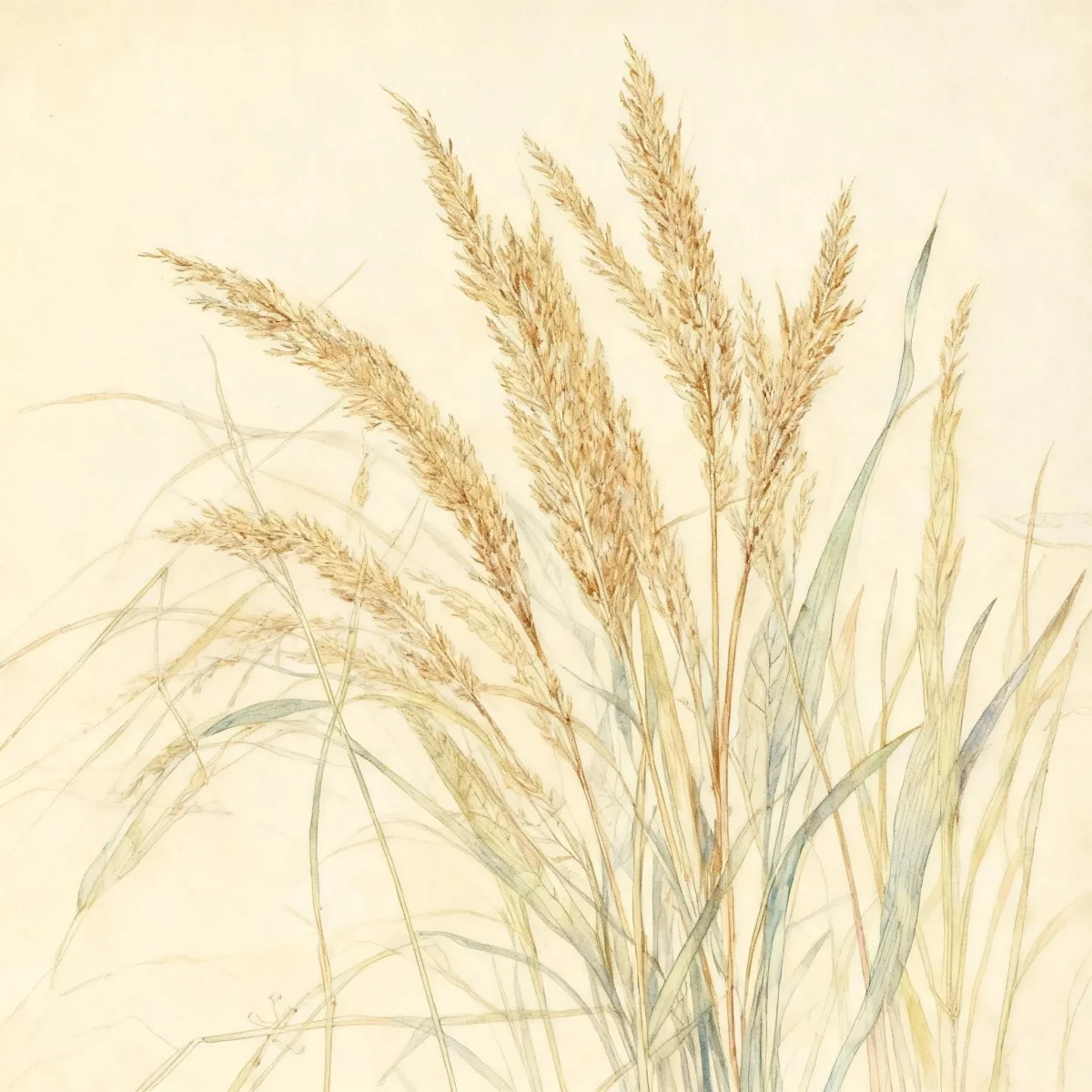
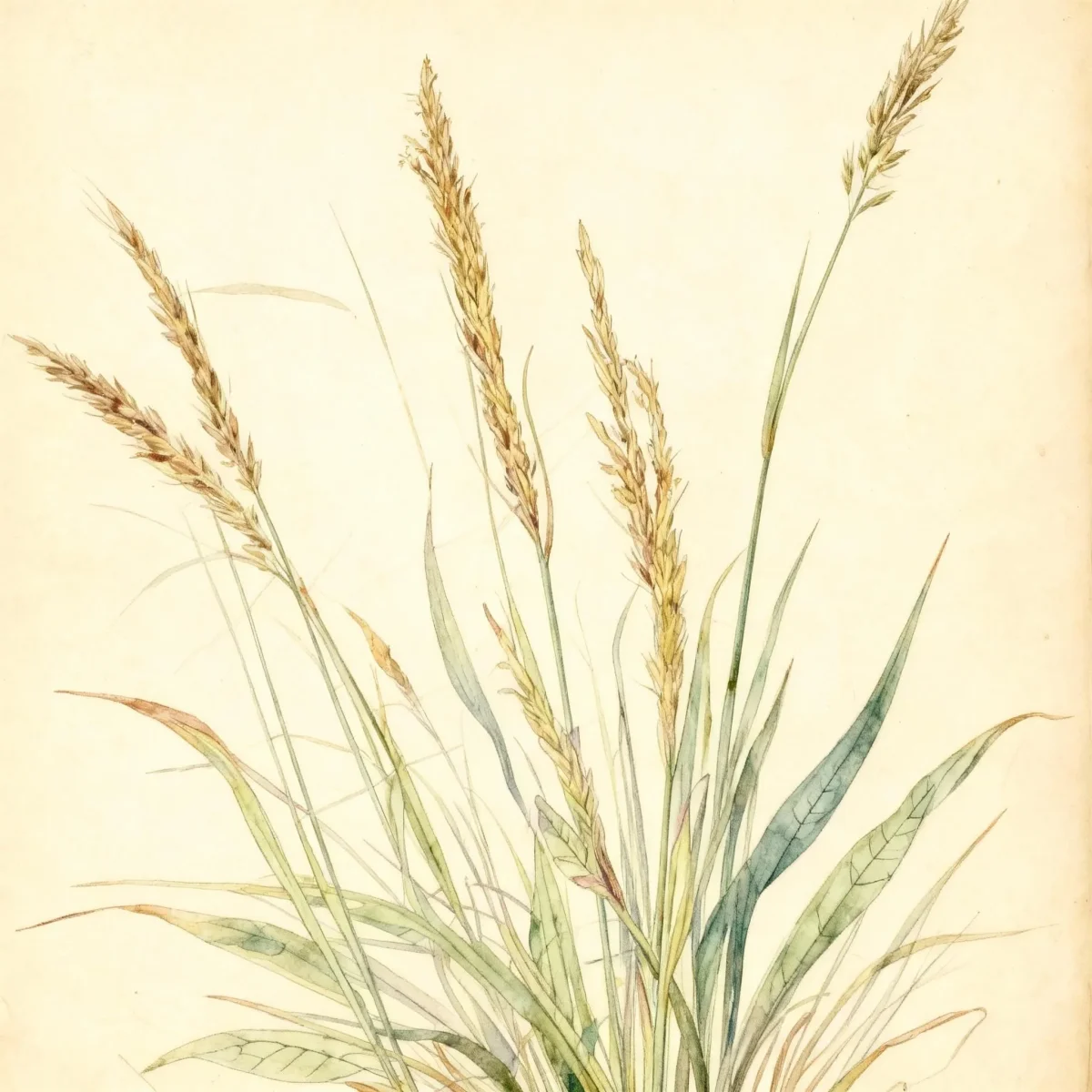
Giant cane bamboo (Arundinaria gigantea)
Arundinaria gigantea, Giant cane bamboo, is a tough, native ornamental grass perfect for screens or naturalizing in USDA Zones 5-9.
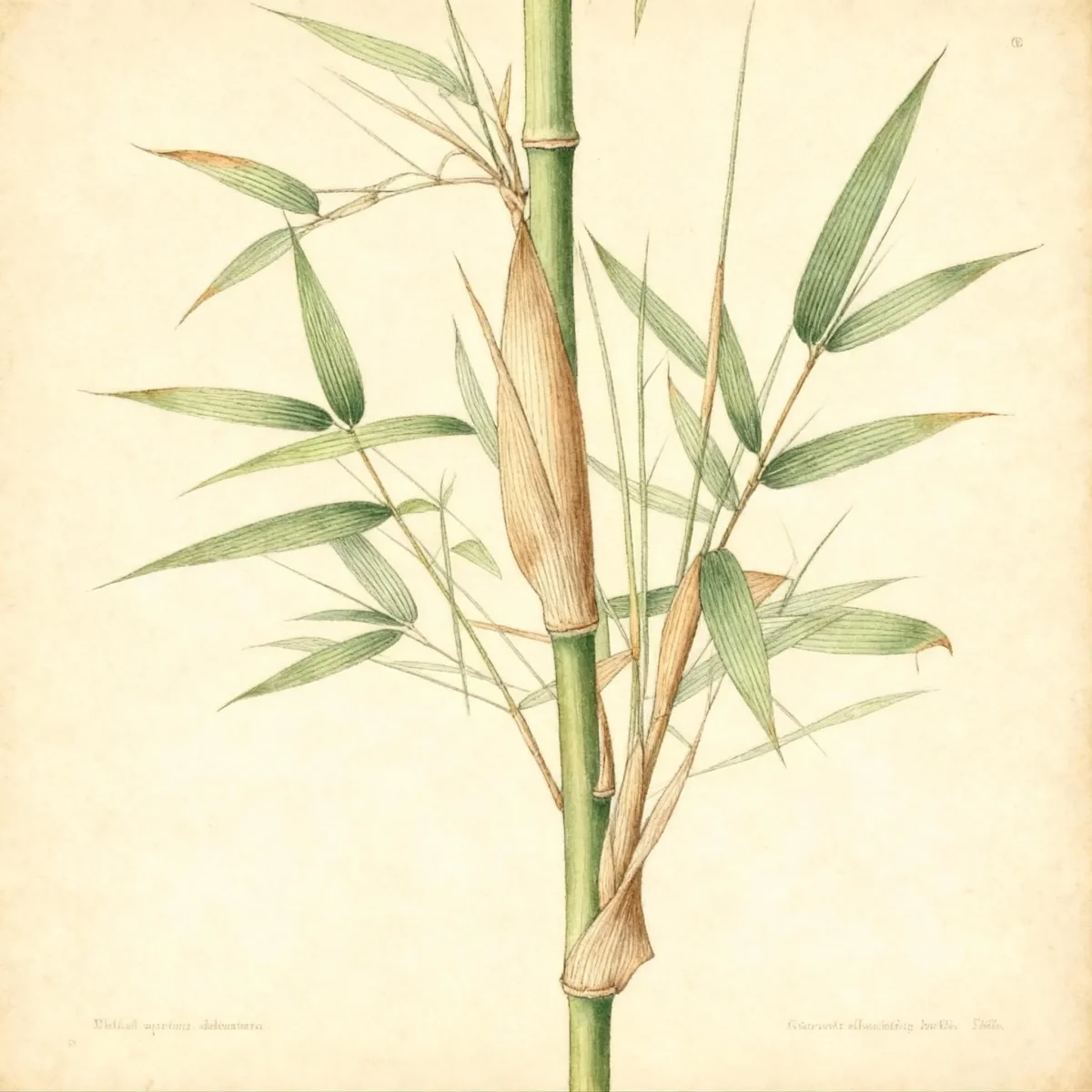

Bloom Boldly, No Matter the Season - Sweatshirt
Cozy organic cotton sweatshirt featuring our exclusive Purple Coneflower design. Perfect for gardeners who bloom year-round.
Inspired by the beautiful Giant cane bamboo
Limited first batch (50) — join the waitlist for early access
Waitlist closes Feb 15, 2026.
Complete Plant Information
Field Guide Continues
Ready for care notes, companion picks, and planting tips?
The map is just the start. The full guide below covers growth habits, seasonal performance, and landscape uses.
Overview
Arundinaria gigantea, widely known as giant cane bamboo, is a significant native grass of the Southeastern United States, historically creating vast, dense canebrakes along river bottoms. This rhizomatous running bamboo is highly valued for its ability to form thick, nearly impenetrable screens rapidly. Gardeners appreciate its evergreen foliage in warmer climates and its resilience, making it a powerful structural element in the landscape.
Growing to heights between 5 and 12 feet, Arundinaria gigantea spreads vigorously via underground rhizomes, allowing it to colonize areas effectively. While beautiful as a naturalized stand, gardeners must respect its vigorous nature. Its strong root system offers substantial benefits in stabilizing slopes and managing wet soil conditions.
For those aiming for a strong vertical presence or a sustainable hedge, giant cane bamboo provides a reliable solution. Its hard, woody culms offer year-round structure, making Arundinaria gigantea a staple for ecological restoration and robust screening projects across its native range.
Fast Facts
- Plant Family: Poaceae
- Plant Type: Ornamental grass
- Native Range: Southeastern United States
- Hardiness Zones: USDA Zones 5-9
- Size at Maturity:
- Height: 5-12 ft
- Spread: 8-20 ft
- Bloom Time: Rarely flowers
- Bloom Description: Rarely flowers
- Sun Exposure: Full sun
- Water Needs: Medium
- Maintenance Level: Medium
How to Grow
The best time to plant Arundinaria gigantea is often during the spring or early fall when temperatures are mild, allowing the root system to establish before environmental extremes. This plant thrives in consistently moist soils, though it handles some sun-dappled or light shade areas. Always site new plantings where they receive full sun for the best density and growth rate, ensuring the location is protected from harsh, drying winds.
Consistent moisture is key to the establishment and ongoing health of giant cane bamboo. Ensure medium water needs are met, especially during dry summers. Applying a thick layer of organic mulch annually will serve multiple purposes: it helps retain critical soil moisture, provides slow-release nutrients, and offers insulation to protect the overwintering roots.
If aggressive naturalization is a concern, proactive management is required. Consider installing deep physical rhizome barriers when planting to restrict lateral spread. Alternatively, growing Arundinaria gigantea in a very large, deep plastic container sunk into the ground can effectively manage its spread, though regular watering will be necessary.
Landscape Uses
The dense, vertical habit of giant cane bamboo makes it an exceptional choice for creating a high, deciduous or evergreen screen when planted in a row, fulfilling its suggested use as an effective hedge. Its height and density also lend themselves well to blending new construction or hiding unsightly utility areas, serving as a robust background plant.
For ecological designers, naturalizing Arundinaria gigantea can restore the historic appearance of creek banks and bottomlands. Furthermore, its deep root structure offers significant assistance in controlling soil erosion on moderate slopes. In rain gardens, the preference of this species for moist conditions makes it a functional and structural perennial.
In formal landscape designs, use it as a striking specimen accent to contrast with softer, mounding perennials. If space allows for its spread, allow it to naturalize near water features or in less-trafficked areas where its impressive colony-forming capability can be fully appreciated.
Standout Features
Noteworthy Characteristics
Arundinaria gigantea, commonly called giant cane, is a rhizomatous running bamboo that is native to river banks, moist bottomlands, swampy areas and bogs from Florida to Texas north to Kansas, southern Illinois and New York. In optimum growing conditions, it will naturalize to form immense, dense, primarily monocultural, often impenetrable colonies or stands commonly called canebrakes. Hard (woody), rigid stems (culms) rise to 5-12’ tall, but will grow to as much as 25’ tall in warm winter areas (USDA Zones 8-9). Coarse, lance-shaped, medium green leaves are evergreen in warm winter locations, but will die from sub-zero temperatures further north.
Tolerances
- Erosion
- Black Walnut
- Air Pollution
Potential Problems
Arundinaria gigantea generally exhibits notable resistance to serious insect pests and diseases. However, in environments with high humidity or poor air circulation, gardeners may occasionally observe fungal issues such as rust or minor leaf spots.
The primary concern for gardeners planting giant cane bamboo is its behavior; it is considered somewhat aggressive in many cultivated environments due to its running rhizomes. Always plan for containment, either through physical barriers or by accepting its natural tendency to colonize large areas, especially near water sources where rhizome fragments can easily spread.
Frequently Asked Questions
What hardiness zones is Giant cane bamboo suitable for?
Arundinaria gigantea is best suited for USDA Zones 5 through 9, providing reliability across a wide swath of the temperate United States.
How large does Arundinaria gigantea grow?
This species typically reaches a mature height of 5 to 12 feet, with an established spread ranging from 8 to 20 feet across its rhizome network.
What sun exposure does Giant cane bamboo need?
This ornamental grass prefers full sun for optimal performance, but it can tolerate partially shaded locations, such as areas receiving dappled light.
When does Arundinaria gigantea bloom?
Flowering in Arundinaria gigantea is an infrequent event; it rarely flowers, producing lateral panicles of purplish flowers only occasionally.
Conclusion
For gardeners seeking a tough, native screening plant with significant ecological value, Arundinaria gigantea stands out as an excellent, resilient choice. The dense structure provided by giant cane bamboo is unmatched for background planting or erosion control. Before implementing, confirm your site falls within USDA Zones 5-9 and prepare management strategies for its spreading tendencies.
Companion Planting
When establishing Arundinaria gigantea in a rain garden or moist area, pair it with other water-loving natives that appreciate similar cultural needs. Consider plants like Swamp Milkweed (Asclepias incarnata) or Blue Flag Iris (Iris versicolor). These companions offer contrasting flower shapes and colors while sharing the need for medium water availability.
If planting near the edges of its spread zone or in less moist areas, choose robust, deep-rooted native shrubs that can handle the competition. Large Oak varieties or native Hollies work well as taller neighbors that will not be easily overwhelmed by the bamboo’s growth habit.
Design Ideas for Screening
Utilizing Arundinaria gigantea for screening requires thinking vertically. Plant canes in a staggered row, rather than a single line, to create a denser visual break faster. Ensure at least 8 feet of distance from hardscapes unless a barrier is installed, allowing the root spread to occur naturally within the planting area.
In modern, minimalist landscapes, a single mass grouping of these canes can function as a living wall, providing texture and movement as the wind moves the foliage. The sheer linearity of the culms contrasts well against softer groundcovers that hug the base of the stand.
For naturalized areas, allow the Arundinaria gigantea to form a dense grove known historically as a canebrake. This density creates excellent thermal cover and security for local wildlife, effectively mimicking a natural riparian habitat edge.