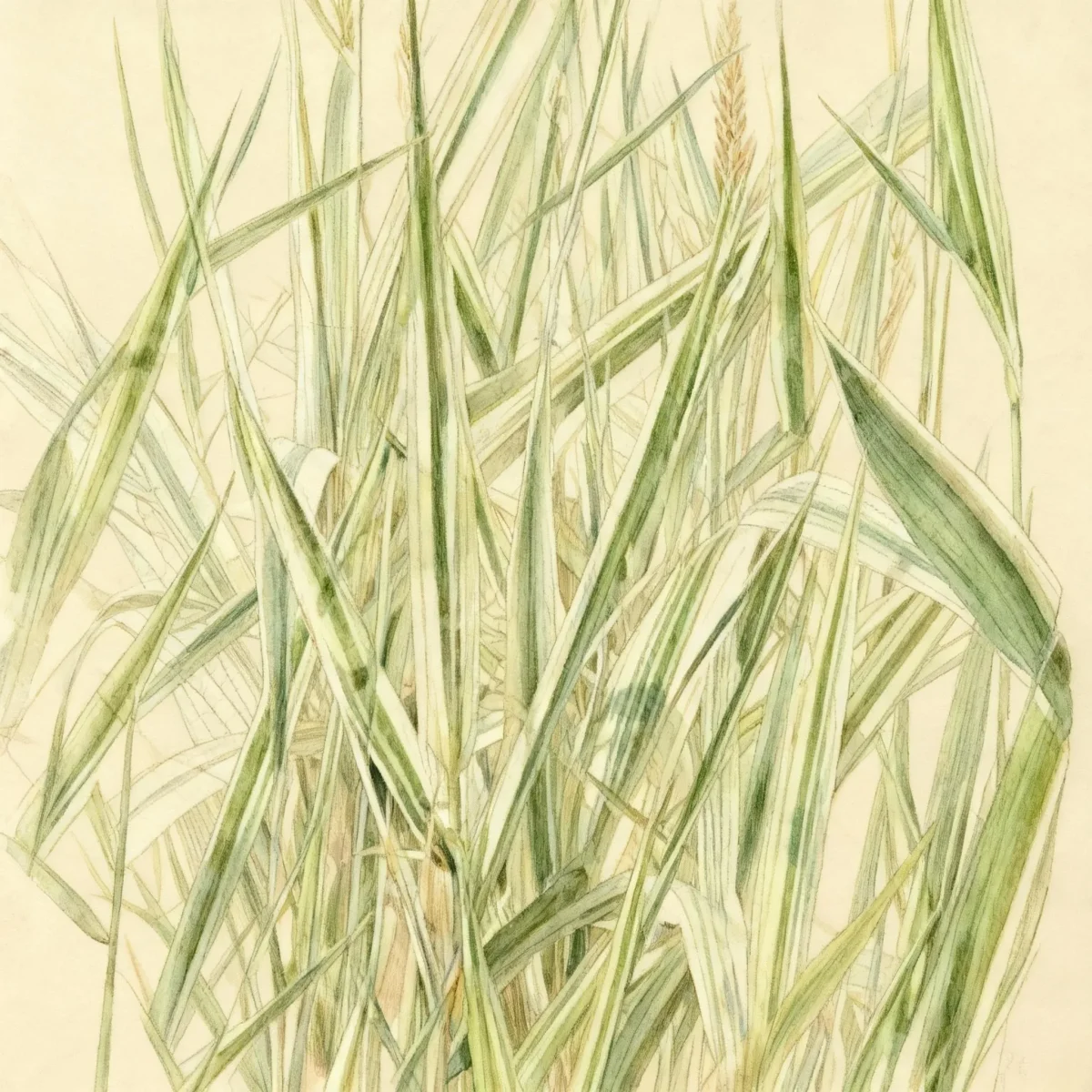
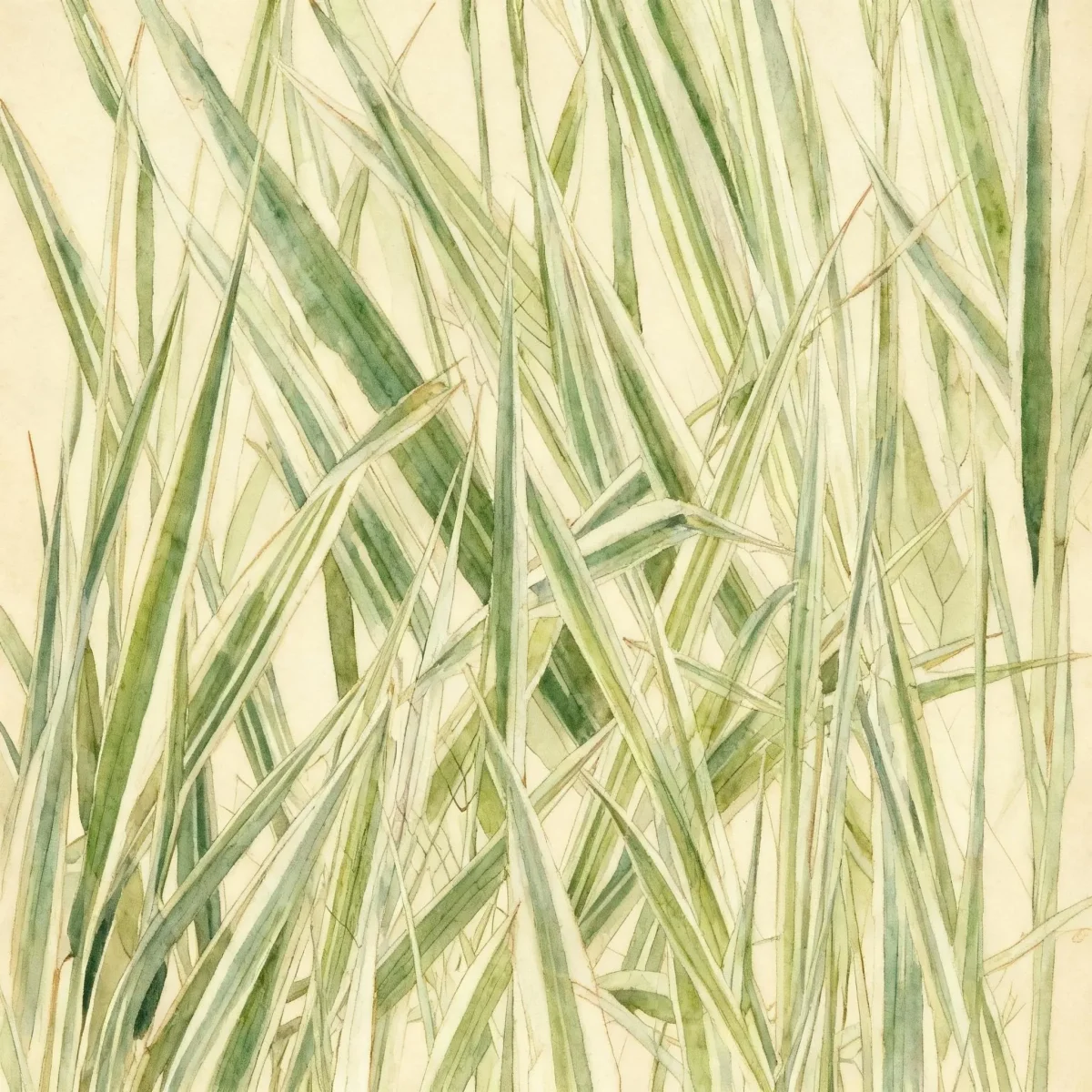
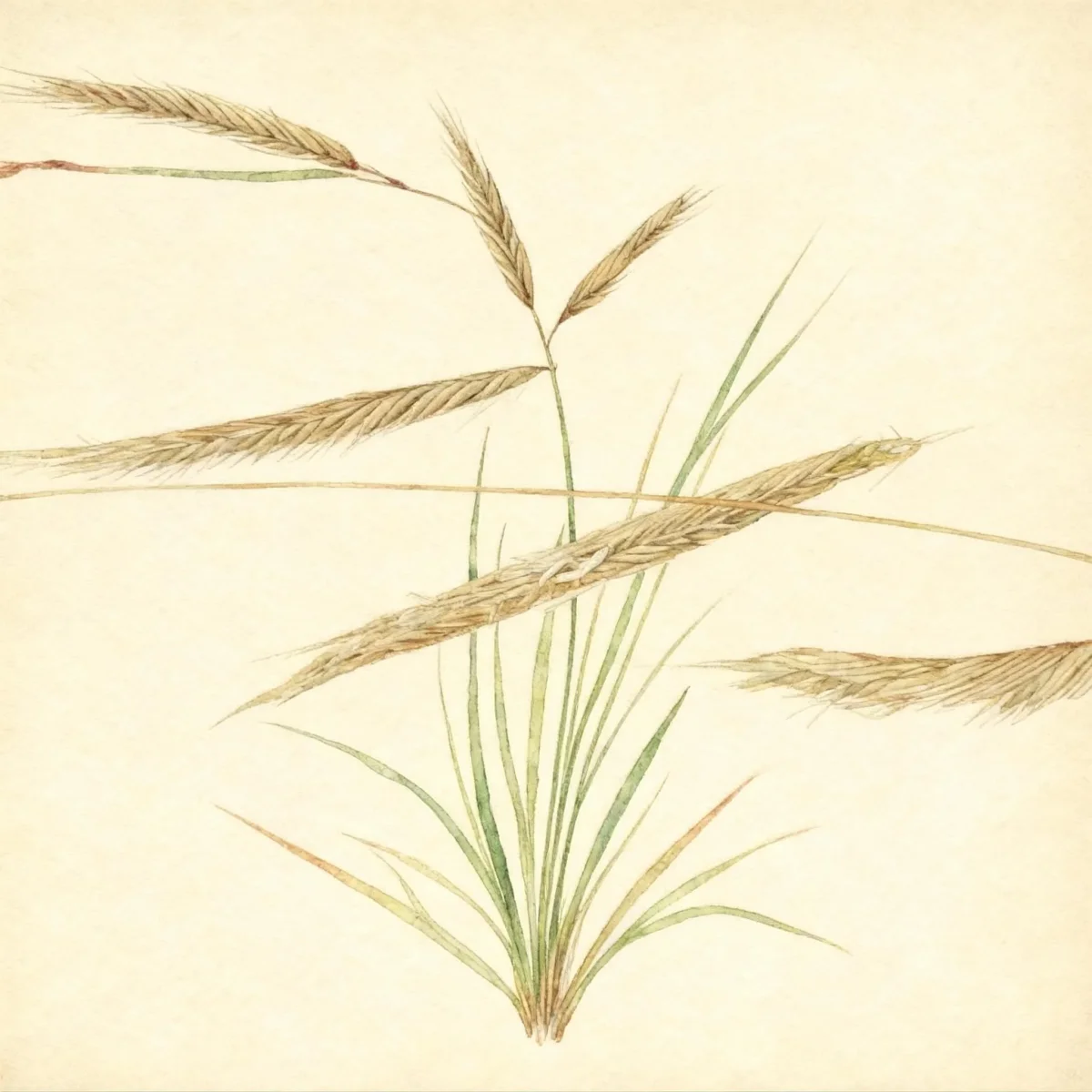
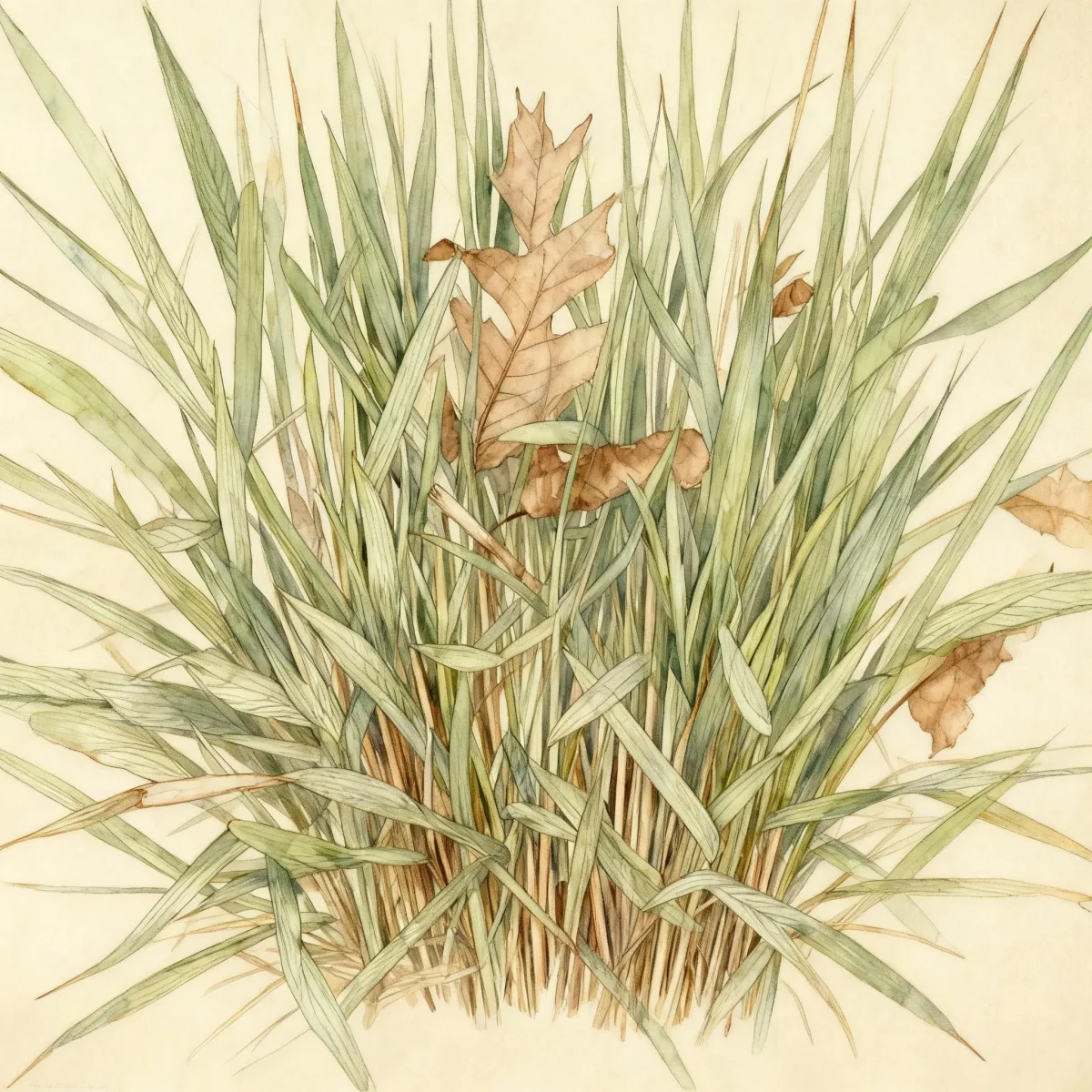
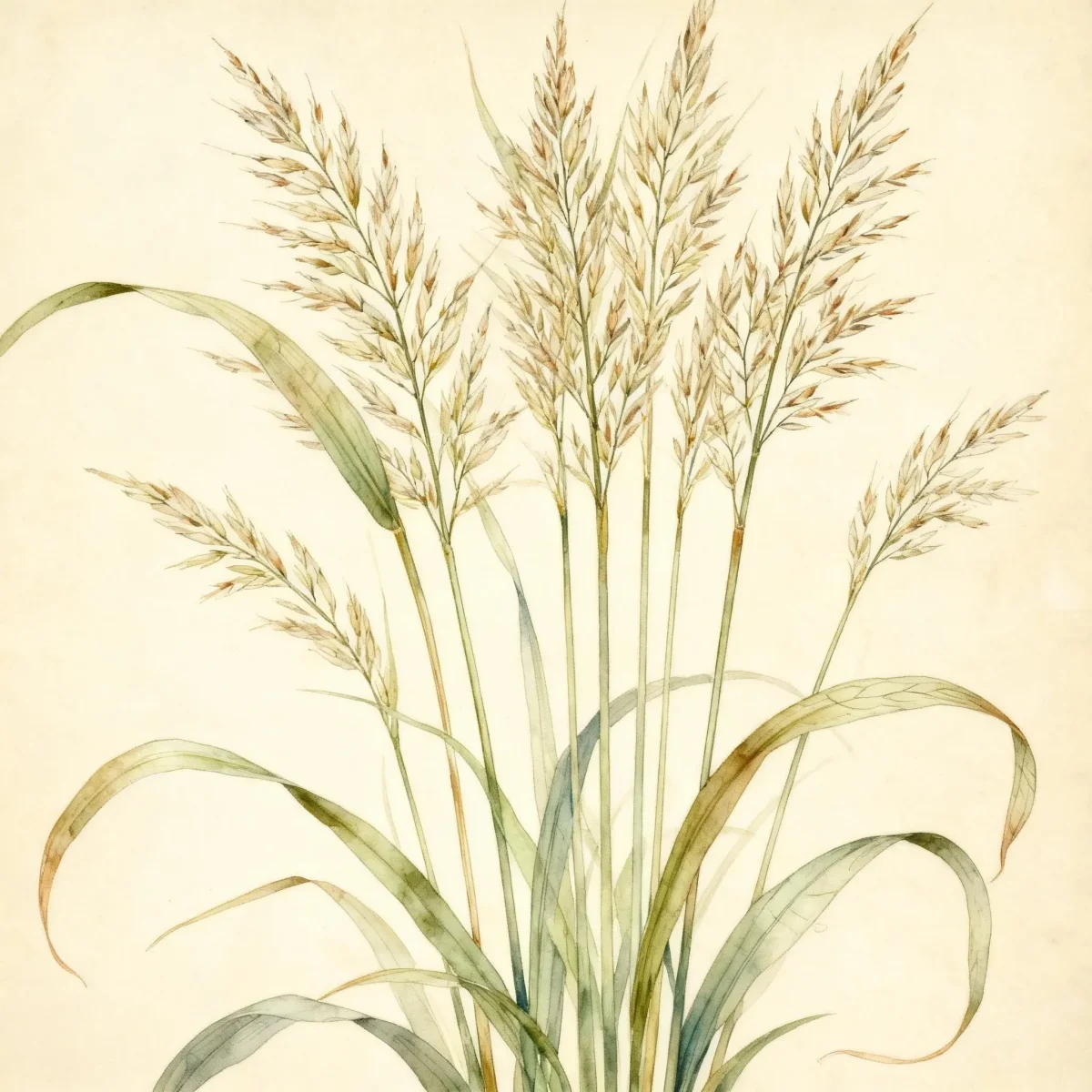
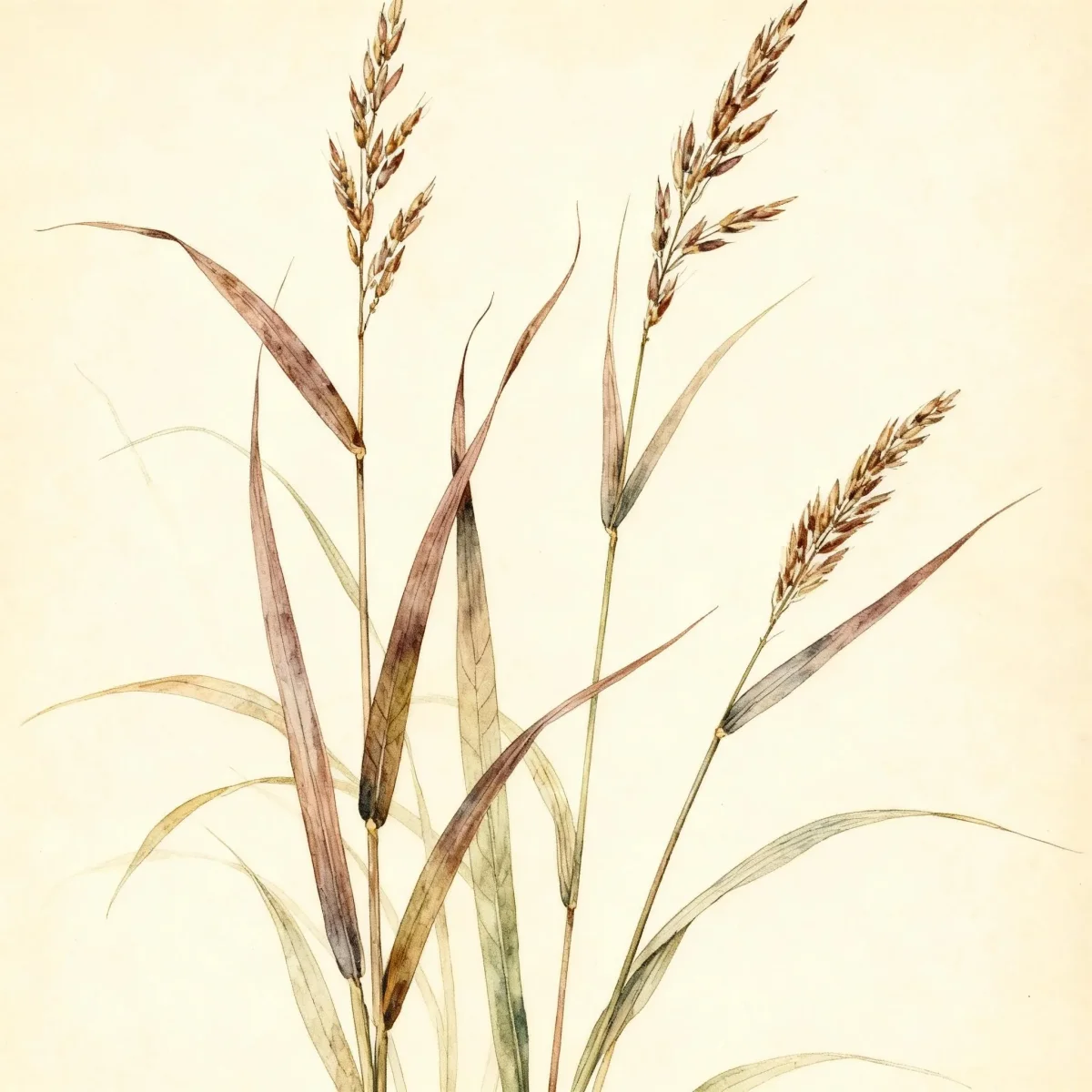
Reed canary grass (Phalaris arundinacea)
Explore Phalaris arundinacea, Reed canary grass, an upright perennial grass known for its adaptability to wet soils and rhizomatous spread.

Bloom Boldly, No Matter the Season - Sweatshirt
Cozy organic cotton sweatshirt featuring our exclusive Purple Coneflower design. Perfect for gardeners who bloom year-round.
Inspired by the beautiful Reed canary grass
Limited first batch (50) — join the waitlist for early access
Waitlist closes Feb 15, 2026.
Complete Plant Information
Field Guide Continues
Ready for care notes, companion picks, and planting tips?
The map is just the start. The full guide below covers growth habits, seasonal performance, and landscape uses.
Overview
Phalaris arundinacea, commonly known as Reed canary grass, is a vigorous, upright perennial grass reaching impressive heights. While it offers interesting texture to the landscape, its aggressive nature demands careful placement consideration by any gardener looking to incorporate it. This cool-season grass thrives across wide climatic ranges in the Northern and southern temperate regions.
This species is highly adaptable, tolerating a broad spectrum of soil conditions, from heavy clay to sandy substrates, and wet to relatively dry periods once established. The stature of Phalaris arundinacea makes it suitable for larger naturalized areas where its spreading habit can be intentionally utilized rather than mitigated.
Aesthetically, the flat, green foliage is attractive early in the season, followed by airy panicles of greenish-white to pale pink flowers in early summer. Gardeners must respect the powerful rhizomatous growth before planting any Reed canary grass specimens.
Fast Facts
- Plant Family: Poaceae
- Plant Type: Ornamental grass
- Native Range: Northern and southern temperate regions
- Hardiness Zones: USDA Zones 4-9
- Size at Maturity:
- Height: 3-6 ft
- Spread: 3-8 ft
- Bloom Time: June to July
- Bloom Description: White to pale pink
- Sun Exposure: Full sun to part shade
- Water Needs: Medium to wet
- Maintenance Level: Medium
How to Grow
Planting Phalaris arundinacea is best done in spring or fall when conditions are moderate, ensuring the plant can establish its extensive root system. Select a location that receives full sun to partial shade, welcoming its wide soil tolerance; it excels in average, moist, or even very wet soils. When cultivating this grass to cover substantial areas, aim for a density of four plants per square yard for rapid coverage.
Care requirements are generally low, fitting its ‘Medium’ maintenance rating, primarily because of its aggressive nature. Watering should be consistent, especially during establishment, favoring moist to wet conditions, though it handles drought surprisingly well. Fertilization is rarely required due to its vigor. When pruning, cut back the faded foliage in late winter or early spring before new growth begins, similar to standard ornamental grass care.
A unique consideration for Phalaris arundinacea is its rhizomatous growth habit; once established, this grass is extremely difficult to eradicate. This structural characteristic means careful site selection or the implementation of root barriers at planting time is crucial to control spread outside the desired area. Propagation is easily achieved via division or seed collection.
Landscape Uses
Although Reed canary grass is sometimes historically referenced for use as an erosion control agent or barrier due to its density, many modern guidelines advise against its use in manicured landscapes, particularly in the Midwest, due to its invasive potential. Its ability to naturalize makes it suitable for wetland restoration projects or large, untamed areas where its tendency to form dense monocultures is acceptable or desired.
When used in appropriate contexts, consider pairing Phalaris arundinacea with other robust, moisture-loving perennials that can compete somewhat or tolerate periodic inundation, such as certain sedges or Iris species. For sites requiring significant ground stabilization near water features, its deep, binding root structure provides substantial benefit.
If you are intentionally utilizing its use as a groundcover or barrier, ensure all surrounding borders are clearly defined, perhaps using substantial physical barriers or hardscaping, to keep the spread of this highly competitive grass in check.
Standout Features
Flower Qualities
- Showy
Noteworthy Characteristics
Phalaris arundinacea, commonly called reed canary grass, is an upright, rhizomatous, cool season perennial grass which typically grows to 3-6’ tall. It is native to North America, Europe, Asia and North Africa and is known for stems that are sometimes hollow, giving it a bamboo-like quality. The flat, green leaf blades are attractive early in the season before the flowers bloom in early summer (June-July).
Tolerances
- Drought
- Clay Soil
- Wet Soil
- Black Walnut
- Air Pollution
Potential Problems
Reed canary grass is a rhizomatous, self-seeding spreader that is difficult to control. It is widely considered to be a significant invasive threat, particularly to sensitive wetland ecosystems where it spreads aggressively to form dense monocultures that choke out native flora. The major management challenge is its regenerative ability; even a tiny segment of root or rhizome can successfully sprout new invasive growth. Prevention is the best management strategy; therefore, the use of substantial soil barriers should be seriously considered at the time of planting to prevent hardy rhizomes from migrating into unwanted garden or natural areas.
Frequently Asked Questions
What hardiness zones is Reed canary grass suitable for?
Phalaris arundinacea is suitable for USDA Hardiness Zones 4 through 9.
How large does Phalaris arundinacea grow?
This ornamental grass typically reaches a height between 3 to 6 feet and can spread 3 to 8 feet wide.
What sun exposure does Reed canary grass need?
This species performs best in locations that receive full sun exposure, though it will tolerate part shade conditions.
When does Phalaris arundinacea bloom?
Bloom time for Reed canary grass is generally from June through July, producing conspicuous flowers described as white to pale pink.
Conclusion
Phalaris arundinacea offers impressive texture and exceptional adaptability across varied and challenging soil conditions, making it a powerful component where vigor is desired. However, gardeners must proceed with caution when planting this Reed canary grass due to its well-documented aggressive, rhizomatous spread. Always confirm your local ecological guidelines and plan for containment before incorporating this robust ornamental grass into your landscape.
Companion Planting in Moist Areas
When growing Phalaris arundinacea in its preferred moist to wet conditions, selecting appropriate companions is key to managing visual dominance. Consider pairing it with other moisture-loving natives that can handle periodic saturation, such as various species of Iris (e.g., Blue Flag Iris) or robust rushes like Juncus. These taller companions can help blend the grass into a naturalistic tapestry, especially in rain garden settings. Remember that any companion planted near Reed canary grass must be vigorous enough to compete for root space near the margins of its reach.
Seasonal Care Calendar
For those actively managing Phalaris arundinacea, seasonal maintenance focuses primarily on structure and containment. In very early spring (before bud break), cut back the previous year’s dried foliage down to a few inches above the emerging growth for a cleaner look. During the growing season (late spring through summer), actively monitor the perimeter of the planting area, looking for any signs of rhizome spread outside the designated zone. If you choose to incorporate it into formal rain garden designs, summer maintenance involves ensuring consistent moisture levels, taking advantage of the grass’s high water tolerance.