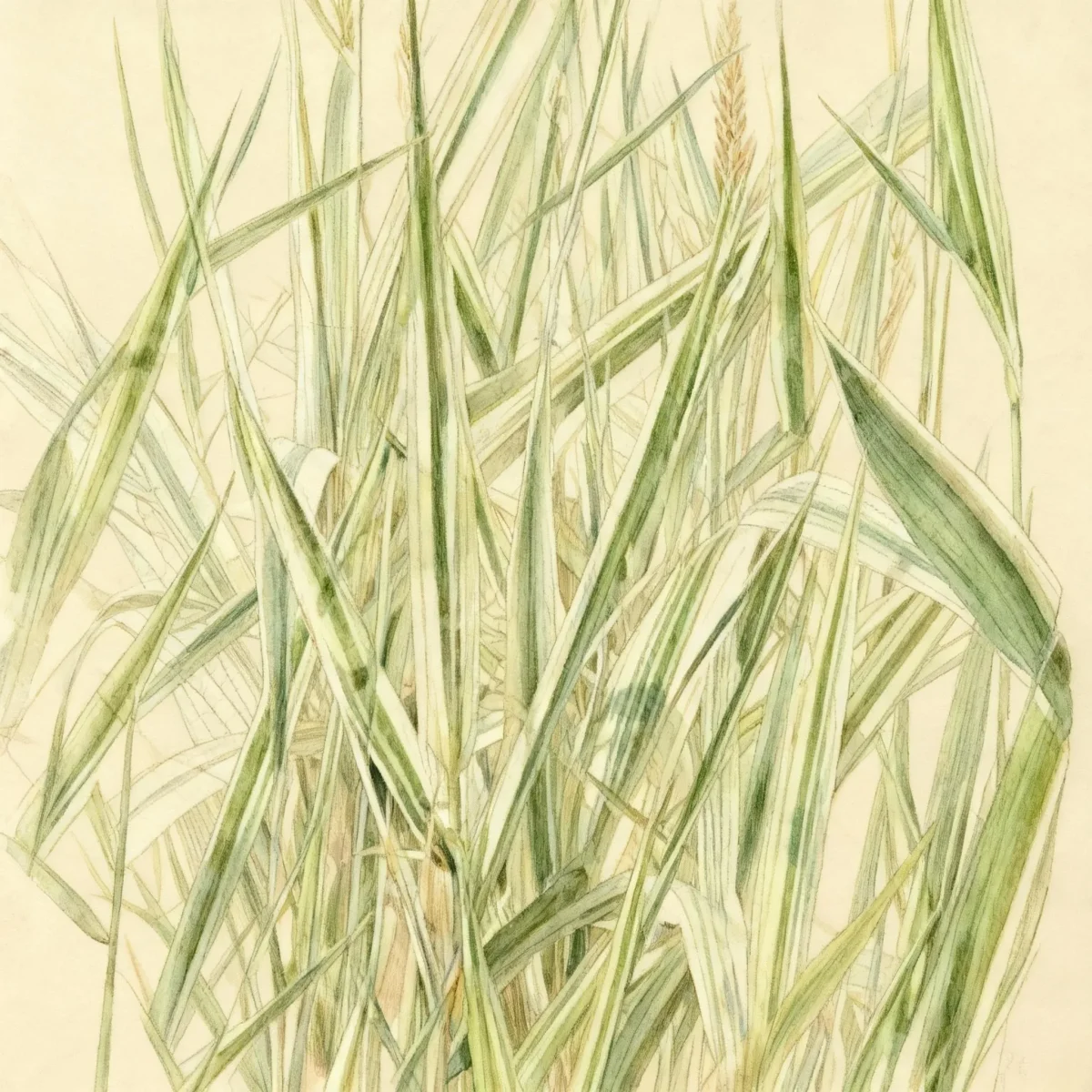
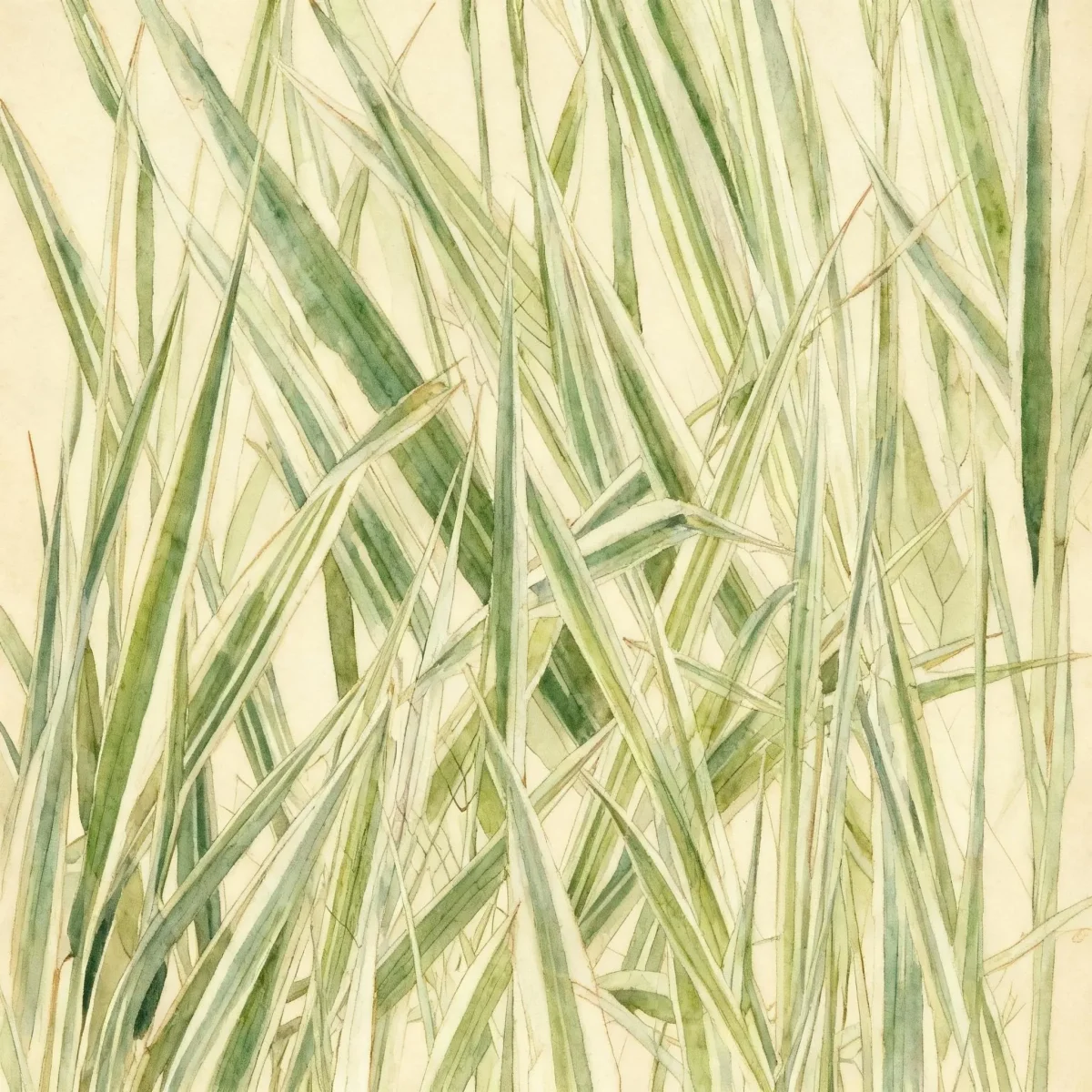
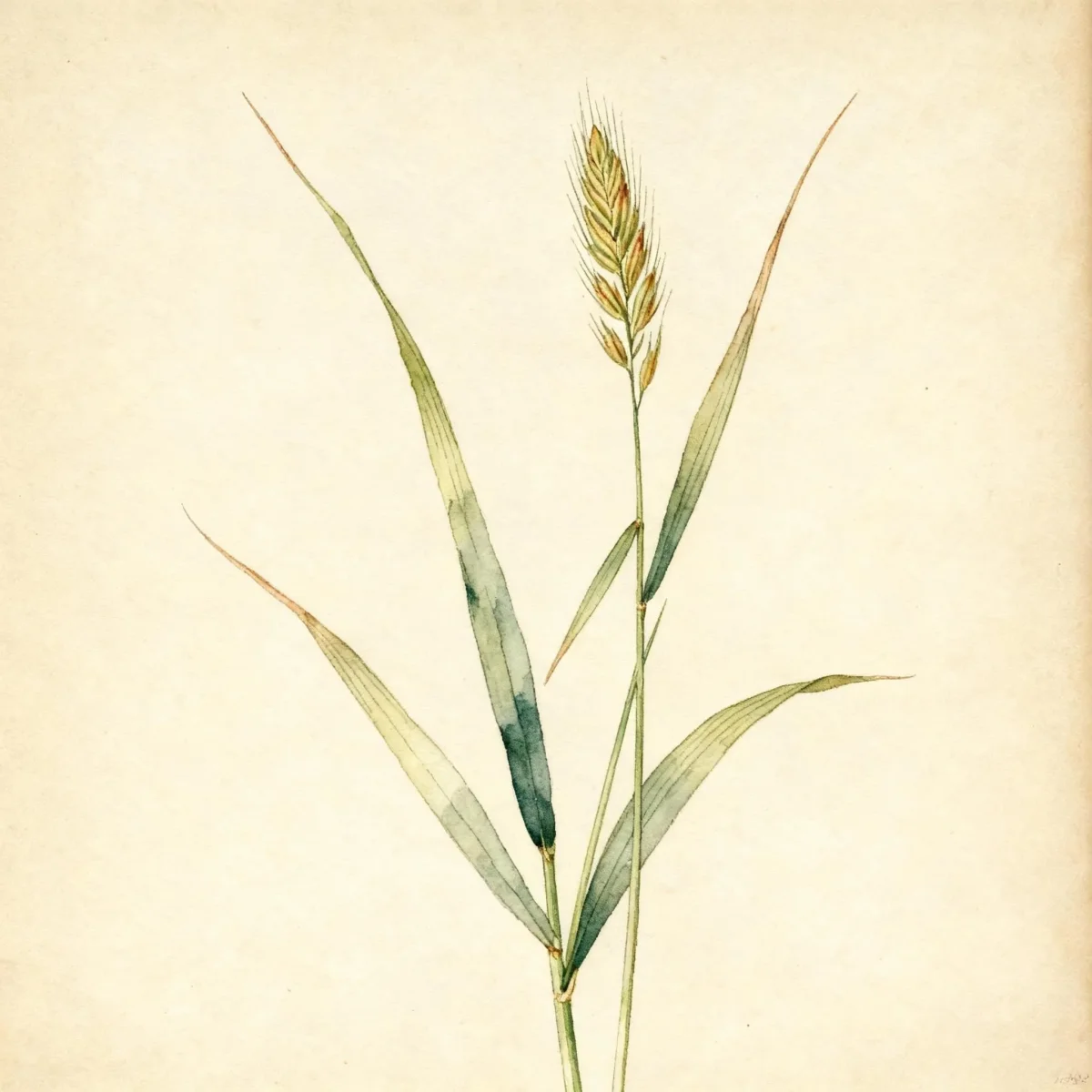
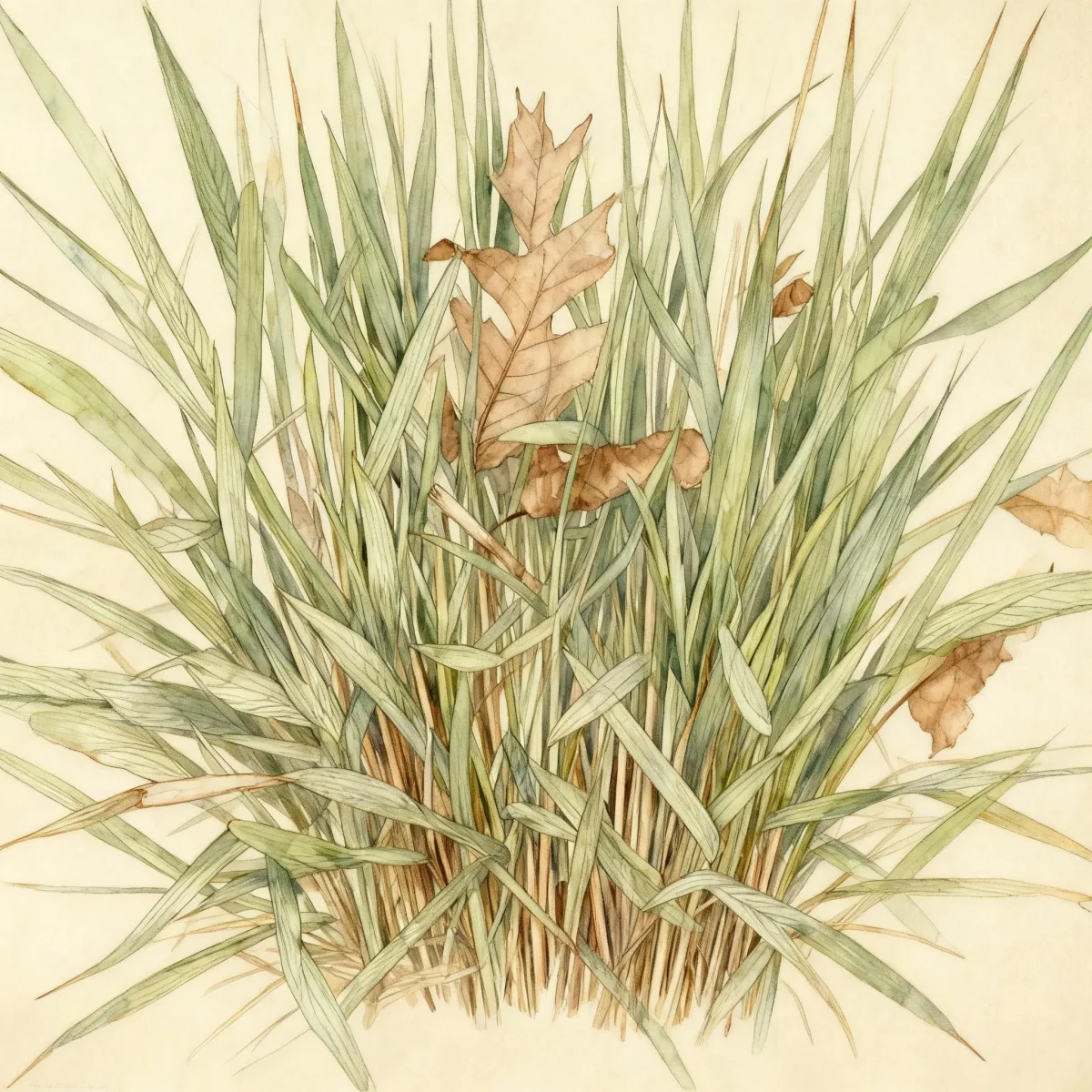
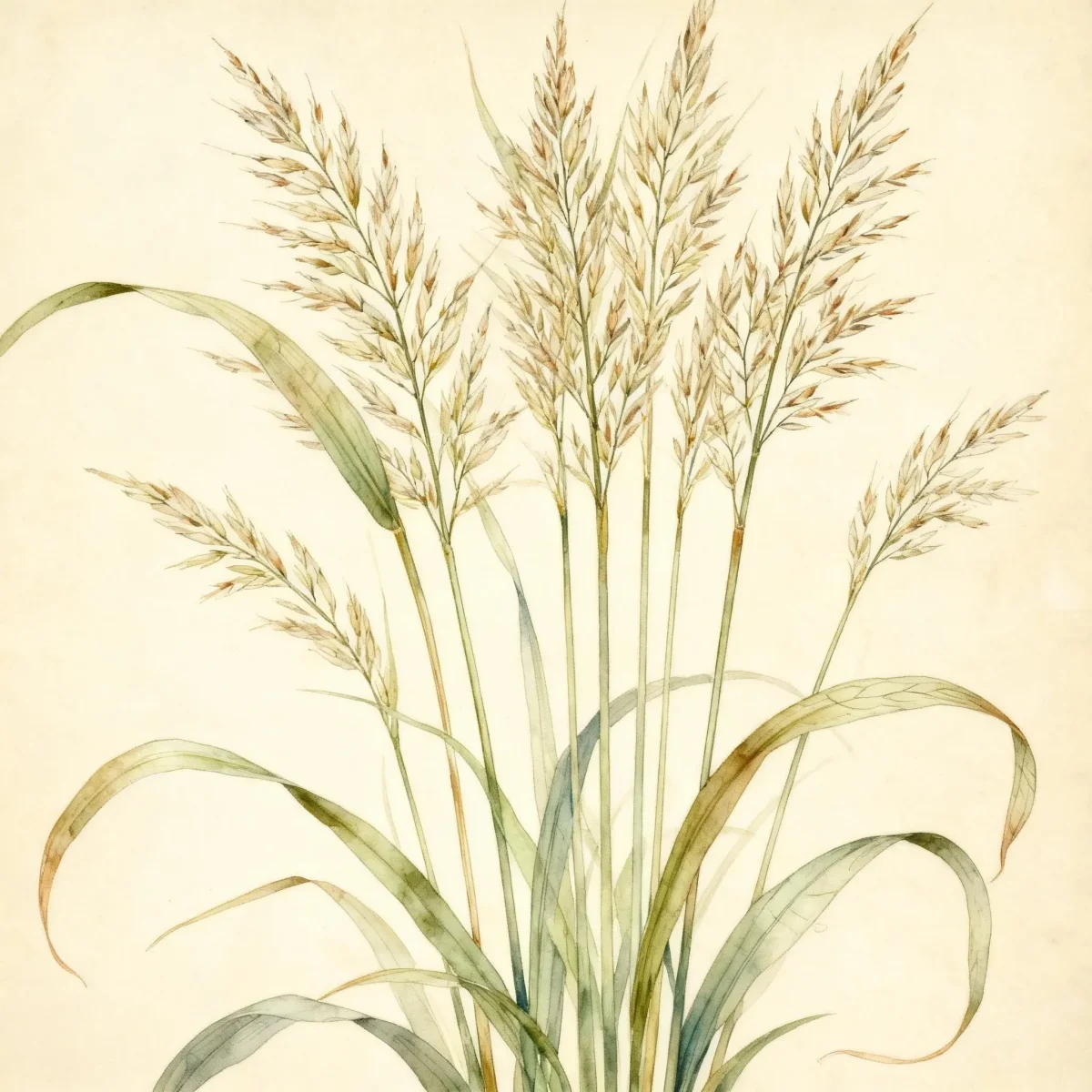
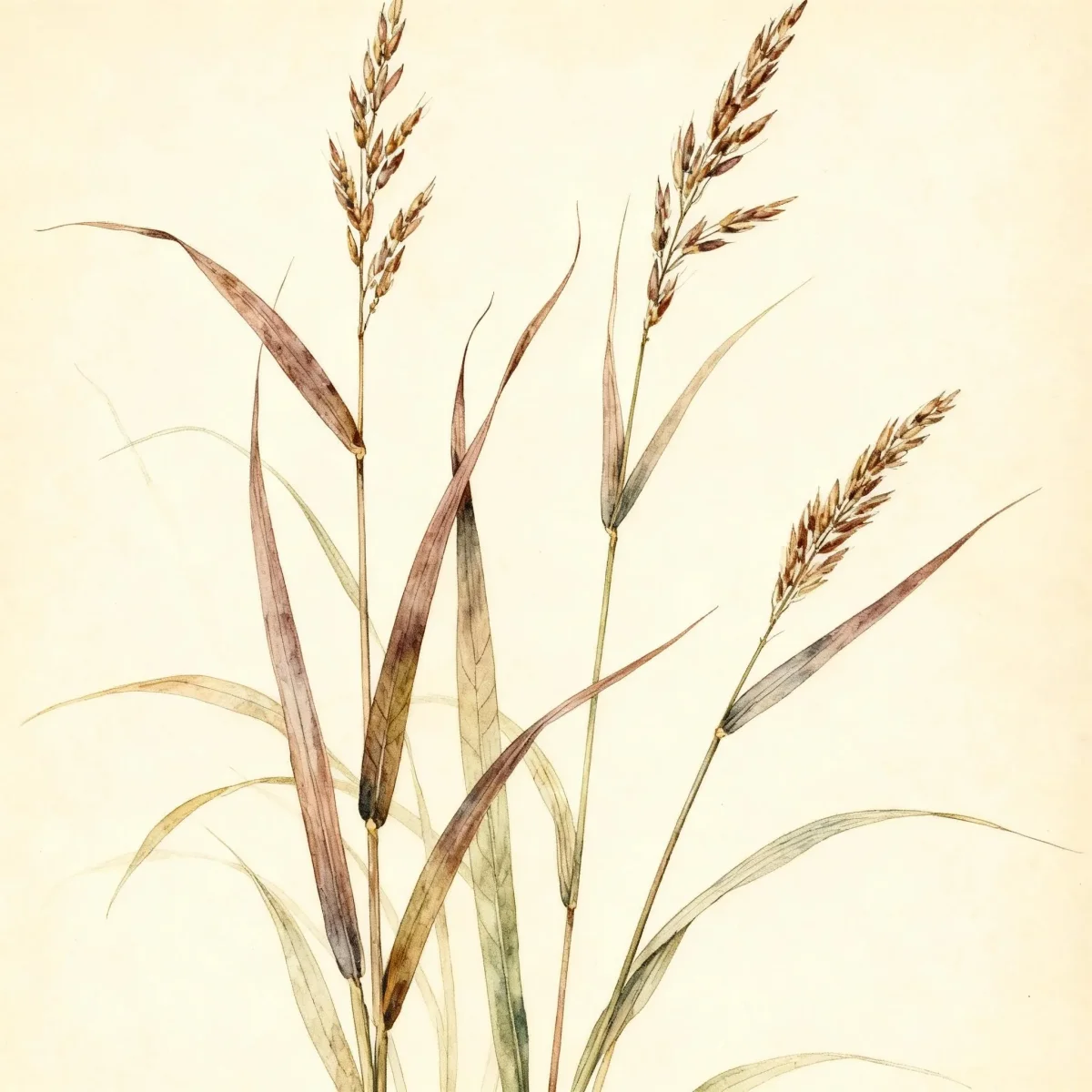
Prairie cord grass (Spartina pectinata)
Tough, handsome Spartina pectinata (Prairie cord grass) thrives in wet areas, offering striking texture and erosion control in zones 4-9.

Bloom Boldly, No Matter the Season - Sweatshirt
Cozy organic cotton sweatshirt featuring our exclusive Purple Coneflower design. Perfect for gardeners who bloom year-round.
Inspired by the beautiful Prairie cord grass
Limited first batch (50) — join the waitlist for early access
Waitlist closes Feb 15, 2026.
Complete Plant Information
Field Guide Continues
Ready for care notes, companion picks, and planting tips?
The map is just the start. The full guide below covers growth habits, seasonal performance, and landscape uses.
Overview
Prairie cord grass, scientifically known as Spartina pectinata, is a distinctive, coarse, and incredibly tough warm-season perennial grass highly valued for its substantial vertical presence in the landscape. Growing robustly to heights between 4 and 7 feet, this species forms dense, arching clumps that provide excellent screening and bold texture from spring through fall. Native across much of North America, Spartina pectinata naturally inhabits damp areas.
This plant offers significant ecological benefits, especially in areas requiring soil stabilization near water features or in low spots retaining moisture. Its deep, spreading rhizomes make it an excellent choice for managing erosion on slopes or stream banks. While requiring medium moisture, its drought tolerance once established allows it flexibility across various challenging settings.
Aesthetically, the glossy dark green leaves contrast beautifully with the late summer flower stems, which bear terminal clusters of straw-colored, comb-like flowers. Gardeners appreciate Spartina pectinata for its reliability and resilience, establishing it as a cornerstone native grass in restorative or naturalized plantings.
Fast Facts
- Plant Family: Poaceae
- Plant Type: Ornamental grass
- Native Range: North America
- Hardiness Zones: USDA Zones 4-9
- Size at Maturity:
- Height: 4-7 ft
- Spread: 4-7 ft
- Bloom Time: July to August
- Bloom Description: Yellow-brown
- Sun Exposure: Full sun to part shade
- Water Needs: Medium to wet
- Maintenance Level: Medium
How to Grow
The best time to establish Spartina pectinata is in spring after the danger of frost has passed, although fall planting is also acceptable in milder regions. This grass prefers fertile, moist to wet loams but is highly adaptable, tolerating sandy or rocky soils well. Ensure the planting location receives at least partial sun to maintain vigor, though full sun encourages the best upright growth habit.
While Spartina pectinata thrives with medium to wet conditions, it exhibits notable drought tolerance once its extensive rhizome system is established. Water deeply during long dry spells in the first year to help it anchor. Fertilization is rarely necessary, as established plants are vigorous feeders in their native habitats; excessive feeding can lead to floppier growth.
One crucial cultural note is management: this grass spreads reliably by rhizomes, quickly forming large, dense colonies. If you wish to restrict spread, planting in containers prevents disruption elsewhere, or use root barriers. Propagation is successfully achieved through division of large clumps, best performed in early spring or fall.
Landscape Uses
The rugged nature and aggressive rhizomes of Prairie cord grass make it indispensable for functional landscape design, particularly site stabilization. It serves as an outstanding choice for lining ponds or water gardens, where its feet-wet tolerance is fully appreciated. Furthermore, it excels at erosion control on slopes, hillsides, and along stream banks, functioning as a living retaining wall that improves soil health.
For more traditional planting schemes, Spartina pectinata can anchor the back of a perennial border, providing superb vertical contrast against shorter, broadleaf plants. Consider pairing it with other moisture-loving natives like Joe-Pye Weed (Eutrochium) or irises, which share similar cultivation needs. In rain garden designs, its ability to handle both wet soil and occasional drought cycles ensures year-round structure.
Standout Features
Flower Qualities
- Showy
Noteworthy Characteristics
Spartina pectinata, commonly called prairie cord grass, is a coarse, tough, warm season perennial grass that typically grows in a dense, arching clump to 4-7’ tall when in flower. Glossy dark green leaves have sharp edges—wear gloves when handling—and turn yellow in autumn, providing seasonal interest before the straw-colored flowers emerge in July and August. The genus name references the tough, fibrous leaves, while the species epithet means comb, describing the appearance of the flower panicle branches.
Tolerances
- Drought
- Erosion
Potential Problems
Prairie cord grass generally exhibits no serious insect or disease problems, solidifying its reputation as a low-fuss ornamental grass. Its tough constitution means it is rarely bothered by common garden pests or fungal issues, provided it is not subjected to overly poor drainage or poor air circulation in overly crowded conditions.
Because of its vigor, the primary management challenge isn’t pests, but controlling its spread. If allowed to sprawl unchecked, the rhizomes can become invasive in mixed garden beds. Be proactive by setting physical barriers or selecting smaller, less aggressive companion plants that can handle edging against the dense root mass of Spartina pectinata.
Frequently Asked Questions
What hardiness zones is Prairie cord grass suitable for?
Spartina pectinata is reliably hardy across USDA Zones 4 through 9, making it versatile for many temperate gardening regions.
How large does Prairie cord grass grow?
This tall ornamental grass typically reaches a mature height between 4 and 7 feet, with a corresponding spread of 4 to 7 feet, forming a substantial architectural presence.
What sun exposure does Spartina pectinata need?
For the best performance, grow Spartina pectinata where it receives full sun, although it will successfully tolerate partial shade conditions.
When does Prairie cord grass bloom?
Bloom time for this species is generally from July through August, showcasing distinctive yellow-brown flower clusters that rise above the foliage.
Conclusion
Spartina pectinata is a premier choice for gardeners seeking structure, resilience, and excellent soil stabilization capabilities, especially in moist environments. This Prairie cord grass is truly a workhorse native, offering substantial height and reliable performance across a wide range of hardiness zones. Before planting, assess your space to manage its spreading nature and confirm your site meets its sun and water requirements.
Companion Planting
Selecting companions that thrive in wet to medium soil conditions, similar to Spartina pectinata, will ensure a cohesive planting scheme. Large perennials with similar moisture needs work well beneath the lofty plumes of this grass. Consider native wetland flowers like Swamp Milkweed (Asclepias incarnata) or tall, moisture-loving asters that will bloom slightly after the grass begins flowering, extending the visual season.
For designs emphasizing height and texture, integrate other taller native grasses or rushes that enjoy similar light requirements. Since its leaves are sharp, avoid placing delicate, low-growing groundcovers immediately alongside the clump where contact might lead to damage when the grass is heavily swayed by wind.
Propagation Tips
The most straightforward asexual method for multiplying Spartina pectinata is by division. Because this grass forms dense clumps rooted by tough rhizomes, division requires effort but yields instant, mature-sized plants. Wait until early spring, just as new growth is beginning, or in the early fall.
To divide, use a sharp spade or trenching shovel to cut through the root ball, separating it into smaller sections, ensuring each section has a decent amount of root mass and viable shoots. Replant the divisions immediately into prepared, moist soil, watering thoroughly to reduce transplant shock. This technique maintains the desirable mature characteristics of the parent plant.