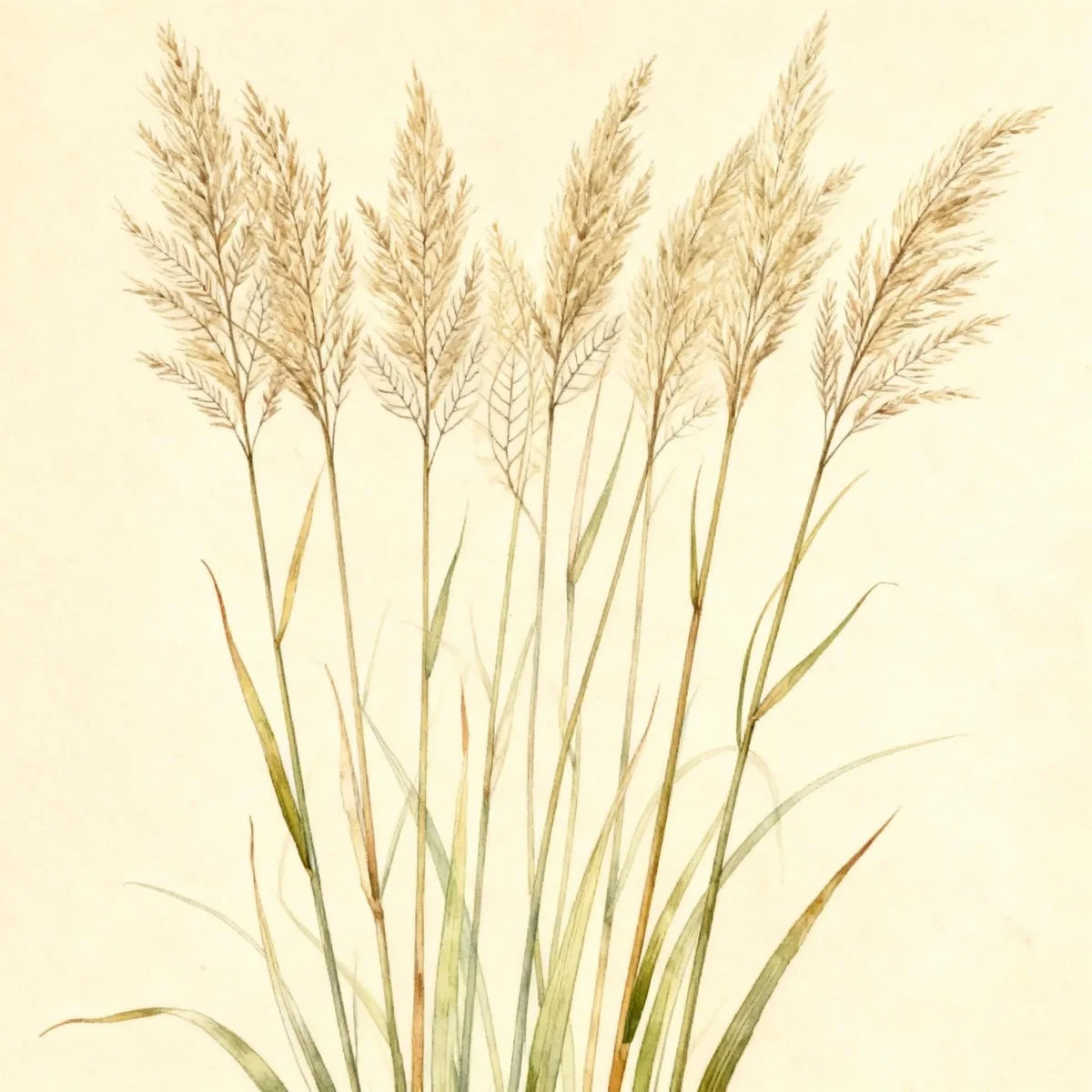
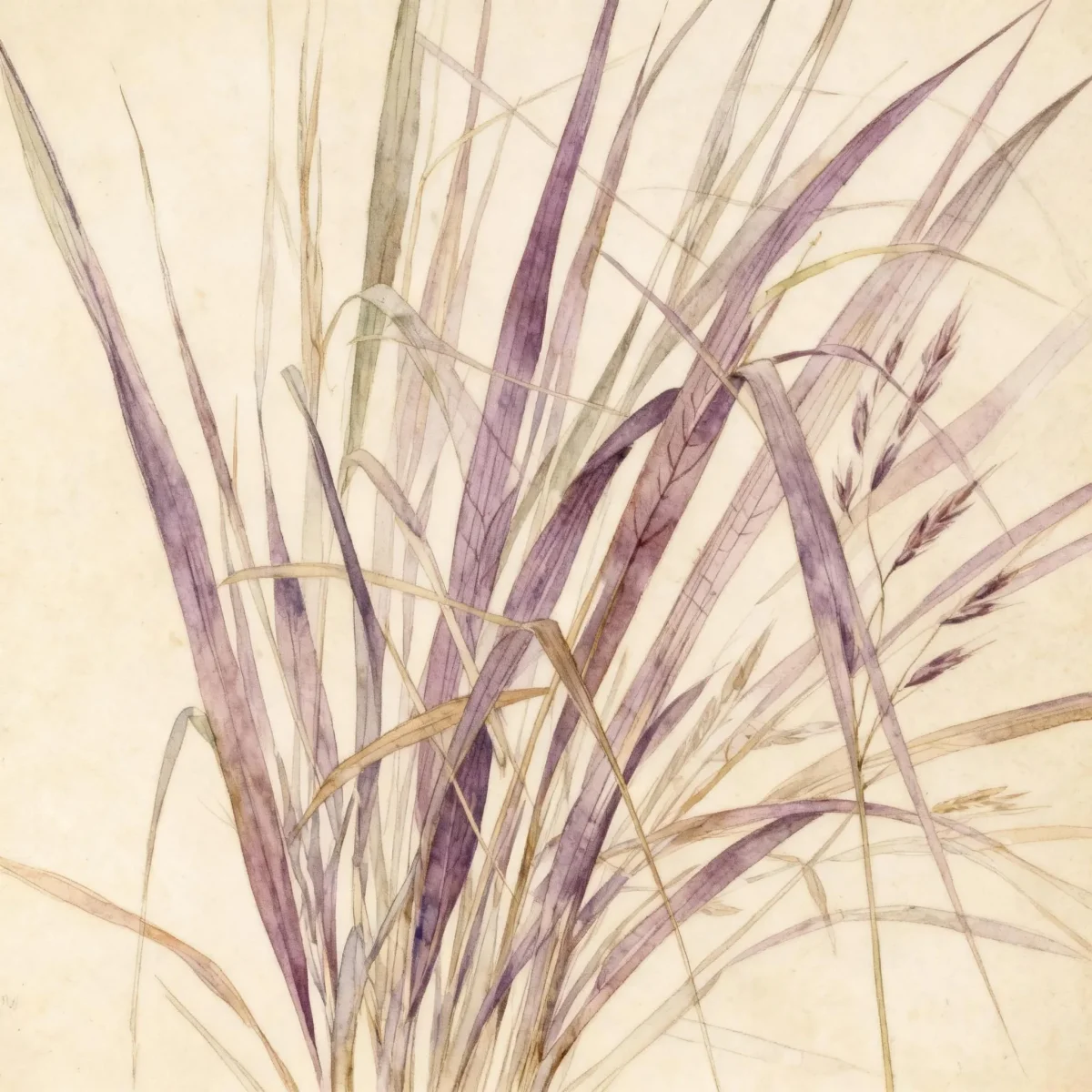
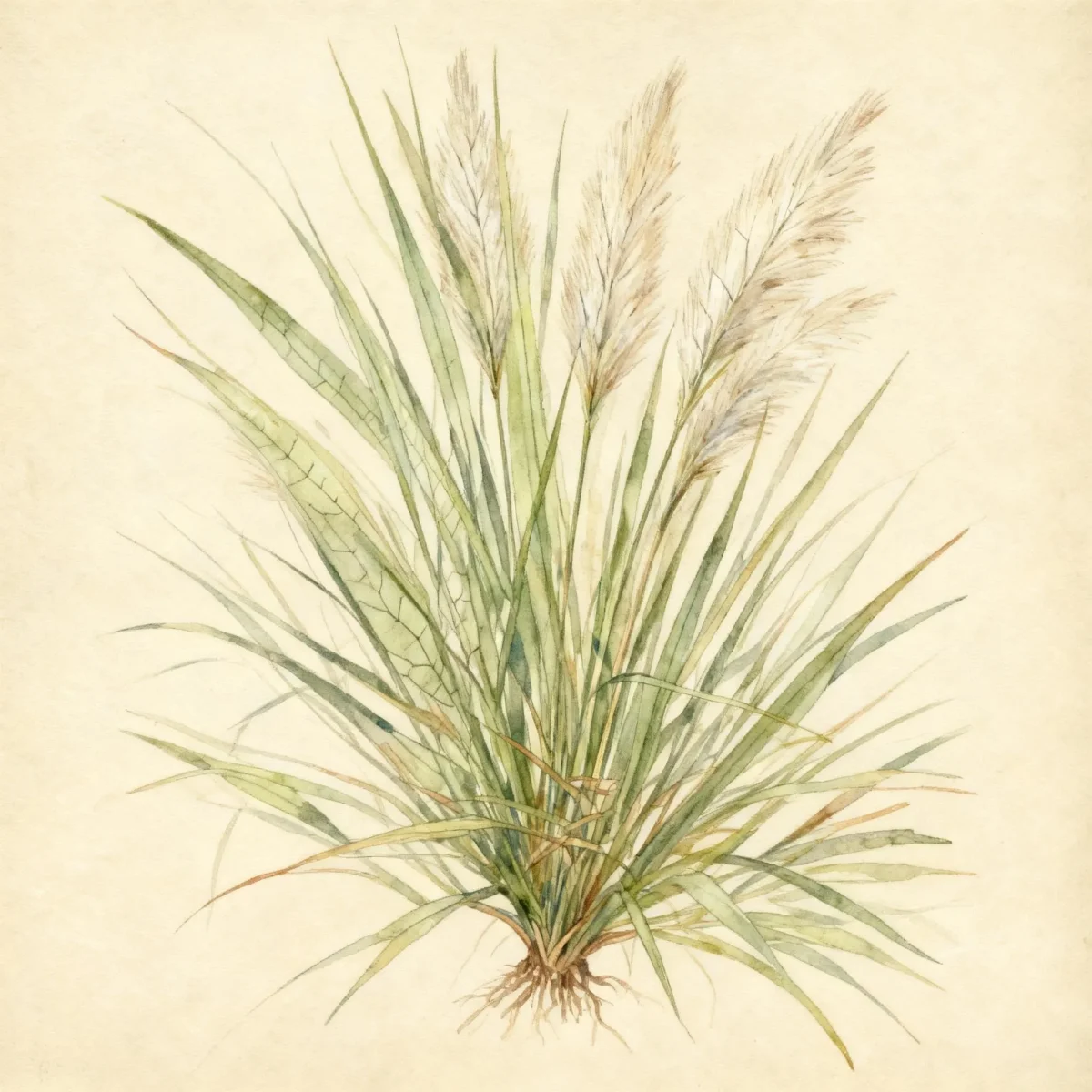
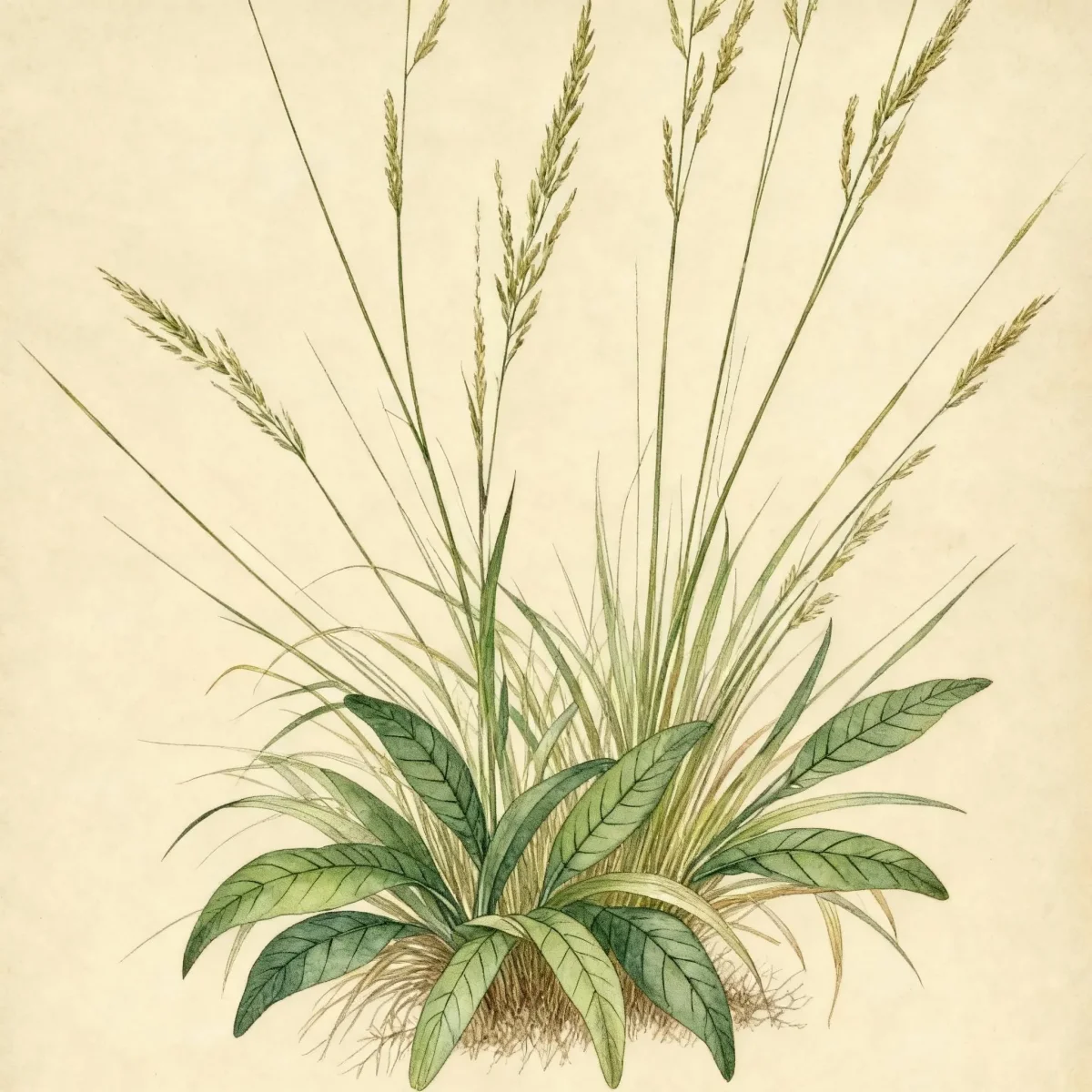
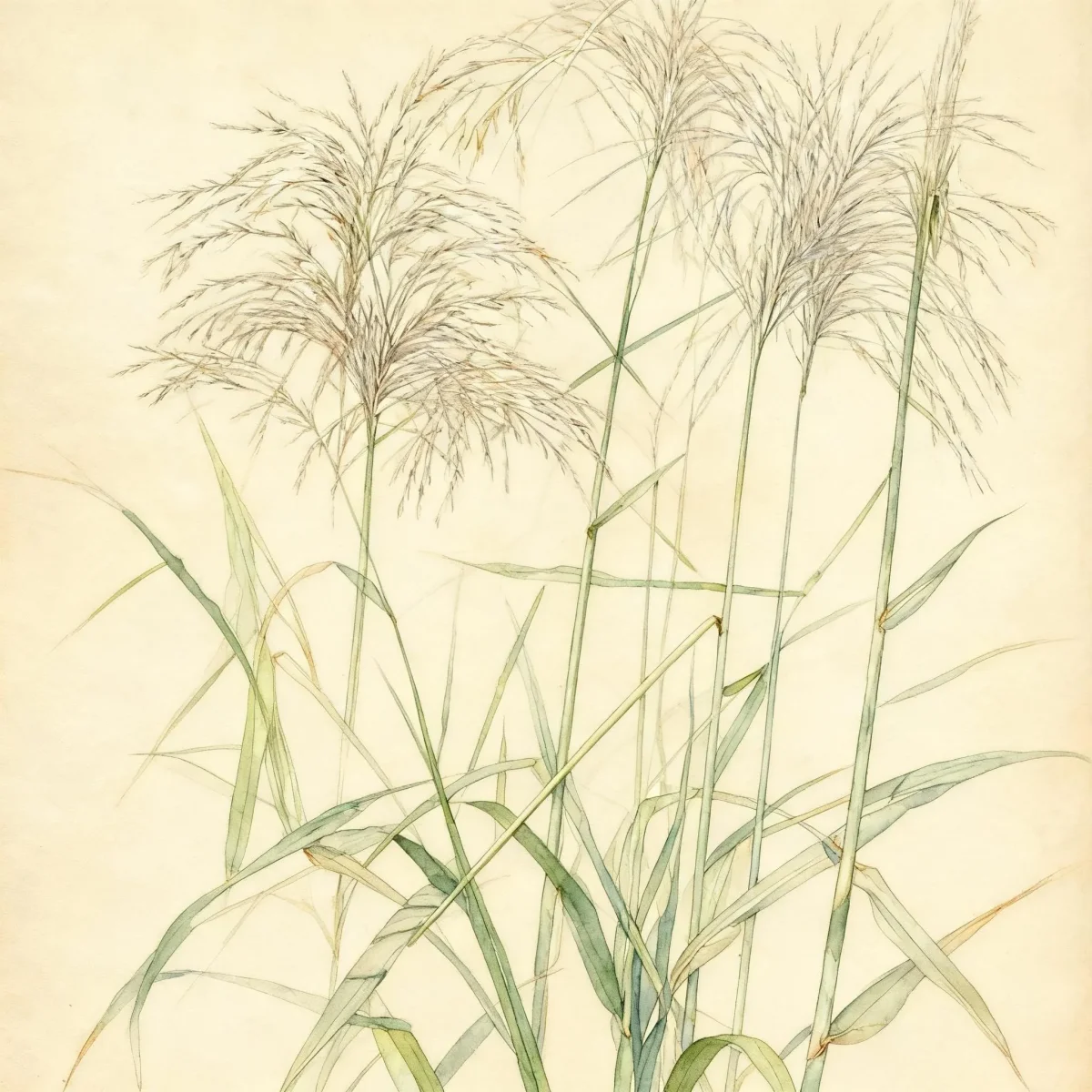
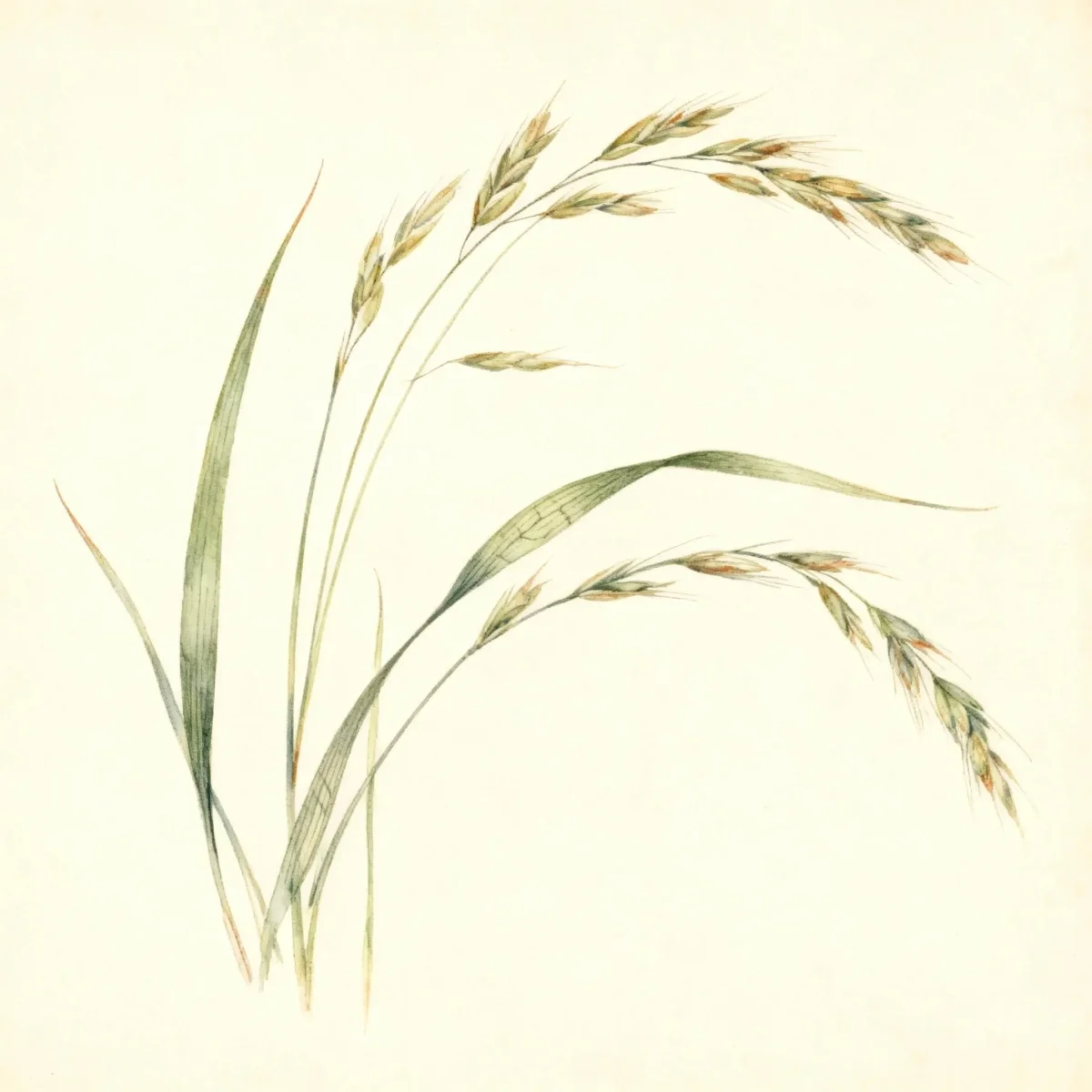
Cumberland reed grass (Calamovilfa arcuata)
Cumberland reed grass, Calamovilfa arcuata, is a clumping ornamental grass ideal for moist soils and rain gardens in Zones 6-8.
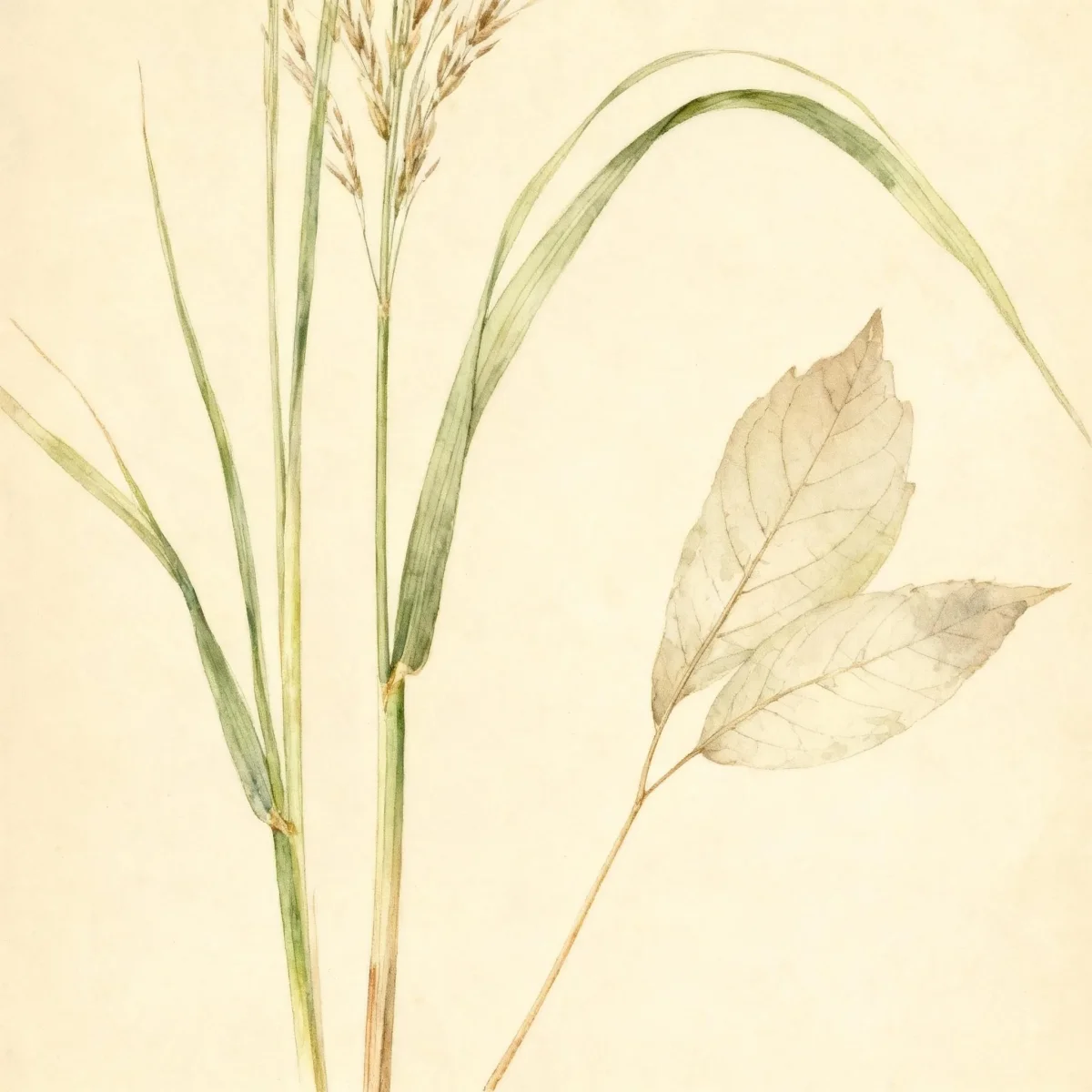

Bloom Boldly, No Matter the Season - Sweatshirt
Cozy organic cotton sweatshirt featuring our exclusive Purple Coneflower design. Perfect for gardeners who bloom year-round.
Inspired by the beautiful Cumberland reed grass
Limited first batch (50) — join the waitlist for early access
Waitlist closes Feb 15, 2026.
Complete Plant Information
Field Guide Continues
Ready for care notes, companion picks, and planting tips?
The map is just the start. The full guide below covers growth habits, seasonal performance, and landscape uses.
Overview
Calamovilfa arcuata, known commonly as Cumberland reed grass, is a rare and distinctive riverine sandgrass native to specific flood-scoured areas of the Central United States. This perennial ornamental grass forms attractive clumps, lending structure to gardens requiring consistent moisture. Its natural occurrence is tied to rocky stream banks and gravel bars, environments that inform its cultural needs in the landscape.
While difficult to source commercially, Cumberland reed grass offers gardeners a unique texture and height, typically reaching 3 to 4 feet tall. Calamovilfa arcuata thrives where other plants fail, preferring moist to wet soil conditions under full sun exposure. Its growth habit is clumping, though it can slowly spread by rooting at the nodes.
The value of this species lies in its adaptation to harsh, periodically flooded habitats, making it an excellent, reliable choice for specialized areas like rain gardens. Gardeners should seek to mimic its native habitat to ensure the best health and form for their clumping Calamovilfa arcuata specimens.
Fast Facts
- Plant Family: Poaceae
- Plant Type: Ornamental grass
- Native Range: Central United States
- Hardiness Zones: USDA Zones 6-8
- Size at Maturity:
- Height: 3-4 ft
- Spread: 3-4 ft
- Bloom Time: August to September
- Bloom Description: Green
- Sun Exposure: Full sun
- Water Needs: Medium to wet
- Maintenance Level: Medium
How to Grow
Calamovilfa arcuata establishes best when planted during the growing season in locations offering full sun and preferably moist to wet soils. In its natural setting, this species roots in sandy alluvium between rocks along small rivers, suggesting a preference for well-draining even when moist. While it tolerates part shade, excessive shade will lead to a loss of its desirable compact form, causing the grass to grow more openly and potentially fall over.
Watering needs for Cumberland reed grass are moderate to high; ensure the soil remains consistently moist, especially during establishment. This species is quite tolerant of wet conditions, making it suitable for rain gardens or areas with poor drainage. Fertilizing is generally not required, as this sandgrass is adapted to lean, rocky substrates found along river scour prairies.
Maintenance for Calamovilfa arcuata is straightforward. In late winter or early spring, before new growth begins, the entire clump can be cut back hard to the ground. This pruning encourages vigorous, fresh growth for the coming season.
Landscape Uses
The primary suggested use for Cumberland reed grass is in Rain Garden settings, where its tolerance for waterlogged or frequently inundated soil provides reliability. Its vertical habit, reaching 3 to 4 feet, works well planted among moisture-loving flowering herbs and low shrubs that share its preference for sunny, wet spots along stream edges.
Homeowners should note that finding Calamovilfa arcuata in general commerce can be very difficult, meaning careful planning is essential if integrating this rare reed grass into residential landscapes. If successfully acquired, consider grouping it in a low-lying area where supplemental water can be easily provided throughout the summer months.
Standout Features
Flower Qualities
- Insignificant
Noteworthy Characteristics
Calamovilfa arcuata, commonly known as Cumberland reed grass, is a riverine sandgrass whose growth in the wild is limited to a few scattered populations found in sunny locations along flood-scoured exposures of bedrock, cobble and gravel along streams or small rivers located in the Cumberland Plateau area of Kentucky, Tennessee and northern Alabama. Typical habitat is rocky stream/river banks and cobble/gravel bars which are kept open and maintained by periodic flooding. This rare species features short, compact rhizomes, glabrous stems, and leaf blades with sharp downward pointed teeth, making it distinct from relatives like switch grass.
Tolerances
- Wet Soil
Potential Problems
No serious insect or disease problems are typically reported for Cumberland reed grass. The primary threat to Calamovilfa arcuata is ecological interference, as its survival in the wild depends largely on freely flowing, unpolluted streams. In cultivation, gardeners focusing on water management must be cautious about practices that drastically alter the environment. Construction of dams or significant streambank alteration that affects water flow or introduces pollution can destroy the delicate cobble bar communities this grass relies upon. Avoid introducing excessive organic matter or rich compost, as this mimics flooding erosion that is necessary to maintain the open habitat needed by this sandgrass.
Frequently Asked Questions
What hardiness zones is Cumberland reed grass suitable for?
Calamovilfa arcuata is suitable for USDA Zones 6 through 8. Ensure your location falls within this range for reliable perennial survival.
How large does Calamovilfa arcuata grow?
This plant typically reaches mature heights ranging from 3 to 4 feet tall and spreads equally wide, forming dense clumps.
What sun exposure does Cumberland reed grass need?
Calamovilfa arcuata requires full sun to maintain its compact and upright structure. Too much shade will cause it to become open and floppy.
When does Calamovilfa arcuata bloom?
Cumberland reed grass produces its simple green flowers in an open panicle structure between August and September.
Conclusion
Calamovilfa arcuata offers exceptional value to the knowledgeable gardener looking for a reliable, medium-maintenance grass adapted to wet conditions, making Cumberland reed grass a prime candidate for ecological restoration areas or specialized rain gardens. If you manage to source this intriguing species, plan its incorporation into your design well in advance and ensure its chosen planting site mimics a sunny, moist river edge environment.
Companion Planting
Because of its requirement for consistently moist to wet soil and its preference for full sun, Cumberland reed grass pairs well with other moisture-loving bog or waterside plants. Consider associating it with robust wetland perennials that share similar height profiles when mature, such as certain tall sedges (Carex species) or irises adapted to wet feet, like Iris versicolor. These companions should also handle the periodic disturbances associated with riparian zones.
When planting Calamovilfa arcuata near streams, choose native herbaceous plants that thrive in gravelly, sandy-based soils. Avoid aggressive spreading companions that might easily outcompete this structurally specialized grass, as the goal is to emulate a balanced, open habitat where the reed grass can establish its root structure without being choked out by excessive organic debris.
Seasonal Care Calendar
Late Winter/Early Spring: This is the optimal time to service your Calamovilfa arcuata. Cut the dead growth back hard to about 2-3 inches above the ground using pruners or string trimmers. This major pruning stimulates the dormant rhizomes to push healthy new shoots.
Spring/Early Summer: Focus heavily on soil moisture management during establishing. Ensure the planting area receives consistent water, especially if the spring has been dry. If planting in a designated rain garden, observe how quickly water dissipates to ensure the roots are not sitting in stagnant water for prolonged periods outside of engineered flood events.
Late Summer/Fall: The grass will be showing its August to September bloom display, featuring narrow greenish panicles. Avoid heavy fertilization or major transplanting activities during this time. Allow the foliage of the Cumberland reed grass to senesce naturally after the first hard frost, as the dried structure provides winter interest.