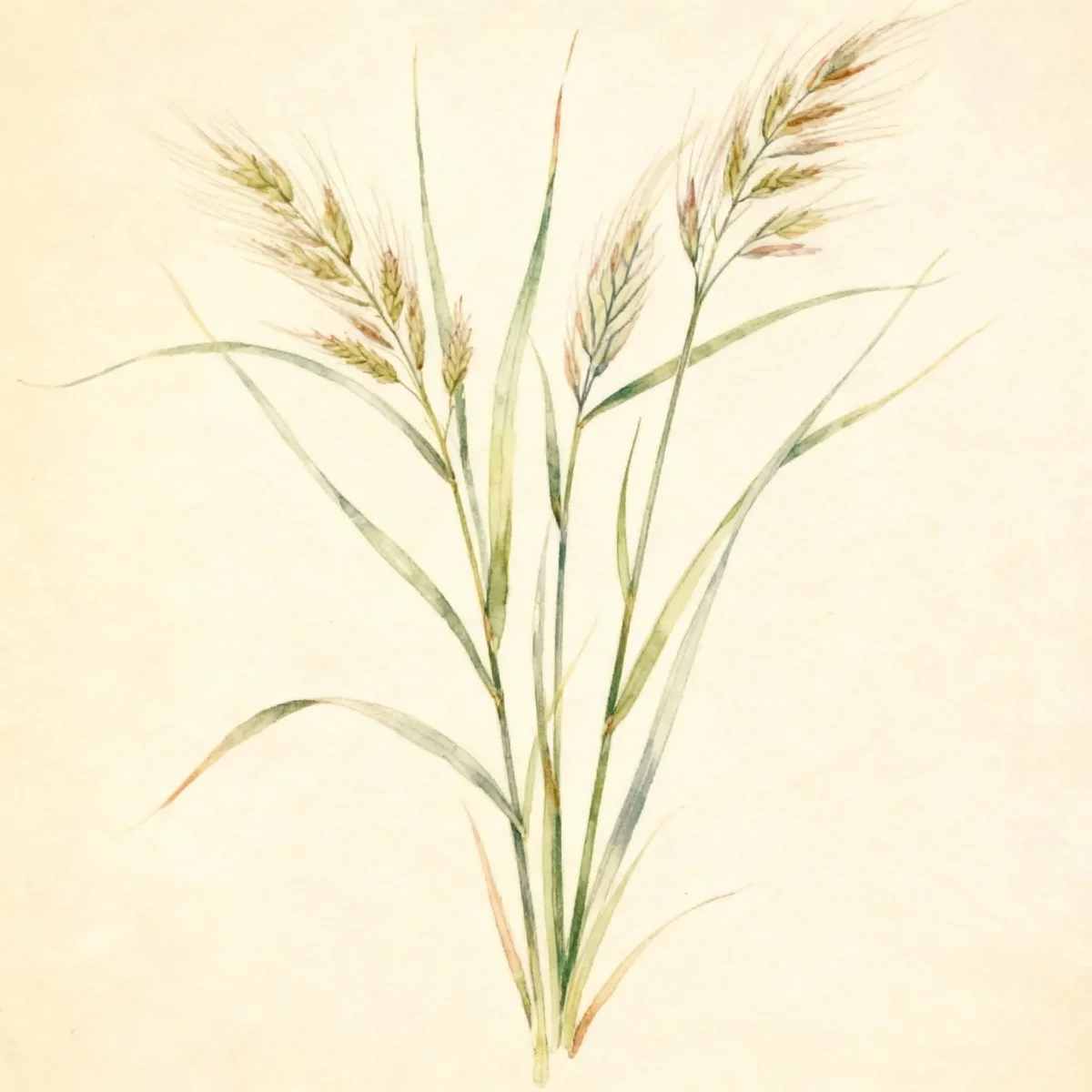
Deergrass (Muhlenbergia rigens)
Deergrass (Muhlenbergia rigens) is a clump-forming, low-maintenance ornamental grass for dry slopes and native gardens.
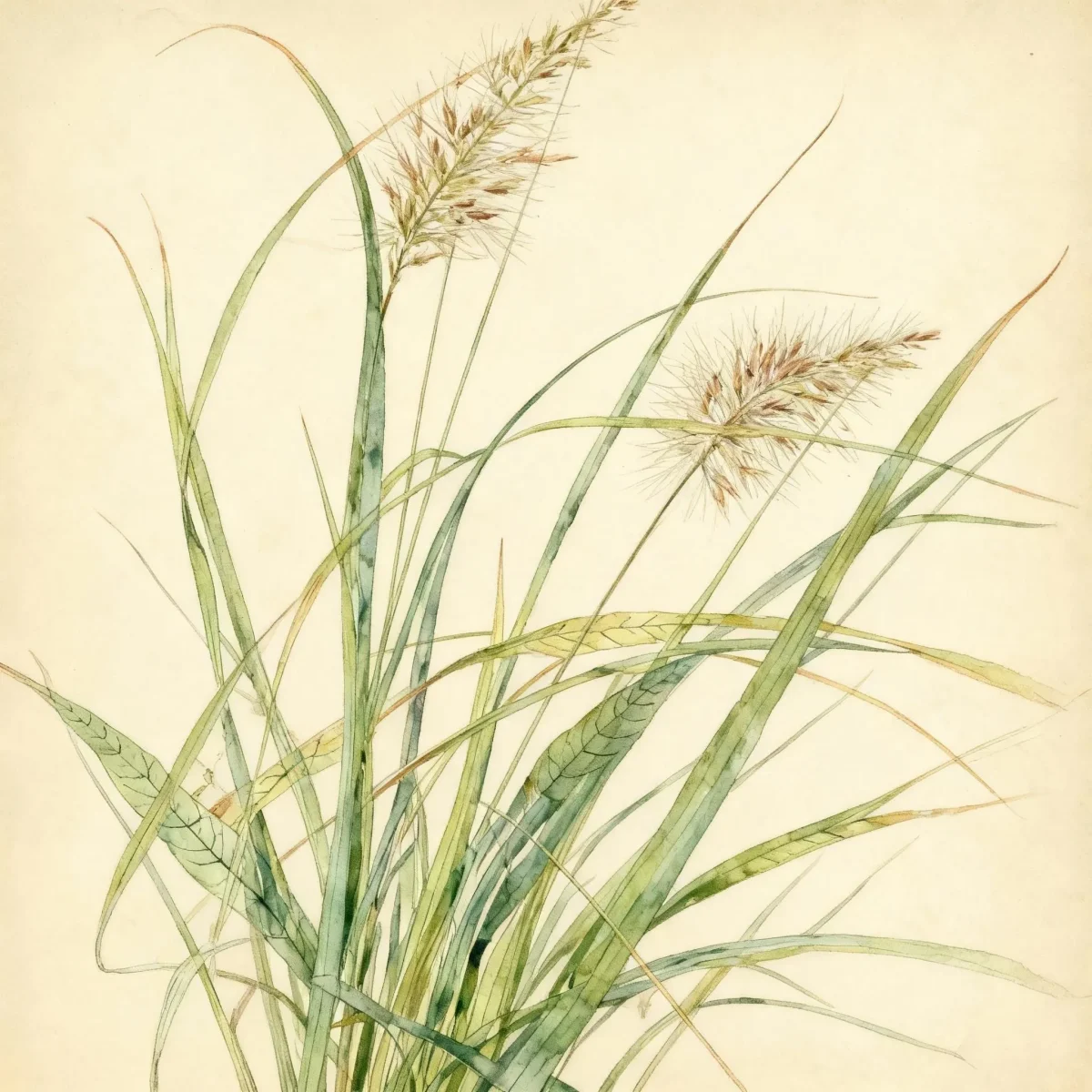

Bloom Boldly, No Matter the Season - Sweatshirt
Cozy organic cotton sweatshirt featuring our exclusive Purple Coneflower design. Perfect for gardeners who bloom year-round.
Inspired by the beautiful Deergrass
Limited first batch (50) — join the waitlist for early access
Waitlist closes Feb 15, 2026.
Complete Plant Information
Field Guide Continues
Ready for care notes, companion picks, and planting tips?
The map is just the start. The full guide below covers growth habits, seasonal performance, and landscape uses.
Overview
Muhlenbergia rigens, widely known as Deergrass, is a highly valuable addition to xeriscape and native plant gardens throughout the West. This ornamental grass forms dense, attractive clumps of slender, gray-green foliage that naturally weeps as the stems elongate in summer. It provides excellent texture throughout the growing season, culminating in delicate flower spikes late in the year.
As a cool-season perennial, Deergrass thrives in conditions where many other plants struggle, exhibiting good drought tolerance once established. Its low maintenance requirements make Muhlenbergia rigens an excellent structural element for gardeners seeking naturalistic aesthetics with minimal ongoing input. The genus name honors the noted botanist Gotthilf Henry Ernest Muhlenberg.
The overall visual appeal of Muhlenbergia rigens comes from its graceful stature and the subtle color shift of its plumes from purple to yellow as the season progresses. Whether massed on a dry slope or used as a rear border accent, Deergrass enhances landscapes needing structure, movement, and resilience.
Fast Facts
- Plant Family: Poaceae
- Plant Type: Ornamental grass
- Native Range: Western-central US and Mexico
- Hardiness Zones: USDA Zones 6-9
- Size at Maturity:
- Height: 3-6 ft
- Spread: 2-3 ft
- Bloom Time: September to November
- Bloom Description: Purple to yellow
- Sun Exposure: Full sun
- Water Needs: Dry to medium
- Maintenance Level: Low
How to Grow
Plant Muhlenbergia rigens in average, well-drained soils. While it prefers full sun for the best form and flowering, Deergrass tolerates light shade successfully. Planting during the cooler parts of the growing season allows roots to establish before summer heat, though any time that avoids overly wet soil conditions is generally suitable.
This grass is highly resistant to drought once established, requiring deep watering only during extended dry periods. Consistently wet soil is detrimental to the long-term health of Muhlenbergia rigens, so incorporate ample organic matter to ensure drainage if your native soil is heavy clay. No routine fertilization is typically needed; excessive nutrients can lead to flopping or weak stems.
Maintenance is low for this species. Pruning is generally limited to cutting back the previous year’s foliage in late winter or early spring before new growth emerges. While often rated hardy to Zones 7-10, gardeners in the cooler end of its range (Zones 5 and 6) should consider planting Muhlenbergia rigens in a protected location to maximize winter survival.
Landscape Uses
Deergrass shines in naturalized settings where its native qualities can be fully appreciated. It is an outstanding choice for native plant gardens, helping to restore local ecology while providing reliable, vertical interest. Plant Muhlenbergia rigens along dry slopes where its root structure can help prevent erosion while demanding very little supplemental water.
Due to its final height of 3 to 6 feet, this plant functions effectively as a rear border accent, providing a soft backdrop for lower-growing perennials and shrubs. Consider pairing Deergrass with structural, drought-tolerant companions such as Yuccas, Penstemons, or salvias that share its cultural needs for sun and sharp drainage. Its fine texture provides an excellent contrast to broad-leaved succulents or flowering perennials.
In modern prairie-style plantings, mass plantings of Muhlenbergia rigens create powerful drifts of natural movement when breezes pass through. This grass requires spatial separation—its 2 to 3-foot spread means it should not be crowded, allowing its arching habit to develop fully.
Standout Features
Flower Qualities
- Showy
Noteworthy Characteristics
Muhlenbergia rigens, commonly called deer grass, is a clump-forming, cool season perennial grass which is native to the southwestern U.S. (California to Texas) and Mexico. Features slender gray-green leaves typically growing in a dense clump to 2-4’ tall, with stems arching outward to produce an attractive weeping effect. Narrow purple to yellow flower spikes rise above the foliage in autumn, turning light straw color in the fall.
Tolerances
- Drought
- Black Walnut
- Air Pollution
Potential Problems
Muhlenbergia rigens is remarkably free of serious insect or disease problems, which significantly contributes to its low maintenance label. Gardeners should focus primarily on cultural management rather than pest control. The main risk to this species involves improper soil conditions, particularly poor drainage. Wet feet, especially during winter dormancy, are far more likely to cause decline than any pest infestation.
Monitor for signs of root stress if the plant appears thin or sparse; this usually indicates overly saturated soil rather than disease. Conversely, in exceptionally dry years, ensure established clumps receive occasional deep watering to maintain vigor, although drought tolerance is a key feature of Deergrass.
Frequently Asked Questions
What hardiness zones is Deergrass suitable for?
Deergrass (Muhlenbergia rigens) is reliably hardy in USDA Zones 6 through 9.
How large does Muhlenbergia rigens grow?
This ornamental grass typically reaches heights between 3 and 6 feet, with a spread of 2 to 3 feet at maturity.
What sun exposure does Muhlenbergia rigens need?
Muhlenbergia rigens thrives best in full sun, although it can perform well in light shade.
When does Deergrass bloom?
You can expect the bloom time for Deergrass to be from September into November, presenting purple to yellow flower spikes.
Conclusion
Muhlenbergia rigens offers exceptional texture, structure, and resilience, making it a cornerstone plant for sustainable, low-water landscapes. The ease of care associated with Deergrass allows gardeners to focus less on maintenance and more on enjoying its graceful weeping form and late-season plumes. Ensure you select a planting site with excellent drainage to guarantee success with your Muhlenbergia rigens.
Companion Planting
When selecting neighbors for Deergrass, prioritize plants that share its preference for sun and dry to medium conditions. Grouping it with other native, drought-tolerant species creates a cohesive, low-impact garden tapestry. Good companions include various Sedums, Agastache species (Hyssop), and other fine-textured grasses if you desire variation in color or height.
Avoid placing Deergrass immediately next to plants that demand consistent moisture or rich, heavy soil, as high demands in one area might lead to overwatering the grass. The structural nature of Muhlenbergia rigens also pairs beautifully with contrasting fine-textured companions, creating visual pop without competing culturally.
Seasonal Care Calendar
In late winter or very early spring, before active growth begins, perform the primary cleanup for your stand of Deergrass. Cut the previous season’s foliage back to a few inches above the ground to allow the new grey-green shoots to emerge cleanly. During the growing season, minimal intervention is required for Muhlenbergia rigens.
If your region experiences exceptionally dry summers outside of historical norms, provide one or two deep soakings to support the root system, especially for younger clumps. In fall, allow the dried foliage and blooms to remain, as they provide winter interest and structure, turning a pleasant light straw color. In milder winters, the clump may retain much of its structure even past the typical dormant season.