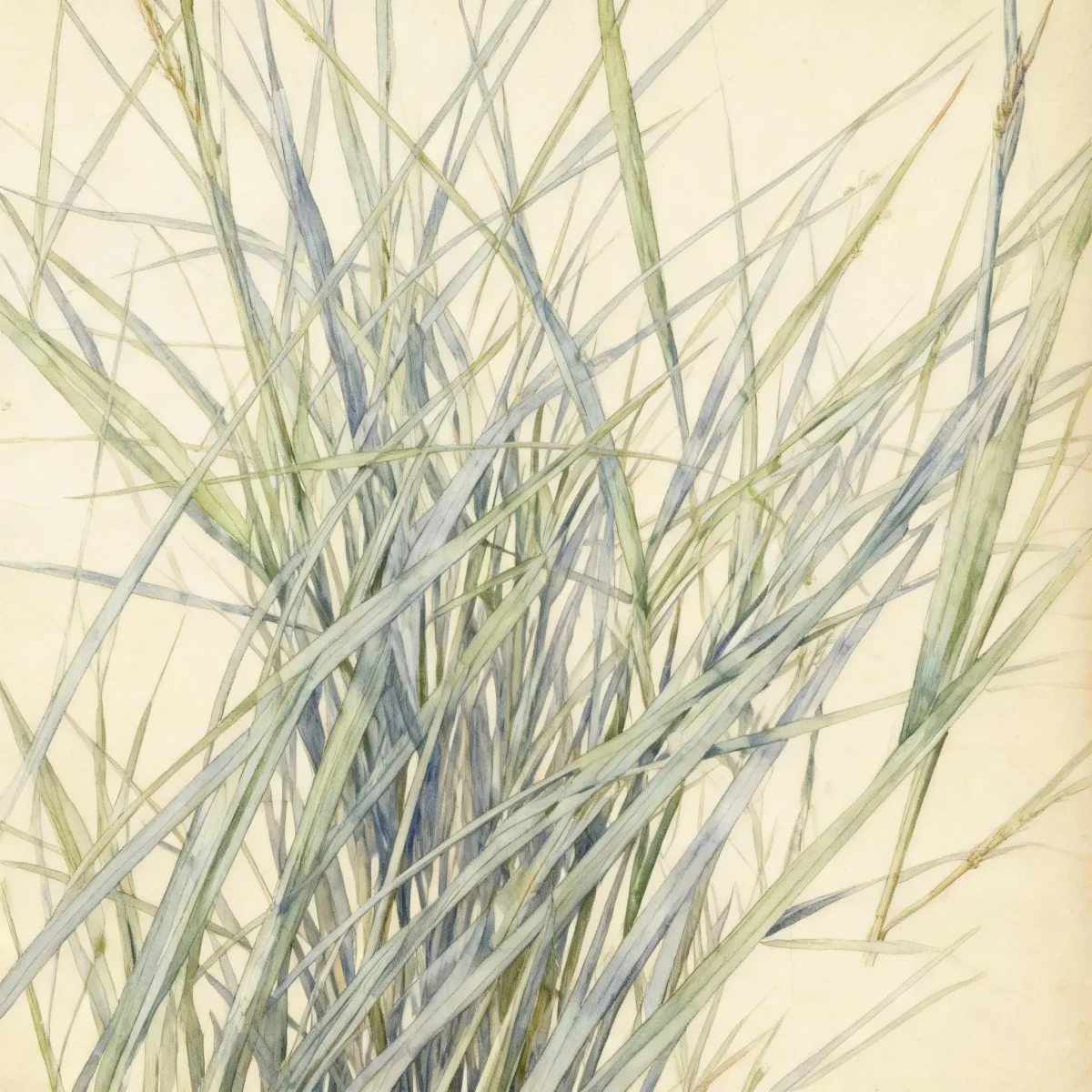
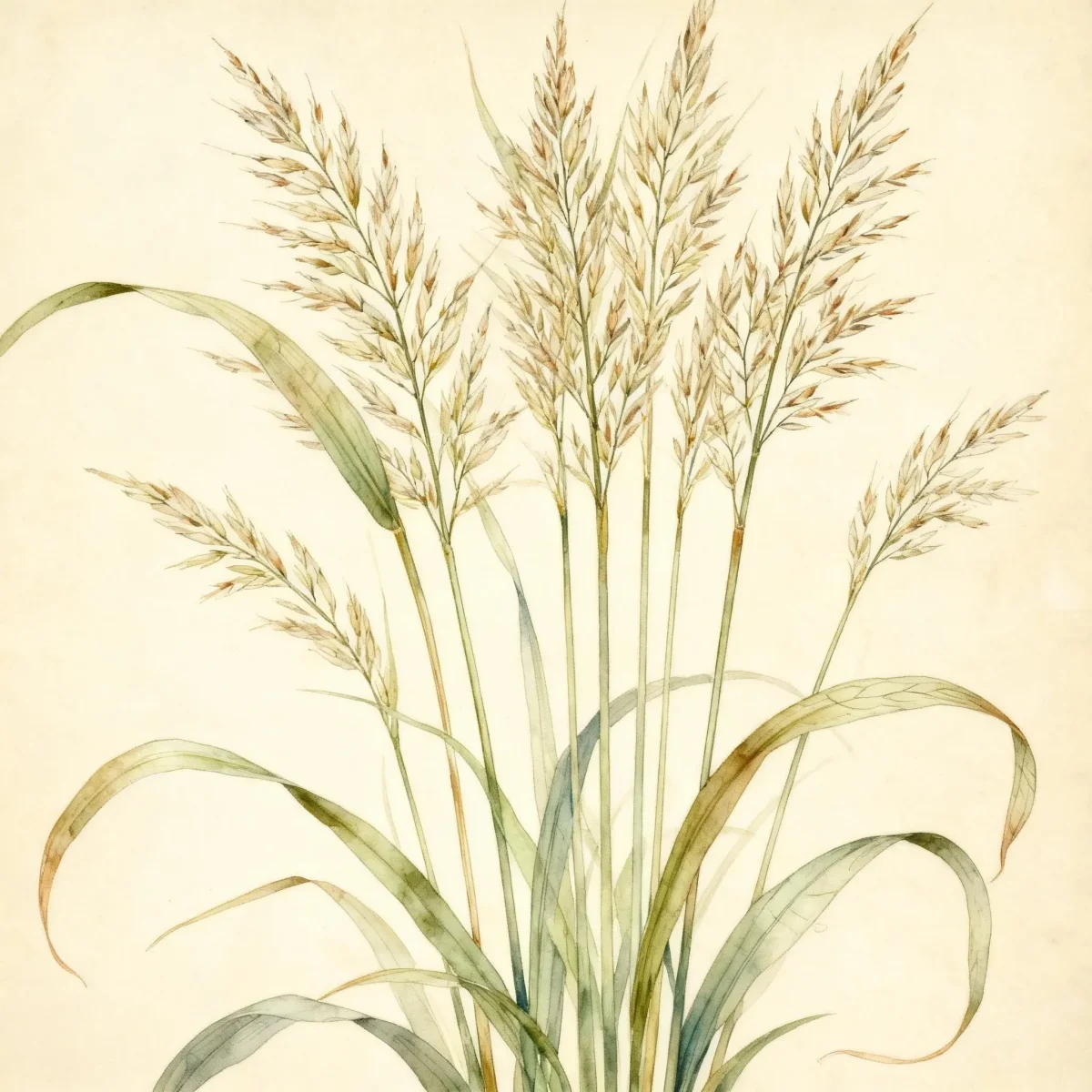
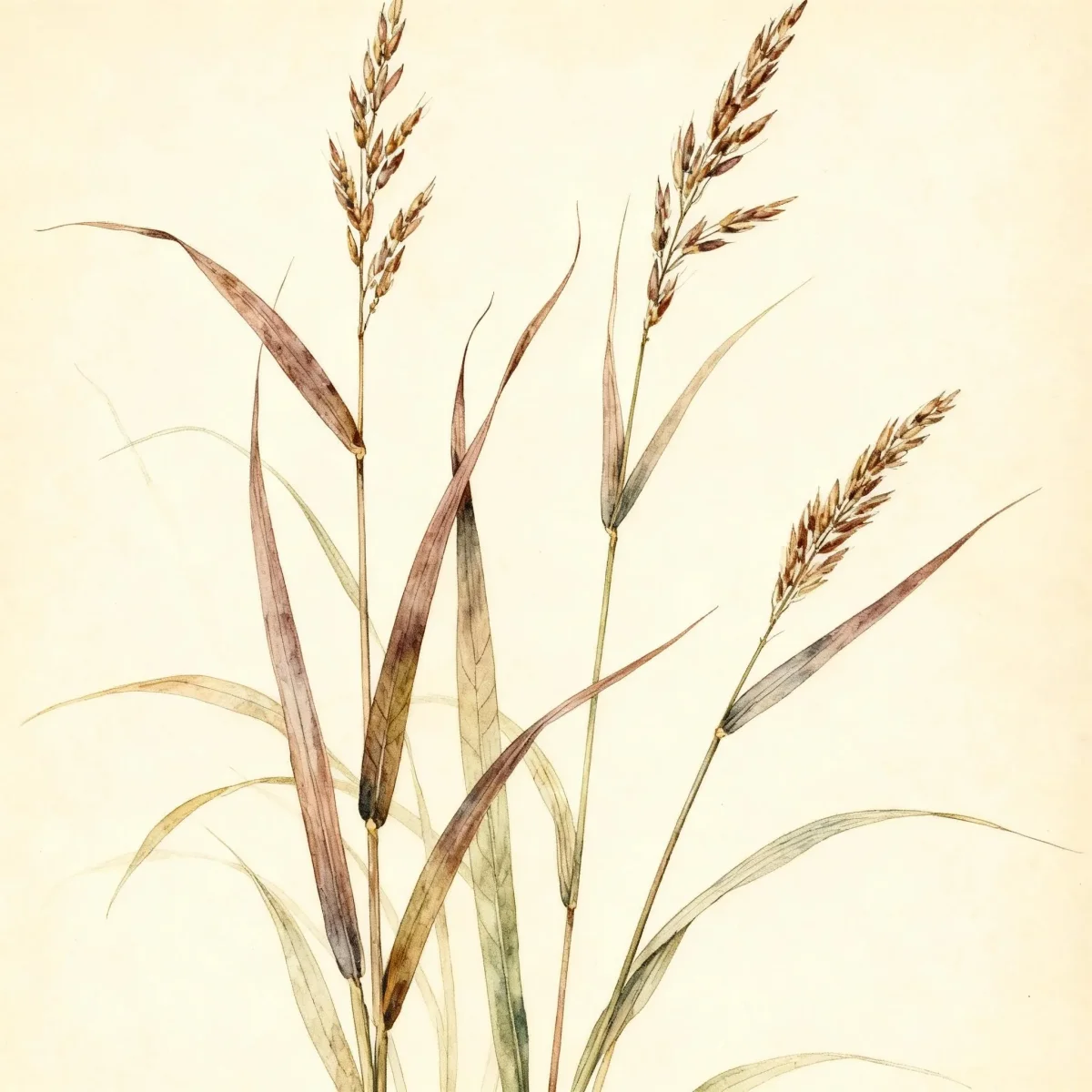
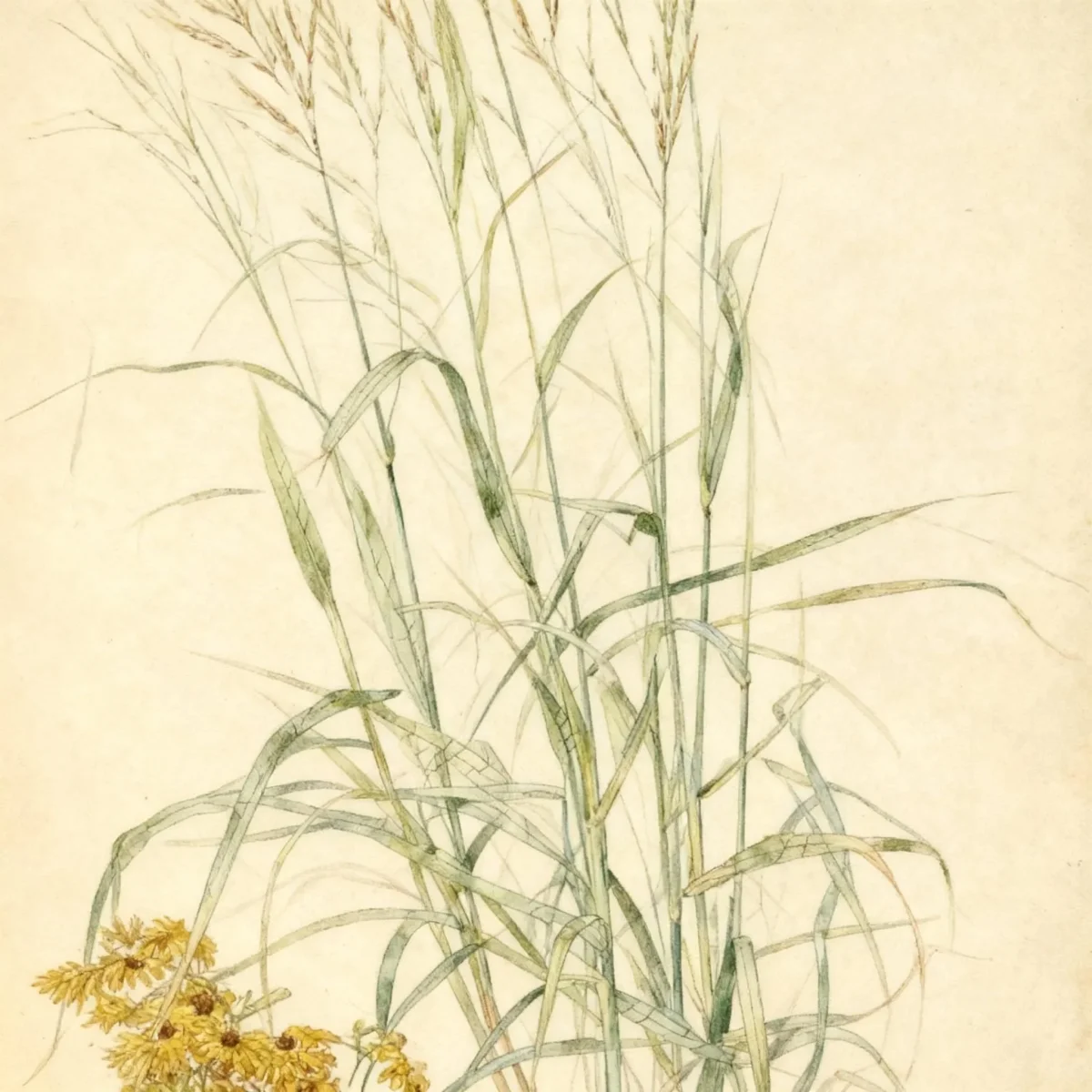
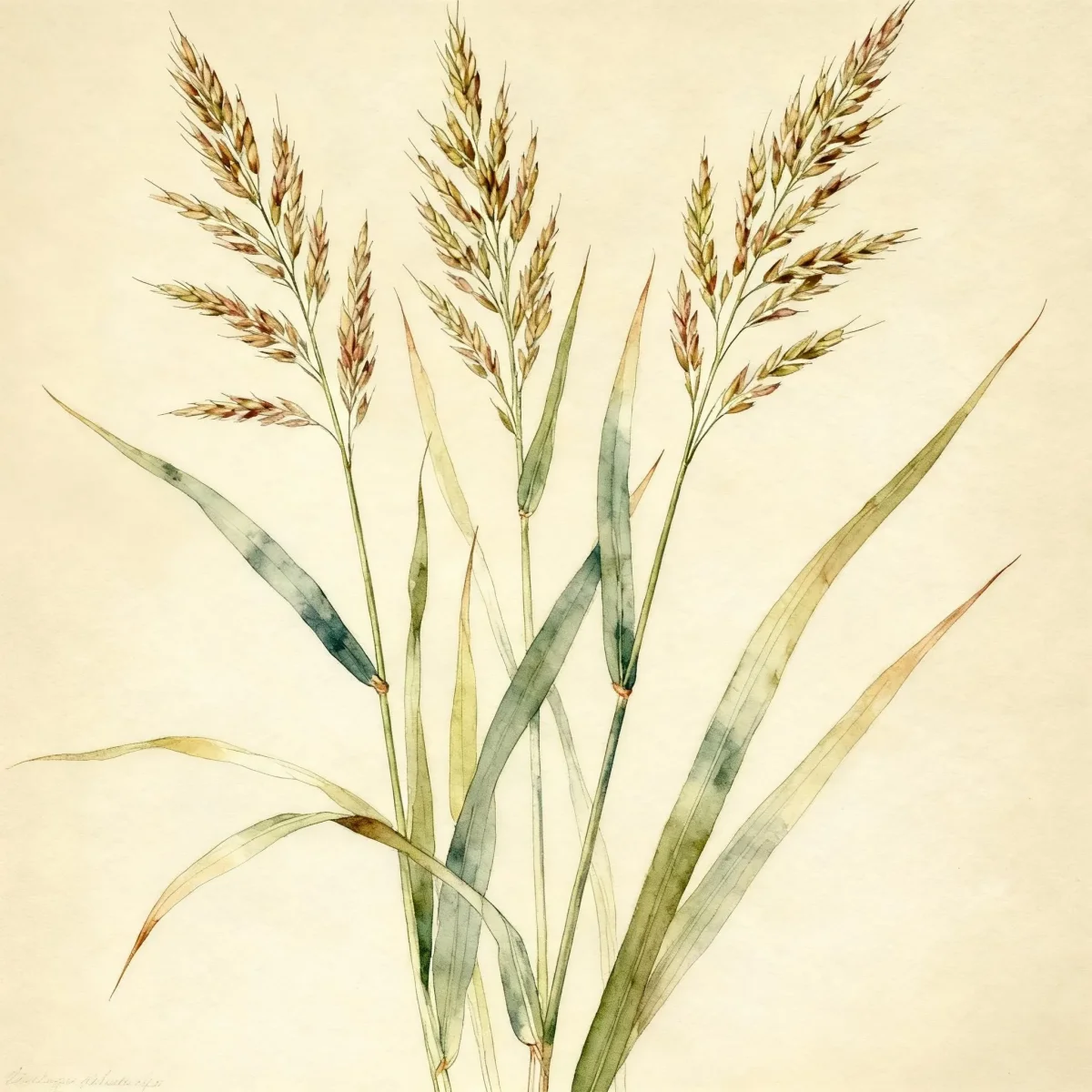
Frost grass (Spodiopogon sibiricus)
Spodiopogon sibiricus, or Frost grass, offers striking architectural foliage and low maintenance. Hardy in zones 5-9.
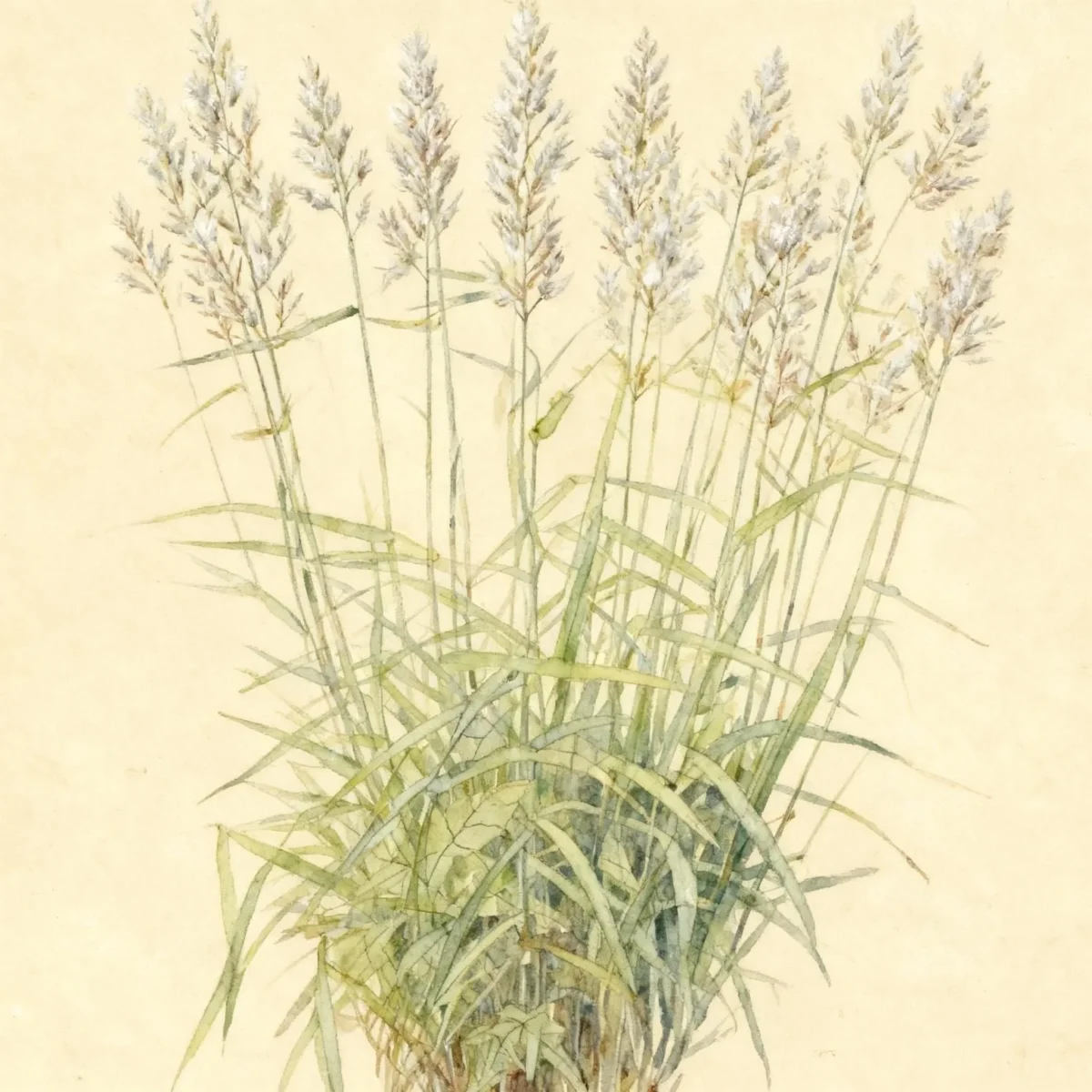

Bloom Boldly, No Matter the Season - Sweatshirt
Cozy organic cotton sweatshirt featuring our exclusive Purple Coneflower design. Perfect for gardeners who bloom year-round.
Inspired by the beautiful Frost grass
Limited first batch (50) — join the waitlist for early access
Waitlist closes Feb 15, 2026.
Complete Plant Information
Field Guide Continues
Ready for care notes, companion picks, and planting tips?
The map is just the start. The full guide below covers growth habits, seasonal performance, and landscape uses.
Overview
Spodiopogon sibiricus, widely known as Frost grass, brings distinctive vertical interest and airy texture to the garden landscape. Its foliage is noted for developing attractive purplish or wine tints late in the growing season, providing excellent seasonal color. This ornamental grass establishes a bold presence, sometimes described as having a bamboo-like quality in its structure.
This species thrives when provided with consistent moisture, preferring medium to wet soils rather than dry conditions. Proper light exposure is crucial; while it tolerates some shade, inadequate light will cause the upright growth habit of Spodiopogon sibiricus to flop, losing its architectural appeal. Gardeners appreciate Frost grass for its relatively low maintenance requirements once established in an appropriate site.
The blooms of Frost grass are subtle yet significant, adding an airy texture from summer well into winter, making it valuable beyond the peak flowering season. Whether used as a specimen, repeating element, or incorporated into mixed borders, Spodiopogon sibiricus delivers year-round structure, provided it is protected from overly hot and dry urban Microclimates.
Fast Facts
- Plant Family: Poaceae
- Plant Type: Ornamental grass
- Native Range: Southeastern temperate Asia
- Hardiness Zones: USDA Zones 5-9
- Size at Maturity:
- Height: 3-5 ft
- Spread: 1.5-2 ft
- Bloom Time: July to February
- Sun Exposure: Full sun to part shade
- Water Needs: Medium to wet
- Maintenance Level: Low
How to Grow
For the best performance from Spodiopogon sibiricus, plant it during the spring after the threat of hard frost has passed. Ensure the chosen location offers moist, well-drained, and fertile soil. While Frost grass tolerates partial shade, maximizing its architectural stature requires full sun or at least bright, dappled light. Avoid planting in locations known for being hot and consistently dry, as the plant will struggle under these stressful conditions.
Watering is a key cultural requirement; maintain medium to wet soil moisture throughout the growing season, especially for new plantings. If the soil approaches dryness, growth will slow, and established clumps may lean over, losing their desirable upright form. Fertilization is rarely necessary if the soil is rich; otherwise, a standard spring application of a balanced, slow-release fertilizer suffices.
Maintenance for this ornamental grass is generally low. Pruning involves cutting back the old, dead foliage in late winter or very early spring before new green shoots emerge. This revitalizes the clump for the coming season. Remember that Spodiopogon sibiricus establishes slowly, so initial patience is required before it develops its full presence.
Landscape Uses
Frost grass excels in contemporary and naturalistic garden designs where vertical elements are desired. Its strong vertical lines make it an excellent accent plant, whether sited alone to showcase its year-round structure or in drifts for a bold textural statement. Utilizing the upright habit of Spodiopogon sibiricus is ideal for defining the edges of perennial borders or creating subtle screening features.
Because it appreciates consistently moist conditions, consider placing Frost grass near water features or in rain gardens where soil moisture levels remain higher naturally. The flowers and foliage provide excellent accents, making it suitable even in smaller gardens that benefit from strong vertical accents without consuming excessive ground space. If planted with companions, choose those that also tolerate medium to wet feet and require similar light levels to ensure mutual success.
Standout Features
Flower Qualities
- Showy
- Good Dried
Noteworthy Characteristics
Spodiopogon sibiricus, commonly called frost grass, has a bamboo-like quality. The foliage creates bold architectural patterns, and displays purplish or wine tints late in the season. The flowers are 3 to 4” wide, 8 to 12” long and rise 14 to 18” above the foliage, giving a very airy quality. Specific epithet means of Siberia.
Tolerances
- Black Walnut
- Air Pollution
Potential Problems
The most significant challenge when growing Frost grass relates directly to climate sensitivity. Spodiopogon sibiricus grows slowly and poorly in hot climates, which can be frustrating for gardeners accustomed to faster-growing grasses. Ensure you plant this species within its listed USDA hardiness zones (5-9) and place it in the “right” spot, prioritizing moisture retention and relief from intense afternoon heat. Failure to meet these moisture and light requirements quickly leads to flopping and poor overall vigor.
Frequently Asked Questions
What hardiness zones is Frost grass suitable for?
Frost grass (Spodiopogon sibiricus) is reliably hardy in USDA Zones 5 through 9.
How large does Spodiopogon sibiricus grow?
This ornamental grass typically reaches mature heights between 3 and 5 feet, with a spread ranging from 1.5 to 2 feet wide.
What sun exposure does Frost grass need?
Spodiopogon sibiricus performs best in full sun, though it can tolerate light shade. Insufficient light will cause it to flop.
When does Spodiopogon sibiricus bloom?
The bloom time for Frost grass spans a long season, usually from July through February.
Conclusion
Spodiopogon sibiricus, or Frost grass, is an exceptional choice for gardeners seeking year-round architectural interest and low demands. Its structural foliage and late-season color provide distinct visual appeal when planted correctly. Before incorporating this grass, verify your local hardiness zone and plan for a location that guarantees consistent moisture availability.
Companion Planting
When selecting companions for Spodiopogon sibiricus, focus on plants that appreciate consistent moisture and can handle full sun to partial shade conditions. Consider pairing it with moisture-loving moisture-loving perennials like Astilbes (in partial shade) or reliable upright perennials that offer contrast in texture, such as Joe Pye Weed or Ligularia, provided their light needs match. The upright nature of Frost grass means it also pairs well with lower-growing, mounding groundcovers that create a dense carpet beneath its base, helping to keep soil temperatures cooler and moisture locked in.
Common Mistakes
The primary pitfall in growing Spodiopogon sibiricus often relates to insufficient light or water stress. Gardeners frequently underestimate how much light ornamental grasses need to maintain their stiff, upright habit; if the plant flops, the remedy is almost always more sunlight, not more fertilizer. Another common error is siting Frost grass in dry, sandy soil, which directly contradicts its need for medium to wet conditions. Always amend the soil heavily with organic matter to boost moisture retention before planting to avoid early season struggles with this sometimes slow-to-establish beauty.