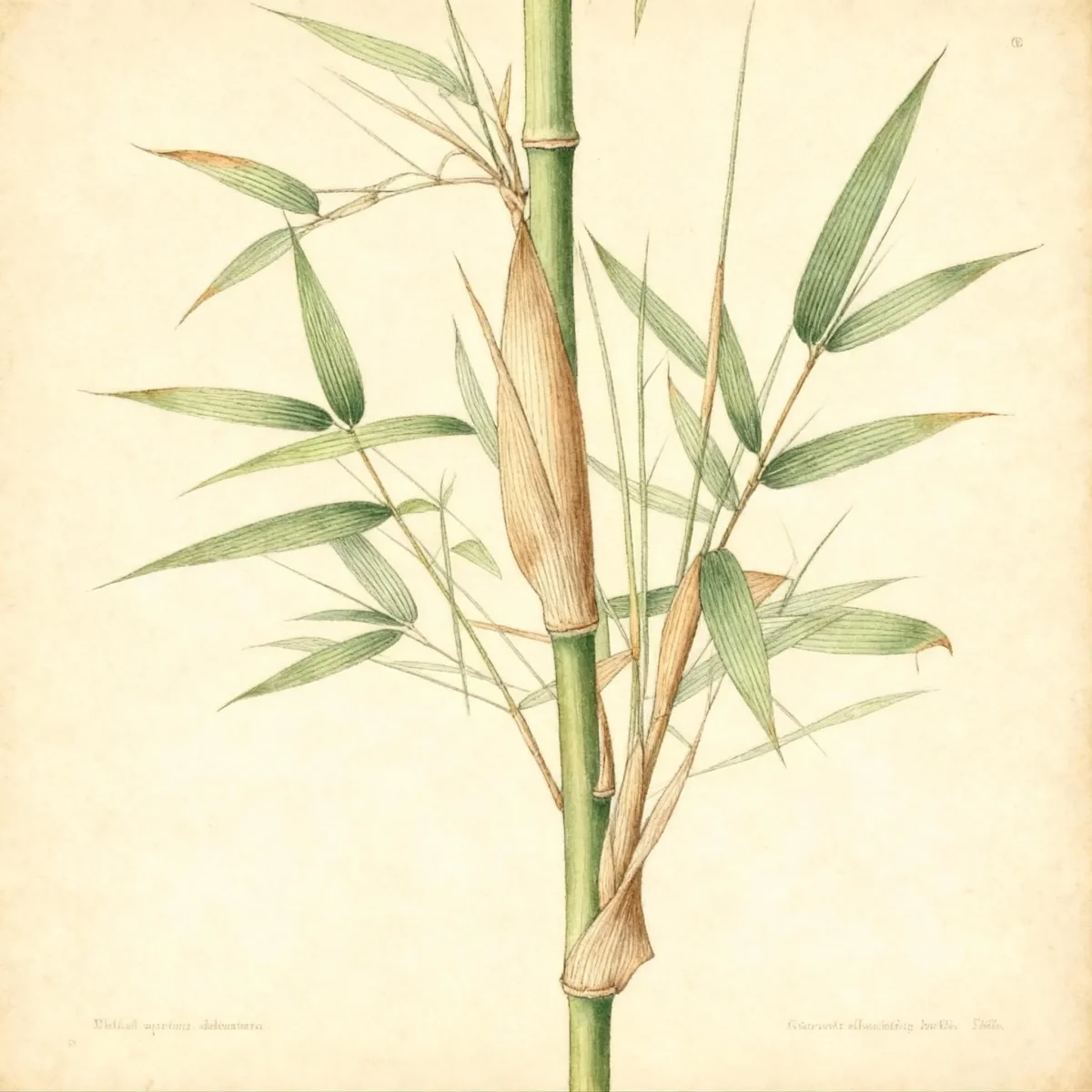
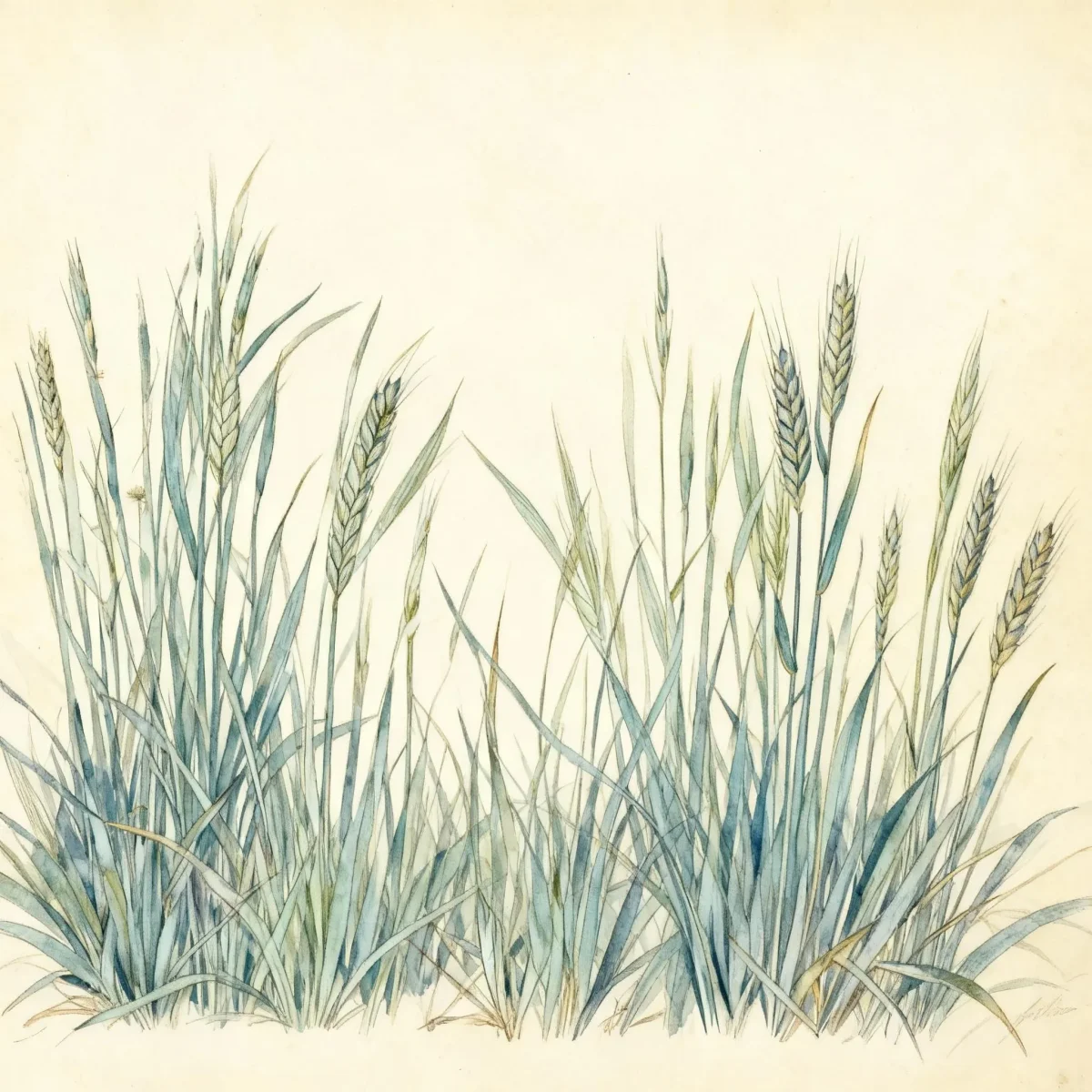
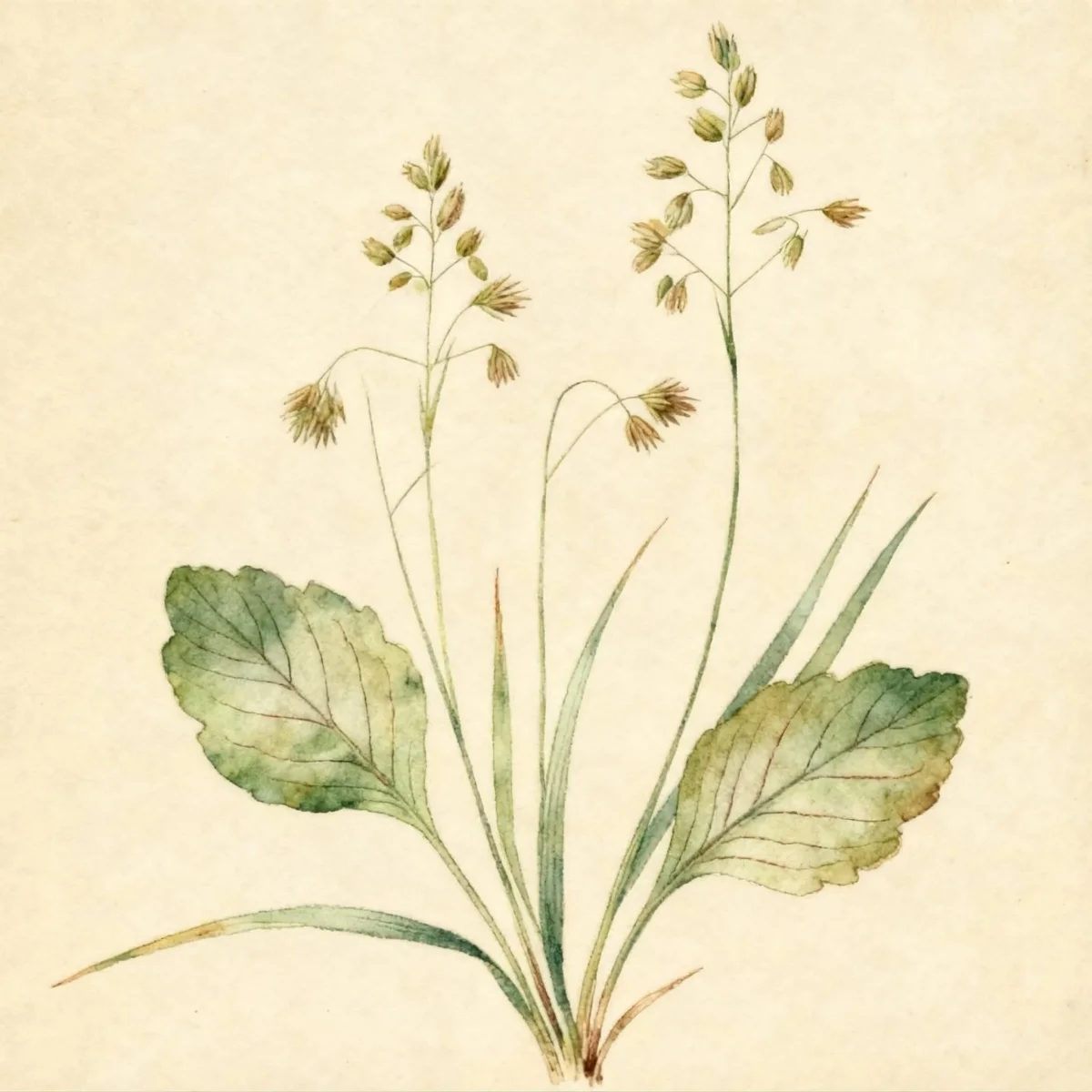
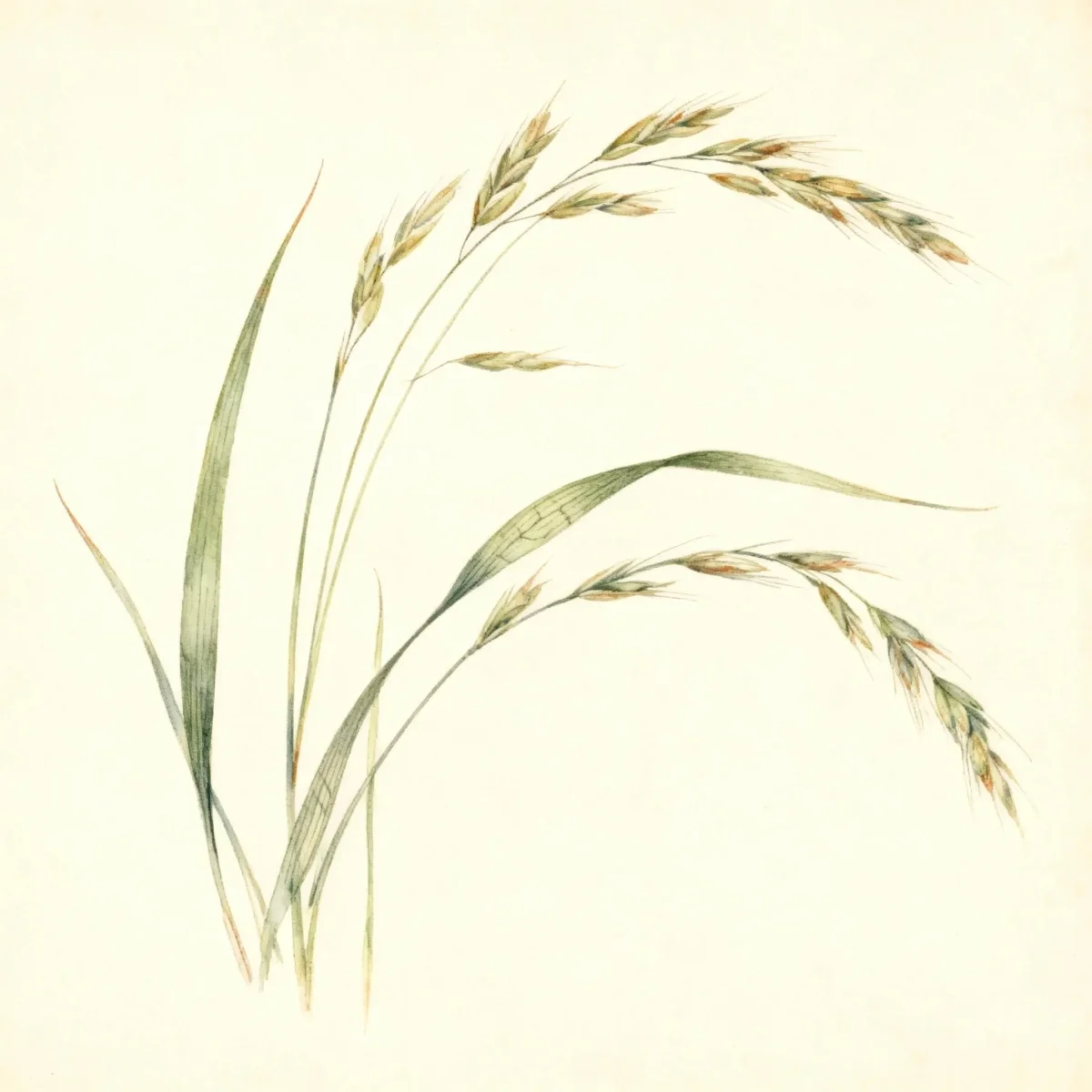
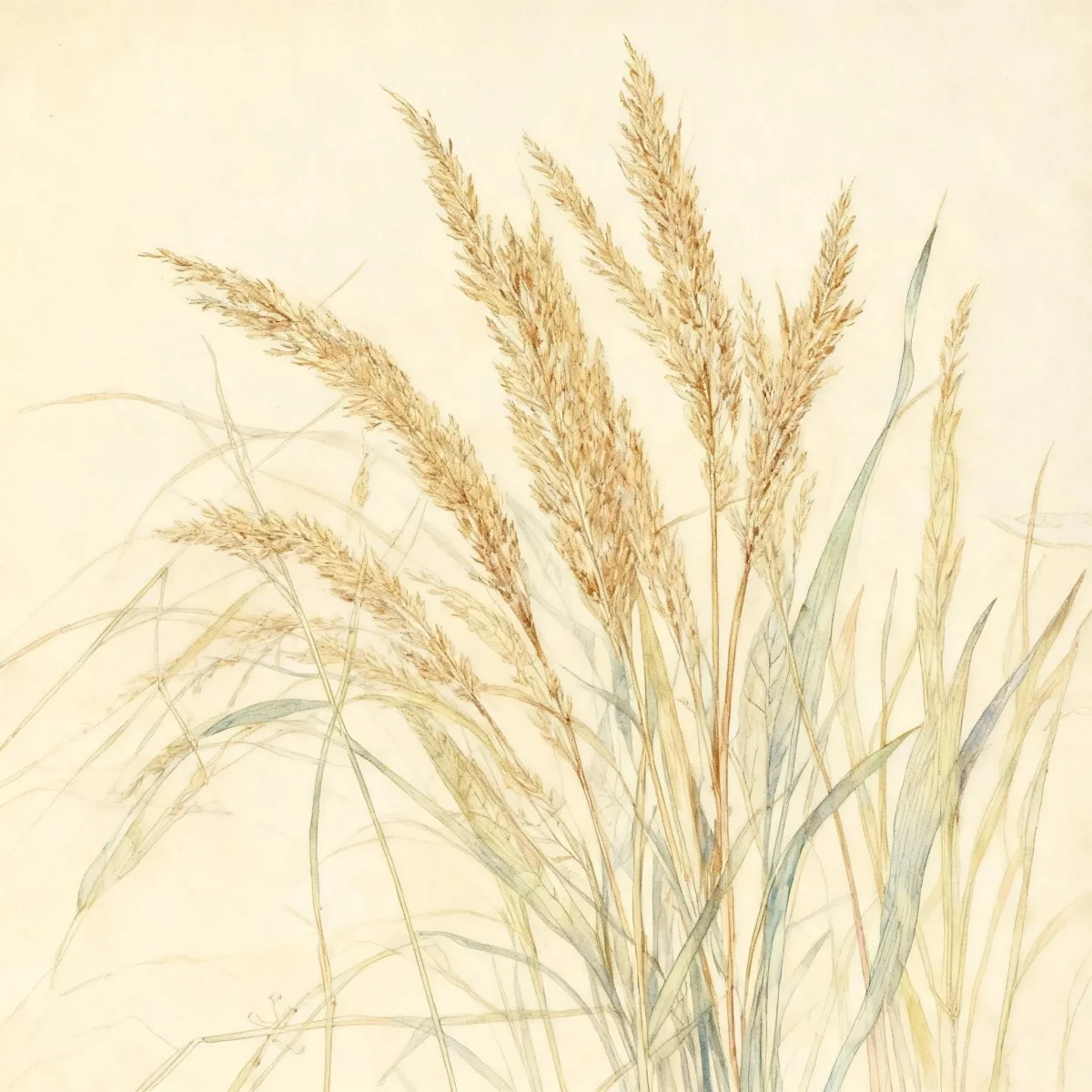
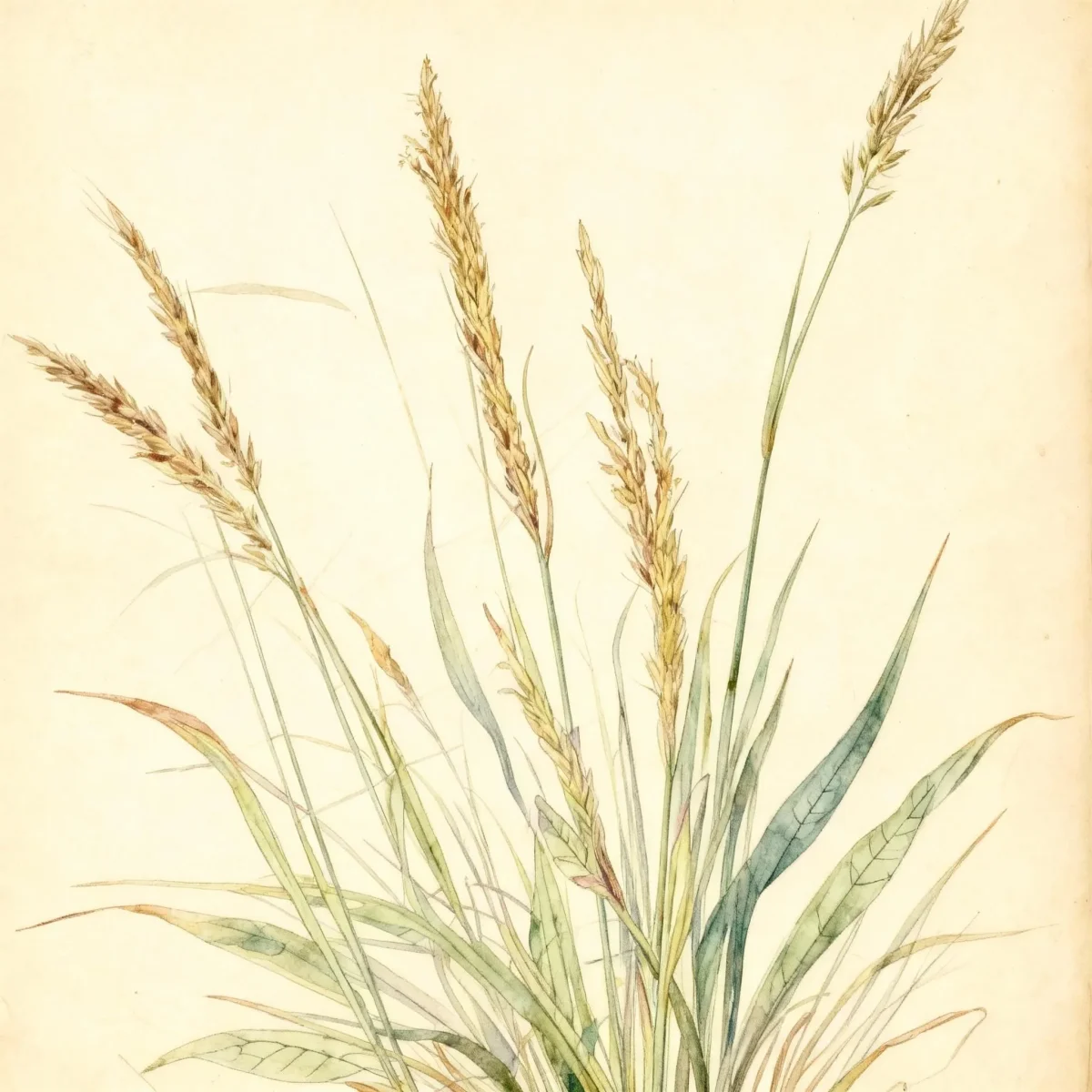
Yellow groove bamboo (Phyllostachys aureosulcata)
Phyllostachys aureosulcata, Yellow groove bamboo, offers fast vertical screening with distinctive yellow grooves on its iconic culms.

Bloom Boldly, No Matter the Season - Sweatshirt
Cozy organic cotton sweatshirt featuring our exclusive Purple Coneflower design. Perfect for gardeners who bloom year-round.
Inspired by the beautiful Yellow groove bamboo
Limited first batch (50) — join the waitlist for early access
Waitlist closes Feb 15, 2026.
Complete Plant Information
Field Guide Continues
Ready for care notes, companion picks, and planting tips?
The map is just the start. The full guide below covers growth habits, seasonal performance, and landscape uses.
Overview
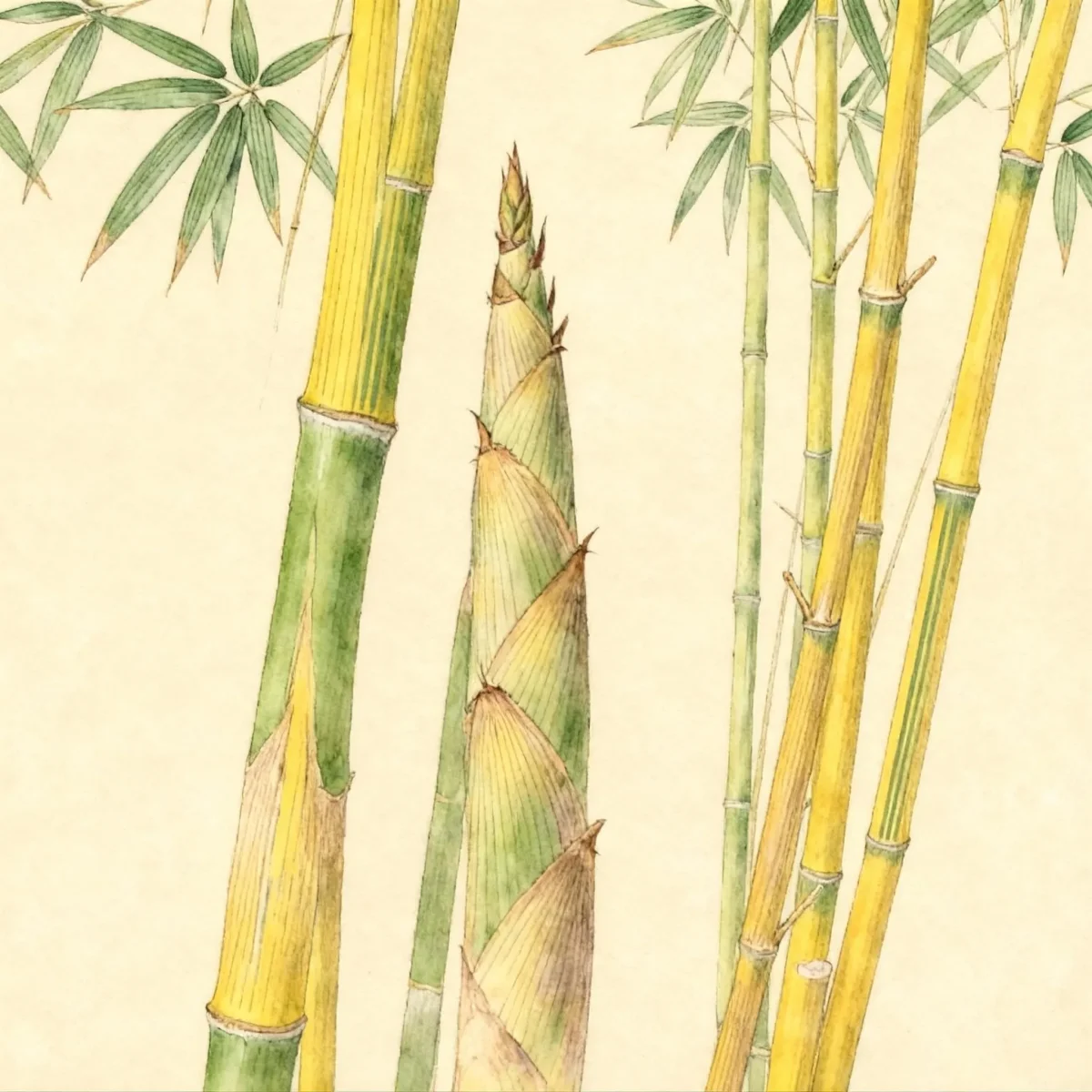
Phyllostachys aureosulcata, widely recognized as Yellow groove bamboo, is a resilient and fast-growing running bamboo prized for its strong vertical accent in the landscape. Its most compelling aesthetic feature is the striking yellow sulci (grooves) visible along the green internodes of the younger culms, lending it the name Golden groove bamboo. This species brings dramatic texture and scale, rapidly forming dense screens ideal for privacy or large landscape structures.
As a running bamboo, it establishes colonies quickly, making it a powerful choice for naturalizing large areas or quickly covering significant space. While winter hardy down to Zone 4, its ultimate height and appearance can vary based on climate; expect robust growth in warmer regions. Its adaptation to tough conditions, including air pollution and dry spells once established, makes Phyllostachys aureosulcata a practical choice for challenging sites.
Gardeners utilizing Yellow groove bamboo must plan for its vigorous spreading nature through containment or by allowing it to naturalize strategically. Whether used as a dramatic screen, a background element, or allowed to colonize, its evergreen foliage and year-round structure offer substantial visual impact.
Fast Facts
- Plant Family: Poaceae
- Plant Type: Ornamental grass
- Native Range: Northeastern China
- Hardiness Zones: USDA Zones 4-9
- Size at Maturity:
- Height: 12-18 ft
- Spread: 12-25 ft
- Bloom Time: Rarely flowers
- Bloom Description: Rarely flowers
- Sun Exposure: Full sun
- Water Needs: Medium
- Maintenance Level: Medium
How to Grow
The ideal planting time for Phyllostachys aureosulcata is in the spring, allowing it ample time to establish its roots before winter stress. Plant this bamboo in deep, rich soil that remains consistently moist, though it tolerates some dryness once established. Full sun placement encourages the best culm color and growth rate, though it can handle light shade.
Water needs are medium; focus on consistent moisture during the first season. To help retain this essential moisture and provide slow-release summer nutrients, applying a layer of organic mulch around the base is highly recommended. This practice is especially useful for managing the demands of this vigorous grower.
Because Yellow groove bamboo is a running type, containment is critical. Serious consideration must be given to installing root barriers or planting in large, sunken plastic pots to prevent spreading into unwanted areas. If you live in colder reaches like Zones 5 or 6, anticipate slightly shorter culms compared to those grown in warmer zones.
Landscape Uses
The versatility of Phyllostachys aureosulcata allows it to serve many functional and aesthetic roles in large landscapes. Its rapid, dense growth makes it an exceptional choice for establishing a towering privacy screen or a buffer for noise reduction, easily obscuring undesirable views or sounds. The robust nature of Yellow groove bamboo also suits it for naturalizing large borders or open areas where a flowing, tropical-like texture is desired.
For more formal settings, these bamboos perform excellently when planted as hedges, providing a solid green wall year-round. In mixed borders, they serve as dramatic vertical backdrops behind smaller perennials and shrubs. For gardeners concerned about its running habit, containing Phyllostachys aureosulcata in massive containers sunk into the ground prevents rhizome spread while leveraging its height as a dramatic, portable specimen feature.
Standout Features
Noteworthy Characteristics
Phyllostachys aureosulcata, commonly called yellow-groove bamboo, is a running bamboo that is named for the yellow sulcis or groove that appears on culm internodes. Yellow grooves are particularly showy on new culms. Culms are green and grow upright to as much as 25-30’ tall with 2” diameter, though in colder zones like USDA 5-6, they may only reach 12-18’ tall. Leaves are generally evergreen unless killed by sub-zero winter temperatures, providing excellent year-round screening.
Tolerances
- Drought
- Black Walnut
- Air Pollution
Potential Problems
The primary concern when growing Phyllostachys aureosulcata is managing its spreading rhizomes, as this plant will spread aggressively if not contained. Fungal and bacterial leaf spots, along with rust, may occasionally occur, though the plant generally suffers from no serious insect or disease pressure. To prevent unwanted colonization, always install thorough root barriers or use large, bottomless containers sunken into the soil.
Frequently Asked Questions
What hardiness zones is Yellow groove bamboo suitable for?
Phyllostachys aureosulcata is remarkably hardy, thriving in USDA Zones 4 through 9, making it adaptable to many colder North American climates.
How large does Phyllostachys aureosulcata grow?
Mature height typically ranges between 12 to 18 feet, though spread can cover a wide area from 12 to 25 feet if left unrestricted by root barriers.
What sun exposure does Yellow groove bamboo need?
This species performs best when situated in full sun, which promotes optimal growth and culm development, although it tolerates light shade.
When does Phyllostachys aureosulcata bloom?
Flowering is rare for this species; it is primarily cultivated for its foliage and structural culms rather than its infrequently observed blooms.
Conclusion
The Yellow groove bamboo offers unparalleled speed and vertical structure, making Phyllostachys aureosulcata a premier choice for screening and dramatic effect. Its good cold tolerance and minimal disease issues add to its appeal, provided its spreading habit is properly managed. Before planting, confirm your zone compatibility and dedicate time to installing robust root containment for long-term success with this beautiful, golden-grooved grass.
Seasonal Care Calendar
Spring is the crucial period for management actions for your Phyllostachys aureosulcata. As the new shoots (canes) begin to emerge, this is the best time to apply a balanced fertilizer to ensure vigorous growth for the coming season. Inspect your root barrier during this time, making necessary repairs or adjustments before the rhizomes begin their most active pushing period.
Summer care centers primarily on moisture management. While established clumps are drought-tolerant, deep, consistent watering during hot, dry spells is essential for producing tall, straight culms. Continue applying a layer of fresh organic mulch to maintain soil coolness and moisture levels around the clustered base of the bamboo.
In the fall and winter, focus shifts to protection and cleanup. Leaves may drop if severe winter temperatures occur, so clean up fallen debris to maintain a tidy appearance, especially if the bamboo is used formally. Protecting the plant from high winds and excessive desiccation in Zone 4 winters can help preserve the desirable evergreen nature of the foliage.
Companion Planting
Given that Yellow groove bamboo requires deep, moist, rich soil and full sun, companion plants should share similar requirements while offering contrasting textures. Hostas are excellent companions for the edges of a bamboo grove, particularly where the canopy offers dappled shade, as they appreciate the moisture retained by the bamboo’s microclimate. Alternatively, tall ornamental grasses that prefer drier sites can border the outer edges to soften the transition to lawn or drier beds.
For structural contrast, large-leafed deciduous shrubs like Hydrangea or Viburnum can be placed away from the immediate drip line where their broad leaves contrast beautifully with the fine texture of the bamboo’s lanceolate leaves. Avoid planting shallow-rooted groundcovers near the base, as the dense network of bamboo rhizomes will quickly outcompete them for water and nutrients.