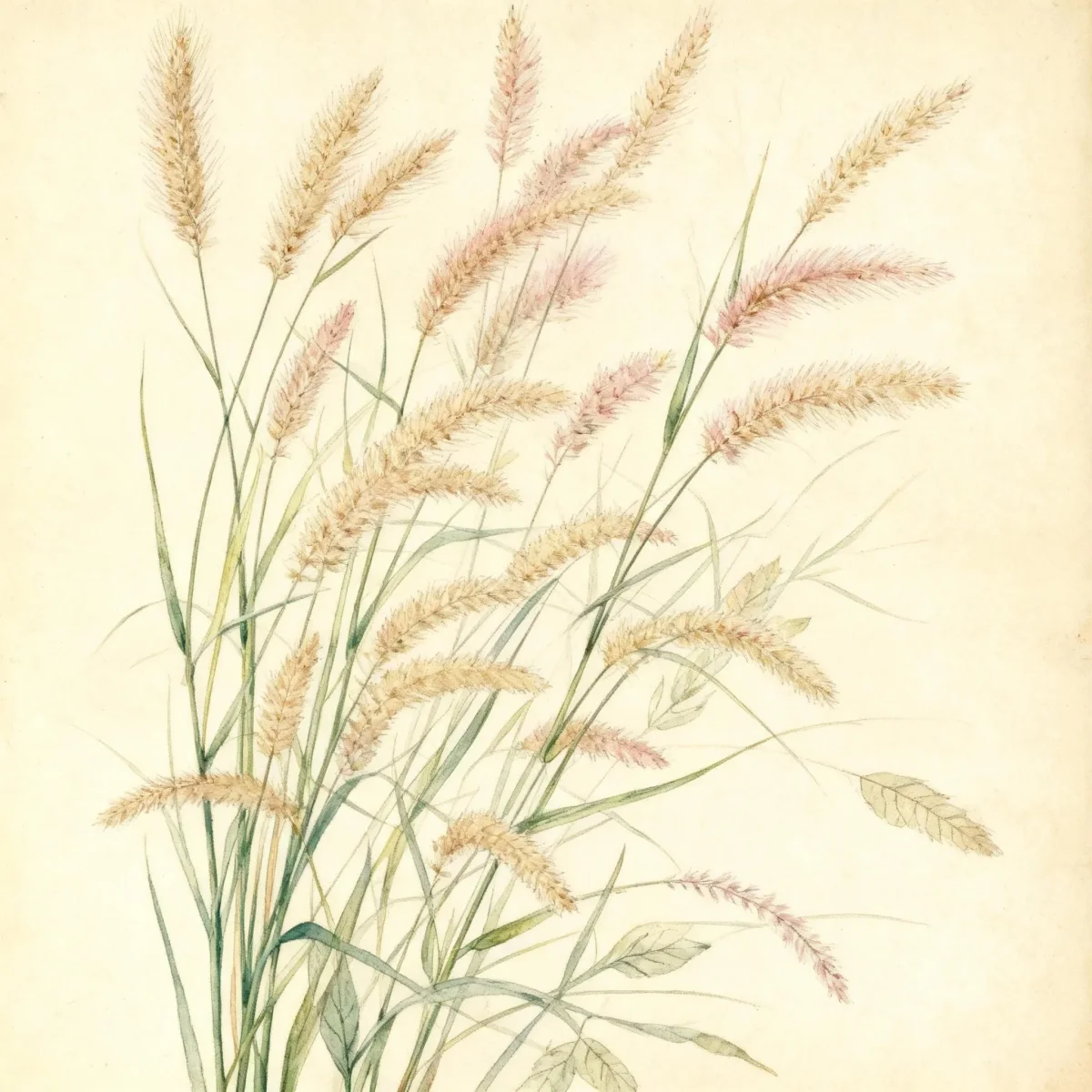
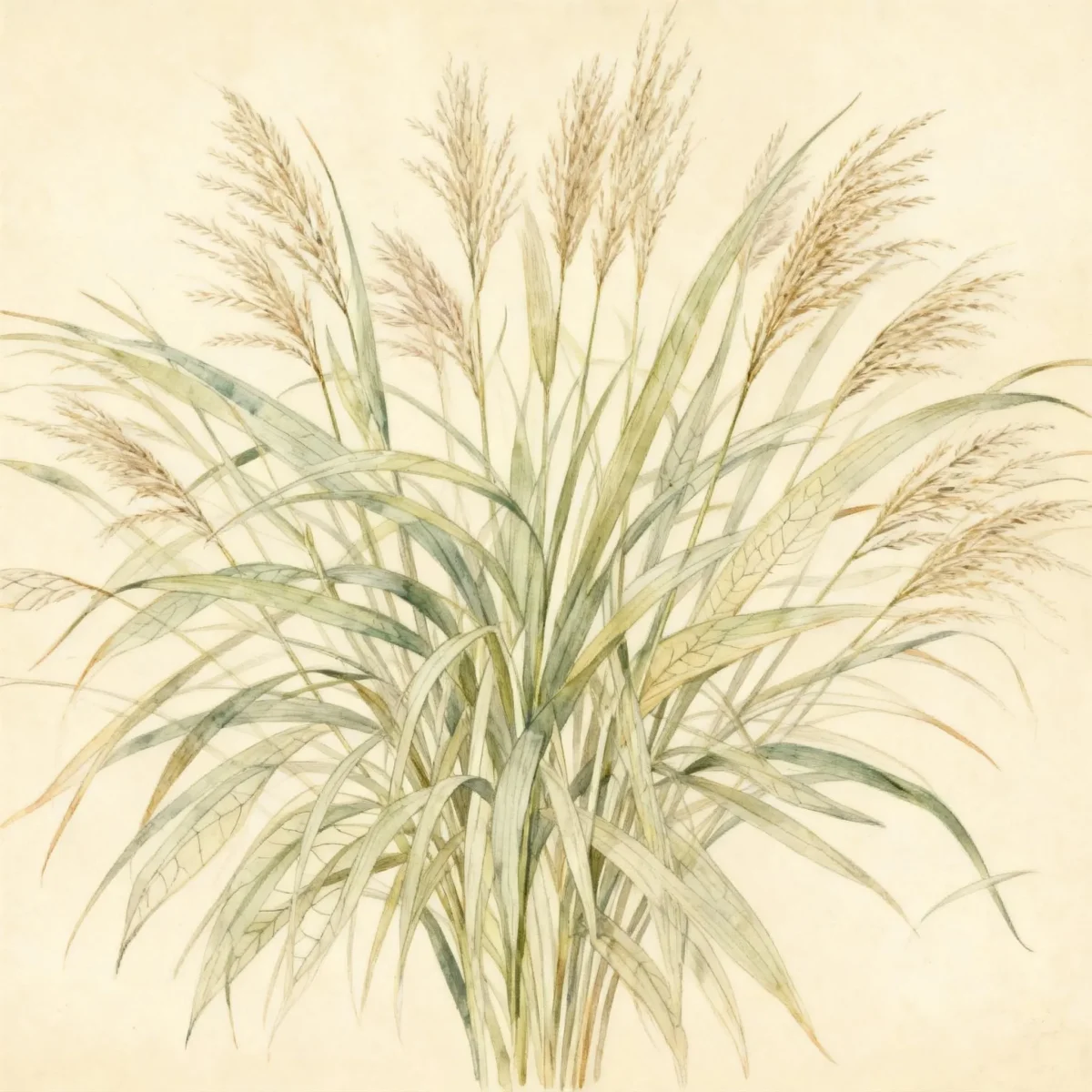
Diarrhena (Diarrhena mandshurica)
Diarrhena mandshurica is a tough, rhizomatous ornamental grass for shade, reaching 2-4 ft with medium water needs and low maintenance.
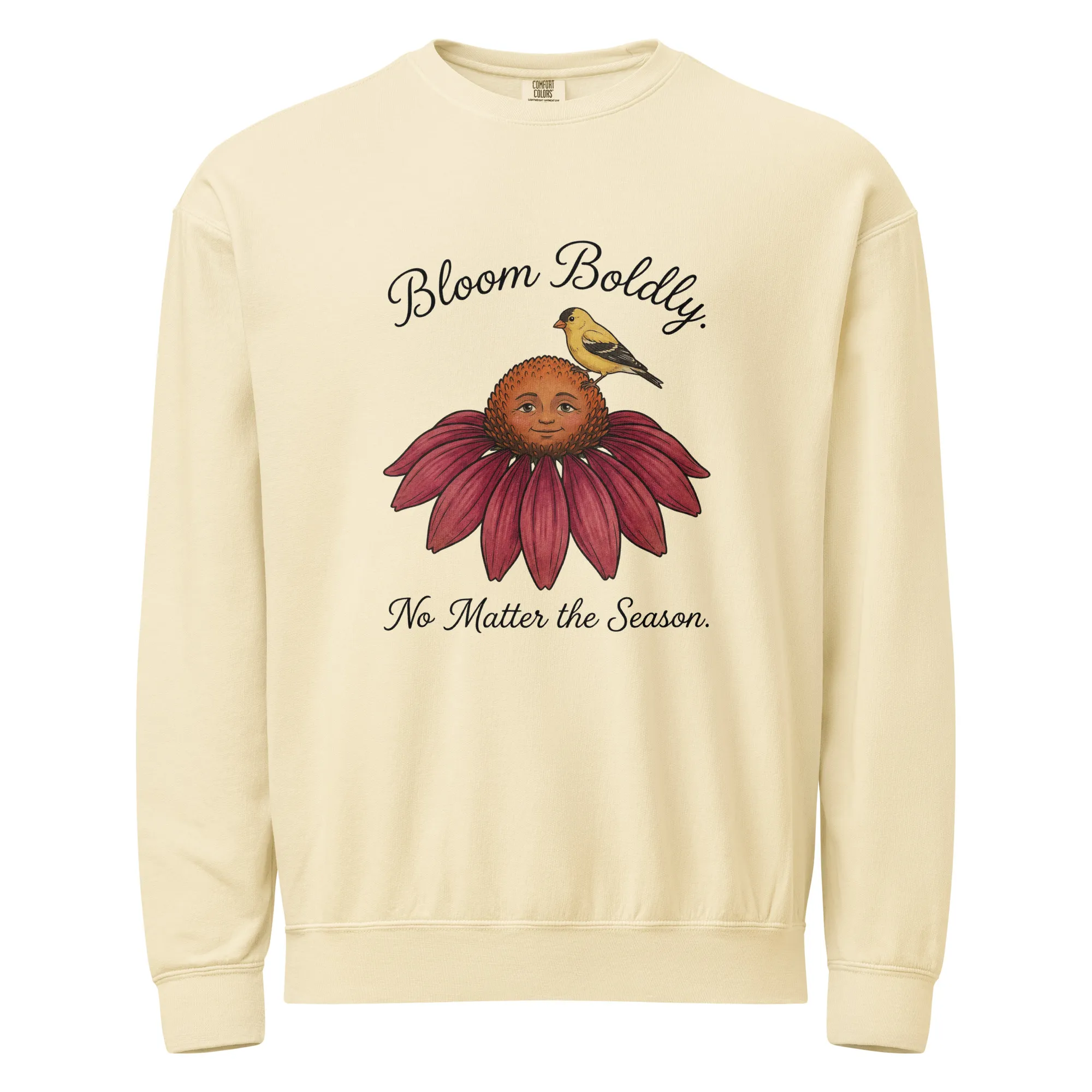
Bloom Boldly, No Matter the Season - Sweatshirt
Cozy organic cotton sweatshirt featuring our exclusive Purple Coneflower design. Perfect for gardeners who bloom year-round.
Inspired by the beautiful Diarrhena
Limited first batch (50) — join the waitlist for early access
Waitlist closes Feb 15, 2026.
Complete Plant Information
Field Guide Continues
Ready for care notes, companion picks, and planting tips?
The map is just the start. The full guide below covers growth habits, seasonal performance, and landscape uses.
Overview
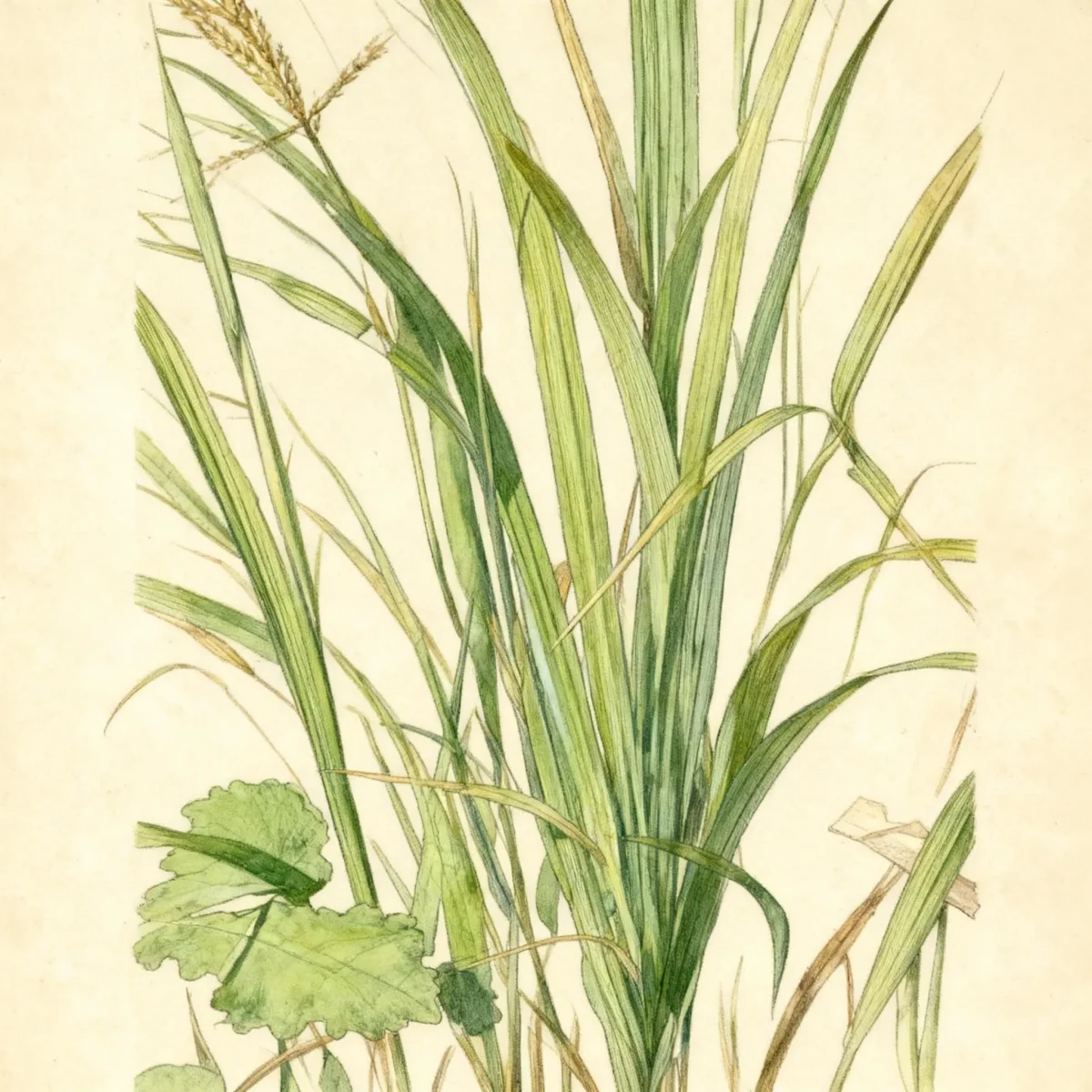
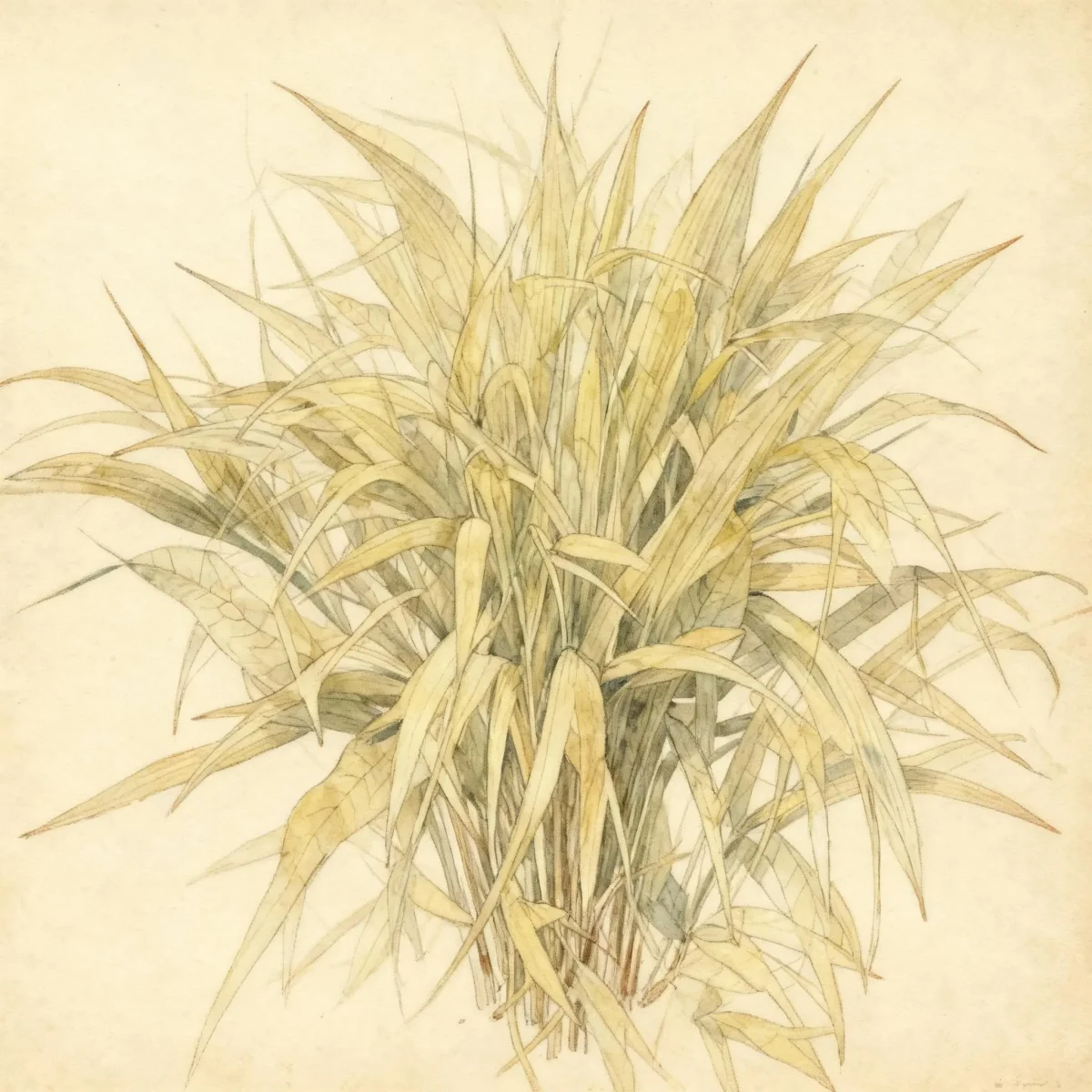
Diarrhena mandshurica, commonly recognized simply as Diarrhena, offers a valuable textural component for consistently shady garden areas. This rhizomatous woodland perennial grass forms tidy clumps and spreads gently, making it an excellent choice for managing slopes or creating naturalized borders where turf struggles. Its structural form, reaching up to four feet tall, provides vertical interest throughout the growing season.
Native to the forests and hillsides of eastern Asia, Diarrhena thrives in woodland settings mirroring its origins. Gardeners value low maintenance ornamental grasses, and this species requires little intervention once established in suitable conditions. The presence of slender, creeping rhizomes allows Diarrhena mandshurica to colonize areas effectively, creating dense, verdant groupings.
For those seeking tough, reliable greenery beneath deciduous trees or along shaded pond margins, Diarrhena is an exceptional contender. Its adaptable nature and ability to tolerate diverse light conditions make it a dependable cornerstone for creating lush, cool, shade gardens.
Fast Facts
- Plant Family: Poaceae
- Plant Type: Ornamental grass
- Native Range: Russia, eastern Asia
- Hardiness Zones: USDA Zones 5-8
- Size at Maturity:
- Height: 2-4 ft
- Spread: 2-4 ft
- Bloom Time: June to July
- Bloom Description: Green
- Sun Exposure: Part shade to full shade
- Water Needs: Medium
- Maintenance Level: Low
How to Grow
The best time to establish Diarrhena mandshurica is typically in the spring, allowing it time to settle its rhizomes before winter dormancy. Select a location that receives part shade to full shade, as this ornamental grass does not perform well in harsh, direct sunlight. Crucially, ensure the planting site offers moist and well-drained soil structure.
Care for established Diarrhena is minimal, fitting its low maintenance rating. Provide medium water, especially during dry spells, as it prefers reliably moist ground, aiming for rich soil conditions whenever possible. Fertilizing is rarely necessary if the native soil has adequate organic matter, but a spring top-dressing of compost can enhance vigor.
Diarrhena naturalizes by spreading via those creeping rhizomes, so be prepared for it to expand its colony over time. Cut back the old foliage in late winter or very early spring just before new growth begins to keep the clump looking tidy. Mulching helps retain soil moisture during establishment, which is key to encouraging dense growth for this rhizomatous grass.
Landscape Uses
A tough, spreading ornamental grass, Diarrhena is ideally suited for transforming difficult shady areas into vibrant landscapes. Its habit of naturalizing makes it the premier choice for mass plantings within woodland settings where coverage is desired. Consider using large drifts of this grass along the shady margins of a stream or pond, where its medium water needs will be easily met.
In formal shade gardens, Diarrhena mandshurica provides excellent contrast against broadleaf evergreen shrubs or lower-growing perennials like Hosta or Astilbe. Its fine-textured foliage breaks up the heavier textures often found in shade borders, adding movement with the slightest breeze. For larger properties, use it to stabilize slopes where root penetration and ground cover are critical.
Standout Features
Flower Qualities
- Insignificant
Noteworthy Characteristics
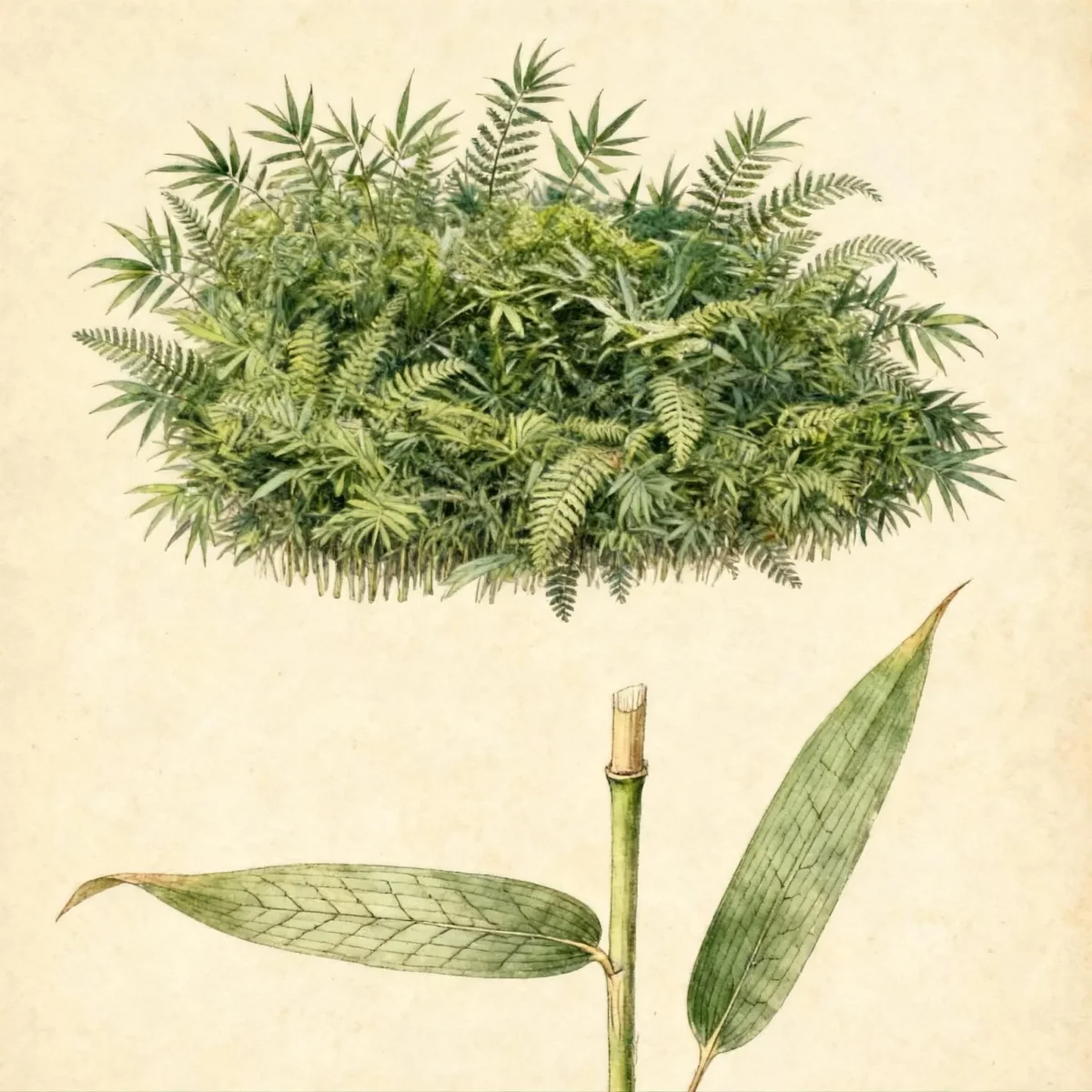
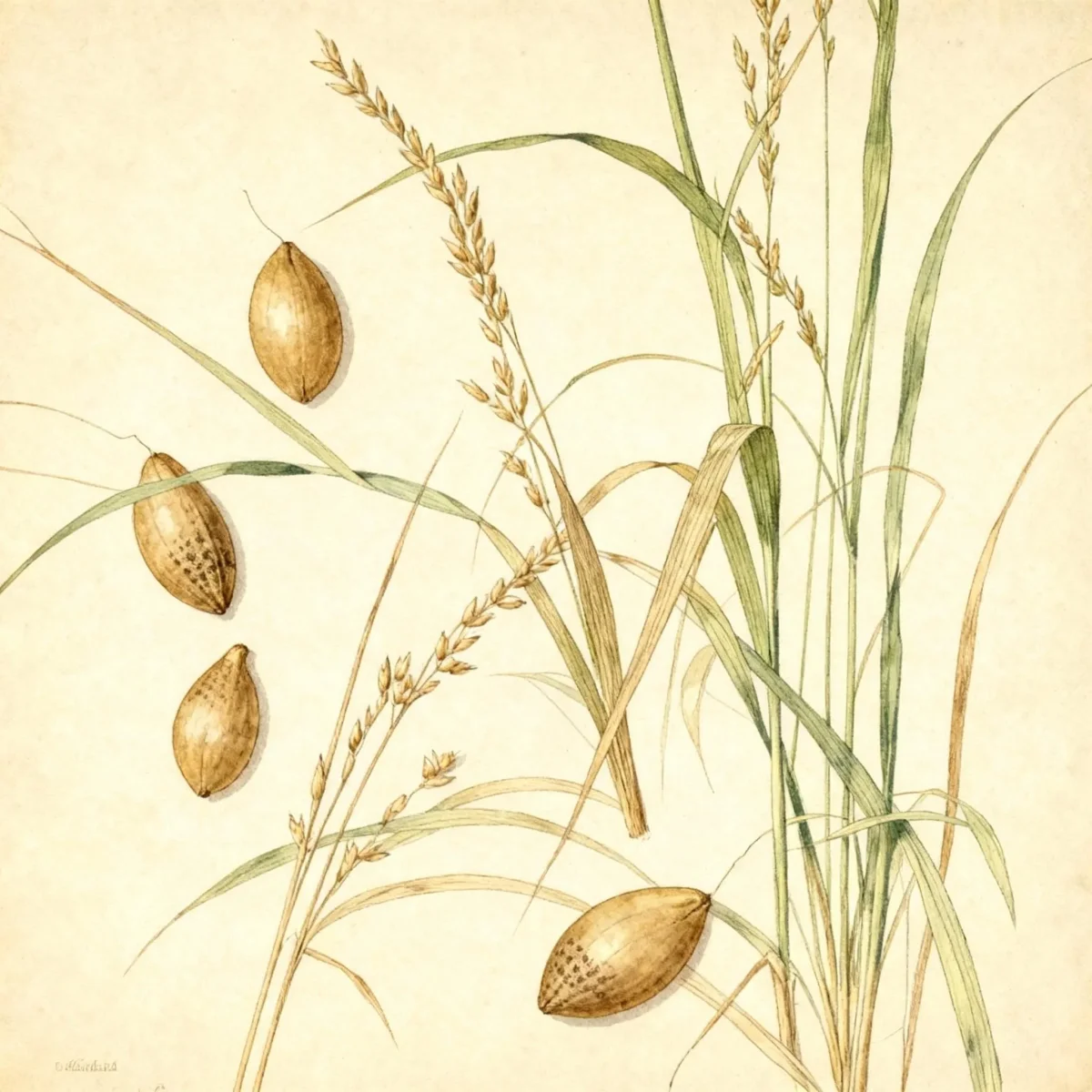
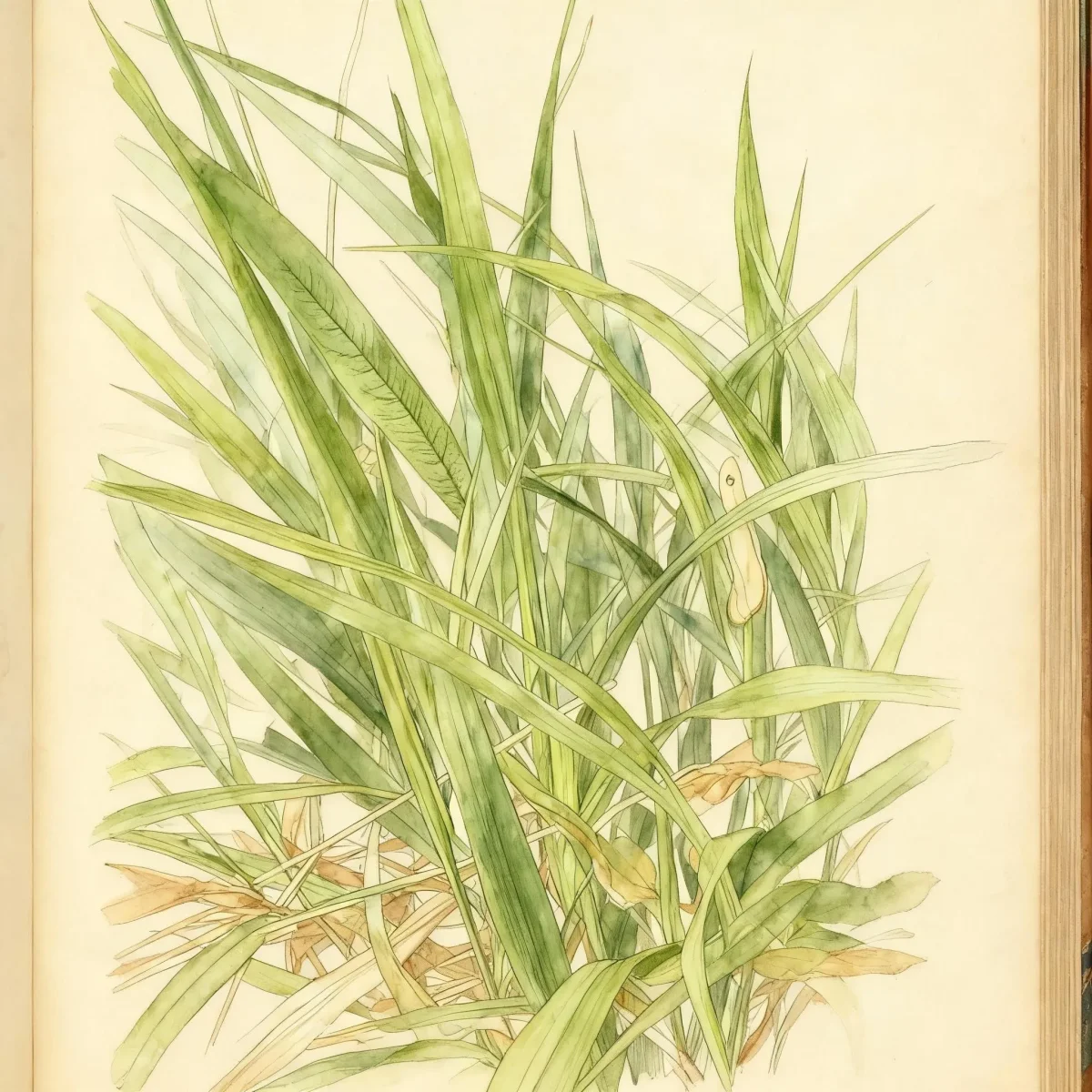
Diarrhena mandshurica, commonly known as diarrhena, is a rhizomatous woodland perennial grass which grows in a clump to 2-4’ tall and as wide. Plants feature sterile and fertile leafy culms to 4’ tall clad with lanceolate leaves to 12” long and 1/4 to 3/4” wide. The genus name references the flower structure, having two stamens.
Tolerances
Potential Problems
Gardening with Diarrhena usually presents very few hurdles, as the plant is noted for having no serious insect or disease problems under garden conditions. Its primary needs revolve around consistent moisture and appropriate shade; avoiding overly dry or overly exposed sites prevents most potential issues. Monitoring for overly vigorous spreading is important, as its rhizomatous nature means it might require occasional division if its colonies become too dense or encroach on neighboring plants.
Frequently Asked Questions
What hardiness zones is Diarrhena suitable for?
Diarrhena mandshurica is hardy and thrives in USDA Zones 5 through 8.
How large does Diarrhena grow?
This ornamental grass typically reaches a mature height between 2 and 4 feet, with a similar spread of 2 to 4 feet wide.
What sun exposure does Diarrhena need?
Diarrhena prefers the filtered light found in part shade to full shade conditions to maintain its best appearance.
When does Diarrhena bloom?
Look for the bloom of Diarrhena mandshurica from June into July, characterized by inconspicuous green flowers.
Conclusion
Diarrhena mandshurica serves as an indispensable, low-maintenance textural element for any dense shade garden. Its reliable clumping habit, ability to naturalize, and tolerance for moist, rich soils make it superior to many alternatives. Before planting, confirm your site falls within USDA Zones 5-8 and verify adequate moisture levels to ensure your new Diarrhena thrives.
Companion Planting
When designing a space centered around Diarrhena, select companions that share its appreciation for shade and medium water needs. Hostas provide large, bold foliage contrast to the fine texture of the grass, offering a classic woodland pairing. Ferns, especially Matteuccia struthiopteris (Ostrich Fern), share the preferred moist soil conditions and create a lush, layered look beneath taller trees.
For a naturalized effect, pair Diarrhena with shade-loving groundcovers like wild ginger (Asarum) or low-mounding Vinca minor. This combination ensures continuous coverage, suppressing weeds near the spreading rhizomes of the Diarrhena mandshurica while maintaining the cool, damp aesthetic these plants require.
Propagation Tips
The primary method for increasing your stock of Diarrhena is through the division of established clumps, taking advantage of its rhizomatous nature. The best time to perform this work is in early spring just as new growth starts to emerge, or alternatively, in early fall before the ground freezes hard. Dig carefully around the periphery of a mature clump to expose the underground stems.
Use a sharp spade or knife to cleanly separate sections of the clump, ensuring each new division has a healthy component of roots, rhizomes, and existing leaf tissue. Replant these divisions immediately into prepared, moist soil at the same depth they were growing previously. Keep the newly planted sections consistently moist for several weeks to encourage rapid establishment.