Yew plum pine(Podocarpus macrophyllus)
Grow plum podocarpus (Podocarpus macrophyllus): narrow columnar evergreen tree, formal privacy hedge, shade tolerance, and USDA zones 7–9 care.
Complete Plant Information
- Hardiness zones
- USDA 7–9
- Plant type
- Needled evergreen
- Plant family
- Podocarpaceae
- Sun exposure
- Full sun to part shade
- Water needs
- Medium
- Maintenance
- Low
- Height
- 20–35 ft (610–1067 cm)
- Spread
- 10–15 ft (305–457 cm)
- Bloom time
- Non-flowering
- Flower color
- Non-flowering gymnosperm; dioecious, with fleshy purple-red seed receptacles on female trees
- Flower qualities
- Not recorded
- Fruit qualities
- Not recorded
- Tolerances
- Drought, Air Pollution, Deer
- Garden uses
- Privacy screen, sheared formal hedge, windbreak, architectural specimen
- Native range
- Southern China, Japan, Myanmar, Taiwan
Field Guide Continues
Ready for care notes, companion picks, and planting tips?
The map is just the start. The full guide below covers growth habits, seasonal performance, and landscape uses.
Overview
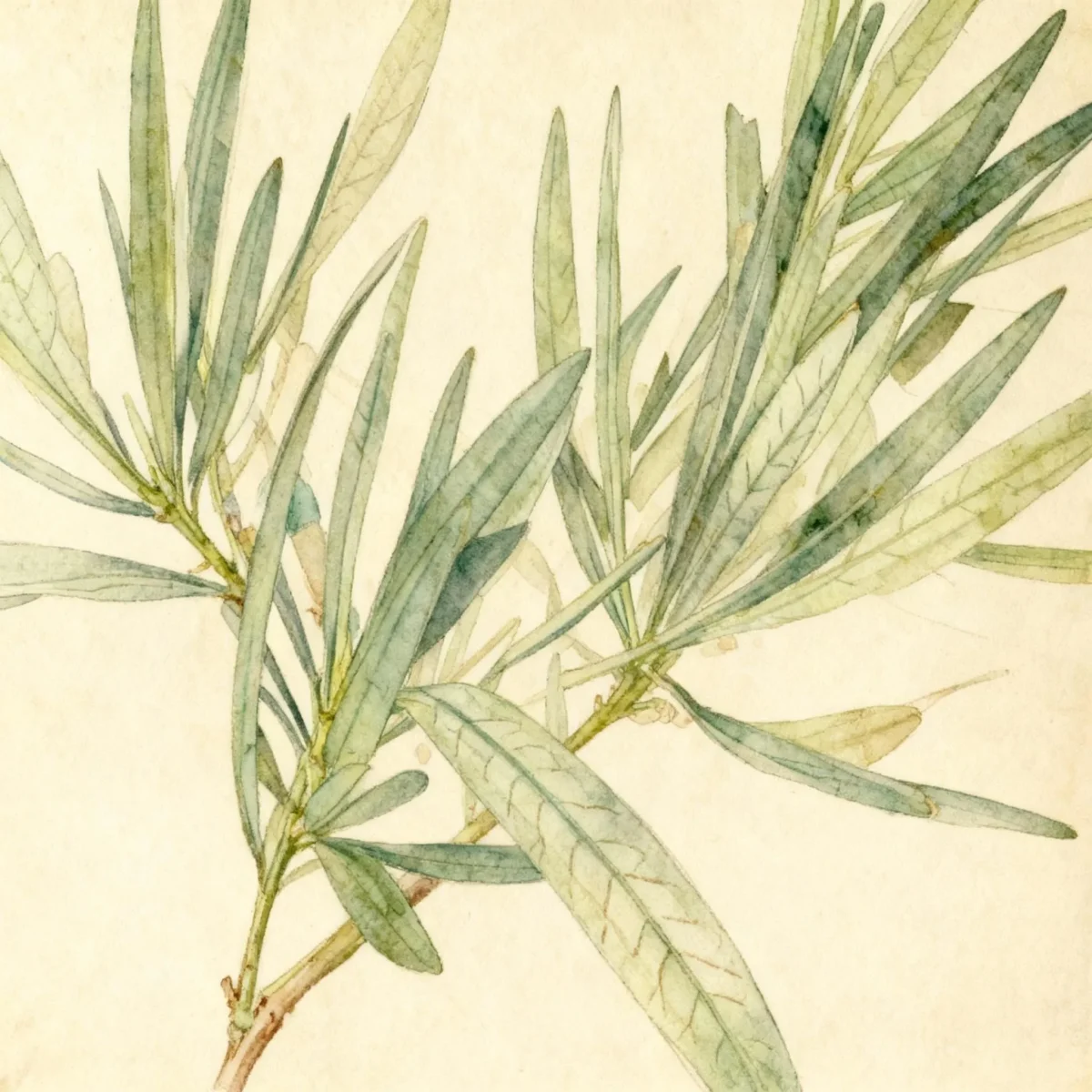
Plum podocarpus (Podocarpus macrophyllus, commonly called yew plum pine or Buddhist pine) is an elegant, slow-growing subtropical evergreen conifer hardy in USDA Zones 7 through 9. Maturing into a dense, columnar to narrow-pyramidal tree 20 to 35 feet tall and 10 to 15 feet wide in landscape settings, it features glossy, strap-like needles that resemble yews but with a softer, broader texture. Widely utilized across the Southeast, Gulf Coast, and California for privacy screens and architectural hedges, it thrives in coastal air, handles urban pollution, and tolerates pruning to any desired height.
Plants are dioecious (separate male and female trees); female trees produce seeds resting on swollen, edible, purple-red fleshy receptacles known as “plums.”
How to Grow
- Hardiness & Siting: USDA Zones 7 through 9. Survives winter temperatures down to 0°F to 10°F (-18°C to -12°C). In Zone 7, choose a sheltered site protected from drying winter winds. In colder zones, it makes an outstanding indoor/outdoor patio container plant.
- Sunlight: Full sun to partial shade. Dense foliage and tight branching develop best in full sun, but plants adapt readily to bright dappled shade beneath tall tree canopies.
- Soil & Drainage: Prefers fertile, organically rich, moist, slightly acidic sandy loams. Intolerant of waterlogged or poorly drained soils, which cause root rot. In high-pH alkaline soils, foliage may suffer from iron chlorosis.
- Watering: Water thoroughly during the first two growing seasons until established. Mature shrubs exhibit remarkable drought tolerance once established in native soil.
Landscape Uses
- Formal Sheared Privacy Hedges: Space plants 3 to 4 feet apart on center to create a dense, gap-free, sound-dampening evergreen boundary screen.
- Architectural Columnar Accent: Sited singly near corners, entryways, or along driveways, its narrow silhouette provides clean vertical lines.
- Patio Planters & Espalier: Responds well to training as a formal espalier against masonry walls or in large courtyard containers.
Potential Problems
- Iron Chlorosis in High-pH Soil: Alkaline soils tie up iron, causing foliage to turn pale yellowish-green. Apply chelated iron and sulfur amendments to lower soil pH.
- Root Rot: Soggy, poorly drained soils rapidly induce fatal fungal root rot.
- Pet Safety Notice: While the ripe purple receptacle is mildly sweet, the green seeds and unripened tissues contain podocarpic acid, which causes vomiting and diarrhea in pets if ingested in quantity.
Frequently Asked Questions
How fast does Podocarpus macrophyllus grow?
Plum podocarpus grows at a slow to moderate rate of approximately 6 to 12 inches per year, making it easy to maintain at a fixed hedge height.
Can plum podocarpus be pruned hard?
Yes. Podocarpus tolerates regular shearing and pruning exceptionally well. Shear once or twice per season in late spring and late summer to encourage dense foliage.
Is plum podocarpus deer-resistant?
Yes. The tough, leathery needle texture and resinous sap make it rarely browsed by deer.
Companion Plants
Pair plum podocarpus with warm-climate shrubs and perennials that appreciate well-draining, slightly acidic soil:
- Flowering Broadleaf Shrubs: Plant alongside camellias (Camellia japonica), azaleas, or Chinese fringe flower (Loropetalum chinense).
- Subtropical Foliage Accents: Combine with cast iron plant (Aspidistra elatior), sago palm (Cycas revoluta), or variegated flax lily (Dianella tasmanica).
- Perennial Groundcovers: Underplant with creeping liriope, mondo grass, or dwarf agapanthus.
Sources & Lineage
- Missouri Botanical Garden PlantFinder: Record taxon 285416 (Podocarpus macrophyllus) — species dimensions, morphological description, and hardiness.
- Kew Plants of the World Online (POWO): Podocarpus macrophyllus (Thunb.) Sweet (POWO: 263522-1) — species taxonomy and East Asian distribution.
- University of Florida IFAS Extension: Podocarpus macrophyllus: Podocarpus — landscape culture, hedging spacing, and coastal adaptability.
Recommended Companion Plants

Yew
Taxus baccata 'Stove Pipe'
- USDA zones
- 6–7
- Light
- Full sun to part shade
- Water
- Medium
English yew
Taxus baccata 'Standishii'
- USDA zones
- 6–7
- Light
- Full sun to part shade
- Water
- Medium
English yew
Taxus baccata 'Watnong Gold'
- USDA zones
- 6–7
- Light
- Full sun to part shade
- Water
- Medium
English yew
Taxus baccata
- USDA zones
- 6–7
- Light
- Full sun to part shade
- Water
- Medium
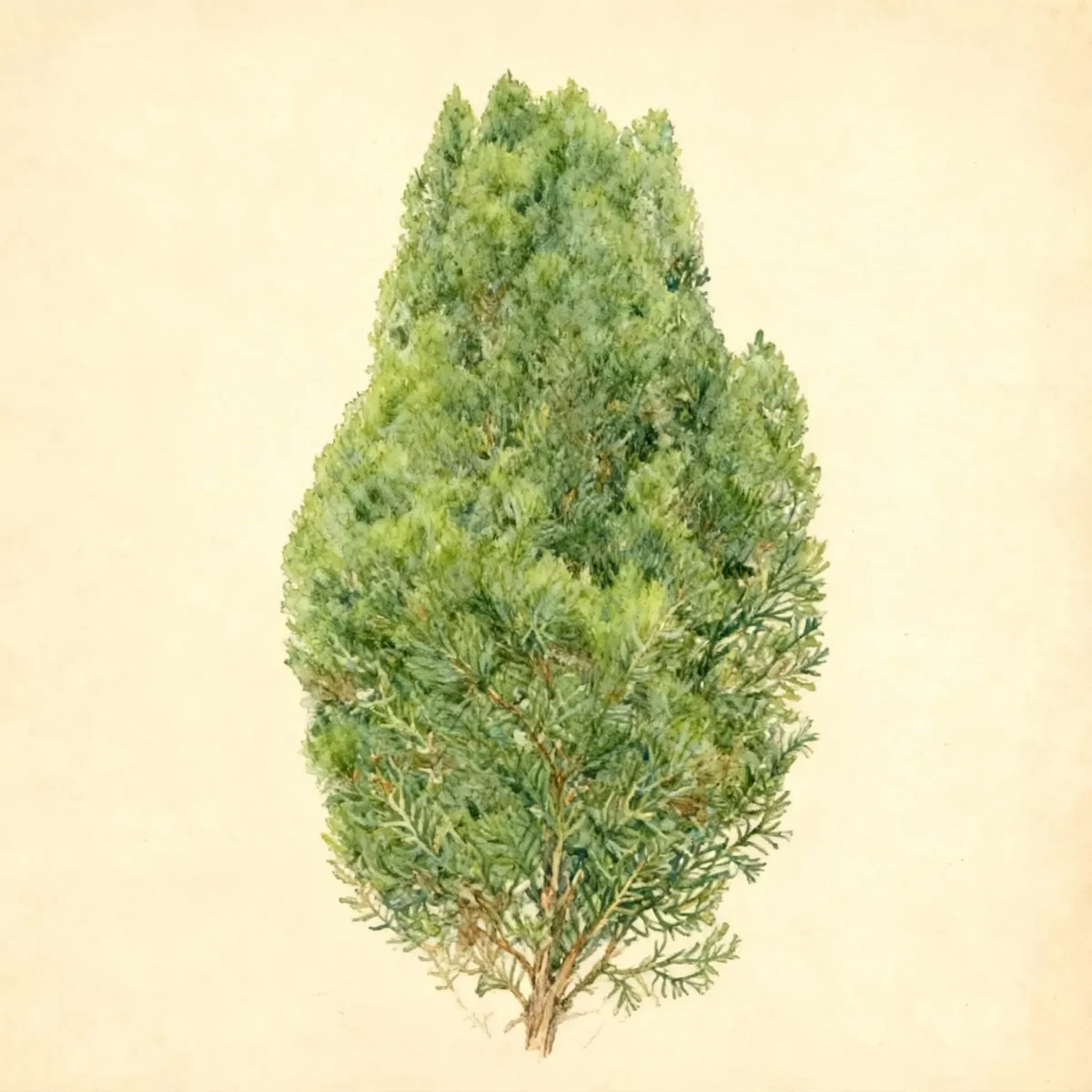
Chinese arborvitae
Platycladus orientalis 'Westmont'
- USDA zones
- 6–9
- Light
- Full sun to part shade
- Water
- Medium
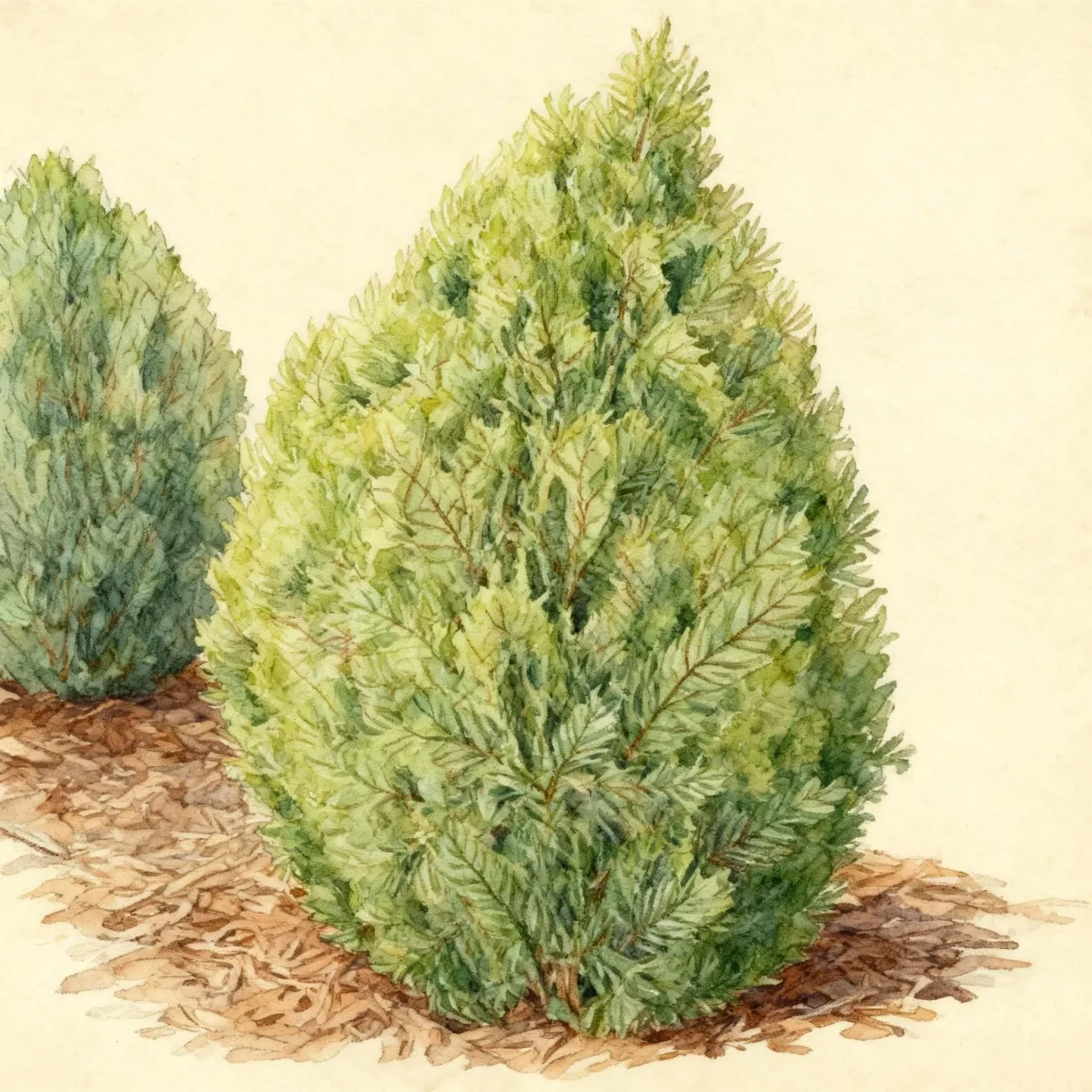
Oriental arborvitae
Platycladus orientalis 'Aurea Nana'
- USDA zones
- 6–9
- Light
- Full sun to part shade
- Water
- Medium
Keep Learning
Test what you know with a garden quiz
You have the plant facts and care notes. Continue with a related challenge, or browse the complete quiz library.

Can You Identify These Common Garden Plants? Test Your Plant Knowledge
Think you know your roses from your peonies? Test your plant identification skills with our comprehensive garden plant quiz featuring 10 challenging questions.
Start quiz
USDA Garden Zone Map Quiz
Use this USDA garden zone map quiz to check whether you can read hardiness zones and choose plants with more confidence.
Start quizBrowse the full quizzes section
Explore plant identification, zone strategy, and seasonal gardening challenges.
View all quizzes