Ozark phlox (Phlox pilosa subsp. Ozarkana)
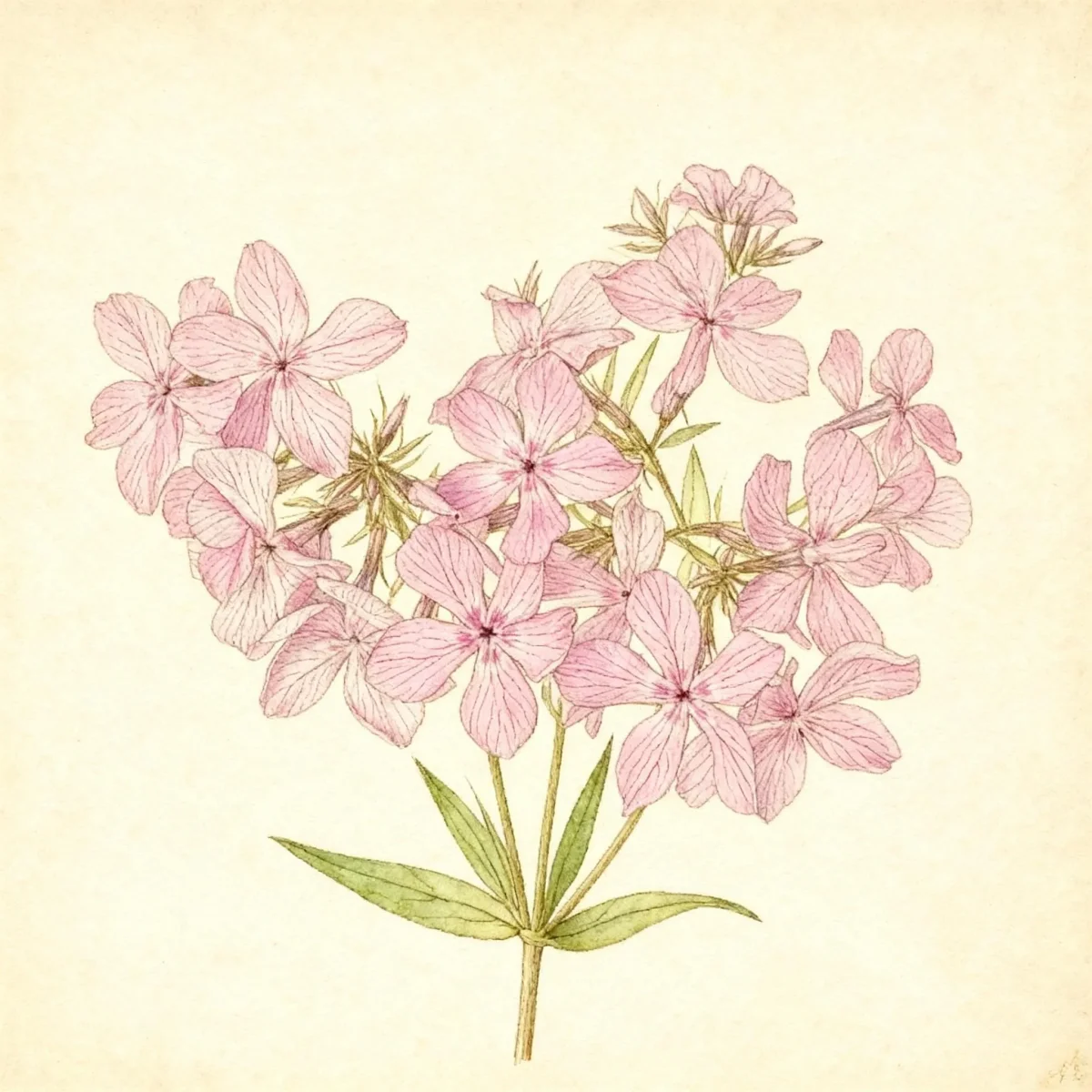
Ozark phlox (Phlox pilosa subsp. ozarkana) is a showy perennial thriving in full sun, offering rose blooms from May to July and tolerating deer.

Bloom Boldly, No Matter the Season - Sweatshirt
Cozy organic cotton sweatshirt featuring our exclusive Purple Coneflower design. Perfect for gardeners who bloom year-round.
Inspired by the beautiful Ozark phlox
Limited first batch (50) — join the waitlist for early access
Waitlist closes Feb 15, 2026.
Complete Plant Information
Field Guide Continues
Ready for care notes, companion picks, and planting tips?
The map is just the start. The full guide below covers growth habits, seasonal performance, and landscape uses.
Overview
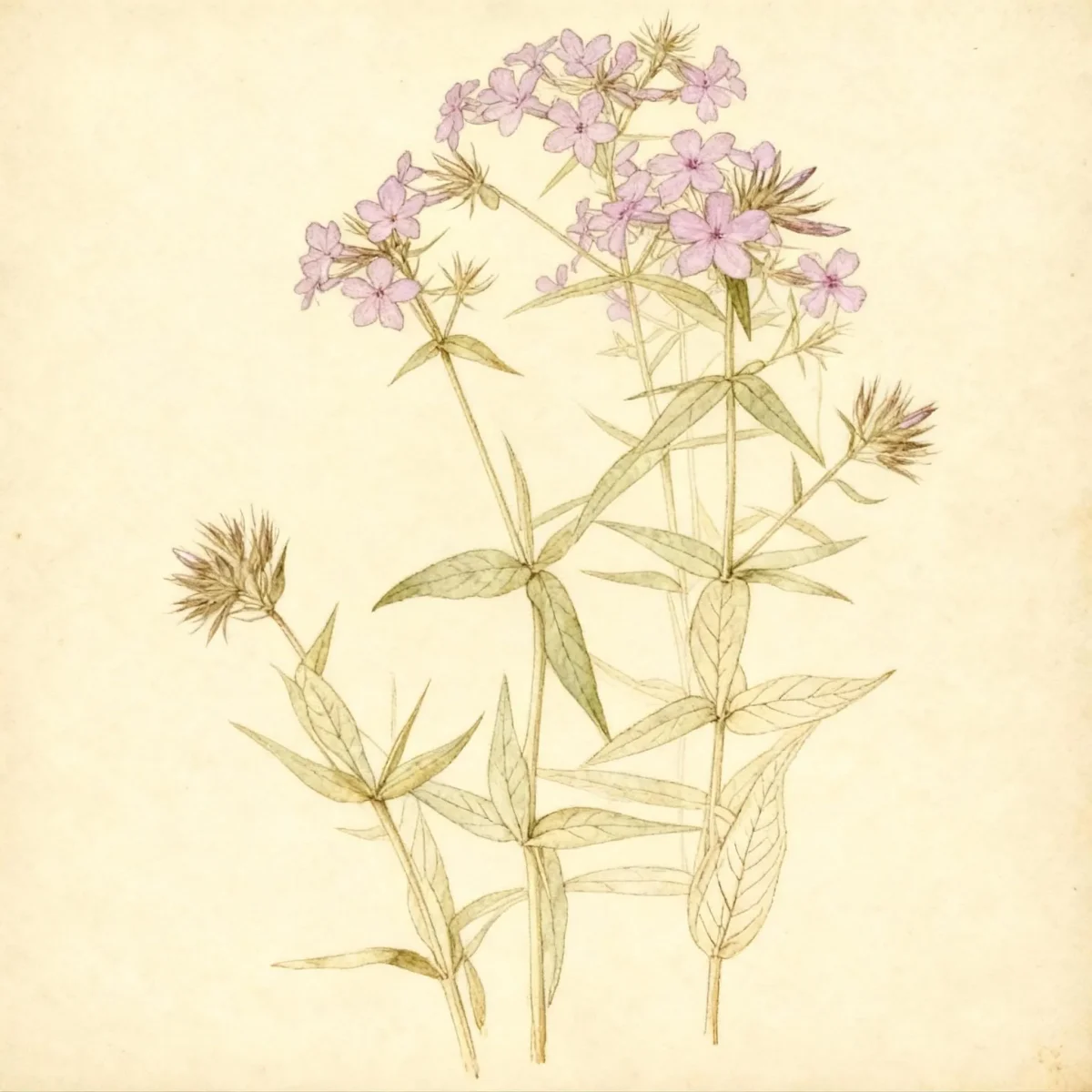
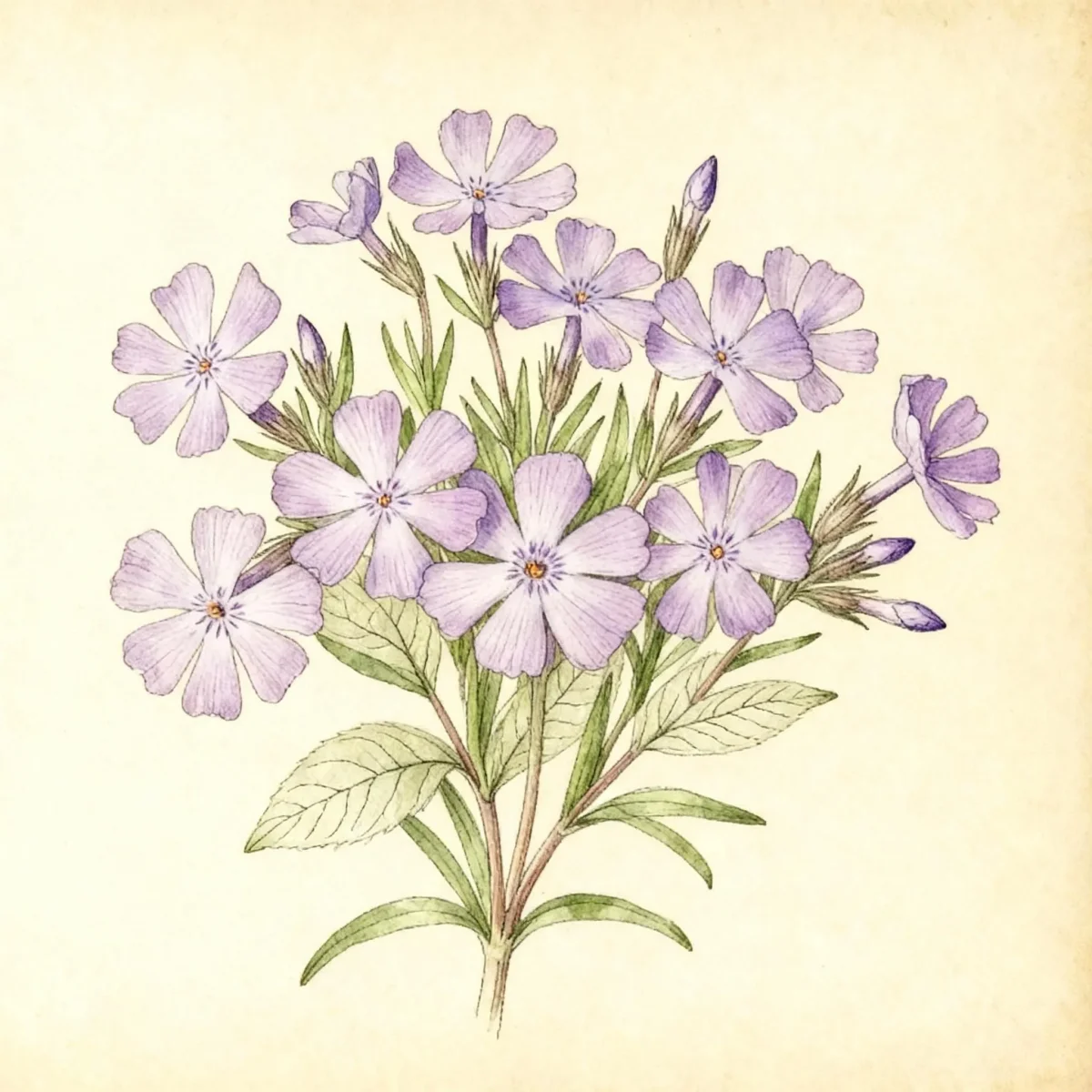
The Ozark phlox, scientifically known as Phlox pilosa subsp. ozarkana, provides excellent native color for sunny garden areas. This lovely variety is valued for its stoloniferous nature, allowing it to spread gently by rhizomes and form attractive ground cover colonies quickly. Gardeners appreciate Phlox pilosa subsp. Ozarkana for its resilience and the vibrant display of dark rose-lavender flowers it offers mid-season.
As a Missouri-native wildflower, this specific subspecies is well-adapted to local conditions, particularly in the Ozark region. It exhibits good drought tolerance once established, making it a practical choice for xeriscaping or areas receiving only medium water. Its showy, slightly fragrant blooms attract significant pollinator interest during peak bloom time.
Ultimately, incorporating Phlox pilosa subsp. ozarkana into your landscape contributes positively to native ecosystems while providing reliable, medium-maintenance beauty. Its compact yet spreading habit makes it an effective filler or groundcover in native plant or prairie-style gardens.
Fast Facts
- Plant Family: Polemoniaceae
- Plant Type: Herbaceous perennial
- Native Range: Central United States
- Hardiness Zones: USDA Zones 4-9
- Size at Maturity:
- Height: 1-2 ft
- Spread: 1-1.5 ft
- Bloom Time: May to July
- Bloom Description: Rose
- Sun Exposure: Full sun
- Water Needs: Medium
- Maintenance Level: Medium
How to Grow
Plant Ozark phlox in early spring or fall when conditions are mildest to encourage establishment. This perennial thrives best in fertile, well-drained soils, although it is notably more tolerant of drier conditions compared to other phlox species. Ensure the planting site receives full sun for the most robust flowering, though light part shade is tolerated.
Water needs are best described as medium; while established plants resist drought, consistent moisture during the first growing season is critical. Divide established clumps if they become overly congested, though the plant spreads readily via rhizomes on its own. Applying a light summer mulch helps keep the root zone cool, which is beneficial during hot periods.
Phlox pilosa subsp. Ozarkana requires relatively low ongoing care. Minimal pruning is needed, mostly just removing spent flowers if neatness is desired, though deadheading is not essential for setting subsequent blooms. Since it spreads, monitor its colonization rate, especially near manicured borders.
Landscape Uses
The spreading habit of Phlox pilosa subsp. ozarkana makes it an outstanding choice for native plant gardens or prairie-type area designs. Use it as a lively ground cover to suppress weeds and define edges beneath taller perennials or small shrubs. Its tolerance for clay soil and drought expands its usability across various challenging garden spots.
This Ozark phlox is highly recommended for rock gardens, where its low profile and bright rose color contrast beautifully with stone textures. It also integrates seamlessly into cottage gardens, lending a natural, informal texture alongside other sun-loving wildflowers. Because it spreads by rhizomes, it naturalizes well in open woods or meadow settings where minimal intervention is planned.
Standout Features
Flower Qualities
- Showy
- Fragrant
- Good Cut
Noteworthy Characteristics
USDA currently lists nine different subspecies for Phlox pilosa; Subsp. Ozarkana is a stoloniferous, Missouri-native wildflower typically forming a low ground cover with stems growing 15-20” tall in open woods and glades. Loose clusters of slightly fragrant, tubular, dark rose-lavender flowers appear at the stem ends in spring, making the hairy stems, inflorescences, and leaves distinctive. This plant spreads somewhat rapidly by stolons, eventually forming large colonies over time.
Tolerances
- Deer
- Drought
- Clay Soil
Potential Problems
Generally, Phlox pilosa subsp. ozarkana is quite resilient with few significant horticultural challenges. Prairie phlox is noted for having good resistance to powdery mildew, which can plague less vigorous phlox varieties. Gardeners should remain aware of spider mites, particularly if the plant is subjected to very hot and dry conditions for extended periods. Proper spacing during planting ensures good air circulation, which is the best preventative measure for any potential foliar issues.
Frequently Asked Questions
What hardiness zones is Ozark phlox suitable for?
Phlox pilosa subsp. ozarkana is hardy across a wide range, suitable for USDA Zones 4 through 9.
How large does Ozark phlox grow?
This herbaceous perennial typically reaches a height between 1 and 2 feet, with a spread generally ranging from 1 to 1.5 feet wide.
What sun exposure does Phlox pilosa subsp. Ozarkana need?
The ideal light requirement is full sun, although it can adapt to partial shade conditions in the garden setting.
When does Ozark phlox bloom?
You can expect this cultivar to display its rose-colored blooms primarily from May into July.
Conclusion
The Ozark phlox offers exceptional value as a tough, native perennial perfect for filling sunny, dry spots in the landscape. Its ability to tolerate clay and resist deer makes planting Phlox pilosa subsp. ozarkana a low-risk, high-reward strategy for naturalized areas. Before planning your spring planting, confirm that USDA Zones 4-9 cover your region to ensure success with this versatile native.
Companion Planting
When selecting partners for Phlox pilosa subsp. ozarkana, focus on other Central US natives that share its preference for full sun and well-drained soil. Consider pairing it with plants that offer contrasting foliage texture or bloom times, such as various native Baptisia or sturdy Coreopsis varieties, which can fill in the space after the phlox finishes blooming in mid-summer. Since this phlox spreads via stolons, it benefits from neighboring plants whose root systems help manage its spread without competing heavily for nutrients.
Wildlife Benefits
This variety of Phlox pilosa is a superb asset for supporting local insect populations. The tubular flowers are highly attractive to long-tongued pollinators, especially butterflies, who readily visit the loose terminal clusters. Planting Ozark phlox actively contributes to pollinator pathways, providing essential nectar during the late spring and early summer months when many other flowering resources may be scarce.