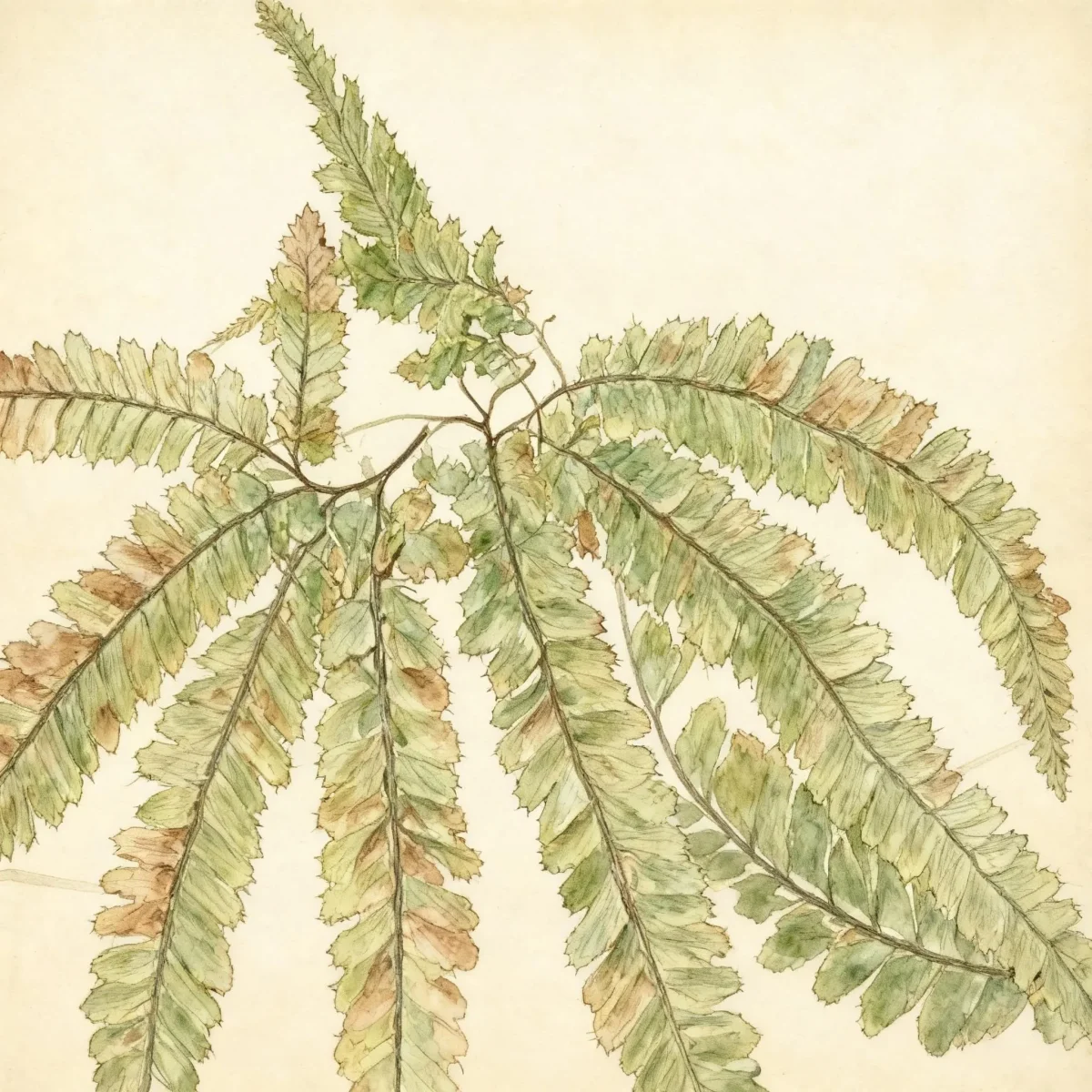
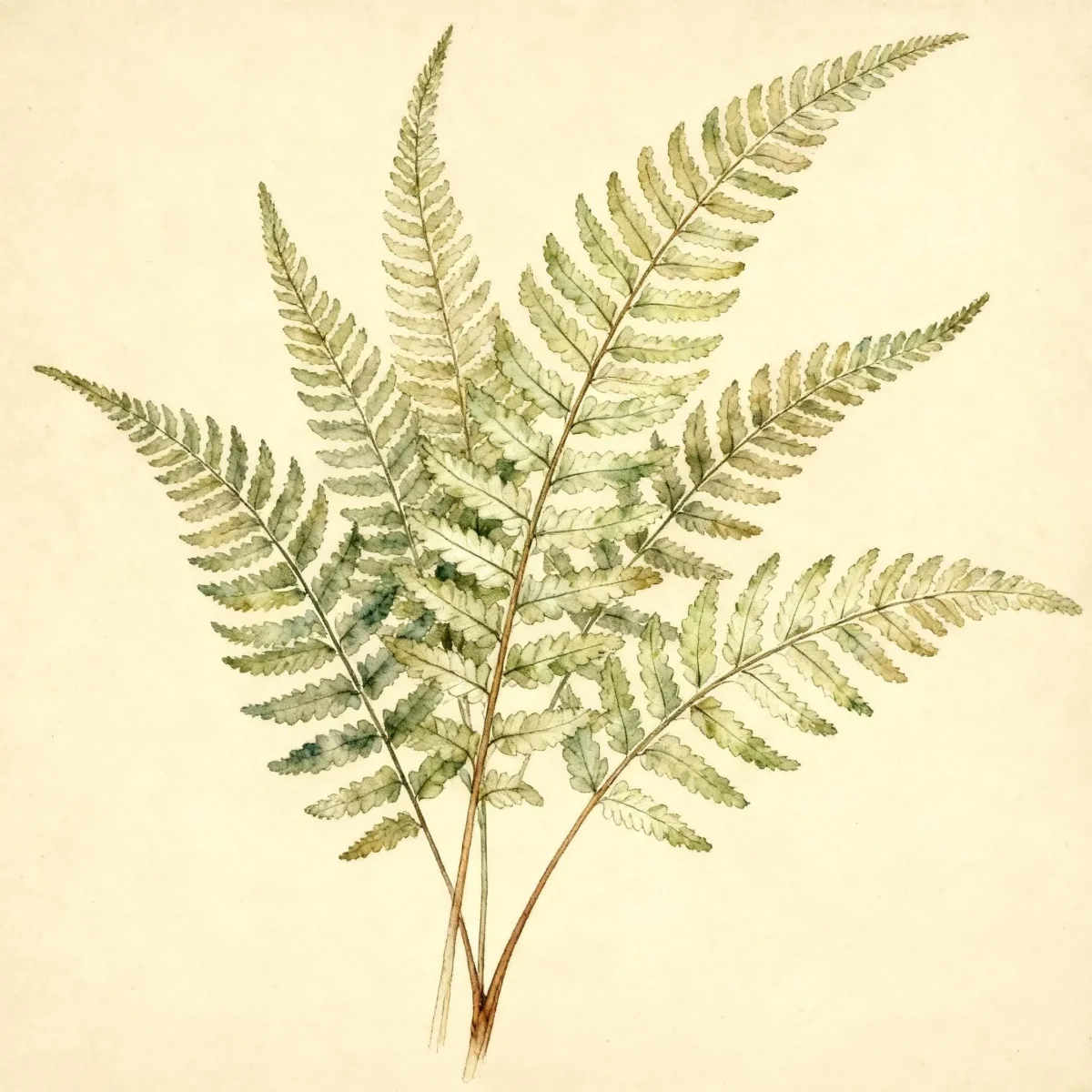
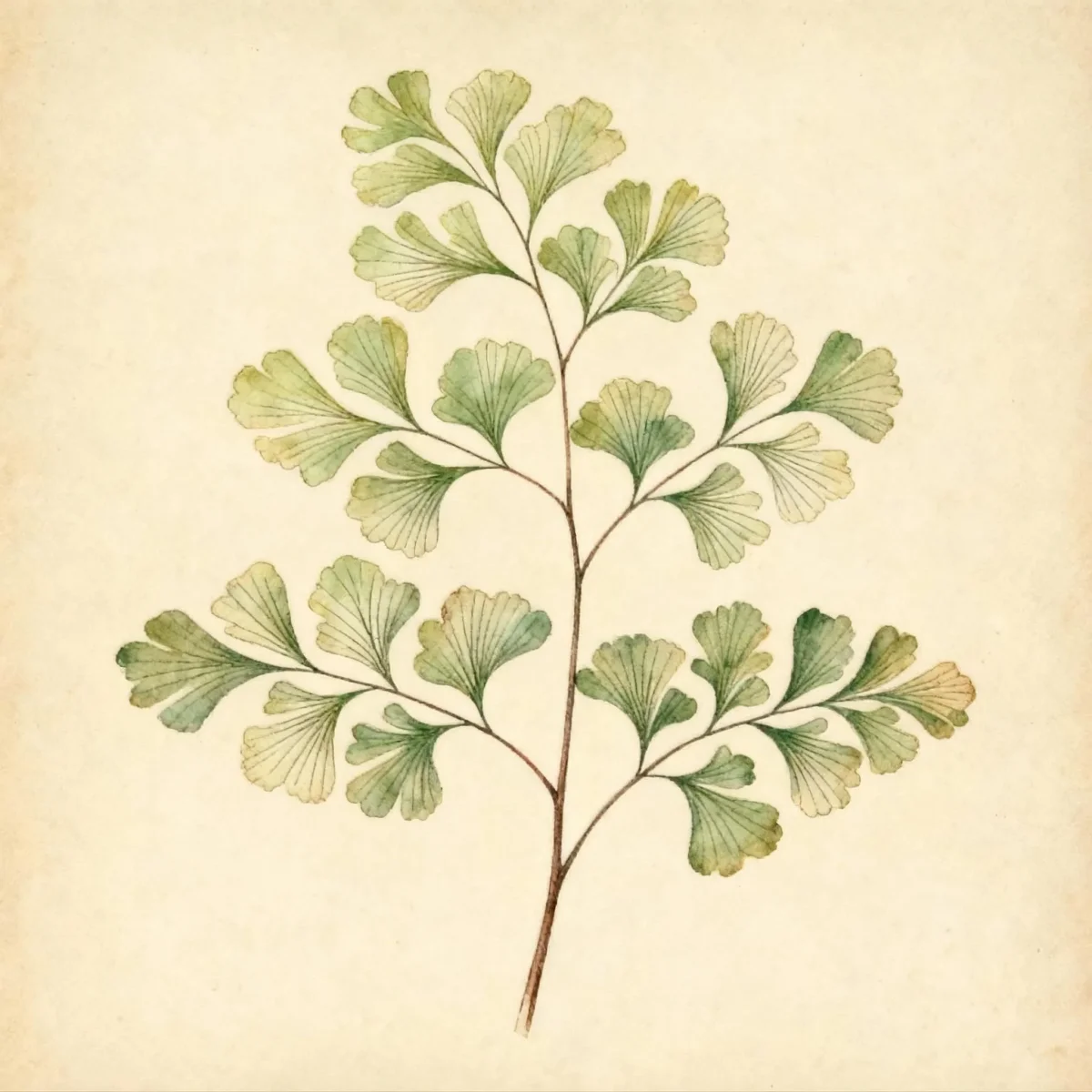
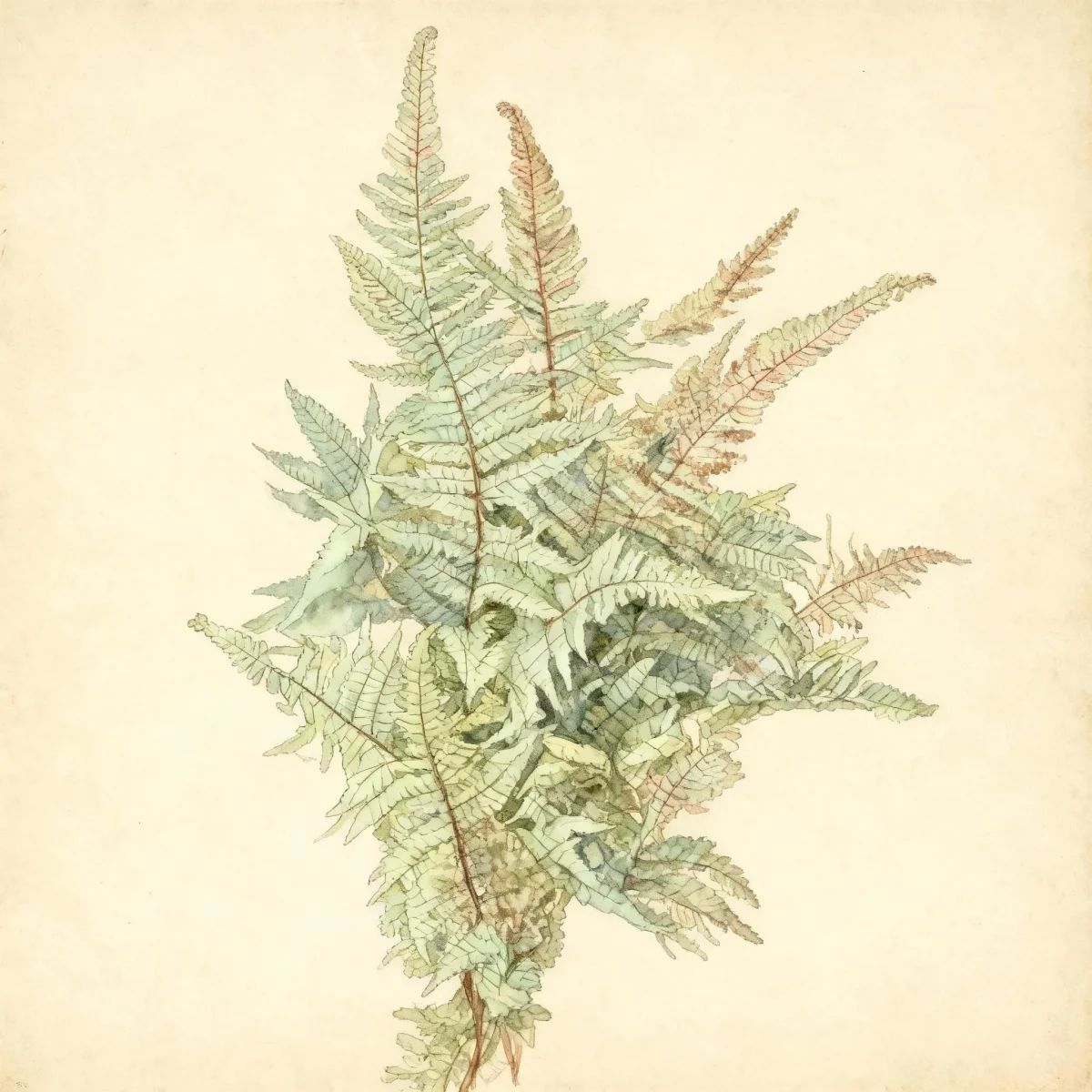
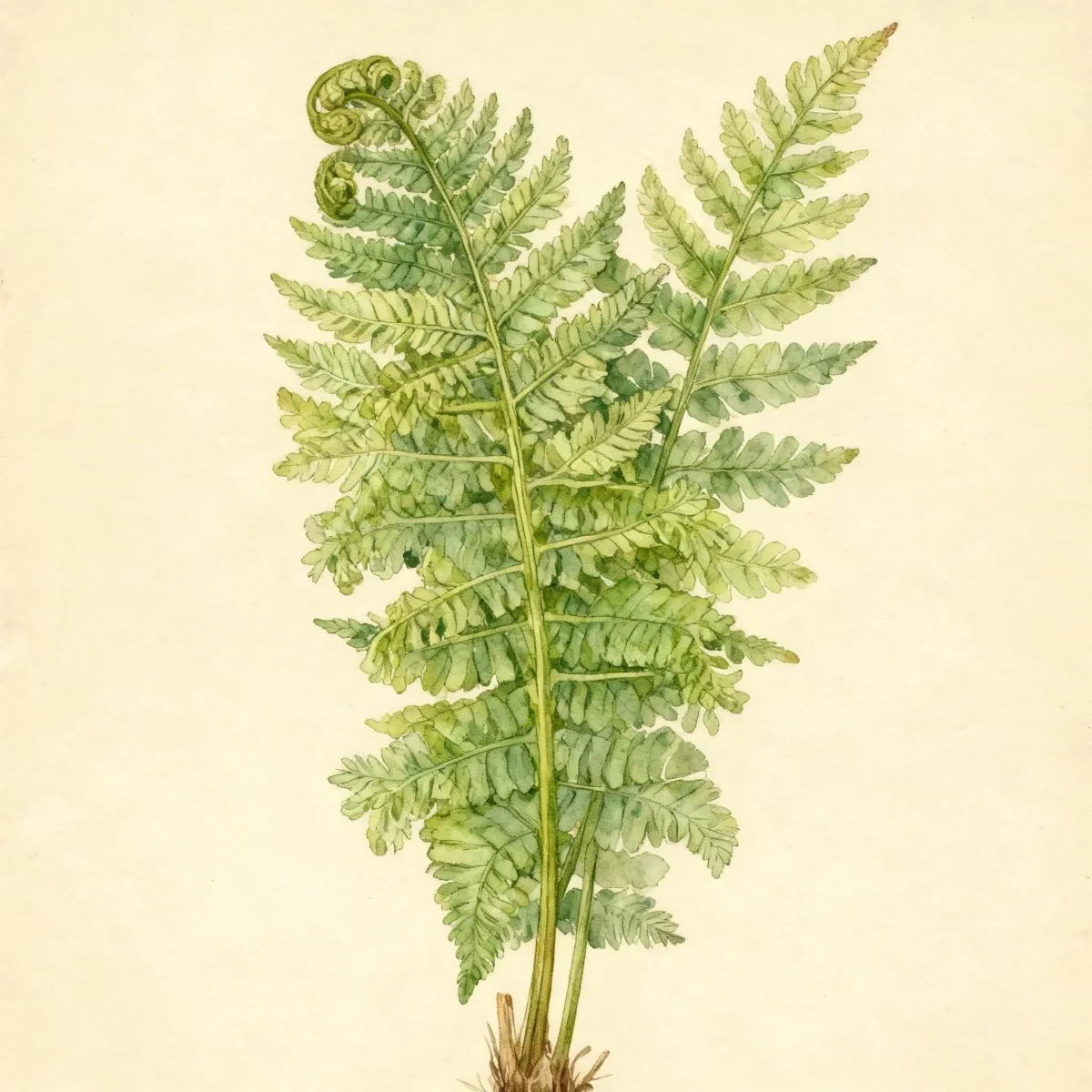
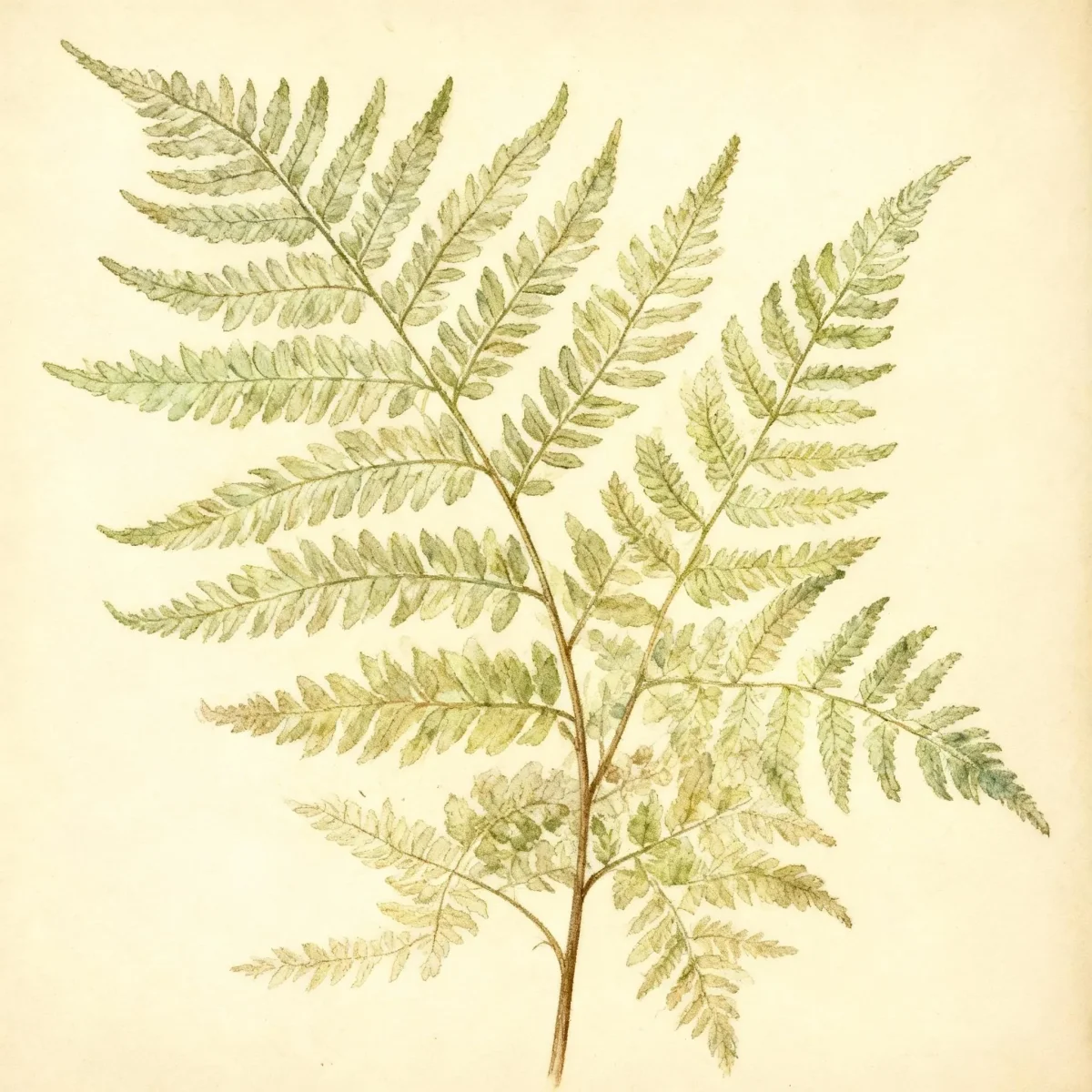
Northern maidenhair fern (Adiantum pedatum)
The elegant Northern maidenhair fern (Adiantum pedatum) offers finely-textured fronds perfect for shaded borders and woodland gardens.

Bloom Boldly, No Matter the Season - Sweatshirt
Cozy organic cotton sweatshirt featuring our exclusive Purple Coneflower design. Perfect for gardeners who bloom year-round.
Inspired by the beautiful Northern maidenhair fern
Limited first batch (50) — join the waitlist for early access
Waitlist closes Feb 15, 2026.
Complete Plant Information
Field Guide Continues
Ready for care notes, companion picks, and planting tips?
The map is just the start. The full guide below covers growth habits, seasonal performance, and landscape uses.
Overview
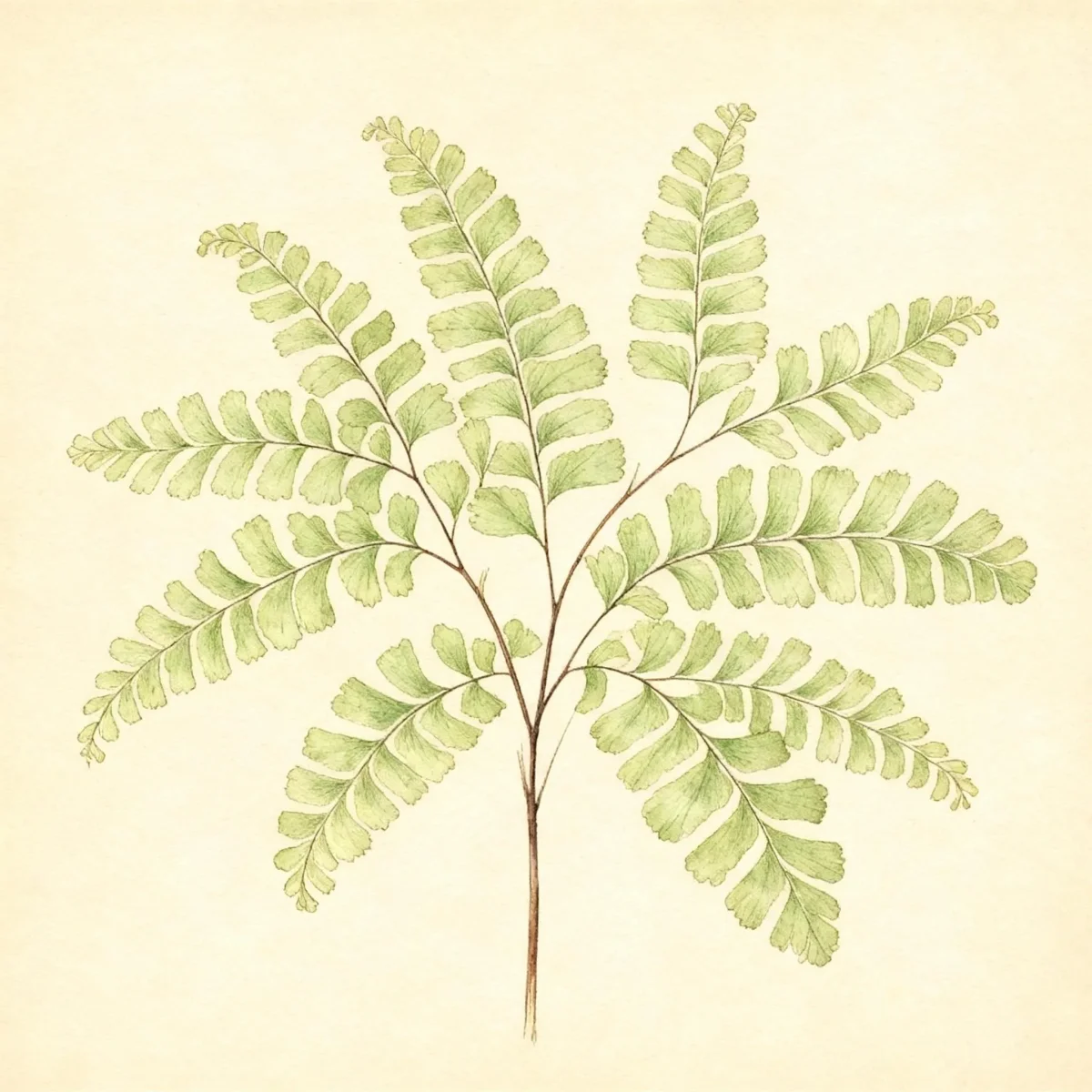
The Northern maidenhair fern (Adiantum pedatum) is highly prized by gardeners for its delicate, lacy foliage contrasted against dark, wiry, reddish-brown to black stems. This deciduous plant forms attractive clumps, slowly spreading over time via creeping rhizomes to create naturalized colonies in ideal settings. Its distinctive frond structure, which divides into finger-like projections, gives it a uniquely airy texture perfect for softening woodland landscapes.
As a native fern found across North America and Asia, Adiantum pedatum thrives in the dappled light of mature woods. It requires consistent moisture and rich, humusy soil to perform best throughout the growing season, developing into a structure that generally reaches 1 to 2.5 feet high. The emerging pink fiddleheads in spring add an extra layer of seasonal interest before the mature, finely-textured fronds unfurl.
For gardeners seeking low-maintenance elegance in deep shade, the Northern maidenhair fern serves as an exceptional choice. Its water-repellent foliage is a notable feature, and while it prefers consistent dampness, its overall maintenance requirement remains relatively low once established in a suitable, cool location.
Fast Facts
- Plant Family: Pteridaceae
- Plant Type: Fern
- Native Range: North America, Asia
- Hardiness Zones: USDA Zones 3-8
- Size at Maturity:
- Height: 1-2.5 ft
- Spread: 1-1.5 ft
- Bloom Time: Non-flowering
- Bloom Description: Non-flowering
- Sun Exposure: Part shade to full shade
- Water Needs: Medium
- Maintenance Level: Low
How to Grow
Planting Adiantum pedatum should ideally occur in spring or fall to allow the rhizomes to establish before temperature extremes. Select a site offering part shade to full shade, ensuring the soil is well-drained yet capable of retaining consistent moisture. The ideal substrate is humusy, acidic, and rich; amending heavy clay with organic matter is crucial for success.
Care involves maintaining uniform soil moisture. While categorized as medium water needs, the Northern maidenhair fern performs poorly if allowed to dry out, especially during hot summer spells. Avoid harsh fertilizers; the plant derives necessary nutrients from rich, well-amended soil. Little to no pruning is required, though dead foliage should be cleared in early spring before new crosiers emerge.
A key consideration for this species is managing heat stress. High summer temperatures, especially combined with insufficient soil moisture or excessive sun exposure, can cause the fronds to brown prematurely. Providing deep, consistent watering is the best preventative measure against this summer scorch for your Adiantum pedatum.
Landscape Uses
The finely-textured appearance of the Northern maidenhair fern makes it an attractive ornamental for deep shade gardens. Its suitability for naturalizing allows gardeners to create authentic woodland scenes where it can slowly colonize shady slopes and ravine bottoms. It excels as an edger along shady pathways, providing a soft, delicate border unlike formal clipped hedges.
This fern pairs beautifully with plants offering contrasting foliage texture and color. Combine it effectively with the broad, solid leaves of hostas, the vibrant hues of caladiums, or the blue-green texture of brunneras. This juxtaposition highlights the airy nature of the Adiantum pedatum against bolder forms, creating visual depth in shaded borders or woodland gardens.
Consider using drifts of this plant in a native plant garden setting. Its requirement for moist, well-drained conditions means it is well-suited for the transitional zones near streams or shaded foundation plantings where consistent humidity can be maintained.
Noteworthy Characteristics
Adiantum pedatum, commonly called northern maidenhair fern, is a moisture-loving, deciduous, clump-forming fern native to rich wooded slopes. It features finely-textured, somewhat frilly fronds held on wiry, reddish-brown to black stalks, with young crosiers emerging a lovely pink color in spring. The genus name alludes to the water-repellent nature of the foliage, making it highly resilient to light showers.
Tolerances
- Heavy Shade
Potential Problems
The Northern maidenhair fern generally enjoys a clean bill of health and suffers from no serious insect or disease issues under proper growing conditions. The most common challenge faced by growers relates to environmental stress, specifically high summer heat. If moisture levels drop during periods of high summer temperatures, or if the plant receives too much direct sun, the delicate fronds may brown out by mid or late summer. To prevent this, ensure deep watering to maintain soil moisture consistently, and verify that the plant is sited far enough away from reflected heat sources.
Frequently Asked Questions
What hardiness zones is Northern maidenhair fern suitable for?
The Northern maidenhair fern (Adiantum pedatum) is highly adaptable and thrives across a wide range, suitable for USDA Zones 3 through 8.
How large does Adiantum pedatum grow?
This fern typically reaches a moderate height between 1 and 2.5 feet tall, spreading to an equal width of 1 to 1.5 feet as its rhizomes expand slowly.
What sun exposure does Northern maidenhair fern need?
This species requires part shade to full shade conditions to look its best, thriving where it receives dappled light throughout the day.
When does Adiantum pedatum bloom?
As a fern, Adiantum pedatum is non-flowering and does not produce traditional blooms or fruit structures.
Conclusion
The distinctive, finely-cut foliage of Adiantum pedatum offers unmatched elegance for shaded landscapes, making the Northern maidenhair fern a must-have for woodland and shade garden designs. Its low maintenance and naturalizing habit solidify its value for creating serene, textural displays. Before planting, confirm your site offers the necessary deep shade and consistent moisture to ensure this beautiful fern thrives year after year.
Companion Planting
Selecting companions with contrasting foliage texture is key when designing with the Northern maidenhair fern. Plants that offer broader leaves or bolder colors effectively frame the delicate, lacy appearance of the Adiantum pedatum. Consider pairing it with shade-tolerant bulbs like Trout Lilies (Erythronium) which emerge early, or woodland perennials like wild Ginger (Asarum).
For year-round interest in a woodland setting, pair the fern with evergreen groundcovers that appreciate similar humus-rich, acidic soil conditions. Barrenwort (Epimedium) varieties offer interesting leaf shapes and early color, while certain species of shade-loving ferns themselves, perhaps those with coarser fronds, can create dynamic textural layers beside the airy Northern maidenhair fern.
Seasonal Care Calendar
Spring is the time for cleanup and monitoring the emergence of the pink crosiers. Gently remove any remaining dead foliage from the previous year. Summer care centers almost entirely on moisture management; apply a thick layer of organic mulch to help keep the soil cool and consistently damp, which mitigates browning fronds caused by heat.
In autumn, allow the fronds to senesce naturally; they will die back as the plant enters dormancy. Avoid heavy fall cleanup, as the decaying leaves provide natural mulch and nutrients. In colder areas of Zones 3-5, winter protection is generally unnecessary if temperatures stay within its hardiness rating, but a light blanket of leaves helps insulate the shallow rhizomes against deep freezes.