Scouringrush horsetail(Equisetum hyemale)
Grow scouring rush (Equisetum hyemale): architectural jointed evergreen stems, wet soil containment strategies, livestock toxicity, and USDA zones 4–9 care.
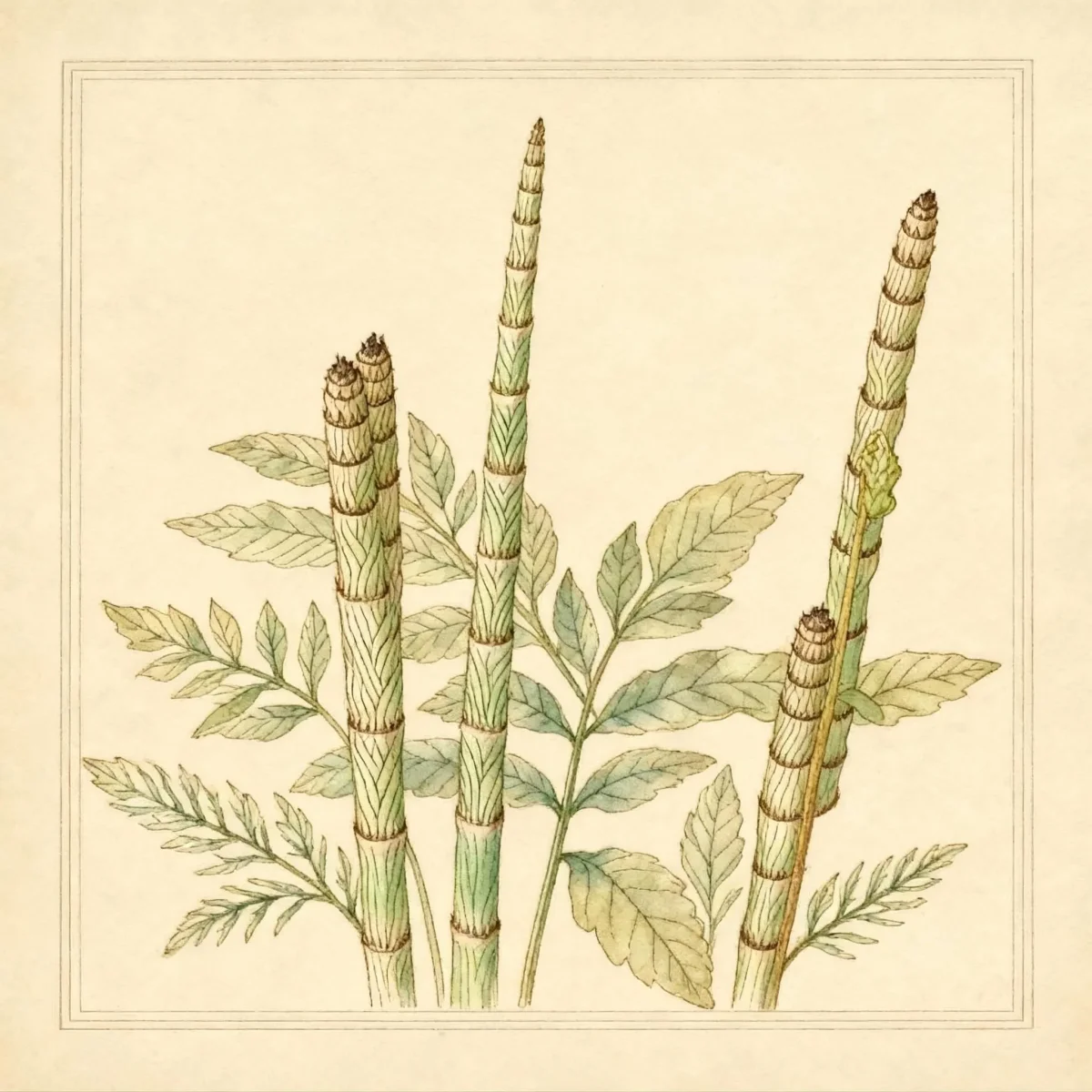
Complete Plant Information
- Hardiness zones
- USDA 4–9
- Plant type
- Rush or Sedge
- Plant family
- Equisetaceae
- Sun exposure
- Full sun to part shade
- Water needs
- Wet to standing water
- Maintenance
- High (containment required)
- Height
- 2–4 ft (61–122 cm)
- Spread
- 2–6 ft (61–183 cm)
- Bloom time
- Non-flowering
- Flower color
- Non-flowering pteridophyte; produces terminal spore cones (strobili)
- Flower qualities
- Not recorded
- Fruit qualities
- Not recorded
- Tolerances
- Heavy Shade, Wet Soil, Standing Water, Clay Soil
- Garden uses
- Container water feature, lined bog garden, modern architectural planter
- Native range
- North America, Europe, Asia
Field Guide Continues
Ready for care notes, companion picks, and planting tips?
The map is just the start. The full guide below covers growth habits, seasonal performance, and landscape uses.
Overview
Scouring rush (Equisetum hyemale, also known as rough horsetail or winter scouring rush) is an ancient, non-flowering vascular plant (fern ally) hardy across USDA Zones 4 through 9. Celebrated by modern landscape architects for its stark, minimalist vertical canes that remain deep green all winter, it features hollow, jointed, bamboo-like green stems banded with black ash rings at each node. Growing 2 to 4 feet tall, it reproduces via terminal spore cones (strobili) rather than seeds.
While prized for modern architectural planters and water garden margins, it possesses aggressive, deep-running rhizomes that can rapidly overrun home gardens if planted in open ground without physical root barriers.
How to Grow
- Mandatory Root Containment: Never plant scouring rush uncontained in standard garden beds. Its branched underground rhizomes travel 3 to 6 feet deep and spread outward under pathways and lawns. Use sealed commercial bamboo barriers (30 to 36 inches deep) or grow in sealed pots without drainage holes.
- Moisture & Standing Water: Thrives in saturated, waterlogged soils and handles shallow standing water up to 4 inches deep. Outstanding for retention basins, lined bog filters, and water gardens.
- Sunlight: Full sun to partial shade. Stems grow stoutest and most upright in full sun (at least 6 hours daily); dense shade causes stems to lean and flop.
- Soil: Highly adaptable to almost any waterlogged soil texture, including heavy clay, saturated sand, and silty mucks.
Landscape Uses
- Modern Architectural Planters: Grown in sealed metal, stone, or ceramic trough planters, it creates a crisp, minimalist vertical screen for patios and contemporary courtyards.
- Lined Water Garden Margins: Sunk in sealed nursery pots along pond shelves, its segmented canes create striking vertical reflections.
- Lined Bioswales: Installed behind heavy root barriers, it provides permanent year-round green erosion control along wet runoff ditches.
Potential Problems
- Aggressive Unchecked Spreading: In open, moist soil, rhizomes colonize wide areas rapidly; eradication requires extensive deep excavation or persistent physical removal of every root fragment.
- Silica Content: Stems contain high concentrations of abrasive silica crystals (historically used by cabinetmakers to polish pewter and wood), giving stems a rough texture.
- Livestock & Equine Toxicity: All parts contain the enzyme thiaminase, which breaks down vitamin B1. Ingestion of stems or contaminated hay causes severe, potentially fatal neurotoxic poisoning (“equisetosis”) in horses and cattle. Never plant near pastures or paddocks.
Frequently Asked Questions
Will scouring rush take over my garden?
Yes, if planted directly in open, moist garden soil without a root barrier. It spreads aggressively via deep underground rhizomes and must be contained in sealed pots or behind heavy-duty physical barriers.
Can scouring rush grow in standing water?
Yes. It thrives in up to 4 inches of standing water, making it an ideal candidate for submerged containers in backyard ponds and water features.
Is scouring rush evergreen?
Yes. The segmented green canes are remarkably winter-hardy, retaining their deep green color straight through subzero northern freezes.
Companion Plants
When planting within contained water features or lined bog gardens, pair scouring rush with companion plants that share its demand for standing water:
- Flowering Water Plants: Pair with blue flag iris (Iris versicolor) or yellow water iris (Iris pseudacorus).
- Contrasting Foliage Shapes: Combine with broad-leaved pickerelweed (Pontederia cordata) or broadleaf cattails (Typha latifolia).
- Moisture-Loving Perennials: Plant near marsh marigolds (Caltha palustris) or cardinal flowers (Lobelia cardinalis) in damp borders.
Sources & Lineage
- Missouri Botanical Garden PlantFinder: Record taxon 285667 (Equisetum hyemale) — morphology, winter interest, and spreading characteristics.
- Kew Plants of the World Online (POWO): Equisetum hyemale L. (POWO: 30048809-2) — circumboreal native distribution and taxonomy.
- North Carolina State Extension Gardener Plant Toolbox: Equisetum hyemale — thiaminase toxicity profile and landscape containment directives.
Recommended Companion Plants
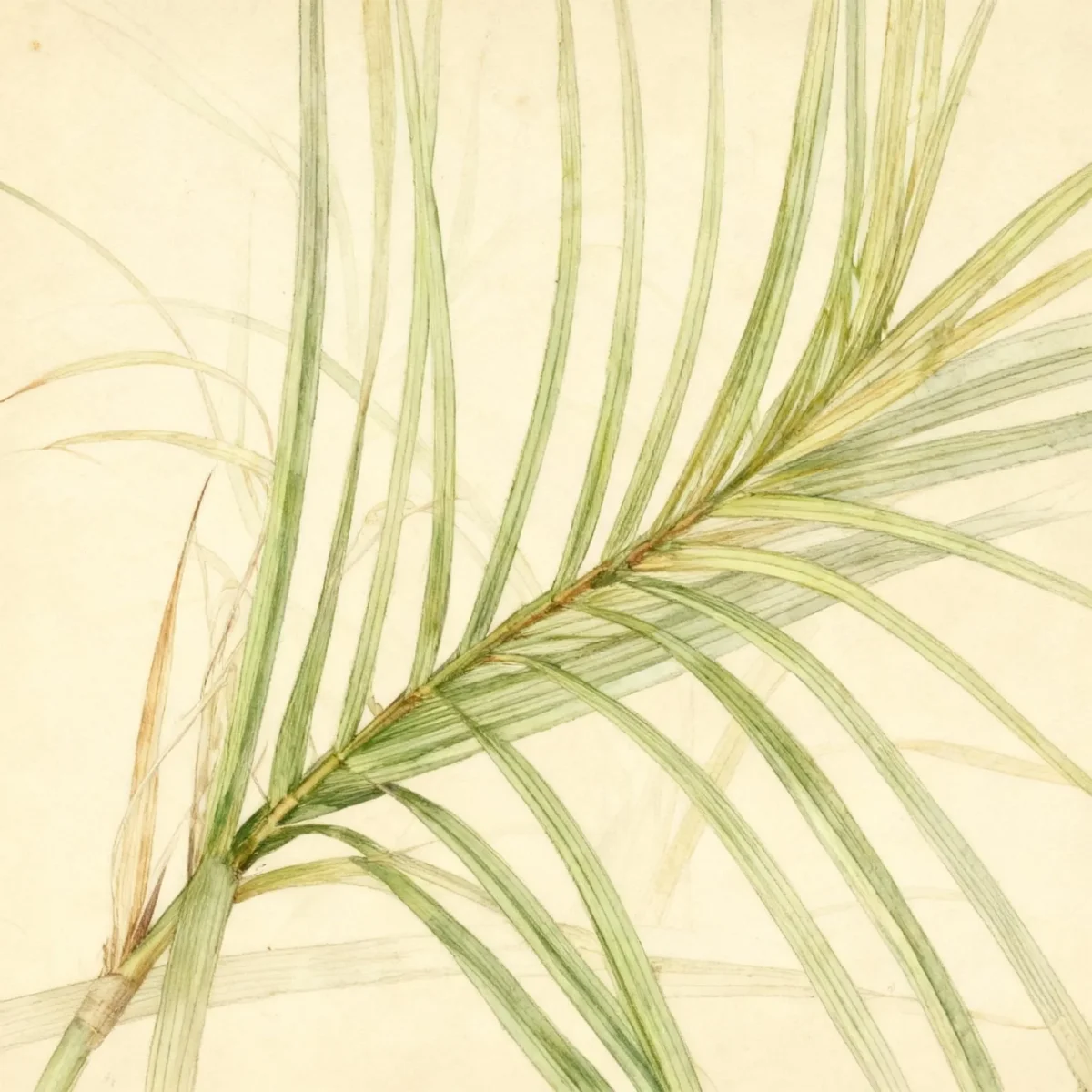
Palm sedge
Carex muskingumensis 'Wachtposten'
- USDA zones
- 5–8
- Light
- Full sun to part shade
- Water
- Medium to wet
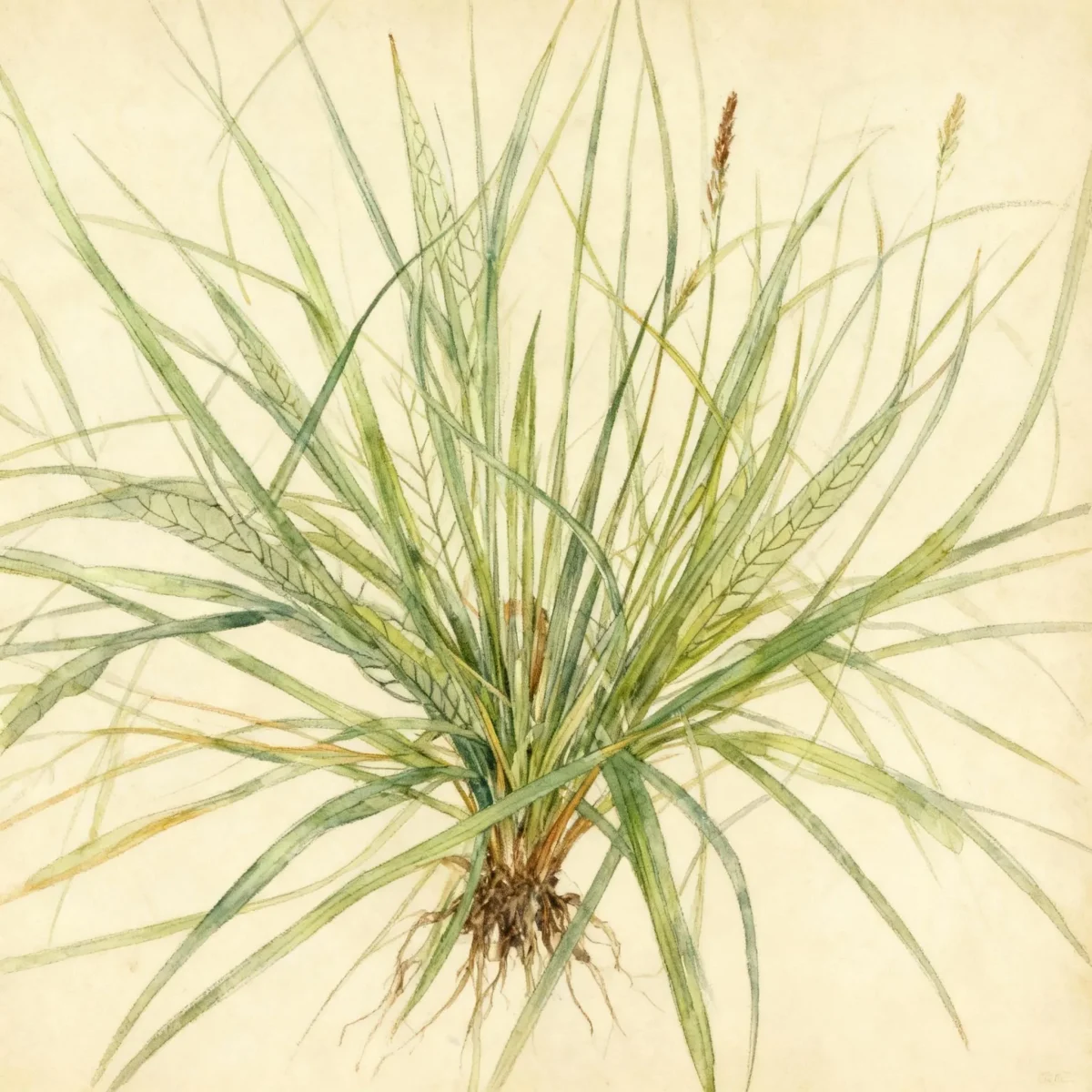
Sedge
Carex crus-corvi
- USDA zones
- 4–8
- Light
- Full sun to part shade
- Water
- Medium to wet
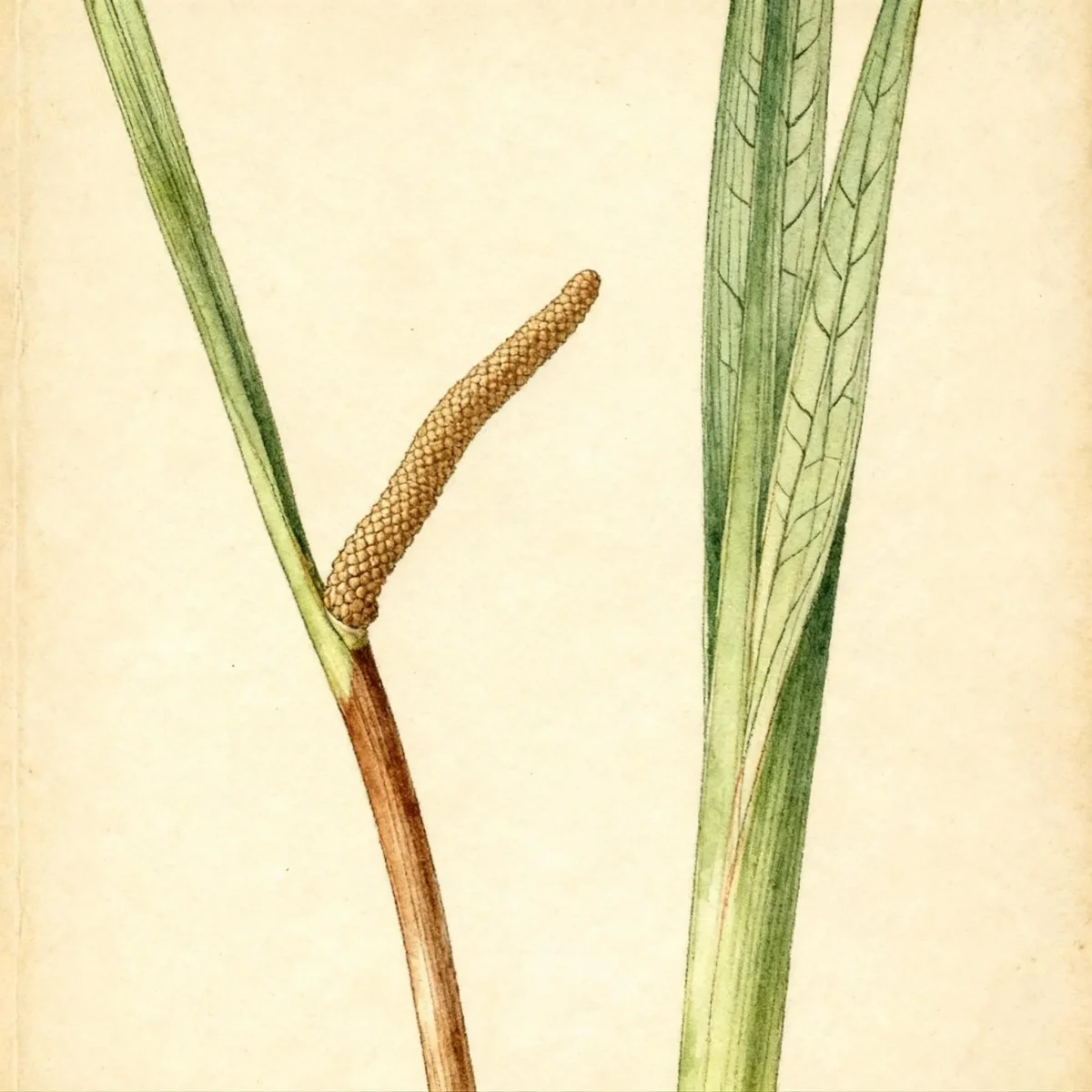
Sweet flag
Acorus calamus
- USDA zones
- 4–10
- Light
- Full sun to part shade
- Water
- Medium to wet
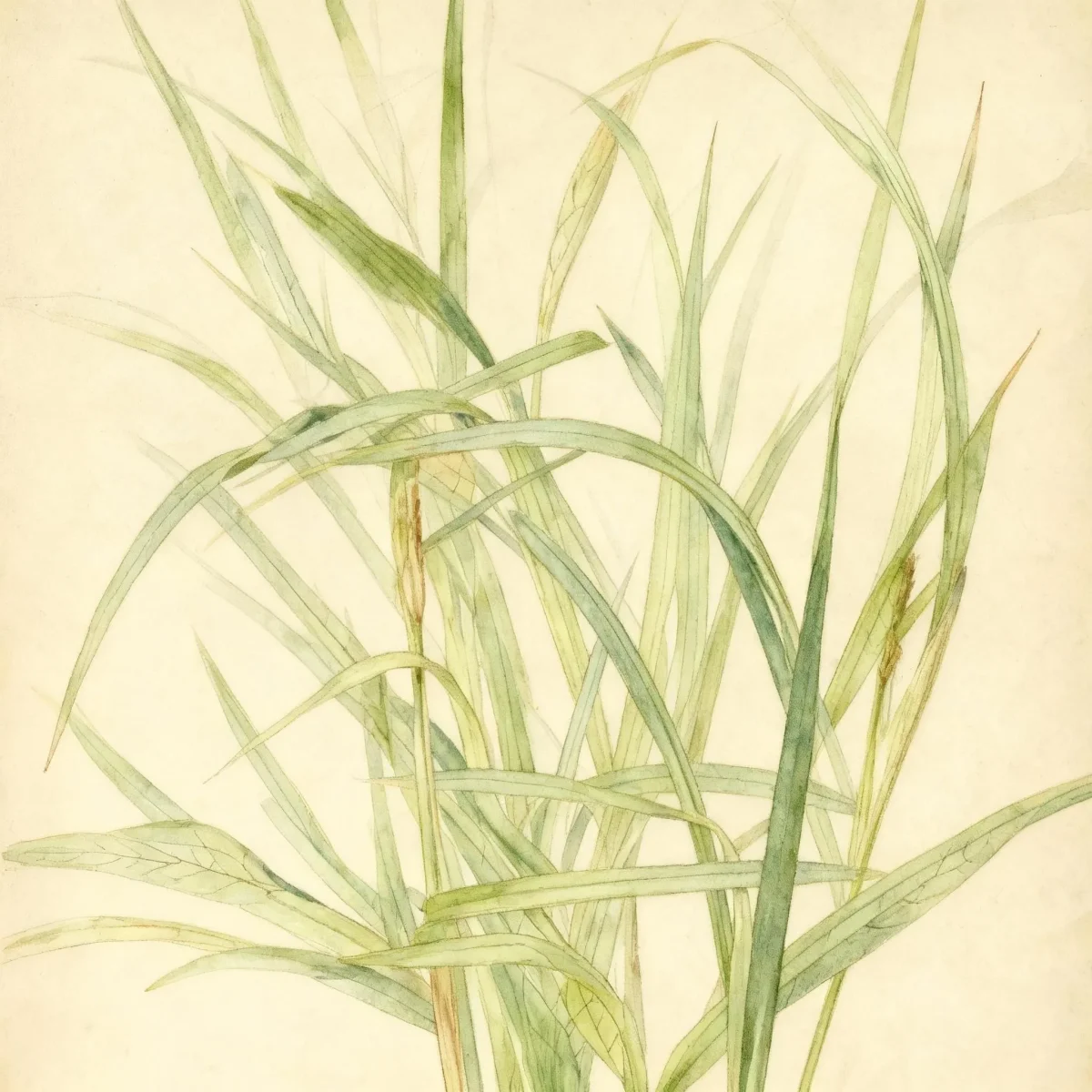
Green bulrush
Scirpus atrovirens
- USDA zones
- 3–9
- Light
- Full sun to part shade
- Water
- Medium to wet
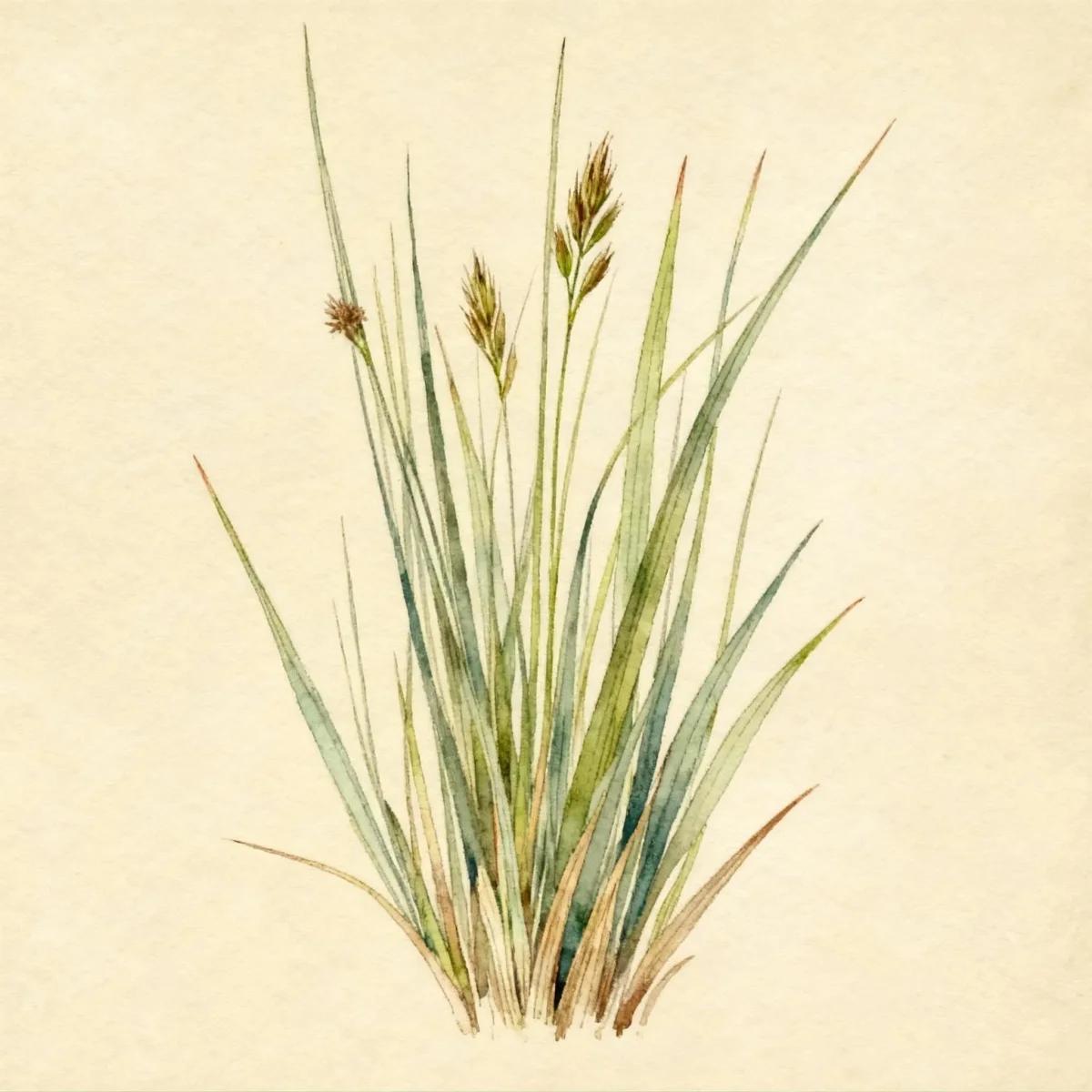
Prairie sedge
Carex bicknellii
- USDA zones
- 3–7
- Light
- Full sun to part shade
- Water
- Medium
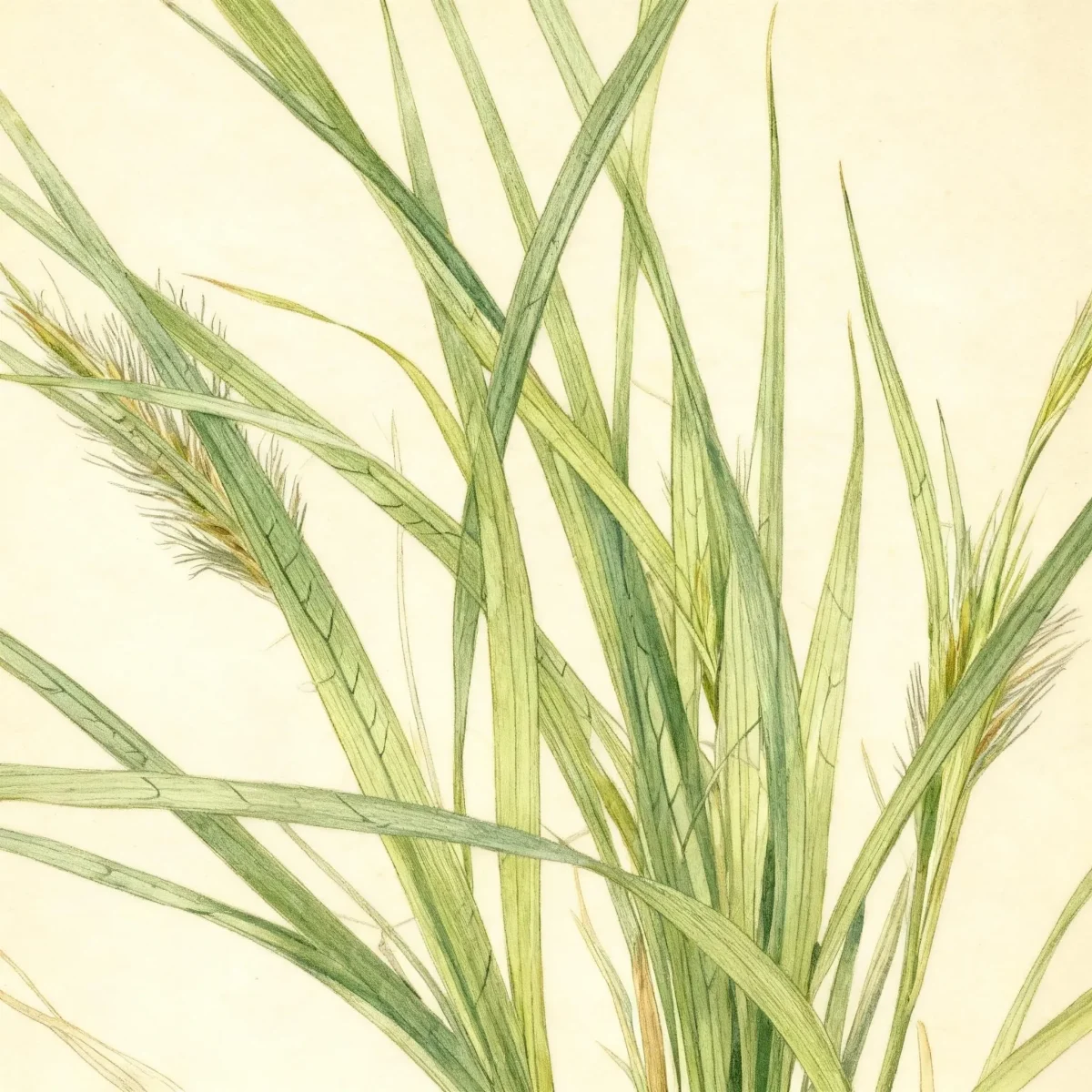
Fringed sedge
Carex crinita
- USDA zones
- 3–8
- Light
- Full sun to part shade
- Water
- Medium to wet
Keep Learning
Test what you know with a garden quiz
You have the plant facts and care notes. Continue with a related challenge, or browse the complete quiz library.

USDA Garden Zone Map Quiz
Use this USDA garden zone map quiz to check whether you can read hardiness zones and choose plants with more confidence.
Start quiz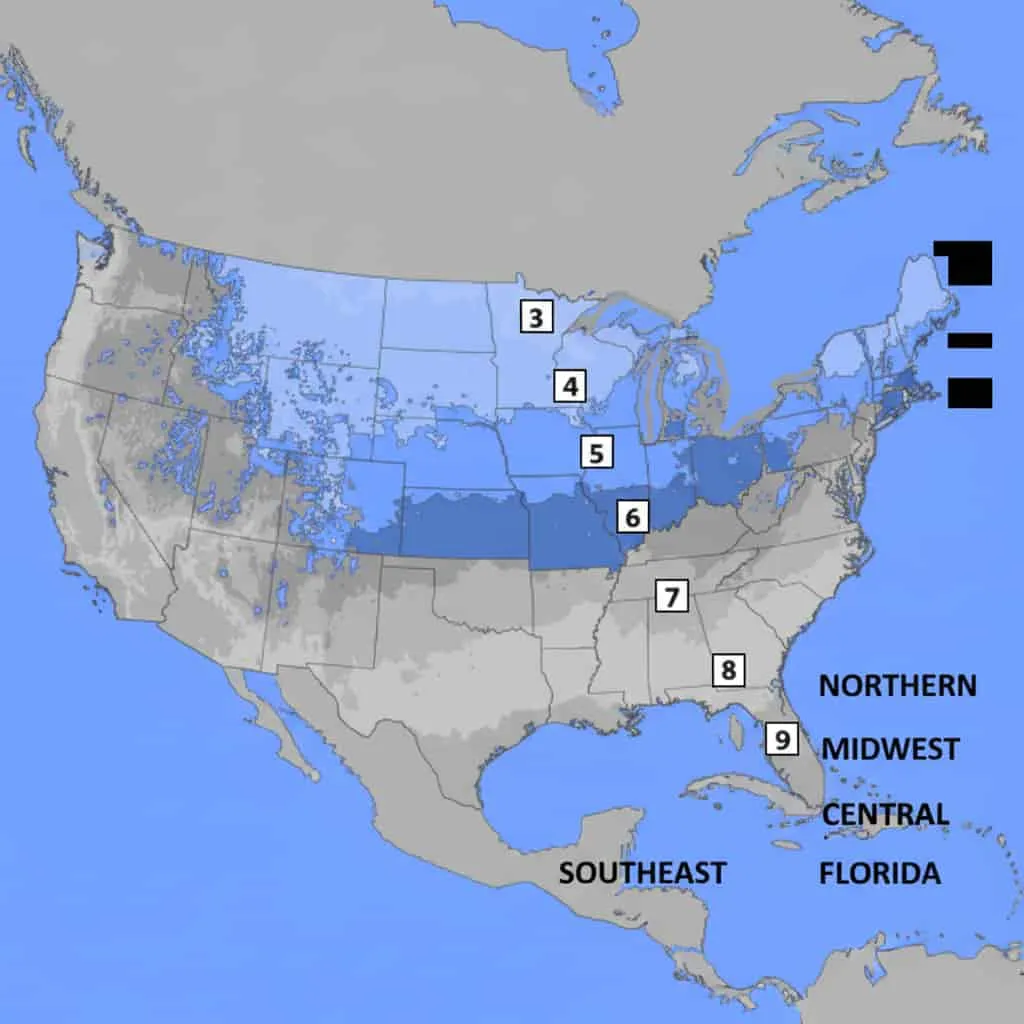
Zone 5 Gardening Challenge
Think you know Zone 5 gardening? Prove it with our challenge!
Start quizBrowse the full quizzes section
Explore plant identification, zone strategy, and seasonal gardening challenges.
View all quizzes