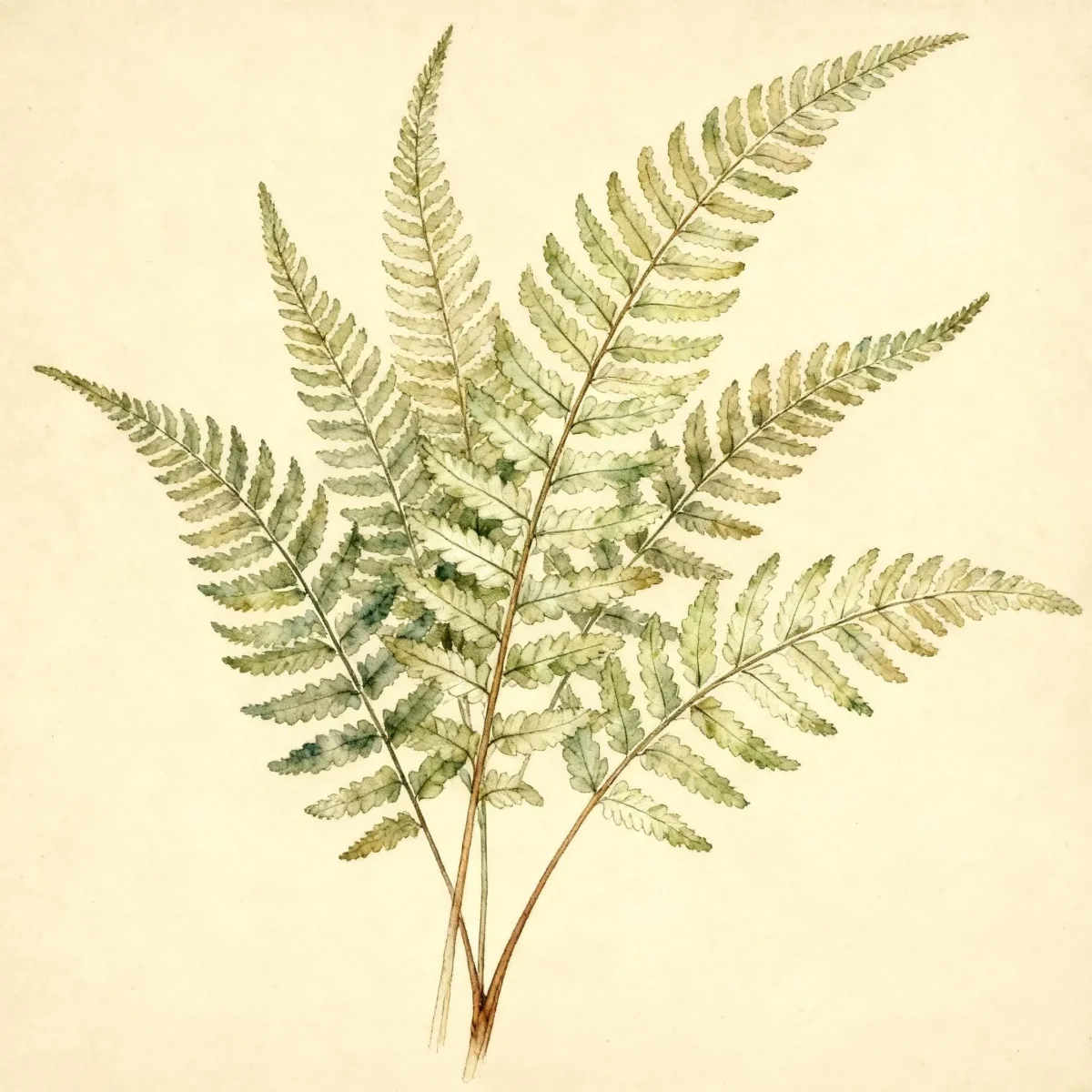
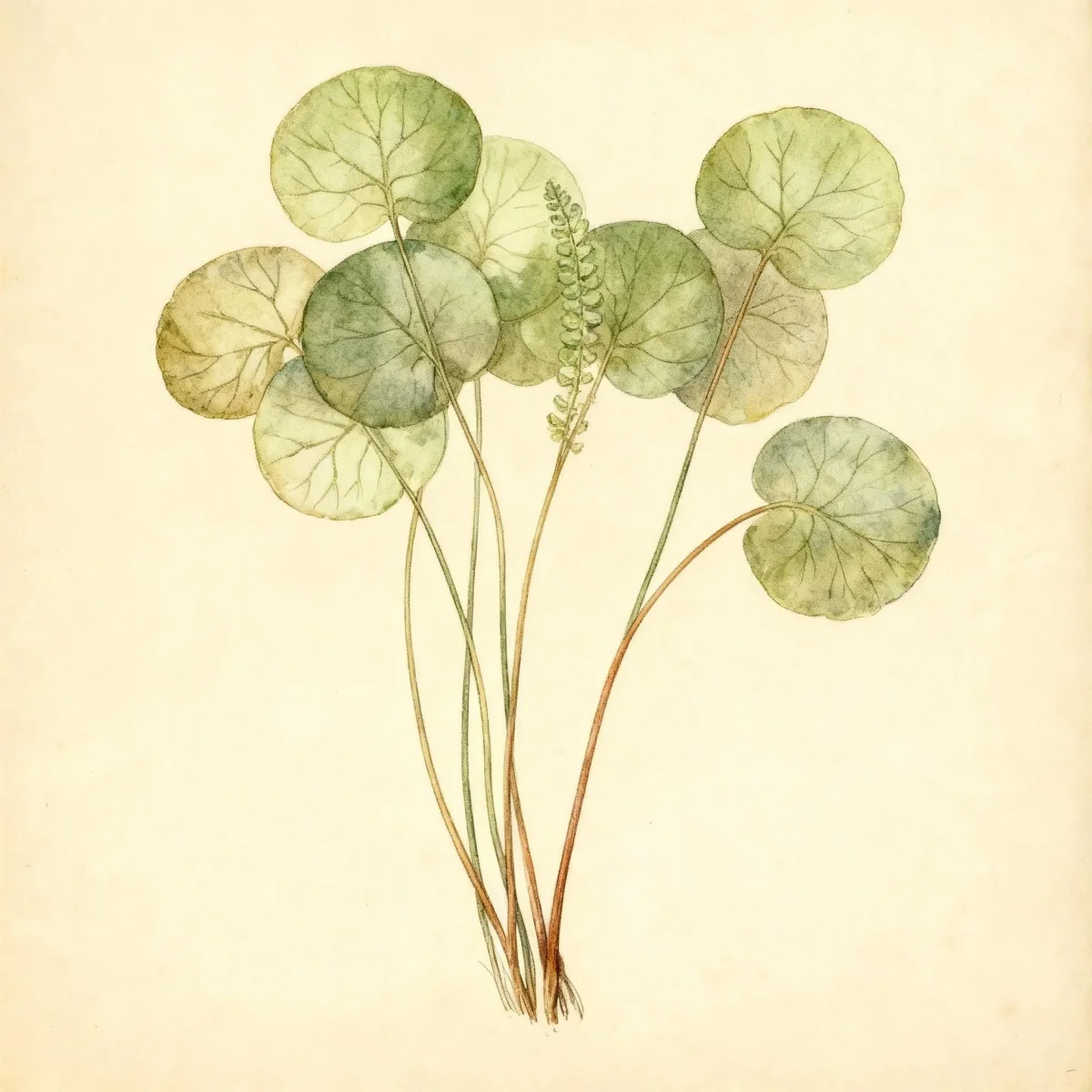
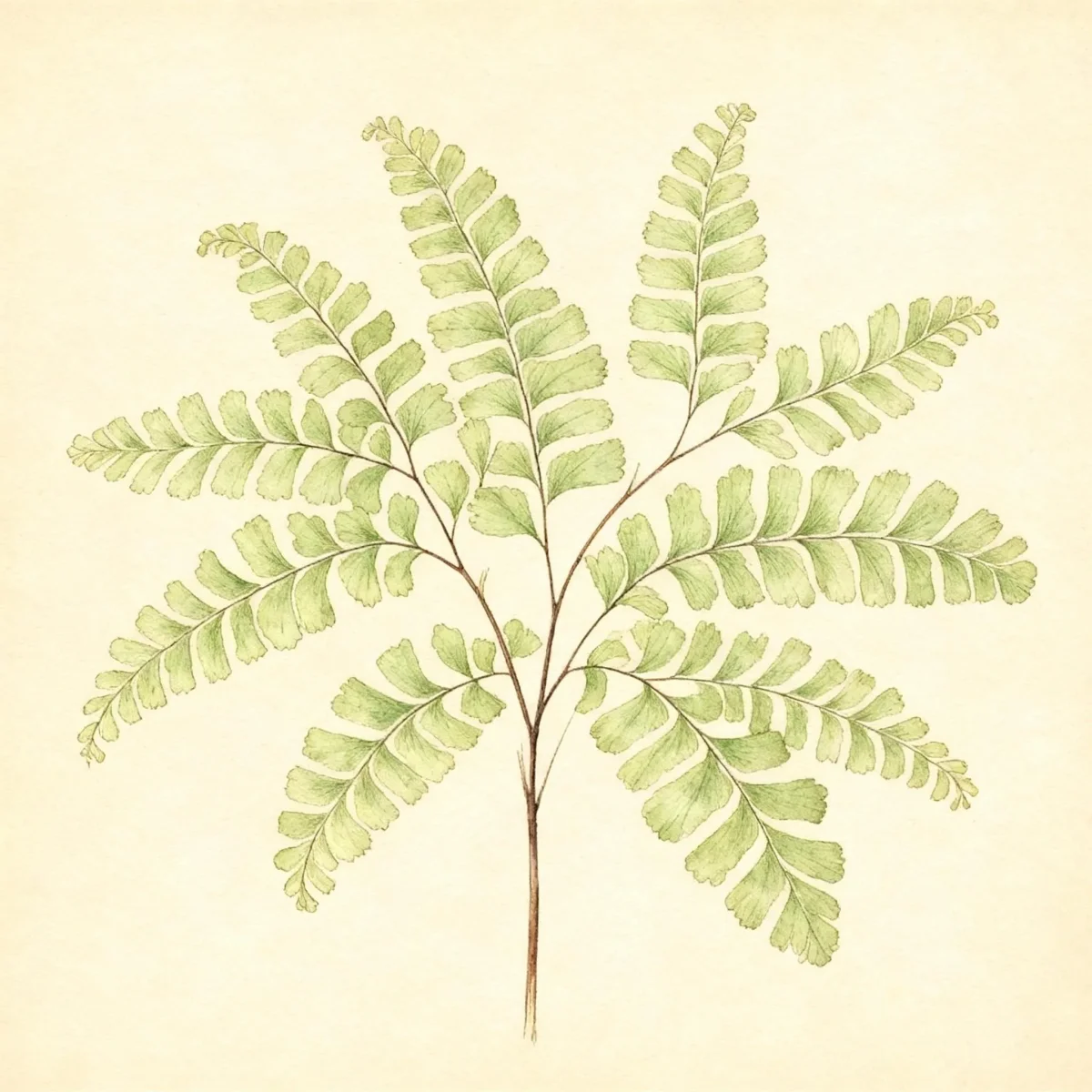
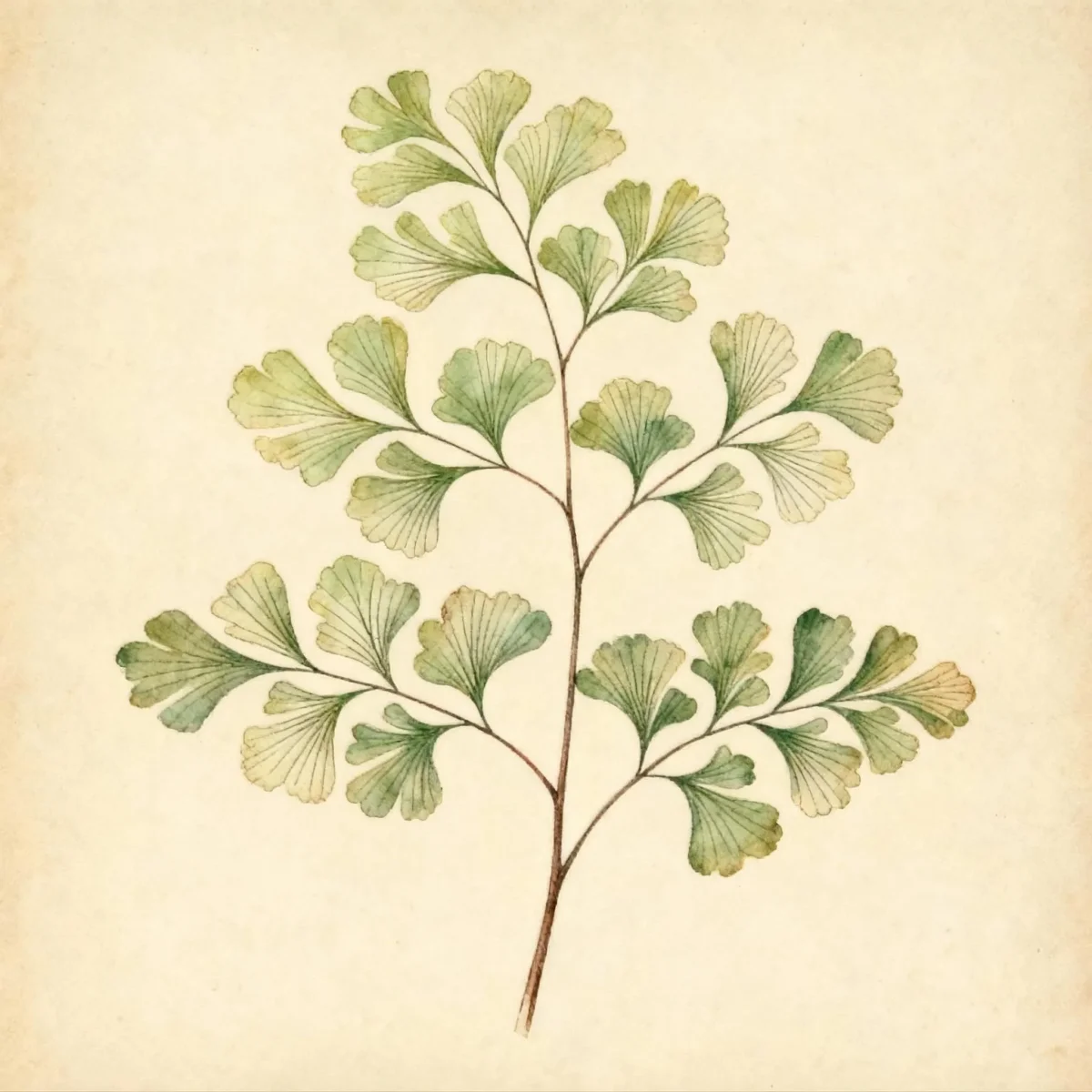
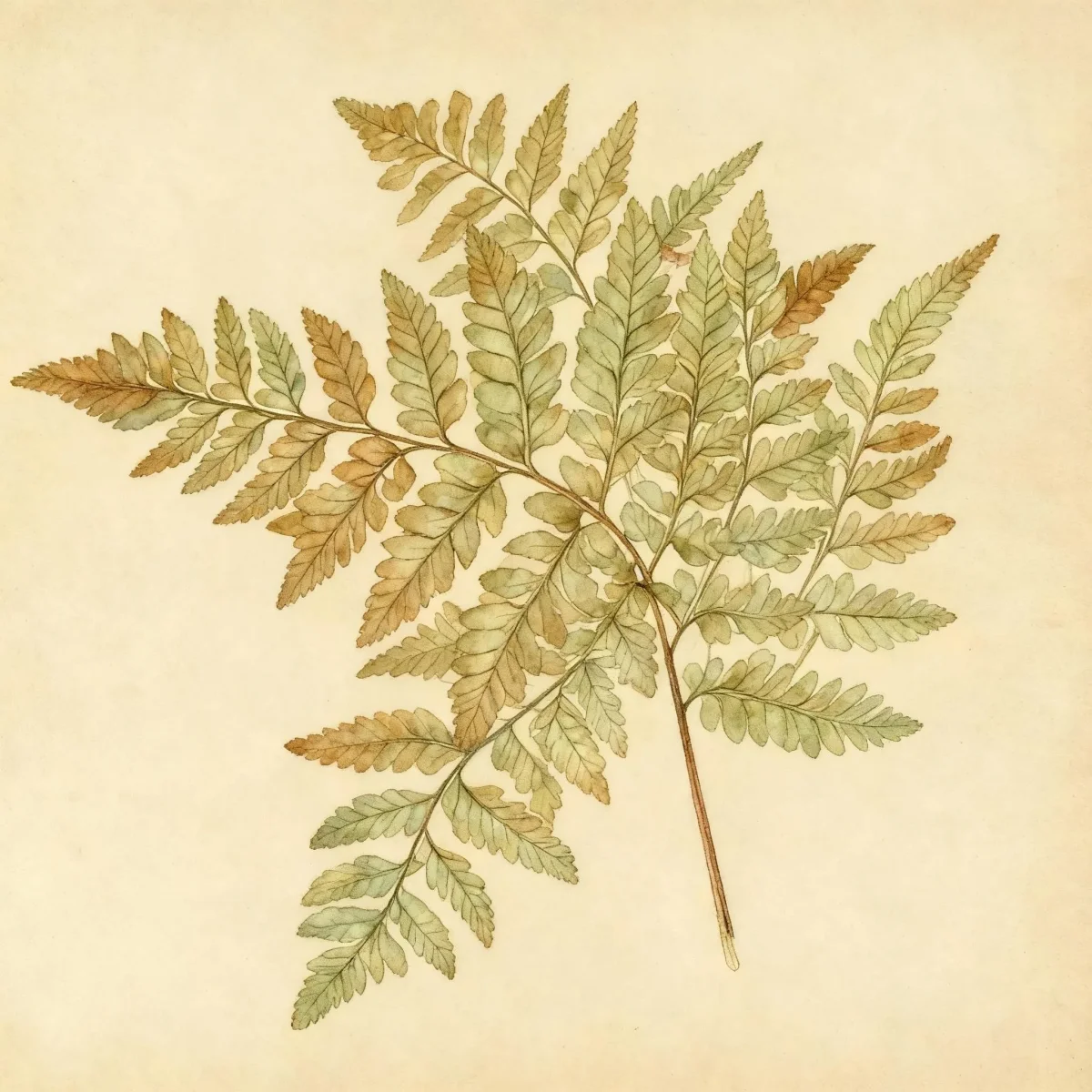
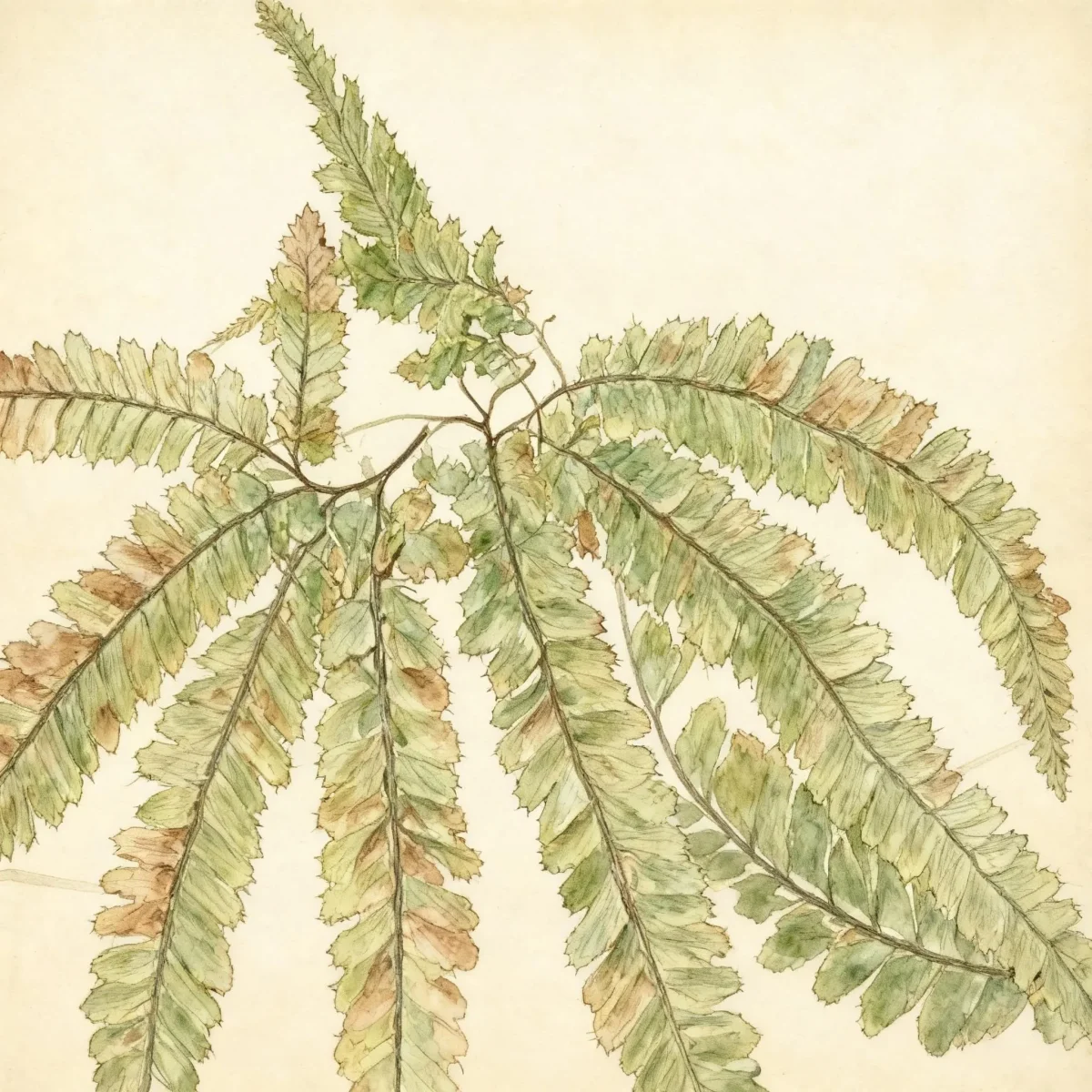
Rough maidenhair fern (Adiantum hispidulum)
The Rough maidenhair fern (Adiantum hispidulum) offers delicate, rough-textured fronds emerging pink, ideal for shaded, humid gardens.

Bloom Boldly, No Matter the Season - Sweatshirt
Cozy organic cotton sweatshirt featuring our exclusive Purple Coneflower design. Perfect for gardeners who bloom year-round.
Inspired by the beautiful Rough maidenhair fern
Limited first batch (50) — join the waitlist for early access
Waitlist closes Feb 15, 2026.
Complete Plant Information
Field Guide Continues
Ready for care notes, companion picks, and planting tips?
The map is just the start. The full guide below covers growth habits, seasonal performance, and landscape uses.
Overview
The Rough maidenhair fern, Adiantum hispidulum, is a distinctive and attractive addition to shaded garden spaces where moisture can be consistently maintained. Valued for its unique texture, this fern features fronds that begin with a striking rosy-pink hue before maturing into a deep, leathery green. This contrast makes the Adiantum hispidulum an excellent textural element in woodland landscapes or shade containers.
Growing slowly to about 1 to 1.5 feet high, this species is known for its arching, divided fronds, giving it an airy yet substantial presence. While native to diverse regions including Africa, Asia, and the Pacific Islands, it thrives particularly well in bright, filtered light environments that mimic its rainforest origins. Gardeners appreciate the low maintenance level associated with establishing this elegant fern once its specific moisture and light needs are met.
Because of its preference for high humidity and consistently damp soil, the Rough maidenhair fern is often naturalized in suitable climates (Zones 8-10) or successfully cultivated indoors as a houseplant elsewhere. Its ability to tolerate heavy shade, coupled with its unique juvenile foliage color, secures its place as a popular ornamental choice for dark, sheltered garden pockets.
Fast Facts
- Plant Family: Pteridaceae
- Plant Type: Fern
- Native Range: Eastern Africa to Asia, Pacific Ocean Islands
- Hardiness Zones: USDA Zones 8-10
- Size at Maturity:
- Height: 1-1.5 ft
- Spread: 1-1.5 ft
- Bloom Time: Non-flowering
- Sun Exposure: Part shade to full shade
- Water Needs: Medium
- Maintenance Level: Low
How to Grow
Planting the Rough maidenhair fern should occur when temperatures are mild, ensuring the soil is organically rich, fertile, and highly fertile. Choose locations providing part shade or dappled sunlight; bright, filtered light is superior to deep shadow, though too much direct sun will scorch the foliage. Successful growth depends heavily on consistency: the soil must remain evenly moist and well-drained, as drying out quickly leads to rapid frond dieback.
Ongoing care centers on moisture management and humidity. Water Adiantum hispidulum freely and evenly, rigorously avoiding any period where the soil is allowed to dry out completely. Conversely, standing water must be avoided to prevent rhizome rot. Indoors or in dry climates, misting the foliage regularly is highly beneficial to replicate natural humidity levels.
For best results, aim for daytime temperatures around 70°F, with a slight overnight dip to about 60°F, especially when grown as a houseplant. Minimal maintenance is required otherwise; these ferns generally do not require heavy fertilizing. In temperate zones (Zones 8-10), the fern may become deciduous, requiring a brief period of dormancy management before new growth emerges in spring. North of Zone 8, treat it as an evergreen container specimen or houseplant year-round.
Landscape Uses
The Adiantum hispidulum is commonly utilized in shaded woodland gardens, where it can be allowed to naturalize, forming small, spreading colonies via its short-creeping rhizomes. This fern thrives in the understory, making it perfect for planting beneath larger canopy trees or along shaded borders where structure and texture are needed low to the ground. For gardeners in all zones, containers and hanging baskets provide excellent opportunities to showcase the arching foliage on shaded patios.
In landscape design, consider pairing the Rough maidenhair fern with moisture-loving companions that share similar shade requirements, such as Hostas, Astilbes, or Tiarella (Foamflower). The rough texture of the pinnules offers a nice contrast against the broader, smoother leaves often found in shade gardens. When massed, the pink juvenile flush of the new fronds creates a stunning, temporary display of color across the shaded ground plane.
For gardeners in zones where it is marginal (Zone 7), planting the Adiantum hispidulum in sheltered microclimates, perhaps against a north-facing foundation wall and heavily mulched, can enhance winter survival, allowing it to serve as a tender accent piece near protected entryways.
Standout Features
Noteworthy Characteristics
The Adiantum hispidulum, commonly known as rough maidenhair fern, is recognized for its bipinnate to tripinnate fronds, which can reach up to 14 inches long, forming an arching clump typically 12 to 18 inches tall. A key feature is the juvenile foliage, which emerges a showy pink, contrasting sharply with the mature, rough-textured, dark green pinnules, earning it the common name rosy maidenhair fern. Spores (sori) are borne on the undersides of these pinnules, appearing around summer, while the genus name references the water-repellent nature of the fronds.
Tolerances
- Heavy Shade
Potential Problems
The Rough maidenhair fern generally exhibits low susceptibility to serious insect or disease issues under ideal conditions, contributing to its desirable low maintenance rating. However, environmental stress quickly manifests as aesthetic problems. Direct sunlight must be strictly avoided, as exposure will cause immediate leaf scorching.
Conversely, the fern is highly sensitive to dehydration. If soils are allowed to dry out, the fronds will rapidly wilt and die back. On the other end of the spectrum, chronically wet or poorly drained soils invite rhizome rot. Watch for common houseplant or garden pests like aphids, mealybugs, and scale, especially when the plant is stressed or grown indoors.
Frequently Asked Questions
What hardiness zones is Rough maidenhair fern suitable for?
The Adiantum hispidulum thrives outdoors in USDA Zones 8 through 10, though protection may be needed in Zone 7.
How large does Rough maidenhair fern grow?
This fern typically reaches a mature height and spread between 1 and 1.5 feet, forming a modest, arching clump.
What sun exposure does Rough maidenhair fern need?
The Rough maidenhair fern requires part shade to full shade; bright, filtered light is ideal, and foliage scorches readily in direct sun.
When does Rough maidenhair fern bloom?
This species is non-flowering; ferns reproduce via spores, which appear on the undersides of the fronds during the summer months.
Conclusion
The elegant structure and unique pink new growth of the Rough maidenhair fern make Adiantum hispidulum a superior choice for adding depth and texture to shaded garden areas. Its requirement for consistently moist, rich soil and protection from harsh sun dictates careful placement for long-term success. Before planting, confirm your site conditions align with USDA Zones 8–10 and ensure humidity requirements can be met for this beautiful fern.
Companion Planting in Shade
When integrating Adiantum hispidulum into a landscape design, focus on moisture-loving companions that thrive in similar filtered light conditions. Look toward woodland perennials that offer contrasting foliage textures. Shade-tolerant groundcovers like Creeping Jenny (Lysimachia nummularia) can sprawl nicely near the base of the fern clumps, while taller structural plants like Hellebores or dwarf Rhododendrons offer welcome height variation.
The key companion plants for this fern should share the need for well-drained yet consistently moist media. Avoid arid-loving succulents or plants that require drying out between waterings, as this cultural conflict will inevitably lead to stress for the Adiantum hispidulum.
Container Growing Tips for Indoor Cultivation
When grown indoors as a houseplant outside of its hardy zones, the Adiantum hispidulum should be situated in a bright location, such as near a sunny window that lacks direct, intense afternoon sun, which causes scorching. Use a high-quality, peat-based potting mix amended with extra organic matter to improve aeration while retaining moisture.
Humidity management is the most critical factor for indoor success. Place the container on a humidity tray filled with pebbles and water, ensuring the bottom of the pot does not sit directly in the water. Grouping the fern with other houseplants can also naturally raise the localized humidity level around the delicate fronds.