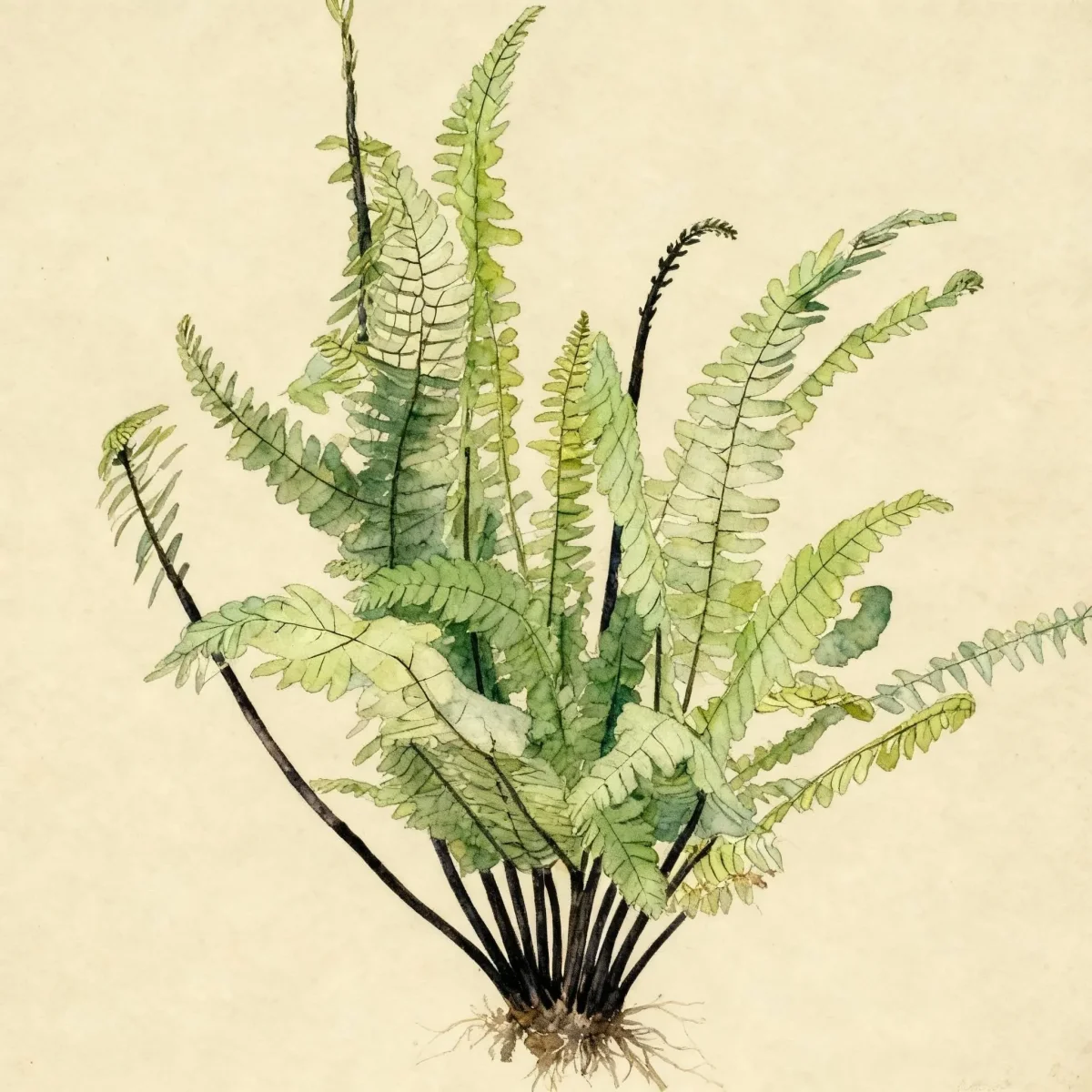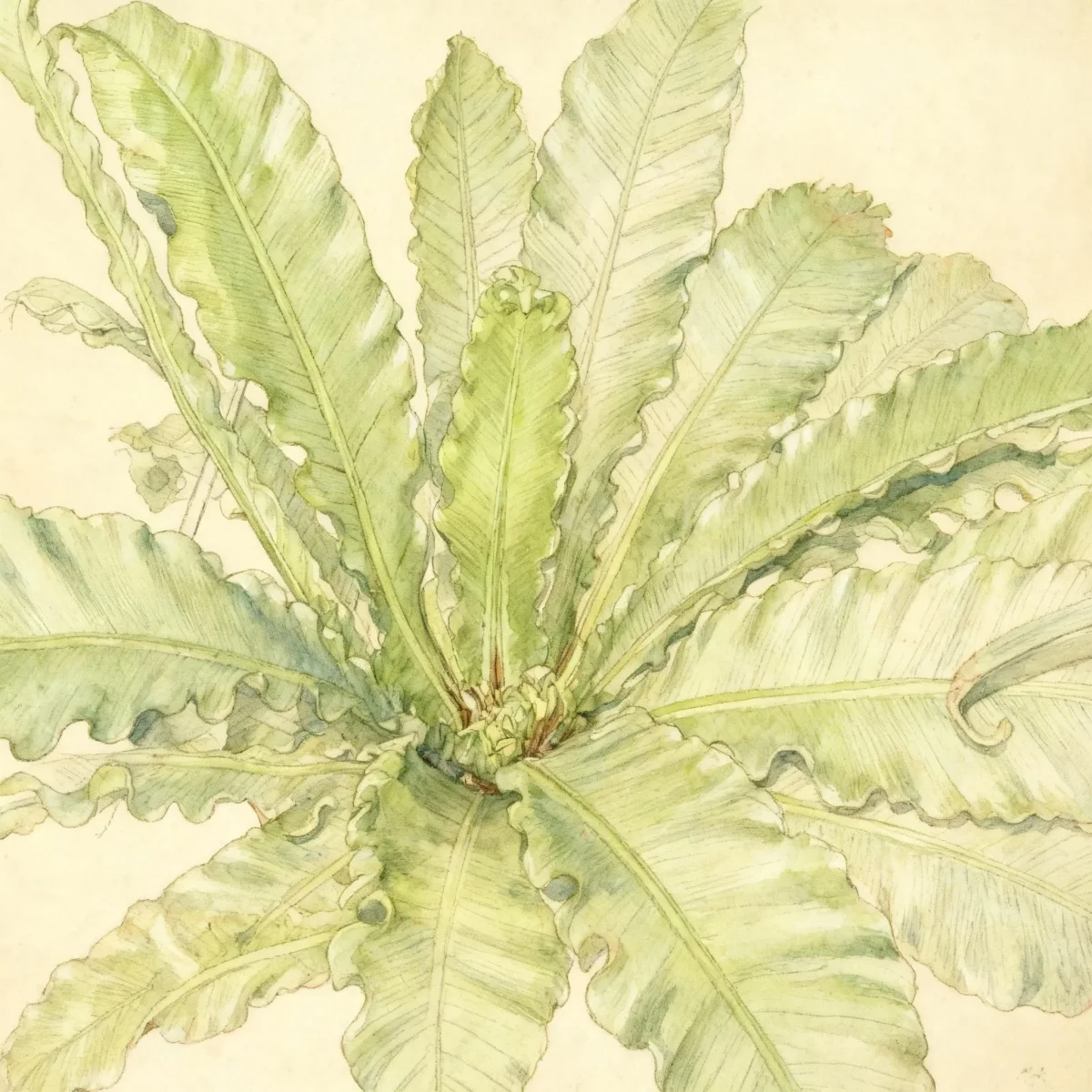

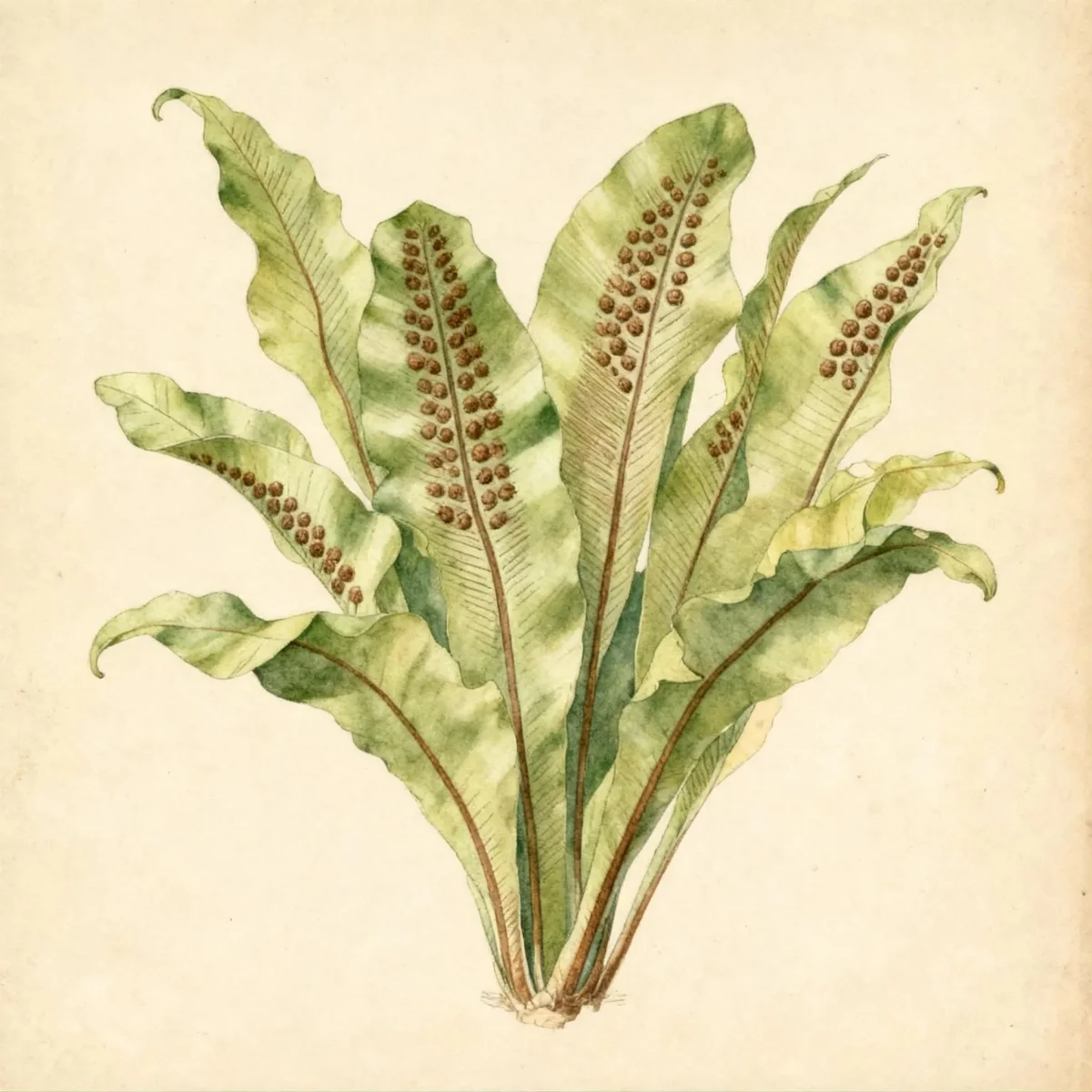
Bird's nest fern (Asplenium nidus)
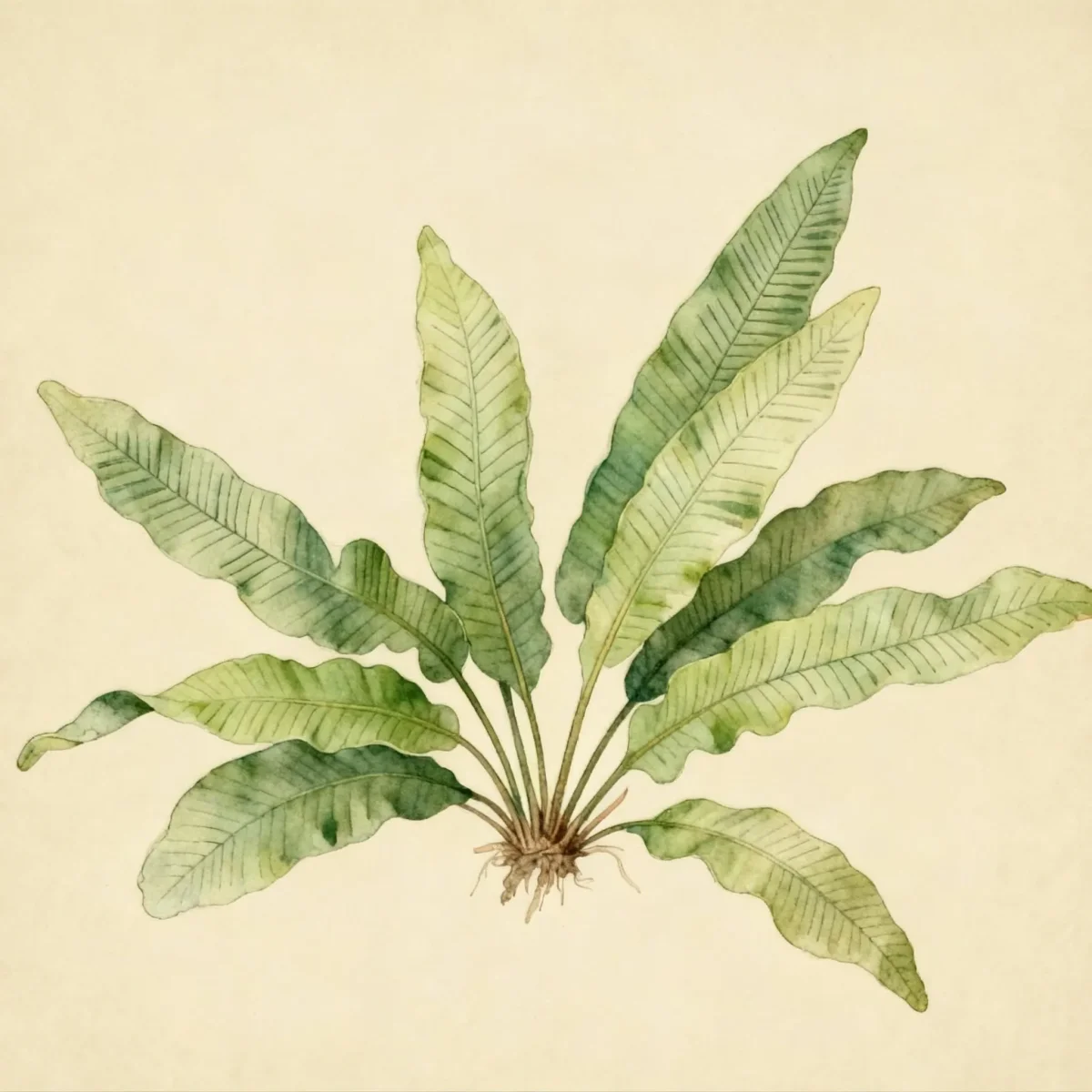
The Bird's nest fern (Asplenium nidus) offers simple, glossy, bright green fronds forming a striking vase shape. Perfect shade fern.
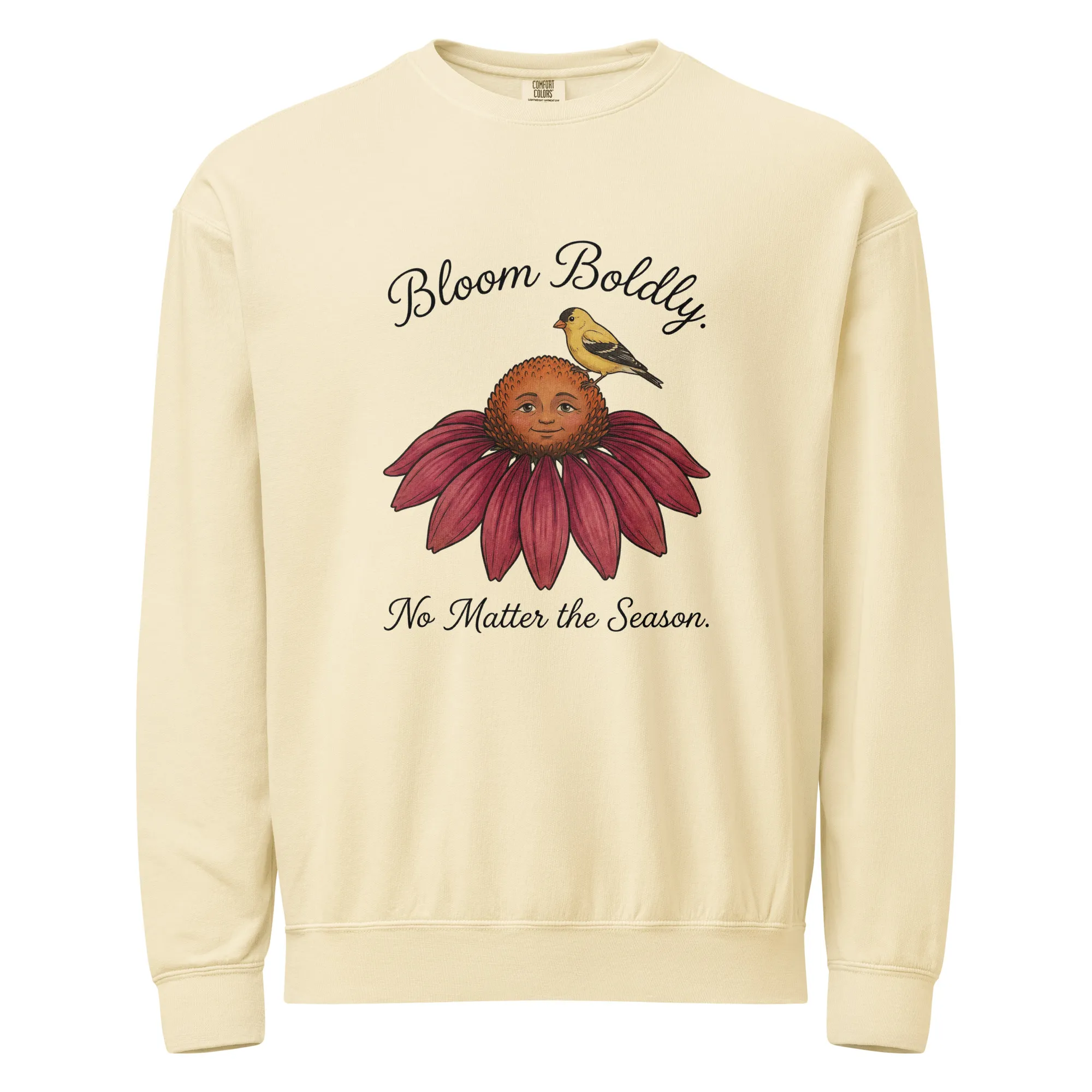
Bloom Boldly, No Matter the Season - Sweatshirt
Cozy organic cotton sweatshirt featuring our exclusive Purple Coneflower design. Perfect for gardeners who bloom year-round.
Inspired by the beautiful Bird's nest fern
Limited first batch (50) — join the waitlist for early access
Waitlist closes Feb 15, 2026.
Complete Plant Information
Field Guide Continues
Ready for care notes, companion picks, and planting tips?
The map is just the start. The full guide below covers growth habits, seasonal performance, and landscape uses.
Overview
The Bird’s nest fern, scientifically known as Asplenium nidus, is prized for its architectural form and strikingly glossy, strap-shaped, apple-green fronds. These fronds emerge from a central, nest-like rosette, providing exceptional specimen value in shaded gardens or as a sophisticated houseplant. This slow-growing epiphytic fern brings vibrant texture to areas where sunlight is limited.
As Asplenium nidus is native to the tropical Old World, it thrives in warm, humid conditions, mimicking its rainforest origins. Gardeners transplanting this fern outdoors should confirm they reside within USDA Zones 11 or 12 for reliable survival. Its ability to tolerate heavy shade makes it a dependable choice for deep woodland settings or dark, sheltered indoor spaces.
Beyond its structural beauty, the Bird’s nest fern requires moderate care, focused primarily on consistent moisture and high humidity. Its unique habit of collecting organic debris in its central ‘nest’ highlights its natural epiphytic role. Successful cultivation of Asplenium nidus rewards the gardener with lush, architectural foliage year-round.
Fast Facts
- Plant Family: Aspleniaceae
- Plant Type: Fern
- Native Range: Tropical Old World
- Hardiness Zones: USDA Zones 11-12
- Size at Maturity:
- Height: 3-5 ft
- Spread: 2-3 ft
- Bloom Time: Non-flowering
- Sun Exposure: Part shade to full shade
- Water Needs: Medium
- Maintenance Level: Medium
How to Grow
For outdoor planting in suitable climates (Zones 10-12), place the Bird’s nest fern in a location providing warm, bright, but indirect light; direct sun scorches the foliage quickly. Outside, the plant prefers humus-rich, well-drained soils amended with leaf mold, sand, and grit to best mimic its natural growing medium. When grown in the ground, outdoor specimens prefer minimum temperatures around 50°F, though brief dips into the high 30s may be tolerated by established plants.
As an indoor houseplant, Asplenium nidus excels in porous, peaty potting mixtures, requiring bright filtered light, such as that provided by a north-facing window. Keep the soil uniformly moist, as this fern dislikes drying out, but ensure excellent drainage to prevent root issues. Ideal indoor temperatures range between 60–70°F, with a crucial minimum of 55°F, especially for container specimens.
Humidity is paramount for the Bird’s nest fern; struggle to achieve this indoors during dry winters by placing pots on wet-pebbled trays, grouping plants, or utilizing a humidifier. Avoid handling the developing fronds, as they are delicate. If pest issues arise, mechanical removal or horticultural soaps are preferred, as chemical insecticides can severely damage the delicate foliage of your Asplenium nidus.
Landscape Uses
The distinctive shape and glossy bright green leaves make the Bird’s nest fern an excellent focal point or specimen plant where bright, consistent shade is present. Where winter hardy, these ferns look spectacular mounted as epiphytes on tree trunks, mimicking their natural growth habit, or planted directly into rich, humus-filled beds for tropical massing. Containers are also ideal, allowing gardeners to move the Asplenium nidus indoors when temperatures threaten to drop below its 50°F tolerance.
When designing shaded borders or woodland gardens, plant the Bird’s nest fern alongside other moisture-loving, shade-tolerant plants. Consider pairing its robust, upright structure with the fine texture of groundcovers or low-growing hostas. The contrasting dark midribs of the fern stand out beautifully against plants with silvery or variegated foliage, enhancing the overall structure of the shady understory planting design.
For indoor use, a single, well-maintained specimen holds significant visual weight, acting as a natural piece of living sculpture in a moderately bright room corner. They thrive beautifully in bathrooms or other naturally humid spaces where consistent moisture levels can be managed easily throughout the year.
Standout Features
Noteworthy Characteristics
Asplenium nidus, commonly called bird’s nest fern, is a slow-growing, epiphytic fern of the spleenwort family featuring simple, entire, strap-shaped, glossy, bright apple green fronds with contrasting dark brown to black midribs and undulating margins. Fronds spread upward and outward to form a vase-shaped, green rosette with a nest-like center into which fallen leaves and other organic matter typically accumulate. This structure gives the Bird’s nest fern its memorable common name.
Tolerances
- Rabbit
- Heavy Shade
Potential Problems
Be vigilant for common pests such as slugs and scale, which can detract from the glossy appearance of the fronds. Mealybugs also pose a threat to Asplenium nidus. Furthermore, environmental stress causes specific issues: drafts are notorious for causing brown edges on the fronds, while bacterial leaf diseases and leaf nematodes can occasionally be present.
Management should focus on prevention by maintaining ideal humidity and temperature, avoiding erratic watering. Should pests appear, avoid harsh chemical insecticides, which are known to damage the plant; use gentle insecticidal soaps or manual removal instead.
Frequently Asked Questions
What hardiness zones is Bird’s nest fern suitable for?
The Bird’s nest fern is hardy outdoors in USDA Zones 11 and 12. For areas outside this range, it must be grown as a houseplant or treated as an annual.
How large does Bird’s nest fern grow?
Mature outdoor specimens of Asplenium nidus can reach 3 to 5 feet in height with a spread of 2 to 3 feet. Indoor container plants typically remain smaller, with fronds around 1.5 to 2 feet long.
What sun exposure does Bird’s nest fern need?
This fern requires part shade to full shade. Bright, filtered light is ideal, and direct, intense sunlight must be strictly avoided to prevent leaf scorch.
Conclusion
The Bird’s nest fern (Asplenium nidus) remains a highly desirable plant due to its sculptural form and vibrant, glossy greenery, functioning perfectly as a statement piece indoors or under a deep canopy outdoors. Understanding its need for consistent moisture and warm, shaded environments is key to long-term success with this unique fern. Before planting, confirm that your hardiness zone and available light conditions align with the requirements of the Asplenium nidus.
Companion Planting
When establishing your Bird’s nest fern in an outdoor environment, companion planting should focus on species that share the need for consistent moisture, rich humus, and protection from direct sun. Consider using other ferns with contrasting textures, such as Japanese Painted Ferns, although these will require cooler temperatures and may only thrive in the same microclimate as the Asplenium nidus in very protected zones.
Low-growing Calatheas or Marantas make excellent partners for the mid-level stature of the fern, as they share similar humidity demands and thrive in the bright, filtered light conditions preferred by the Bird’s nest fern. In containers, these plants can be layered to create a lush, tropical effect that visually enhances the vase-like structure of the Asplenium nidus.
Design Ideas for Containers
Container growing is excellent for the Bird’s nest fern, mitigating its hardiness limitations and allowing precise control over the soil composition and humidity levels required. Use terracotta or glazed ceramic pots with excellent drainage, ensuring you fill the bottom third with coarse potting material—like large orchid bark or chunky perlite—before adding the porous, peaty soil mix.
A minimalist approach works well, allowing the unique silhouette of a single, handsome Asplenium nidus to be the main feature against a plain wall or corner. If designing a mixed display, situate the fern centrally or as a “thriller” element, positioning trailing species like creeping fig or small ferns around its base to spill over the pot edge, softening the transition to the ground.