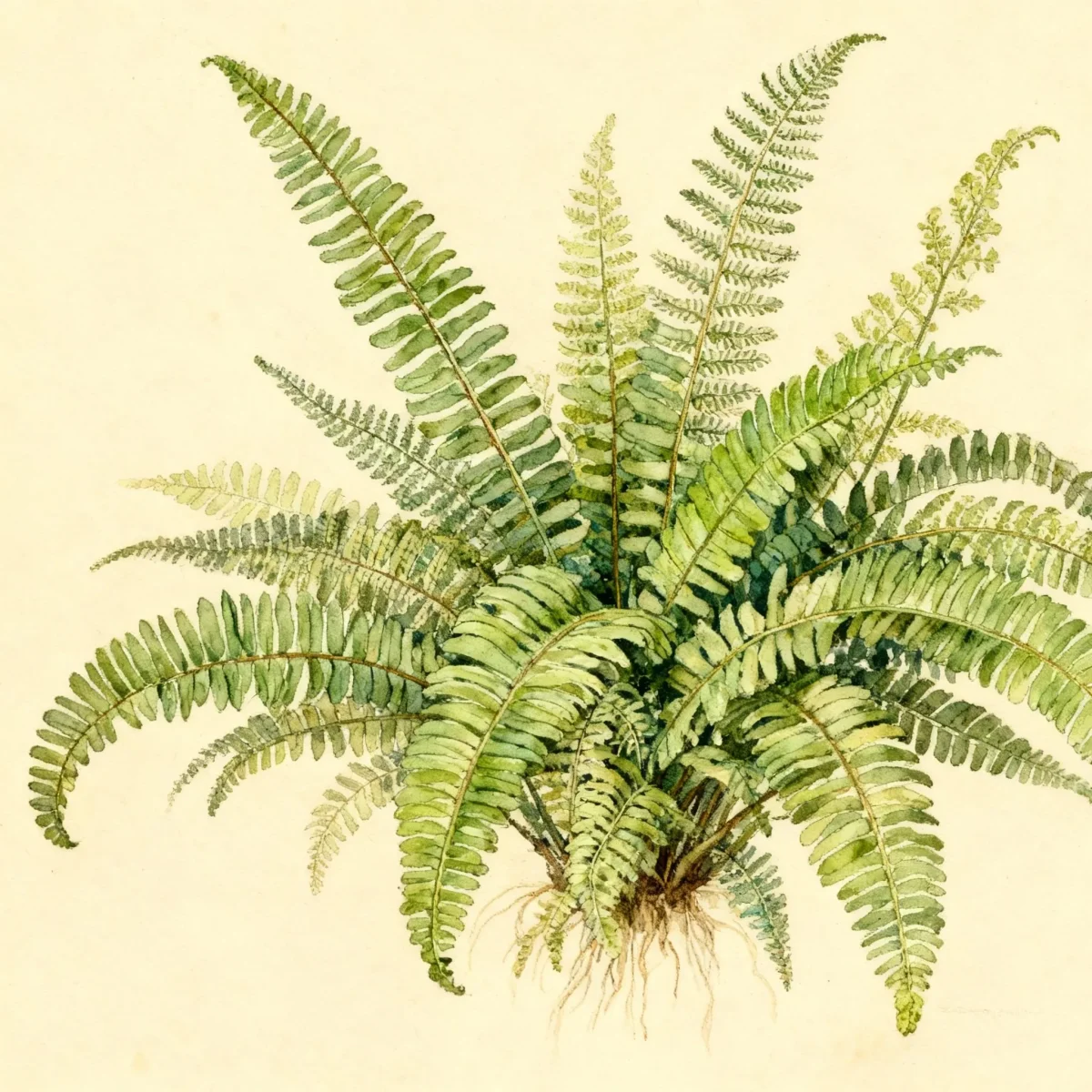
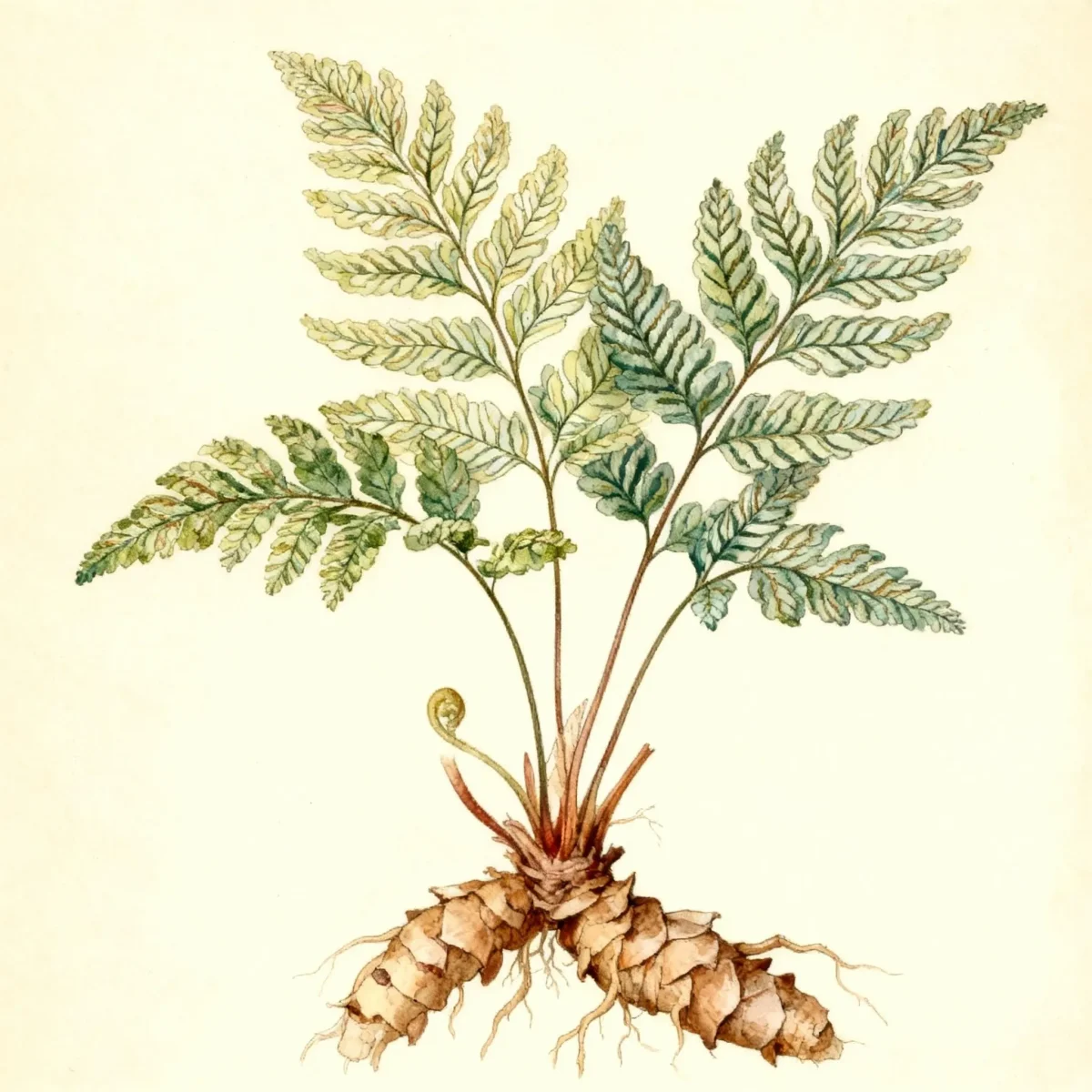
Boston fern (Nephrolepis exaltata)
The classic Boston fern, Nephrolepis exaltata, thrives indoors or outdoors in Zones 10-12. Valued for its graceful, arching fronds.

Bloom Boldly, No Matter the Season - Sweatshirt
Cozy organic cotton sweatshirt featuring our exclusive Purple Coneflower design. Perfect for gardeners who bloom year-round.
Inspired by the beautiful Boston fern
Limited first batch (50) — join the waitlist for early access
Waitlist closes Feb 15, 2026.
Complete Plant Information
Field Guide Continues
Ready for care notes, companion picks, and planting tips?
The map is just the start. The full guide below covers growth habits, seasonal performance, and landscape uses.
Overview
The Boston fern (Nephrolepis exaltata) is perhaps the quintessential houseplant, instantly recognizable by its dense mass of arching, evergreen fronds that create a lush, tropical effect indoors. While frequently grown in containers, this fern is highly adaptable and valued for its texture and vibrant greenery, making it a popular choice for shading dark spots in warm climates. Native to pantropical regions, this species brings an element of deep forest ambience to any decor.
This popular Nephrolepis exaltata exhibits an upright spreading habit, typically reaching 2 to 3 feet tall and wide, although it can grow much larger in its native habitat. It is celebrated by gardeners for its generally low maintenance requirements, provided its core needs for humidity and consistent moisture are met. It offers year-round visual interest, flourishing in bright, indirect light conditions where its sword-shaped foliage can gracefully cascade.
Gardening enthusiasts appreciate the Boston fern not only for its classic look but also for its ease of care when conditions are right, earning it a reputation as a reliable indoor specimen. For those gardening in specific warm regions, Nephrolepis exaltata provides excellent groundcover or softening texture under deciduous trees. Its popularity stems from its ability to transform spaces with reliable, graceful foliage.
Fast Facts
- Plant Family: Nephrolepidaceae
- Plant Type: Fern
- Native Range: Pantropical
- Hardiness Zones: USDA Zones 10-12
- Size at Maturity:
- Height: 2-3 ft
- Spread: 2-3 ft
- Bloom Time: Non-flowering
- Bloom Description: Non-flowering
- Sun Exposure: Part shade
- Water Needs: Medium
- Maintenance Level: Low
How to Grow
For outdoor success, plant Nephrolepis exaltata in moist, humusy, and well-drained soils. This fern thrives where it receives part shade; direct sun must be avoided as it scorches the delicate fronds. If growing indoors or in cooler zones, utilize a peaty, soil-based potting mix in bright, indirect light.
Watering is critical for this fern. Soils must be kept consistently moist, meaning it requires medium water needs. A light reduction in watering is permissible only from fall through late winter. Crucially, the Boston fern prefers high humidity; placing containers on a tray of wet pebbles is an excellent way to mitigate dry air, especially during winter when indoor humidity drops.
Fertilize sparingly with weak applications monthly from spring through early fall to support growth. If the soil dries out excessively, the fern will shed fronds. In this event, prune all fronds back to about 2 inches above the soil line to encourage complete regeneration. Frond tips browning is a common sign that winter conditions or low humidity are stressing the Nephrolepis exaltata.
Landscape Uses
When grown outdoors in compatible hardiness zones (10-12), the Boston fern excels as an understory planting. It can be effectively massed or planted in groups to stabilize banks or soften the base of larger shrubs and trees where sunlight is limited. Its robust, arching fountain of greenery also provides excellent textural contrast against broadleaf evergreens.
Indoors, the versatility of this plant shines. It is perhaps best suited for elevated placements, such as pedestals or hanging baskets, allowing its cascades of fronds to be fully appreciated without obstruction. Grouping several pots together, perhaps near naturally humid environments like kitchens or bathrooms, enhances the microclimate and creates an immersive, jungle-like focal point.
Standout Features
Noteworthy Characteristics
Nephrolepis exaltata, commonly called sword fern or Boston fern, is native to Florida, West Indies, Mexico, Central America, South America, Polynesia and Africa. It is an evergreen fern that grows with an upright spreading habit to 3’ tall and as wide, though it can reach 7’ tall in its native environment. Generally sword-shaped fronds have shallow toothed to entire pinnae, and while they grow upward initially, they arch gracefully with age, showcasing why cultivars like ‘Bostoniensis’ remain classics. The genus name is derived from the Greek words for kidney and scale.
Tolerances
- Rabbit
Potential Problems
Pest issues can include scale, mealybugs, slugs, and whiteflies, which thrive in stagnant air or overly humid conditions that aren’t properly ventilated. Monitor the undersides of fronds regularly for early detection, treating promptly with horticultural oils or insecticidal soap if infestations occur. Indoor leaf drop can be a common concern, usually signaling stress from inconsistent watering or low atmospheric humidity. Ensure consistent moisture and increase air moisture to minimize shedding.
Frequently Asked Questions
What hardiness zones is Boston fern suitable for?
The Boston fern (Nephrolepis exaltata) is winter hardy in USDA Zones 10 through 12.
How large does Nephrolepis exaltata grow?
This plant typically matures to a height between 2 and 3 feet, with a similar spread of 2 to 3 feet.
What sun exposure does Nephrolepis exaltata need?
The ideal requirement for this fern is part shade; it must be protected from direct sun exposure.
When does Boston fern bloom?
This species is non-flowering.
Conclusion
The evergreen foliage and elegant, arching habit confirm why the Boston fern remains a mainstay in both landscape and indoor gardening circles. By managing its specific needs—consistent moisture and high humidity—you can successfully cultivate this handsome Nephrolepis exaltata. Check your local USDA zone compatibility or plan for its care as a reliable houseplant today.
Companion Planting
When siting Nephrolepis exaltata outdoors or grouping it with other plants indoors, consider its preference for consistent moisture and shade. Companion plants should share similar cultural requirements to ensure ease of care. Look for other shade-loving tropicals such as Calatheas or prayer plants, which enjoy similar humidity levels. In a shaded outdoor border, pair the lacy texture of the fern with plants that offer solid, broad leaves, like Hostas (in suitable climates) or various evergreen groundcovers that appreciate rich, well-drained soil.
Common Mistakes
The most common pitfall when growing the Boston fern relates directly to watering and humidity. Allowing the soil to completely dry out even once can trigger significant frond drop, requiring aggressive pruning to recover. Another frequent error is placing the plant where it receives harsh, direct afternoon sun, which quickly leads to scorched, crispy yellowing edges, known as brown tips. Remember that Nephrolepis exaltata thrives in bright, indirect light, mimicking filtered light through a forest canopy.