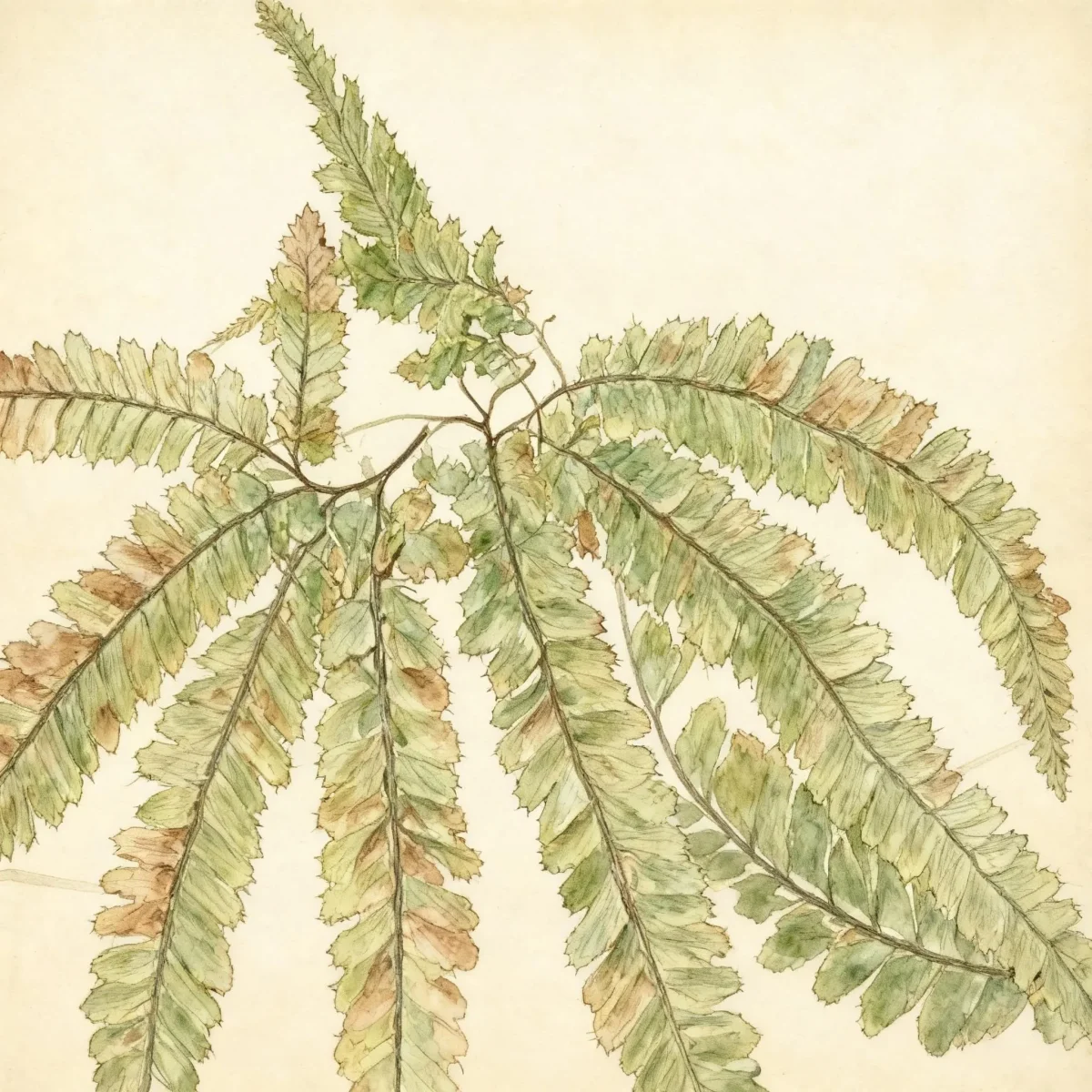
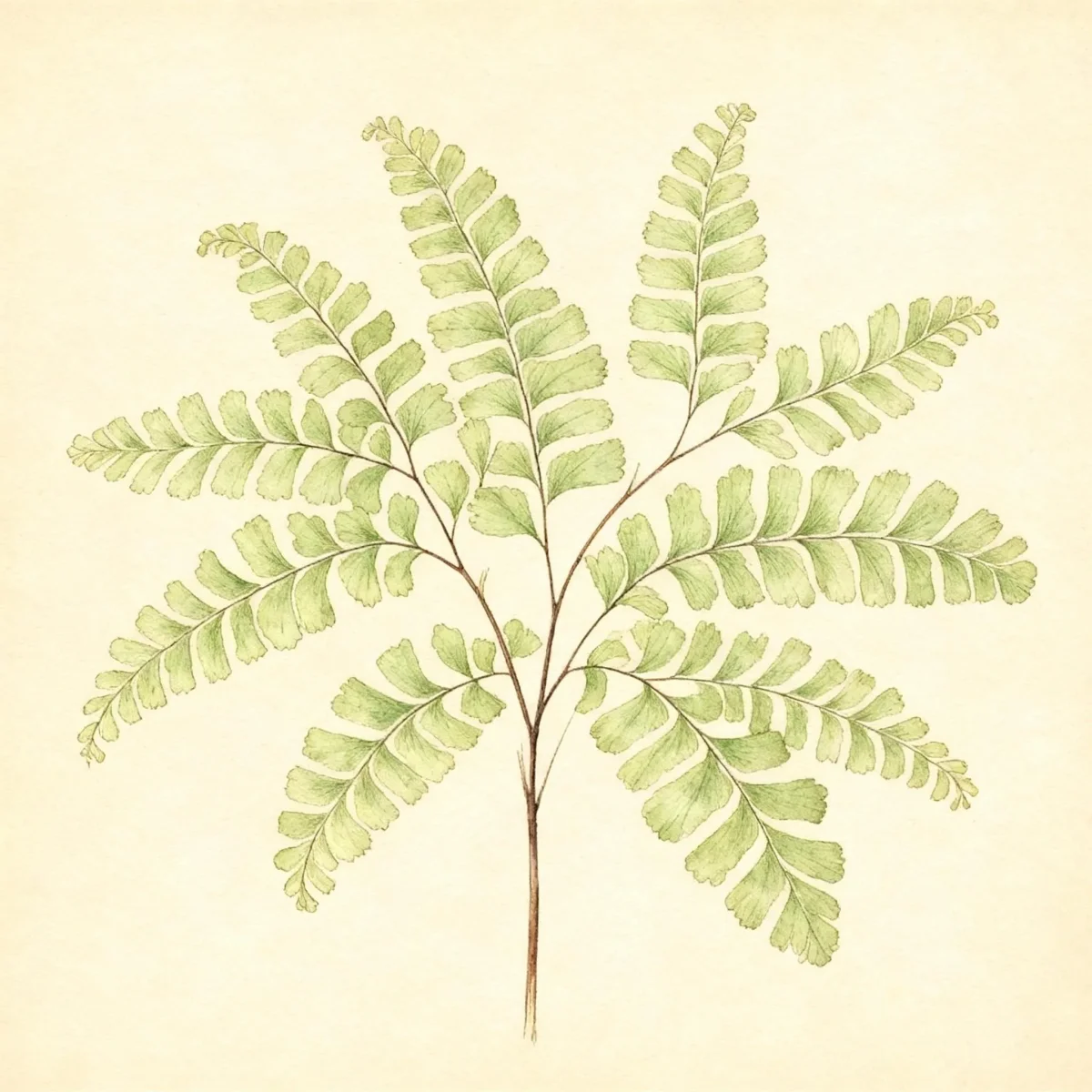
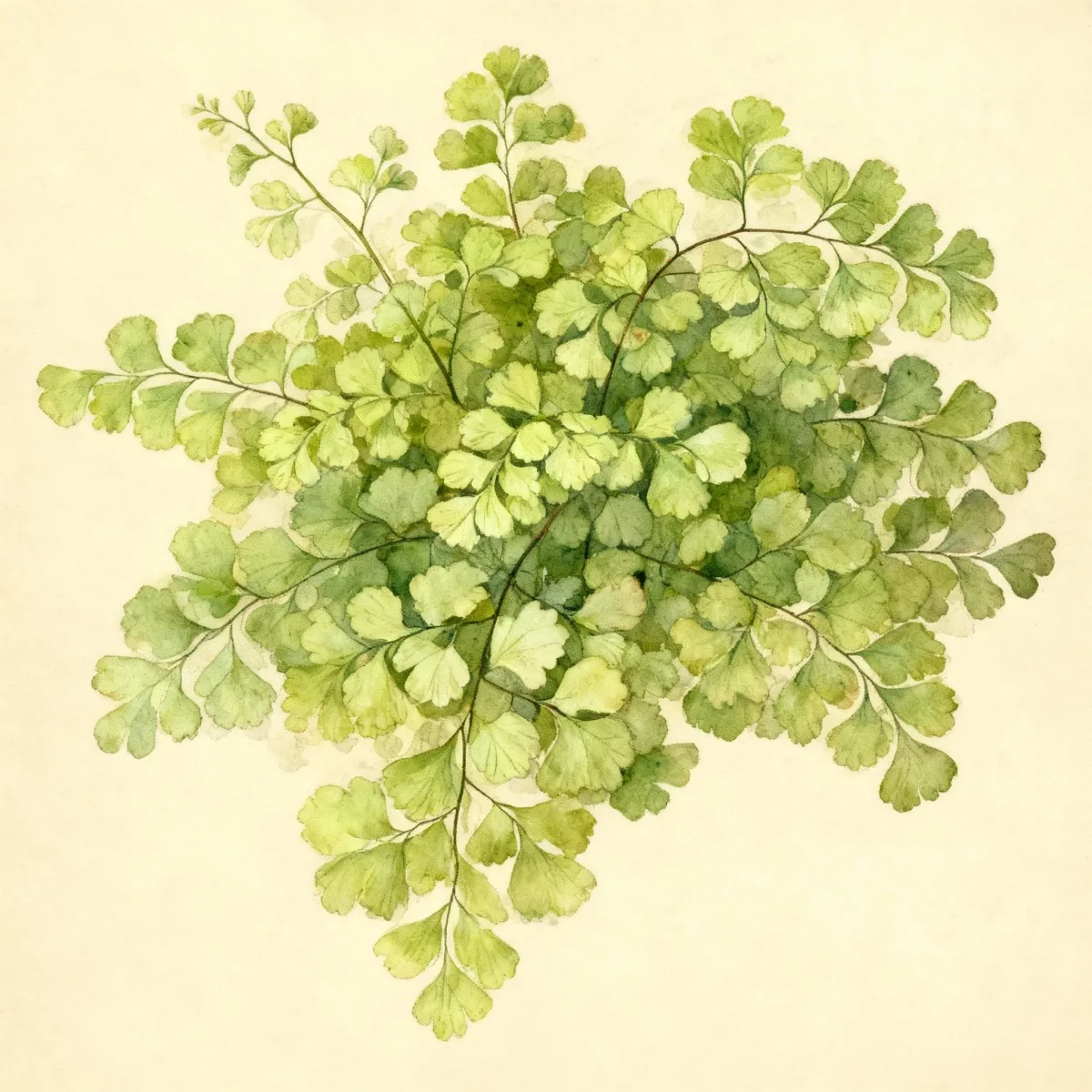
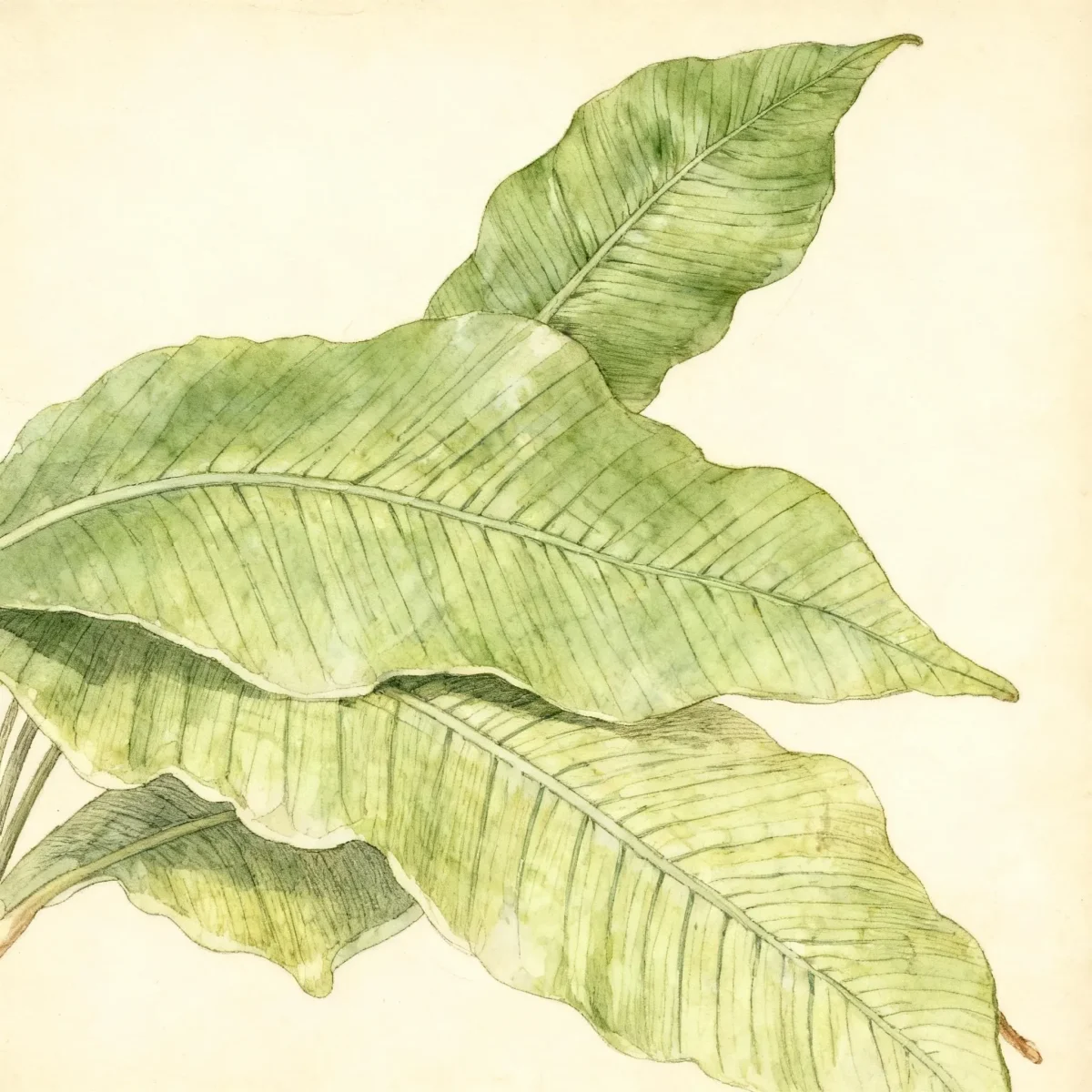
Cretan brake (Pteris cretica var. Albolineata)
The stunning Pteris cretica var. albolineata, or Cretan brake, offers slow-growing evergreen foliage with striking creamy centers, perfect for shady areas, Zones 9-12.
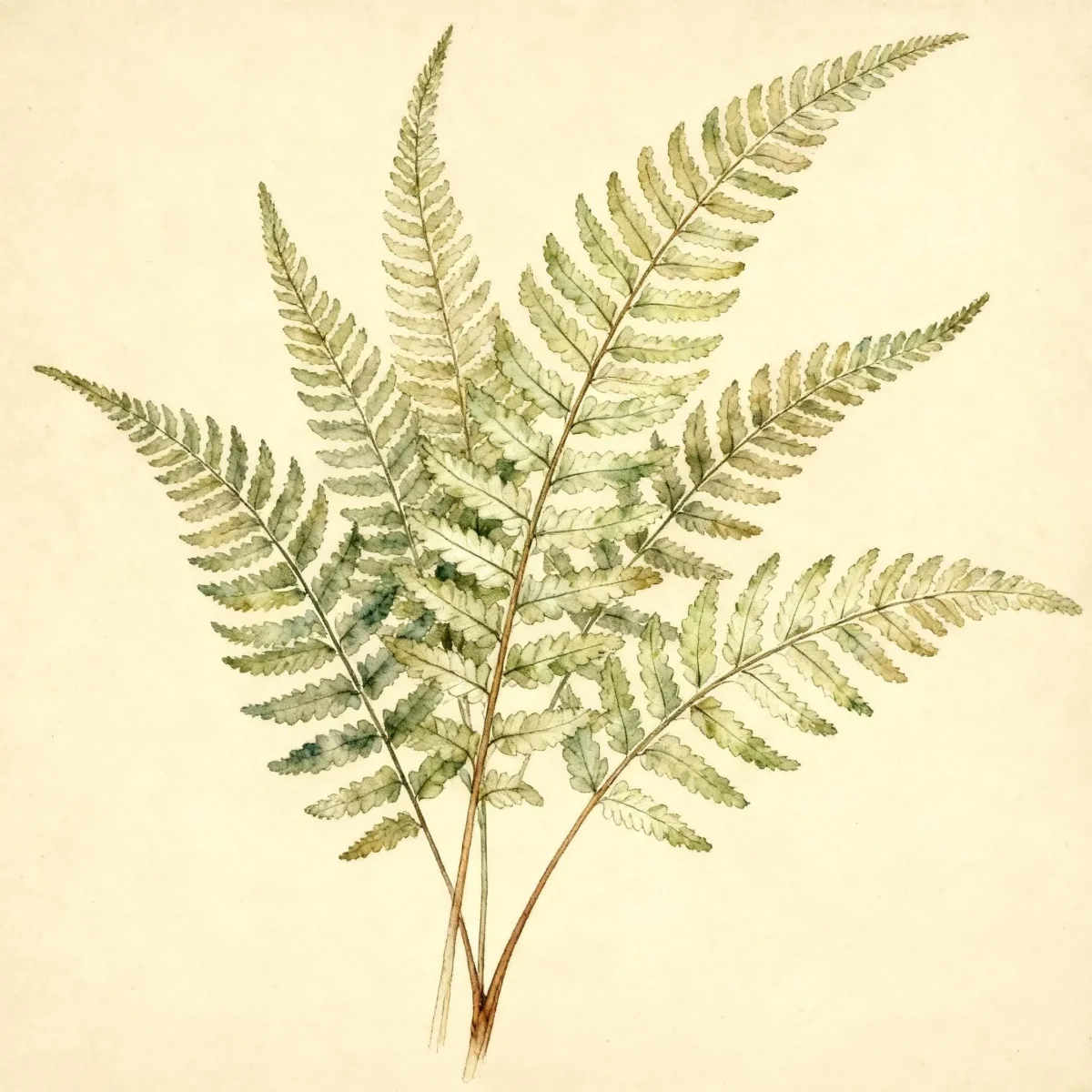

Bloom Boldly, No Matter the Season - Sweatshirt
Cozy organic cotton sweatshirt featuring our exclusive Purple Coneflower design. Perfect for gardeners who bloom year-round.
Inspired by the beautiful Cretan brake
Limited first batch (50) — join the waitlist for early access
Waitlist closes Feb 15, 2026.
Complete Plant Information
Field Guide Continues
Ready for care notes, companion picks, and planting tips?
The map is just the start. The full guide below covers growth habits, seasonal performance, and landscape uses.
Overview
The variegated Pteris cretica var. albolineata, commonly known as the Cretan brake, is a highly valued evergreen fern prized for its distinctive foliage pattern. This slow-growing specimen brings reliable texture and brightness to deep shade where many other plants struggle. Its arching, pale green fronds feature prominent creamy white stripes down the center, offering year-round architectural interest in indoor or sheltered garden settings.
As a fern, it naturally thrives in conditions mimicking its native humid, tropical origins. While generally low maintenance once established, the Pteris cretica var. albolineata does require consistent moisture and high humidity to maintain its lush appearance. Gardeners appreciate the Cretan brake for its elegant, fountain-like habit, making it an excellent choice for shaded woodland gardens or as a standout houseplant.
Hardiness is limited to warmer climates, typically USDA Zones 9 through 12. For those gardening outside these limits, treating this beautiful Pteris cretica var. albolineata as an indoor specimen allows its unique variegation to be enjoyed regardless of winter temperatures.
Fast Facts
- Plant Family: Pteridaceae
- Plant Type: Fern
- Native Range: Old World tropics and subtropics
- Hardiness Zones: USDA Zones 9-12
- Size at Maturity:
- Height: 1-2 ft
- Spread: 1-2 ft
- Bloom Time: Non-flowering
- Bloom Description: Non-flowering
- Sun Exposure: Part shade to full shade
- Water Needs: Medium
- Maintenance Level: Low
How to Grow
Planting the Cretan brake should occur when temperatures are consistently warm, ideally spring or early summer, avoiding frost entirely. Ensure the soil is rich in organic material and drains exceptionally well, as soggy conditions can quickly lead to root problems. Aim for a location providing dappled light or consistent part shade; direct afternoon sun is detrimental to the delicate fronds of Pteris cretica var. Albolineata.
Watering needs are medium, requiring the soil to remain evenly moist throughout the growing season. Never allow the roots of this fern to dry out completely, which is a common cause of early demise indoors. High humidity is critical; group plants together, utilize pebble trays, or employ a humidifier to keep the environment suitably moist. Clay pots are beneficial as they help moderate soil temperatures and prevent overheating near the roots.
Routine maintenance is generally low. Water thoroughly during active growth but slightly taper off watering frequency from fall through late winter. If the plant appears tired or leggy, the fronds may be cut back severely to the base to stimulate fresh, vigorous new growth.
Landscape Uses
The Cretan brake excels where bright color is needed without the requirement for direct sunlight. Its refined, architectural shape makes it a superb inclusion for woodland borders or beneath high-canopied trees where the light remains soft. Use the Pteris cretica var. albolineata to provide textural contrast against broad-leaved hostas or deep green ferns lacking variegation.
Primarily, this fern is recommended as a houseplant for shady areas, where its striking, vertically oriented fronds can be appreciated up close. When grown indoors, position it away from heating and cooling vents to maintain stable humidity levels. While not a traditional hedge plant, grouping several Cretan brakes creates a lush, tropical vignette perfect for dimly lit entryways or shaded patios during the summer months.
Standout Features
Noteworthy Characteristics
The Pteris cretica var. albolineata is recognized for its slow growth and evergreen nature, typically maturing around 18 to 24 inches tall and wide. The genus name, Pteris, stems from the Greek word for “fern,” underscoring its feathery appearance. The specific epithet notes Crete, referencing a segment of its native range across the Old World tropics and subtropics.
Tolerances
- Frost
Potential Problems
Monitor Pteris cretica var. albolineata for common houseplant pests such as aphids, mealybugs, and scale, especially when grown indoors. Inspect the undersides of the fronds regularly for early signs of infestation. Fungal issues, specifically rust and leaf spots, may occur if air circulation is poor or if water sits directly on the foliage for extended periods. Ensure adequate space between plants and avoid overhead watering to mitigate these risks.
Frequently Asked Questions
What hardiness zones is Cretan brake suitable for?
The Cretan brake is winter-hardy in frost-free USDA Zones 10 through 12, though it can be grown successfully indoors in cooler regions.
How large does Pteris cretica var. albolineata grow?
This fern typically reaches a mature height between 1 and 2 feet, with a similar spread of 1 to 2 feet.
What sun exposure does Pteris cretica var. albolineata need?
It performs best in environments ranging from part shade to full shade, aggressively avoiding harsh, direct sunlight.
When does Cretan brake bloom?
As a fern, the Pteris cretica var. albolineata is non-flowering.
Conclusion
The Pteris cretica var. albolineata stands out due to its reliable evergreen habit and distinctive creamy-white center stripe, easily elevating any low-light space. Maintaining its required humidity and consistent moisture is the key to success with this beautiful Cretan brake. Before planting, confirm your local USDA zone compatibility or plan for its winter acclimation as a houseplant.
Companion Planting
When using Pteris cretica var. albolineata in a shaded garden setting, select companions that share its preference for consistent moisture and organic-rich soil. Hostas with deep green or blue foliage provide an excellent backdrop that highlights the fern’s variegation. Consider delicate woodland bloomers like Astilbe or smaller ferns such as the Japanese Painted Fern for layered texture. In containers, pair the Cretan brake with creeping shade plants like variegated Vinca or trailing Hakonechloa (Japanese Forest Grass) to spill over the edges.
Seasonal Care Calendar
For outdoor specimens in Zones 10-12, focus soil moisture management during the hot, dry summer months, increasing supplemental watering as needed to prevent the soil from drying out. In late winter or early spring, inspect the plant for any dead or damaged fronds and prune them back cleanly to encourage fresh growth. When bringing Pteris cretica var. Albolineata indoors for the winter, place it away from cold drafts emanating from windows or doors, focusing on maintaining the warm, humid conditions it prefers.