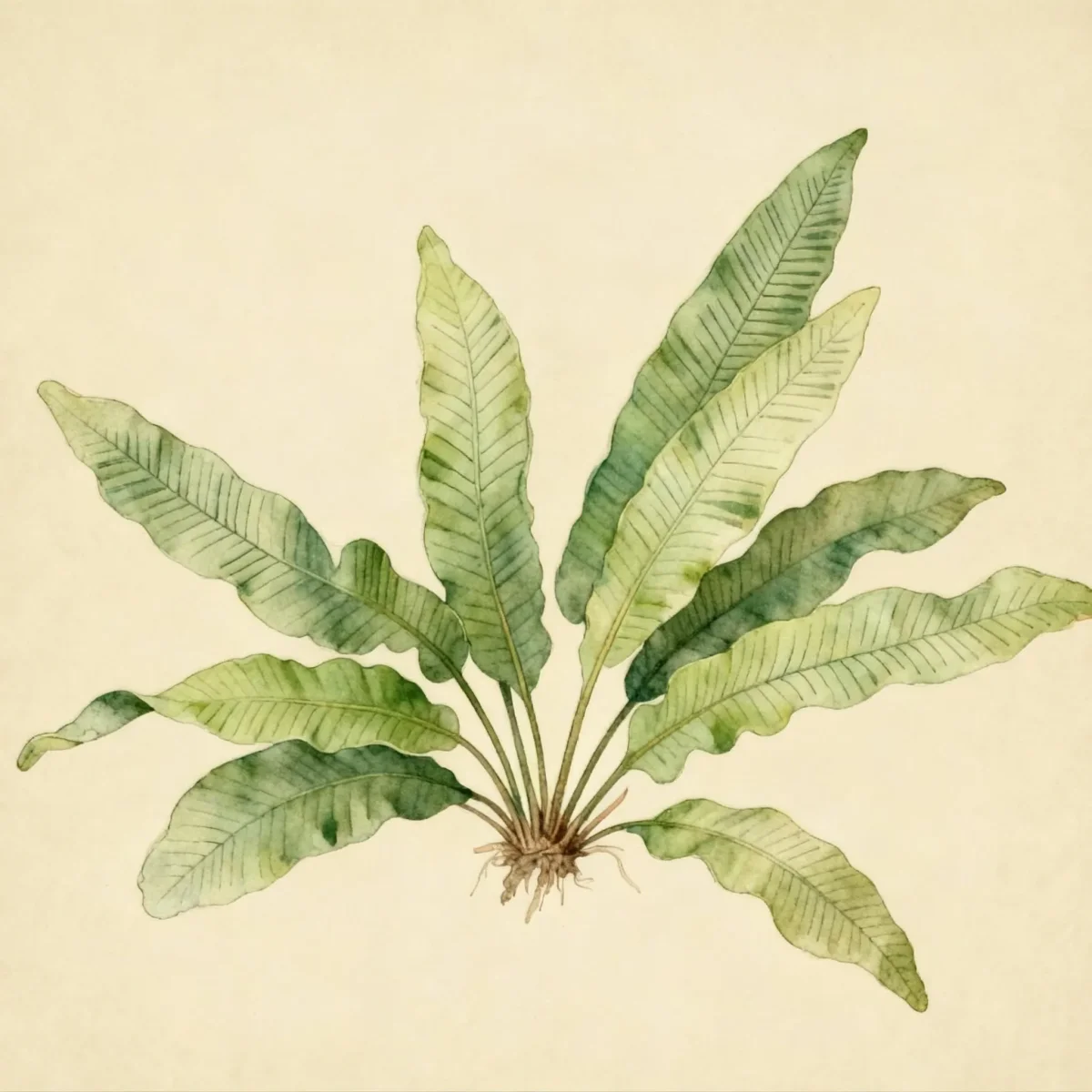
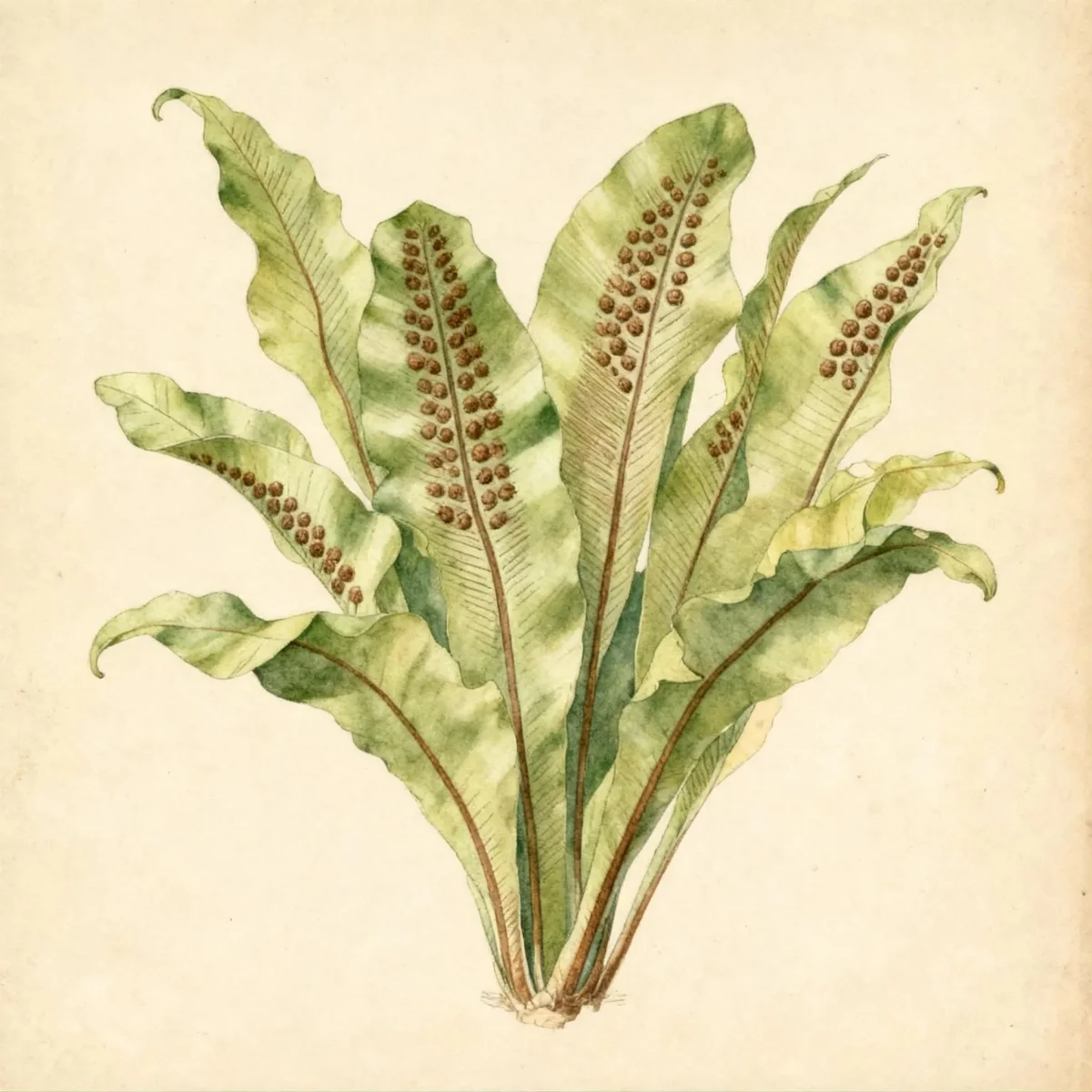
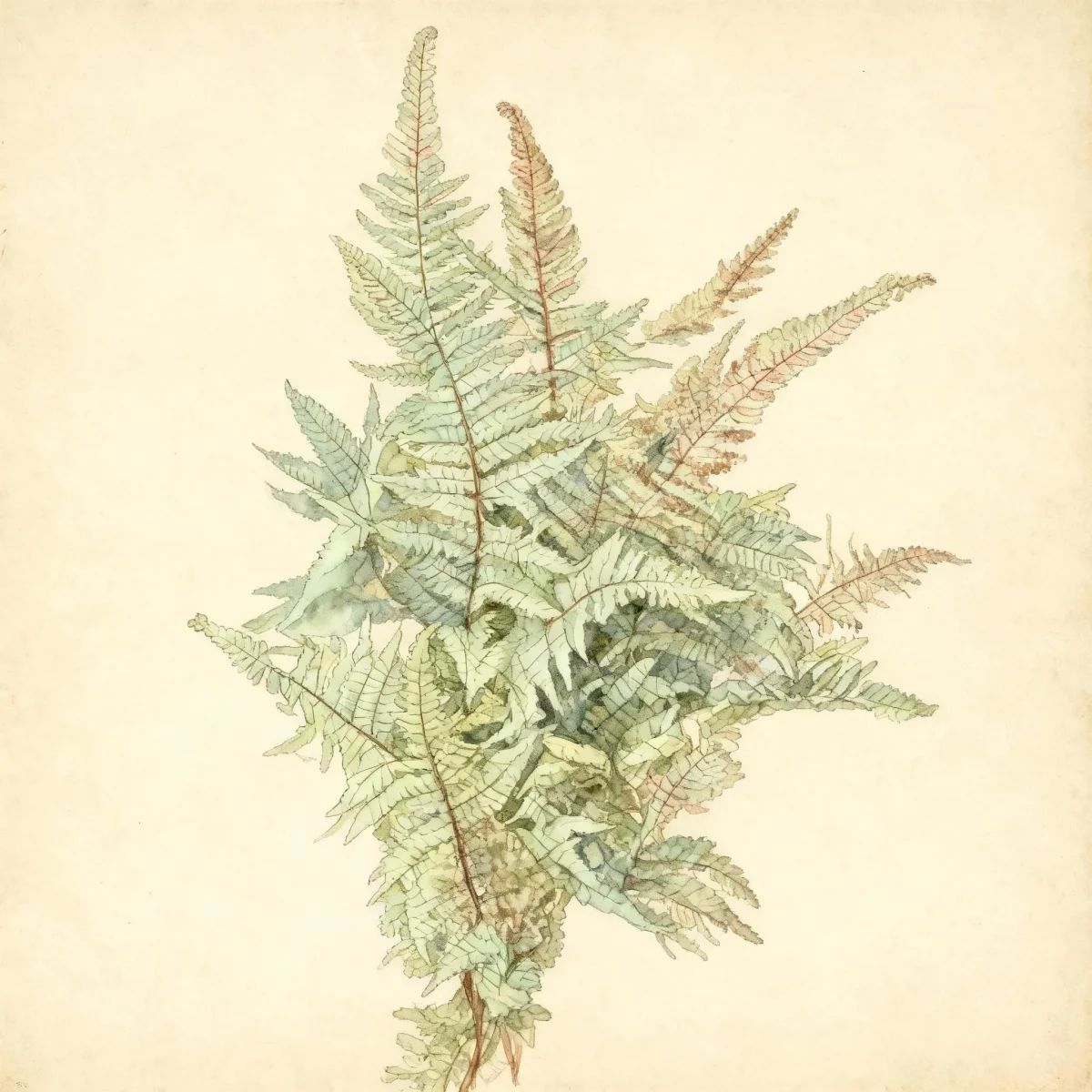
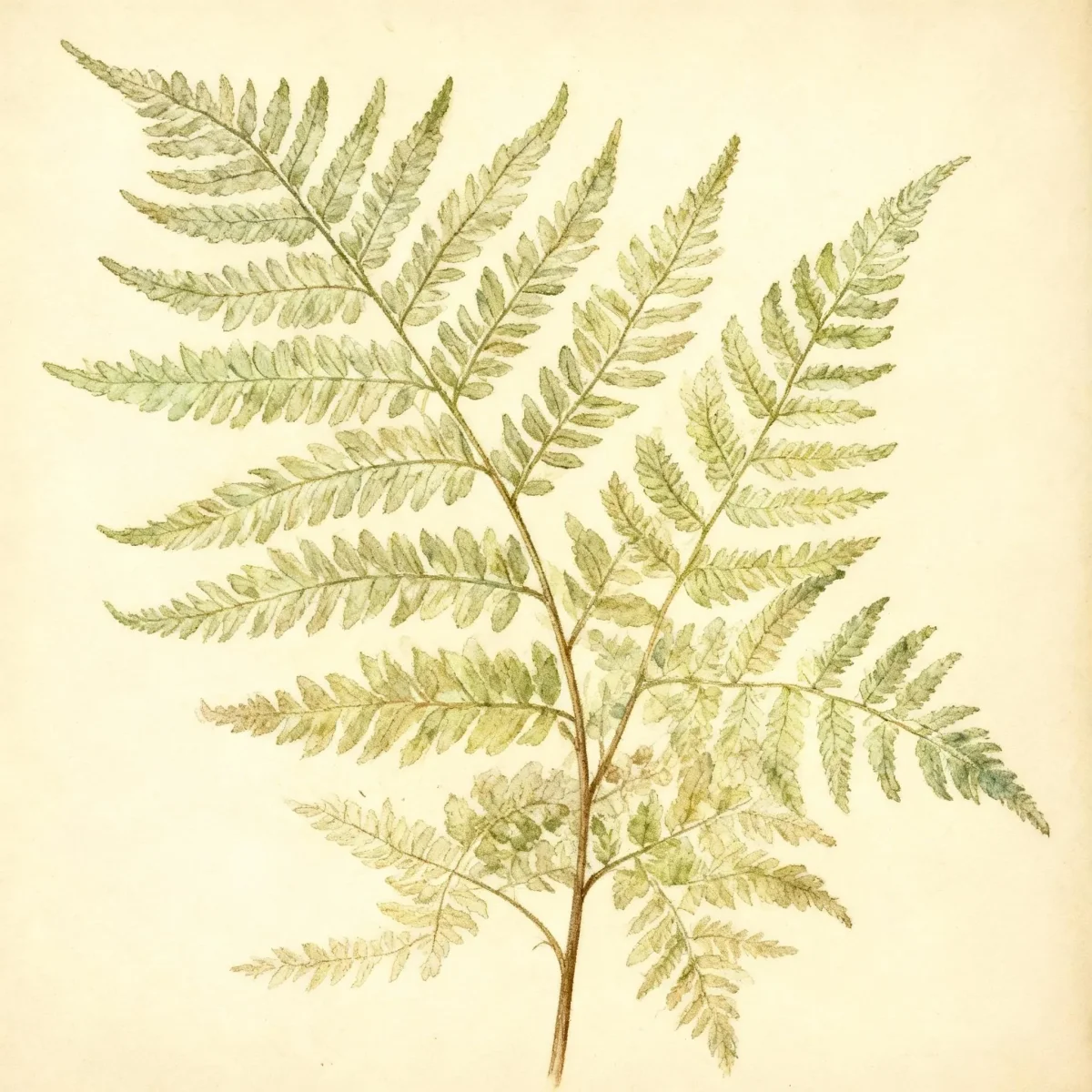
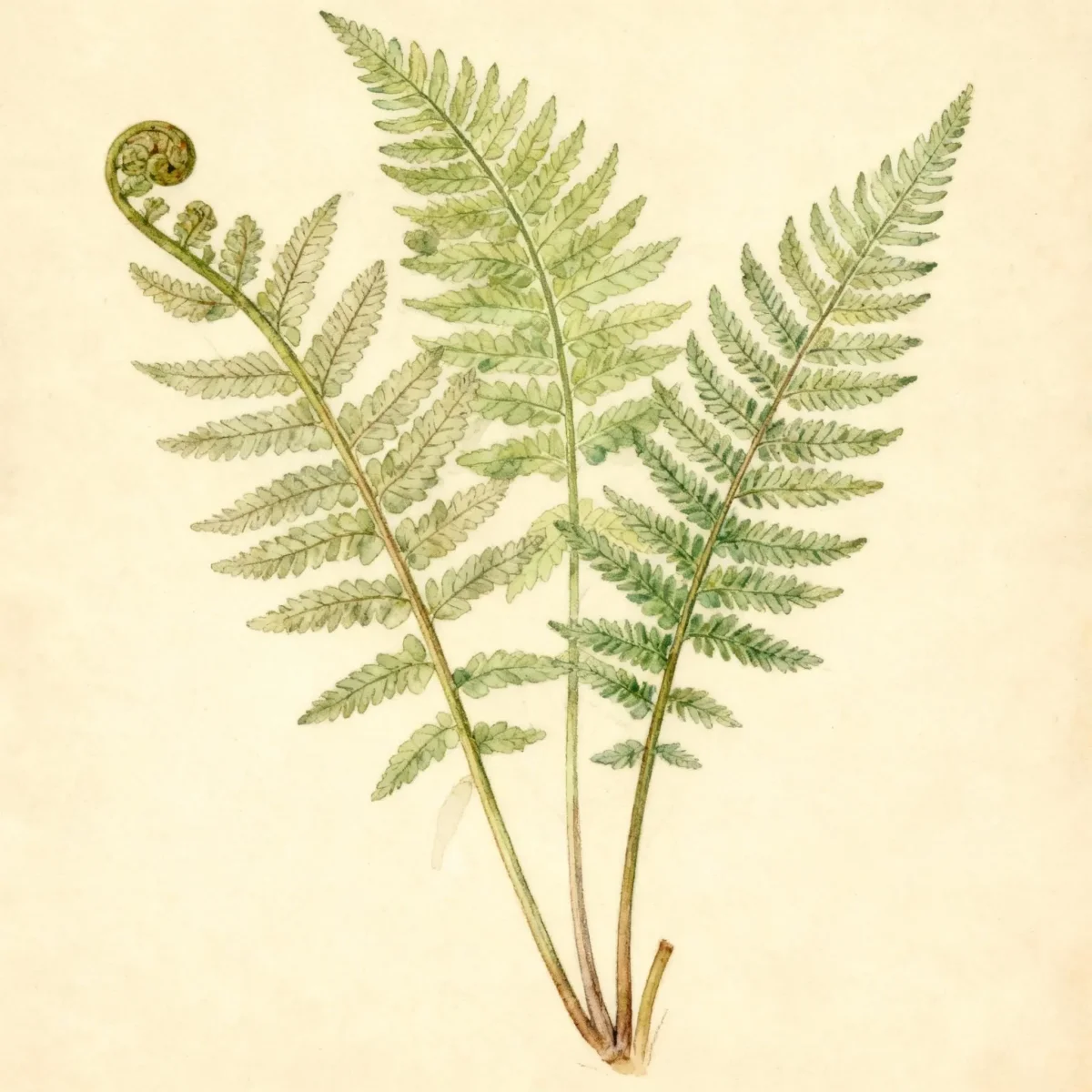
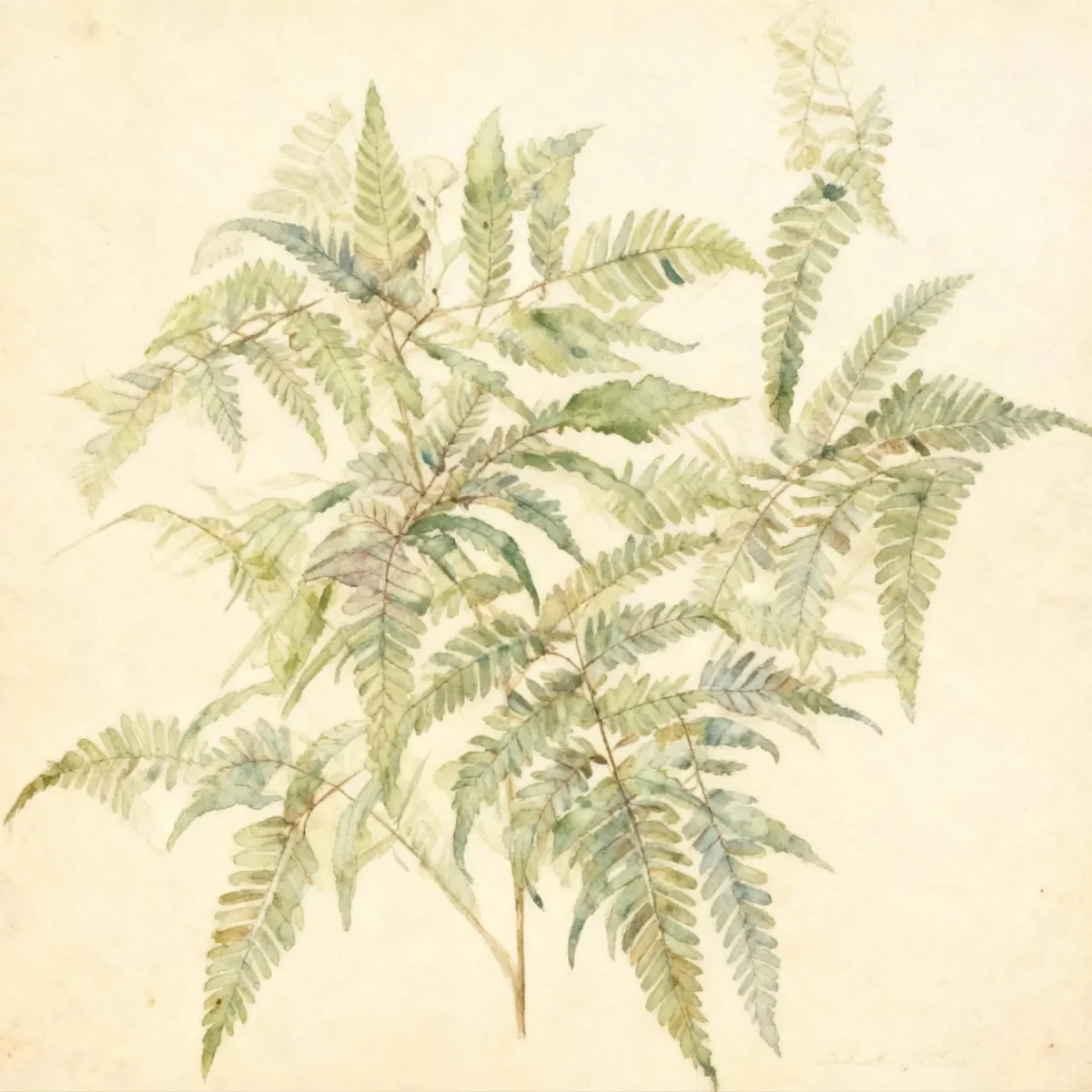
Maidenhair spleenwort (Asplenium trichomanes)
Asplenium trichomanes, Maidenhair spleenwort, is an evergreen rock fern ideal for crevices and rock walls in shaded gardens, valued for its low maintenance and arching form.

Bloom Boldly, No Matter the Season - Sweatshirt
Cozy organic cotton sweatshirt featuring our exclusive Purple Coneflower design. Perfect for gardeners who bloom year-round.
Inspired by the beautiful Maidenhair spleenwort
Limited first batch (50) — join the waitlist for early access
Waitlist closes Feb 15, 2026.
Complete Plant Information
Field Guide Continues
Ready for care notes, companion picks, and planting tips?
The map is just the start. The full guide below covers growth habits, seasonal performance, and landscape uses.
Overview
The Maidenhair spleenwort (Asplenium trichomanes) is a charming, rhizomatous evergreen fern highly valued for its delicate texture and tenacious nature when grown in rocky environments. Its small, rounded leaflets (pinnae) held along a glossy, dark brown stem provide visual contrast against stone or moss. This species is remarkably adaptable once sited correctly, requiring minimal care to thrive.
Gardeners appreciate Asplenium trichomanes for its ability to colonize difficult, vertical spaces where other plants fail. It slowly spreads to form attractive, low-growing colonies, making it a perfect textural element for shaded, stony areas. Its resilience results in a beautiful, low-maintenance groundcover effect in appropriate settings.
As an ancient lineage of plants, Asplenium trichomanes offers texture without demanding flowering time, providing consistent, deep green foliage throughout the growing season. Plan to incorporate this unique fern in rock gardens or along shaded retaining walls to capitalize on its natural affinity for crevices.
Fast Facts
- Plant Family: Aspleniaceae
- Plant Type: Fern
- Native Range: Northern temperate areas, tropical mountains
- Hardiness Zones: USDA Zones 5-8
- Size at Maturity:
- Height: 0.33-0.66 ft
- Spread: 0.75-1 ft
- Bloom Time: Non-flowering
- Bloom Description: Non-flowering
- Sun Exposure: Part shade to full shade
- Water Needs: Medium
- Maintenance Level: Low
How to Grow
Plant Maidenhair spleenwort in spring or early fall, giving it time to establish before extreme temperatures arrive. The key to success with Asplenium trichomanes is mimicking its native habitat: aim for humusy, well-draining soil that remains consistently moist. Because it thrives in rocky areas, excellent drainage is non-negotiable; avoid heavy clay profiles.
Watering needs are categorized as medium; ensure the soil stays evenly moist, especially during dry spells in summer, but never waterlogged. Fertilization is rarely necessary; the humus-rich soil this fern prefers usually supplies ample nutrients. Pruning is generally not required, as this is an evergreen fern that naturally sheds old growth without significant intervention.
To encourage naturalization, plant small clumps where they can slowly spread via offsets. Propagation is achieved either by carefully dividing the shallow-rooted rhizomes in early spring or by harvesting and sowing spores. As this plant is hardy in Zones 5-8, minimal winter preparation is needed, though a light layer of leaf mold can help insulate shallow roots in colder edge zones.
Landscape Uses
The true excellence of Maidenhair spleenwort shines when used in structural or architectural landscaping. It is perfectly suited for softening the otherwise harsh lines of stone structures, thriving in the cracks and crevices of retaining walls or tucked into the grout lines of pathways. This preference leads to its excellent use in rock gardens or moss gardens.
Consider using Asplenium trichomanes on the north sides of structures or fences where deep shade persists throughout the day. Their compact, slightly arching habit makes them wonderful edging plants for shaded borders, offering textural contrast against broader-leafed perennials. They also perform beautifully when clustered in shaded containers, particularly when paired with trailing heucheras or small shade-loving bulbs.
If you are aiming for a naturalized woodland or woodland edge look, allow these ferns to mingle freely. They integrate seamlessly with native groundcovers and look excellent near trickling water features where moisture levels remain consistent, enhancing the tranquil feel of the shaded space.
Standout Features
Noteworthy Characteristics
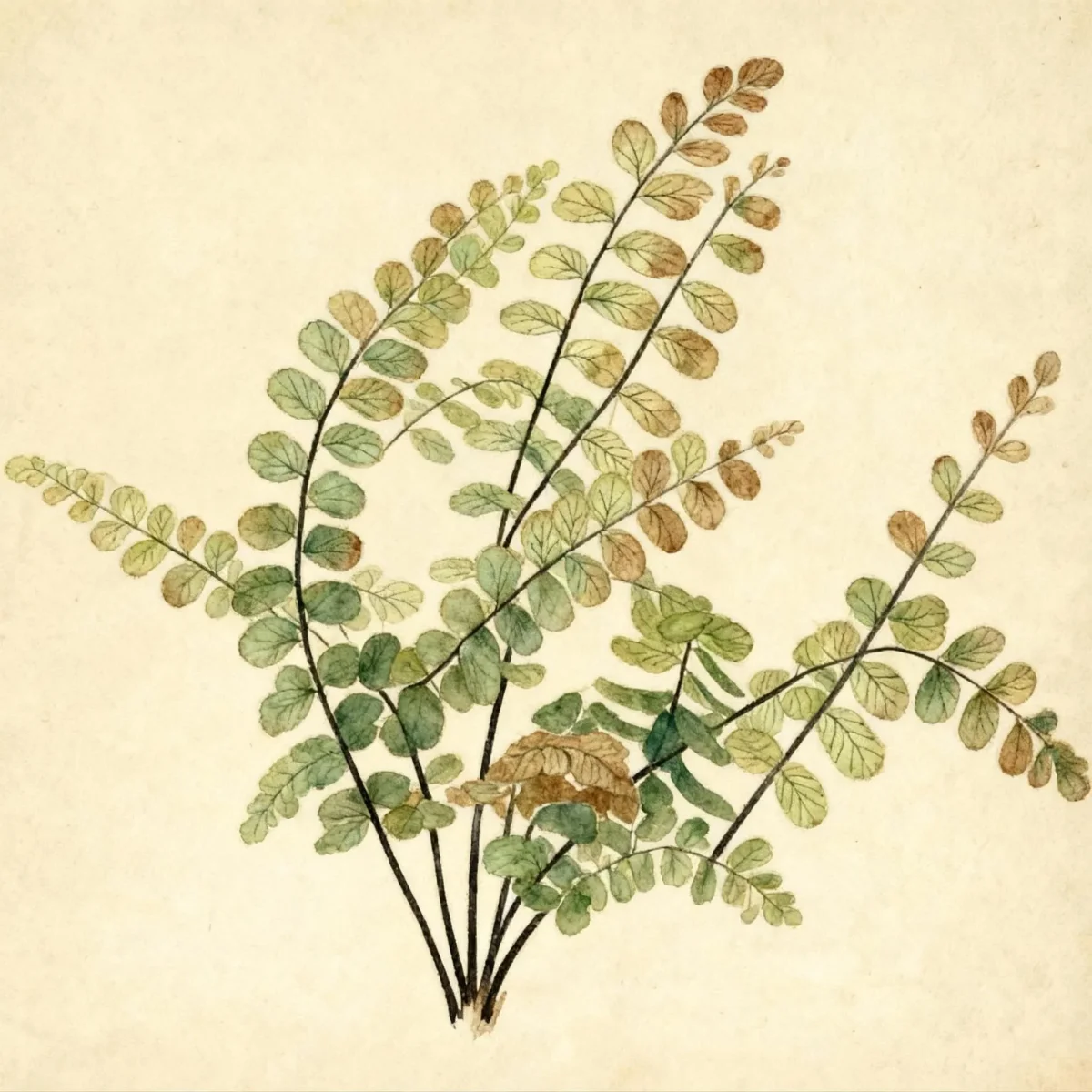
Asplenium trichomanes, commonly called Maidenhair spleenwort, is a rhizomatous, evergreen fern found on moist, shaded, rocky slopes, screes, and cliffs in much of temperate North America, Central America, Europe, and Asia. The fronds can reach approximately 8” long and have pairs of small, round pinnae (leaflets) on a glossy, dark brown rachis (leaf stem). Mature plants take on an upright to gently arching habit, with the fronds emerging from a shallow-rooted, stout rhizome and will slowly spread from offsets to form small colonies filling areas up to 1 foot wide.
Tolerances
- Shallow-Rocky Soil
Potential Problems
This forgiving fern has no major pests or diseases of note, which contributes significantly to its low maintenance profile. Gardeners should focus concerns primarily on environmental factors rather than outbreaks. The most common issue encountered with Asplenium trichomanes is root rot caused by poor drainage, particularly when planted in heavy, compacted garden soil instead of the preferred rocky crevices. Ensure soil allows for quick water escape to prevent this issue.
Frequently Asked Questions
What hardiness zones is Maidenhair spleenwort suitable for?
Asplenium trichomanes is best grown in USDA Hardiness Zones 5 through 8.
How large does Maidenhair spleenwort grow?
This small fern typically reaches a height between 0.33 and 0.66 feet, with a spread ranging from 0.75 to 1 foot at maturity.
What sun exposure does Asplenium trichomanes need?
This species prefers consistent shade, thriving best in part shade to full shade conditions.
When does Asplenium trichomanes bloom?
As a fern, Asplenium trichomanes is non-flowering, reproducing instead by spores.
Conclusion
The Maidenhair spleenwort (Asplenium trichomanes) is an exceptional choice for adding fine texture and reliable evergreen foliage to challenging, shaded, and rocky garden spots. Its low maintenance requirements and natural affinity for crags make this a go-to fern for rockeries and crevice gardens. Before planting, confirm your site provides the necessary part-shade and well-drained conditions to ensure this lovely fern establishes well.
Companion Planting
When planning groundcovers or accents near your Maidenhair spleenwort, select plants that share similar preferences for moisture and shade but offer a contrasting leaf texture. Excellent companions include creeping Jenny (Lysimachia nummularia) used sparingly at the edges of containers, or various types of hardy mosses which naturally coexist with Asplenium trichomanes on stone surfaces. Consider pairing it with small-leaved Hosta varieties or other small ferns like Polystichum acrostichoides (Christmas Fern) for a layered woodland effect.
Propagation Tips
Propagating Asplenium trichomanes is most confidently achieved through division, which should be performed in the spring just as new growth begins to emerge. Gently lift the clump and separate the stout rhizomes, ensuring each division retains some root structure and several crowns. For spore propagation, mature fronds must be harvested when the sori are ripe (often appearing brown underneath), dried slightly, and broadcast thinly over sterile, moist potting medium kept in a humid, shaded location.