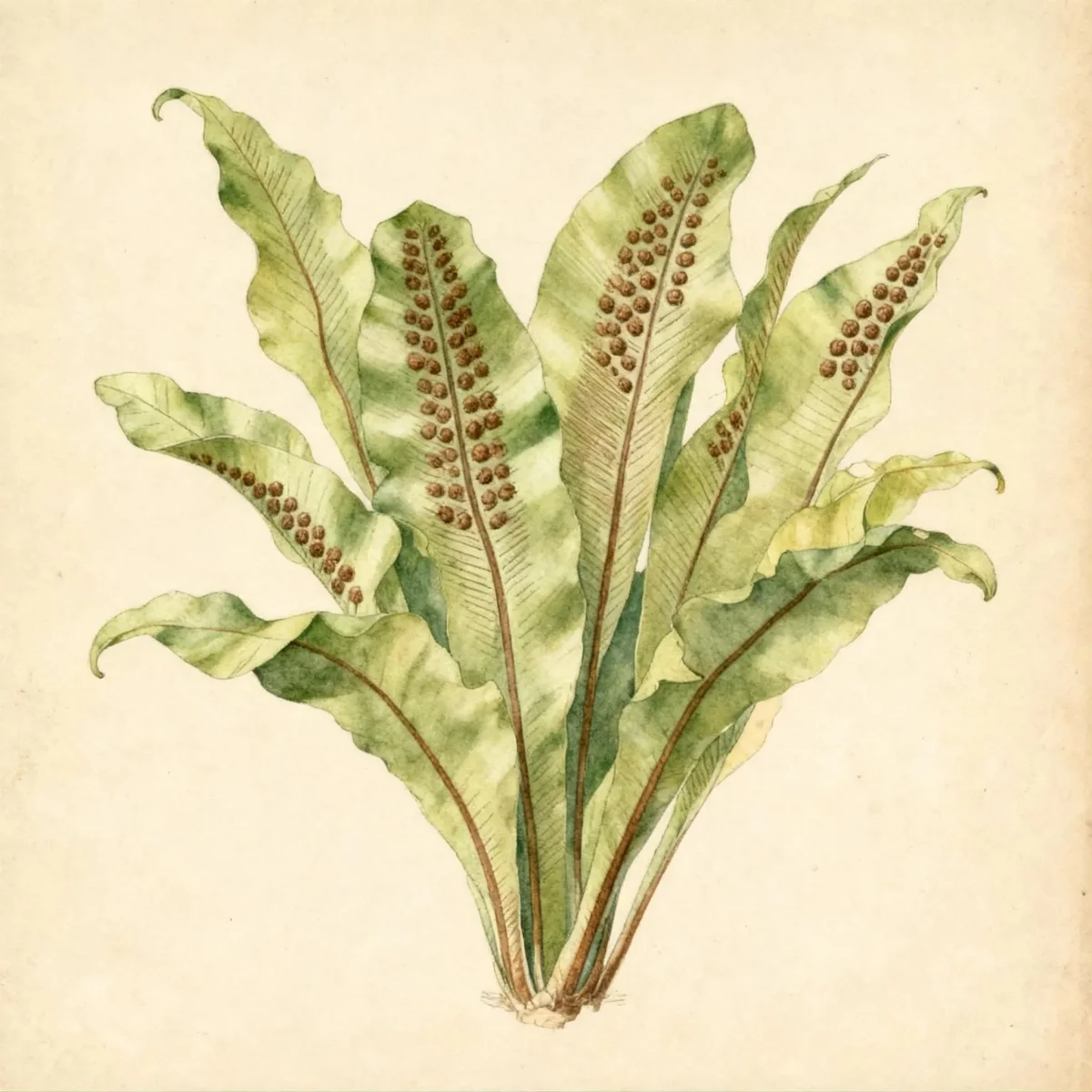
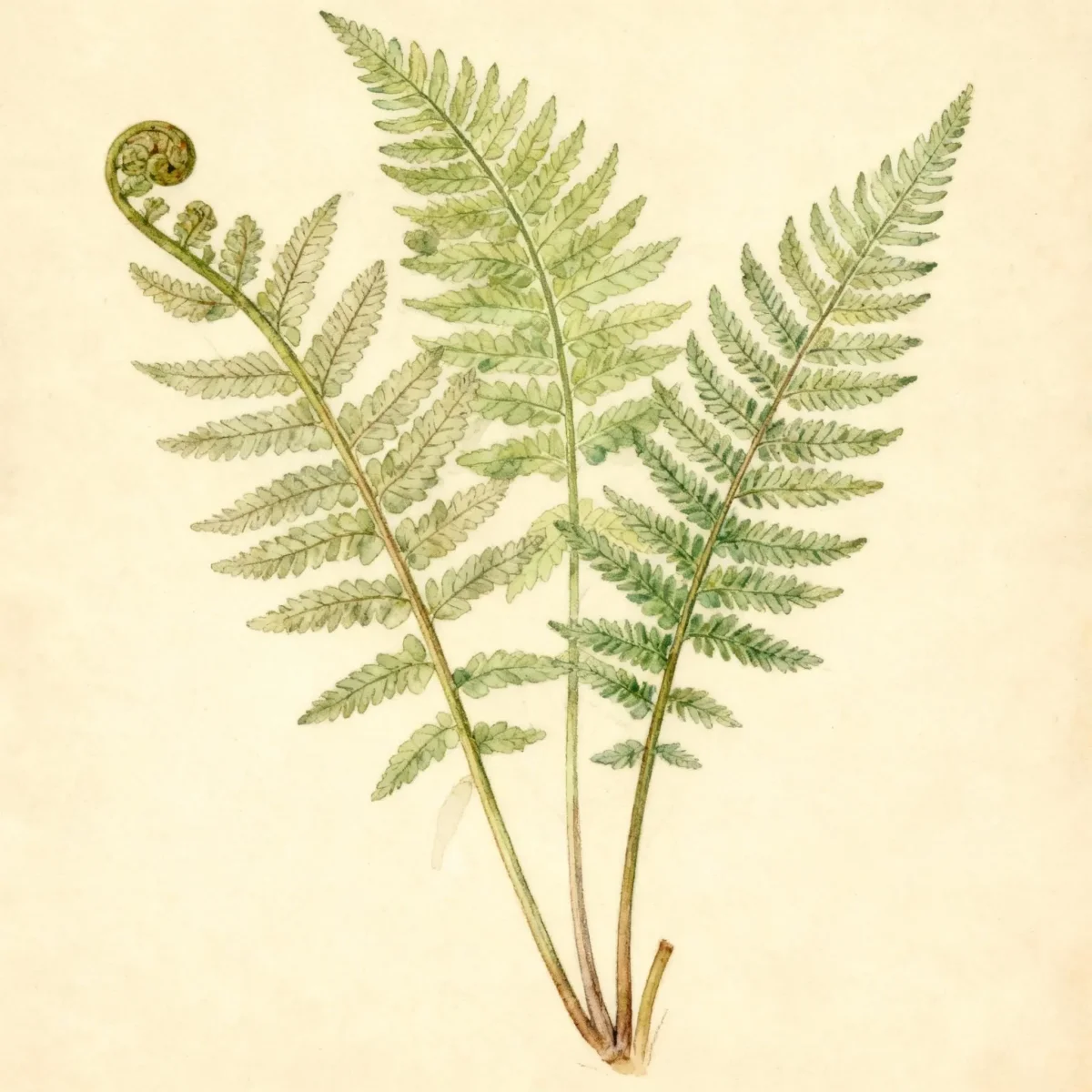
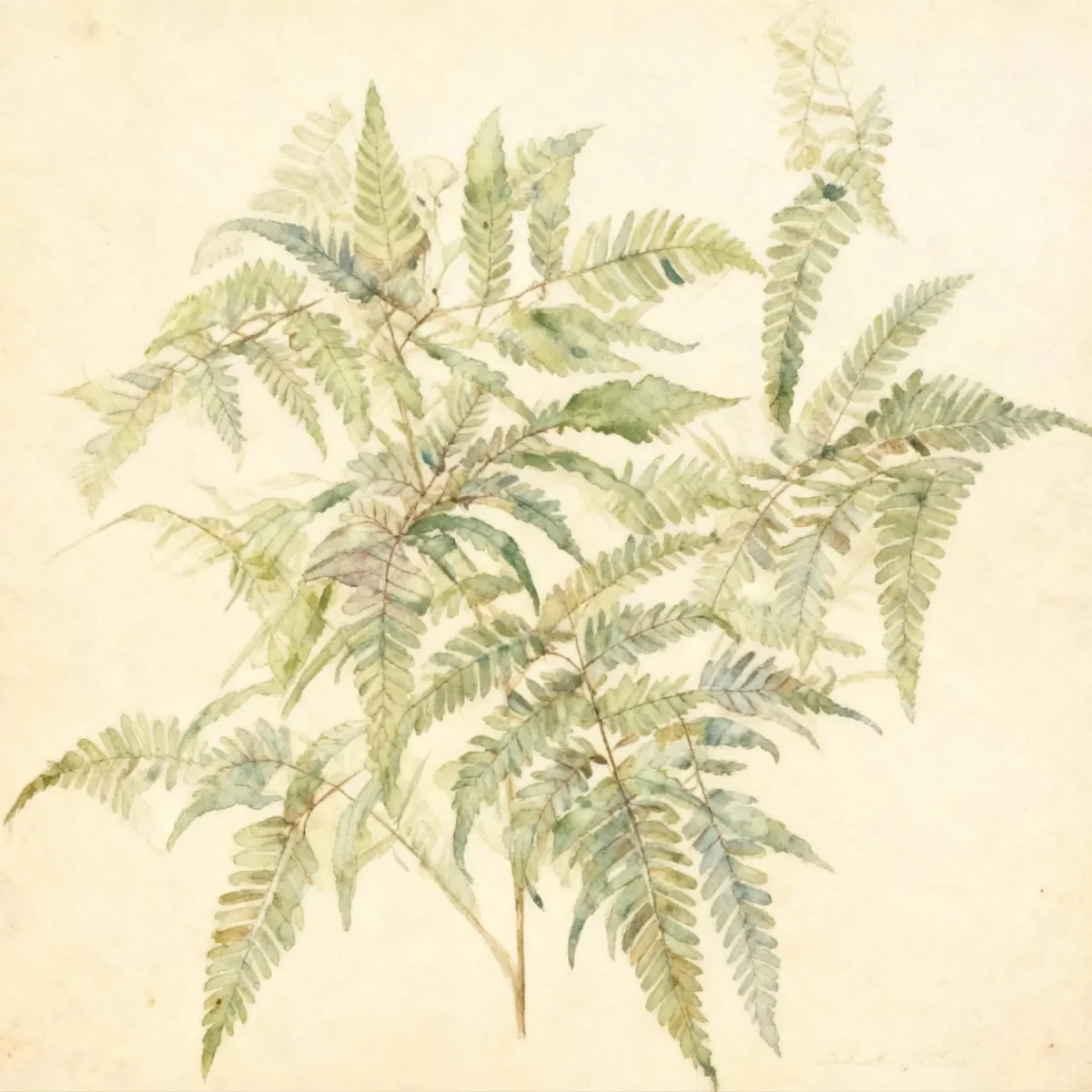
Hart's tongue fern (Asplenium scolopendrium)
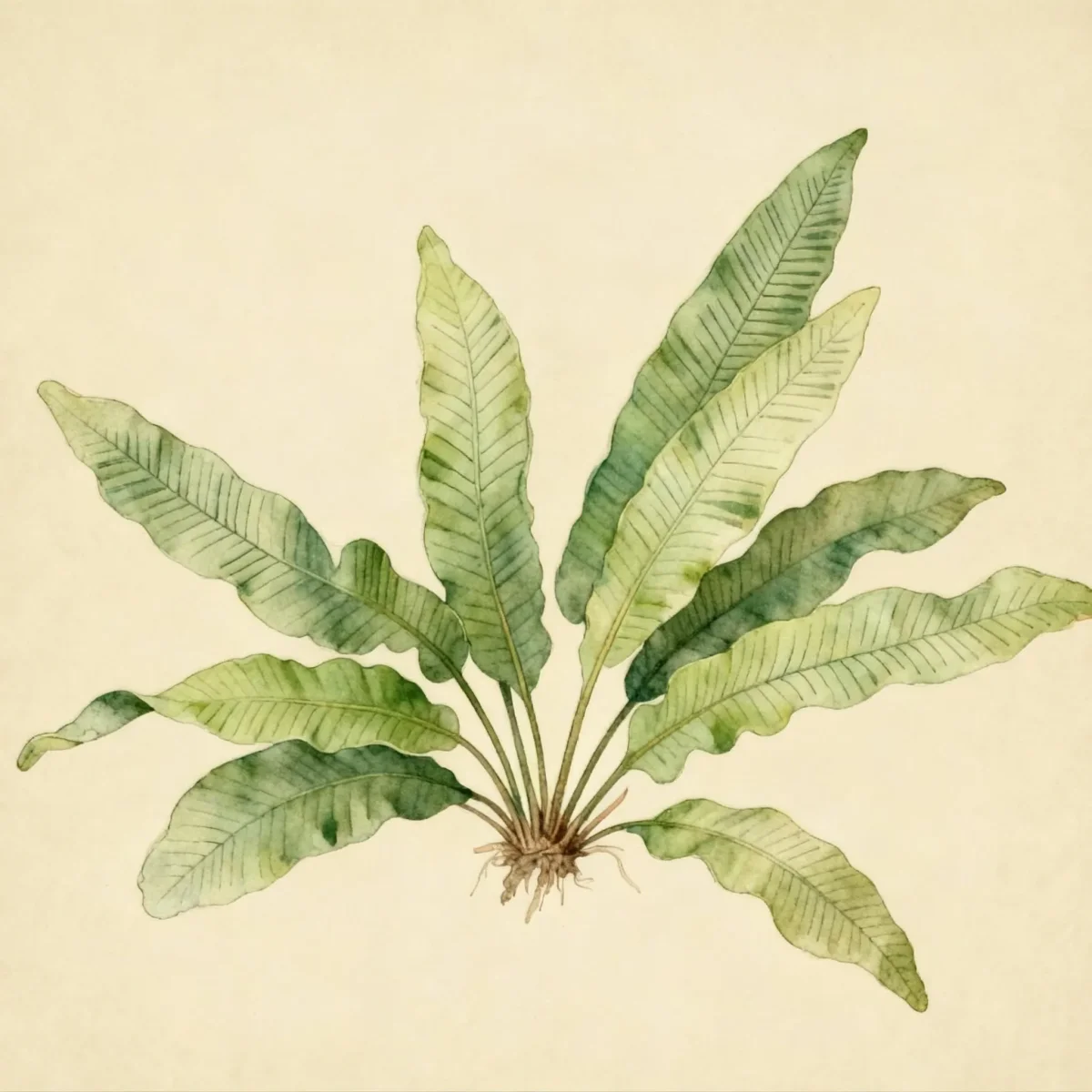
Asplenium scolopendrium, or Hart's tongue fern, is striking evergreen with leathery, bright green, tongue-shaped fronds. Low maintenance and shade tolerant.

Bloom Boldly, No Matter the Season - Sweatshirt
Cozy organic cotton sweatshirt featuring our exclusive Purple Coneflower design. Perfect for gardeners who bloom year-round.
Inspired by the beautiful Hart's tongue fern
Limited first batch (50) — join the waitlist for early access
Waitlist closes Feb 15, 2026.
Complete Plant Information
Field Guide Continues
Ready for care notes, companion picks, and planting tips?
The map is just the start. The full guide below covers growth habits, seasonal performance, and landscape uses.
Overview
The Asplenium scolopendrium, universally known as Hart’s tongue fern, offers a distinct architectural element to shaded gardens. Its unique, undivided, strap-like, bright green fronds provide texture and year-round structure where many other plants struggle. This rhizomatous evergreen fern maintains its color throughout the winter months.
Cultivating Asplenium scolopendrium is straightforward for gardeners providing its specific soil needs are met. It thrives best in humus-rich, well-drained conditions, appreciating alkalinity derived from limestone soils. This plant is highly valued for its resilience in deep shade pockets, making it an excellent choice for woodland or north-facing exposures.
As a low-maintenance perennial, the Hart’s tongue fern brings elegance to dark corners. Gardeners appreciate its resistance to common pests and its dramatic form, which contrasts beautifully with lacy or upright foliage plants in shaded borders.
Fast Facts
- Plant Family: Aspleniaceae
- Plant Type: Fern
- Native Range: North America, northern Africa, western Asia, Europe
- Hardiness Zones: USDA Zones 5-9
- Size at Maturity:
- Height: 1-1.5 ft
- Spread: 1-1.5 ft
- Bloom Time: Non-flowering
- Sun Exposure: Part shade to full shade
- Water Needs: Medium
- Maintenance Level: Low
How to Grow
Planting the Asplenium scolopendrium is ideally done in the spring or early fall when temperatures are moderate. Location selection is critical; choose a site that provides deep to partial shade, sheltered from harsh afternoon sun. The most vital cultural requirement involves soil preparation: ensure the medium offers superior drainage to prevent the roots from sitting in excess moisture, which causes root rot. This fern particularly enjoys humusy soils with an alkaline pH, often found near limestone.
Watering should be consistent, aiming for medium moisture levels throughout the growing season. Avoid letting the soil dry out entirely, although persistent saturation must be avoided due to drainage sensitivity. Formal fertilization is rarely necessary if you establish the Hart’s tongue fern in rich, amended soil. Focus efforts instead on maintaining soil structure and moisture.
Maintenance for this hardy fern is exceptionally low. No routine pruning is required unless older, damaged fronds need aesthetic removal. In winter, the evergreen nature of Asplenium scolopendrium provides visual interest; cleanup typically involves removing any debris that settles on the fronds in spring before new growth begins.
Landscape Uses
The unique structure of the Hart’s tongue fern makes it indispensable for formal or naturalistic shade gardens. Its smooth, tongue-like fronds offer a strong geometric counterpoint to fine-textured groundcovers or woodland perennials. Consider using Asplenium scolopendrium to edge shaded woodland paths or mass plantings where its clumping habit can create a lush, uniform carpet.
This plant performs exceptionally well in shady areas that might feature limestone rock structures. It is an excellent choice for shaded rock gardens, softening hardscape elements while appreciating the slightly higher drainage that these areas often naturally provide. Companion planting choices that enjoy similar moist, shady, and slightly alkaline conditions include Hellebores, Lungworts (Pulmonaria), and various Hostas.
Ultimately, the Asplenium scolopendrium excels when used as an accent plant against darker backgrounds, allowing its bright green foliage to pop. It serves as a wonderful structural skeleton in perennial beds that receive little to no direct sunlight.
Standout Features
Noteworthy Characteristics
Asplenium scolopendrium, commonly called hart’s tongue fern, is a rhizomatous, evergreen fern that typically produces an erect-arching clump of tongue-shaped, leathery, bright green fronds (12-18” long) which may have wavy margins. Sori are arranged on the frond undersides in rows. Primarily native to Europe, although there exists a rare American variety (Asplenium scolopendrium var. Americanum) that reportedly may be found in a very limited number of sites in Alabama, Tennessee, Michigan, New York and Ontario. The American variety is currently classified as threatened in its entire range; plants sold in commerce are the European variety. Synonymous with Phyllitis scolopendrium. The genus name Asplenium comes from the Greek and means “without a spleen,” possibly in reference to the belief that certain species of this plant could treat problems of the spleen. The specific epithet scolopendrium comes from the Greek skolopenda meaning “centipede,” an allusion to the rows of sori on the underside of the leaves. The common name is in reference to the supposed resemblance of the frond shape to a deer’s tongue.
Tolerances
- Rabbit
- Heavy Shade
Potential Problems
The primary concern when growing the Hart’s tongue fern is ensuring adequate soil aeration and drainage. Asplenium scolopendrium is highly susceptible to root rot if the planting medium remains saturated for extended periods. Management centers entirely on improving soil structure before planting, incorporating sharp grit or gravel if the native soil is heavy clay.
Insect and disease problems are rare for this robust fern variety. If stressed by poor drainage or intense heat/sun exposure, ferns can occasionally suffer from desiccation or fungal issues, but generally, healthy Asplenium scolopendrium specimens require minimal chemical intervention.
Frequently Asked Questions
What hardiness zones is Hart’s tongue fern suitable for?
The Asplenium scolopendrium is hardy across USDA Zones 5 through 9, offering reliable perennial performance in these temperature ranges.
How large does Hart’s tongue fern grow?
This fern reaches a mature size typically between 1 to 1.5 feet in height, with a spread of 1 to 1.5 feet, forming a dense, manageable clump.
What sun exposure does Asplenium scolopendrium need?
Asplenium scolopendrium requires partial shade to full shade conditions to thrive; direct, intense sunlight should be avoided to prevent leaf scorch.
Conclusion
The unique, evergreen texture of the Hart’s tongue fern makes Asplenium scolopendrium a standout plant for adding year-round interest to dim garden areas. Its low maintenance needs and preference for alkaline soil make it a niche but rewarding addition when cultural requirements are met. Before planting, confirm your growing location falls within USDA Zones 5-9 and ensure the soil drains exceptionally well.
Companion Planting
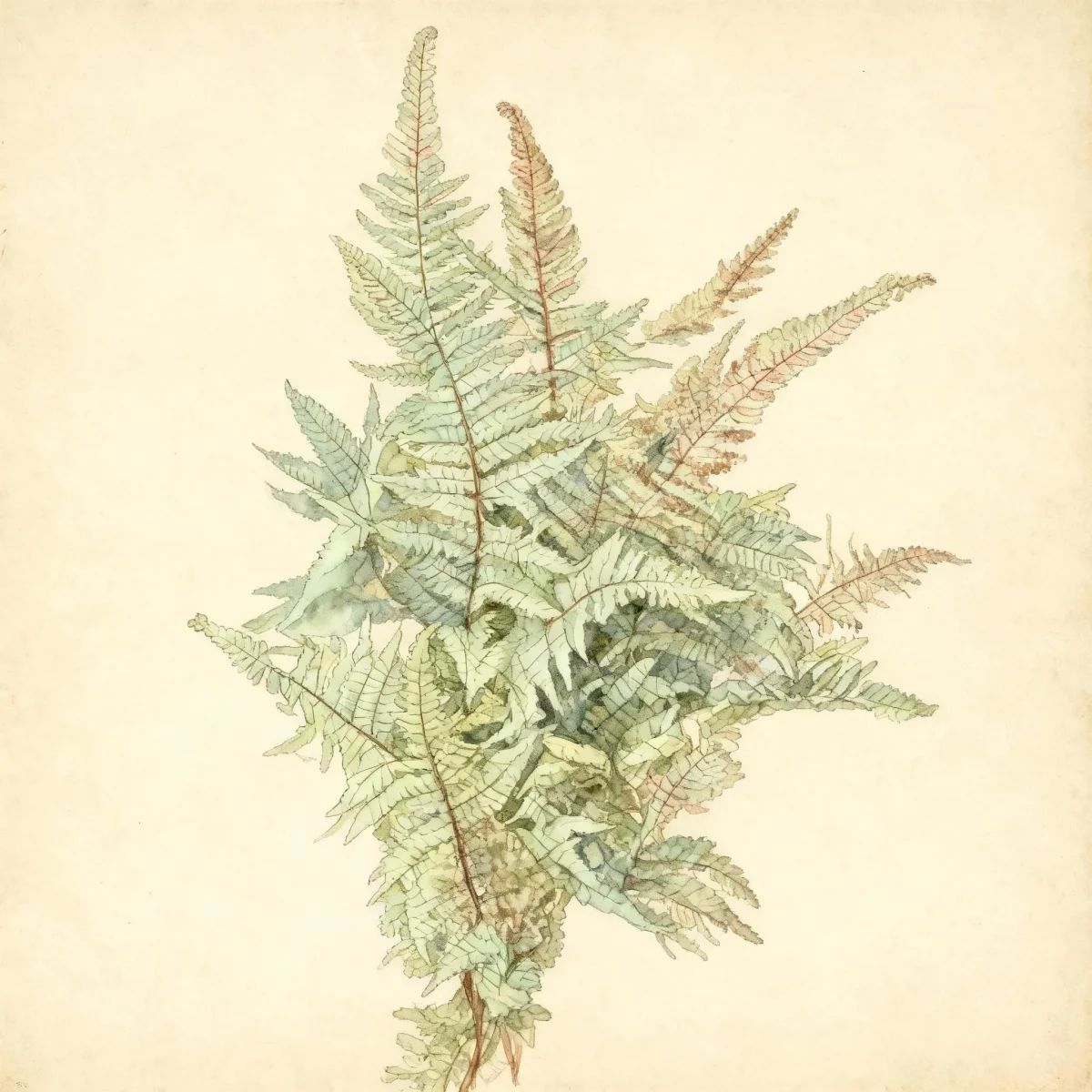
When designing a cool, shaded border, pair the Asplenium scolopendrium with ferns whose fronds contrast in texture. Japanese Painted Ferns (Athyrium niponicum) offer silvery, lacy foliage that contrasts beautifully with the solid ribbons of the Hart’s tongue fern. Consider using creeping groundcovers beneath them, such as Wild Ginger (Asarum europaeum), whose dark, rounded leaves harmonize with the moisture requirements.
For color, introduce shade-loving perennials that bloom early or mid-season. Bleeding Hearts (Dicentra spectabilis) emerge before the fern fully fills out, providing pink or white accents. Later in the season, deep purple or blue Hosta cultivars thrive alongside the fern, appreciating the same filtered light and rich soil conditions.
Seasonal Care Calendar
Spring cleanup involves carefully removing any dead winter debris. While the fern is evergreen, a light application of aged compost spread gently around the base of the clump can replenish humus without covering the crown. Avoid heavy fertilizing; a light top-dressing of garden lime once every few years can help maintain the preferred alkaline soil pH.
Summer care focuses strictly on moisture regulation. Because Asplenium scolopendrium needs medium water, check soil moisture deeply during dry spells, especially if planted near mature trees that compete for water. Mulch lightly to conserve coolness and suppress weeds, but keep mulch slightly away from the crown of the plant to enhance surface drainage.
In autumn, the plant requires no specific preparation for winter. Its hardiness makes it very reliable. Ensure the surrounding area is weed-free so that winter moisture can penetrate easily to the root zone without unnecessary competition from aggressive growth.