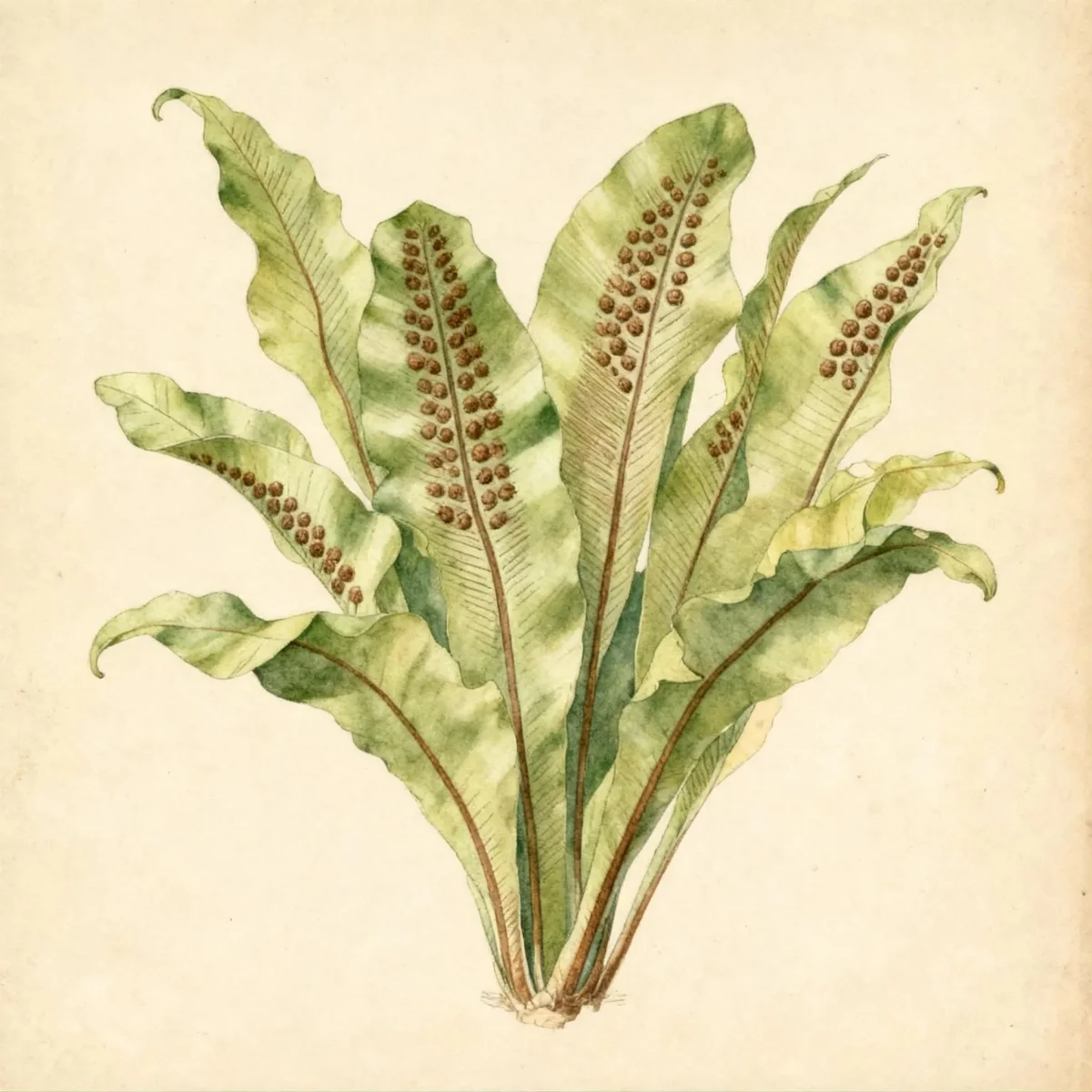
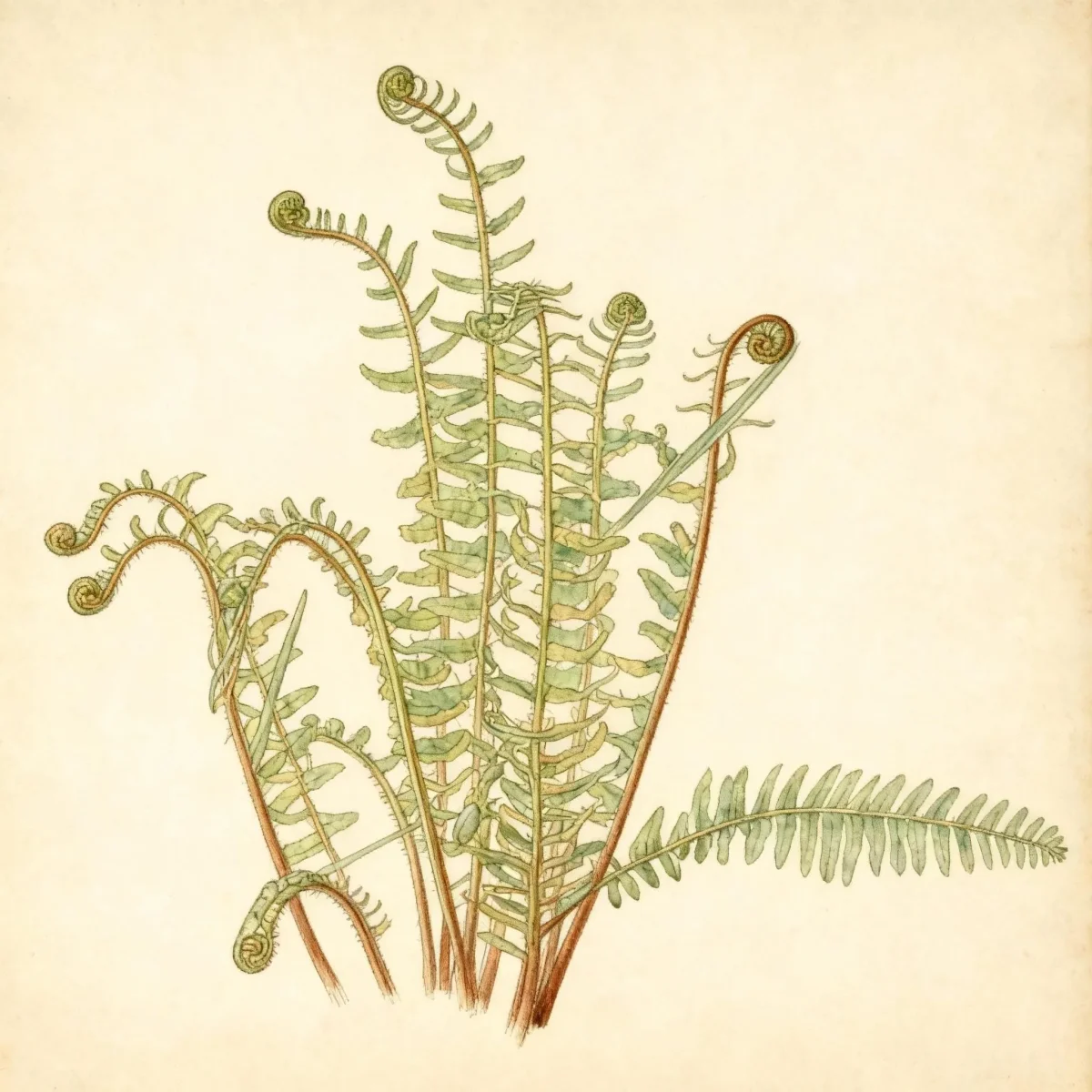
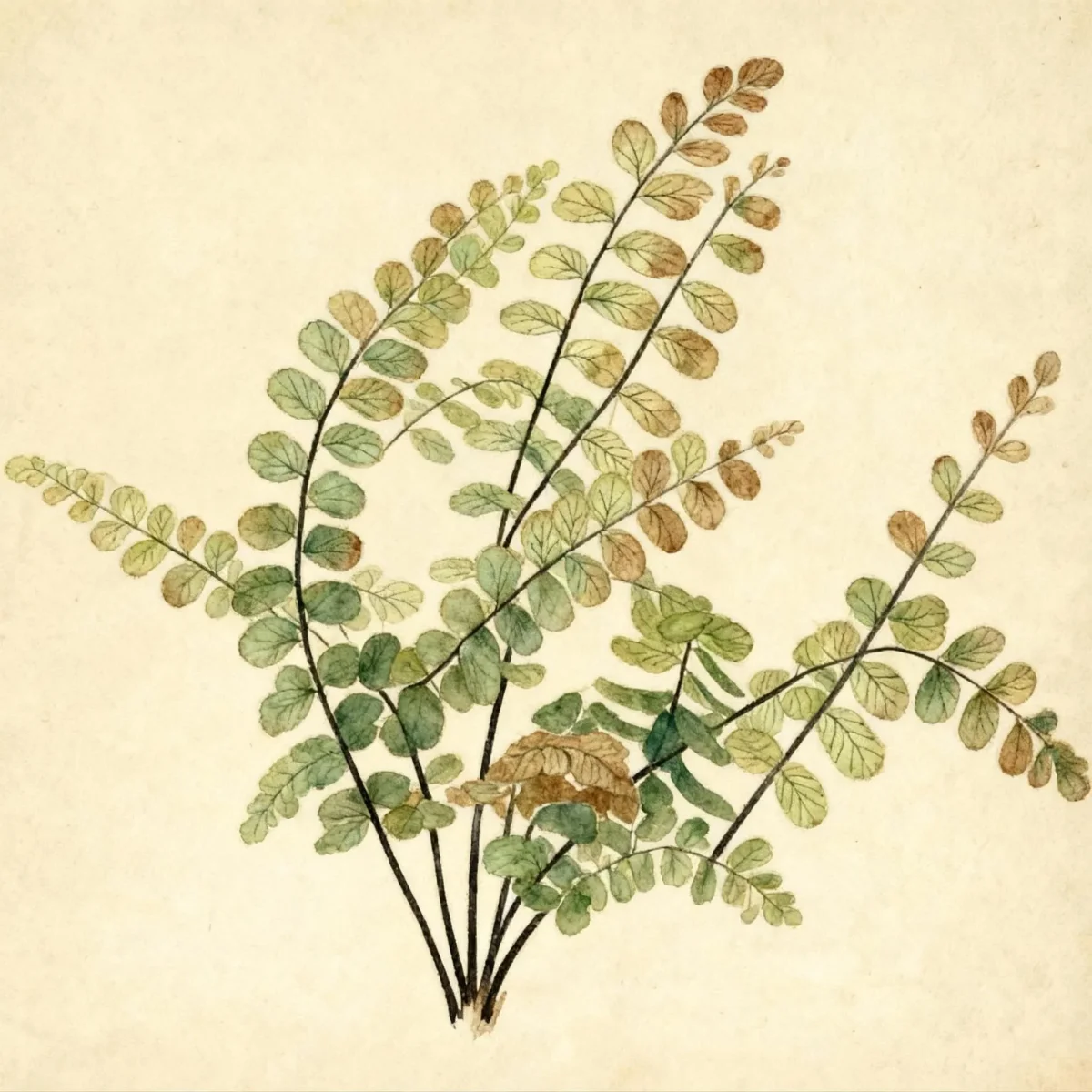
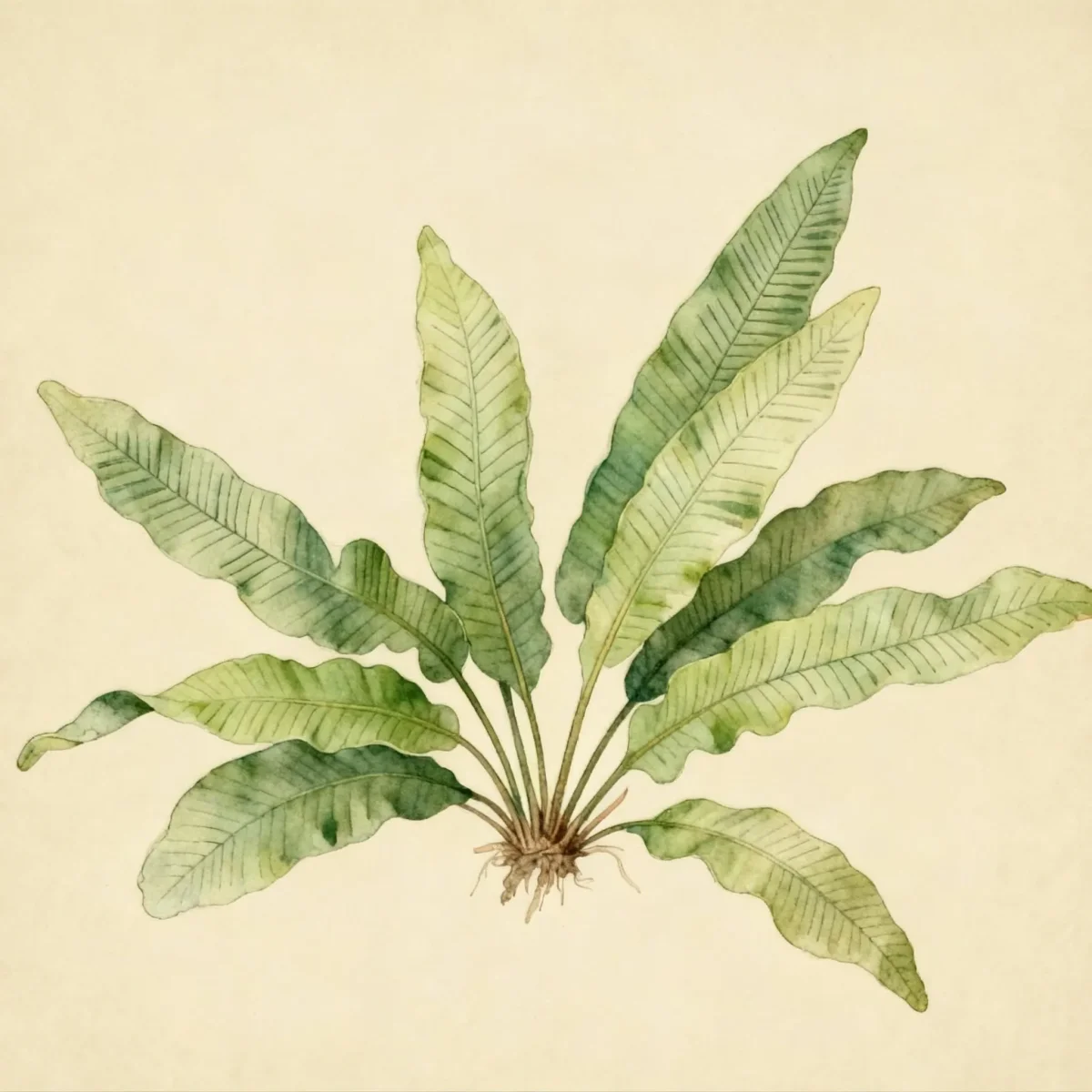
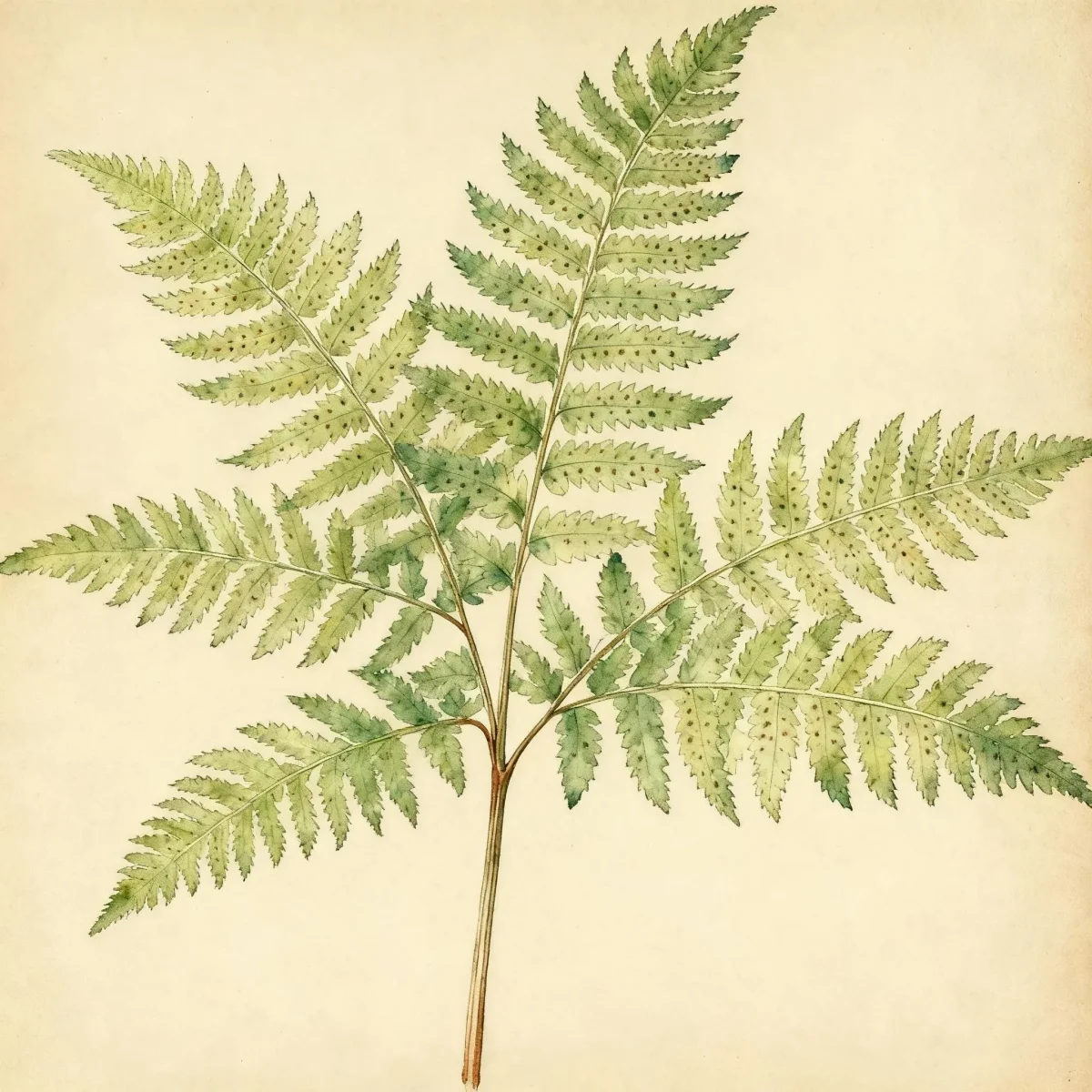
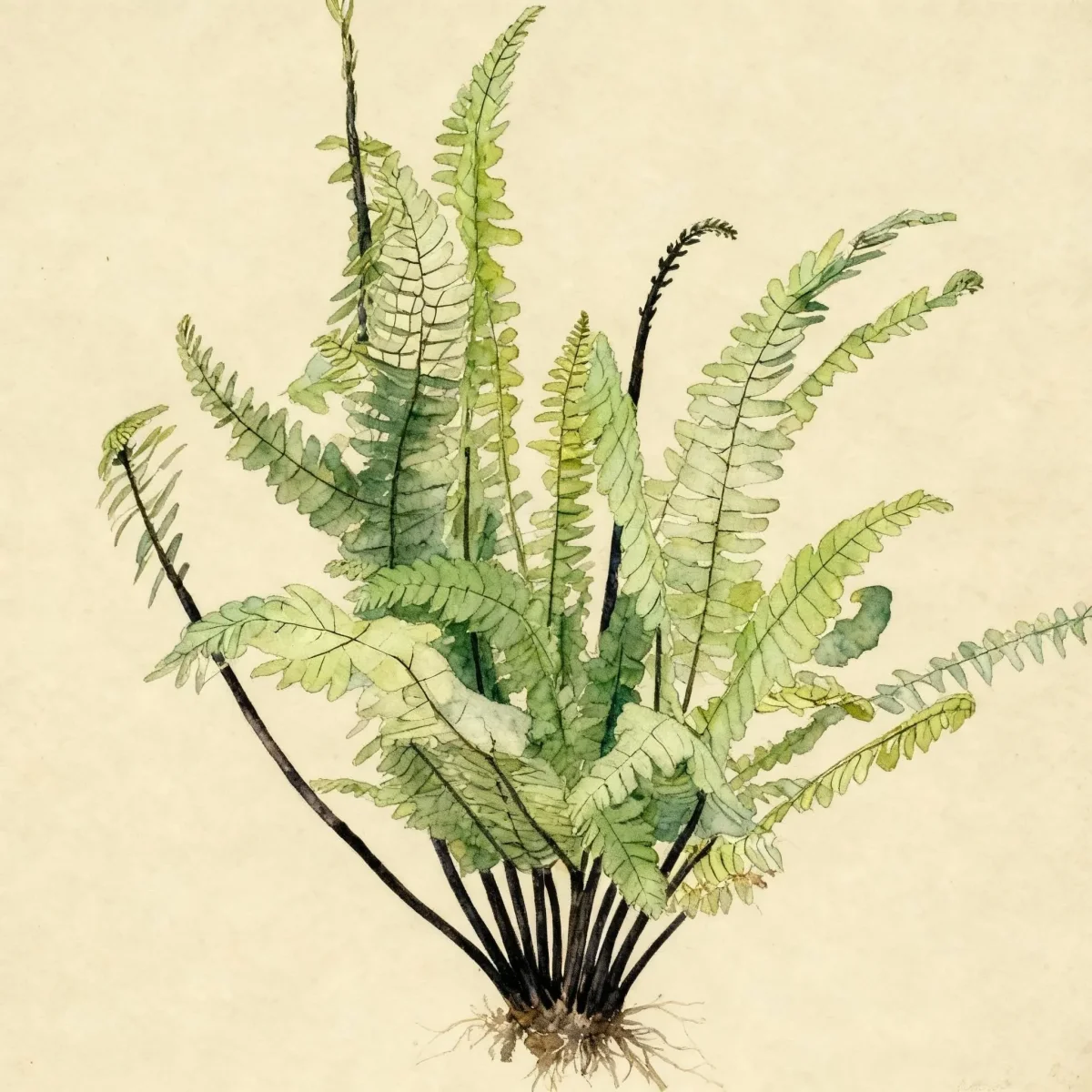
Ebony spleenwort (Asplenium platyneuron)
Discover the resilient Ebony spleenwort (Asplenium platyneuron). This evergreen fern thrives in dry, shady, rocky habitats, Zone 3-8.

Bloom Boldly, No Matter the Season - Sweatshirt
Cozy organic cotton sweatshirt featuring our exclusive Purple Coneflower design. Perfect for gardeners who bloom year-round.
Inspired by the beautiful Ebony spleenwort
Limited first batch (50) — join the waitlist for early access
Waitlist closes Feb 15, 2026.
Complete Plant Information
Field Guide Continues
Ready for care notes, companion picks, and planting tips?
The map is just the start. The full guide below covers growth habits, seasonal performance, and landscape uses.
Overview
The Ebony spleenwort, scientifically recognized as Asplenium platyneuron, is a distinguished evergreen fern valued for its ability to colonize tough, seemingly barren environments. Its visual appeal comes from arching, glossy, dark green sterile fronds contrasted by distinctively dark purplish-brown central stipes. This fern is particularly rewarding because it brings lush, traditional fern foliage to areas where many other plants struggle.
Asplenium platyneuron is native across parts of North America and Southern Africa, showcasing remarkable adaptability. Gardeners appreciate this plant for its tolerance of dry conditions once established, making it an excellent choice for challenging, low-moisture sites. It is a non-flowering perennial that reliably adds fine texture to shaded landscapes.
As a Missouri native, the Ebony spleenwort offers ecological benefits while requiring only medium maintenance. It thrives best when mimicking its natural habitat: rocky, well-drained soils that receive protection from the harshest afternoon sun. Planting Asplenium platyneuron appropriately ensures a long-lived, low-fuss addition to your garden tapestry.
Fast Facts
- Plant Family: Aspleniaceae
- Plant Type: Fern
- Native Range: Southern Africa, North America
- Hardiness Zones: USDA Zones 3-8
- Size at Maturity:
- Height: 0.5-1 ft
- Spread: 0.5-1 ft
- Bloom Time: Non-flowering
- Bloom Description: Non-flowering
- Sun Exposure: Part shade to full shade
- Water Needs: Dry to medium
- Maintenance Level: Medium
How to Grow
Planting the Ebony spleenwort is best accomplished in the spring or fall, ensuring the plant has time to establish roots before summer heat or winter freezes. Focus on location; this fern performs best in gritty, humusy soils that are dry to medium in moisture, provided drainage is excellent. If planting in heavier soil, amend heavily with coarse grit or sand to ensure air pockets remain for the root structure.
Ongoing care centers heavily on drainage and moisture management. Avoid overwatering, as Asplenium platyneuron is prone to crown rot in constantly saturated conditions. Once established, its drought tolerance allows for infrequent deep watering during dry spells, rather than shallow, frequent sprinkling. Fertilization is generally unnecessary; amending the soil with organic matter annually is usually sufficient to maintain vigor.
Because this plant favors rocky locations, careful site selection is key to reducing maintenance stress. Pruning is minimal, typically involving just removing any dead or damaged fronds during early spring cleanup. Ensure adequate protection from intense midday sun, especially in hotter climates, although this fern tolerates heavy shade conditions quite well.
Landscape Uses
The unique cultural requirements of Asplenium platyneuron make it an outstanding candidate for specialized landscape niches. It excels when planted in dryish, rocky areas where conventional perennials often fail to thrive. Consider integrating the Ebony spleenwort into rock gardens, utilizing its texture to soften sharp stone edges, or tucking it into natural rocky crevices where its roots can anchor securely.
For those building native plant gardens, this fern serves as an excellent groundcover or accent specimen beneath larger, dappled-canopy trees. It pairs beautifully with other shade-loving, gritty soil inhabitants like sedums, low-growing native grasses, or woodland geraniums that share similar dry tolerance. Use its dark green foliage to provide contrast against lighter-colored hardscaping materials. It is also successful when planted in woodland settings where ground disturbance is minimal.
Standout Features
Noteworthy Characteristics
Asplenium platyneuron, commonly called ebony spleenwort, is an evergreen Missouri native fern which typically grows to 15” tall and occurs on rocky wooded ledges, rocky slopes and mossy banks. It features arching, pinnate, somewhat glossy, dark green sterile fronds, complemented by erect fertile fronds. The genus name Asplenium references an ancient belief that certain species could treat issues of the spleen, from which the common name “spleenwort” is derived.
Tolerances
- Rabbit
- Drought
- Heavy Shade
Potential Problems
The Ebony spleenwort generally exhibits excellent resistance to serious insect pests and diseases, making it a reliable performer. The most significant threat comes from cultural issues, specifically poor soil drainage. Crown rot can become a significant problem if the planting area retains water or if the plant is overwatered, so ensure soils are gritty and well-drained. Slugs and snails may occasionally target new growth, requiring standard organic controls if damage becomes noticeable.
Management for crown rot involves simple preventative measures focused on soil amendment before planting. If rot occurs, improve drainage immediately around the affected plant or consider relocating the Asplenium platyneuron to a higher, drier spot in the garden the following season.
Frequently Asked Questions
What hardiness zones is Ebony spleenwort suitable for?
The Asplenium platyneuron is highly adaptable, thriving across USDA Zones 3 through 8.
How large does Ebony spleenwort grow?
This fern typically reaches a mature height between 0.5 and 1 foot tall, with a similar spread of 0.5 to 1 foot wide.
What sun exposure does Asplenium platyneuron need?
This species performs best in part shade but is notably tolerant of heavy shade conditions, provided moisture needs are met.
When does Asplenium platyneuron bloom?
As a fern, Asplenium platyneuron is non-flowering and reproduces via spores, not flowers or fruit.
Conclusion
The Ebony spleenwort (Asplenium platyneuron) offers exceptional architectural texture and resilience, establishing itself as a superior choice for dry, shaded, and rocky garden spots. Its evergreen nature ensures seasonal interest, making it a sturdy veteran in the fern line-up. Consult your local USDA Zone to ensure successful planting this season and prepare gritty, well-drained soil for the best results.
Companion Planting
When selecting neighbors for Asplenium platyneuron, prioritize plants that also prefer well-drained, slightly humusy soil and thrive in partial to full shade. Companion planting helps create cohesive woodland or rock garden vignettes that share similar cultural needs. Consider low-growing Hosta varieties that tolerate dryness, or use groundcovers like Wintergreen (Gaultheria procumbens) whose shallow roots do not compete aggressively near the fern crowns.
For height variation, pair the Ebony spleenwort with woodland Phlox (Phlox divaricata) or small Oakleaf Hydrangeas (Hydrangea quercifolia) positioned slightly further away where they receive dappled afternoon light. Companion plants that appreciate grit, such as certain varieties of Sedum or creeping Jenny (Lysimachia nummularia) in drier spots, work excellently to line borders around crevices where Asplenium platyneuron naturally establishes.
Seasonal Care Calendar
Spring is the optimal time for initial planting of the Ebony spleenwort, focusing on incorporating sharp grit and aged compost into the planting hole to ensure peak drainage before the growing season begins. Perform a light spring cleanup by removing any old, desiccated fronds from the previous year while watching carefully for pests like slugs feeding on new fiddleheads.
During the summer growing season, monitor moisture, particularly during severe droughts, but resist frequent overhead watering. If the plant is looking stressed by heat, supplement moisture deeply but infrequently, allowing the soil surface to dry out completely between waterings. Avoid high-nitrogen fertilization, which can encourage soft, weak growth susceptible to stress.
In autumn, the evergreen fronds of Asplenium platyneuron should generally be left intact to provide winter interest and protect the crown. Minimal care is required as winter approaches, especially in the northern portions of its hardiness range. In milder areas, ensure the plant is situated where it will receive adequate leaf drip or natural moisture without becoming waterlogged by winter rains.