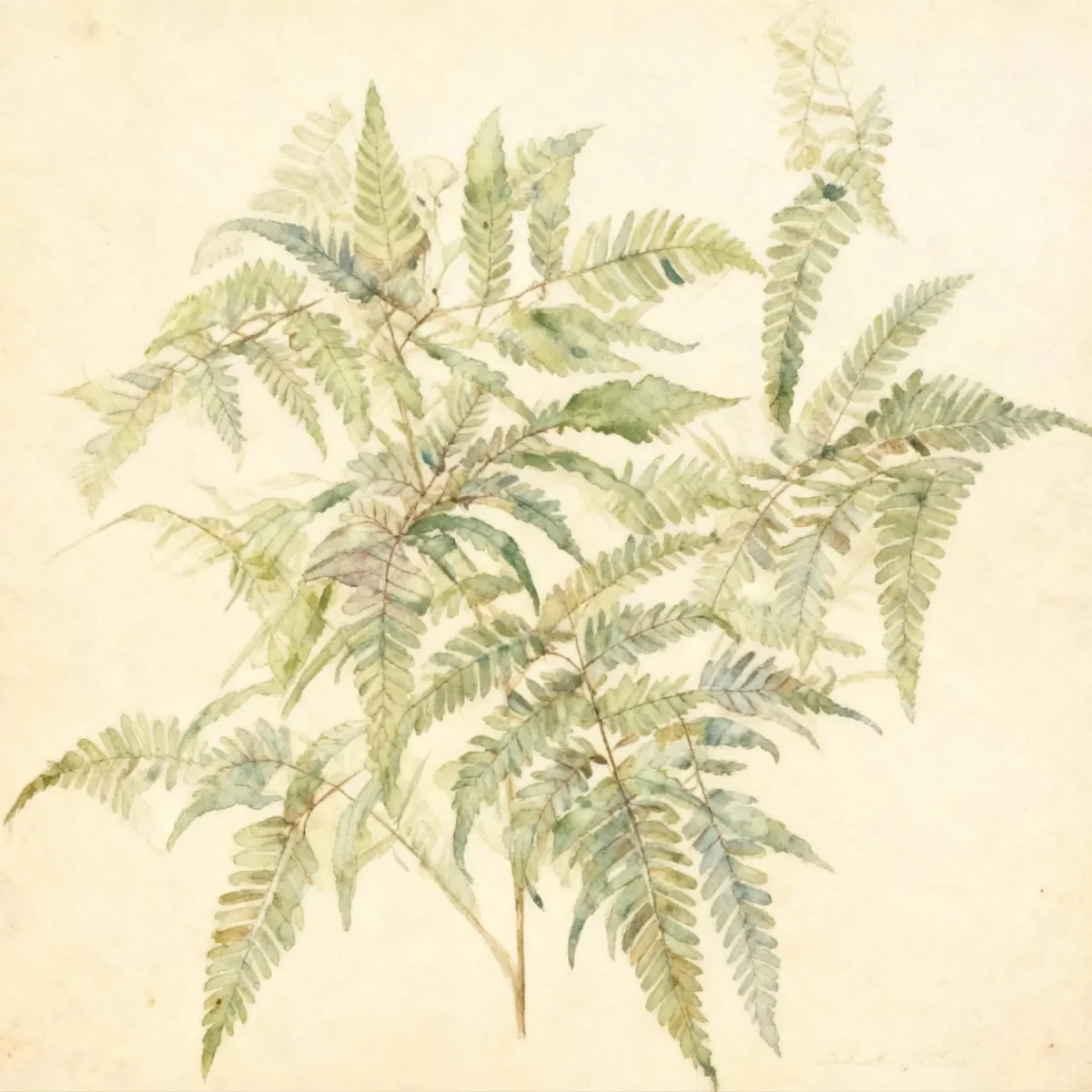
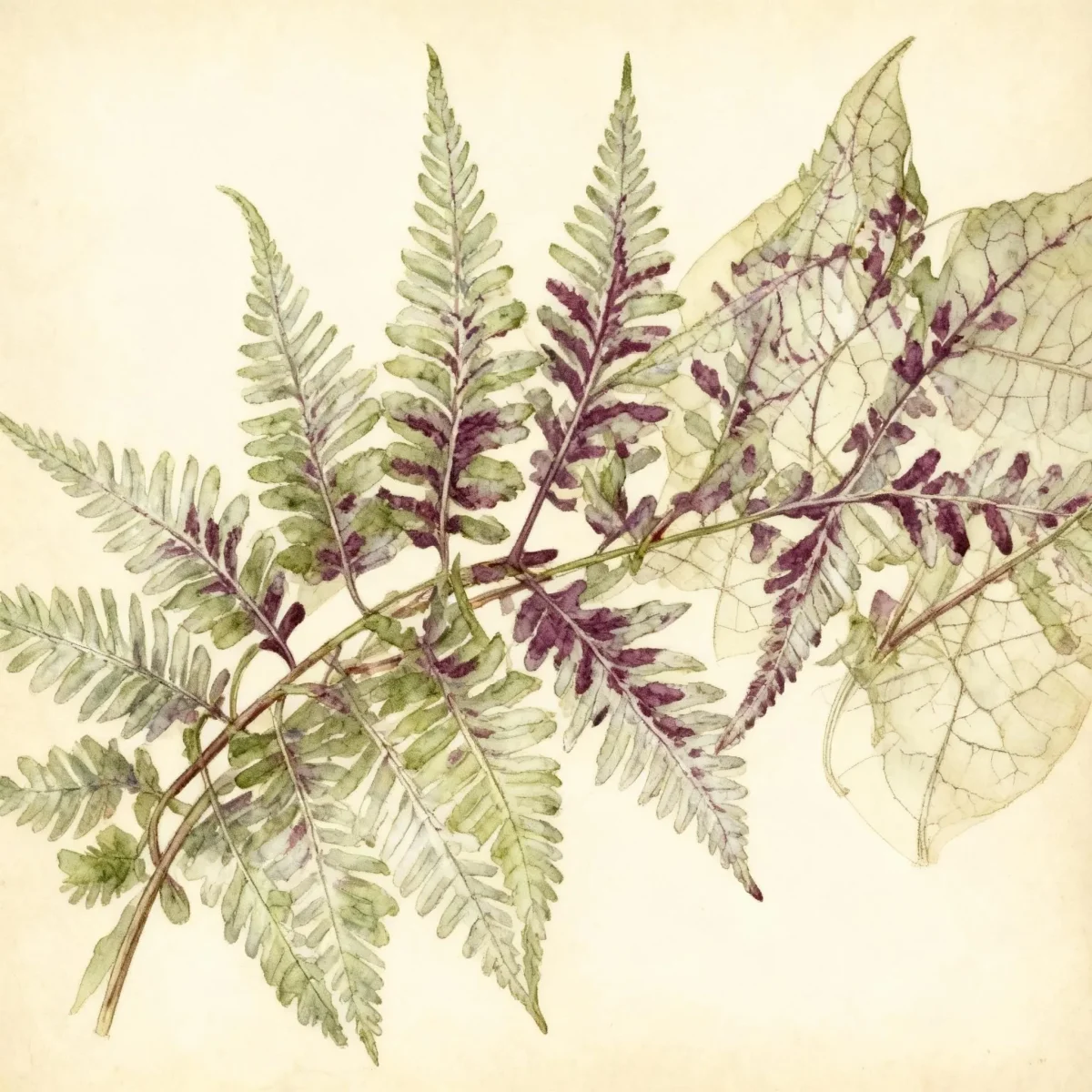
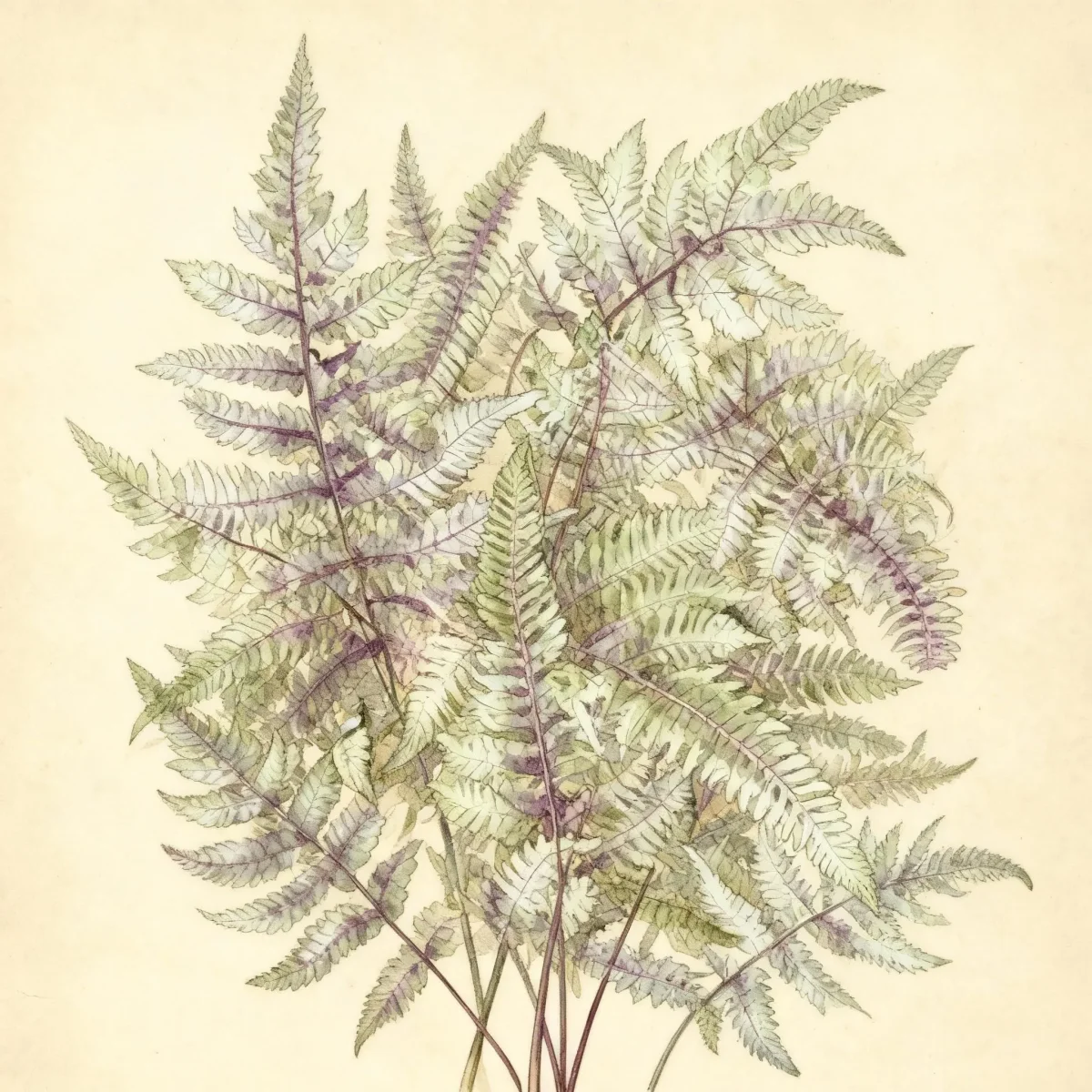
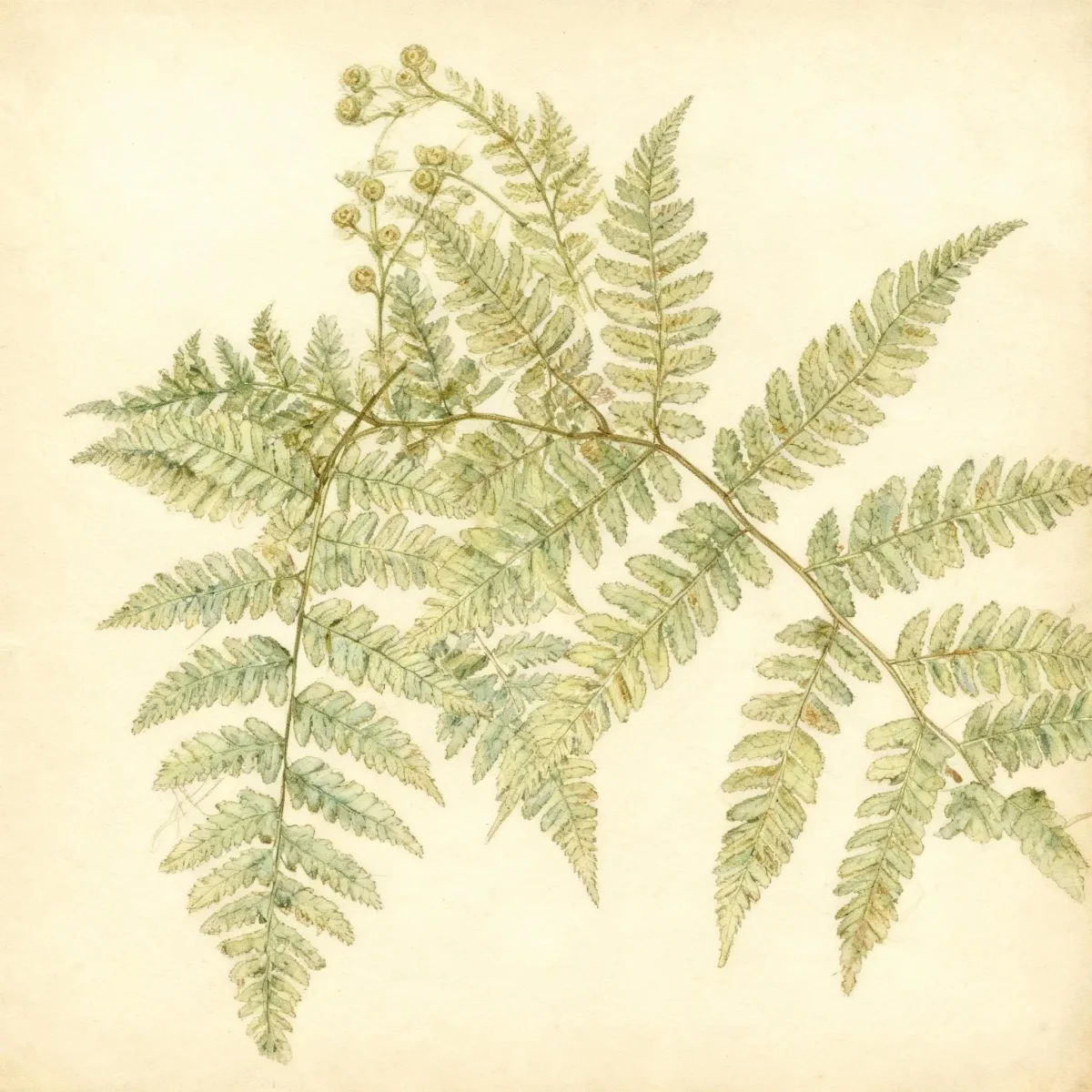
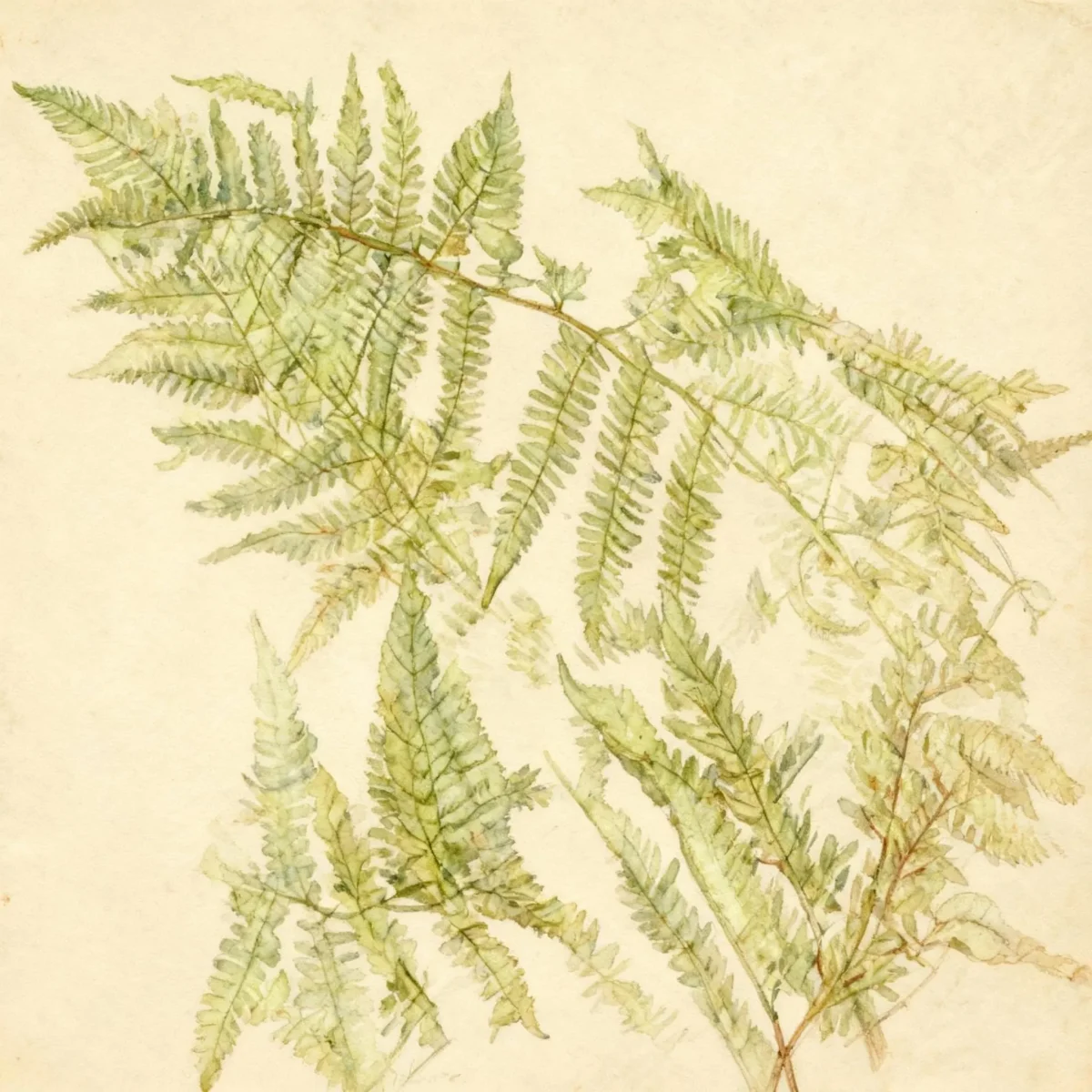
Japanese lady fern (Deparia petersenii)
Japanese lady fern (Deparia petersenii) is a deciduous fern offering attractive blackish-green fronds, suitable for shade gardens.
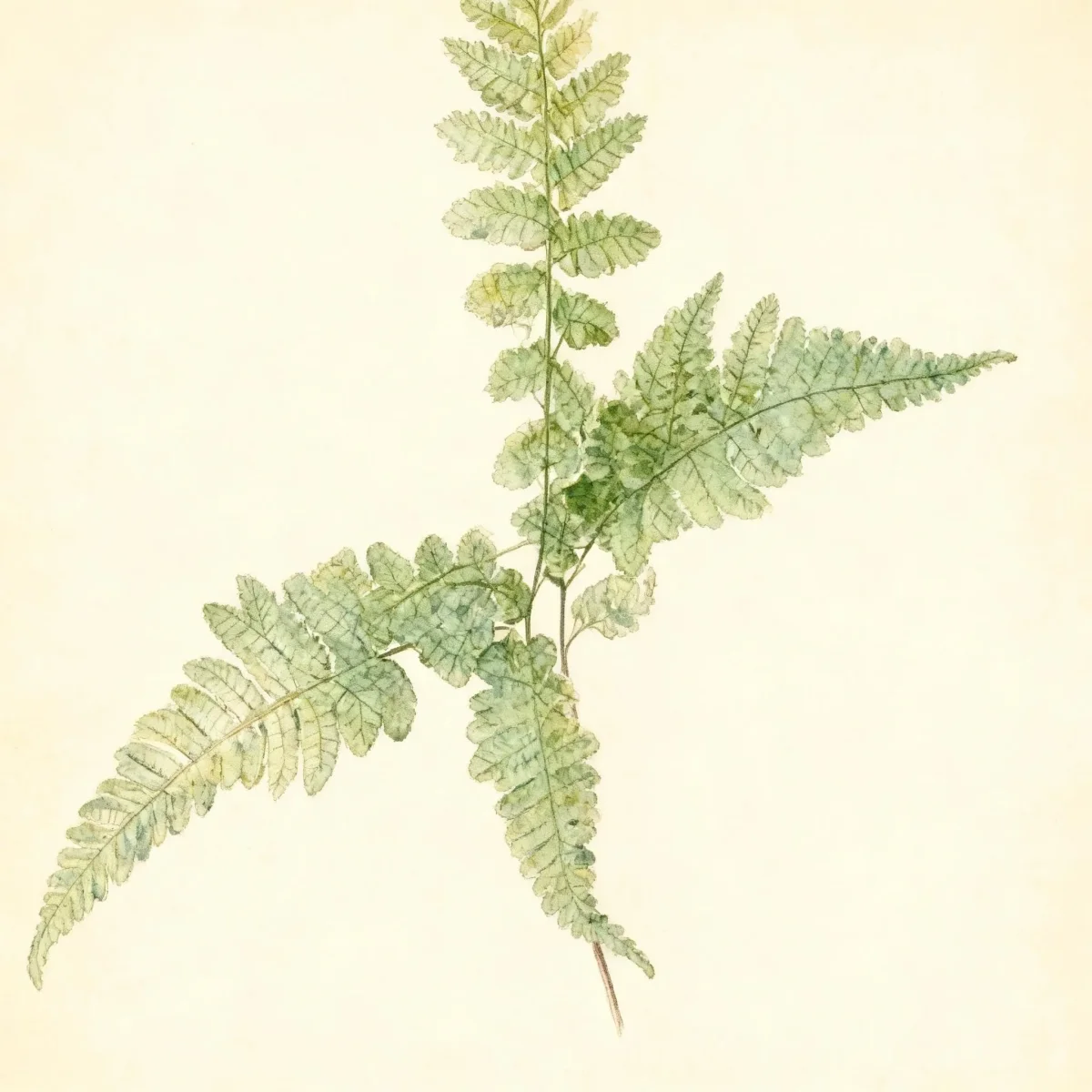

Bloom Boldly, No Matter the Season - Sweatshirt
Cozy organic cotton sweatshirt featuring our exclusive Purple Coneflower design. Perfect for gardeners who bloom year-round.
Inspired by the beautiful Japanese lady fern
Limited first batch (50) — join the waitlist for early access
Waitlist closes Feb 15, 2026.
Complete Plant Information
Field Guide Continues
Ready for care notes, companion picks, and planting tips?
The map is just the start. The full guide below covers growth habits, seasonal performance, and landscape uses.
Overview
The Deparia petersenii, widely known as the Japanese lady fern, is a striking deciduous fern valued for its handsome, architectural foliage. It brings rich texture to shady environments where many other plants struggle to thrive. Its key distinction lies in the attractive, upright-arching, triangular fronds that emerge with a dark, almost blackish-green hue.
This fern is relatively easy to incorporate into established landscapes, spreading slowly via creeping rhizomes, making it an excellent candidate for naturalized areas or woodland borders. While it is generally hardy, gardeners should pay attention to moisture levels, as this species requires consistently medium to wet soil conditions to maintain its lush appearance.
For gardeners seeking reliable shade texture, the Deparia petersenii delivers classic fern elegance without significant disease or pest pressure. Its unfurling fiddleheads appear later in the spring compared to many other fern varieties, adding sequential seasonal interest to the woodland garden.
Fast Facts
- Plant Family: Athyriaceae
- Plant Type: Fern
- Native Range: Southeastern Asia
- Hardiness Zones: USDA Zones 6-9
- Size at Maturity:
- Height: 1-2 ft
- Spread: 1-2 ft
- Bloom Time: Non-flowering
- Bloom Description: Non-flowering
- Sun Exposure: Part shade to full shade
- Water Needs: Medium to wet
- Maintenance Level: Medium
How to Grow
Optimal planting for the Japanese lady fern occurs in the spring or fall, ensuring the soil is well-amended before placing the plant. This fern thrives in average, rich, humusy soils, provided they maintain consistent moisture. Locate it where it receives protection from intense afternoon sun, favoring part shade to full shade locations under taller trees or on the north side of structures.
Watering is critical for successful cultivation; aim for medium to wet soil conditions year-round. Avoid allowing the soil to dry out completely, especially during warmer periods. While general fertilizing is often unnecessary in rich, humusy garden soil, consistent moisture mimics its natural habitat in Southeastern Asia.
As this is a deciduous fern, allow the fronds to die back naturally in the late season; consider leaving the dead foliage in place to act as a natural mulch through the winter. This dormant layer protects the crowns and contributes organic matter. Gardeners in Zone 5 or the cooler edges of Zone 6 should provide an extra layer of winter protection, as reliability can sometimes be an issue there.
Landscape Uses
The Deparia petersenii is perfectly suited for its suggested use in naturalizing large areas within a woodland setting. Its slow spread via rhizomes allows it to colonize edges and clearings gracefully over time, creating an authentic forest floor effect. Plant it en masse in broad drifts to maximize the visual impact of its dark, arching fronds.
This fern works beautifully alongside woodland companions that share similar moisture and light needs. Consider pairing the Japanese lady fern with Hosta varieties that feature contrasting light green or variegated foliage, or use spring ephemerals like native bloodroot or trillium that will finish their cycle before the larger fern canopy fully develops.
Grouping several plants together, rather than placing them singularly, emphasizes the textural qualities of the foliage in larger shade gardens or along slopes where perpetual moisture can be maintained.
Standout Features
Noteworthy Characteristics
Deparia petersenii, commonly called Japanese lady fern or black lady fern, is a deciduous fern which typically grows to 18” tall (occasionally to 24”) and as wide. It features attractive blackish-green, upright arching, triangular fronds, and its sori are arranged in a distinctive herringbone pattern on the undersides of the pinnae. Fiddleheads typically begin to unfurl later in the late spring. The genus name references the saucer-like indusium that covers the sori.
Tolerances
- Rabbit
Potential Problems
One of the primary concerns for cultivation, particularly in borderline hardy zones, relates to winter hardiness; specifically, winter hardiness in colder areas like the St. Louis area can be a concern. Perform a quick check of your local USDA zone against the 6-9 rating to anticipate potential overwintering issues. Otherwise, the Japanese lady fern is noted for having no serious insect or disease problems, making it a relatively low-fuss specimen once established in suitable, moist soil.
Frequently Asked Questions
What hardiness zones is Japanese lady fern suitable for?
The Deparia petersenii is reliably hardy in USDA Zones 6 through 9.
How large does Japanese lady fern grow?
This fern typically reaches a mature height between 1 and 2 feet tall, with a similar spread of 1 to 2 feet wide.
What sun exposure does Deparia petersenii need?
This plant requires part shade to full shade conditions for optimal growth.
When does Deparia petersenii bloom?
As a fern, Deparia petersenii is non-flowering.
Conclusion
The Japanese lady fern offers superb textural contrast and reliable year-round density for deeply shaded borders and woodland settings. Its handsome, dark green foliage makes Deparia petersenii an indispensable structural element in shade garden design. Before planting, ensure your site provides the necessary consistent moisture and verify that you are within its recommended hardiness range for best success.
Companion Planting
Choosing companions based on shared moisture requirements is the best strategy for integrating the Japanese lady fern into the garden. Plants requiring consistently moist, humus-rich soils will thrive alongside it. Consider native woodland flowers such as Jack-in-the-pulpit (Arisaema triphyllum) or wild ginger (Asarum canadense), which appreciate similar shade profiles.
Broadleaf evergreen groundcovers work well when planted densely around the base of the fern, helping to retain soil moisture near the shallow rhizomes of the Deparia petersenii. Low-growing ferns that unfurl earlier in the spring, such as Cinnamon Fern (Osmundastrum cinnamomeum), can hide any brief gaps left by the slightly later emergence of the Japanese lady fern’s fiddleheads.
Seasonal Care Calendar
Spring care centers on observing the slow unfurling of the fiddleheads and cleaning up any winter debris, though leaving some old fronds over winter is encouraged for insulation. Once fully leafed out, confirm soil moisture is appropriate—medium to wet—and water deeply if a dry spell occurs as the plant establishes its summer canopy.
Summer maintenance is primarily focused on vigilance regarding water needs, especially in hotter climates encroaching on Zone 6 boundaries. Avoid overhead watering if possible; direct irrigation to the base of the fronds to keep the rich soil consistently moist. No routine fertilizing is generally required if the soil is naturally rich.
As autumn arrives, cease heavy watering to begin preparing the plant for dormancy. Allow the foliage to senesce naturally. In late fall, resist the urge to tidy up entirely; leave the spent fronds as mulch, which naturally protects the crowns of the Deparia petersenii through the cold months.