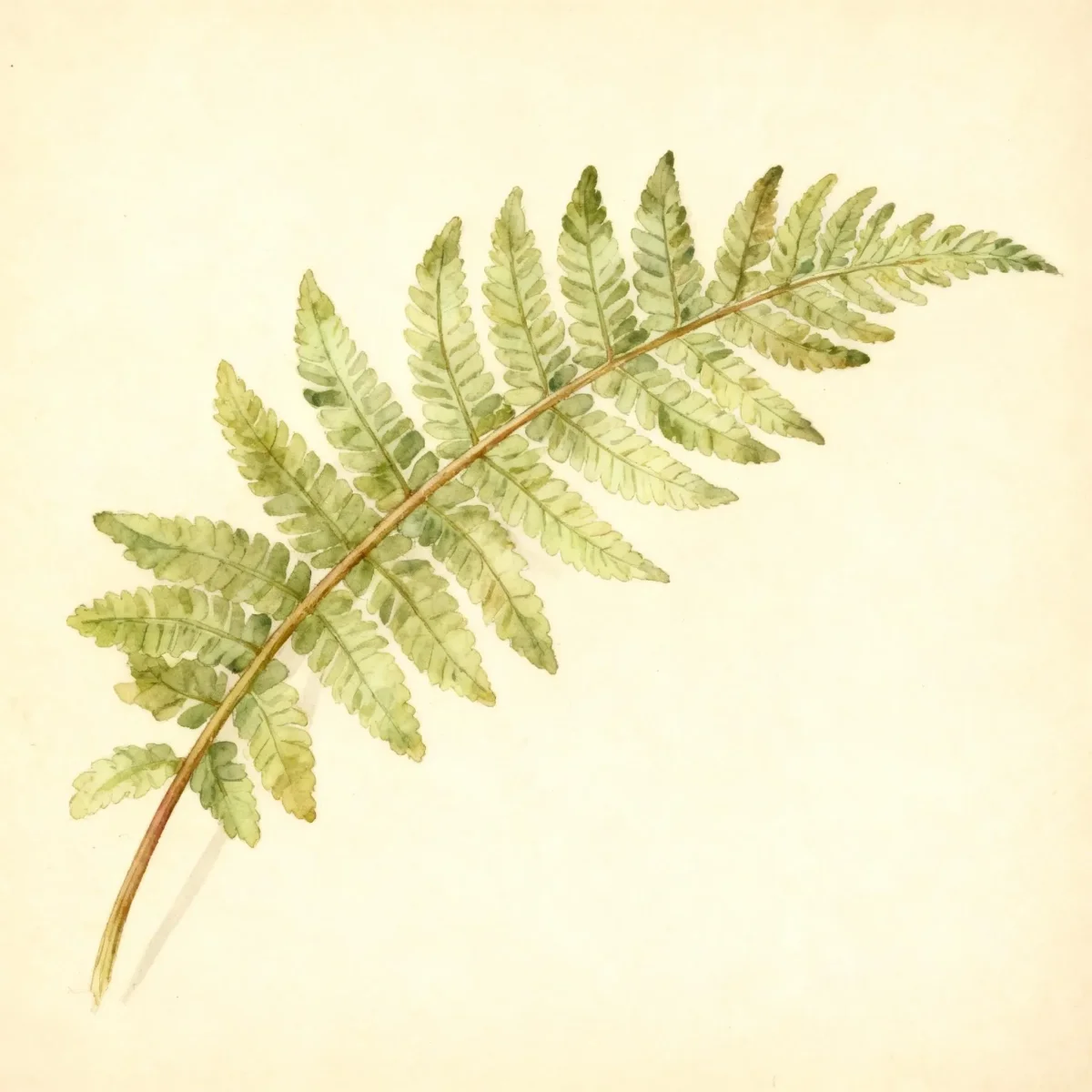
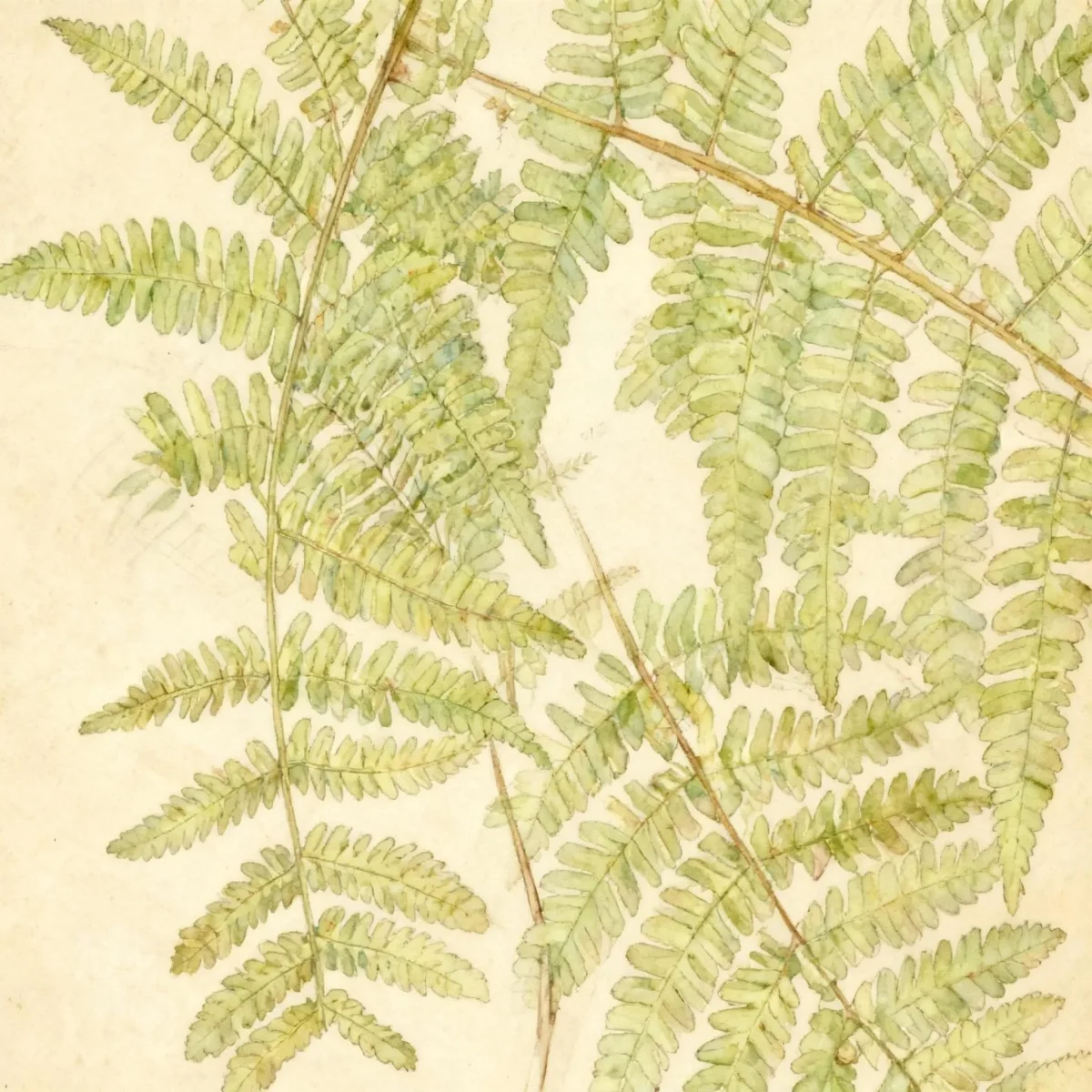
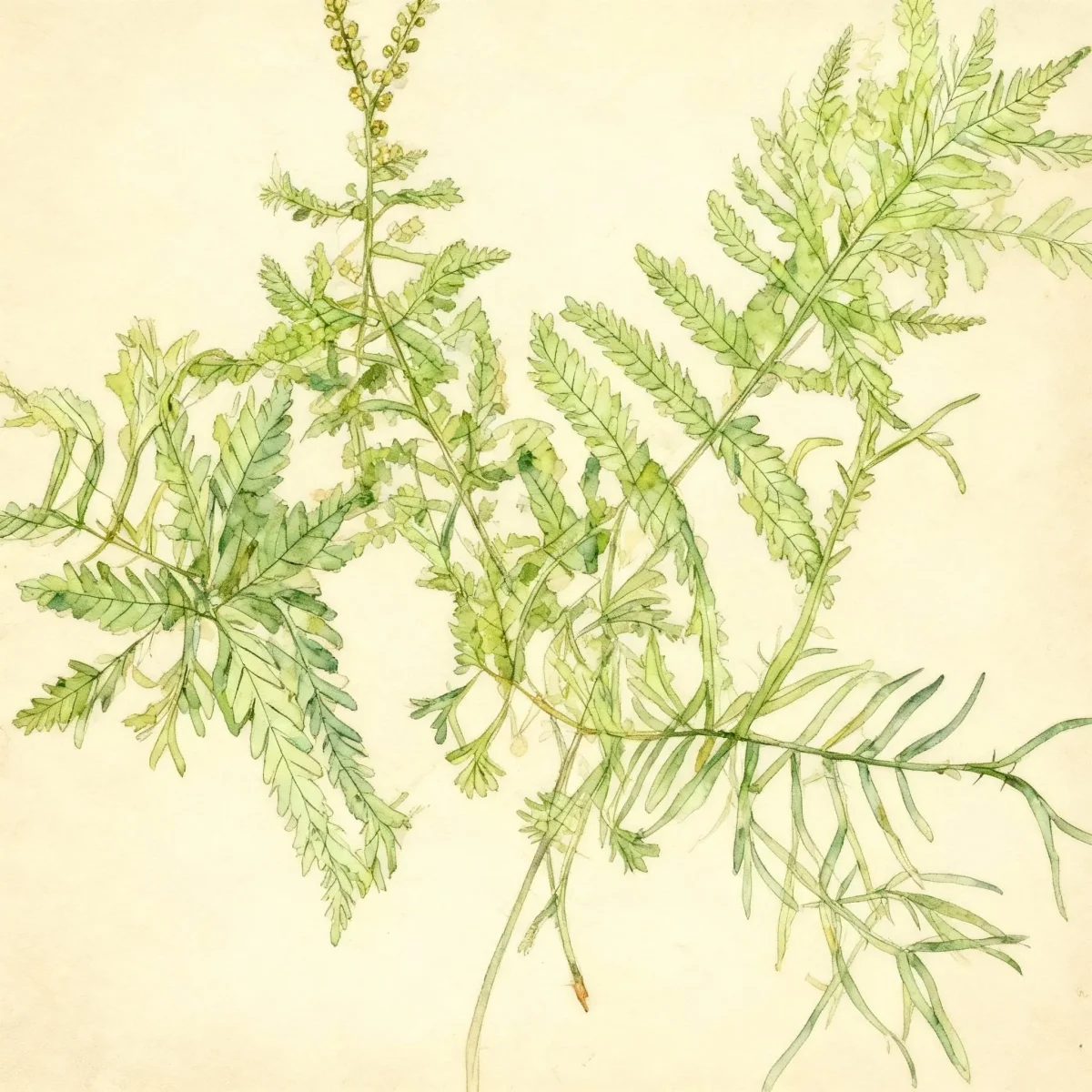
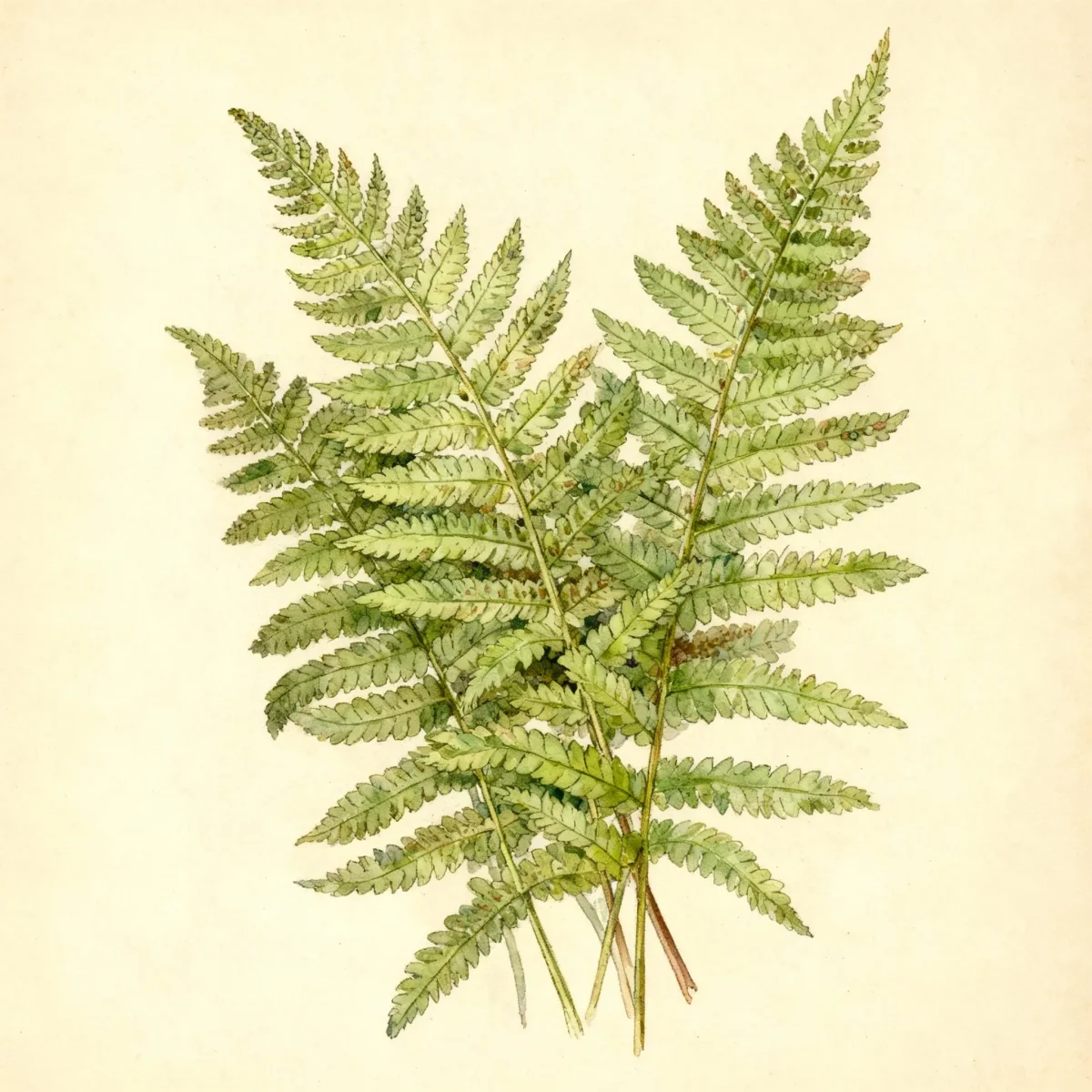
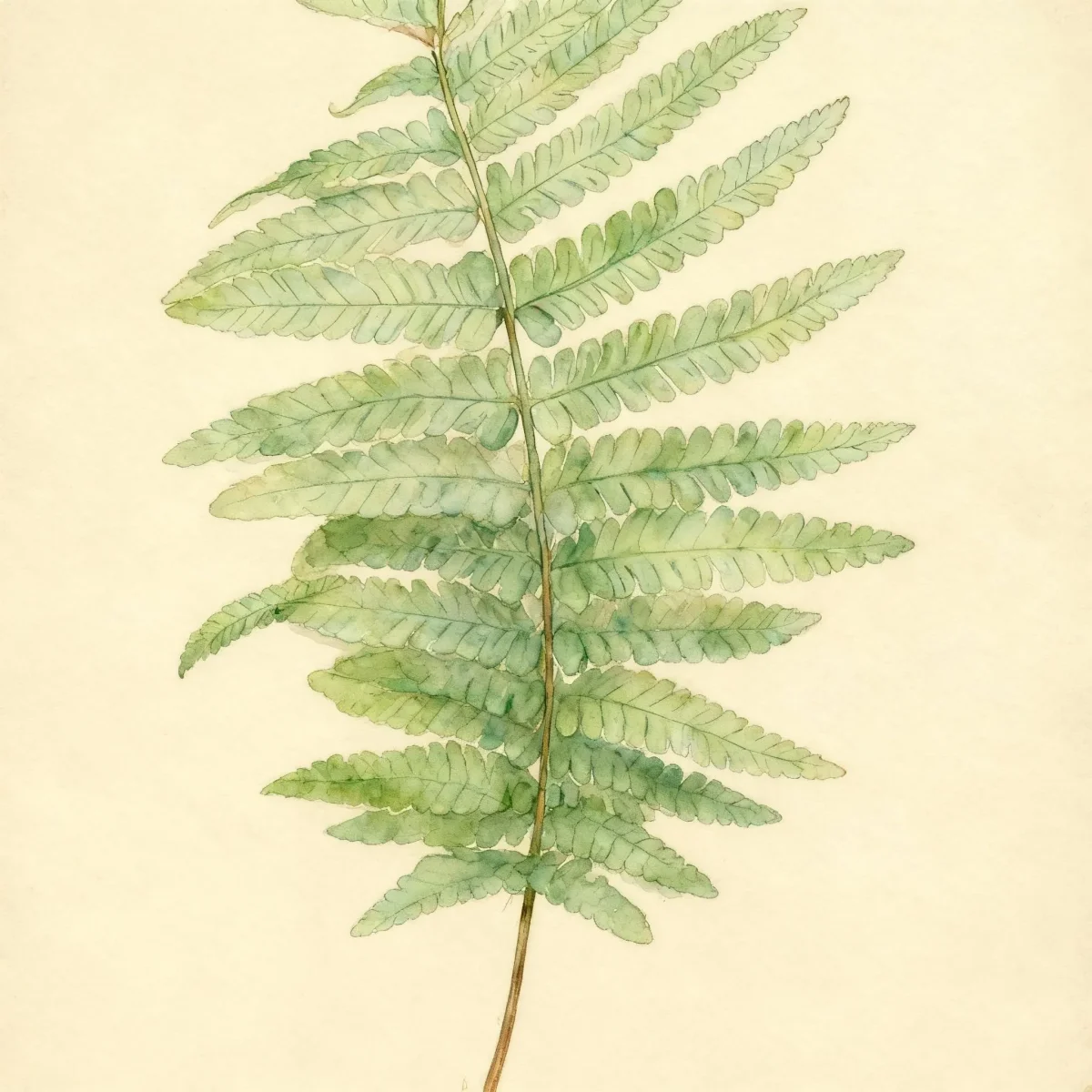
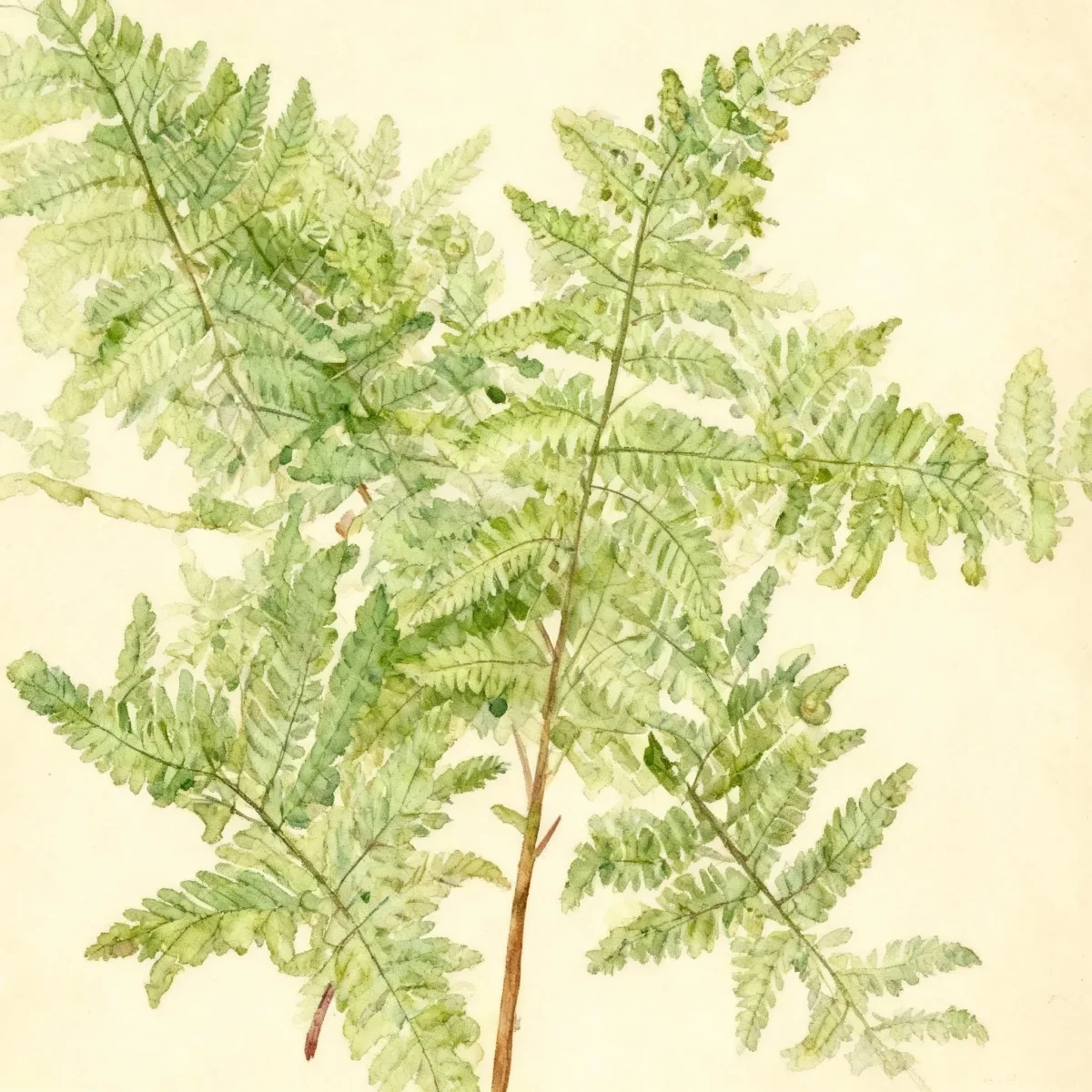
Wood fern (Dryopteris cycadina)
Dryopteris cycadina, the Wood fern, offers stiff, dark green fronds perfect for deep shade gardens. Low maintenance and rabbit resistant.

Bloom Boldly, No Matter the Season - Sweatshirt
Cozy organic cotton sweatshirt featuring our exclusive Purple Coneflower design. Perfect for gardeners who bloom year-round.
Inspired by the beautiful Wood fern
Limited first batch (50) — join the waitlist for early access
Waitlist closes Feb 15, 2026.
Complete Plant Information
Field Guide Continues
Ready for care notes, companion picks, and planting tips?
The map is just the start. The full guide below covers growth habits, seasonal performance, and landscape uses.
Overview
The Wood fern, scientifically known as Dryopteris cycadina, provides superb texture and deep green color to shaded garden spaces. Native to Asian forests, this Dryopteris species boasts stiff, leathery, upright fronds arranged in an attractive shuttlecock pattern, making it an exceptional architectural element in shade plantings. Gardeners appreciate this fern for its relatively low maintenance requirements and its resilience in consistently shaded environments.
This striking variety forms clumps that typically reach 1.5 to 3 feet tall and wide, maintaining visual interest throughout the season. Whether used as a woodland accent or as consistent edging, the Dryopteris cycadina offers structure where other foliage struggles. Its unique appearance, which resembles ancient cycads—hence the specific epithet—distinguishes it from more common wood ferns.
When sited correctly, the Wood fern thrives with minimal intervention. It prefers its soil rich in organic matter and consistently moist, ensuring it remains a reliable performer in the garden border or container. Look to the Dryopteris cycadina when designing dark corners that need sophisticated, reliable greenery.
Fast Facts
- Plant Family: Dryopteridaceae
- Plant Type: Fern
- Native Range: China, Japan, Korea, Taiwan
- Hardiness Zones: USDA Zones 5-8
- Size at Maturity:
- Height: 1.5-3 ft
- Spread: 1.5-3 ft
- Bloom Time: Non-flowering
- Bloom Description: Non-flowering
- Sun Exposure: Part shade to full shade
- Water Needs: Medium
- Maintenance Level: Low
How to Grow
Planting the Wood fern is best executed in spring or fall when temperatures are mild. Choose a location that receives part shade to full shade, ensuring the spot is protected from harsh, drying winds which can damage the delicate fronds. This species thrives best in average, well-drained soils, though it strongly prefers fertile, moist, humusy loams rich in organic matter.
Consistent moisture is key to maintaining healthy growth for Dryopteris cycadina. Do not allow the soil to dry out completely; aim for medium water needs to keep the root zone damp. While it tolerates high humidity, avoid heavy overhead watering patterns that might promote fungal issues unless air circulation is excellent. Fertilizing is rarely necessary if the soil is enriched with compost annually.
Seasonal cleanup is simple. In climates with mild winters, the fronds of the Wood fern may remain evergreen or semi-evergreen. However, where deciduous (such as colder zones), older fronds should be cleanly cut back in late winter just before the new growth begins to emerge from the rhizomes. Propagation is easily achieved through simple division of established clumps or by collecting and sowing spores.
Landscape Uses
The elegant form of the Wood fern makes it highly versatile across various shade garden designs. It serves as an excellent anchor plant in woodland settings, complementing the dappled light beneath mature trees. Consider massing several clumps together to create a lush, textural carpet in deep shade where lawn grasses fail.
Beyond woodland applications, the Dryopteris cycadina performs well in structured settings. Its upright habit fits beautifully along shaded retaining walls or bordering the north side of buildings. Additionally, it can be successfully grown in containers, allowing gardeners to place this fine North Asian fern precisely where its texture is most needed, perhaps alongside hostas or bleeding hearts.
For borders, use the Wood fern as a mid-layer specimen; its stiff structure contrasts nicely with softer, mounding groundcovers. Its tolerance for heavy shade ensures that it will maintain its dark green color even in the darkest recesses of your landscape plan.
Standout Features
Noteworthy Characteristics
Dryopteris cycadina, commonly called Wood fern or shaggy wood fern, is native to mountain slopes (usually in forests) in northern India, China, Taiwan and Japan. This is a semi-evergreen to deciduous, vase-shaped fern with short creeping rhizomes. Its appearance is distinct due to the stiff, leathery, upright, dark green fronds whose stipes and rachis are covered with black hair-like scales, contrasting sharply with the green leaflets.
Tolerances
- Rabbit
- Heavy Shade
Potential Problems
This Wood fern generally exhibits notable resistance to common garden pests and diseases. Serious insect or disease problems are rare when the plant is sited according to its cultural needs. Ensure good air circulation and avoid overly soggy soil conditions to prevent potential root issues, although its primary environmental challenge involves maintaining consistent moisture.
Frequently Asked Questions
What hardiness zones is Wood fern suitable for?
The Dryopteris cycadina is reliably hardy in USDA Zones 5 through 8.
How large does Dryopteris cycadina grow?
This species typically matures to a height and spread between 1.5 and 3 feet.
What sun exposure does Wood fern need?
This fern requires filtered light, thriving best in part shade to full shade conditions.
When does Wood fern bloom?
The Wood fern is non-flowering, as is typical for ferns, reproducing via spores.
Conclusion
The Dryopteris cycadina provides an invaluable structural element for shaded landscapes, offering dense, dark green texture with relatively low maintenance demands. If you are seeking a dramatic, architectural presence for woodland or border edge planting, this Wood fern is an excellent choice. Always confirm your growing site offers rich, moist soil before planting this beautiful native of East Asia.
Companion Planting
Selecting appropriate companions enhances the visual appeal and cultural compatibility for Dryopteris cycadina. Since this fern requires consistent moisture and shade, pair it with plants that share these demanding environments. Hostas are classic companions, particularly those with blue or variegated foliage that contrasts sharply with the rigid, dark green fronds of the Wood fern.
Additionally, consider pairing it with woodland ephemerals or other fine-textured ferns. Astilbes or certain shade-tolerant Primulas look wonderful planted slightly in front of Dryopteris cycadina, providing seasonal flowers against its enduring green backdrop. Groupings of three or five create naturalistic drifts that look cohesive under tree canopies.
Ensure that companions do not aggressively out-compete the fern for moisture or nutrients. Plants with shallower root systems or those that prefer similar humus-rich soil are ideal partners. This careful selection ensures the Dryopteris cycadina remains a vibrant part of your shade garden for years to come.
Seasonal Care Calendar
Spring is the optimal time for assessing the winter condition of your Wood fern. If the old fronds were deciduous, cut them back to the ground before new fiddleheads emerge, allowing fresh growth to display cleanly. Incorporate a generous layer of compost around the base immediately after cleanup to replenish soil organic matter.
During the summer heat, focus intently on watering. While the fern is rated as medium water need, remember that during dry spells, especially in raised beds or containers, supplemental watering may be required to keep the soil medium consistently moist for the Dryopteris cycadina. Pay attention to wind exposure areas where evaporation rates are higher.
Autumn requires little active work, though you can apply a light mulch of shredded leaves to protect winterizing roots without smothering the crown. In late fall, allow fallen leaf litter to remain near the base; this acts as a natural insulator and breaks down into the rich organic material the Dryopteris cycadina prefers.