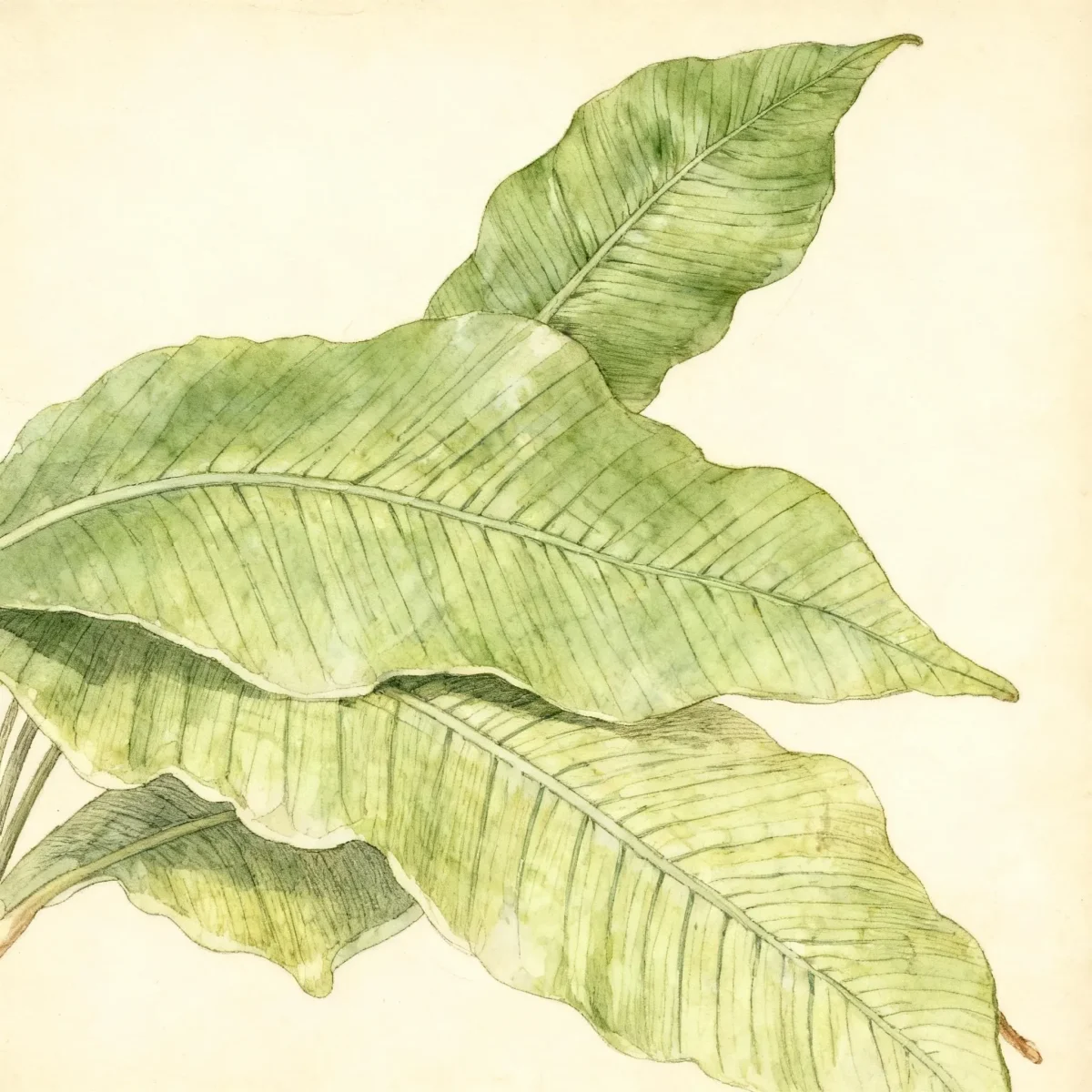
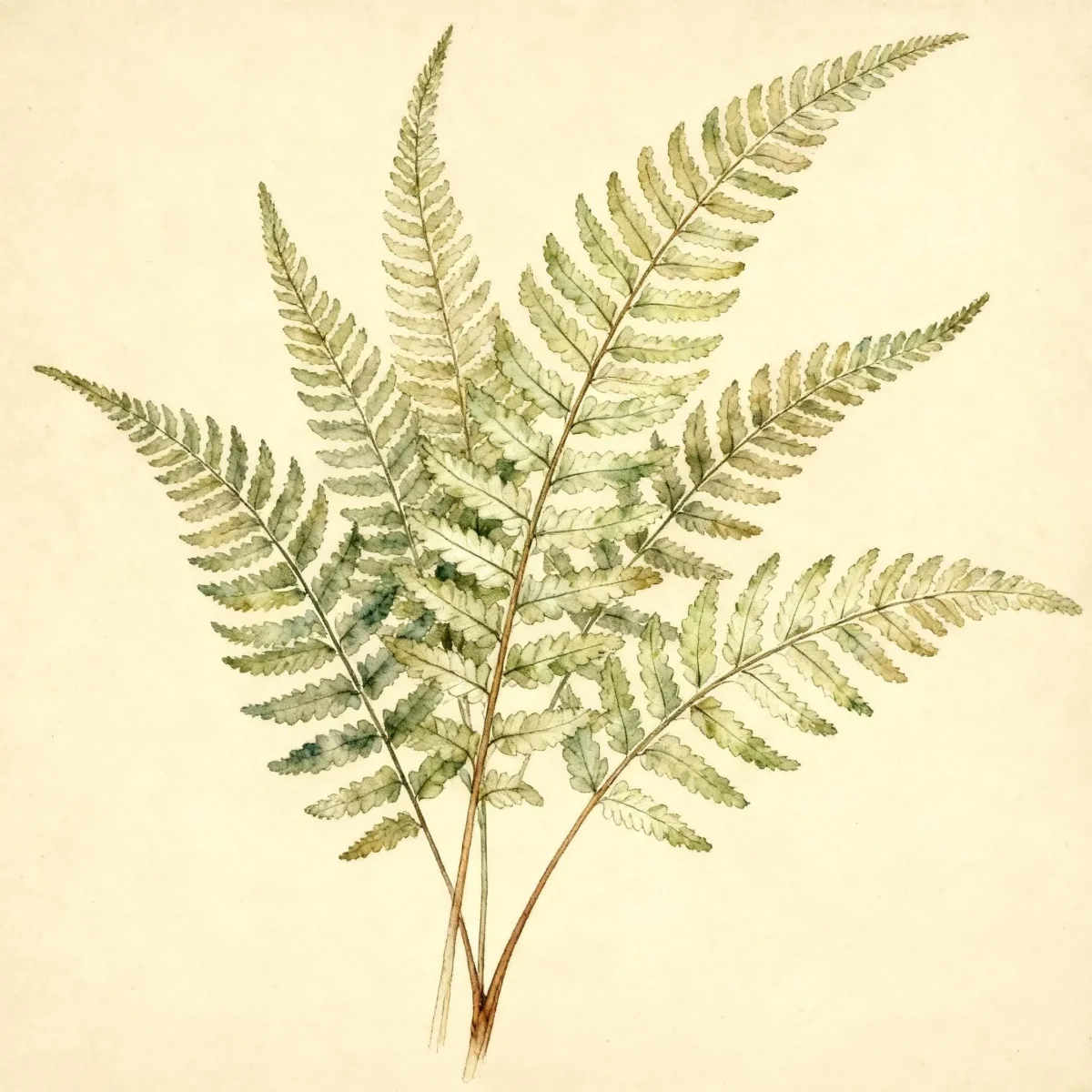
Hare's foot fern (Davallia canariensis)
Discover the unique Hare's foot fern (Davallia canariensis). This epiphytic evergreen displays fuzzy rhizomes, ideal for hanging baskets in warm, shady spots.

Bloom Boldly, No Matter the Season - Sweatshirt
Cozy organic cotton sweatshirt featuring our exclusive Purple Coneflower design. Perfect for gardeners who bloom year-round.
Inspired by the beautiful Hare's foot fern
Limited first batch (50) — join the waitlist for early access
Waitlist closes Feb 15, 2026.
Complete Plant Information
Field Guide Continues
Ready for care notes, companion picks, and planting tips?
The map is just the start. The full guide below covers growth habits, seasonal performance, and landscape uses.
Overview
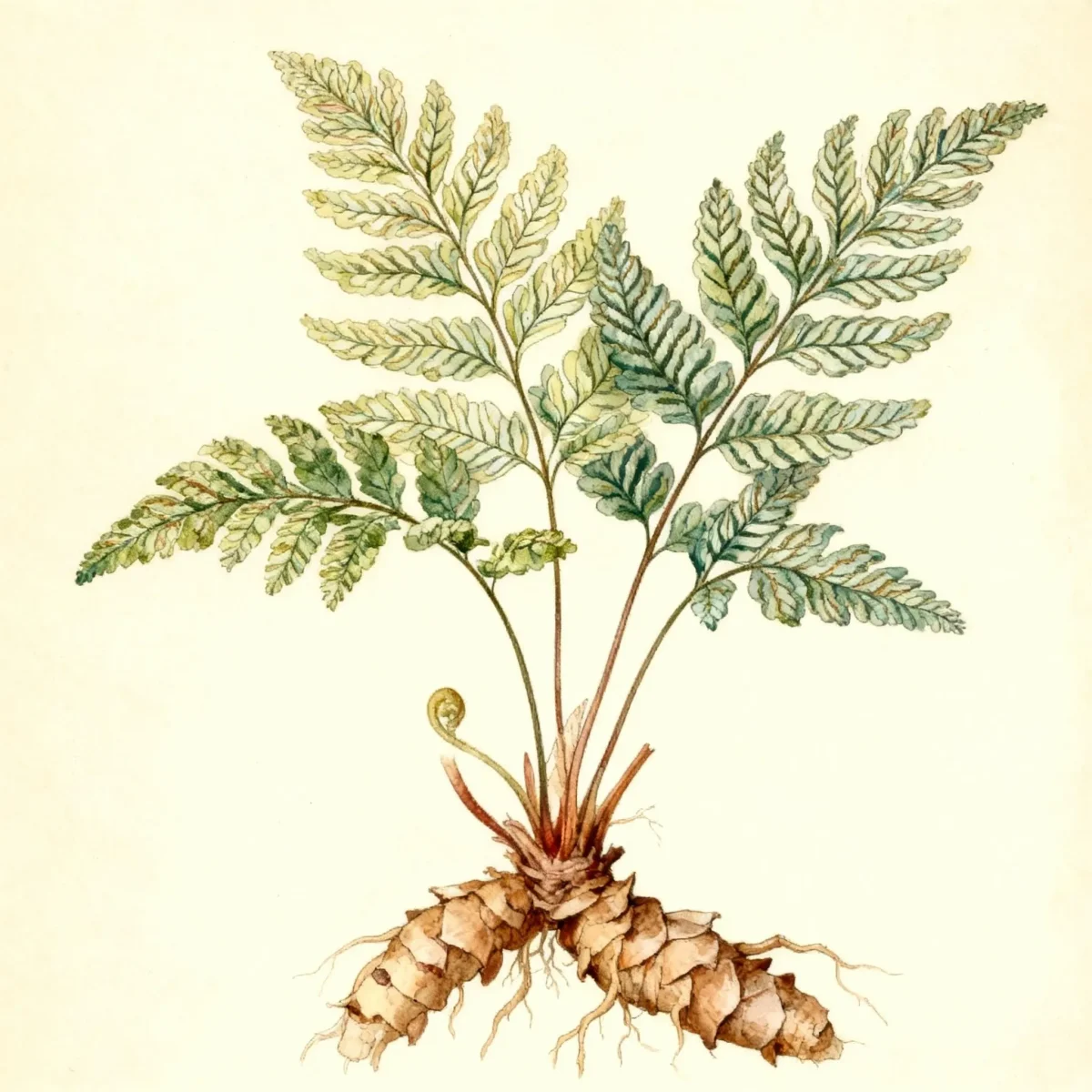
The Hare’s foot fern, scientifically known as Davallia canariensis, is a highly distinctive evergreen fern prized for its unique, fuzzy creeping rhizomes that truly resemble animal feet. These brown, scaly structures are the hallmark of this plant, often cascading attractively over the edges of containers. Native to the Western Mediterranean and the Atlantic Islands, this species is best treated as a tender tropical or reliable houseplant in most temperate climates.
As an epiphyte in its natural habitat, Davallia canariensis thrives when its roots are exposed or mounted, mimicking growth on tree bark or rocky surfaces. Gardeners value its lush, triangular fronds, which contrast beautifully with the tactile texture of the rhizomes. Successful cultivation hinges on providing consistent moisture, high humidity, and protection from harsh conditions.
This species offers year-round greenery, making the Hare’s foot fern an excellent choice for adding exotic texture indoors or in sheltered, warm outdoor spaces within its narrow hardiness range. Understanding its epiphytic nature leads directly to better long-term success with this fascinating Davallia canariensis.
Fast Facts
- Plant Family: Davalliaceae
- Plant Type: Fern
- Native Range: Western Mediterranean to Atlantic Islands
- Hardiness Zones: USDA Zones 10-11
- Size at Maturity:
- Height: 0.75-1.5 ft
- Spread: 1-2 ft
- Bloom Time: Non-flowering
- Bloom Description: Non-flowering
- Sun Exposure: Part shade to full shade
- Water Needs: Medium
- Maintenance Level: Medium
How to Grow
For gardeners in USDA Zones 10 and 11, Davallia canariensis should be planted where the soil is moist, rich in organic matter, and exceptionally well-drained. It thrives when provided with substrates containing coarse elements like sharp sand, bark, charcoal, or pine needles to ensure aeration around the rhizomes. Bright indirect light is essential; absolutely avoid direct, intense sunlight, as this will scorch the delicate fronds of this shade-loving fern.
Watering must be consistent, especially during the active growing season, and frequent misting is highly beneficial to maintain the tropical humidity that Davallia canariensis requires. While watering should be regular, slightly reduce the frequency during the transition from fall into late winter. Critically, never allow the creeping rhizomes to dry out, as they are vital for water and nutrient absorption.
As a houseplant, this fern excels in hanging baskets placed near north or east-facing windows, providing the bright shade it prefers. Management involves infrequent division of the rhizomes, as the creeping habit is desirable; propagation is usually achieved this way or via spores. Remember, this tropical plant is intolerant of frost and requires minimum winter temperatures above 50°F. Avoid excessive fertilization to maintain overall plant health.
Landscape Uses
The primary landscape contribution of the Hare’s foot fern is its superb suitability for container culture, particularly when utilizing hanging baskets or shallow pots where the rhizomes can sprawl. Indoors, it functions perfectly as a potted houseplant, allowing the fuzzy fronds and creeping structures to cascade dramatically over the container edge, creating a dynamic focal point.
When planting outdoors in suitable warm climates (Zones 10-11), consider pairing Davallia canariensis with other moisture-loving, shade-tolerant plants such as tropical Calatheas, certain Orchids (if mounted), or fine-textured Hostas beneath a canopy. Its unique texture contrasts wonderfully with broadleaf evergreens or glossy foliage plants.
For an authentic look, mount the Davallia canariensis onto a piece of cork bark or driftwood, replicating its natural growth habit on a tree trunk. This high-humidity environment encourages the most vigorous rhizome development, living up to the common name, Hare’s foot fern.
Standout Features
Noteworthy Characteristics
Davallia canariensis, commonly known as hare’s foot fern, Canary Island hare’s foot fern, or deer’s foot fern, is an epiphytic evergreen fern with triangular fronds that spread to as much as 20 inches long on brown scaly-covered rhizomes covered with a fine mat of hairs. This fern is native to the western Mediterranean from southwestern Europe to Northwestern Africa and west in the Atlantic Ocean to the Canary Islands off Morocco. In the wild, it grows well on tree bark or along rocky surfaces, making it an excellent choice for mounting.
Tolerances
- Totally intolerant of frost
Potential Problems
Pest management is crucial for keeping your Davallia canariensis healthy and vibrant. Common intruders include scale insects, aphids, mealybugs, and whiteflies, which are often attracted to tropical plants kept indoors. Regular inspection of the undersides of the fronds and on the rhizomes is necessary for early detection.
Fungal issues such as Botrytis (gray mold) and aerial blights can occur, usually resulting from stagnant air circulation or overly saturated conditions, particularly during cooler periods or high humidity nights. Ensure adequate airflow around the foliage and avoid overhead watering late in the day to minimize moisture stress associated with these diseases.
Frequently Asked Questions
What hardiness zones is Hare’s foot fern suitable for?
The Hare’s foot fern (Davallia canariensis) is hardy in USDA Zones 10 and 11, thriving only where frost is not expected.
How large does Davallia canariensis grow?
This fern typically reaches a mature height between 0.75 and 1.5 feet tall, spreading out between 1 and 2 feet wide.
What sun exposure does Davallia canariensis need?
Davallia canariensis requires a location offering part shade to full shade protection; direct sunlight must be strictly avoided.
When does Hare’s foot fern bloom?
This plant is non-flowering, as is typical for ferns, reproducing instead via spores or rhizome division.
Conclusion
The Hare’s foot fern (Davallia canariensis) offers unique aesthetic value through its striking, velvety rhizomes, making it a standout specimen in any collection of shade-loving foliage. Its requirements for high humidity and well-drained media reflect its epiphytic origins, making it an ideal hanging basket curiosity. Before planting, confirm you can meet its tropical humidity preferences and protect it from cold, thereby ensuring a stunning display of this fascinating fern.
Companion Planting
When situating Davallia canariensis outdoors in Zones 10-11, select companions that appreciate similar shade and moisture levels. Consider pairing it with other moisture-loving ferns like Maidenhair ferns (Adiantum) or Bird’s Nest ferns (Asplenium), provided they are not competing aggressively for the same root space in the ground.
For container groupings, focus on plants with contrasting leaf textures that thrive in bright shade. Calatheas, Stromanthe, or shade-loving tuberous Begonias provide excellent visual balance against the fine texture of the Hare’s foot fern fronds. Ensure that any companion planting utilizes separate, well-drained potting mixes appropriate for each species’ needs.
Design Ideas for Indoor Culture
Growing Davallia canariensis indoors allows for creative display, leveraging the creeping root structure. Hanging baskets are the quintessential application, allowing the rhizomes to spill over the sides as they naturally trail. Use shallow, wide baskets rather than deep ones to encourage this horizontal sprawl across the surface medium.
Consider mounting the plant onto slabs of tree fern fiber or cork bark. This technique, common for epiphytes, supports the plant vertically while mimicking its native environment and allowing air and moisture to move freely around the fuzzy feet. Place mounted specimens near a humidifier or in a consistently wet environment, such as a terrarium display (though ensure ventilation remains adequate).