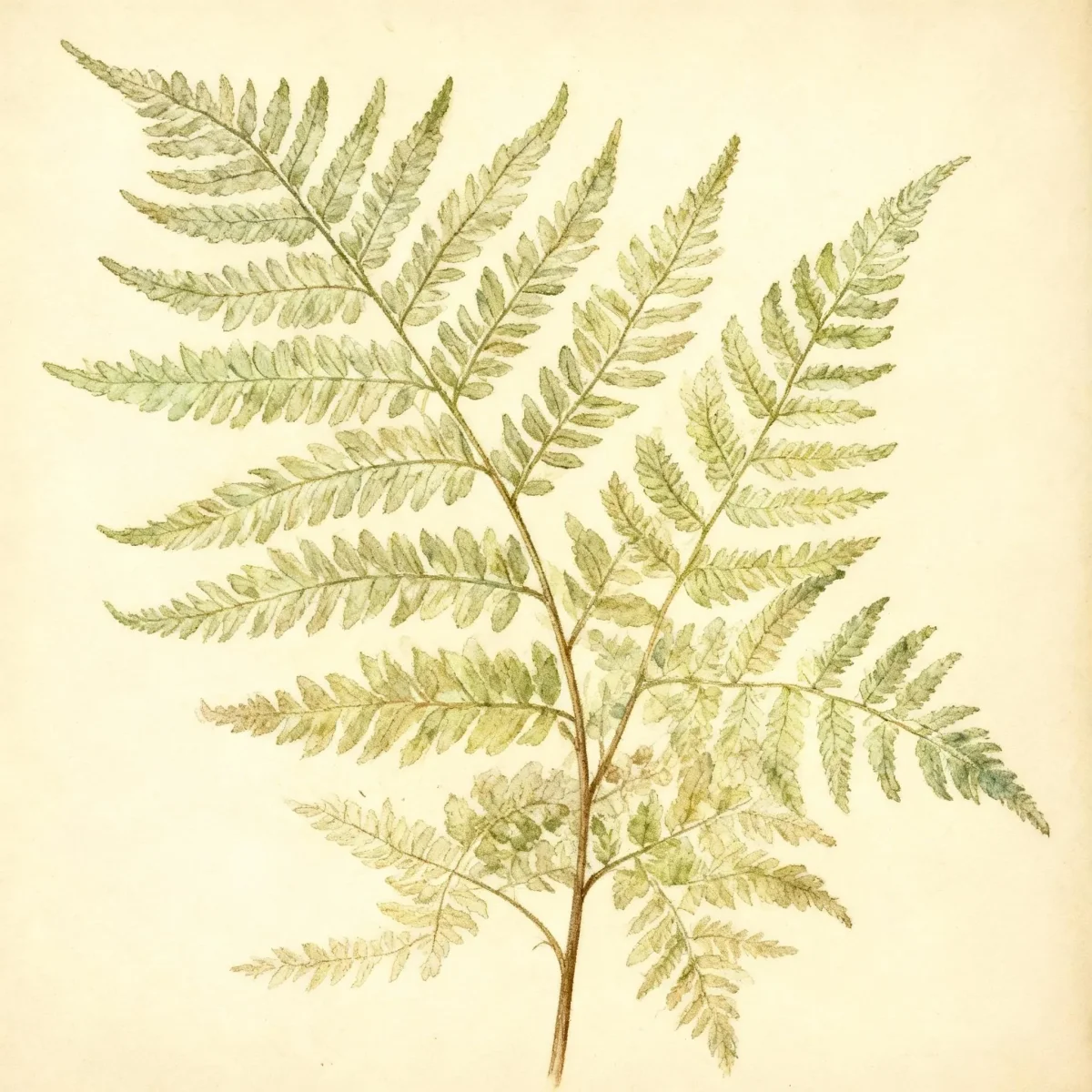
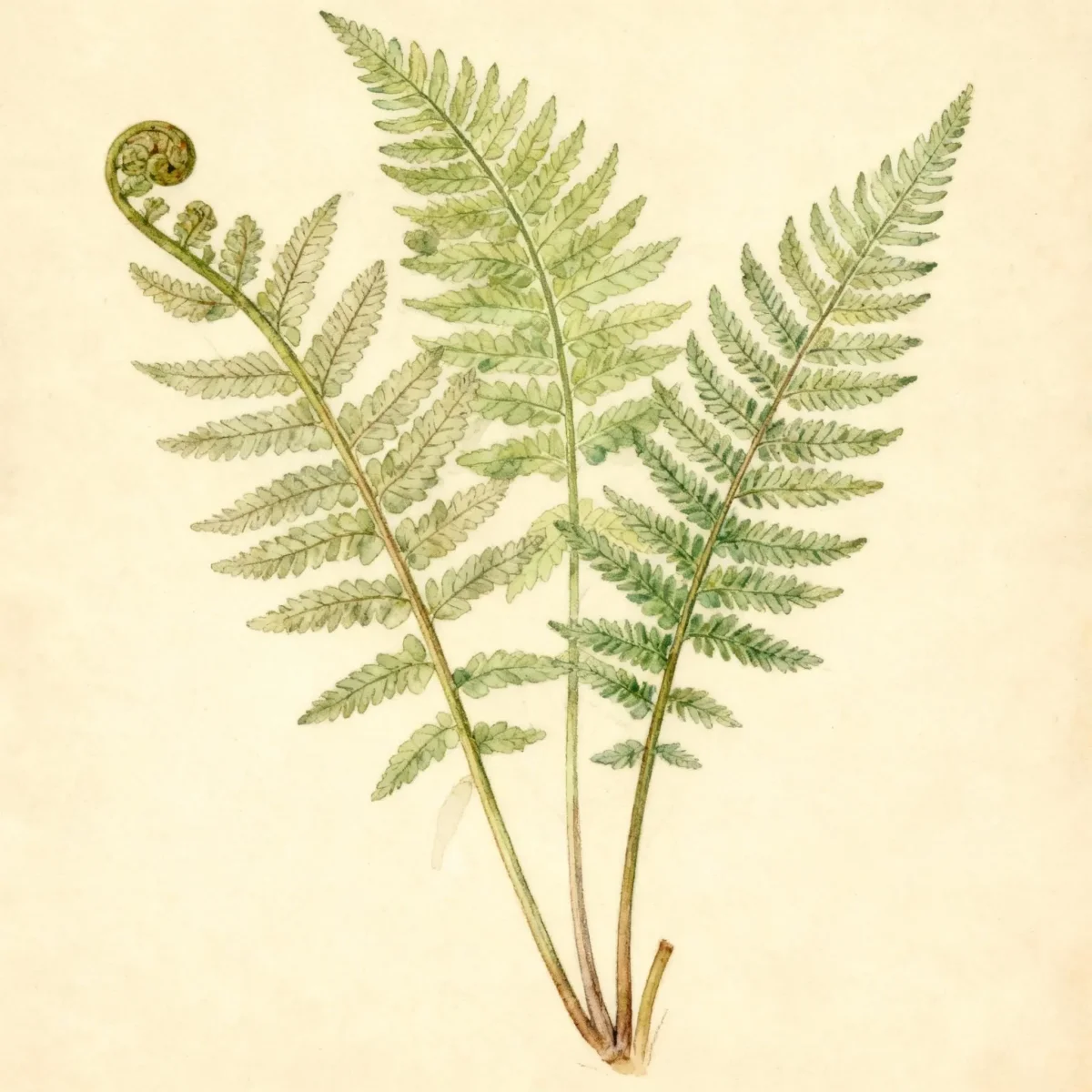
Lady fern (Athyrium vidalii)
Discover Athyrium vidalii, the Lady fern, valued for its finely-divided fronds and low maintenance in shady gardens. Zones 5-9.

Bloom Boldly, No Matter the Season - Sweatshirt
Cozy organic cotton sweatshirt featuring our exclusive Purple Coneflower design. Perfect for gardeners who bloom year-round.
Inspired by the beautiful Lady fern
Limited first batch (50) — join the waitlist for early access
Waitlist closes Feb 15, 2026.
Complete Plant Information
Field Guide Continues
Ready for care notes, companion picks, and planting tips?
The map is just the start. The full guide below covers growth habits, seasonal performance, and landscape uses.
Overview
The Lady fern, scientifically known as Athyrium vidalii, is a superb choice for gardeners seeking texture and grace in deeply shaded understories. This deciduous fern offers fine-textured, bipinnate fronds that create a lush, airy appearance, contrasting nicely with traditional broadleaf foliage. Its adaptability makes it a reliable performer across a wide range of cool, moist environments.
Athyrium vidalii excels where sunlight is scarce, providing reliable year-round structure or excellent seasonal interest depending on the climate. It is treasured for its low maintenance requirements and its ability to thrive in organic, well-drained settings typical of woodland environments. If you have dark corners needing relief, the elegant habit of the Lady fern is highly recommended.
Native to woodland areas, valleys, and stream banks across Eastern Asia, this species brings an authentic, naturalistic flair to cultivated landscapes. Selecting Athyrium vidalii ensures a resilient, non-flowering specimen that requires minimal intervention once established, making it an invaluable, easy-to-grow addition to shaded borders.
Fast Facts
- Plant Family: Athyriaceae
- Plant Type: Fern
- Native Range: Eastern Asia
- Hardiness Zones: USDA Zones 5-9
- Size at Maturity:
- Height: 1.5-2.5 ft
- Spread: 1.5-2.5 ft
- Bloom Time: Non-flowering
- Bloom Description: Non-flowering
- Sun Exposure: Part shade to full shade
- Water Needs: Medium
- Maintenance Level: Low
How to Grow
Planting the Lady fern is best done in the spring once the danger of severe frost has passed, allowing it time to establish roots before summer heat. Aim for a location that receives dappled light or uniform part shade to full shade. Success heavily relies on soil quality; use organically rich, humusy soil that retains moisture but remains well-drained. Cultivate the soil deeply and incorporate plenty of compost before planting the rhizomes.
Ongoing care for Athyrium vidalii focuses primarily on consistent moisture management. Given its medium water needs, ensure the soil never fully dries out, especially during warm, dry spells. While generally low maintenance, protect established clumps from strong winds which can easily damage the delicate fronds.
Fertilization is rarely necessary if the soil is naturally rich in organic matter. At the beginning of the growing season, you may lightly top-dress with leaf mold. Promptly remove any broken or tattered fronds throughout the season to maintain a tidy appearance. Established clumps of the Lady fern benefit from division, which can be performed as needed in the spring to propagate new plants or rejuvenate overcrowded sections.
Landscape Uses
The compact yet architectural form of Athyrium vidalii makes it extraordinarily versatile in shaded landscapes. It functions beautifully as a foreground plant for taller shrubs or as an edging element along shaded walkways where its delicate texture can be appreciated up close. This species is a great selection for a shady area of the landscape in need of a small but easy-to-grow fern.
Consider using the Lady fern in specialized garden designs such as rock gardens, where its texture contrasts with stone, or integrate it into woodland gardens to enhance the naturalistic feel. It performs exceptionally well near water features, thriving in shaded areas along streams or ponds, providing lush coverage near the water’s edge.
For structured designs, group multiple plants together to create drifts of fine texture. Companions that share similar cultural needs—such as Hosta varieties with solid, heavy leaves or Astilbe for seasonal color—pair naturally with this fern, enhancing the visual depth of the shaded border fronts.
Standout Features
Noteworthy Characteristics
Athyrium vidalii, commonly called Japanese lady fern or Vidal’s lady fern, is a deciduous fern with an erect to ascending rhizome that typically grows to 2 1/2’ tall and features bipinnate, finely-divided, deltoid, greenish yellow fronds with contrasting deep red stems. New growth often emerges tinged with red, adding initial seasonal interest. This species is native to woodland areas, valleys, and stream banks in Japan, Korea, and Taiwan.
Tolerances
- Rabbit
- Heavy Shade
Potential Problems
The Lady fern is known for its robust nature, suffering from no serious insect or disease problems under appropriate cultural conditions. Its ability to tolerate rabbits is a significant advantage in many backyard settings.
To prevent potential issues related to its moisture needs, ensure excellent drainage, as constantly soggy soil can lead to root rot, especially in winter. Good air circulation, achieved by proper spacing, also helps mitigate minor fungal issues that can develop in overly dense plantings.
Frequently Asked Questions
What hardiness zones is Lady fern suitable for?
The Lady fern (Athyrium vidalii) is quite adaptable across temperate climates, suitable for USDA Hardiness Zones 5 through 9.
How large does Athyrium vidalii grow?
This species reaches mature heights and spreads between 1.5 to 2.5 feet, forming a compact clump ideal for smaller shaded spaces.
What sun exposure does Lady fern need?
This plant requires protection from intense afternoon sun, preferring conditions ranging from part shade to full shade for optimal growth and frond health.
When does Athyrium vidalii bloom?
As a fern, the Athyrium vidalii is non-flowering; its reproductive structures are sori found on the undersides of the pinnules.
Conclusion
The Lady fern, Athyrium vidalii, offers unmatched textural beauty and reliability for gardeners wrestling with deep shade. Its easy-to-grow nature, coupled with resistance to common pests, makes it a staple for woodland and low-light gardens. Before planting, confirm your site offers consistently moist, organic soil, and enjoy the lasting green elegance of this wonderful fern.
Companion Planting
Selecting appropriate partners is key to creating a harmonious shaded border. Because Athyrium vidalii prefers moist, acidic, humus-rich soil, look for other woodland natives that share these preferences. Shade-loving groundcovers like Epimedium (Barrenwort) make excellent companions, offering early spring color that leads beautifully into the full summer curtain of the Lady fern fronds.
Alternatively, incorporating plants with contrasting leaf shapes, such as large-leafed Hosta cultivars or the coarse texture of certain Japanese forest grasses, helps emphasize the fine, feathery quality of the Athyrium vidalii. These combinations provide layered visual interest throughout the growing season in your shade garden.
Seasonal Care Calendar
Spring is the management critical moment; clean up any dead overwintering debris and promptly remove any broken fronds to encourage fresh, vibrant growth. This is also the best time to divide large clumps of the Lady fern if needed. During summer, focus entirely on consistent watering; medium moisture levels must be maintained as the plant grows actively.
Winterization for Athyrium vidalii is minimal since it is deciduous. If desired, you can cut back the dead fronds once they brown in late fall or allow them to stand as light winter mulch until early spring cleanup. The mature plant generally does not require protection, provided it is situated within its hardiness range of Zones 5-9.