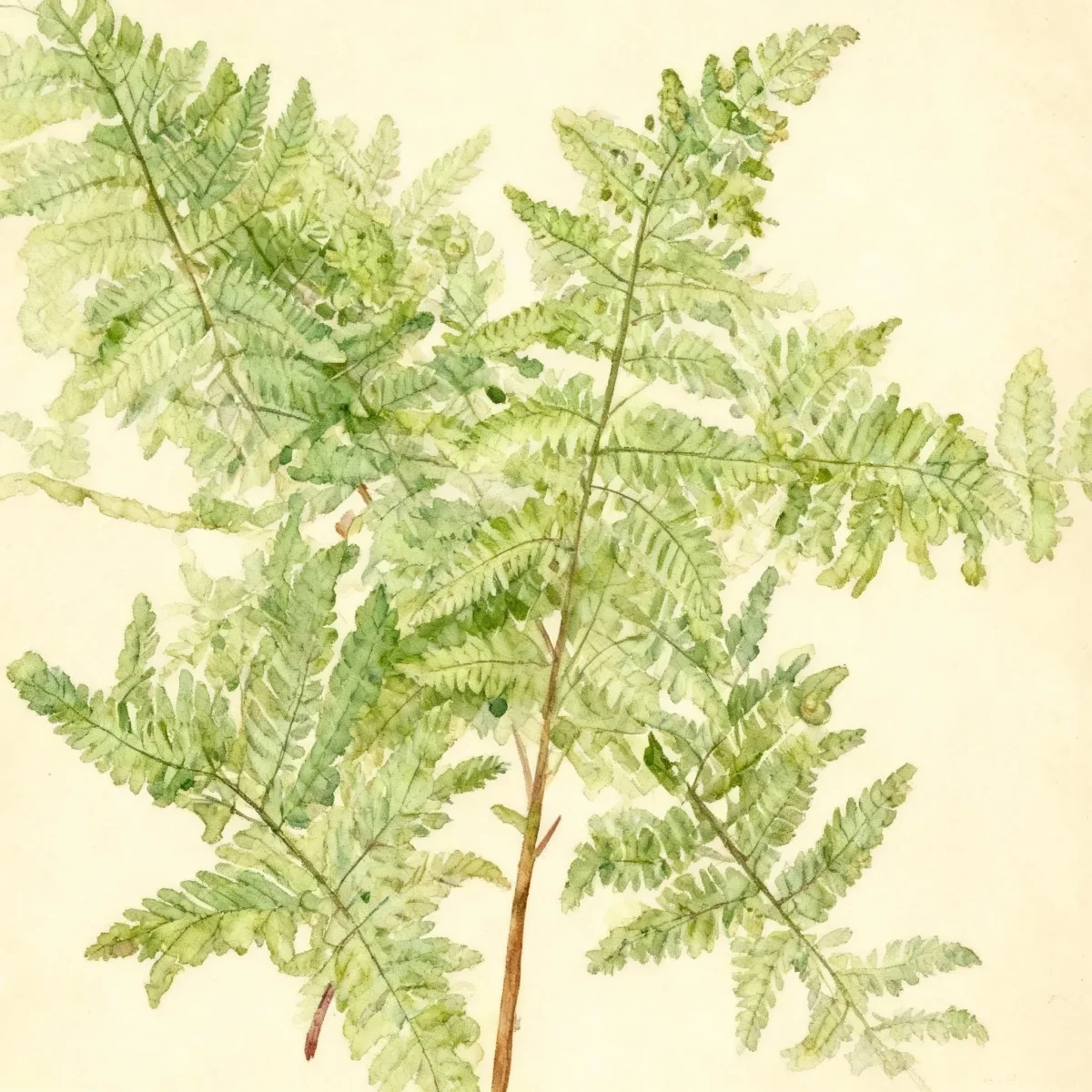
Japanese holly fern (Cyrtomium fortunei var. Clivicolum)
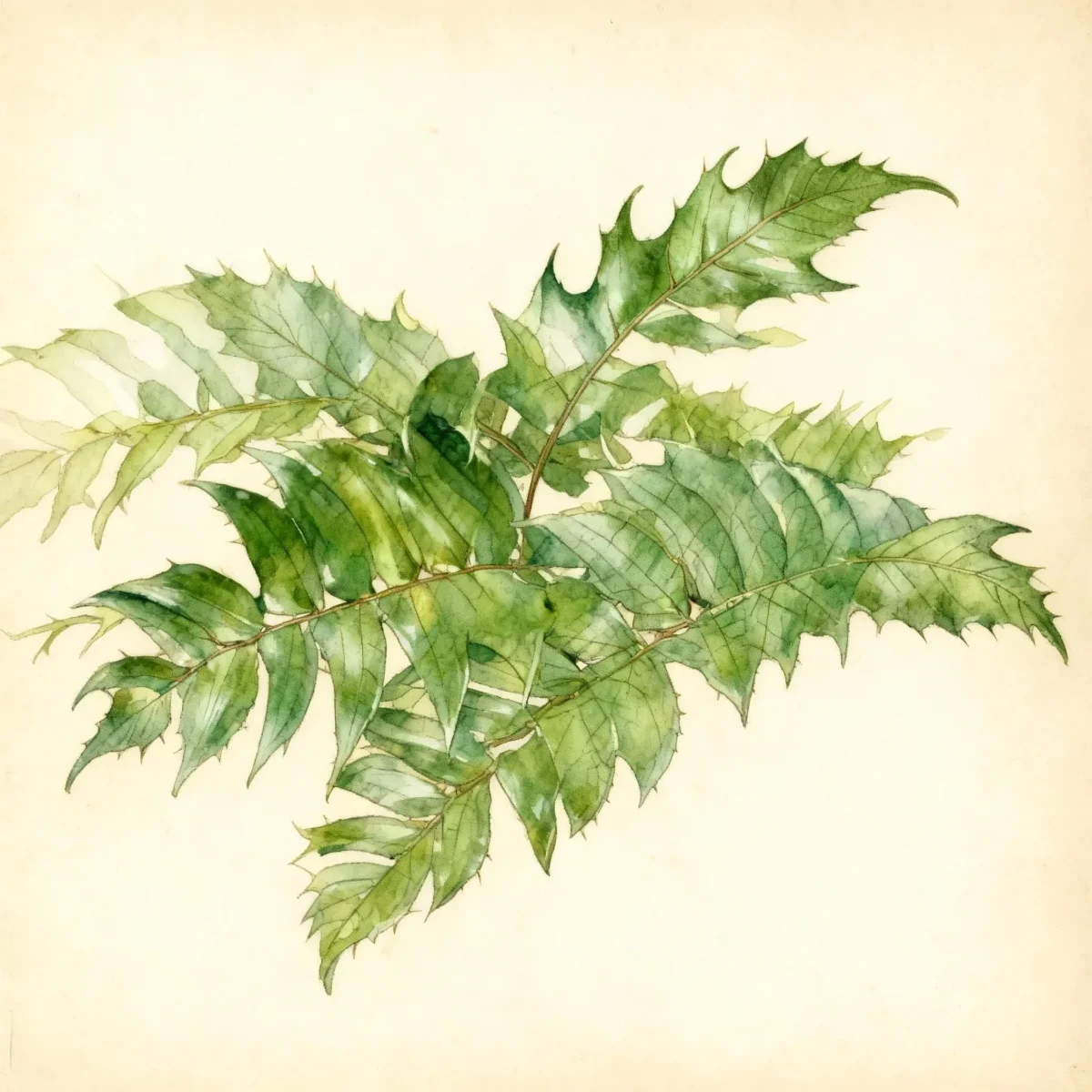
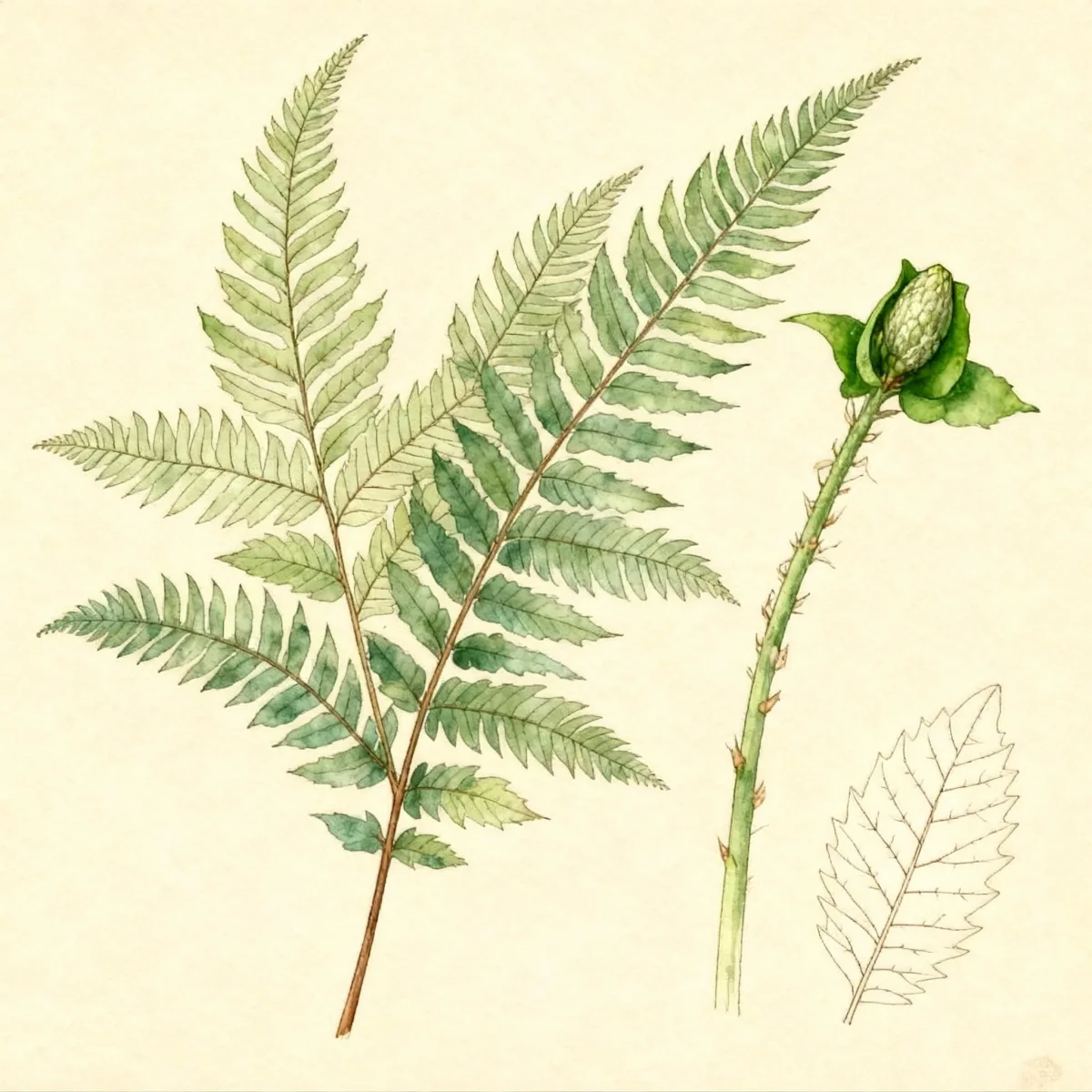
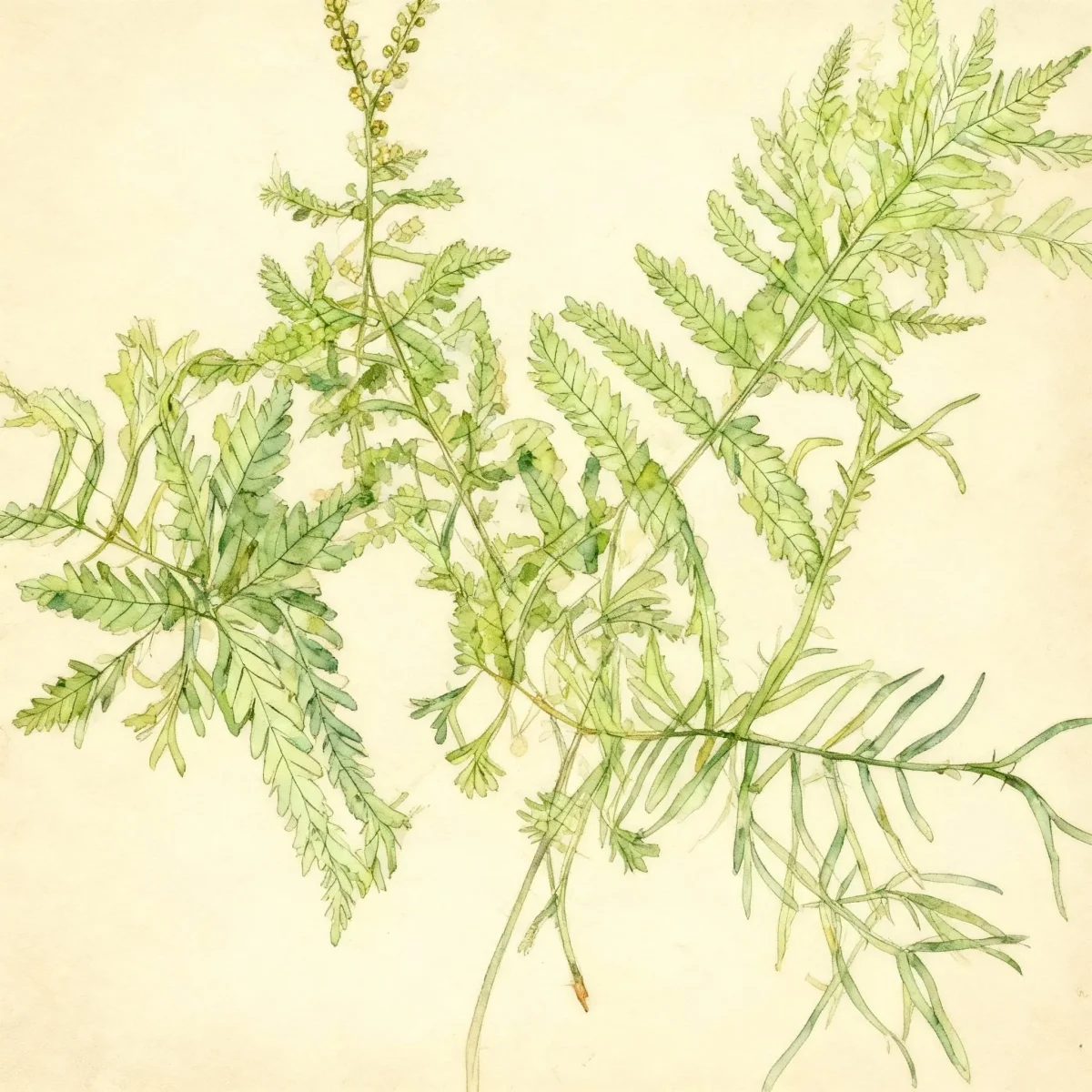
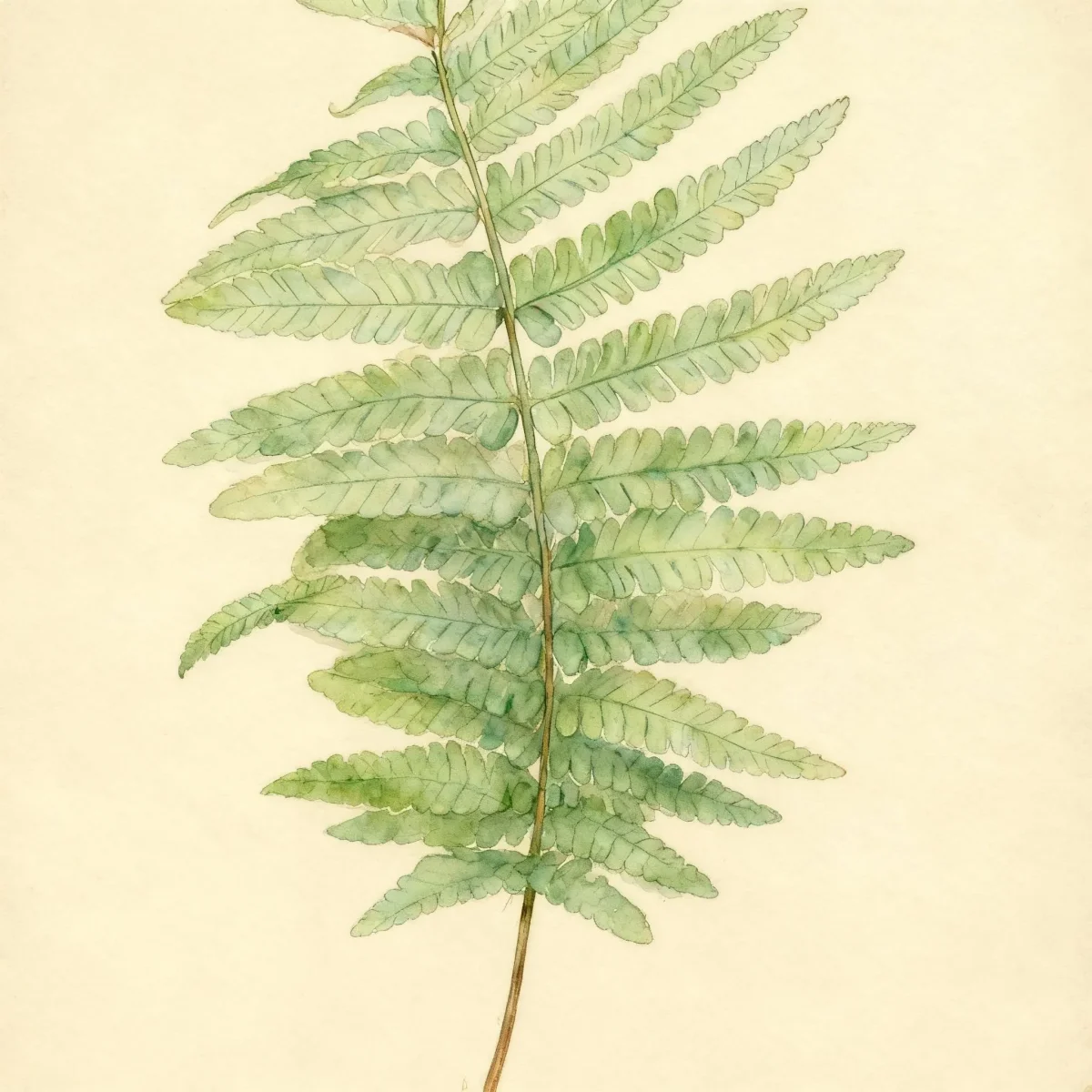
The evergreen Japanese holly fern (Cyrtomium fortunei var. clivicolum) offers stiff, holly-like fronds in Zones 6-9. A medium-maintenance beauty for shade.
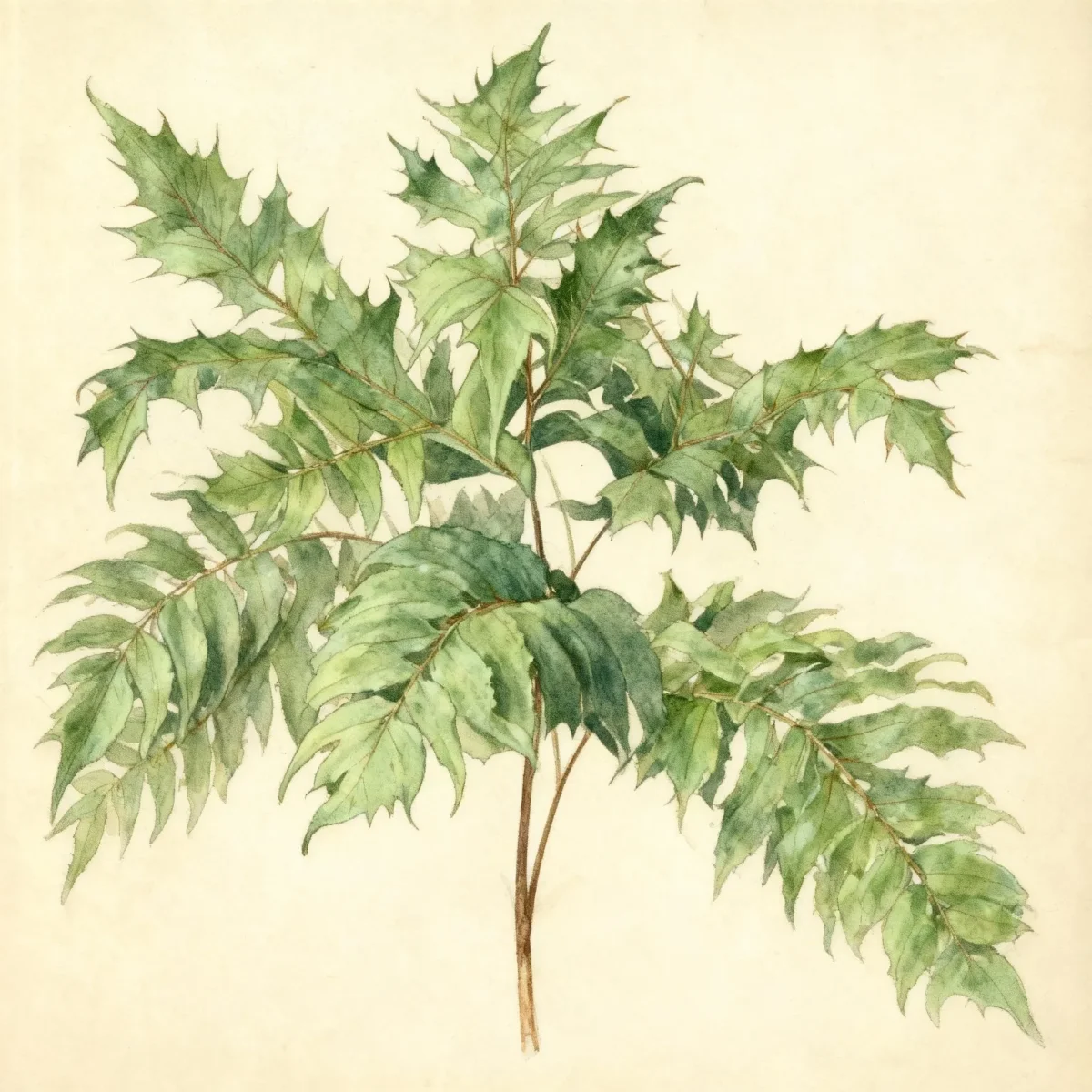

Bloom Boldly, No Matter the Season - Sweatshirt
Cozy organic cotton sweatshirt featuring our exclusive Purple Coneflower design. Perfect for gardeners who bloom year-round.
Inspired by the beautiful Japanese holly fern
Limited first batch (50) — join the waitlist for early access
Waitlist closes Feb 15, 2026.
Complete Plant Information
Field Guide Continues
Ready for care notes, companion picks, and planting tips?
The map is just the start. The full guide below covers growth habits, seasonal performance, and landscape uses.
Overview
The Japanese holly fern, scientifically known as Cyrtomium fortunei var. clivicolum, is a highly valued evergreen choice for adding structured texture to shaded gardens. Its fronds are distinctively stiff and leathery, bearing a resemblance to holly leaves, lending year-round visual interest when deciduous plants have dropped their foliage. This particular variety, Cyrtomium fortunei var. Clivicolum, offers a more compact footprint compared to the straight species.
As a tough, medium-maintenance perennial, this fern thrives where many other plants struggle in deeply shaded environments. Its ability to handle brighter conditions while still preferring the dappled light of woodland edges makes it versatile. Gardeners appreciate the Cyrtomium genus for its reliable texture and relative simplicity in cultural care, provided moisture and drainage are managed correctly.
The defining feature of this plant is its architectural habit and evergreen nature, ensuring borders and woodland areas maintain structure throughout the colder months in suitable climates. Successful cultivation of Cyrtomium fortunei var. clivicolum relies on mimicking its native environment—moist, well-drained leaf litter beneath taller trees.
Fast Facts
- Plant Family: Dryopteridaceae
- Plant Type: Fern
- Native Range: Japan, China
- Hardiness Zones: USDA Zones 6-9
- Size at Maturity:
- Height: 1-2 ft
- Spread: 1-2 ft
- Bloom Time: Non-flowering
- Bloom Description: Non-flowering
- Sun Exposure: Full sun to part shade
- Water Needs: Medium
- Maintenance Level: Medium
How to Grow
Establish your Cyrtomium fortunei var. clivicolum during the spring or early fall, preparing the bed carefully. This fern demands humusy, well-drained soil; poor drainage is the quickest route to root failure, especially in winter. When planting, aim for locations that receive part sun to full shade, as excessive light will bleach the characteristic pale yellowish-green color from the pinnae.
Water needs are medium, requiring consistent moisture, particularly during dry spells, but never allowing the roots to sit in standing water. While fertilizing is rarely necessary in rich, organic soil, apply a light application of balanced, slow-release fertilizer in early spring if growth appears stunted. Pruning is minimal, usually limited to removing any truly tattered or damaged fronds in early spring before new growth emerges.
Protecting the roots is key to overwintering this Japanese holly fern successfully in cooler zones (Zone 6). A moderate layer of mulch applied in late fall helps moderate soil temperatures. Avoid overhead watering late in the day, which can encourage fungal spots on the foliage.
Landscape Uses
The robust structure of the Japanese holly fern makes it an excellent anchor plant in shaded settings. It is highly recommended for naturalizing within woodland areas, where it can spread slowly to form an effective evergreen groundcover. It works beautifully along shaded borders, providing vertical accents next to lower-growing perennials or hostas.
For more formal designs, Cyrtomium fortunei var. clivicolum excels in containers. When paired with trailing ivy or delicate woodland flowers, it offers necessary height and textural contrast. In rock gardens, its stiff, upright habit contrasts nicely with softer, mounding alpine varieties.
Consider planting it alongside plants that enjoy similar culture, such as rhododendrons, azaleas, or other shade-loving ferns like the Japanese painted fern, ensuring a layered, consistently verdant landscape design. This consistent evergreen texture guarantees year-round appeal.
Standout Features
Noteworthy Characteristics
Cyrtomium fortunei, commonly called holly fern, has fronds that resemble holly branches. It is native to Japan, Korea and China. It is an evergreen fern that typically grows 12-24” tall and features stiff, upright, dull green fronds (to 2 1/2’ long), each with 12-26 pairs of stiff, leathery pinnae. Plants have escaped gardens and naturalized in certain areas of the deep South and Oregon. Var. Clivicolum (sometimes listed as var. Clivicola) differs from the species by its (a) more compact size, (b) more lanceolate and slightly larger pinnae that do not exceed 12 pairs per frond, (c) pinnae color is pale yellow green, and (d) fronds are more horizontally arching. Genus name comes from the Greek kyrtos meaning arched in reference to the fern habit. Specific epithet honors Robert Fortune (1812-1880) Scottish horticulturist and collector in China. The infraspecific epithet clivicolumn means “living on a hill or slope.”
Tolerances
- Susceptible to root rot
- Susceptible to fungal spots
- Susceptible to scale
Potential Problems
The Cyrtomium fortunei var. clivicolum is generally admired for its resistance to serious insect or disease issues, making it a low-hassle addition to the garden. However, two primary threats must be mitigated through proper placement and care.
The most significant cultural problem is root rot, which occurs when soil drainage is inadequate, especially during dormancy or winter months. To prevent this, ensure heavy clay soils are amended deeply with coarse organic matter to maintain that essential lightness and porosity around the rhizomes.
Fungal spots and scale insects can occasionally appear, particularly if air circulation is poor or the plant is stressed by sun exposure. If scale is noticed, horticultural oil application during the dormant season is usually effective for control on this tough Japanese holly fern.
Frequently Asked Questions
What hardiness zones is Japanese holly fern suitable for?
The Cyrtomium fortunei var. clivicolum is reliably hardy across USDA Zones 6 through 9, offering dependable evergreen display in those regions.
How large does Japanese holly fern grow?
This specific cultivar generally matures to a height between 1 and 2 feet tall, with a similar spread of 1 to 2 feet, maintaining a compact, manageable presence.
What sun exposure does Cyrtomium fortunei var. clivicolum need?
While it can tolerate full sun, its best color and frond health are achieved in conditions ranging from part shade to full shade; too much direct sun risks bleaching the pale yellowish-green pinnae color.
When does Japanese holly fern bloom?
Like all ferns, Cyrtomium fortunei var. clivicolum is non-flowering; it reproduces via spores rather than visible blossoms.
Conclusion
The Japanese holly fern (Cyrtomium fortunei var. clivicolum) provides indispensable evergreen structure and a unique, holly-like texture that brightens shaded landscapes from Zone 6 through 9. Its relatively low maintenance profile, balanced against its specific need for well-drained, humusy soil, makes it a fantastic choice for reliable year-round garden performance. Before planting, assess your site conditions, ensuring it receives consistent moisture and protection from scorching afternoon sun.
Companion Planting with Cyrtomium fortunei var. clivicolum
Because the Japanese holly fern requires consistently moist, rich soil and prefers filtered light, companion planting should focus on species with similar cultural needs. Consider pairing it with broad-leaved evergreen groundcovers like Vinca minor or Pachysandra terminalis for textural contrast near the base. Taller woodland companions such as Hellebores (Lenten Rose) provide early spring color without competing heavily for root space overhead.
Another excellent grouping involves shade-loving Asian natives. Hostas with blue or chartreuse foliage provide excellent color breaks against the deep or pale green of the Cyrtomium. Ensuring companions do not require drier soil than this medium-water fern is crucial for overall landscape health.
Seasonal Care Calendar
Spring is the optimal time to revitalize your patch of Cyrtomium fortunei var. Clivicolum. Clean up any spent winter fronds and top-dress the soil with a fresh layer of well-rotted compost to replenish organic matter and improve drainage before active growth begins. Summer care centers entirely on consistent supplemental watering during dry periods to maintain that medium moisture level.
In the fall, avoid heavy pruning, as the old fronds offer some wrapping protection if unexpected hard freezes occur in marginal zones. Overwintering success in Zone 6 depends heavily on the protective layer of mulch applied in late autumn to insulate the rhizomes from freeze-thaw cycles. Spring cleanup prepares the plant for another season of beautiful, stiff foliage.