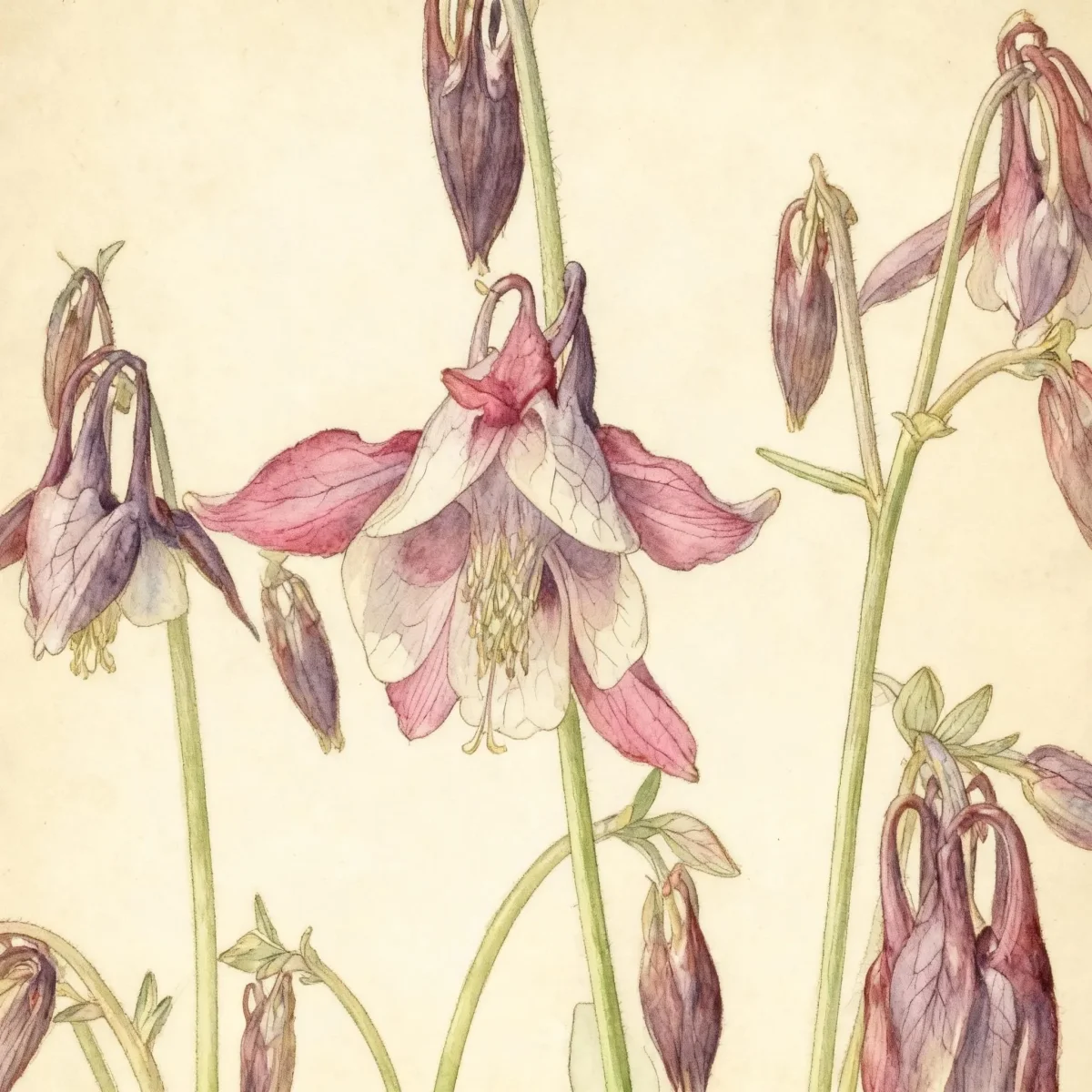

Thimbleweed (Anemone virginiana)
Anemone virginiana (Thimbleweed) is a rugged native perennial offering white spring blooms. Tolerates dry soil and partial shade.


Bloom Boldly, No Matter the Season - Sweatshirt
Cozy organic cotton sweatshirt featuring our exclusive Purple Coneflower design. Perfect for gardeners who bloom year-round.
Inspired by the beautiful Thimbleweed
Limited first batch (50) — join the waitlist for early access
Waitlist closes Feb 15, 2026.
Complete Plant Information
Field Guide Continues
Ready for care notes, companion picks, and planting tips?
The map is just the start. The full guide below covers growth habits, seasonal performance, and landscape uses.
Overview
The Thimbleweed, scientifically known as Anemone virginiana, is a valuable and resilient herbaceous perennial native to the central and eastern United States. Gardeners appreciate this species for its adaptability, flourishing even in challenging dry or rocky soils where many other woodland flowers struggle. It provides essential early-season interest, showcasing charming white flowers before the full summer heat arrives.
This Anemone virginiana grows moderately tall, sending up blooms on erect stems that rise above the foliage in spring. A distinctive feature is its persistent, thimble-shaped seed heads, which add textural interest lasting well into the winter months. Its tolerance for dry conditions and shade makes the Thimbleweed a reliable backbone plant for naturalized areas.
Properly sited, Anemone virginiana establishes easily and is noted for not spreading aggressively like some of its Anemone relatives. This makes it an excellent, manageable choice for woodland settings, native plant borders, or areas requiring low-maintenance groundcover that transitions gracefully from spring bloom to late-season structure.
Fast Facts
- Plant Family: Ranunculaceae
- Plant Type: Herbaceous perennial
- Native Range: Central and eastern United States
- Hardiness Zones: USDA Zones 2-8
- Size at Maturity:
- Height: 1-2 ft
- Spread: 1-1.5 ft
- Bloom Time: April to May
- Bloom Description: White
- Sun Exposure: Full sun to part shade
- Water Needs: Dry to medium
- Maintenance Level: Medium
How to Grow
Planting Anemone virginiana is best done in the spring or fall when temperatures are mild. Location selection is flexible; while it prefers well-drained soil in full sun to part shade, it reliably tolerates full shade areas. It thrives in average, dry to medium soil conditions, although it shows a particular preference for moist, sandy-humusy textures if available.
Care for this Thimbleweed is simple once established. Watering should be infrequent, allowing the soil to dry out slightly between soakings, reflecting its drought tolerance once mature. It generally requires no supplemental fertilization; attempting to over-fertilize may result in weak, overly lush foliage at the expense of flowers. Pruning is usually limited to deadheading spent flower stalks if the persistent seed heads are not desired for winter interest.
As a hardy perennial, Anemone virginiana requires minimal winter preparation. In cold zones, residual foliage can be left standing to protect the crown until new growth emerges in early spring. This species is notably less aggressive than many other anemones, making it a well-behaved addition to mixed garden beds.
Landscape Uses
The structural elements of Anemone virginiana make it an excellent selection for woodland gardens where filtered light predominates. It serves as a high-quality spring flower, creating a light, airy display atop its foliage before taller summer bloomers take over. It integrates beautifully into naturalized settings, mimicking its native habitat on rocky, dry wooded slopes.
For design purposes, pair Thimbleweed with woodland ferns or later-blooming native geraniums that can fill the mid-season gap as the anemone foliage begins to fade. Its elegant white flowers provide contrast against darker foliage plants, defining borders in shaded areas. It is a good choice when aiming for a low-profile, native wildflower garden aesthetic that requires minimal interference.
Standout Features
Flower Qualities
- Showy
Noteworthy Characteristics
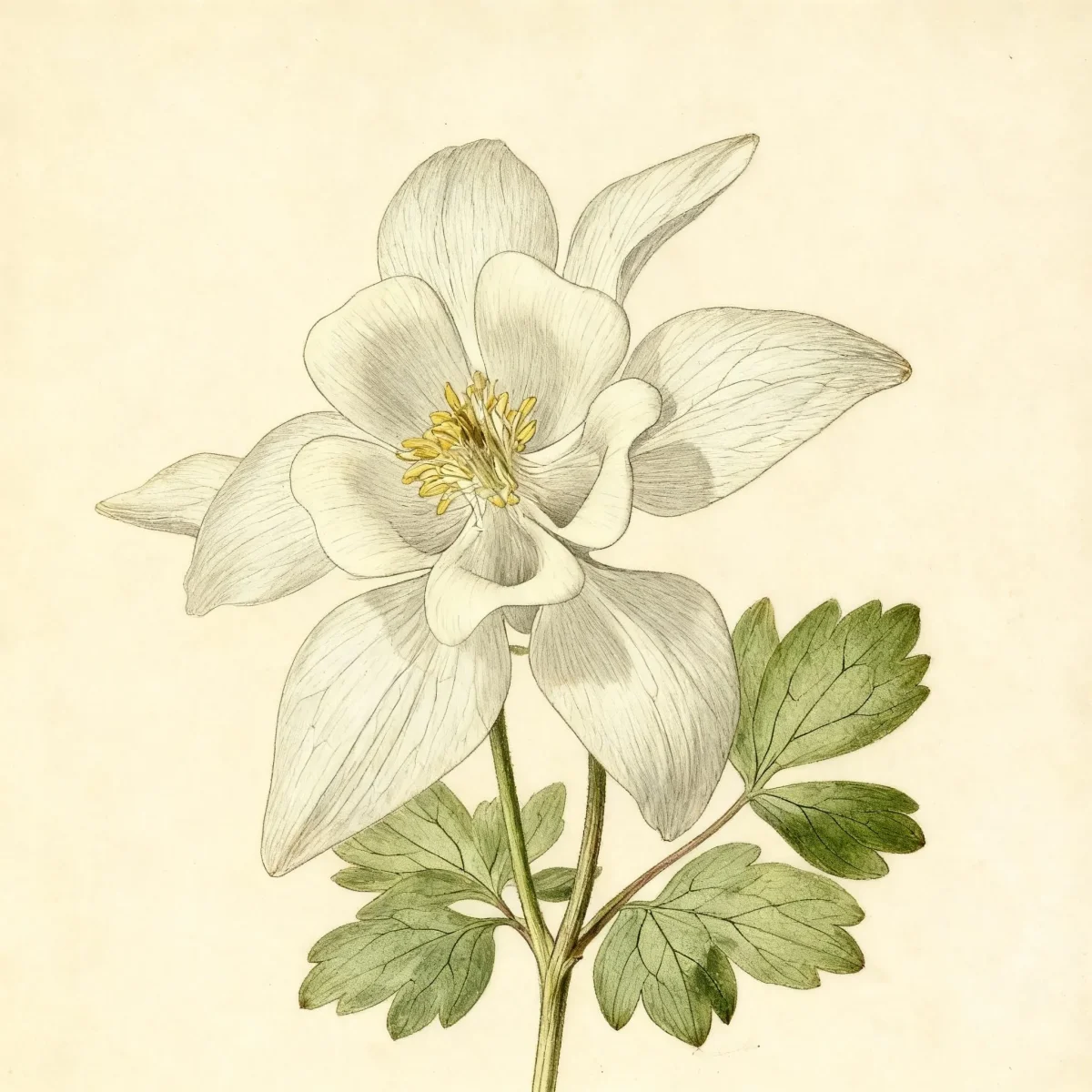
Anemone virginiana is a spring-blooming anemone that is a Missouri native plant. It grows up to 2’ tall (sometimes taller in the wild) and typically occurs in rocky or dry open woods or wooded slopes. One inch diameter flowers are borne on erect stems above the foliage and feature five, white, petal-like sepals and a thimble-like, center mound of yellowish stamens. Flowers give way to thimble-shaped seed heads which remain on the plants well into winter. Three-parted leaves may carry a reddish tinge late into the season.Genus name is often said to be derived from the Greek word anemos meaning wind.Specific epithet means of Virgina.
Tolerances
- Deer
- Drought
- Heavy Shade
- Dry Soil
- Shallow-Rocky Soil
Potential Problems
This plant exhibits excellent resilience. Gardeners rarely encounter serious insect infestations or significant disease issues when growing Thimbleweed in appropriate conditions. Its native hardiness contributes to its low susceptibility to common urban garden stresses. Ensure soil drainage is adequate to prevent crown rot, which is the most common, yet preventable, issue for any Ranunculaceae member.
Frequently Asked Questions
What hardiness zones is Thimbleweed suitable for?
Anemone virginiana is recommended for USDA Hardiness Zones 2 through 8.
How large does Thimbleweed grow?
This species typically reaches a height between 1 and 2 feet, with a spread of 1 to 1.5 feet at maturity.
What sun exposure does Anemone virginiana need?
Anemone virginiana prefers full sun to part shade, but it is notably tolerant of full shade conditions as well.
When does Thimbleweed bloom?
The bloom time for Thimbleweed is generally from April to May, producing distinct white flowers.
Conclusion
The Thimbleweed (Anemone virginiana) offers superb value to native plant enthusiasts, combining drought tolerance with elegant, non-aggressive growth habits. Its spring white blossoms and lasting winter seed heads ensure interest across multiple seasons. Before purchasing, confirm your garden falls within USDA Zones 2-8 and plan to plant it soon after acquiring a specimen for the best establishment success.
Companion Planting
Choosing suitable neighbors enhances the woodland garden appeal of Anemone virginiana. Because Thimbleweed appreciates shade and dry to medium moisture, pair it with plants that share similar cultural needs to avoid competition or excess water retention. Wild Ginger (Asarum canadense) works well as a low-growing matt, offering deep green foliage contrast to the sparser leaves of the anemone.
Consider using later-season bloomers like certain native Asters or Goldenrods that can tolerate the drier conditions that the Anemone virginiana establishes first. Given its early bloom time, the Thimbleweed fades slightly once summer perennials take over, allowing these later bloomers to step in without overcrowding the spring show.
Wildlife Benefits
As a native species, Anemone virginiana supports local ecosystems, particularly during its early spring bloom period when other nectar sources may be unavailable. The flowers provide early sustenance for various native bees foraging for pollen before the intense summer rush begins.
The distinctive thimble-like seed heads are also beneficial later in the season. While the plant is noted as deer resistant, the persistent fruit structure can offer winter food or cover for small ground-dwelling fauna. Utilizing this plant in naturalized areas helps support the foundational layer of the local ecotype.