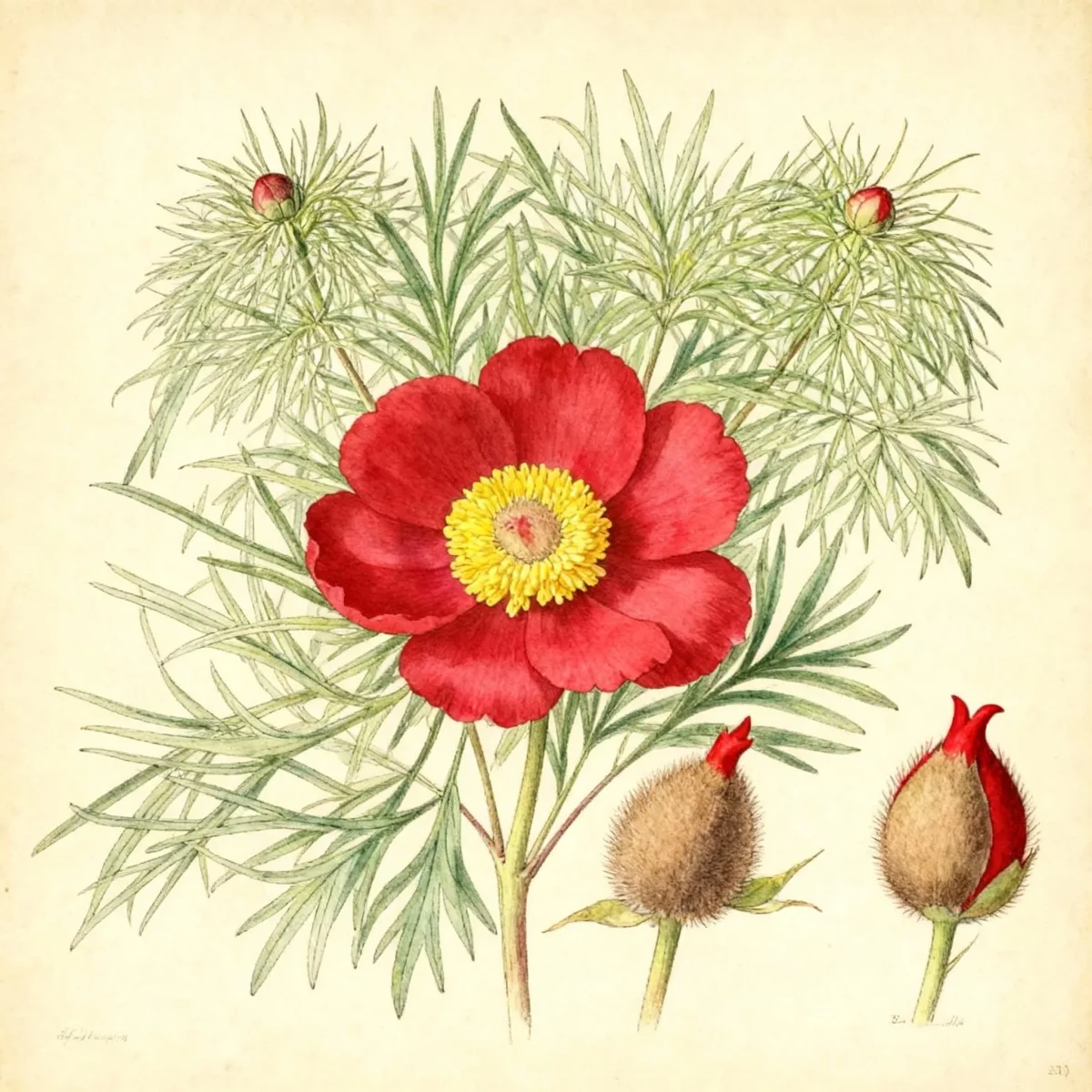
Peony (Paeonia japonica)
Discover Paeonia japonica, a compact, single-blooming Peony ideal for woodland gardens needing part shade. Fragrant white flowers.
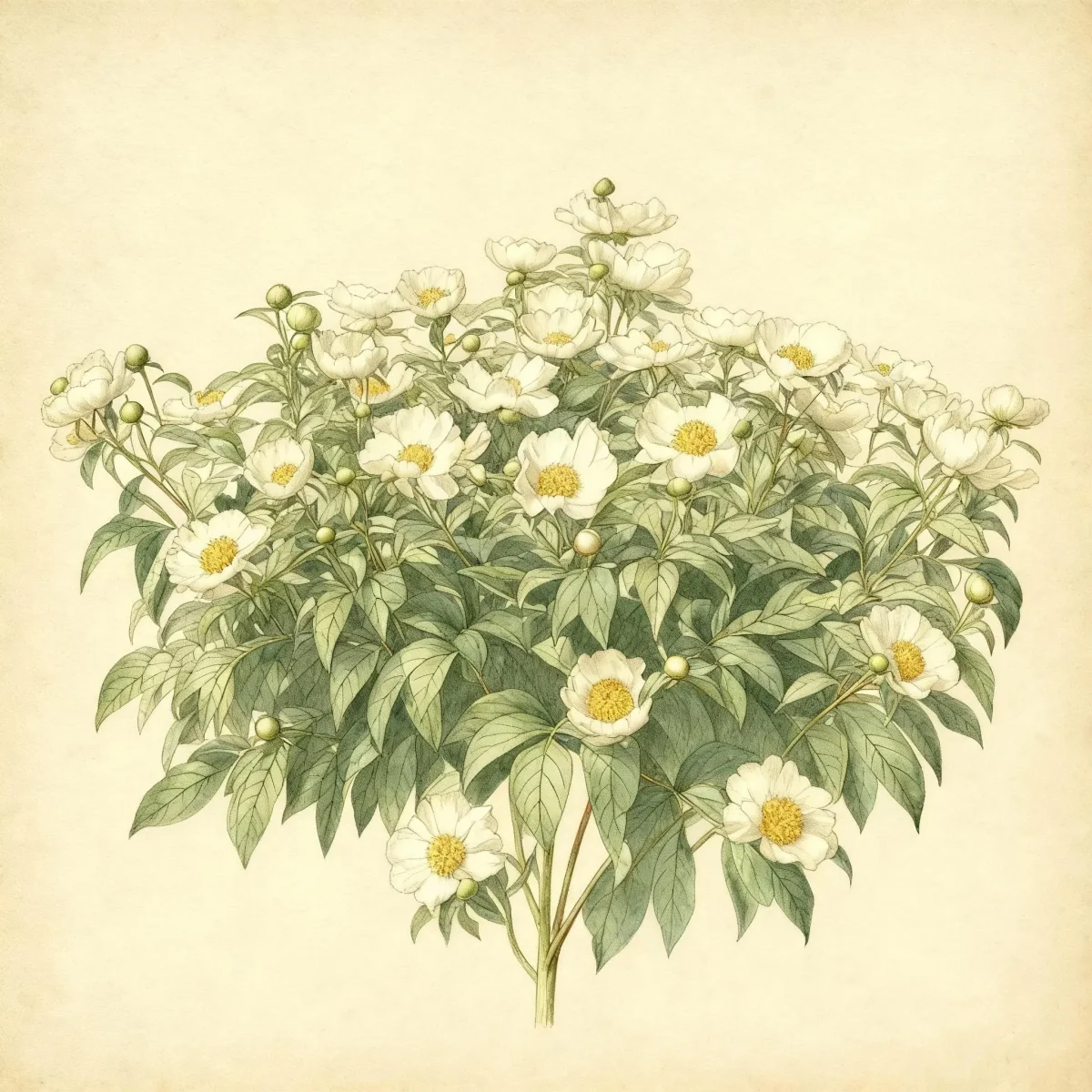

Bloom Boldly, No Matter the Season - Sweatshirt
Cozy organic cotton sweatshirt featuring our exclusive Purple Coneflower design. Perfect for gardeners who bloom year-round.
Inspired by the beautiful Peony
Limited first batch (50) — join the waitlist for early access
Waitlist closes Feb 15, 2026.
Complete Plant Information
Field Guide Continues
Ready for care notes, companion picks, and planting tips?
The map is just the start. The full guide below covers growth habits, seasonal performance, and landscape uses.
Overview
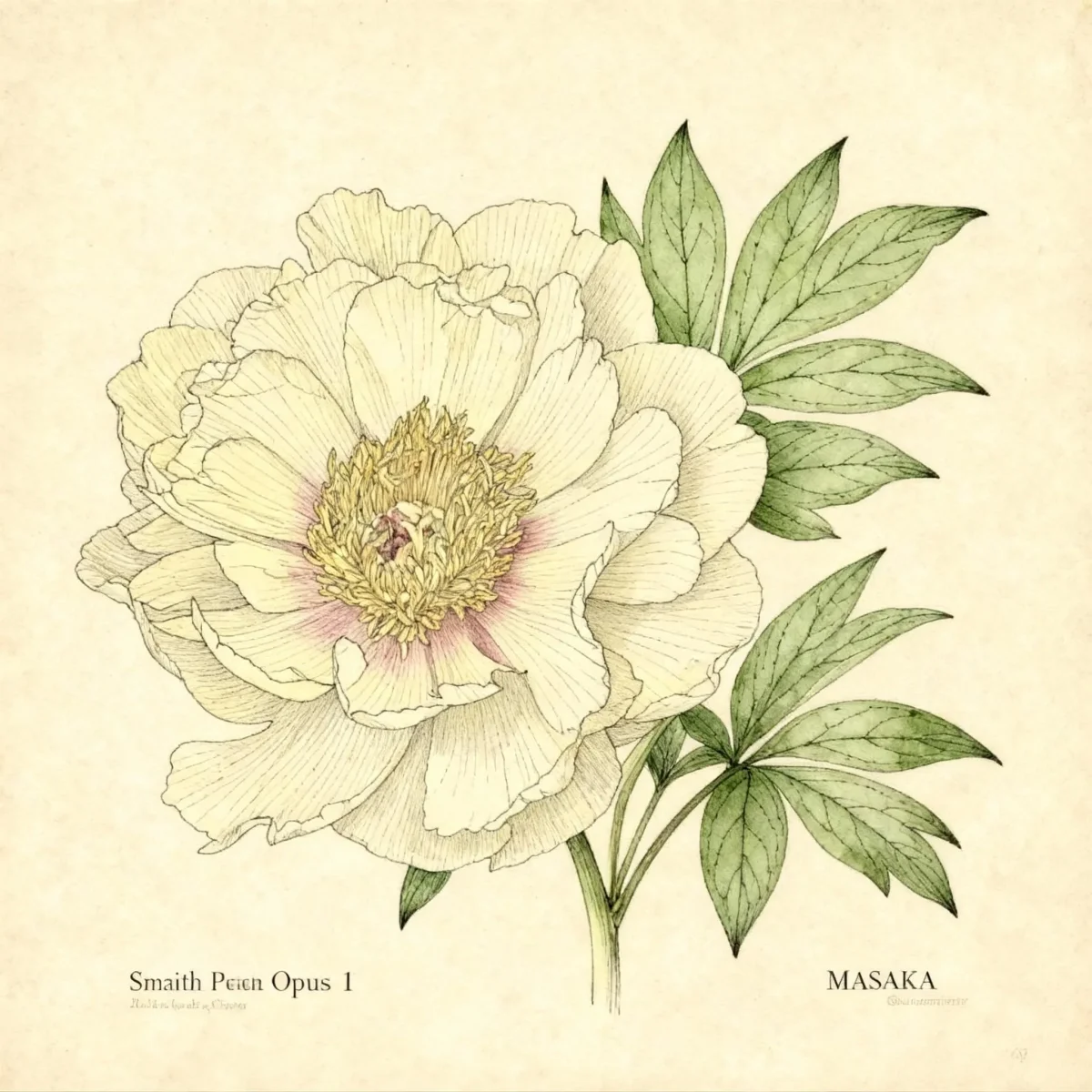
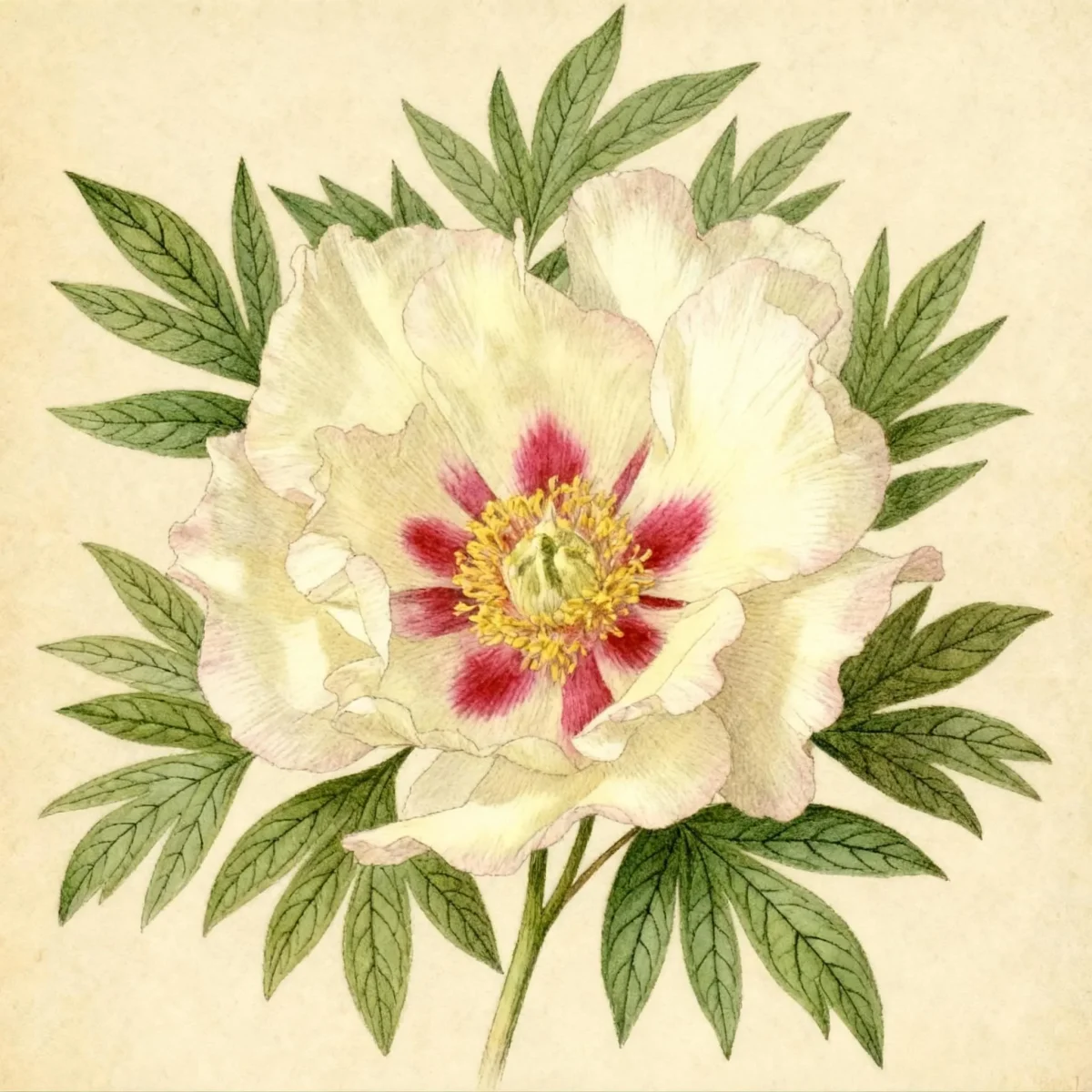
Paeonia japonica, commonly known as Peony, is a highly valued herbaceous perennial distinguished by its woodland origins and preference for dappled light. This species is native to Japan and Korea, offering gardeners a compact alternative to larger hybrid peonies, typically reaching only 1 to 1.5 feet tall. Its spring display features single, white, cup-shaped blooms with striking yellow stamens that add elegance to shaded borders.
The value of Paeonia japonica lies in its natural aesthetic and moderate needs; it thrives where many sun-loving peonies struggle. This Peony provides an attractive, silvery-green foliage display throughout the summer, even after the showy flowers fade, contributing lasting structure to the garden. It is a long-lived plant, rewarding patient gardeners with reliable performance year after year.
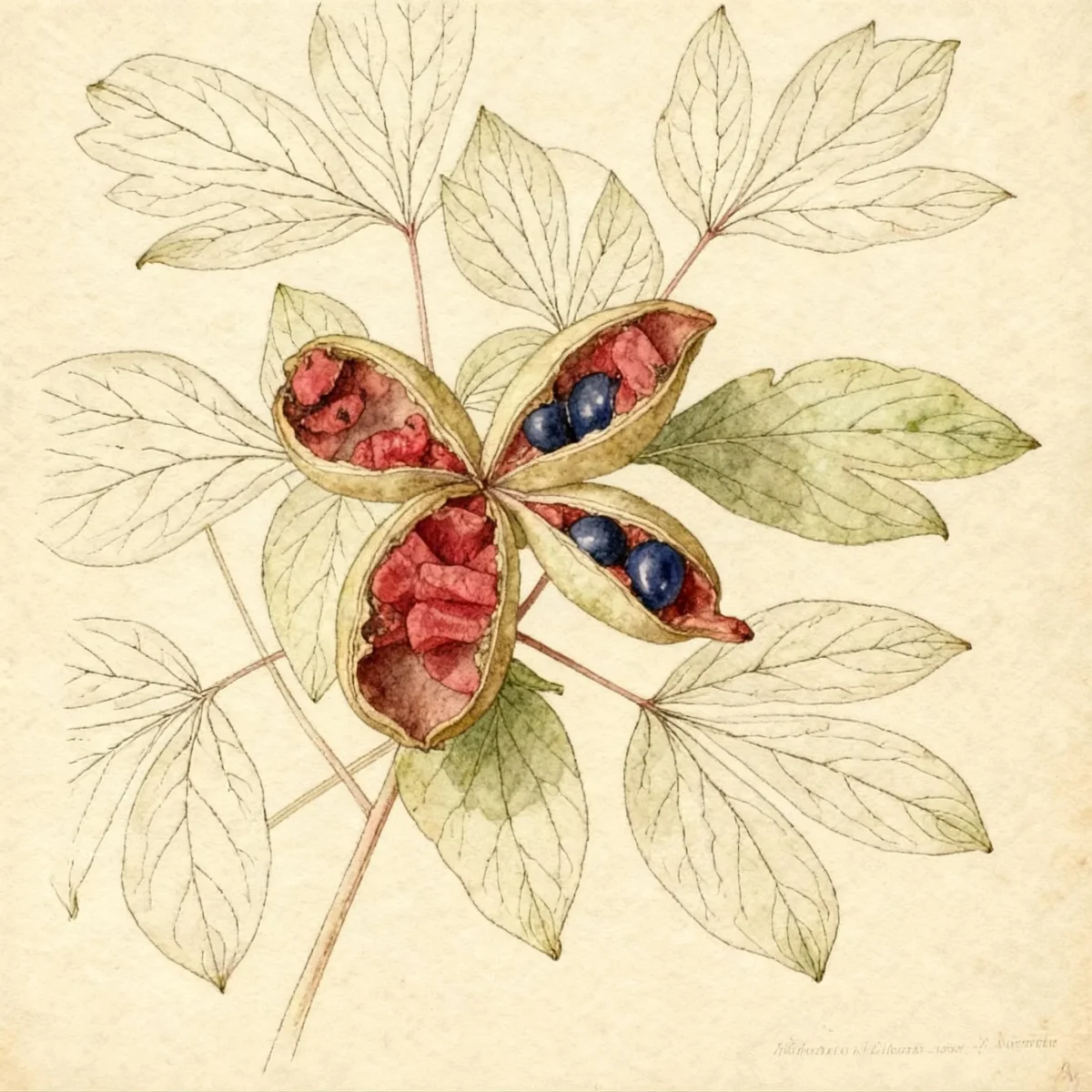
This compact woodland Peony is an excellent low-maintenance addition for open woodland settings or shade borders. Gardeners should appreciate its relative pest resistance and the unique visual interest provided by its seed capsules in late summer, which mature to reveal blue seeds held on bright red stalks. Successful cultivation of Paeonia japonica enhances filtered light areas with reliable seasonal beauty.
Fast Facts
- Plant Family: Paeoniaceae
- Plant Type: Herbaceous perennial
- Native Range: Japan, Korea
- Hardiness Zones: USDA Zones 5-8
- Size at Maturity:
- Height: 1-1.5 ft
- Spread: 1-1.5 ft
- Bloom Time: May
- Bloom Description: White (single) with yellow stamens
- Sun Exposure: Part shade
- Water Needs: Medium
- Maintenance Level: Medium
How to Grow
The best time to plant Paeonia japonica is typically in the fall, allowing the roots time to establish before the next growing season. Select a location that provides rich, fertile, medium moisture soil, ensuring the site receives significant part shade throughout the day. Prior to planting, incorporating compost will significantly improve soil structure and nutrient availability for this long-lived perennial.
Water needs for this Peony are medium; aim to keep the soil consistently moist but never waterlogged, which is especially important during dry summer spells. Maintenance is generally low, though it does benefit from removing spent flowers after the bloom period concludes in May. Plants are long-lived and should not be divided; allow them to remain undisturbed for many years to maximize flowering potential.
A critical annual step for this herbaceous perennial is the fall cleanup. Once the foliage yellows or after the first hard frost, cut the stems down to the ground. Ensure you remove all cut foliage from the garden area to help minimize the potential overwintering of fungal diseases like Botrytis blight, protecting your Paeonia japonica for the spring renewal. Blooms generally do not require staking due to the compact habit of this species.
Landscape Uses
This compact woodland Peony finds its perfect niche in open woodland gardens or within the dappled shade provided by high canopy trees. Paeonia japonica works excellently when placed in shaded areas along a border, offering mid-season color where few other herbaceous plants can reliably perform. Its natural, slightly shrubby habit also lends itself well to forming a low, informal herbaceous hedge or serving as a defined border edger.
The extremely showy single blooms in May make this Peony an excellent specimen plant, drawing the eye even in lower light conditions. For textural contrast, pair the gray-green foliage with neighboring shade perennials such as Hostas, ferns, or woodland phlox. The combination offers continuous visual interest, with the Peony providing the early floral highlight and the companions filling out the season.
Standout Features
Flower Qualities
- Showy
- Fragrant
Fruit Qualities
- Showy
Noteworthy Characteristics
Paeonia japonica, a herbaceous (soft-stemmed) peony, is a woodland species that is native to certain islands in northern Japan and is noted for its compact size, single blooms and preference for part shade. This small shrubby plant typically grows to about 18” tall by mid-spring before blooming, displaying attractive foliage through summer, and dying back after frost. Notable features include the single, white, cup-shaped blooms (to 3” diameter) with yellow center stamens appearing in mid-season, and subsequent seed receptacles that split to reveal attractive blue seeds on red stalks.
Tolerances
- Rabbit
- Deer
Potential Problems
Peonies, including Paeonia japonica, are generally considered quite resilient regarding pests. The most frequently mentioned issues are fungal diseases such as Botrytis blight and Phytopthora blight, which are often minimized by ensuring good air circulation and removing all spent foliage in autumn. Gardeners frequently observe ants crawling on the developing peony buds; these insects are entirely harmless.
If the plant fails to produce flowers, several common cultural issues should be investigated first. These include planting the crown too deep or too shallowly; insufficient sunlight (too much shade); or flower buds being destroyed by a late spring frost. Very young plants or those recently transplanted may also require a season or two to refocus energy on flowering rather than becoming established.
Frequently Asked Questions
What hardiness zones is Peony suitable for?
Paeonia japonica is well-suited for USDA Zones 5 through 8.
How large does Peony grow?
This herbaceous perennial typically matures to a height between 1 and 1.5 feet, with a similar spread of 1 to 1.5 feet wide.
What sun exposure does Peony need?
Paeonia japonica prefers and performs best in part shade conditions.
When does Peony bloom?
This Peony blooms in May, offering single, white flowers accented with yellow stamens.
Conclusion
The Paeonia japonica is a compelling choice for gardeners seeking fragrant, showy flowers in partially shaded environments. As a long-lived herbaceous perennial, this Peony requires medium maintenance but provides exceptional seasonal rewards. Before planting, confirm your site falls within USDA Zones 5-8 and ensure the location receives adequate shelter from the harshest afternoon sun.
Companion Planting in Shade Gardens
Selecting compatible neighbors is key to highlighting the delicate beauty of Paeonia japonica. Since this Peony requires rich, medium-moisture soil and part shade, companions should share similar cultural needs but offer different textures or bloom times to extend visual interest. Pairing it with Heuchera (Coral Bells) offers contrasting foliage color and texture throughout the summer, while species like woodland phlox provide early spring groundcover before the Peony emerges.
Avoid aggressive neighboring plants that might compete too heavily for water or nutrients, as disturbances can delay flowering in this stationary perennial. Low-growing ferns or woodland ephemerals that die back early are excellent neighbors, as they will not crowd out the Paeonia japonica foliage during its primary growing season in mid to late summer.
Seasonal Care Calendar
Spring preparation for your Peony involves ensuring the soil remains consistently moist as new growth emerges. Once the plant begins actively growing, basic feeding with compost worked into the topsoil is usually sufficient, as heavy fertilization can encourage foliage over blooms. This is also the time to carefully check planting depth, as this is a key factor in successful blooming.
Summer care focuses mainly on monitoring water needs, especially during hot, dry periods, ensuring the medium moisture level is maintained without overwatering. After the bloom fades in May, the plant shifts focus to foliage health and energy storage for the following year. Do not cut back the attractive gray-green leaves until after the first fall frost has caused them to die back naturally.
Companion Planting in Shade Gardens
Selecting compatible neighbors is key to highlighting the delicate beauty of Paeonia japonica. Since this Peony requires rich, medium-moisture soil and part shade, companions should share similar cultural needs but offer different textures or bloom times to extend visual interest. Pairing it with Heuchera (Coral Bells) offers contrasting foliage color and texture throughout the summer, while species like woodland phlox provide early spring groundcover before the Peony emerges.
Avoid aggressive neighboring plants that might compete too heavily for water or nutrients, as disturbances can delay flowering in this stationary perennial. Low-growing ferns or woodland ephemerals that die back early are excellent neighbors, as they will not crowd out the Paeonia japonica foliage during its primary growing season in mid to late summer.
Seasonal Care Calendar
Spring preparation for your Peony involves ensuring the soil remains consistently moist as new growth emerges. Once the plant begins actively growing, basic feeding with compost worked into the topsoil is usually sufficient, as heavy fertilization can encourage foliage over blooms. This is also the time to carefully check planting depth, as this is a key factor in successful blooming.
Summer care focuses mainly on monitoring water needs, especially during hot, dry periods, ensuring the medium moisture level is maintained without overwatering. After the bloom fades in May, the plant shifts focus to foliage health and energy storage for the following year. Do not cut back the attractive gray-green leaves until after the first fall frost has caused them to die back naturally.