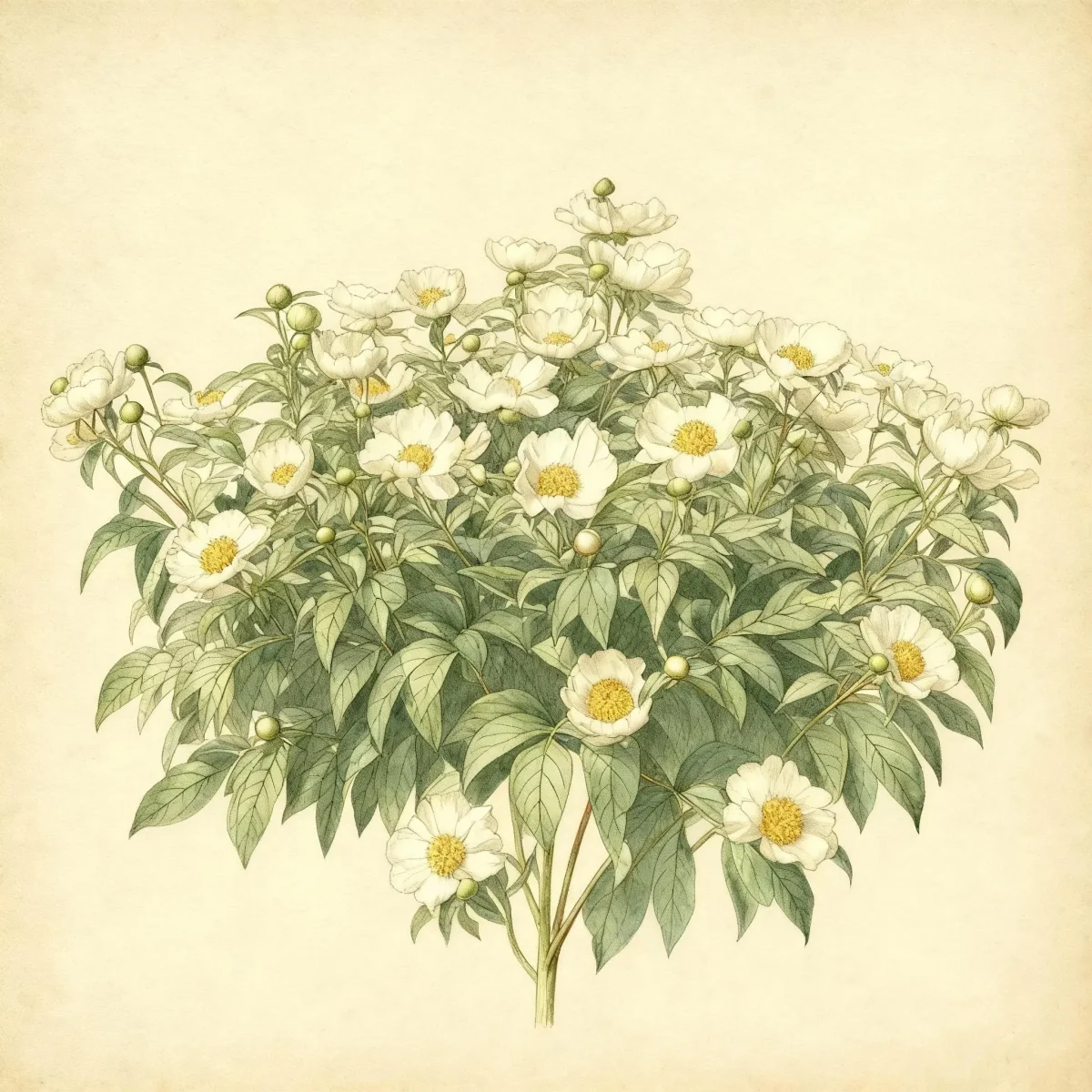
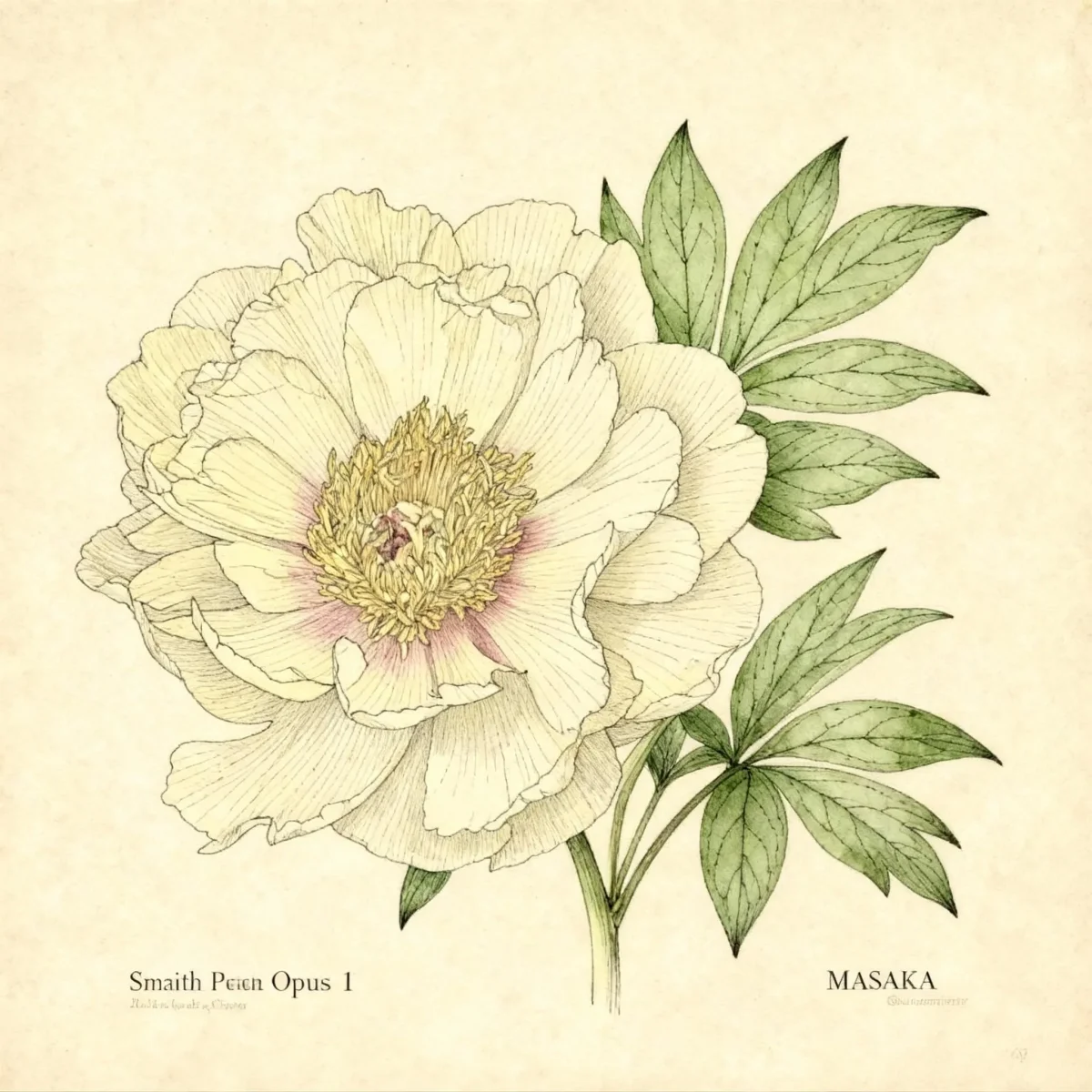
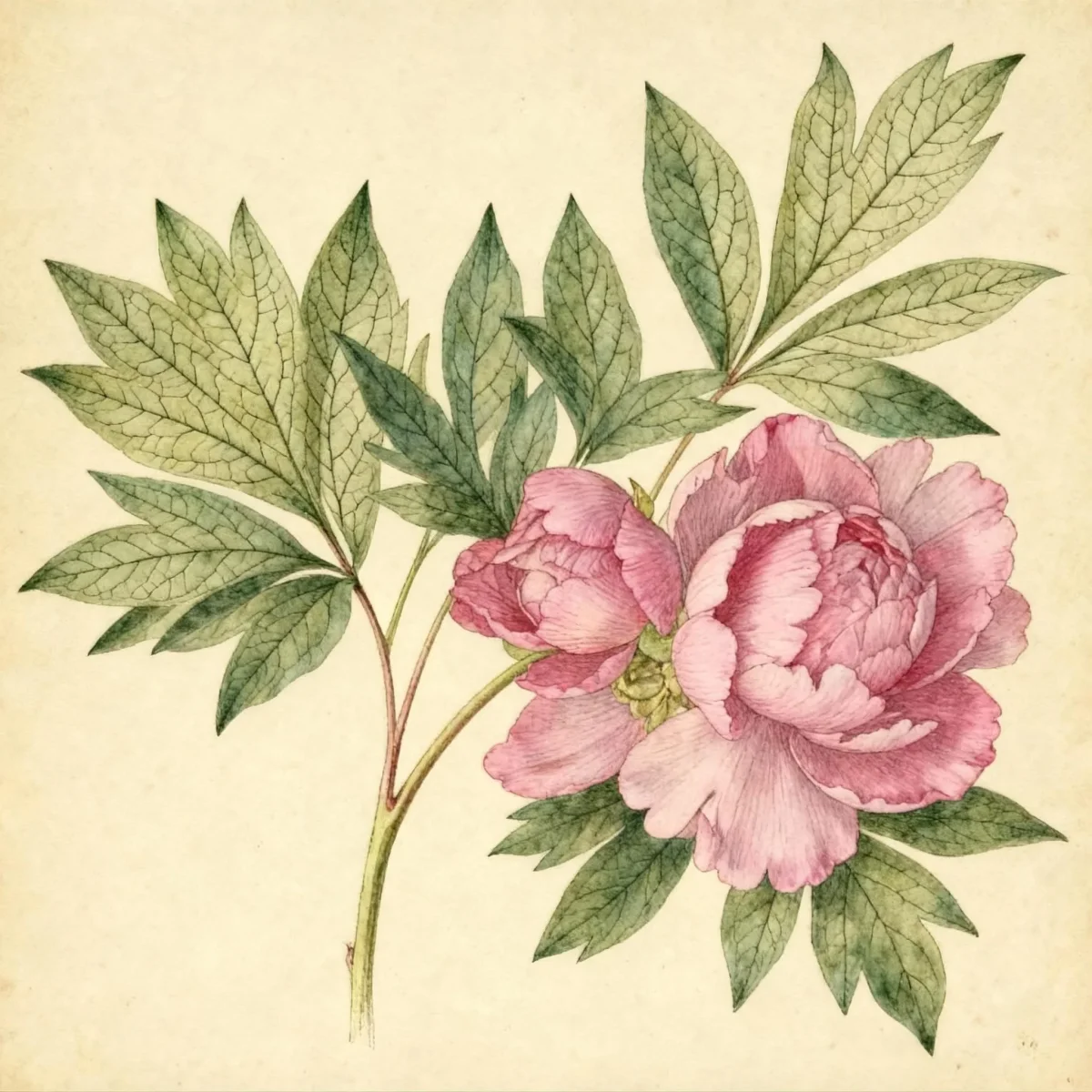
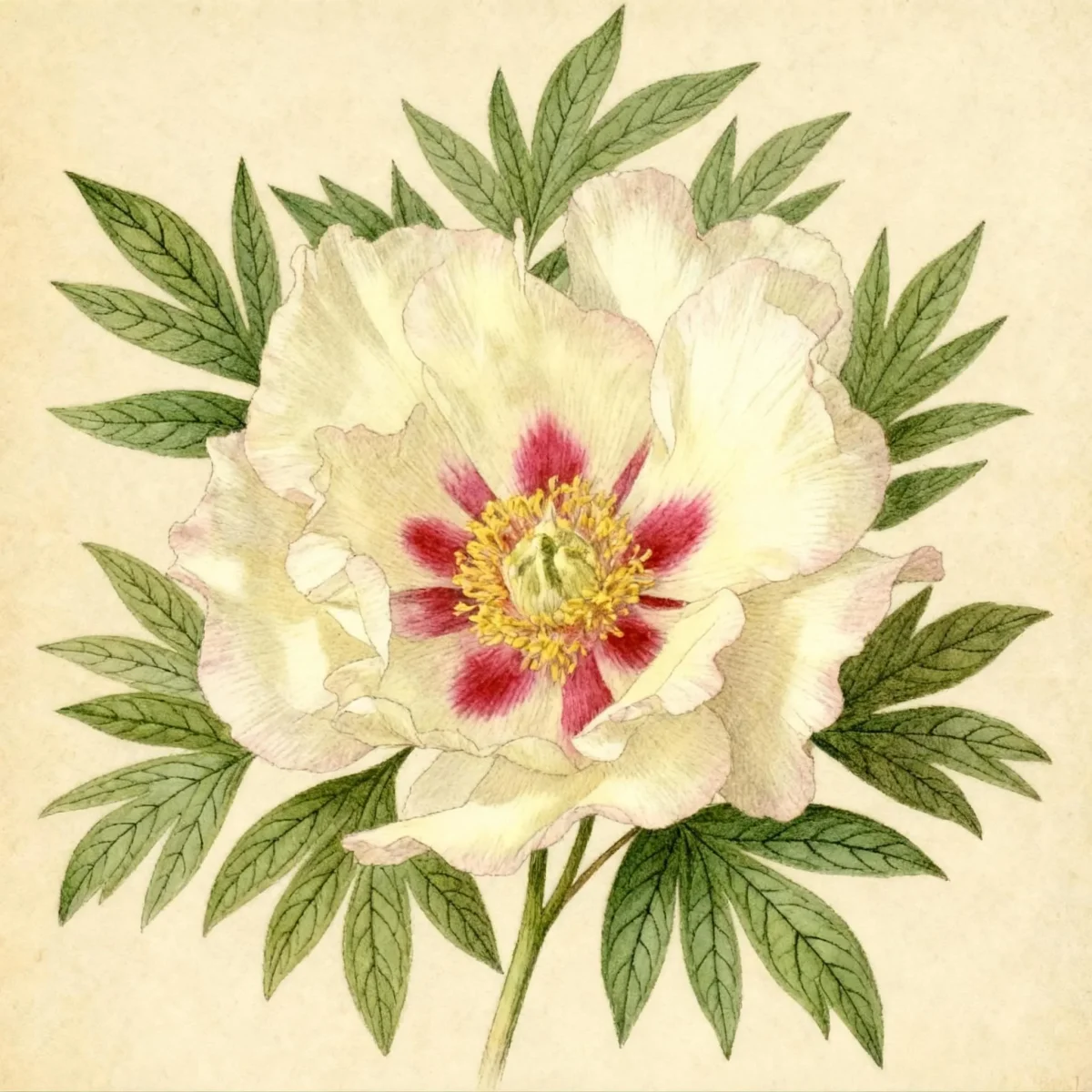
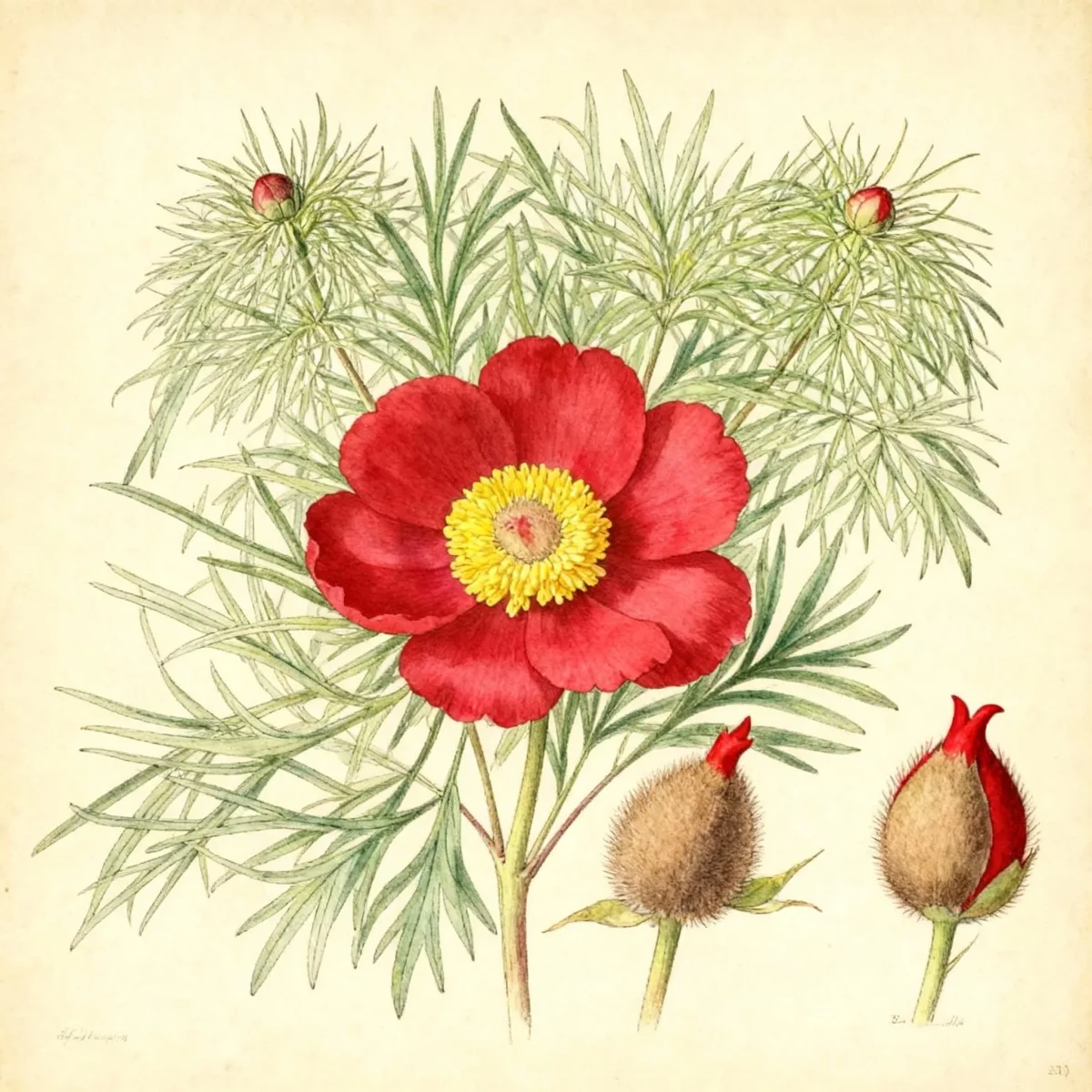
Woodland peony (Paeonia obovata)
The Woodland peony (Paeonia obovata) offers showy, fragrant blooms in May. A medium-maintenance perennial for USDA Zones 5-8.

Bloom Boldly, No Matter the Season - Sweatshirt
Cozy organic cotton sweatshirt featuring our exclusive Purple Coneflower design. Perfect for gardeners who bloom year-round.
Inspired by the beautiful Woodland peony
Limited first batch (50) — join the waitlist for early access
Waitlist closes Feb 15, 2026.
Complete Plant Information
Field Guide Continues
Ready for care notes, companion picks, and planting tips?
The map is just the start. The full guide below covers growth habits, seasonal performance, and landscape uses.
Overview
The Woodland peony, Paeonia obovata, is a highly valued herbaceous perennial prized for its graceful structure and stunning mid-season flowers. Native to the forested regions of Eastern temperate Asia, this species brings desirable elegance to shaded garden areas where many other perennials struggle. Its specific epithet, obovata, refers to its egg-shaped leaflets, contributing to its distinctive appearance.
This compact plant is an excellent choice for gardeners seeking low-impact specimens that reward effort with beautiful blooms and attractive foliage throughout the season. Unlike its more robust garden cousins, Paeonia obovata thrives with dappled light and performs well in groups or as singular specimens in woodland settings.
Gardeners appreciate the Woodland peony for its combination of aesthetic qualities, including mildly fragrant spring flowers and glossy seed heads that develop later in the summer. As a long-lived, low-maintenance plant, establishing Paeonia obovata correctly ensures years of dependable seasonal display.
Fast Facts
- Plant Family: Paeoniaceae
- Plant Type: Herbaceous perennial
- Native Range: Eastern temperate Asia
- Hardiness Zones: USDA Zones 5-8
- Size at Maturity:
- Height: 1-2 ft
- Spread: 1-2 ft
- Bloom Time: May
- Bloom Description: White, red, purple
- Sun Exposure: Part shade
- Water Needs: Medium
- Maintenance Level: Medium
How to Grow
The Woodland peony is easily established when planted in rich, fertile, medium-moisture soils. Ensure the location receives sufficient part shade; too much deep shade will inhibit flowering. Add compost generously before planting to improve soil structure and fertility, welcoming this herbaceous perennial to its new home.
Maintain medium soil moisture, especially during the growing season and bloom period. Generally, fertilizing is minimized if the base soil is rich. After the blooms finish, remove the spent flowers to direct the plant’s energy back to root development.
An essential autumn task is cutting the foliage to the ground only after a hard frost has occurred. This signals dormancy and helps protect the plant long-term. Importantly, Paeonia obovata plants are long-lived and should rarely need division, thriving when left undisturbed for many years.
Landscape Uses
This compact Woodland peony excels in naturalistic settings, fitting perfectly into open woodland garden designs or shaded borders where it can appreciate dappled sunlight. It also functions beautifully as a low, informal herbaceous hedge or as an edger along paths or under taller specimens.
Because the flowers are extremely showy and the foliage remains attractive well into early fall, Paeonia obovata pairs elegantly with other shade-loving perennials. Consider planting alongside Hostas or other shade perennials that complement its structure without competing for light or nutrients.
The mid-season blooming of the Woodland peony offers a beautiful transition point in the shade garden, adding height and fragrance before many summer bloomers take center stage.
Standout Features
Flower Qualities
- Showy
- Fragrant
Fruit Qualities
- Showy
Noteworthy Characteristics
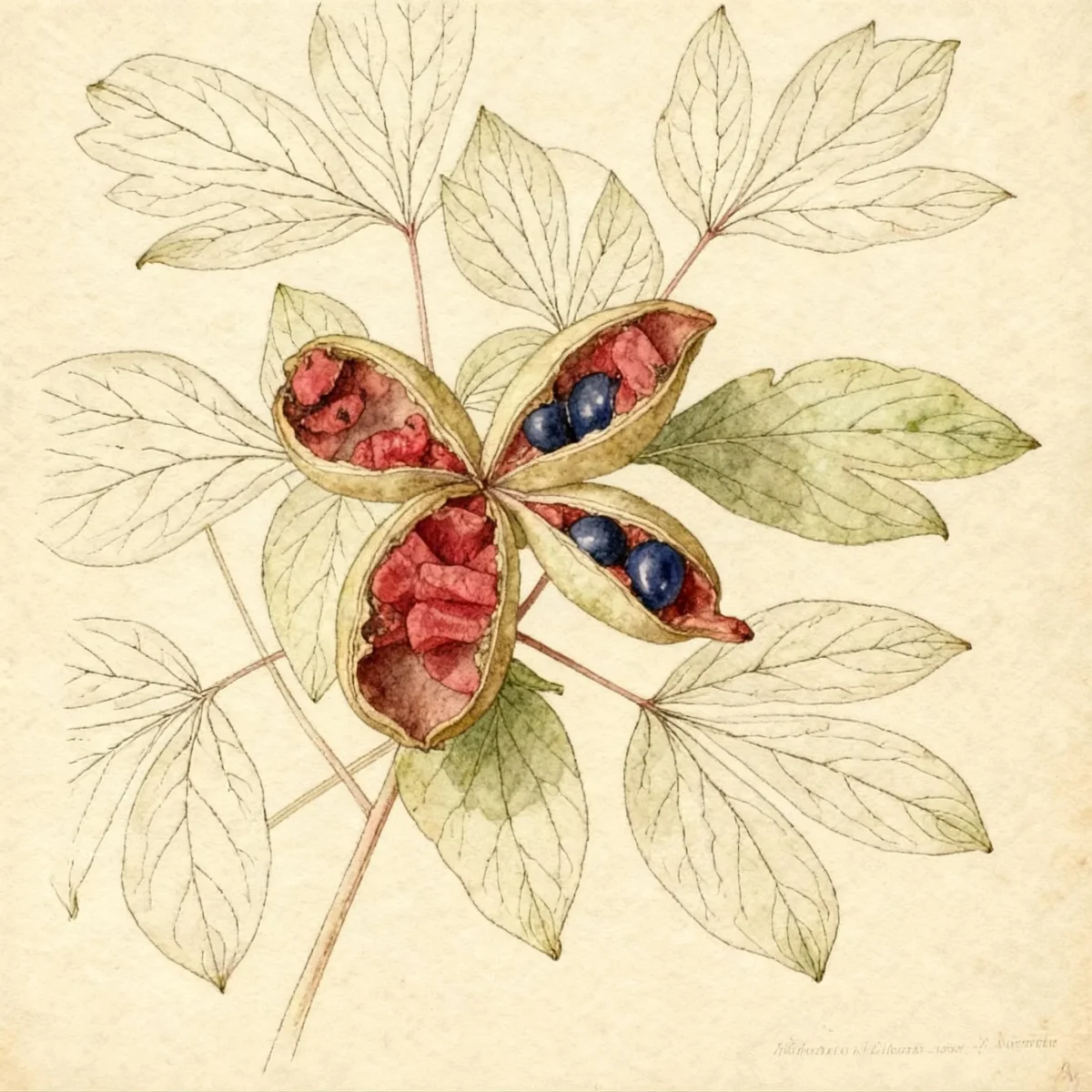
Paeonia obovata, a herbaceous peony, is native to forested areas in Siberia, Manchuria, China and Japan. It has white to rose-purple blooms, with pure white forms often sold commercially as P. Obovata var. Alba. This small shrubby plant grows to about 18-24” before flowering in mid-season (May), followed by attractive seed receptacles that split to reveal glossy black seeds on red stalks. The grayish-green, biternate foliage is a key identifying feature, contributing visual interest well after the bloom period ends.
Tolerances
- Rabbit
- Deer
Potential Problems
Generally, peonies are remarkably pest-free, providing reliable performance with minimal intervention. Watch for fungal issues like Botrytis blight or Phytopthora blight, which can occur in overly wet or poorly drained conditions. Ants congregating on the buds are common during spring but are completely harmless, feeding only on nectar.
If your Paeonia obovata fails to bloom, check common causes: ensure the planting depth is correct—neither too deep nor too shallow—and verify it is not situated in excessive shade. Young or recently disturbed plants may also skip flowering the first year.
Frequently Asked Questions
What hardiness zones is Woodland peony suitable for?
The Woodland peony (Paeonia obovata) is reliably hardy in USDA Zones 5 through 8.
How large does Woodland peony grow?
This plant typically reaches a mature height between 1 and 2 feet, with a corresponding spread also between 1 and 2 feet.
What sun exposure does Woodland peony need?
Paeonia obovata prefers a location that receives part shade, avoiding harsh, all-day direct sun.
When does Woodland peony bloom?
The characteristic bloom time for this species is May, producing flowers described as white, red, or purple.
Conclusion
The Woodland peony (Paeonia obovata) offers sophisticated beauty perfectly suited for shaded garden environments, combining showy, fragrant blooms with durable foliage. Its long life and relatively low maintenance requirements make it a worthwhile, foundational addition to any cooler, dappled-light border. Before planting, always confirm your site conditions match the part shade demands and USDA Zone suitability of this exceptional perennial.
Companion Planting
When siting Paeonia obovata, consider plants that share its preference for dappled sunlight and consistent moisture. Shade-tolerant groundcovers can help maintain even soil temperature and moisture around the root zone during dry spells. Good choices might include European ginger (Asarum europaeum) or specific, lower-growing ferns that do not aggressively spread.
Ensure companion species have similar growth habits regarding nutrient needs. Since peonies prefer rich but not overly rich soil, avoid placing them immediately next to aggressive feeders that monopolize soil resources. Focusing on textural contrast within the shade garden enhances the visual appeal of the Woodland peony when its flowers are past.
Seasonal Care Calendar
Spring preparation for your Woodland peony involves clearing away any remaining leaf debris left from the previous fall cleanup. Once new growth emerges, applying a thin layer of well-rotted compost around the base supports healthy development, but take care not to bury the crown. Summer requires monitoring moisture levels to ensure the soil stays medium moist, especially leading up to and during the May bloom.
Late summer and early fall is when the plant displays its attractive fruit—the glossy black seeds on red stalks which provide secondary interest. As temperatures drop, resist the urge to cut the foliage back immediately; allow the leaves to turn yellow or brown naturally post-frost before cutting them down to the ground level for overwintering preparation.