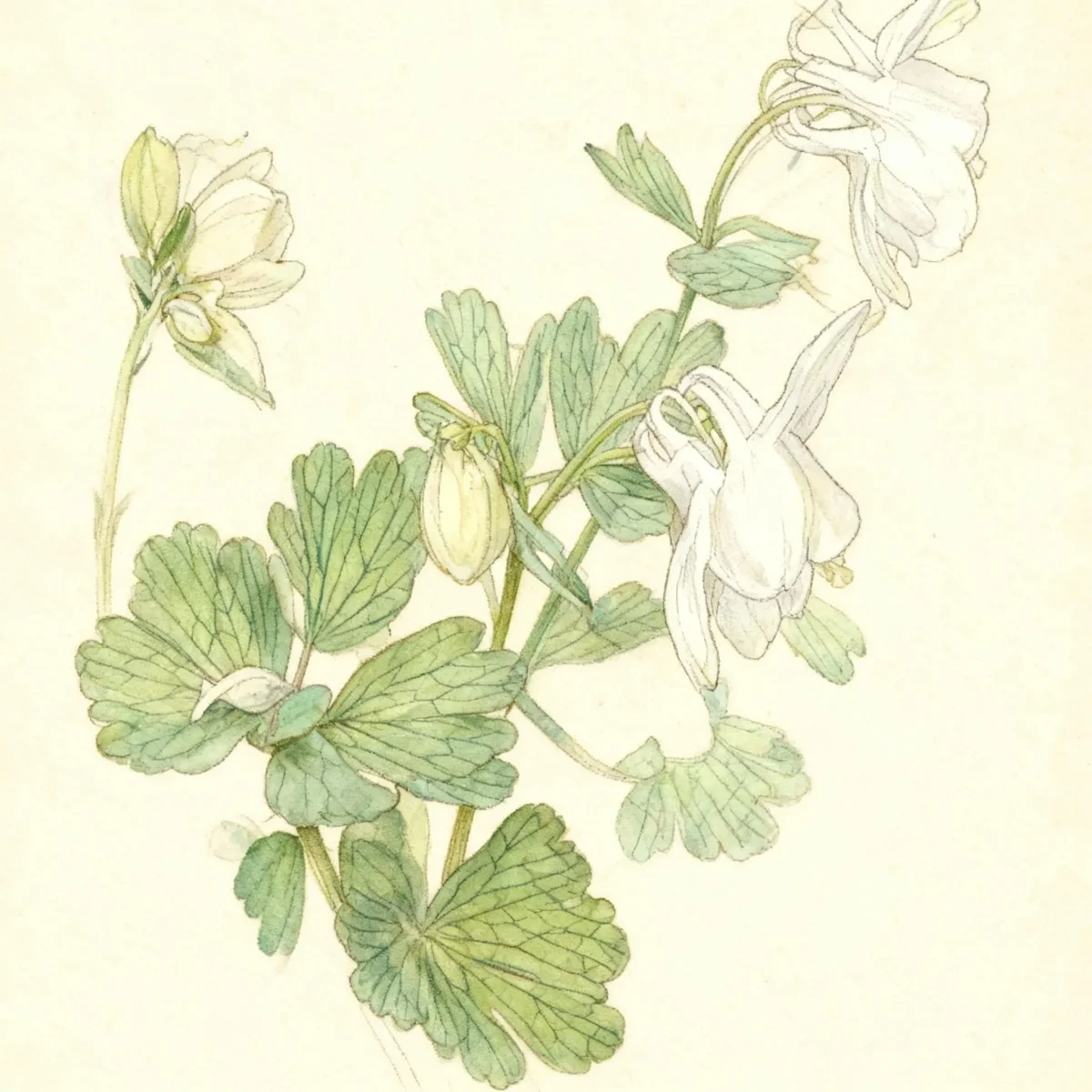
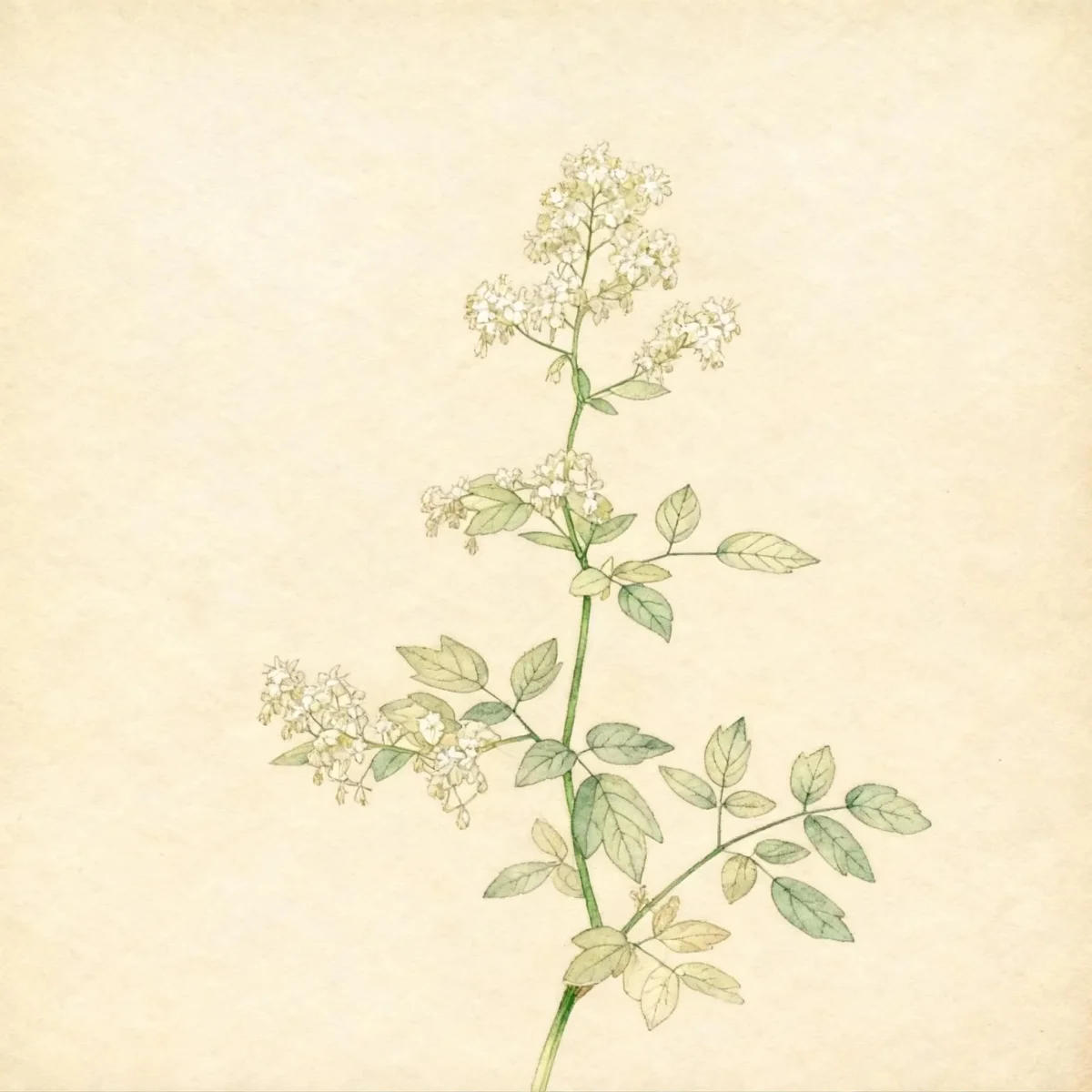
Meadow rue (Thalictrum dasycarpum)
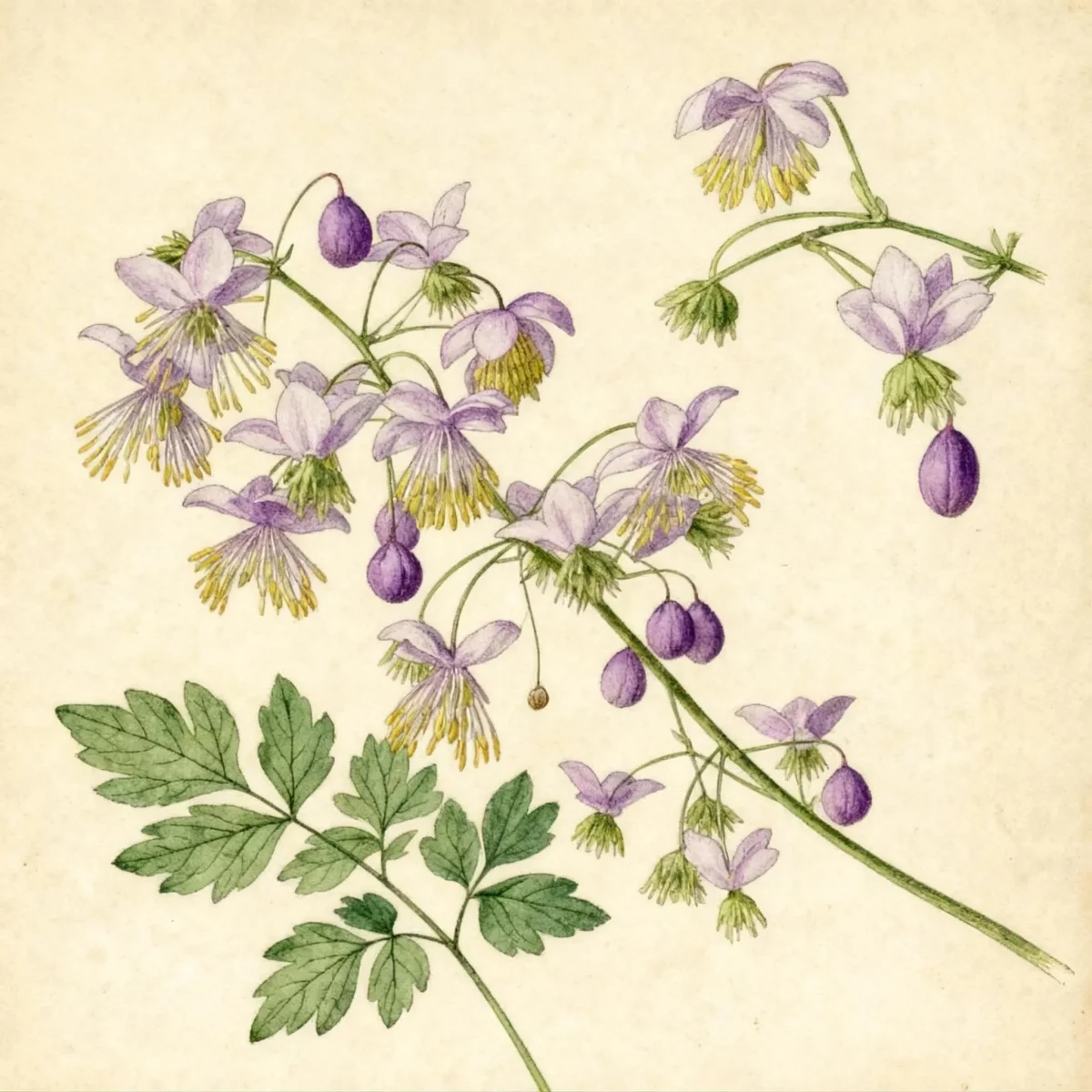
Elegant Thalictrum dasycarpum, a clump-forming Meadow rue, offers fine-textured foliage and airy purplish-white blooms in early summer.

Bloom Boldly, No Matter the Season - Sweatshirt
Cozy organic cotton sweatshirt featuring our exclusive Purple Coneflower design. Perfect for gardeners who bloom year-round.
Inspired by the beautiful Meadow rue
Limited first batch (50) — join the waitlist for early access
Waitlist closes Feb 15, 2026.
Complete Plant Information
Field Guide Continues
Ready for care notes, companion picks, and planting tips?
The map is just the start. The full guide below covers growth habits, seasonal performance, and landscape uses.
Overview
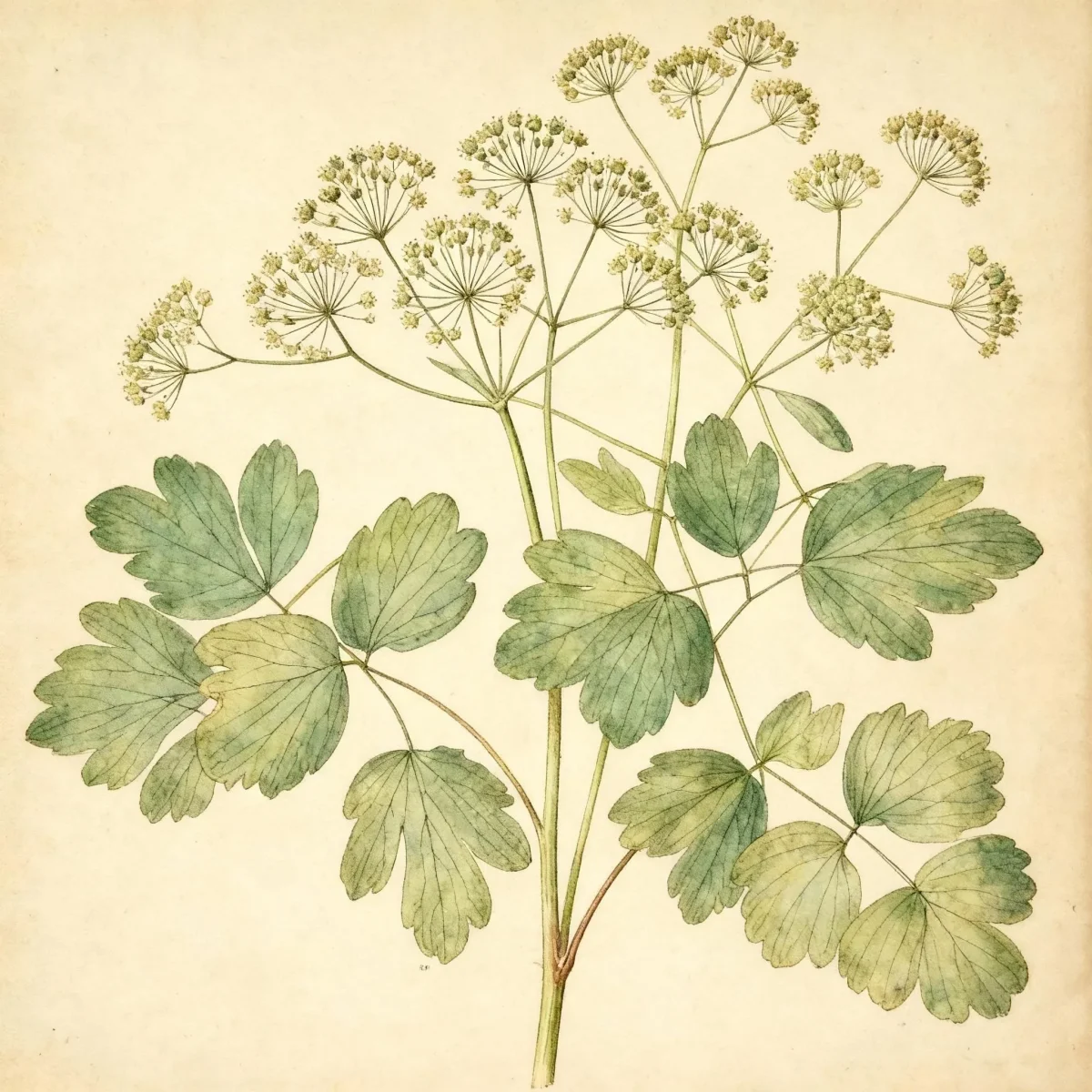
Thalictrum dasycarpum, commonly known as Meadow rue, introduces unique texture and surprising vertical structure to the perennial garden. Its primary aesthetic appeal comes from its intensely fine, compound foliage, which superficially resembles that of maidenhair fern, creating a soft haze in the landscape even before flowering. This dense, clump-forming plant establishes itself reliably in average soils.
This herbaceous perennial is valued for its airy, mid-season display of purplish-white flowers borne on wiry-branched sprays. While individual flowers are small, the mass effect of the bloom period in late May through July is quite showy and offers visual lightness. Stems are often distinctively purple, adding another layer of subtle color interest to the evolving perennial tapestry.
The native range of Thalictrum dasycarpum spans from the northern reaches of Alberta and Ontario south into areas like Arizona and Ohio, indicating adaptable tendencies provided its cultural needs are met. Gardeners seeking height and textural contrast in a naturalized or meadow setting will find this medium-maintenance native highly beneficial.
Fast Facts
- Plant Family: Ranunculaceae
- Plant Type: Herbaceous perennial
- Native Range: Alberta and Ontario south to Arizona and Ohio
- Hardiness Zones: USDA Zones 4-7
- Size at Maturity:
- Height: 3-5 ft
- Spread: 3-4 ft
- Bloom Time: May to June
- Bloom Description: Purple white
- Sun Exposure: Full sun to part shade
- Water Needs: Medium
- Maintenance Level: Medium
How to Grow
For optimal establishment, plant Thalictrum dasycarpum during the spring or early fall when temperatures are moderate. The key to success lies in providing rich, humusy soil that retains consistent moisture but remains well-drained. While the plant tolerates average soil, richness significantly enhances vigor and flower production. Locate Meadow rue where it receives full sun, though dappled shade is welcomed, particularly in hotter portions of its range.
Water needs for this species are classified as medium, requiring consistent moisture, especially during dry spells or establishment. Avoid letting the soil completely dry out, as this species is specifically noted as intolerant of hot and humid conditions, which can stress the foliage. Fertilization is usually unnecessary if the soil is organically rich; rich soil fulfills most feeding requirements.
Due to its height, reaching up to five feet, taller specimens of Thalictrum dasycarpum may benefit from staking or association with sturdier neighbors to prevent flopping, especially after heavy rain. Spring cleanup involves removing old dead foliage before new growth aggressively emerges. Gardeners should note that the plant is mostly dioecious, meaning male and female flowers appear on separate plants, so do not rely on seed set unless you have both types present.
Landscape Uses
The stately, yet airy presence of Meadow rue makes it an excellent background plant in mixed perennial borders, providing height without the heavy visual bulk of shrubs. Its fine texture contrasts beautifully against plants with broad leaves, such as hostas or peonies, offering dynamic relief in mass plantings. Use this tall plant with an early summer bloom to provide color and contrast to the perennial border, wildflower garden, meadow or naturalized area.
If you are designing a naturalized area or native plant meadow, Thalictrum dasycarpum integrates seamlessly, mimicking its prairie origins. It performs well interplanted with later-blooming natives that can help support its structure as the season progresses. Because of its height, avoid placing it in the front of borders where it might obscure shorter specimens.
Its preference for moist, humus-rich conditions means it pairs well visually with wetland-edge plants or in moisture-retentive pockets of the garden. The airiness of the bloom also means it catches the light beautifully, making it a strong choice for areas viewed in the late afternoon sun.
Standout Features
Flower Qualities
- Showy
- Good Cut
Noteworthy Characteristics
Thalictrum dasycarpum is a dense, clump-forming meadow rue that grows 3-5’ tall. It features lacy, fine-textured, medium green, compound foliage reminiscent of columbine or maidenhair fern, paired with terminal sprays of tiny, purplish-white flowers in early summer. The species is often dioecious, and its genus name is derived from the Greek word thaliktron, used long ago to describe a plant in this group.
Tolerances
- Deer
Potential Problems
Thalictrum dasycarpum generally resists serious pest infestations, contributing to its lower maintenance profile. Occasionally, gardeners may observe powdery mildew or rust, particularly if air circulation around the foliage is poor or humidity is high. Prevention involves ensuring proper spacing when planting to maximize airflow and avoiding overhead watering late in the day. Taller stems may require staking or placement near sturdy neighbors to prevent them from flopping over, especially when heavily laden with developing seed heads or after windy storms.
Frequently Asked Questions
What hardiness zones is Meadow rue suitable for?
Thalictrum dasycarpum performs best when grown in USDA Hardiness Zones 4 through 7.
How large does Thalictrum dasycarpum grow?
This perennial typically reaches a height between 3 to 5 feet and spreads to a width of 3 to 4 feet at maturity.
When does Meadow rue bloom?
Meadow rue typically blooms between May and June, showcasing its light, purplish-white flowers.
What sun exposure does Thalictrum dasycarpum need?
This plant prefers conditions ranging from full sun to partial shade, thriving best where dappled sunlight is available.
Conclusion
The combination of fine, fern-like foliage and airy, early summer blossoms makes Thalictrum dasycarpum a sophisticated addition to any garden structure. This versatile Meadow rue provides essential vertical contrast with relatively few maintenance concerns, provided it receives rich, moist soil. Before planting, confirm your site meets the USDA Zone 4-7 requirements and offers adequate soil drainage for long-term success with this outstanding native perennial.
Companion Planting
Companion planting for Thalictrum dasycarpum should focus on species that share needs for medium moisture and partial shade tolerance, while offering bolder texture to offset its delicacy. Consider pairing it with plants that bloom later, such as tall ornamental grasses or large-leaved perennials like Hosta or Ligularia (if moisture levels are consistently high). In full sun locations, pair it with plants that appreciate rich soil, such as Aconitum (Monkshood) or robust Phlox paniculata cultivars that will bloom as the Meadow rue fades.
Seasonal Care Calendar
Spring care for Thalictrum dasycarpum is straightforward: clear out all remaining dead foliage from the previous season before new shoots emerge vigorously. This is the ideal time to amend the soil surface with a layer of rich compost to improve texture and moisture retention for the coming growing season. During the heat of summer, monitor moisture levels; while established plants are resilient, they thrive when kept consistently damp, especially if receiving full afternoon sun. In the fall, allow the seed heads to stand if you appreciate the structural look, or cut the faded stalks back close to the ground once the foliage dies back naturally.