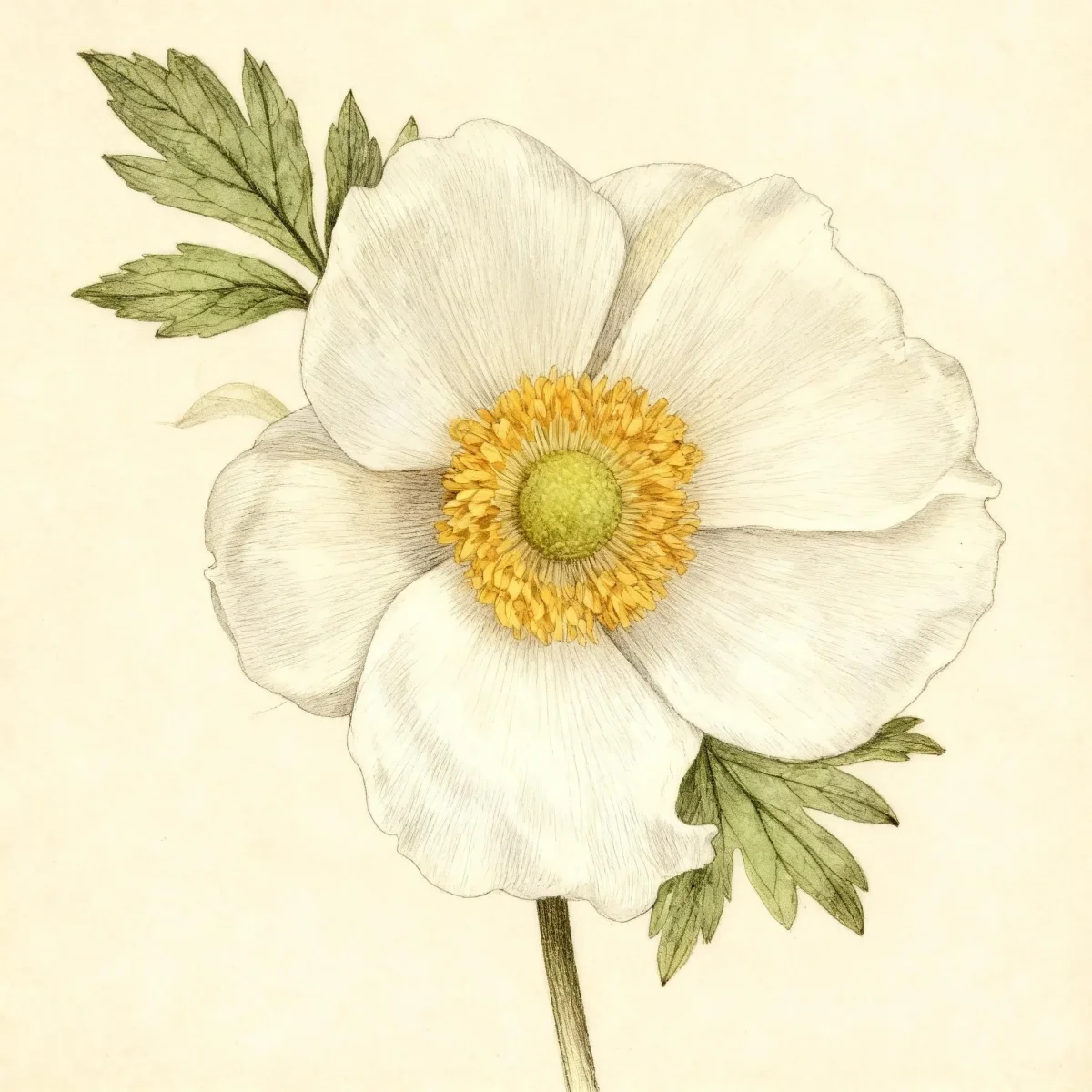
Windflower (Anemone blanda)
Anemone blanda, the charming Windflower, offers early spring color. This low-maintenance bulb naturalizes beautifully in sunny to partially shaded spots.


Bloom Boldly, No Matter the Season - Sweatshirt
Cozy organic cotton sweatshirt featuring our exclusive Purple Coneflower design. Perfect for gardeners who bloom year-round.
Inspired by the beautiful Windflower
Limited first batch (50) — join the waitlist for early access
Waitlist closes Feb 15, 2026.
Complete Plant Information
Field Guide Continues
Ready for care notes, companion picks, and planting tips?
The map is just the start. The full guide below covers growth habits, seasonal performance, and landscape uses.
Overview
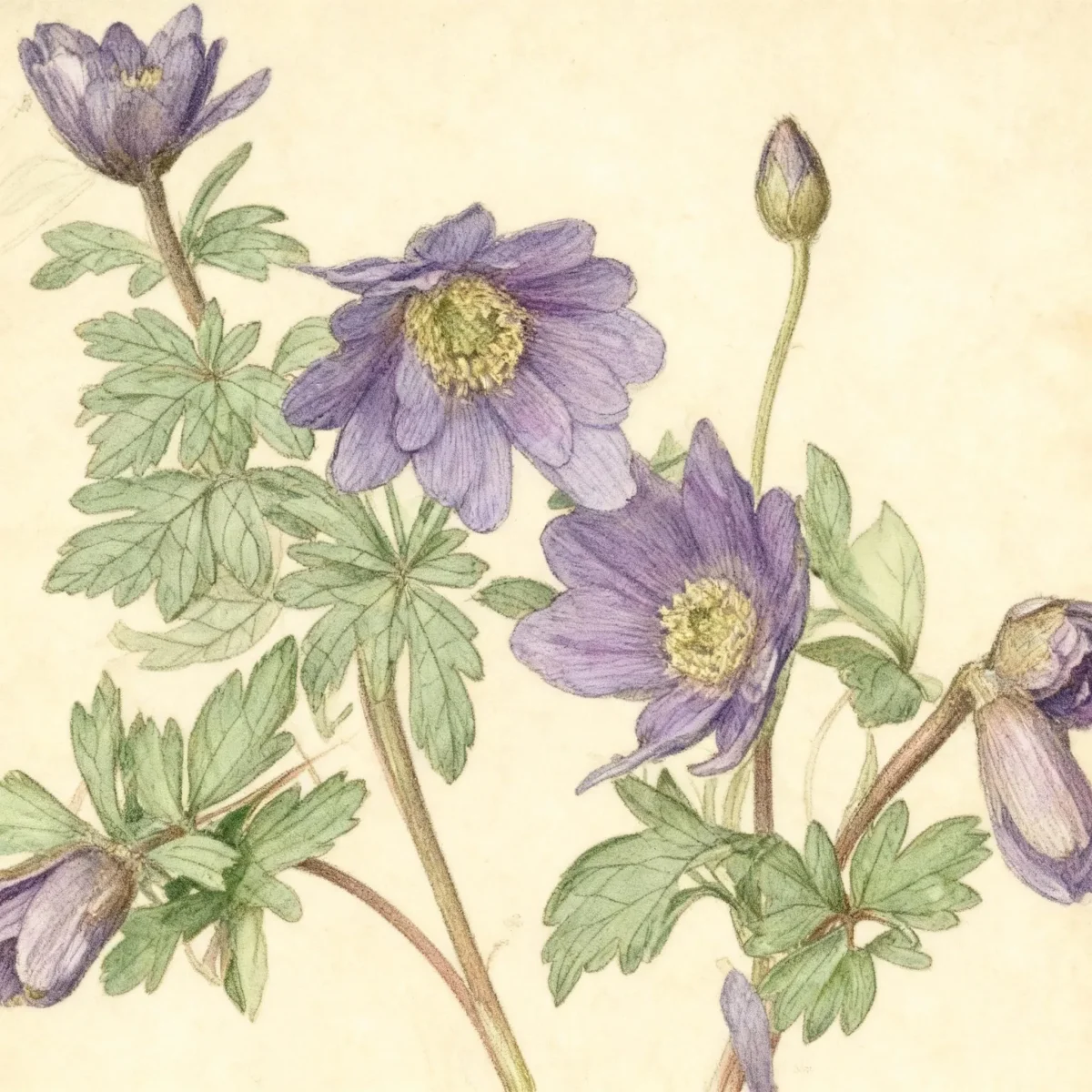
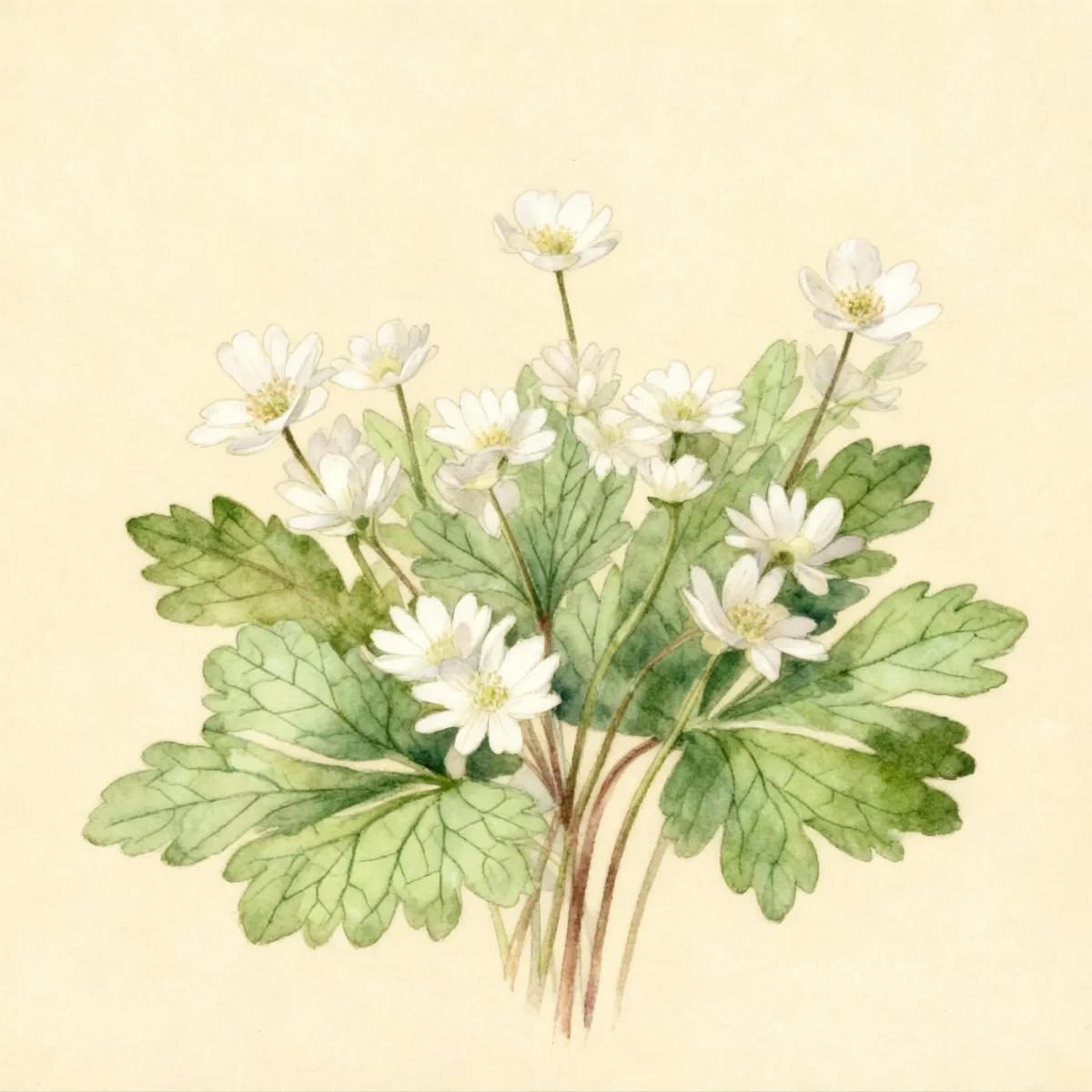
The elegant Anemone blanda, commonly known as the Windflower, provides a vital splash of early spring color when few other perennials are stirring. This tuberous-rooted perennial spreads gently to form a low-lying carpet, displaying daisy-like flowers often in shades of deep blue, white, or pink. Its charm lies in its eagerness to naturalize, creating drifts of vibrant blooms year after year with minimal intervention.
Native to southeastern Europe and Turkey, the Anemone blanda thrives when planted in the autumn. Although they are known as windflowers, gardeners should aim to give them a somewhat sheltered spot, maximizing the visual impact of their delicate foliage and striking spring flowers. They are valued for their low maintenance requirements and ability to perform well in both full sun and partial shade situations.
Gardeners prize the Windflower for its ability to transition gracefully through the season, quickly emerging to flower before deciduous trees fully leaf out. Once blooming ceases, the foliage yellows, and the plant enters dormancy, making way for summer perennials. The attractive, deeply cut foliage provides textural interest even outside the short blooming window of this delightful bulb.
Fast Facts
- Plant Family: Ranunculaceae
- Plant Type: Bulb
- Native Range: Southeastern Europe, Cyprus, western Turkey, Caucasus
- Hardiness Zones: USDA Zones 5-8
- Size at Maturity:
- Height: 0.5-0.75 ft
- Spread: 0.25-0.5 ft
- Bloom Time: April
- Bloom Description: Blue, white, pink, purplish red
- Sun Exposure: Full sun to part shade
- Water Needs: Medium
- Maintenance Level: Low
How to Grow
Planting Anemone blanda tubers in the fall is crucial for spring flowering. Ensure the location receives full sun in cooler climates, or benefits from afternoon shade protection in very hot regions. These plants excel in organically rich, well-drained soil that maintains medium moisture levels throughout the active growing season. Prior to planting, soak the knobby tubers overnight. Plant them 2 to 3 inches deep and spaced 3 to 5 inches apart; closer spacing encourages faster mat formation.
Post-planting care focuses primarily on maintaining consistent moisture while the plants are active. Keep the soil consistently moist throughout the growing season, but their needs diminish significantly once the foliage yellows and dormancy begins. Since maintenance is low, extensive fertilizing is usually unnecessary if the soil is already rich. Deadheading is not typically required, but you may cut back the foliage once it naturally yellows following flowering. Self-seeding also contributes to naturalization alongside underground tuberous rhizomes.
Gardeners should note that while these plants naturalize beautifully, they might prefer a spot sheltered from harsh winds, despite the common name Windflower. If you utilize Anemone blanda in containers, plan to transplant the tubers into a more permanent garden location when they go dormant in the fall for better long-term survival.
Landscape Uses
The suggested use for Anemone blanda is primarily to naturalize, creating spectacular mass plantings. They are excellent mixed and massed for an early-blooming variety of colors across the rock garden or perennial border. Consider planting large drifts underneath the canopy of spring-flowering trees, where they will receive sun before the leaves emerge and partial shade during the heat of summer.
The forming of a mat-like ground cover in spring makes these bulbs perfect for softening the edges of woodland paths or naturalized garden areas. Containers are also suitable, though note that the tubers must be moved out to a permanent garden spot come fall to ensure they thrive in subsequent seasons. The early bloom time of the Windflower also makes it an excellent transitional planting alongside later-emerging perennials.
Flower Qualities
- Showy
- Good Cut
Noteworthy Characteristics
Anemone blanda, commonly called Grecian windflower, is a spreading, tuberous-rooted perennial that is native from southeastern Europe (including of course Greece) to the Caucausus and Turkey. It blooms in early spring. Plants typically grow to only 4-8” tall and feature attractive daisy-like, dark blue flowers, each of which contains 9-14 showy petal-like sepals, but no petals (apetalous). The knobby tubers and deeply cut, fern-like foliage contribute to its overall charm, allowing the plants to spread out to form a carpet of flowers.
Tolerances
- Deer
- Black Walnut
Potential Problems
Infrequently reported potential problems for the Windflower include leaf spot and rhizome rot. Rhizome rot is strongly associated with overly saturated soil conditions, emphasizing the need for excellent drainage during the growing season and winter rest. Leaf spot usually affects the foliage, often appearing later in the season as the plant declines into dormancy. Preventative care centers on planting in well-drained soil and avoiding excessive overhead watering once established.
Frequently Asked Questions
What hardiness zones is Windflower suitable for?
Anemone blanda is suitable for USDA Zones 5 through 8, making it reliably hardy across a wide range of temperate gardens.
How large does Windflower grow?
This plant remains quite small, reaching a mature height between 0.5 and 0.75 feet and spreading slightly less than a foot wide.
When does the Windflower bloom?
The Windflower reliably blooms in April, providing shades of blue, white, pink, and purplish red early in the season.
What sun exposure does Anemone blanda need?
Anemone blanda thrives in locations receiving full sun to part shade, adjusting based on local climate intensity.
Conclusion
The low-maintenance Anemone blanda, or Windflower, offers gardeners significant visual rewards for very little effort, especially through its propensity to naturalize reliably. Its bold early spring color makes it an indispensable addition to transitional garden spaces. Before planting in the fall, confirm your garden falls within USDA Zones 5-8 and ensure you provide the medium moisture levels this excellent bulb requires.
Companion Planting
Since this Anemone blanda blooms and goes dormant early, smart companion planting focuses on perennials that emerge later in the season. Pair them with late spring or early summer bloomers that appreciate similar light conditions, such as early-blooming Daffodils (Narcissus) for textural variation, or woodland ferns that fill in the space once the Windflower foliage has died back. This allows the garden bed to maintain aesthetic continuity as the seasons advance.
Consider planting under established deciduous shrubs or early-flowering understory trees. This arrangement perfectly mimics the native habitat, benefiting from available sun early in spring before the canopy closes over completely. The emerging foliage of later hostas or astilbes work well as summer occupants in the same spots.
Seasonal Care Calendar
Autumn (Planting): This is the critical time for planting Anemone blanda tubers. Soak them overnight and plant them deeply enough to avoid freeze-thaw cycles, providing them with consistent moisture as they establish root systems before winter.
Spring (Active Growth): Keep soils consistently moist throughout April and May while blooming and foliage are present. Enjoy the vibrant blooms, but remember to avoid mechanical disturbance as the plant is shallow-rooted.
Late Spring/Early Summer (Dormancy Prep): Allow the foliage to fully yellow naturally. Do not cut it back prematurely, as this starves the tuber for next year’s performance. Once yellowed, the foliage can be removed or left to decompose.
Summer/Winter (Rest): The plant is dormant; water needs are negligible unless you are growing them in pots that are prone to drying out completely. Protection from harsh winds is recommended if the location is exceptionally exposed.