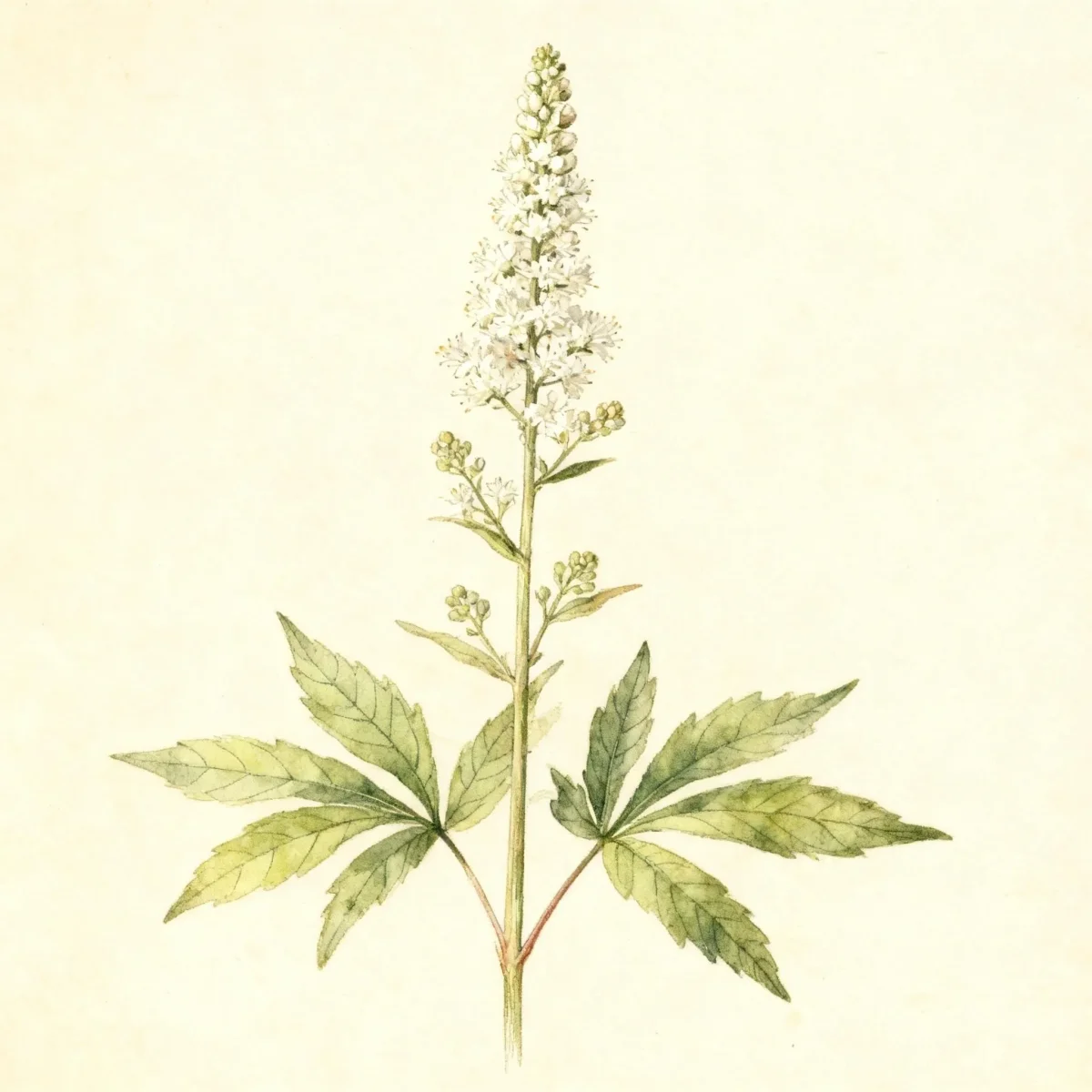
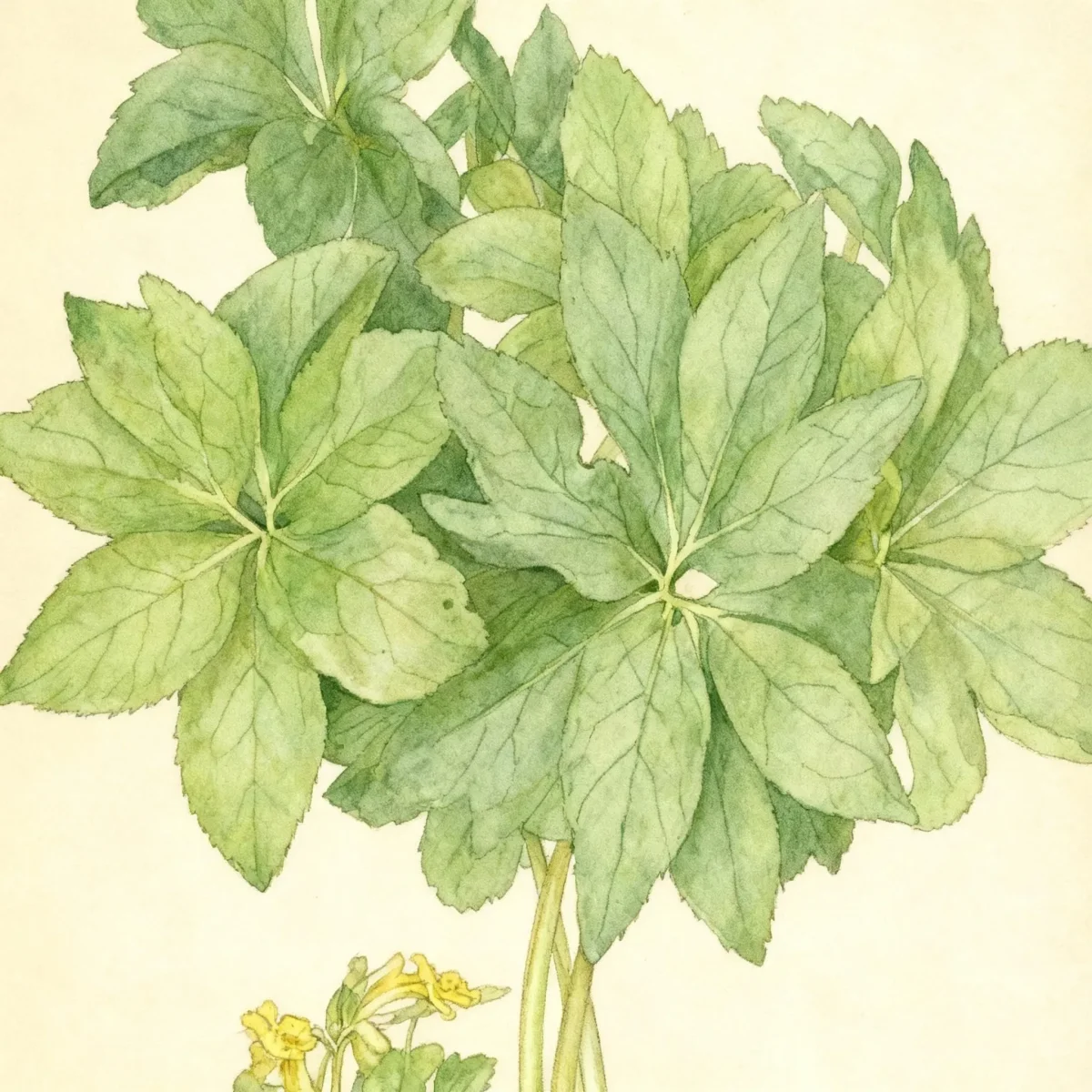
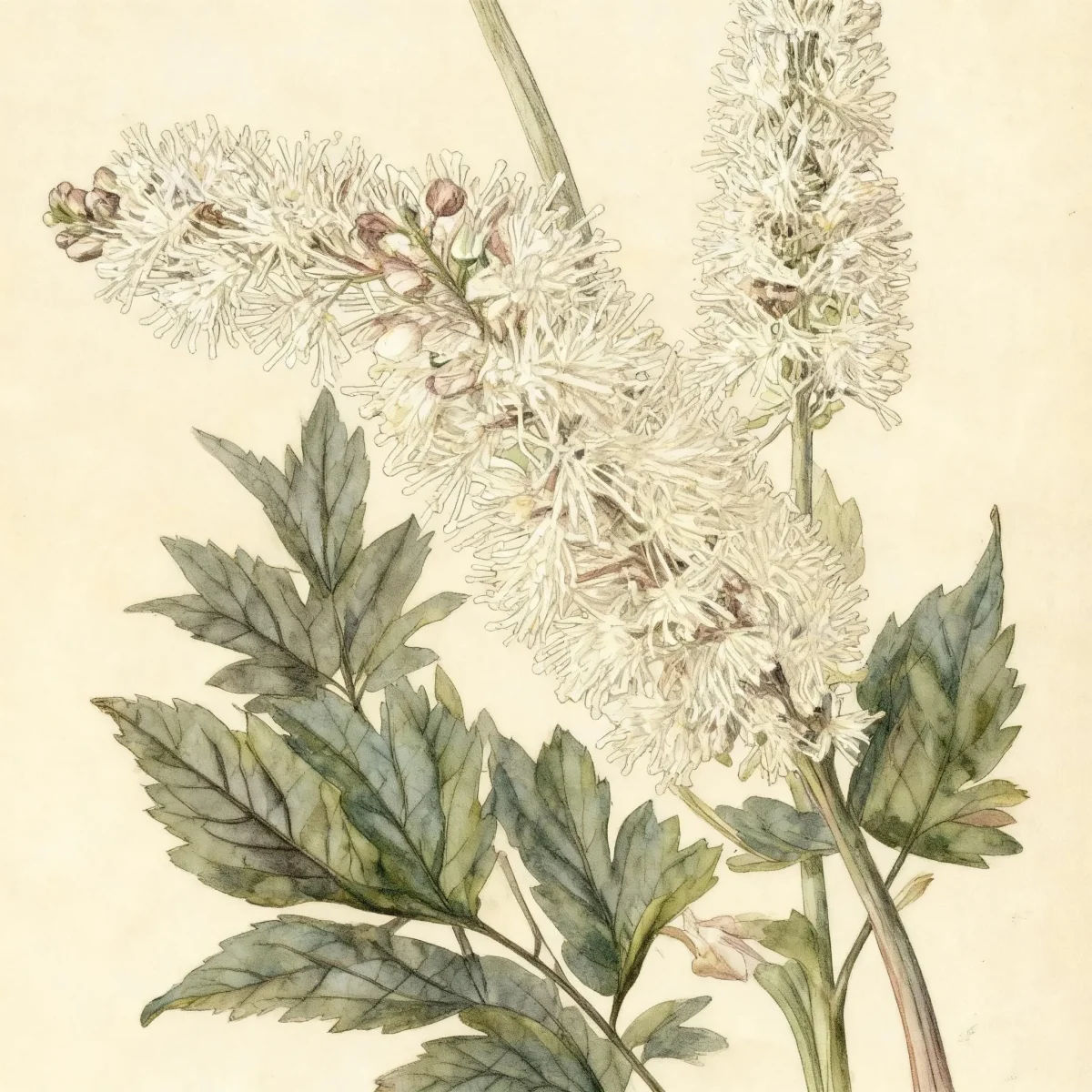
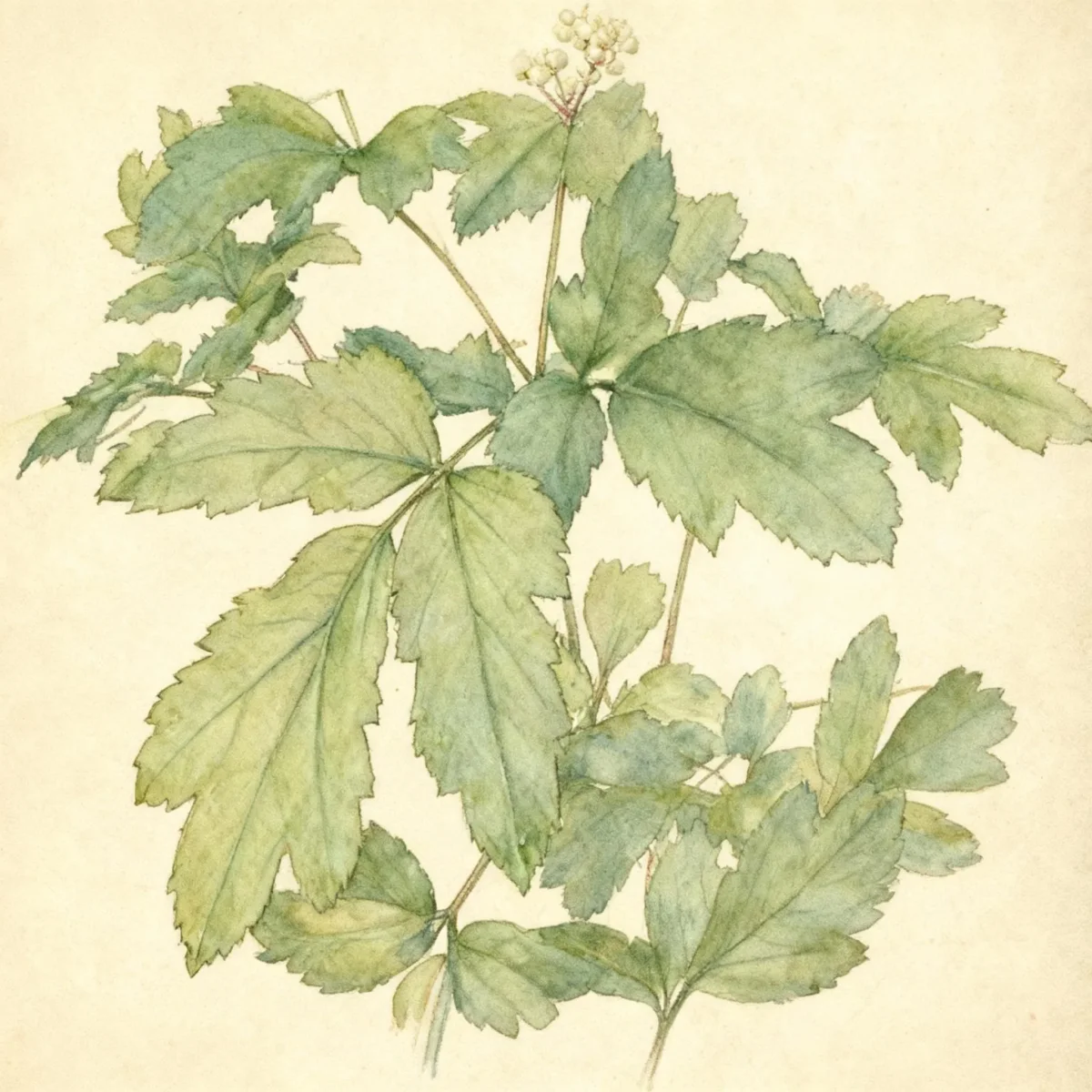
White baneberry (Actaea pachypoda)
Actaea pachypoda, or White baneberry, offers striking white berries popular in woodland shade gardens. Low maintenance perennial.

Bloom Boldly, No Matter the Season - Sweatshirt
Cozy organic cotton sweatshirt featuring our exclusive Purple Coneflower design. Perfect for gardeners who bloom year-round.
Inspired by the beautiful White baneberry
Limited first batch (50) — join the waitlist for early access
Waitlist closes Feb 15, 2026.
Complete Plant Information
Field Guide Continues
Ready for care notes, companion picks, and planting tips?
The map is just the start. The full guide below covers growth habits, seasonal performance, and landscape uses.
Overview
Actaea pachypoda, widely recognized as White baneberry, is a highly distinctive herbaceous perennial native to Eastern North America, prized for its unique summer fruit display. This plant brings architectural interest to shaded garden spaces, contrasting its delicate spring flowers with the memorable, pale berries that earn it the common name Doll’s eyes. Cultivating Actaea pachypoda provides reliable seasonal structure, thriving where many flowering plants struggle due to deep shade.
This perennial requires consistent moisture and rich soil to perform optimally throughout the growing season. While it maintains a relatively low maintenance profile once established, ensuring the soil remains neither waterlogged nor bone dry is critical for the health of Actaea pachypoda. Gardeners often incorporate this species into woodland settings to capitalize on its specific cultural demands for humusy, dappled light.
The ornamental value peaks when its signature white berries appear, often persisting until frost, assuming wildlife ignores the highly toxic fruit. For those seeking a visually arresting, low-effort addition to a deep shade garden, the White baneberry presents an excellent, albeit cautionary, choice due to its foliage and distinctive berry structures.
Fast Facts
- Plant Family: Ranunculaceae
- Plant Type: Herbaceous perennial
- Native Range: Eastern North America
- Hardiness Zones: USDA Zones 3-8
- Size at Maturity:
- Height: 1.5-2.5 ft
- Spread: 2-3 ft
- Bloom Time: May to June
- Bloom Description: White
- Sun Exposure: Part shade to full shade
- Water Needs: Medium
- Maintenance Level: Low
How to Grow
The best time to establish Actaea pachypoda is during the spring or fall when temperatures are moderate, allowing the plant to settle its roots before seasonal extremes. Plant it in locations receiving part shade to full shade, mimicking its native woodland habitat. Success hinges upon providing moist, organically rich, humusy soil that retains consistent hydration but remains well-drained to prevent root rot. Drainage is paramount; avoid heavy clay soils that stay soggy.
Watering needs are medium; ensure the soil never dries out, especially during hot summer months, as drought stress can rapidly cause foliage decline. Fertilization is rarely necessary if the soil is adequately amended with compost at planting, as Actaea pachypoda prefers natural fertility derived from breaking organic matter. Pruning is generally unnecessary unless removing any damaged foliage late in the season.
Where naturalization is desired, be aware that White baneberry self-seeds readily under optimum conditions following fruit drop. To actively encourage colonial spread, gardeners can pick the ripe berries immediately and plant them directly into the ground as soon as they mature, promoting germination for the following season.
Landscape Uses
White baneberry is perfectly suited for creating naturalistic sweeps in woodland or shade gardens. Its texture and height make it an understated but effective component in native plant gardens, providing contrast against finer-textured ferns or broad-leaved hostas under the canopy of mature trees. The primary suggested use for this species is to naturalize areas where you desire low-maintenance groundcover that requires little intervention beyond initial establishment.
When incorporating Actaea pachypoda into shady border areas, position it where its unique summer fruit can be observed without being hidden by taller spring ephemerals that fade early. It pairs well with other shade-lovers like lungwort (Pulmonaria) or early blooming woodland phlox, providing mid-to-late season interest once those earlier species have finished flowering. Its structural presence ensures the border retains definition even during hot periods, provided its water needs are met.
Standout Features
Flower Qualities
- Showy
- Fragrant
Fruit Qualities
- Showy
Noteworthy Characteristics
Actaea pachypoda, commonly known as white baneberry, is a Missouri native perennial that typically grows to 30” tall and is primarily cultivated in woodland and shade gardens for its attractive white berries and astilbe-like foliage. It naturally occurs in deep woods, north-facing wooded slopes, bluff bases and ravines in the eastern part of Missouri (Steyermark). Flowering stems thicken after bloom and turn an attractive red as pea-sized white berries develop in summer in elongated clusters; each berry has a distinctive small dark purplish spot, giving rise to the name doll’s eyes.
Tolerances
Potential Problems
Serious insect or disease problems are rare for Actaea pachypoda. The most common cultural challenge involves foliage decline, which can occur in hot summer climates, particularly if soils are allowed to dry out or conversely, if excessive rainfall leads to overly wet soil conditions. Most critically, gardeners must remember that all parts of the plant, especially the berries, are extremely poisonous if ingested. Exercise caution and avoid planting White baneberry in areas frequently accessed by small children or pets susceptible to accidental ingestion.
Frequently Asked Questions
What hardiness zones is White baneberry suitable for?
Actaea pachypoda is hardy across a wide range, thriving in USDA Zones 3 through 8.
How large does Actaea pachypoda grow?
This perennial typically reaches a height between 1.5 to 2.5 feet tall, spreading to a width of 2 to 3 feet at maturity.
When does White baneberry bloom?
The plant produces its white flowers between May and June, followed later in the season by its prominent, showy berries.
What sun exposure does Actaea pachypoda need?
Actaea pachypoda performs best when situated in locations offering part shade to full shade conditions.
Conclusion
The White baneberry offers unparalleled late-season drama in the shaded garden, anchored by its attractive foliage and culminating in the unusual, toxic clusters of white berries unique to Actaea pachypoda. Its low maintenance requirements make it a valuable resource for woodland plantings. Before planting, confirm your site offers the moist, humus-rich soil and consistent shade necessary for success in your hardiness zone.
Companion Planting
When designing a woodland scene around Actaea pachypoda, select companions that share its preference for partial to full shade and medium moisture. Good partners include various native ferns, which complement the structure of the White baneberry foliage without competing intensely for resources. Hosta varieties with contrasting leaf shapes or colors, or spring bloomers like bloodroot (Sanguinaria canadensis) or trillium, provide sequential interest before the berries of Actaea pachypoda mature.
Propagation Tips
Propagation of Actaea pachypoda is most effectively achieved through seed collection, although patience is required as dormancy mechanisms can make germination slow. Seeds must be treated with cold stratification, mimicking nature’s winter cycle, before they will sprout. Alternatively, mature clumps can be carefully divided in early spring just as growth begins, though this perennial generally prefers to be left undisturbed once established in its ideal shady spot.